
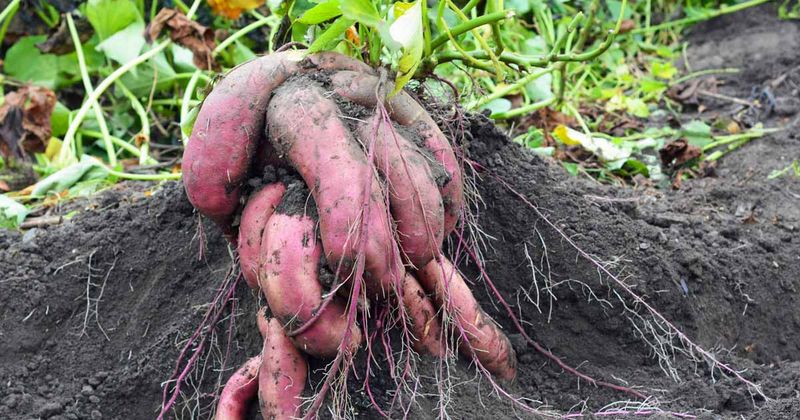
Sweet potato growers in North Carolina sometimes stare at their vines all season, waiting for a clear signal that it is time to dig. Broad, natural yellowing that spreads across the foliage and progresses into browning, dying vines is one of the most visible late-season cues worth paying attention to.
Recognizing what that change actually means, and what it does not mean, can save you from digging too early and losing root size or waiting too long and losing roots to cold soil.
Yellowing and dieback signal a harvest check—not a guaranteed stage before readiness
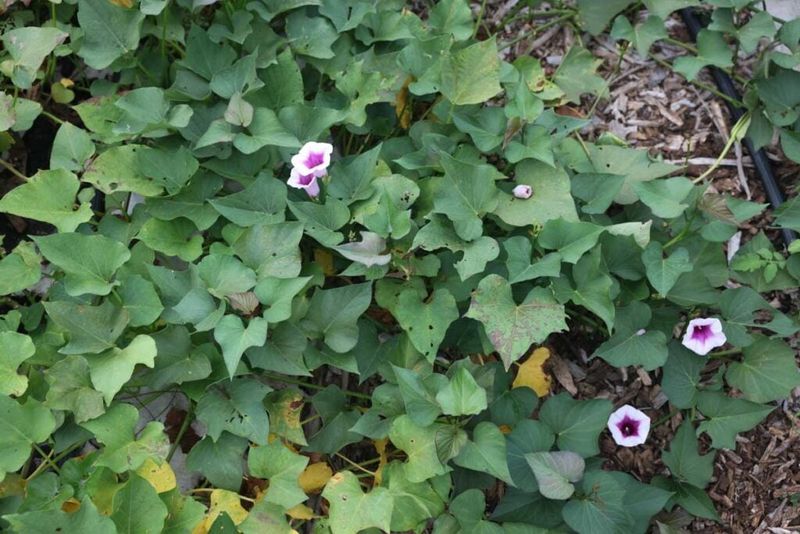
Broad, natural yellowing that gradually spreads across most of your sweet potato foliage, then progresses into browning and dying vines, is the late-season cue worth watching for. NC State Extension guidance describes readiness as the point when vines begin to die and turn brown, while Penn State Extension identifies leaves beginning to yellow as a signal to start thinking about harvest before frost arrives.
Both descriptions point toward the same broad, seasonal pattern: foliage that was once lush and green gradually losing color across the planting.
What this cue should trigger is a root-size check, not an automatic assumption that the storage roots are either fully mature or still unready. N.C.
Cooperative Extension is direct on this point: the only reliable way to know whether roots have reached the size you want is to dig up a few representative plants and look. Foliage color tells you the season is advancing; the roots themselves tell you whether the crop is ready.
The distinction between widespread seasonal decline and one or two yellow leaves matters here. A single yellow leaf on an otherwise healthy vine is not a harvest signal.
The meaningful cue is a shift that moves through much of the planting, turning leaves yellow across many stems and steadily giving way to brown, collapsing foliage. When that broad pattern appears after the expected growing period, treat it as a prompt to sample your plants, not as proof that the storage roots have crossed some biological finish line.
Interpret yellow leaves in the context of the whole plant
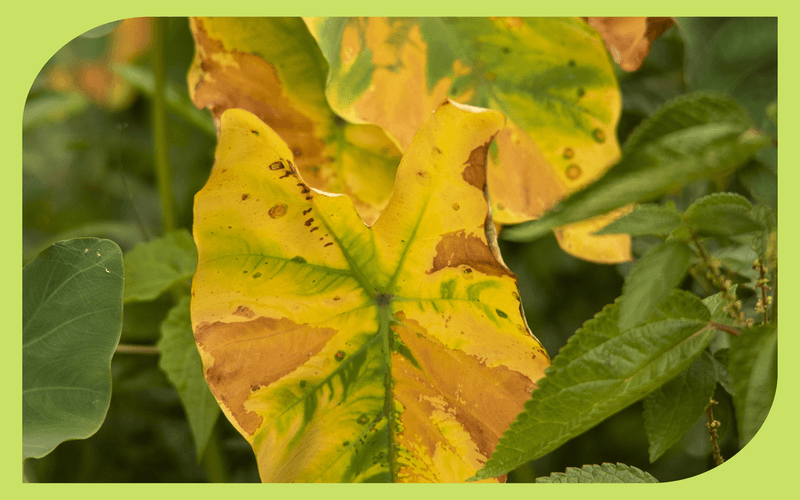
Not every yellow leaf on a sweet potato vine carries the same message. Early, patchy, or sudden yellowing that appears well before the expected harvest window often points to something other than seasonal maturity.
University of Maryland Extension notes that yellowing on vegetable plants can result from nutrient deficiencies, poor drainage, compacted soil, disease, or insect feeding, none of which signal that harvest is approaching.
Nematodes are a particular concern for North Carolina sweet potato growers. UF/IFAS guidance on nematode management in sweetpotatoes lists yellowing and poor vine coverage among the symptoms associated with nematode pressure, which can affect root quality and overall plant health.
If yellowing shows up unevenly across the bed, looks stunted or spotty, or arrives early in the season, the cause is more likely a stress factor than an approaching harvest.
Normal late-season decline looks different. It tends to be relatively uniform across the planting, appears after roughly 90 to 120 days of growth, and progresses steadily rather than appearing overnight.
UMass Extension also points out that storage roots continue growing until frost kills the tops or soil temperatures fall consistently below about 65 degrees F, meaning yellowing does not switch off root development. Roots may still be sizing up even as the foliage begins to fade, so the cue to watch is the pattern and timing of the decline, not the first leaf that turns.
Match the foliage cue to the North Carolina growing calendar
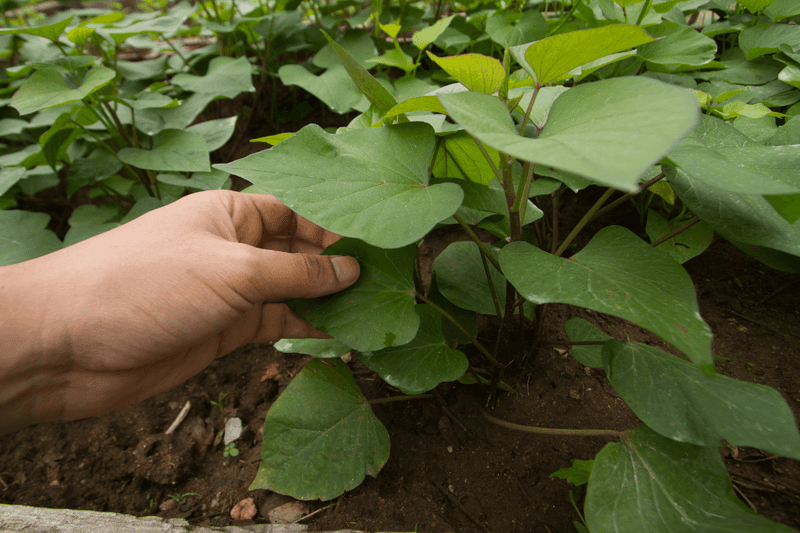
Foliage color only becomes a useful harvest signal when it lines up with where you are in the growing season. For most North Carolina home plantings, that means somewhere around 90 to 120 days after the slips went in the ground.
N.C. Cooperative Extension notes that North Carolina harvests can begin in late August and continue through October, depending on planting date, cultivar, and local conditions.
Cultivar choice matters more than many home gardeners realize. Clemson Cooperative Extension notes that Beauregard is commonly listed around 90 to 100 days, while Covington can run closer to 95 to 120 days depending on production conditions.
A gardener growing Covington who expects a 90-day harvest may pull roots that have not yet reached a satisfying size. Knowing your cultivar and your planting date gives the foliage cue a reliable frame of reference.
NC State also identifies Orleans as another variety with its own maturity and production characteristics, as covered in the NC State organic commodities production guide. Planting records from your own garden are one of the most practical tools you have.
If you know your slips went in the ground in late May, you can mark your calendar for mid-August as the earliest realistic check date, then use vine condition as a secondary signal rather than the primary one.
Sample several plants before harvesting the bed
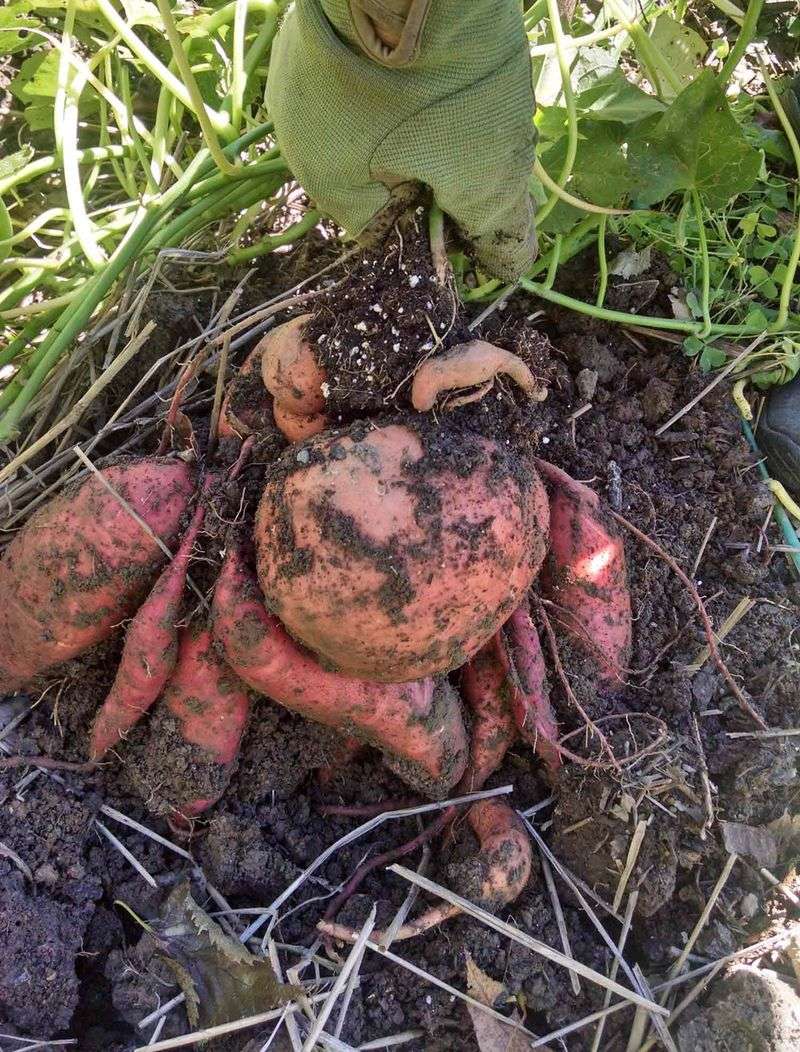
Once the season and the vine condition both point toward harvest, the next step is to dig before you commit. Pull a few representative plants from different spots across the bed and actually look at the roots.
N.C. Cooperative Extension is clear that digging representative plants and evaluating root size is the only way to know whether the crop is ready, because foliage alone cannot tell you what is happening underground.
One or two plants can give you an initial read, but they may not reflect the full range of what is in the ground. Sweet potato beds are rarely perfectly uniform.
Soil texture, drainage, sun exposure, and even planting depth can vary across a bed, and those differences show up in root size. UMass Extension recommends sampling several plants and harvesting when most roots have reached the desired size, which is a more reliable approach than judging by a single plant near the edge of the bed.
The decision benchmark here is desired size, not a biological maturity point. A gardener who wants smaller, more tender roots may dig earlier.
Someone aiming for larger storage roots may wait a bit longer, provided that weather and pest pressure are not becoming concerns. Spread your sample digs across the planting, check roots from the middle and the edges of the bed, and let what you actually find in the ground guide the final call rather than relying entirely on what the foliage looks like from above.
Let frost and cold soil set the outer limit
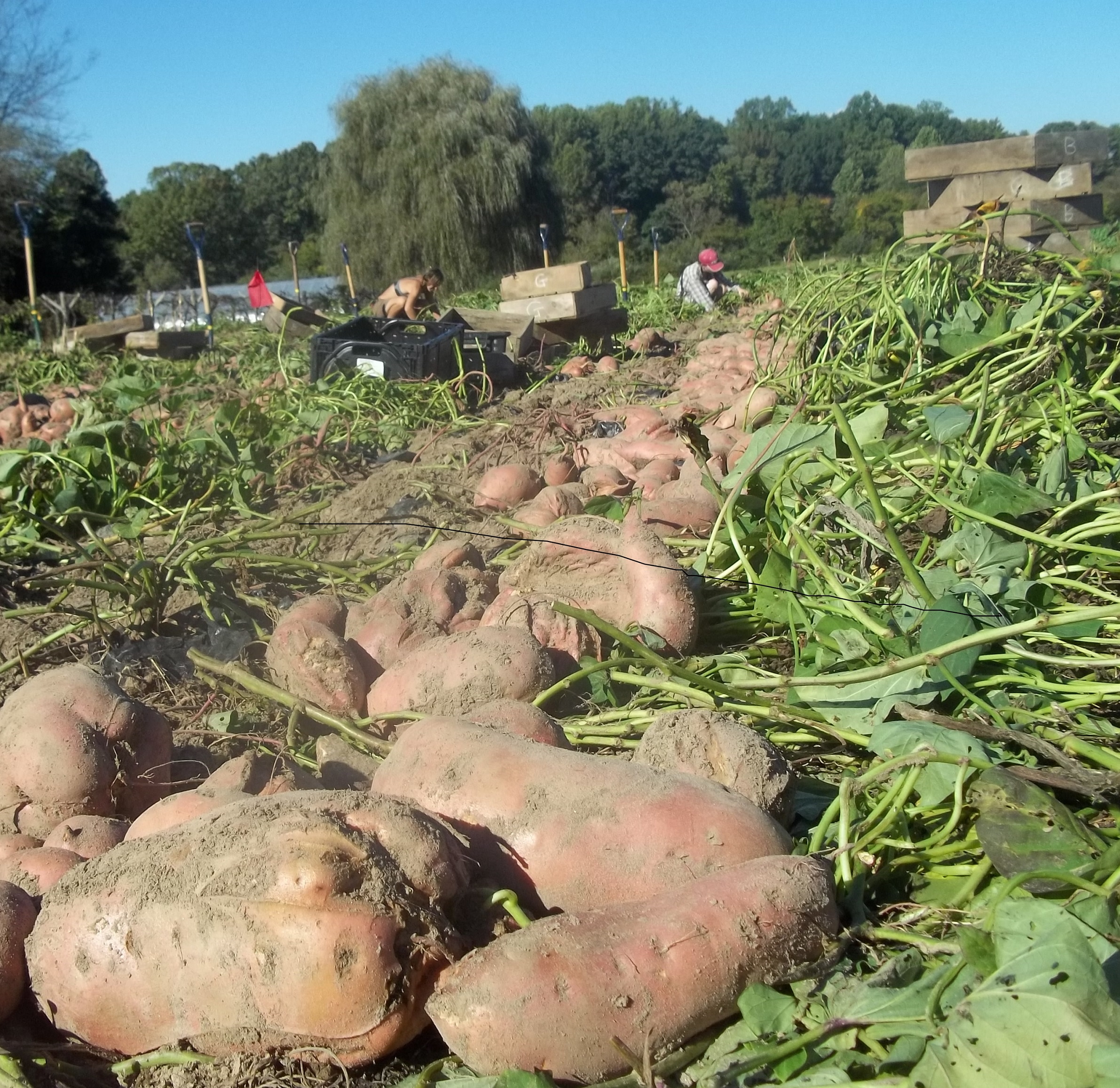
Waiting for the vines to completely die back before digging is a risky strategy in North Carolina. Frost can kill the tops quickly, and once a hard frost hits, the roots need to come out of the ground promptly regardless of how large they are.
UMass Extension warns that soil temperatures falling consistently below about 55 degrees F can cause chilling injury to the roots, which damages quality and reduces storage life even if the roots look fine on the outside.
Cold soil injury is not always visible at harvest. Roots that have been exposed to sustained cold may develop internal discoloration, off flavors, or rot during the curing and storage period.
That means a gardener who waits until the first hard freeze to start digging may lose much of the crop to damage that was already done before the shovel hit the ground.
The practical approach is to balance three factors: vine condition, desired root size, and weather risk. N.C.
Cooperative Extension places the North Carolina harvest window in late August through October, which reflects the reality that the outer limit is set by weather, not by waiting for a perfect biological cue. Watch the forecast as August turns to September and September turns to October.
When frost is in the near-term outlook and the roots have reached a workable size, harvest is the right call. Waiting for larger roots is not worth the risk of losing the whole crop to a cold snap.
Dig carefully and cure the storage roots
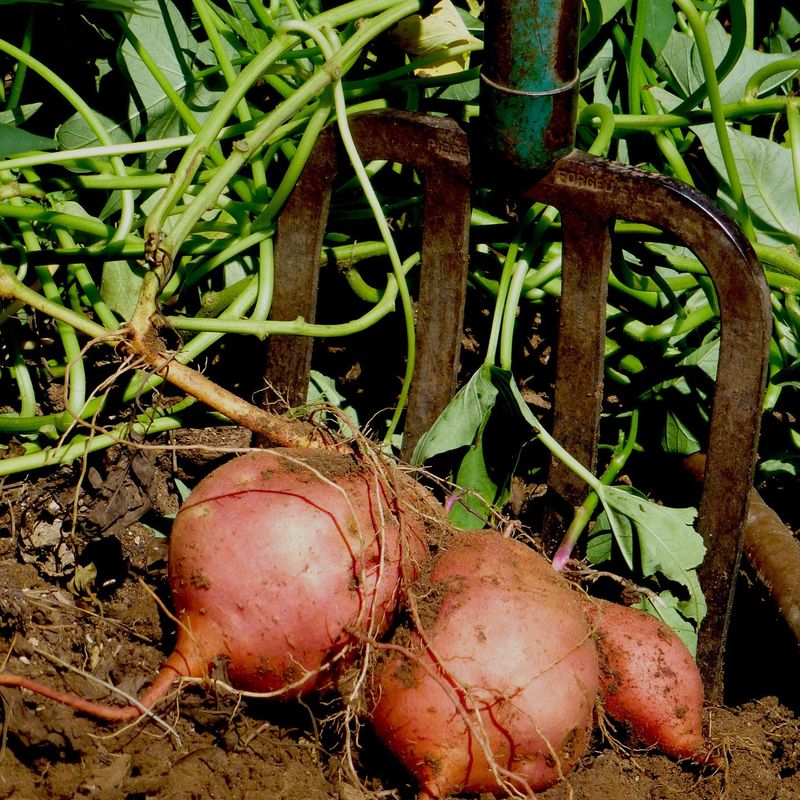
Sweet potato storage roots have thin, delicate skin that bruises, tears, and cuts far more easily than the finished product at the grocery store might suggest. The skin at harvest is fragile, and any wound made during digging becomes an entry point for rot during storage.
To reduce damage, push a garden fork or flat spade into the soil at least a foot away from the center of the plant, loosen the surrounding soil in a wide arc, and then lift the roots gently rather than pulling hard on the vines. UMass Extension recommends handling the freshly dug roots as carefully as eggs, because every cut and bruise reduces storage quality.
Curing is the step that transforms a freshly dug root into something that will store well and taste better. The curing process heals harvest wounds by allowing a protective layer to form over cuts and scrapes, improves skin quality, and converts some of the starches in the root to sugars.
N.C. Cooperative Extension recommends a home-garden curing target of approximately 80 to 85 degrees F with about 90 percent relative humidity for roughly 10 days.
A warm bathroom, a heated garage, or a room with a space heater and a pan of water can approximate those conditions reasonably well.
After curing, move the roots to a cool, dry location around 55 to 60 degrees F for long-term storage. UF/IFAS warns that temperatures below 50 degrees F can cause off flavors and rot, so a standard refrigerator is the wrong place for cured sweet potatoes.
A pantry, a basement that stays above 55 degrees, or a dedicated storage bin in a temperature-stable room works far better than cold storage for maintaining quality through the winter months.
Use one practical rule for the final harvest decision
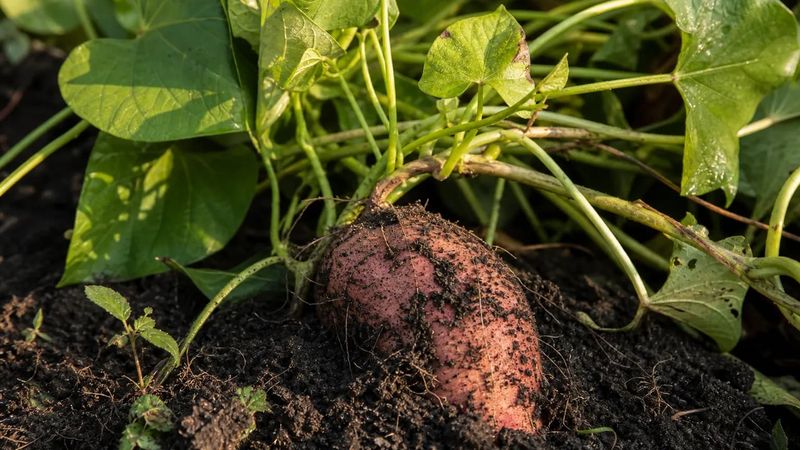
When edible sweet potato vines show broad, natural yellowing that progresses into dieback and browning after the expected growing period, that change is your cue to act, not to wait. Sample several plants from different parts of the bed, check whether most storage roots have reached the size you want, and set a harvest date that stays well ahead of frost or cold soil.
N.C. Cooperative Extension and UMass Extension both ground this sequence in the same practical logic: foliage tells you the season is ending, but the roots tell you whether the crop is ready.
Keep in mind that storage roots can reach a satisfying harvest size before the foliage ever yellows, particularly in a warm season with good growing conditions. Waiting for visible vine decline is not always necessary.
If you planted in late spring and 100 days have passed with no sign of foliage change, dig a plant anyway and see what is there.
The goal of this whole sequence is to avoid two opposite mistakes: pulling roots too early and losing size, or waiting too long and losing roots to cold. Vine decline, root size, and weather risk each carry a vote in the final decision.
The gardener who watches all three and acts when they converge will come out of the season with a harvest worth curing.