
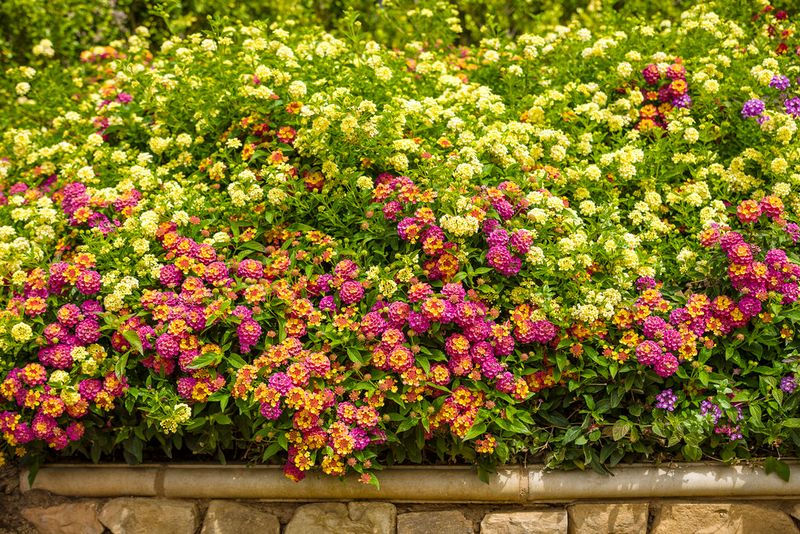
Lantana is one of the toughest flowering plants you can grow in a California yard, but even heat-loving, drought-tolerant lantana can slow down and look tired by midsummer. Most gardeners assume the plant just needs more water or a shot of fertilizer, when the real fix is something much simpler.
One small, repeatable task supported by extension guidance can help keep your lantana flowering longer into the season, and it takes only a few minutes each week.
The practical bloom-boosting step is regular deadheading
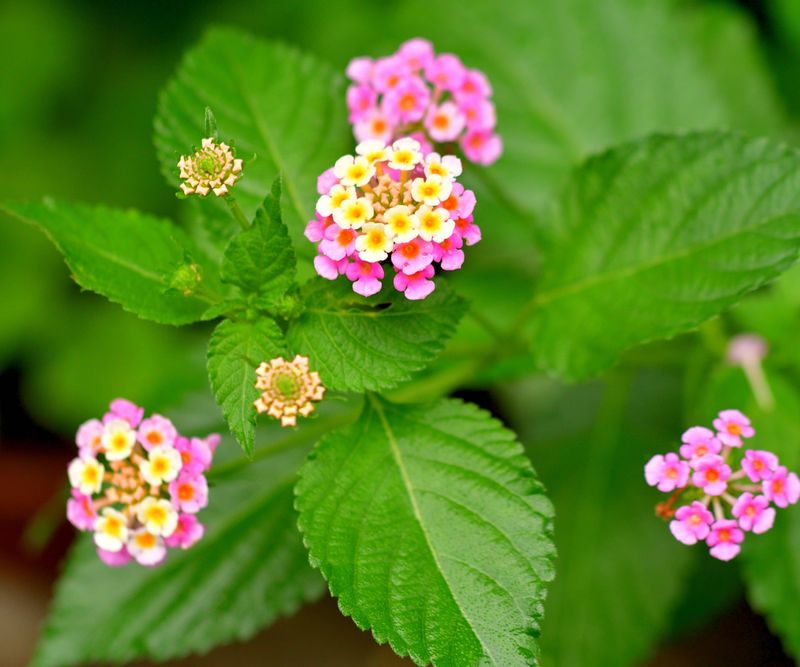
Deadheading lantana, meaning the regular removal of faded flower clusters before they develop into berries, is a practical, evidence-supported step for encouraging the plant to keep producing new blooms. University of Minnesota Extension guidance notes that removing old flower clusters promotes new blooms, and UC Master Gardener guidance similarly recommends periodic deadheading to encourage reblooming.
That consistent support from extension sources makes deadheading a reasonable first step when your lantana starts looking sparse in summer.
Removing faded clusters early, before they ripen into small black or green berries, can also limit seed production on fertile plant types. UC Master Gardener of Colusa County guidance specifically recommends removing black berries before they mature and notes that pruning after a strong flowering flush can prevent berries from forming at all.
Whether or not berry removal redirects resources toward new flowers in a measurable way has not been firmly established, so think of it as limiting seed production rather than as a guaranteed energy swap.
Deadheading alone will not override every factor that shapes flowering. Sun exposure, irrigation, cultivar identity, plant health, and local temperature all play a role in how much your lantana blooms.
A plant sitting in four hours of afternoon shade, stressed by drought, or struggling with root problems will not respond the same way as one growing in full sun with adequate moisture. Deadheading works best as part of a broader routine, not as a single rescue treatment that overrides unfavorable conditions.
Think of it this way: deadheading removes spent growth that has already done its job and clears the way for new flower buds to develop. When conditions are good, that clearing can support a noticeably fuller display.
When conditions are stressful, it still helps, but results will vary by cultivar, climate zone, and how well the plant is otherwise cared for.
Remove each faded cluster and its stalk
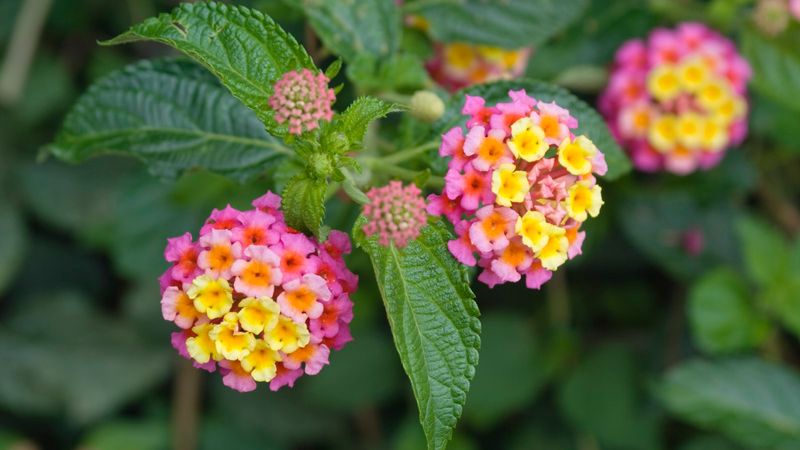
Knowing exactly where to cut makes the task easier and less stressful for the plant. Start by finding a flower cluster that has fully faded, turned brown, or begun swelling into a small berry.
Follow that cluster’s stalk downward toward the main stem until you reach a point where the stalk meets leafy growth or a side branch. Cut there, removing the spent cluster and its stalk cleanly without pulling off healthy leaves or cutting deeply into the woody center of the plant.
UC Master Gardener guidance on keeping up in the garden recommends removing spent stems along with the old flower heads, which supports cutting the stalk rather than just snapping off the dried flower top. The goal is to remove the whole spent structure, not just the visible bloom, so that the plant’s energy goes toward producing new growth at the base of that removal point.
Clean, sharp pruning snips work better than dull scissors, which can crush stems and leave ragged cuts more vulnerable to disease.
Work through the plant systematically, checking each stem tip for faded or developing clusters. You do not need to strip the plant bare or remove any foliage in good condition.
If a stem has both a faded cluster at the tip and a healthy side branch lower down, cut just above that side branch so the plant retains its leafy structure while losing only the spent growth.
A safety note worth keeping in mind: unripe lantana berries can be toxic if eaten, and lantana foliage may irritate the skin of some people. UF/IFAS Gardening Solutions notes that the leaves are highly toxic to animals and that unripened berries are poisonous.
Wear gloves when handling the plant, wash your hands afterward, and keep children, pets, and grazing animals away from plant material, especially unripe berries.
Repeat the task while the plant is flowering
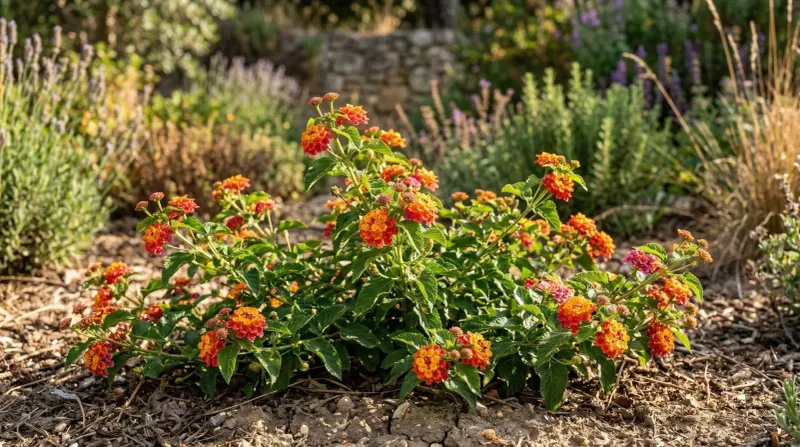
Deadheading pays off most when it becomes a regular part of your summer garden walk rather than a one-time fix. Lantana produces new flower clusters continuously through warm weather, which means spent clusters appear just as steadily.
Checking the plant every week or so and removing faded heads as they appear keeps the cycle moving without letting any single cluster progress all the way to a ripe berry.
UC Master Gardener of Colusa County guidance recommends removing black berries before they mature, which means catching clusters early, before the seed stage, is the practical target. You do not need a rigid schedule tied to a specific day of the week.
A quick scan during your regular watering rounds is enough to catch most clusters before they ripen fully.
On a plant that is flowering heavily, you might remove several clusters per session. On one that has slowed down, there may be only a few.
Either way, the task stays small and manageable. University of Minnesota Extension frames removing old flower clusters as a straightforward maintenance step rather than a specialized pruning operation, which is the right way to think about it for summer use.
Removing berries limits seed production on fertile cultivars, and some extension sources suggest that preventing seed set may support continued flowering on those types. Whether that holds equally true for sterile cultivars is less clear, since sterile plants do not produce viable seed regardless.
The habit is still worth maintaining across cultivar types because it keeps the plant tidy and removes growth that has already peaked.
Use light shaping instead of a hard summer cutback
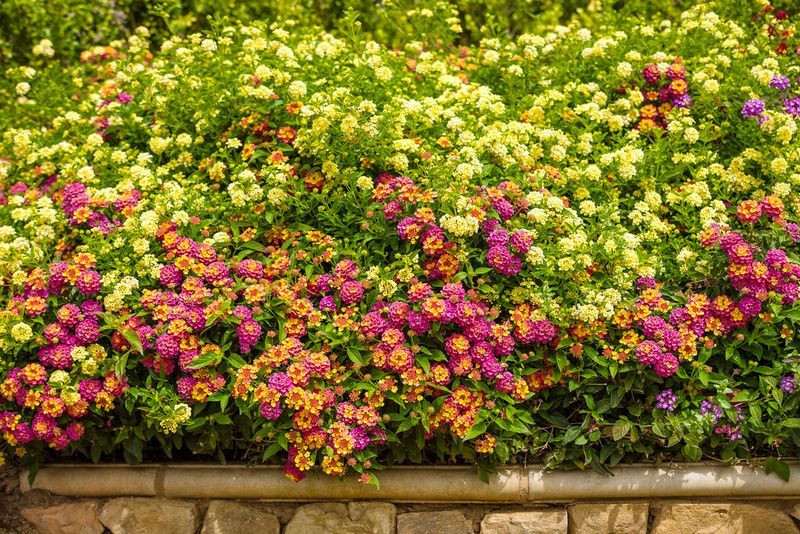
One of the most common mistakes California gardeners make with a flowering-slow lantana is reaching for the hedge shears and cutting it back hard, hoping that a fresh start will bring on a wave of new blooms. That instinct makes sense in some contexts, but a heavy midsummer cutback removes developing buds along with spent growth and can temporarily reduce the display rather than improve it.
Light tip pruning or gentle shearing of the outer growth is a different operation entirely. Mississippi State University Extension notes that light summer pruning can stimulate more flowering and encourage a bushier structure, which is a useful outcome when a plant has become leggy or uneven.
The key word is light. Trim the outer tips, not the interior woody stems, and aim to shape the plant rather than reduce its overall size dramatically.
UC Master Gardener guidance allows removal of up to one-third of the plant at one pruning, but that figure is better understood as a maximum shaping limit rather than a routine summer prescription. Cutting one-third of the plant at once during active bloom season is a significant intervention, and most gardeners will get better results from smaller, more frequent deadheading passes combined with occasional light tip trimming when a stem becomes noticeably long or bare.
Major rejuvenation pruning, the kind that cuts a lantana back close to its base or removes most of its top growth, is generally a late-winter or early-spring task in California. UC Master Gardeners of San Luis Obispo County list lantana among summer- and fall-flowering shrubs that are pruned in winter, which keeps that hard reset timed to when the plant is not actively trying to bloom.
Cutting back severely in July or August to solve a flowering problem is likely to set the plant back further, not rescue it.
Give lantana enough sun and water without keeping it soggy
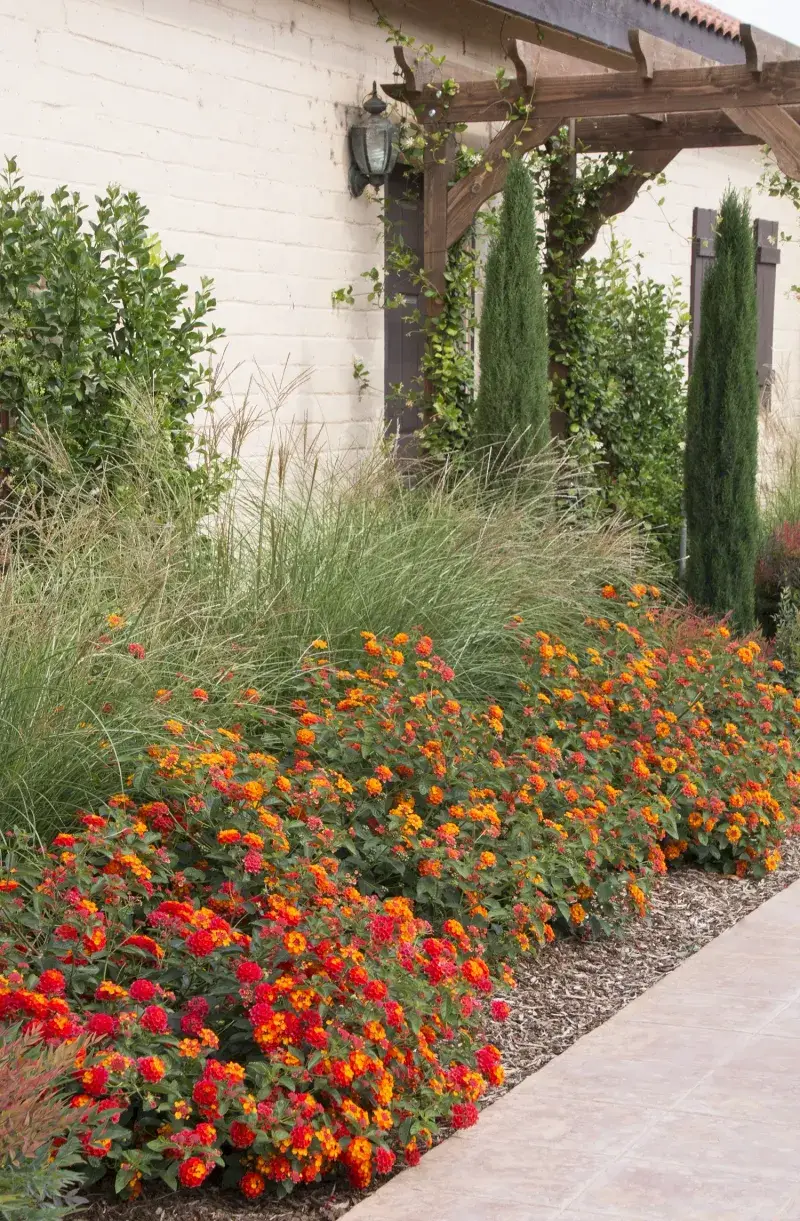
Deadheading works best when the plant underneath is actually set up to flower. Sun is the single biggest environmental factor.
UC Master Gardeners of San Luis Obispo describe a minimum of six hours of direct sunlight for best flowering, and that benchmark holds across most California growing conditions. A lantana in partial shade may grow reasonably well but will typically produce fewer flowers than the same plant in an open, sunny spot.
Water is the other variable that trips up many gardeners. Established lantana is drought tolerant, meaning it can survive dry stretches without dying, but surviving is not the same as flowering at its best.
UC ANR Stanislaus County guidance indicates that established lantana may produce its best summer show with approximately one inch of water per week from rainfall or irrigation combined. Treat that figure as a useful flowering-performance benchmark rather than a universal rule, because soil type, container versus in-ground planting, local exposure, and water restrictions all affect how much supplemental irrigation makes sense for your specific situation.
UC IPM warns that excessive water can decrease bloom and contribute to root problems, so the goal is deep, infrequent irrigation rather than frequent shallow watering or constant moisture at the root zone. Water thoroughly enough to reach the roots, then allow the soil surface to dry somewhat before watering again.
University of Minnesota Extension specifically warns that overwatering reduces blooms and can lead to root rot, and Clemson Extension cautions against frequent overhead watering. Drip irrigation or soaker hoses that deliver water at the root zone are a better fit for lantana than sprinklers, especially during hot California summers when wet foliage can stress the plant and attract fungal problems.
Do not replace basic care with heavy fertilizer
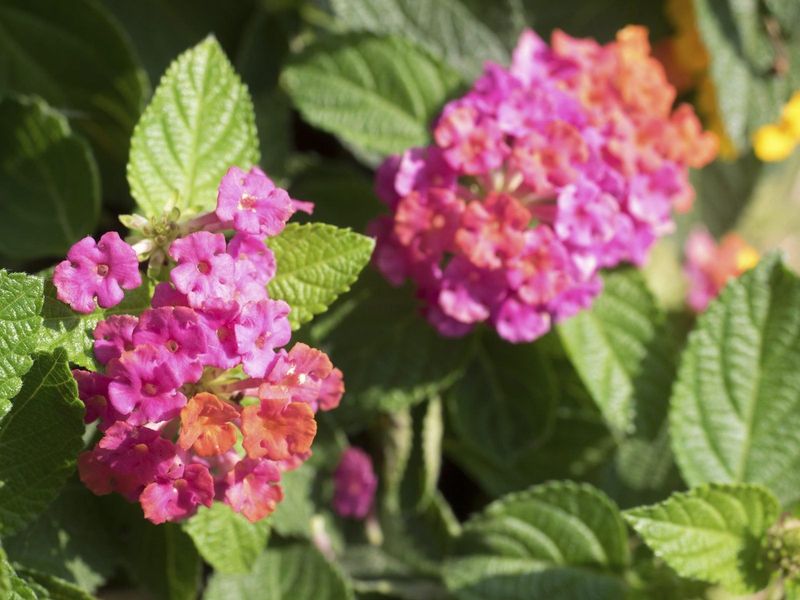
When a lantana stops flowering the way you expect, the impulse to feed it heavily is understandable. More nutrients should mean more growth and more flowers, right?
For lantana, that logic tends to backfire. UC IPM notes clearly that excessive fertilizer or water can decrease bloom on lantana, which means a heavy feeding schedule may actually be working against the result you want.
Established plants in reasonably healthy soil often need no fertilizer at all. University of Minnesota Extension states that lantana generally needs no fertilizer after planting, though a half-rate monthly application may be used if growth seems sluggish and conditions otherwise check out.
UC ANR Stanislaus guidance similarly notes that lantana does not require fertilizer but tolerates light applications. If you do choose to feed, keep it light and infrequent rather than applying a full dose on a regular schedule.
Excess fertilizer tends to push leafy, vegetative growth at the expense of flowers, which is the opposite of what a bloom-focused gardener wants. Before reaching for a fertilizer bag, run through the basics first: is the plant getting at least six hours of direct sun?
Is irrigation appropriate for the conditions? Are spent flower clusters being removed regularly?
Fixing any of those factors is more likely to improve flowering than adding nutrients to a plant that is already well-established in California soil.
Check cultivar, stress, and lace bug symptoms when blooms slow
Regular deadheading and good basic care will improve flowering for most lantana plants, but some situations call for a closer look. When a plant stops blooming despite consistent deadheading, adequate sun, and appropriate watering, the cause is usually one of a handful of identifiable problems rather than a mystery.
Start with the environment. UC IPM notes that excessive water and fertilizer may decrease bloom, but extreme heat, drought stress, poor drainage, root damage, or deep shade can also suppress flowering.
California’s inland valleys can push temperatures well above 100 degrees Fahrenheit during heat waves, and even heat-loving lantana may temporarily slow its bloom cycle under those conditions. That kind of pause is normal and usually self-correcting once temperatures moderate.
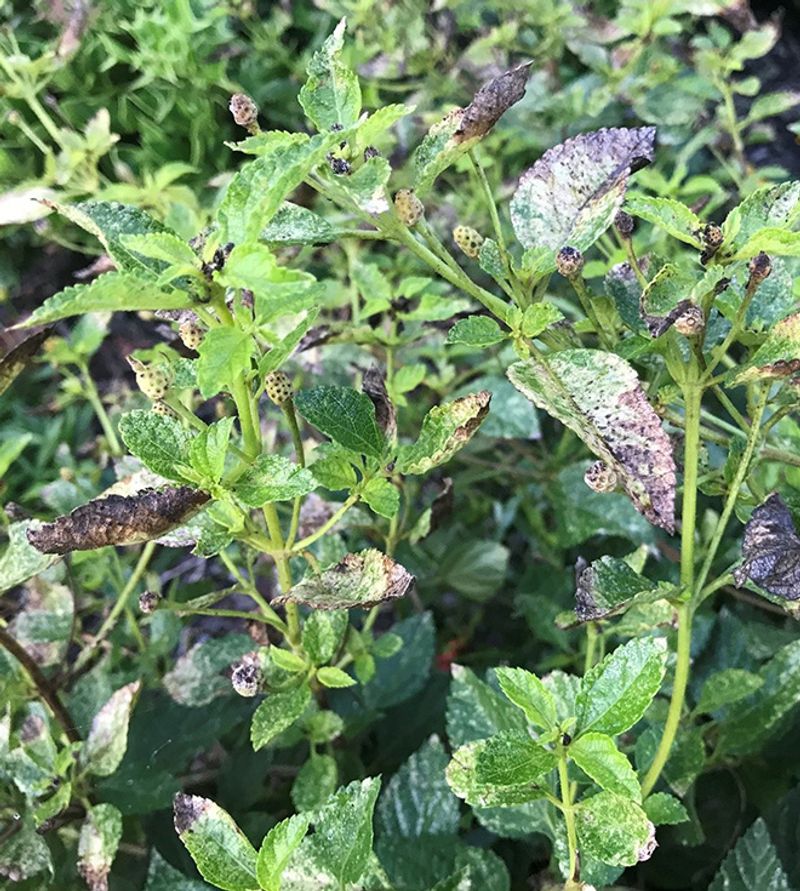
If leaves look stippled, bronzed, or dusty rather than a clean green, and you notice dark specks or a varnish-like residue on the undersides of leaves, lantana lace bug may be the culprit. Mississippi State University Extension identifies lace bug as a pest capable of reducing flowering and causing defoliation in heavy infestations.
Use a hand lens or read glasses to inspect leaf undersides carefully before drawing conclusions. If lace bug is confirmed, consult your product label and local extension guidance before applying any pesticide, because systemic insecticides applied to blooming plants can harm bees and other pollinators that visit lantana regularly.
Cultivar identity also matters more than many gardeners realize. UF/IFAS Gardening Solutions explains that sterile lantana cultivars cannot produce viable seeds or pollen, which means they do not set seed the way fertile types do.
Because sterile plants are not working to complete a seed cycle, the deadheading response may be less dramatic on those cultivars than on fertile ones. UC ANR sources reference both Lantana camara and Lantana montevidensis in California gardens, and plants sold under the same common name can differ significantly in their growth habits, seed fertility, and flowering patterns.
Knowing what you are growing helps you set realistic expectations for how it will respond to deadheading and summer care.
Build a realistic routine for a fuller summer display
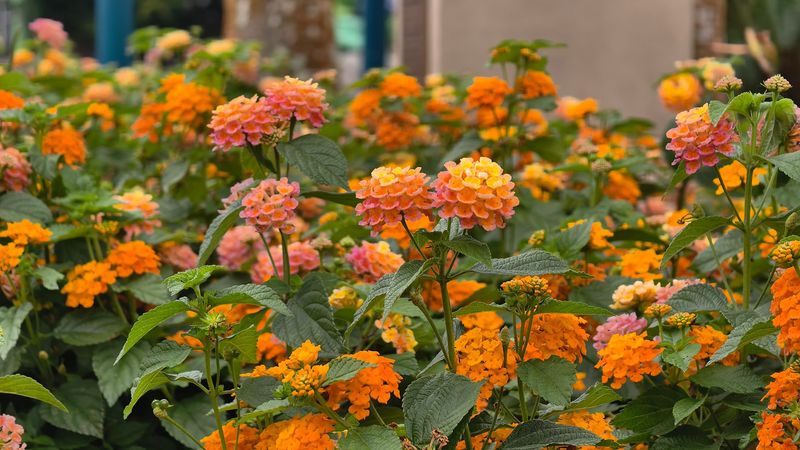
Putting it all together looks like this: every week or so during the flowering season, walk your lantana and remove each faded flower cluster along with its stalk, cutting back to where the stalk meets healthy leafy growth. Do this before clusters ripen into berries, particularly on fertile cultivars.
UC Master Gardener guidance and University of Minnesota Extension both support this as a practical way to encourage reblooming.
Back that habit with at least six hours of direct sun, deep and infrequent irrigation calibrated to your soil and local conditions, and minimal or no supplemental fertilizer. UC ANR guidance reinforces that excessive water and fertilizer work against flowering rather than for it.
Skip the hard summer cutback and save major pruning for late winter or early spring.
The honest payoff from this routine is better odds of continued reblooming and a fuller display through late summer, not a guarantee that flowers will cover every inch of the plant through every heat wave. Lantana is resilient, and giving it what it actually needs, rather than what feels like help, tends to reward California gardeners with a plant that earns its place in the yard all season long.