
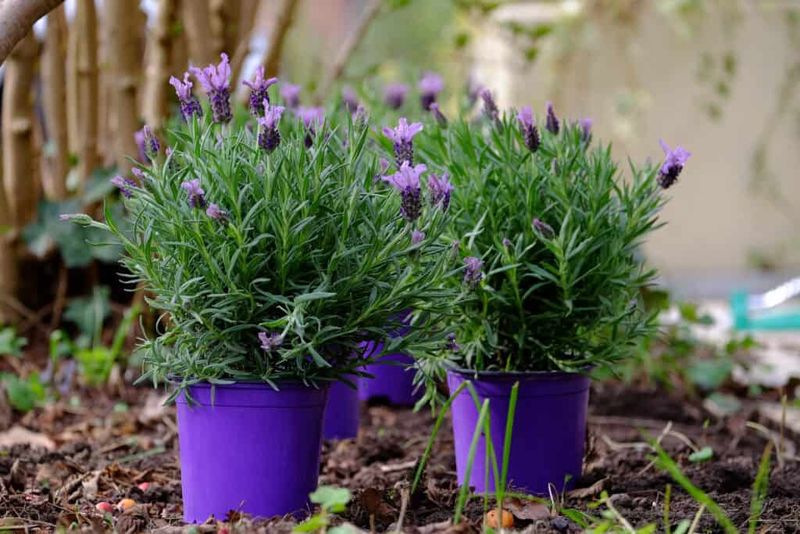
Growing lavender in a Central Texas pot sounds simple until the plant starts wilting, browning, and fading despite your best efforts. The problem often comes down to what is happening underground, where a limited volume of soil can cook in the summer heat or stay soggy after a rainstorm.
Getting that root zone right will not solve every problem, but it is the highest-leverage move a Central Texas gardener can make for a container lavender. This guide walks through how to set up the pot, read the plant, and avoid the most common traps.
The root zone deserves attention in a Texas container
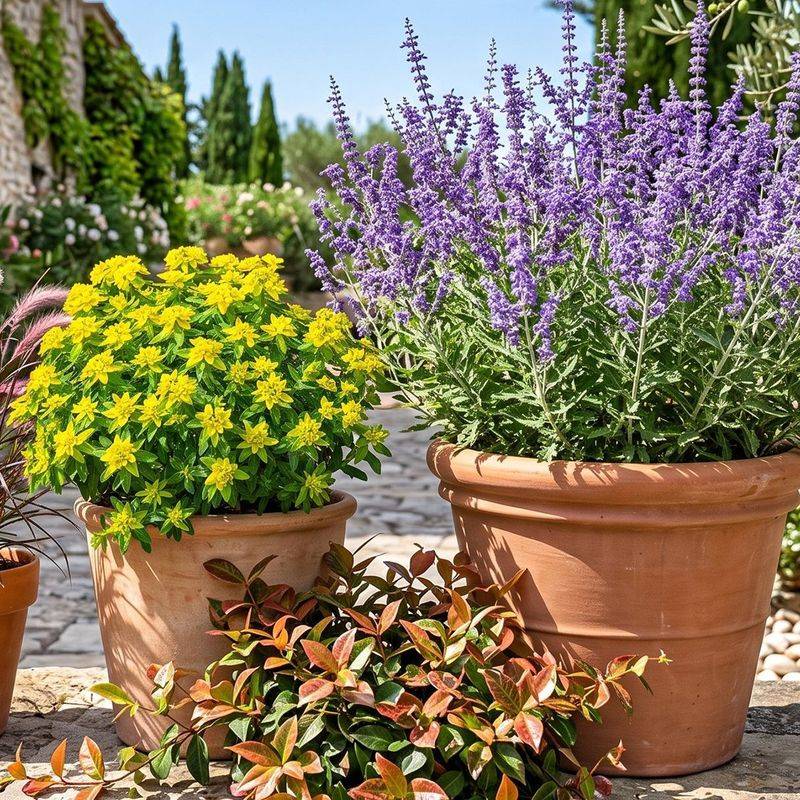
No single setup guarantees that a potted lavender will thrive through a Central Texas summer, and any guide that promises otherwise is setting you up for disappointment. Texas A&M AgriLife Extension describes lavender as difficult to grow in Texas and makes clear that cultivar selection, placement, and overall care all matter.
What this guide offers is the highest-leverage setup change available to a Central Texas gardener with a container plant.
The root zone is where the real action happens. A potted lavender has only a small volume of soil to work with, and that soil responds quickly to the surrounding environment.
On a concrete patio in July, a pot sitting in full sun can reach temperatures that stress roots well before the foliage shows obvious trouble. At the same time, poor drainage can leave roots sitting in persistent moisture after rain or a deep watering, which raises the risk of root rot significantly.
Lavender generally prefers dry-side conditions, but that preference does not mean the plant should be deprived of water. RHS growing guidance notes that lavender in a container is not the same as an established in-ground plant, which can draw on a much larger soil volume and tolerate longer dry spells.
A potted plant has fewer reserves and can suffer drought stress even though it would never need coddling if planted in the ground.
The core setup this guide recommends focuses on drainage, moisture management, and reducing root-zone heat. These are important, controllable stress factors.
They do not explain every case of decline, and correcting them cannot overcome unsuitable cultivars, severe drought, pest pressure, or disease. Treat this as a strong starting point, not a cure-all.
Build a container that drains freely
Start with the potting mix, because the material filling your container sets the ceiling for everything else. Garden soil pulled from a bed is not a good choice for container lavender.
It compacts over time, holds too much moisture, and does not allow the air movement that roots need. A commercial potting mix is a better foundation because it is formulated to stay airy and free-draining even after repeated watering.
University of Arizona Cooperative Extension recommends a well-draining commercial potting mix for herbs grown in hot, sunny container conditions, and lavender fits squarely in that category.
If your mix feels heavy or dense, you can blend in coarse perlite or coarse sand to open up the structure. The goal is a medium that wets through easily and then releases excess water quickly rather than holding it around the roots.
Do not add gravel or rocks to the bottom of the pot as a drainage layer. NC State Extension’s container gardening guidance explains that a gravel layer beneath a potting mix can actually create a perched water zone, where moisture stalls at the boundary between the coarse and fine materials instead of draining away.
The result is wetter conditions at the root level, not drier ones.
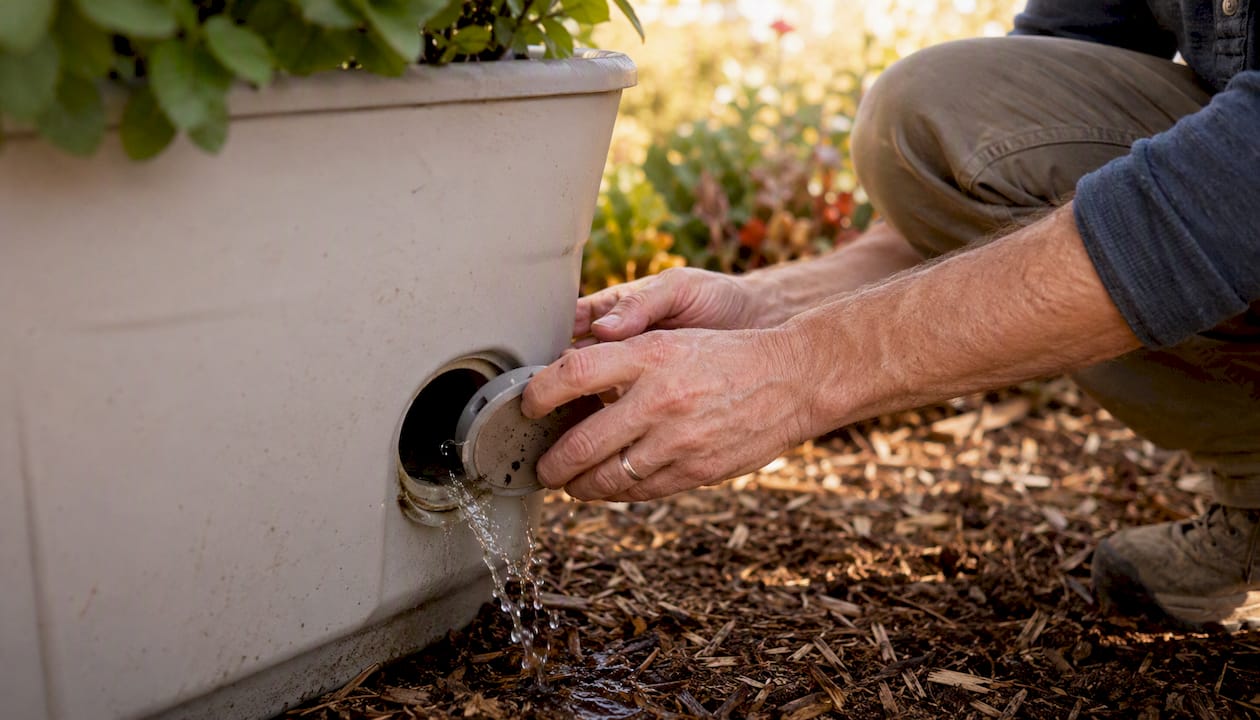
Next, check the drainage holes. Every outdoor container needs adequate, unobstructed holes that allow water to exit freely.
Before you plant, set the pot on a hard surface, pour water in, and watch whether it moves through promptly. Holes that are blocked by roots, debris, or the pot’s resting surface are a common and easy-to-miss problem.
Raising the pot off the patio solves a separate but related issue. A container sitting flat on concrete can seal against the surface and slow drainage even when the holes are clear.
Pot feet, bricks, or a simple wooden riser create the gap needed for water to flow out. UC Agriculture and Natural Resources container planting guidance supports elevating pots as a practical way to keep drainage unimpeded in outdoor settings.
Choose a pot that moderates heat and drying
Once drainage is sorted, the container itself becomes a meaningful variable. Size matters first.
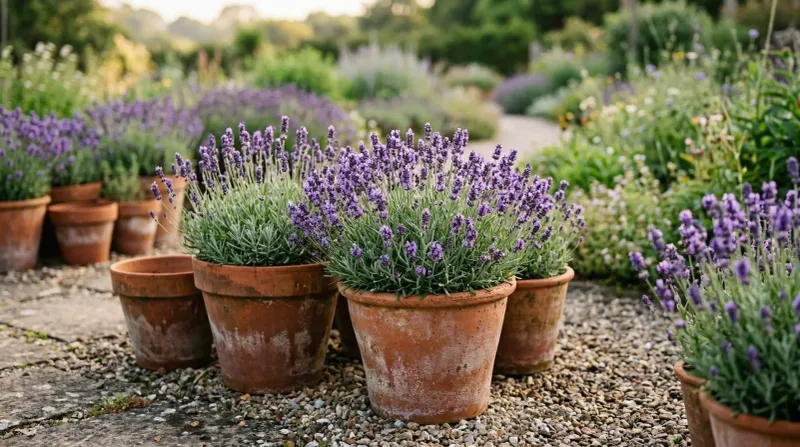
A pot that is too small heats up fast, dries out quickly, and restricts root development. University of Arizona guidance for herbs in hot, sunny conditions recommends at least 14 inches in diameter, and the RHS suggests roughly 12 to 16 inches wide as a practical range for lavender.
Larger pots buffer root temperatures more effectively and give you a longer window between waterings because there is more soil mass to absorb and release moisture gradually.
That said, the biggest pot you can find is not automatically the right answer. A very large container filled with a poorly draining mix, or one that receives more water than the plant uses, can stay wet at the root level for extended periods.
The goal is adequate root room combined with rapid drainage, not simply maximum volume.
Material affects both heat and moisture behavior in ways worth understanding before you buy. Small, dark, and metal containers can heat the growing medium quickly in direct summer sun, sometimes reaching temperatures that damage roots even when the foliage looks fine.
NC State Extension notes that container color and material influence how much heat transfers to the root zone, with darker materials absorbing more solar energy. Light-colored, glazed, wood, or composite containers tend to reduce heat buildup compared to dark plastic or metal.
Unglazed clay sits in its own category. Evaporation through the pot walls can cool the root zone, which is a genuine advantage during a Texas summer.
The tradeoff is that clay pots dry out faster, so you may need to water more often. UC ANR planting guidance acknowledges this balance when discussing container choices for outdoor herb growing.
If your main challenge is keeping the root zone from overheating, unglazed clay may help. If you are already struggling to keep up with watering, a light-colored glazed or composite container may be a better fit.
Water according to the potting mix
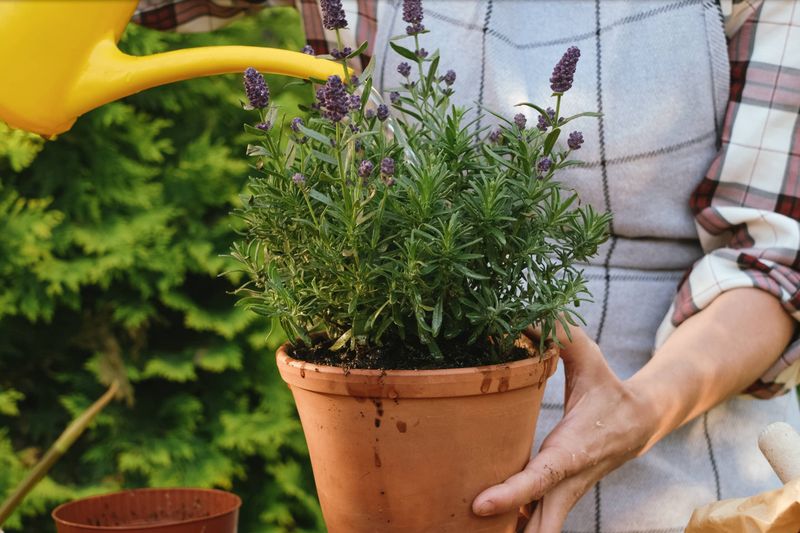
Checking the potting mix before reaching for the hose is the most reliable watering habit you can build for container lavender. Push a finger an inch or two into the mix.
If it still feels damp, wait. If it feels like it has dried out somewhat, water thoroughly enough to wet the entire root ball, letting excess drain freely from the bottom.
NC State Extension’s container guidance recommends watering deeply and then allowing the mix to partially dry before the next watering cycle, which suits lavender’s preference for conditions that lean toward the drier side.
Central Texas summers can push containers to dry out faster than you expect, especially during hot, windy stretches. That does not mean the plant needs water every single day on a fixed schedule.
Container size, pot material, sun exposure, wind, plant size, and recent rainfall all change how quickly the mix dries. RHS growing guidance emphasizes observation over routine, and that approach fits Central Texas conditions well because the variables shift so often across the season.
University of Arizona Cooperative Extension notes that if a potted herb needs water more than twice daily, the container may be in excessive sun or the plant may be root-bound. That is general herb guidance rather than a lavender-specific threshold, but it is a useful signal that something about the setup needs attention rather than simply more frequent watering.
Where you apply water also matters. Water at the soil surface rather than overhead, and keep moisture away from the crown and foliage as much as possible.
If you use drip irrigation, position emitters several inches away from the stems. UC ANR lavender disease guidance points out that overhead irrigation can spread Phytophthora spores, making crown and foliage wetting a disease risk beyond simple moisture management.
Separate heat or drought stress from root disease
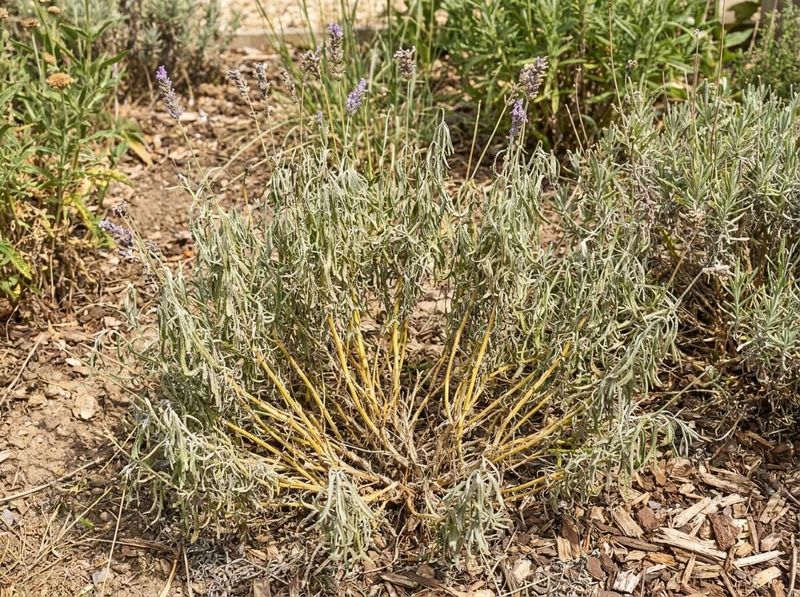
A wilted lavender plant is not automatically a sign that it needs more water. Wilting, yellowing, browning tips, and general decline can all result from underwatering, overheated roots, excessive moisture, poor drainage, or disease.
Adding water to a plant that is already sitting in waterlogged soil makes the situation worse, not better, so a quick diagnosis before you water can save the plant.
Check the potting mix first. If it is bone dry and the pot is sitting in intense reflected heat, underwatering or root overheating is the more likely culprit.
If the mix is still damp or wet and the plant looks limp or discolored, excess moisture or poor drainage deserves attention. Ask Extension’s lavender diagnostic guidance notes that symptoms like sudden wilting and browning can look similar across several different causes, making the mix’s moisture level and the pot’s drainage behavior important first observations.
Phytophthora root rot is one of the more serious possibilities when lavender declines despite reasonable care. The disease thrives in warm, wet soil conditions and can move quickly once established.
UMass Amherst’s root rot resource states plainly that no chemical treatment cures infected plants, which means prevention and sanitation carry far more weight than any response after infection takes hold. Good drainage, careful watering, and avoiding overhead irrigation are the main preventive tools available to a home gardener.
If you suspect root rot, do not respond with more water, misting, or added fertilizer. Remove the plant from the pot, inspect the roots for dark, mushy, or foul-smelling tissue, and assess honestly whether the plant can recover.
UC ANR lavender disease guidance recommends removing and discarding severely infected plants and sanitizing the container before reuse to reduce the risk of spreading the pathogen to a replacement plant.
Account for cultivar, sunlight, and patio exposure
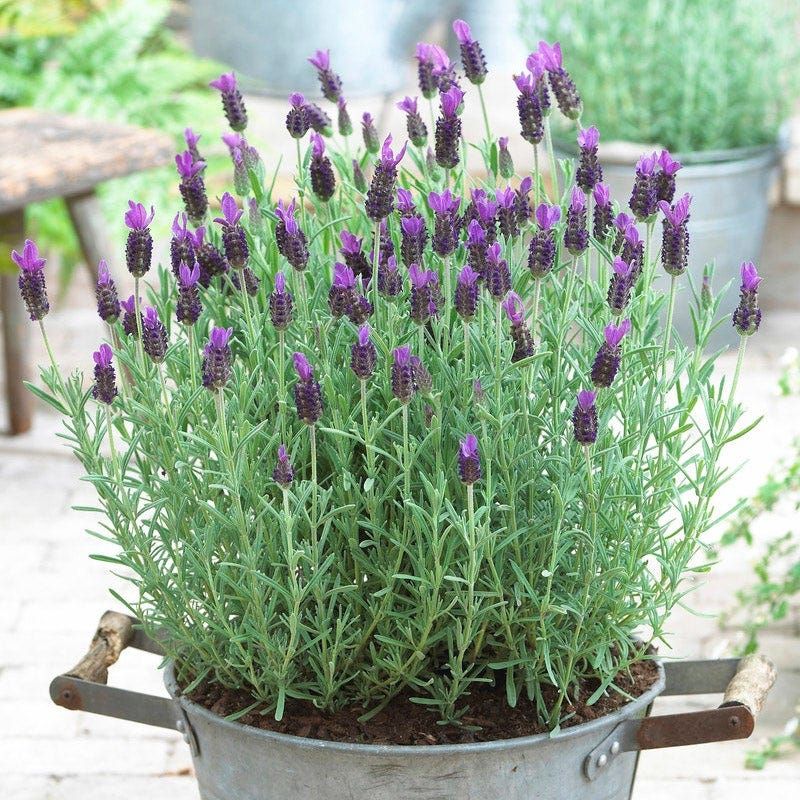
Good drainage and careful watering improve the odds considerably, but they cannot override a cultivar that is poorly matched to Central Texas conditions. Texas A&M AgriLife Extension is direct on this point: lavender is difficult to grow in Texas, and the type you select matters.
Among the options identified as better suited to Texas conditions are fernleaf, French, Goodwin Creek Gray, Provence, Spanish, and sweet lavender. English lavender, which is what most grocery stores and big-box retailers sell, is particularly susceptible to root rot and struggles more in the heat and humidity that Central Texas summers deliver.
NC State’s plant profile for Lavandula angustifolia confirms that English lavender is especially vulnerable when overwatered or kept in conditions that stay wet. Choosing a more heat-tolerant type from the start reduces the workload that drainage and watering management have to carry.
Sunlight placement is worth thinking through carefully. Lavender generally needs full sun, and moving it to deep shade to escape the heat will reduce flowering and weaken the plant over time.
RHS guidance lists full sun as a standard requirement. That said, a container sitting on a west-facing concrete patio that reflects intense afternoon heat is a different situation from a plant receiving strong morning sun with less radiant heat in the afternoon.
Temporary protection from extreme reflected heat, or repositioning to a spot with strong light but less patio glare, is a reasonable adjustment for a stressed container plant rather than a universal rule for all lavender.
Two supporting habits round out the picture. Overfertilizing encourages soft, lanky growth and reduces flowering, so keep fertilizer inputs light.
UC ANR lavender guidance recommends pruning lightly after flowering, removing spent blooms and a modest amount of green growth without cutting into the old woody stems at the base, which Texas A&M warns can kill the plant.
Use a root-zone checklist, not a guarantee
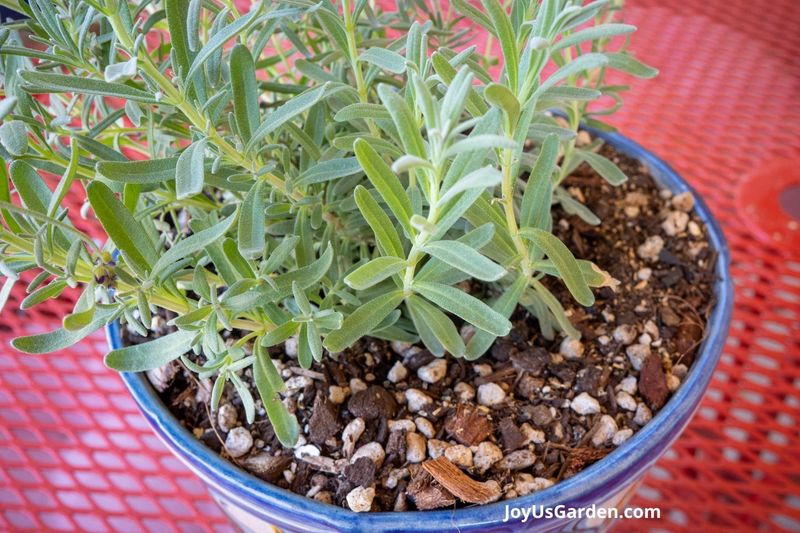
Pulling this together into a repeatable sequence is straightforward. Fill the container with an airy commercial potting mix rather than garden soil.
Verify that the drainage holes are adequate and unobstructed by checking that water exits freely when you pour some in. Raise the pot on feet, bricks, or a riser so the holes stay clear of the patio surface.
Choose a container in the 12-to-16-inch range with a material and color that fits your main challenge, whether that is overheating or chronic wetness. Water only after the mix has begun to dry somewhat, and apply water at the soil surface rather than overhead.
NC State Extension’s container guidance supports each of these steps as part of sound container management for plants with drainage-sensitive roots.
This setup addresses important, manageable growing conditions. It does not override every risk.
Cultivar choice, patio placement, plant health at purchase, accurate diagnosis when problems appear, and the unpredictable variation of a Central Texas summer all still affect the outcome. Texas A&M’s honest assessment that lavender is difficult in Texas is worth keeping in mind as a reality check rather than a reason to give up.
A well-drained, properly sited container with a suitable cultivar is the strongest starting position available. Beyond that, the plant has its own opinion.