
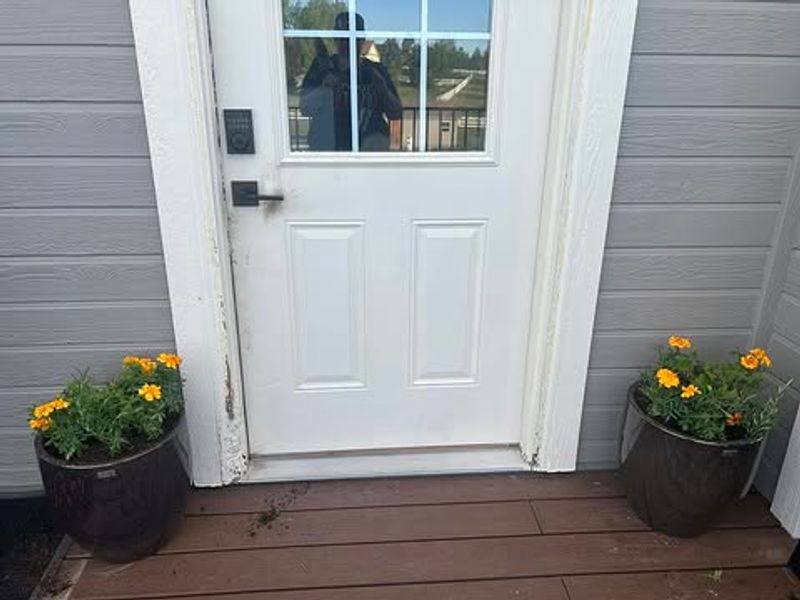
Scorpions are a real concern for Texas homeowners, especially in summer when the striped bark scorpion turns up in garages, attics, and even bedrooms. A lot of people have heard that certain porch herbs can keep scorpions away, and one plant keeps coming up in that conversation: rosemary. There is actually a small peer-reviewed study behind that claim, but what the research found is more limited than most articles admit. This piece explains what the science really says, what rosemary can and cannot do, and which practical steps actually reduce scorpion access to your home.
How scorpions reach Texas homes—and what homeowners can change
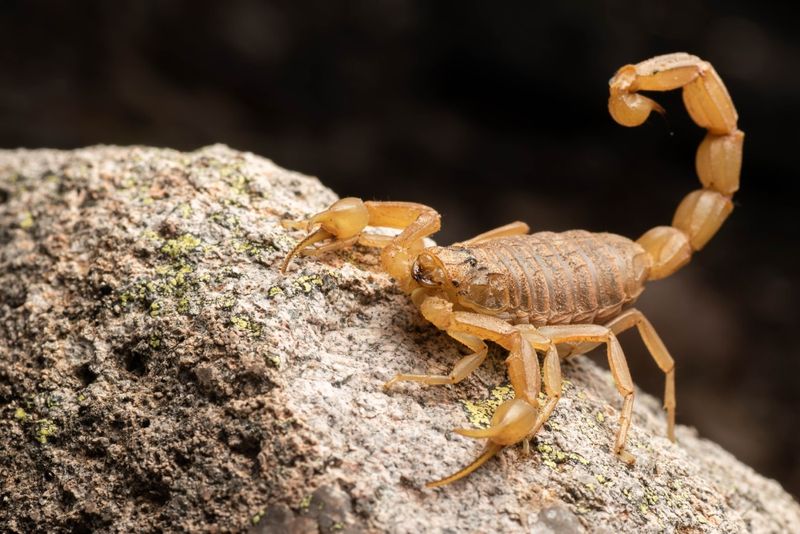
Texas has 18 identified scorpion species, but one stands apart from the rest: the striped bark scorpion (Centruroides vittatus). Texas A&M AgriLife Extension identifies it as the only species found throughout the entire state and the one most commonly associated with homes, walls, trees, attics, and indoor spaces during hot weather. When triple-digit Texas summers push scorpions to seek cooler shelter, the inside of a house becomes exactly what they are looking for.
Scorpions are nocturnal hunters. During the day, they hide under rocks, bark, boards, leaf litter, debris piles, and any other object that traps moisture and shade near a structure. At night, they emerge to hunt insects, spiders, centipedes, and earthworms. That prey-following behavior is part of what draws them toward occupied homes, where lights attract insects and clutter provides cover.
Getting inside is rarely dramatic. Scorpions slip through gaps under doors, cracks around pipes, torn window screens, weep holes in brick, and openings near roof eaves. A structure with dense vegetation against the foundation, a woodpile stacked against the wall, or debris scattered through the yard is essentially advertising available shelter right next to a warm building. Texas A&M’s scorpion identification and control guidance treats habitat modification and exclusion as the first line of defense precisely because scorpions depend on those conditions to reach and enter a home.
The practical question, then, is not whether a single porch plant can block every scorpion. The real question is which conditions around the house can homeowners actually change. Shelter near the foundation, openings in the building envelope, and abundant prey are the documented routes in. Reducing all three is where meaningful prevention begins.
Why rosemary is worth growing even without a pest guarantee
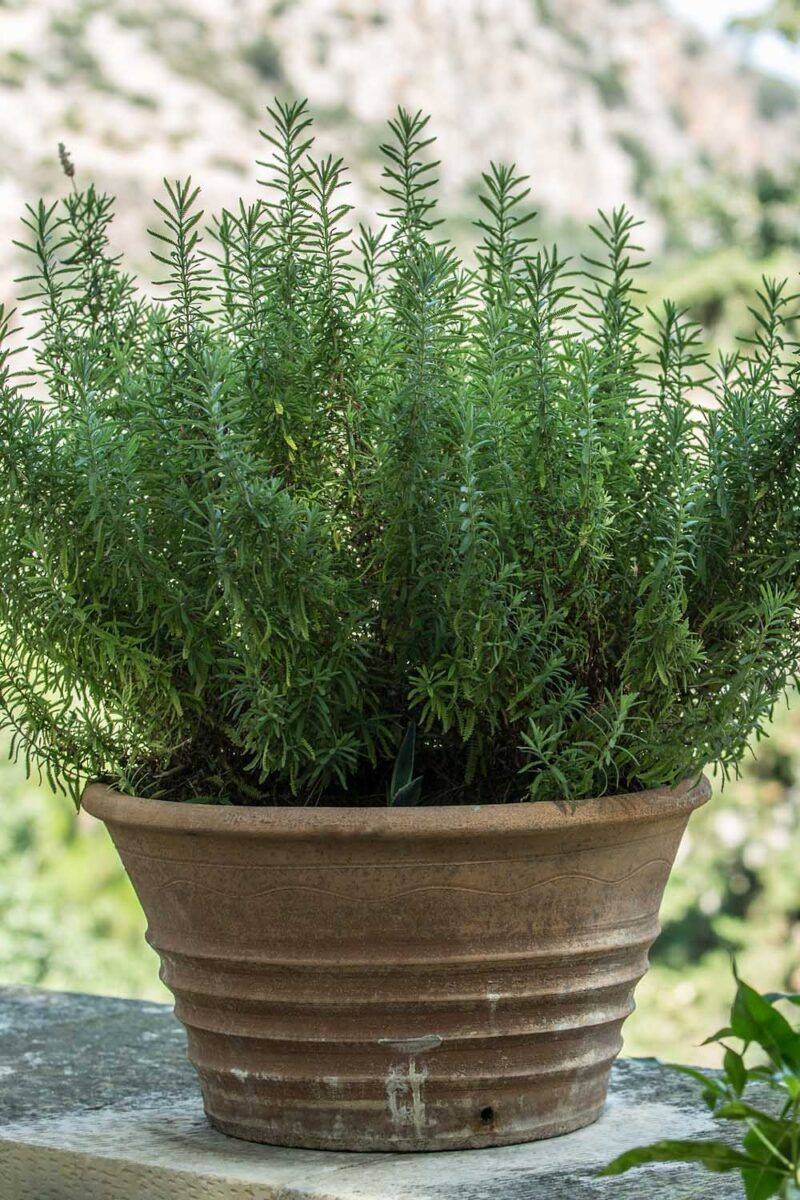
Rosemary earns a place on a Texas porch for reasons that have nothing to do with scorpions. Texas A&M AgriLife Extension’s rosemary growing guide describes it as a hardy herb built for hot, dry climates: it thrives in full sun, demands well-drained soil, tolerates drought once established, and handles the kind of heat that wilts less-adapted plants. For a Texas homeowner who wants something low-maintenance and useful near the front door, rosemary checks a lot of boxes.
On the culinary side, fresh rosemary is one of those herbs that genuinely improves with proximity to the kitchen. Snipping a few sprigs for roasted chicken, grilled vegetables, or olive oil takes about ten seconds when the plant is sitting on the porch. The ornamental case is just as solid: upright varieties grow into tidy, aromatic shrubs with small blue-purple flowers that attract pollinators, while trailing types spill attractively over container edges.
A sunny, well-drained container near a walkway or porch step is the practical choice for most Texas properties. Containers let you control drainage precisely, which matters because rosemary will tolerate drought far better than it tolerates waterlogged roots. They also keep the plant from spreading into dense ground cover against the foundation, which creates the kind of moisture-trapping, insect-harboring shelter that draws scorpions rather than discouraging them.
Any scorpion-deterrent benefit from a living rosemary plant remains unproven outdoors. Growing rosemary for culinary use, visual interest, and heat tolerance is well-supported. Treating it as pest-control is a different claim entirely, and one the current evidence does not back up for living plants on a Texas porch.
What the rosemary-oil study actually found
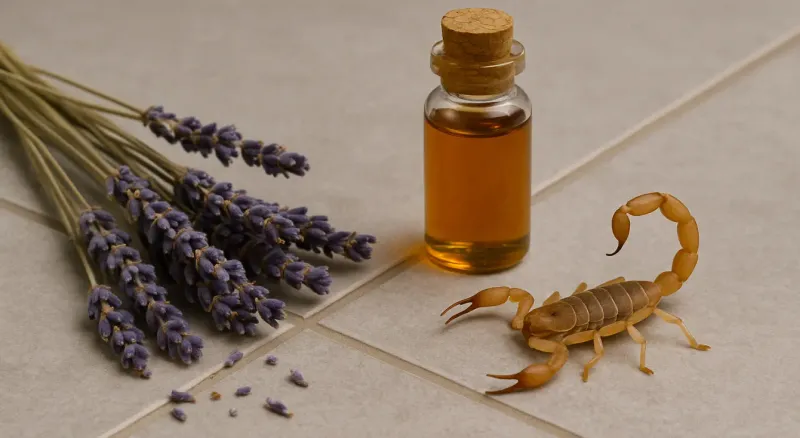
The study behind the rosemary-scorpion connection is real, peer-reviewed, and specific enough that the details matter. Published in the Journal of Arachnology, the Kelley, Yut, Kulkarni, and Gaffin study tested rosemary essential oil against 16 adult striped bark scorpions collected in Oklahoma. Researchers placed each scorpion in a two-sided arena where one section of sand had been treated with rosemary oil and the other with mineral oil. Over a two-minute trial, scorpions spent significantly more time on the mineral-oil side, indicating avoidance of the rosemary-treated surface.
That result is genuinely interesting. The striped bark scorpion is the same species that lives throughout Texas, so the finding has at least regional relevance. The avoidance behavior was statistically significant within the study’s parameters, which is why rosemary oil stands out as the most defensible candidate among the herbs and plant-derived compounds discussed in the broader scorpion-repellent literature.
What the study did not do is equally important to understand. The researchers did not test a living rosemary plant, a potted rosemary on a porch, a Texas home’s exterior, entry rates, or how long any effect might last outdoors. The scorpions used were a small group collected from a single Oklahoma population, and the experiment lasted two minutes in a controlled arena. The researchers themselves noted that further work was needed to evaluate large-area effectiveness, how scent persists in outdoor conditions, whether scorpions could adapt over time, and whether the plant itself produces enough volatile compounds to replicate the oil’s effect.
Reading the study carefully leads to one clear conclusion: rosemary essential oil caused avoidance behavior under specific laboratory conditions. That is a meaningful starting point, not a finished answer. Translating a two-minute arena result into a claim about what a porch plant does over weeks of Texas heat requires evidence that does not yet exist.
A potted plant is not the same as concentrated essential oil

One distinction matters more than any other in this conversation: the study tested concentrated rosemary essential oil applied directly to sand, not the ambient scent drifting off a living plant on a porch. The original research did not measure how much volatile compound a rosemary plant releases into open air, how Texas wind and heat affect scent dispersal, how large an area any scent might cover, or how long outdoor conditions sustain a meaningful concentration. Those are not minor gaps. They are the difference between a controlled laboratory result and a practical outdoor claim.
A living rosemary plant does release aromatic compounds, but the concentration at the surface of a leaf is very different from the concentration of oil applied directly to sand in a closed arena. Outdoor air movement, solar heat, humidity swings, and the sheer size of a porch or yard all work against maintaining any consistent scent threshold near ground level where scorpions travel. The study’s arena conditions were designed to isolate the avoidance response, not to simulate a Texas summer evening.
Beyond scent, there is a more fundamental limit. Even if some scorpions avoid rosemary oil under laboratory conditions, scent avoidance cannot seal the gap under a door, repair a torn screen, fill a crack in a brick weep hole, or stop a scorpion from climbing a wall or tree branch that overhangs the roof. Texas A&M’s scorpion extension bulletin is direct about this: scorpions are difficult to control without addressing the physical openings and harborage conditions that give them access in the first place.
Outdoor plant-level effectiveness is unresolved, not implied. Treating a potted rosemary as though it delivers the same result as the study’s concentrated oil application overstates what the science actually shows.
Place rosemary neatly and avoid creating new shelter
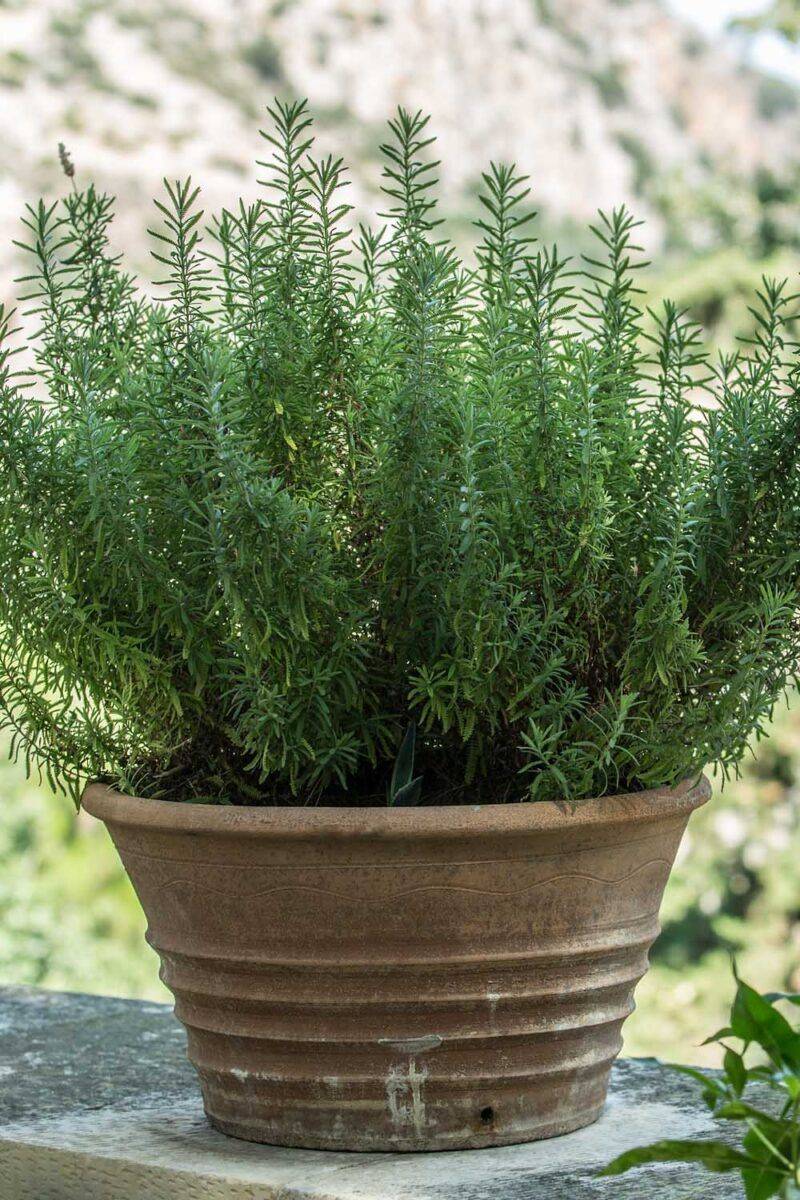
Placement matters as much as the plant itself. Texas A&M’s rosemary growing guide recommends full sun and well-drained soil, which points naturally toward a container rather than a dense ground-level planting along the foundation. A single pot or a pair of containers near a porch step or walkway gives the plant what it needs without creating the conditions that attract scorpions: moisture-trapping mulch, dense foliage pressed against the wall, debris accumulation, or insect habitat right next to the house.
The practical rule comes from Texas A&M’s habitat-modification guidance, which advises keeping vegetation pruned back from the structure and removing anything that creates harborage near the foundation. A tidy rosemary container follows that logic. A dense rosemary hedge planted directly against the brick, with mulch underneath and irregular watering, works against it. The goal is to add a useful, aromatic herb without accidentally building a scorpion-friendly microhabitat in the process.
Some readers may be tempted to take the study’s result further and spray rosemary essential oil around door frames or entry points. That approach carries real risks that the article’s title does not advertise. Concentrated essential oils can irritate skin, eyes, and airways in people and pets. They can also affect beneficial insects.
Texas A&M’s scorpion control publication notes that naturally derived pesticide products generally degrade faster and provide less residual control than conventional options.
Any product marketed as a pesticide, including those with plant-derived ingredients, must be registered with the EPA and used exactly as its label directs. The EPA is clear that using a pesticide in a manner inconsistent with its labeling violates federal law. Do not improvise essential-oil applications around doors, edible herbs, children, or pets based on a laboratory study that tested a different application entirely.
Use exclusion and habitat management as the real defense

Sealing the house and removing harborage around it is the strategy that extension agencies across the Southwest consistently put first. Texas A&M AgriLife Extension recommends a specific set of actions that address the documented routes scorpions use to reach and enter a home. Working through this list is more reliable than any single plant or product.
Start outside. Remove logs, boards, stones, bricks, leaf piles, and any other debris from around the foundation. These objects are daytime hiding spots, and eliminating them removes the staging area scorpions use before entering a structure. Keep grass closely mowed near the building, and prune bushes and overhanging tree branches so they do not create a bridge to the roof or walls.
Never bring firewood indoors unless it is going directly onto a fire. Firewood stacked inside or in a garage is one of the most common ways scorpions end up inside a home. Shake out shoes, towels, and clothing left on the floor or stored in garages before putting them on, especially during warmer months.
Then address the building envelope. Install or repair door sweeps and weather-stripping on every exterior door. Keep window screens tight and in good repair. Seal cracks around roof eaves, pipes, window frames, and door frames with caulk or appropriate filler.
For brick homes, Texas A&M’s scorpion control publication specifically mentions weep holes as a known entry point that can be addressed with fine mesh or commercial weep-hole covers.
University of Arizona Cooperative Extension guidance reinforces the same point: pesticides and plants alone do not solve scorpion access because they cannot close a gap or remove a harborage site. Exclusion and habitat modification are not supplemental steps. They are the primary defense, and a rosemary plant on the porch is a distant secondary consideration by comparison.
Monitor activity and respond carefully to stings
Knowing where scorpions are active around your property is more useful than guessing. Two monitoring tools stand out for homeowners. Sticky boards, sometimes called glue traps, placed along baseboards, in garages, and near entry points catch scorpions and give you a count of activity over time. Texas A&M’s integrated pest management booklet recommends sticky boards as a monitoring method for scorpions in and around structures.
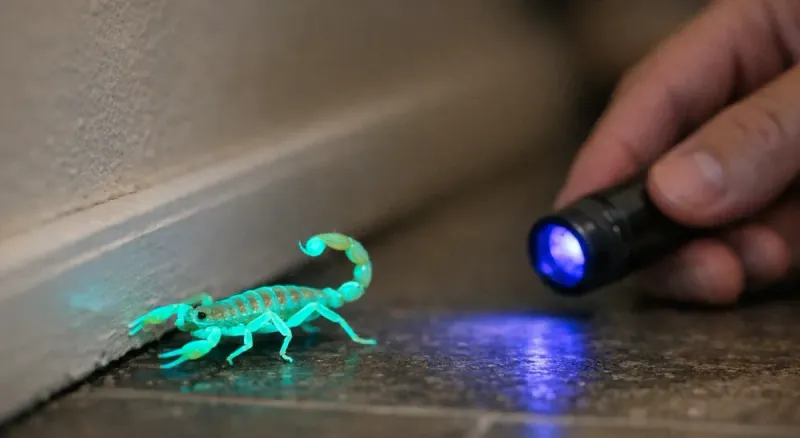
The second tool is a UV flashlight used after dark. Scorpions fluoresce under ultraviolet light, glowing a distinctive blue-green color that makes them easy to spot on walls, walkways, and porch surfaces. University of Arizona Extension’s scorpion guide covers UV inspection as a practical nighttime technique. Walk the perimeter of your home and check common harborage areas: under potted plants, along fence lines, near the water meter, and around the foundation.
Never handle a scorpion with bare hands. Use long-handled tongs, a jar, or thick leather gloves if you need to move one.
Sting response should be straightforward for most adults. Texas Poison Center Network guidance recommends washing the sting site with soap and water and applying a cool compress. Most reactions in healthy adults involve localized pain and swelling that eases over time.
Severity does vary, though, and CDC guidance on scorpions notes that individual reactions depend on the species involved and the person’s own physiology. Difficulty breathing or a spreading rash warrants emergency care immediately. For children, anyone with known allergies, or anyone experiencing worsening pain, persistent swelling, or symptoms beyond the sting site, contact a healthcare professional or call the Texas Poison Center Network at 1-800-222-1222. Do not wait to see if symptoms resolve on their own in those situations.
Let rosemary add value while the house does the protecting
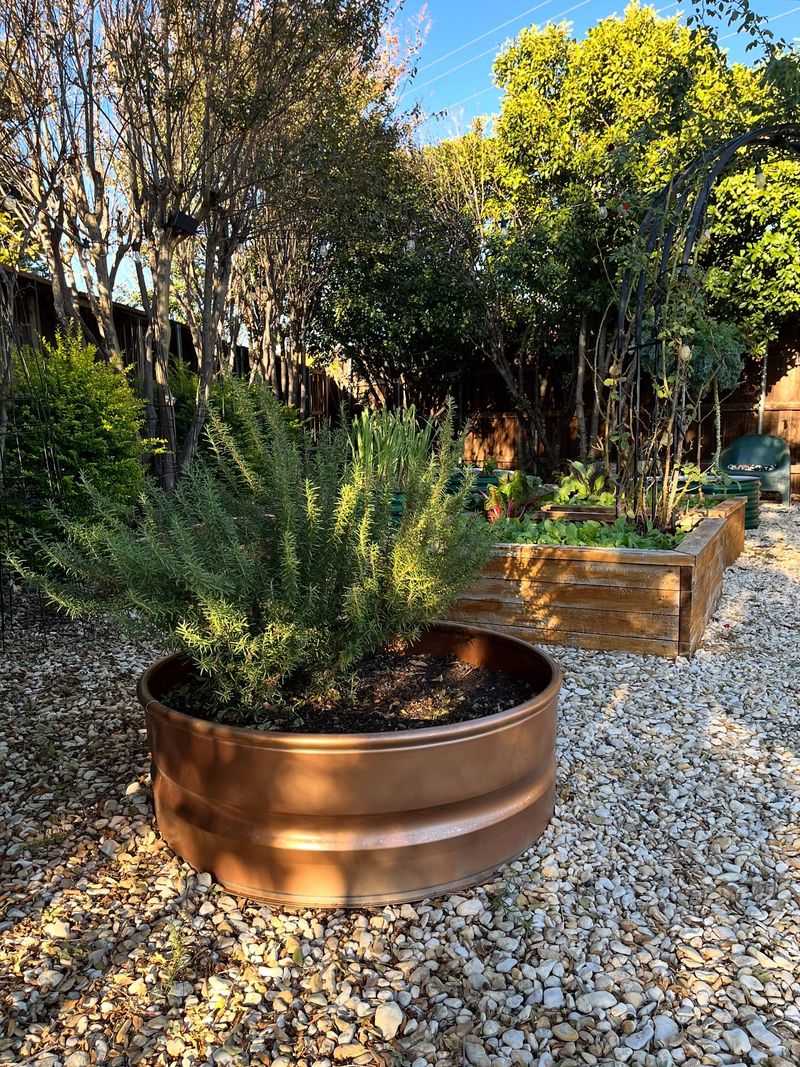
Rosemary belongs on a Texas porch. It handles the heat, earns its keep in the kitchen, and has limited laboratory evidence suggesting that its concentrated oil may cause avoidance behavior in striped bark scorpions under controlled conditions. That one small study is a reasonable reason to include rosemary on a list of sensible porch plants. It is not a reason to treat the plant as a scorpion barrier.
A living rosemary plant has not been shown to keep scorpions from entering a home. The work that actually reduces access is behind the plant: sealed gaps, repaired screens, cleared harborage, trimmed vegetation, and consistent monitoring. Those are the measures Texas A&M identifies as effective, and they address the documented routes scorpions actually use.
Grow the rosemary. Seal the house. The herb adds something real to a Texas porch; the door sweep is what keeps scorpions on the outside of it.