
California is home to some of the most unusual plants on the planet, but most of them never make it onto garden center shelves. Some are tricky to grow from seed, some are protected, and some are just so rare that nurseries skip them altogether.
If you want a yard that is water-wise, alive with pollinators, and truly one of a kind, these hidden gems are worth hunting down. Here are nine California natives that reward the gardeners patient enough to track them down.
1. Baker’s Manzanita (Arctostaphylos bakeri)
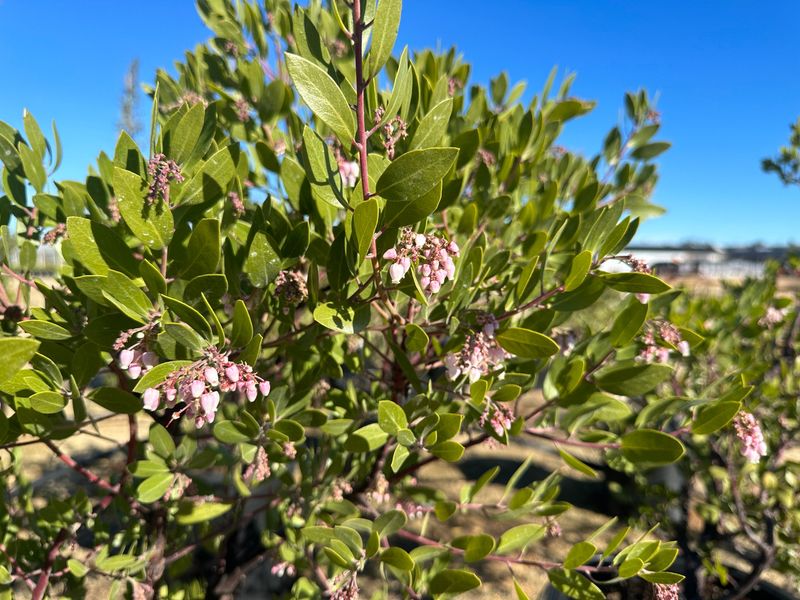
Tucked away in only a few spots around Sonoma County, Baker’s manzanita is the kind of plant that stops hikers in their tracks. Its bark peels back to reveal a deep mahogany-red that almost looks polished by hand.
Nurseries rarely stock it because the wild populations are so limited and legally protected. When you do find a cultivated form, it becomes a living sculpture in a dry garden.
Bees adore the little pink bell-shaped flowers that appear in late winter, giving early pollinators a meal when almost nothing else is blooming. For a hillside yard that needs to stay water-wise and fire-aware, its low, tidy growth is a real asset.
Plant it in fast-draining soil, give it full sun, and resist the urge to overwater. Manzanitas hate soggy roots, and too much kindness with the hose is what kills most of them.
2. Santa Cruz Island Ironwood (Lyonothamnus floribundus)
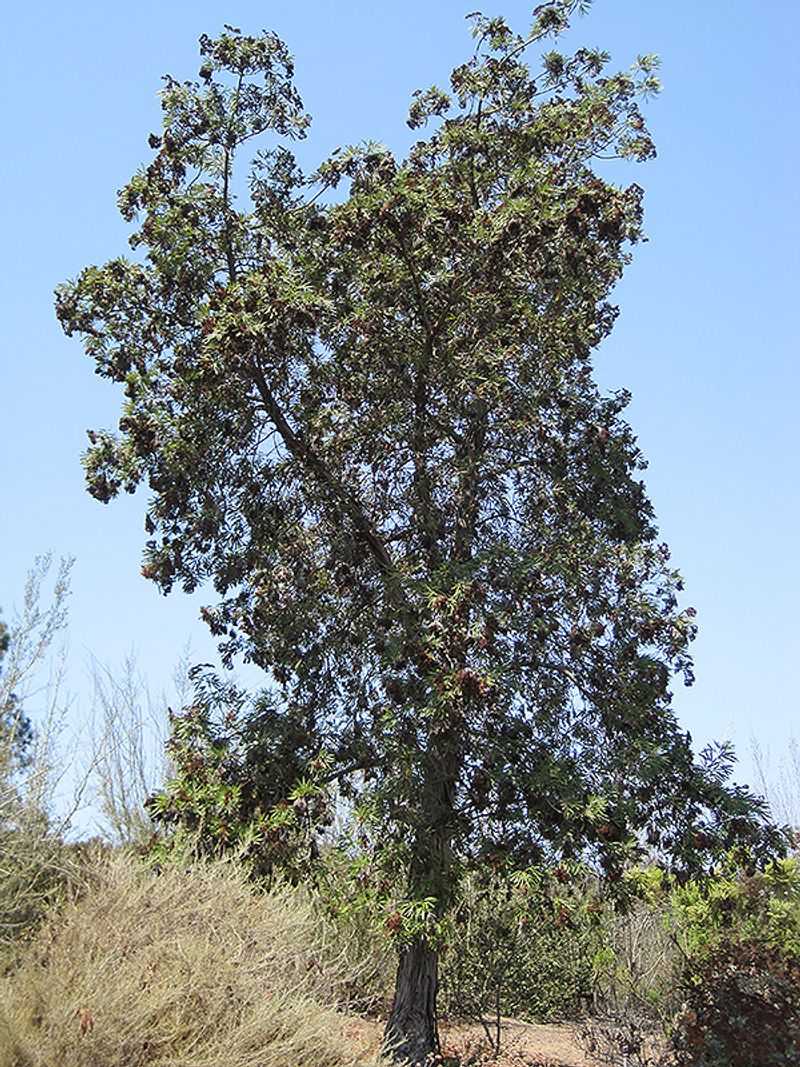
Ever seen a tree that looks like it belongs in a fairy tale? The Santa Cruz Island ironwood has fern-like foliage and shaggy, peeling bark that gives it an ancient, almost prehistoric feel.
Once widespread across California millions of years ago, it now survives naturally only on the Channel Islands. That rarity is exactly why you won’t spot it lined up at your local nursery.
Homeowners with room for a small ornamental tree love it for the airy shade it throws and the clusters of creamy white flowers it puts out in summer. It handles coastal conditions beautifully and asks for very little water once its roots settle in.
Give it a sheltered spot away from harsh inland heat, and you will have a conversation piece that ties your yard back to California’s deep natural history.
3. San Diego Thornmint (Acanthomintha ilicifolia)
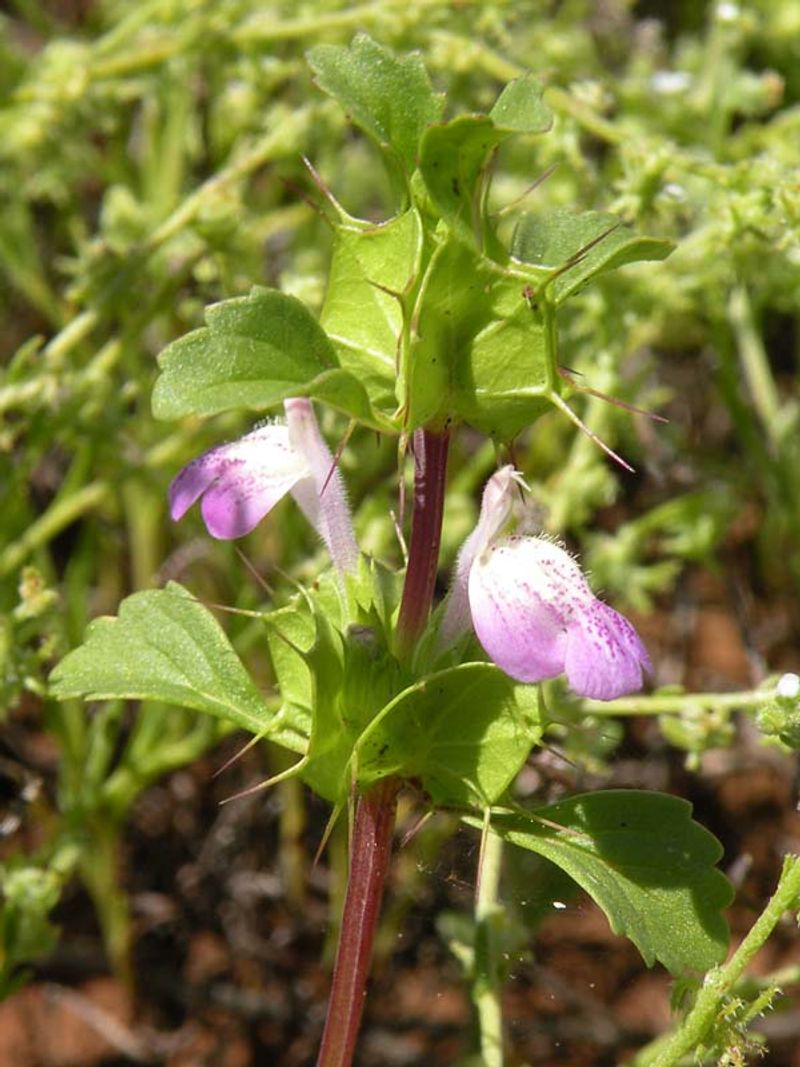
Small but scrappy, San Diego thornmint clings to survival in just a handful of clay soil patches in Southern California. It is listed as threatened, which means you will almost never see it sold anywhere.
The tiny holly-shaped leaves come edged with soft spines, and the pale lavender flowers draw in native bees that specialize in this exact plant. Losing it would mean losing the insects that depend on it too.
For gardeners lucky enough to grow it from responsibly sourced seed, it fits into a low, dry native bed that mimics its wild home. It thrives where richer garden plants would sulk in heavy clay.
Consider it a stewardship project as much as a garden plant. Growing rarities like this helps keep California’s native seed lines alive for the future.
4. Franciscan Manzanita (Arctostaphylos franciscana)
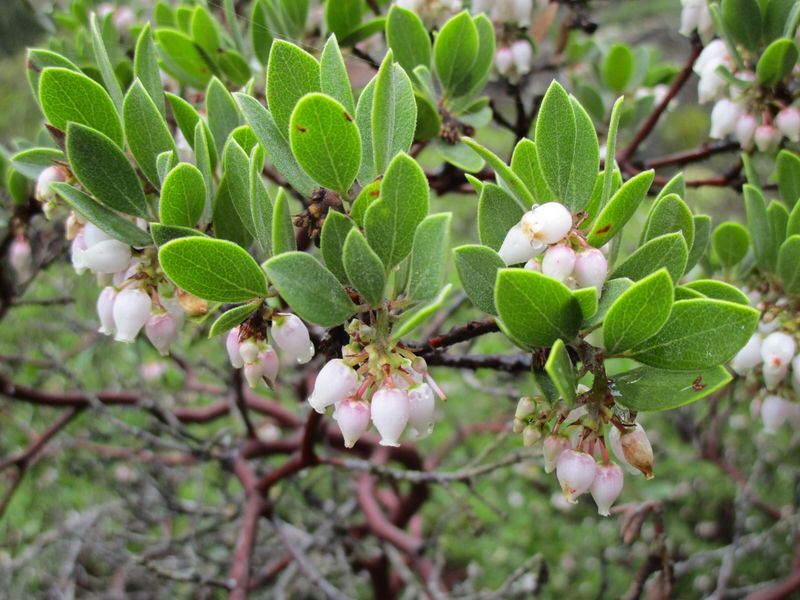
Here is a plant with a comeback story worthy of a movie. Franciscan manzanita was thought extinct in the wild for decades until a single surviving specimen was spotted near a San Francisco highway in 2009.
That one discovery sparked a serious rescue and propagation effort, but the plant remains incredibly hard to find for sale. Every cultivated cutting traces back to careful conservation work.
Growing low and wide, it makes a gorgeous groundcover for a sunny slope, spilling glossy leaves and pink winter blooms across the ground. Pollinators get an early-season buffet, and you get a living link to a species that almost vanished.
Plant it in lean, gritty soil and give it excellent drainage. It rewards restraint far more than pampering.
5. Western Lily (Lilium occidentale)
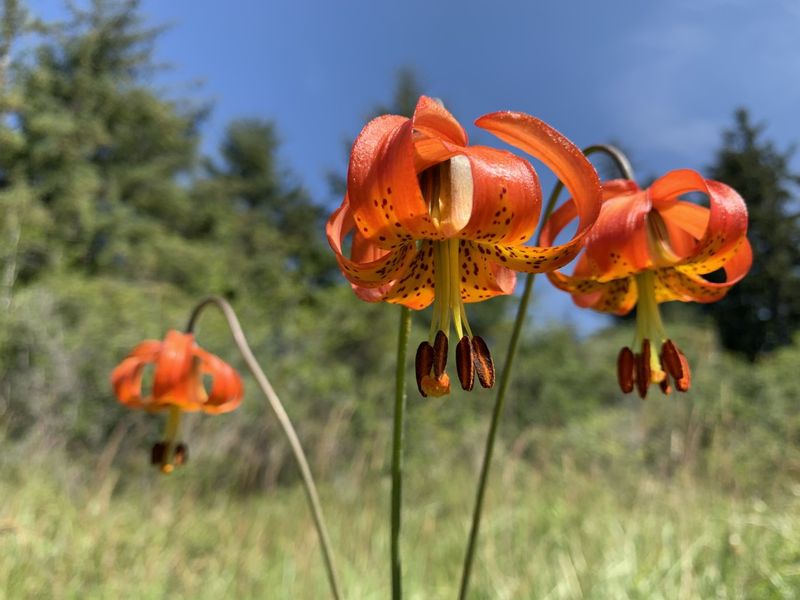
Fiery orange-red blooms nodding above a coastal bog make the western lily one of California’s most dramatic natives. It grows only in a narrow strip of wet coastal habitat near the Oregon border, and it is federally endangered.
Because it needs very specific boggy conditions, it is nearly impossible to find at ordinary garden centers and tricky to keep happy in a typical yard. Most home gardeners will only ever admire it in photos or on a guided walk.
Still, it earns its place on this list for what it teaches us about California’s fragile wetland ecosystems. Hummingbirds and swallowtail butterflies rely on its nectar during summer.
If you have a naturally damp, acidic corner and access to nursery-propagated stock, it can be attempted with a lot of care. For most of us, it is a reminder that not every native belongs in every yard.
6. Chaparral Nightshade (Solanum xanti) – Munz’s form
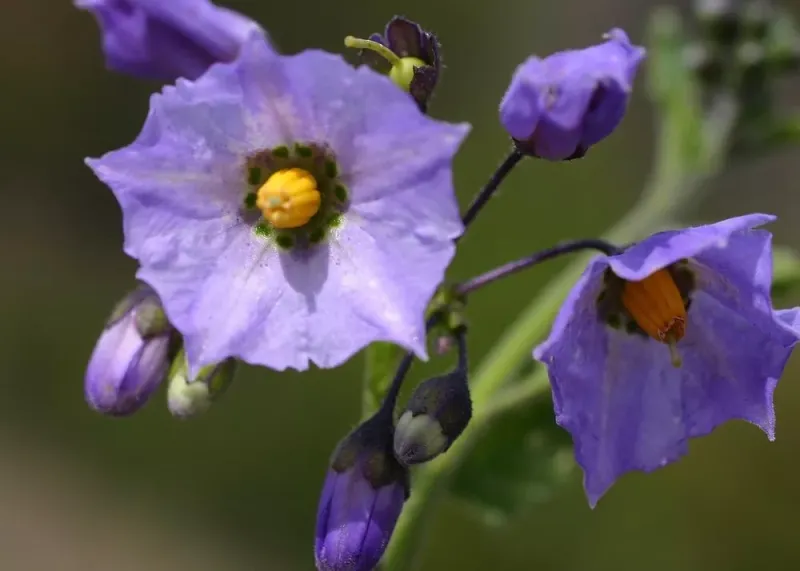
Purple stars scattered across a modest shrub, chaparral nightshade brings a splash of unexpected color to dry, sunbaked slopes. The rarer regional forms, like Munz’s variety, almost never appear in the nursery trade.
Native bees do something clever with these flowers called buzz pollination, vibrating their bodies to shake the pollen loose. Watching that happen in your own yard is a small thrill.
Drought-tolerant and unfussy, it fits neatly into a water-wise chaparral-style planting alongside sages and buckwheats. It stays compact and needs almost no summer water once established.
A quick heads-up though: the berries are not for eating, so keep that in mind if curious kids or pets roam your garden. Its value here is beauty and pollinator support, not the pantry.
7. Santa Lucia Fir (Abies bracteata)
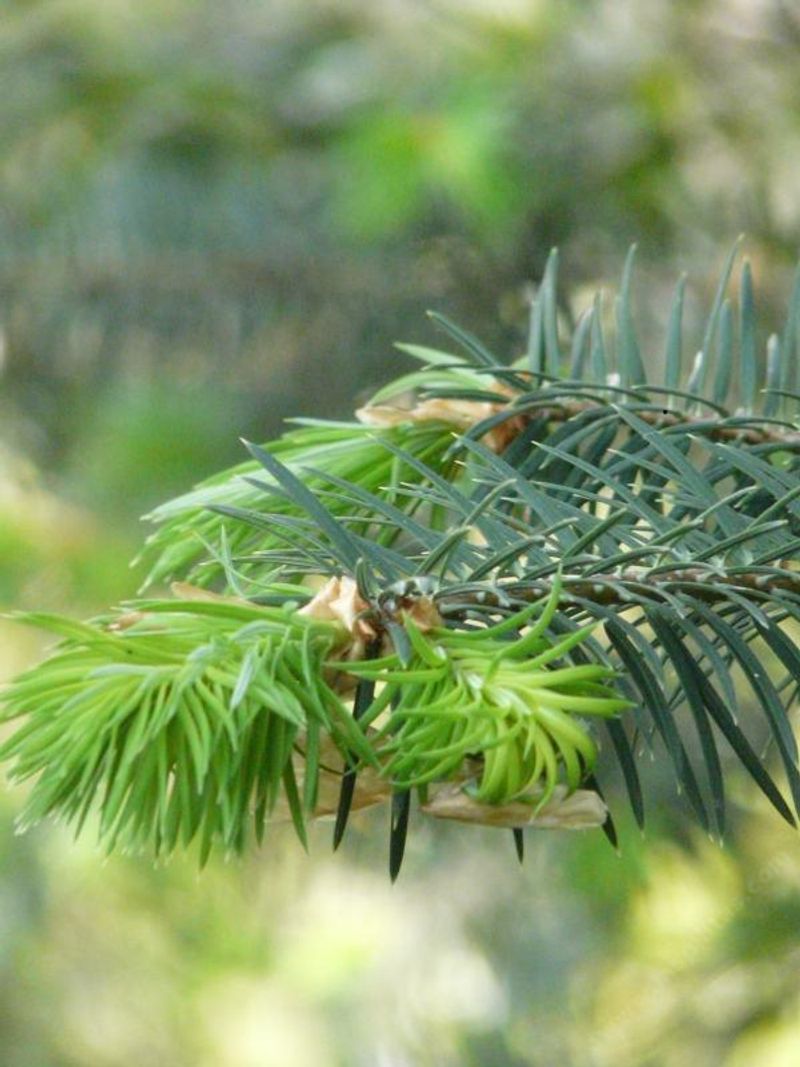
Meet the rarest fir in North America. The Santa Lucia fir grows wild only in the rugged Santa Lucia Mountains of Big Sur, clinging to steep rocky canyons where few other conifers dare to root.
Its spire-like shape and stiff, sharp needles set it apart from any Christmas tree you have ever seen, and its cones sport bizarre bristly spines. Because it is so geographically limited and slow to establish, nurseries almost never carry it.
For a large hillside property with well-drained soil, it can become a striking specimen tree that thrives in California’s dry-summer climate. It resists the soggy conditions that kill many mountain conifers.
Patience is the price of admission with this one. Plant it young, protect it from scorching inland heat, and let it slowly rise into something genuinely rare.
8. Presidio Clarkia (Clarkia franciscana)
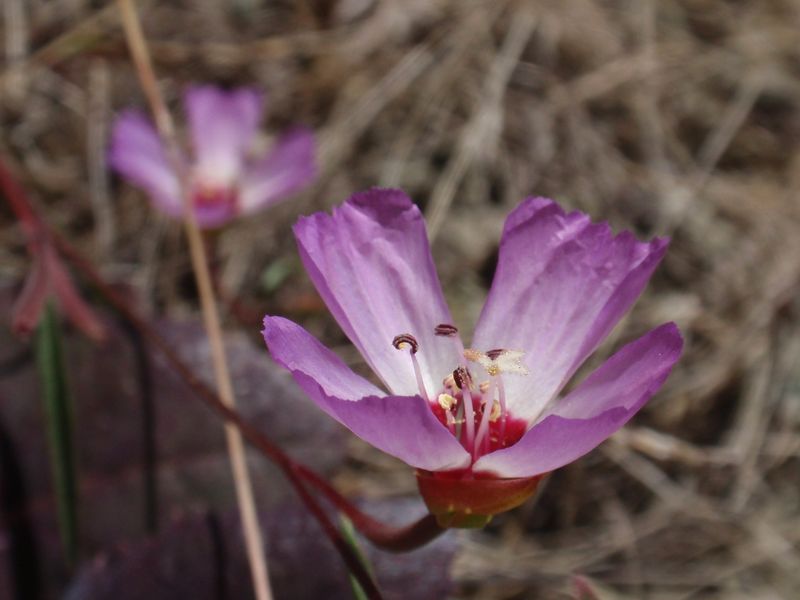
Bright pink and improbably delicate, Presidio clarkia survives in only a couple of grassy spots in the San Francisco Bay Area. It is an endangered annual, which makes it a near-impossible find on retail shelves.
The four fan-shaped petals seem almost too cheerful for such a rare plant, and native bees flock to them in late spring. Losing those bees is part of what makes protecting this flower so important.
Because it is an annual that reseeds itself, growing it from responsibly obtained seed can turn a sunny, lean-soil patch into a yearly show. It asks for very little water, which suits California’s dry summers perfectly.
Think of it as planting a piece of Bay Area natural heritage right in your own beds. Few flowers pack this much story into such a small package.
9. Catalina Ironwood’s Cousin: Island Bush Poppy (Dendromecon harfordii)
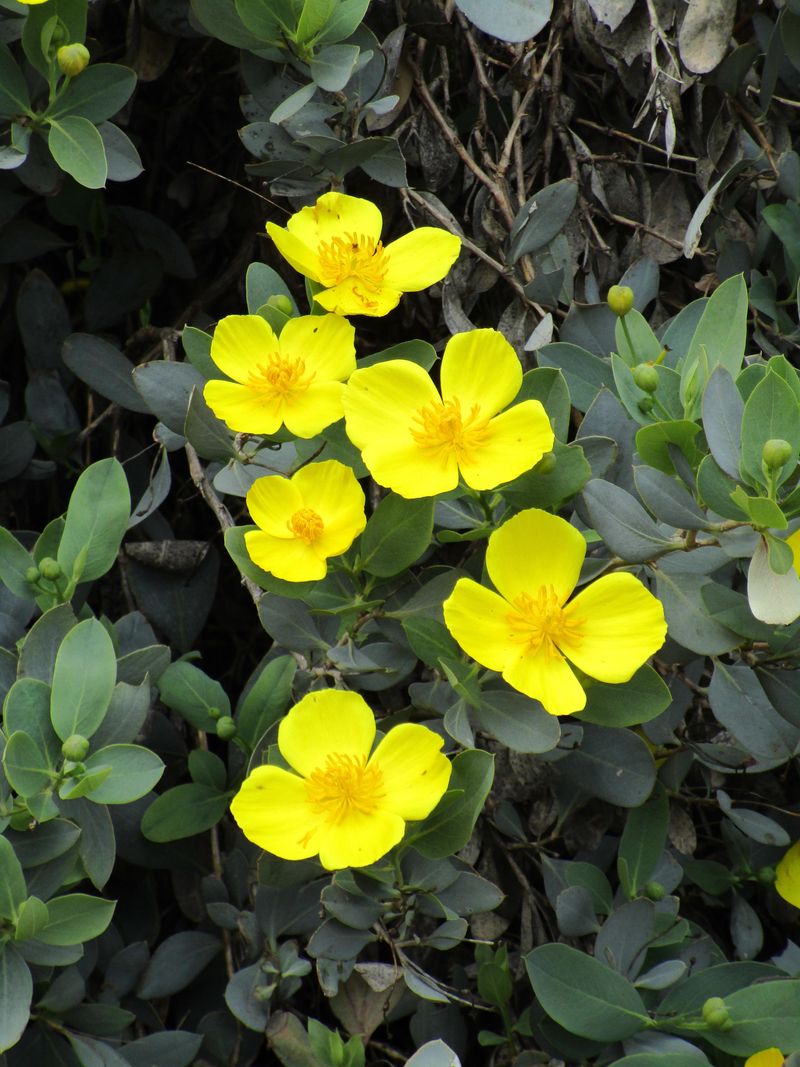
Sunshine in shrub form is the best way to describe the island bush poppy. Native to the Channel Islands, it blankets itself in glowing yellow poppies against blue-green leaves that shrug off drought and salt spray.
Mainland gardeners rarely see it because its island origins make it uncommon in the trade, and it can be finicky about drainage. Track one down, though, and you get months of cheerful bloom on a plant that barely sips water.
Pollinators treat it like a landing pad, and its dense evergreen form works nicely as a low-maintenance screen or hillside anchor. For fire-aware yards, its tidy structure and drought toughness are big pluses.
Give it sun, sharp drainage, and a hands-off watering routine. It closes out this list as proof that some of California’s most stunning natives are hiding just offshore, waiting for a spot in your yard.