
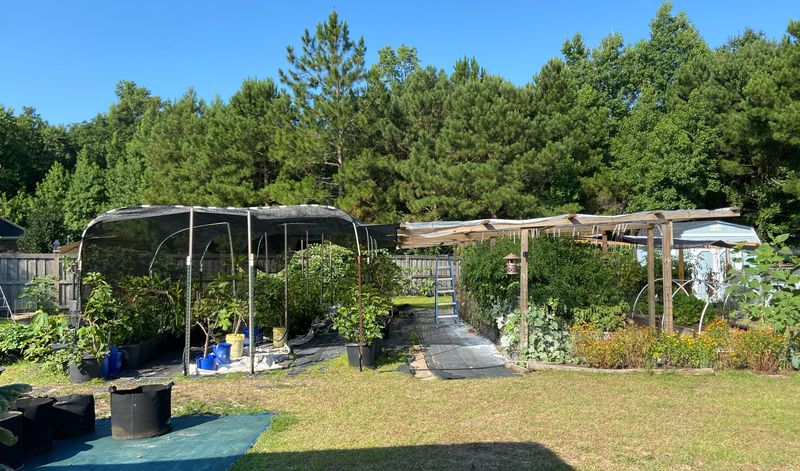
Walking out to your Texas garden in July and finding wilted plants, scorched tomatoes, and empty pepper stems is genuinely discouraging. Most gardeners blame the sun and reach for shade cloth, but the full story is more complicated than that.
Both intense solar radiation and high temperatures hit your plants at the same time, and knowing which one is doing the most damage changes what you do next.
July failure usually comes from more than one stress
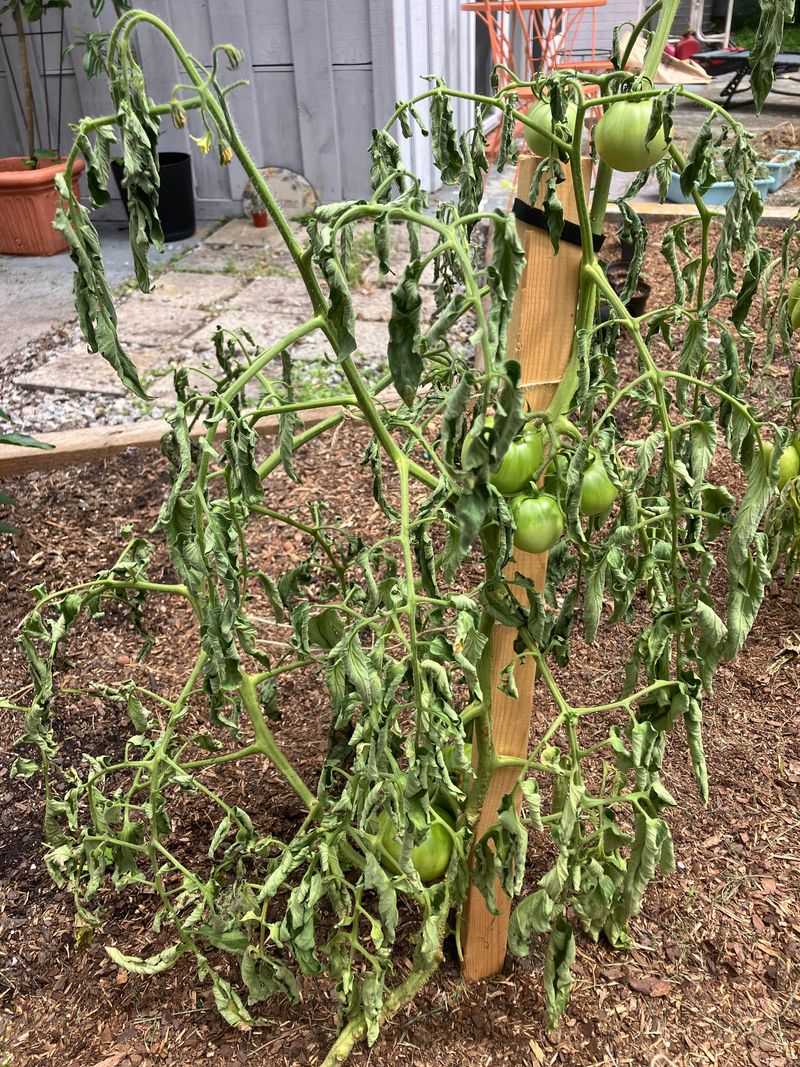
Blaming a single cause for a July garden collapse is tempting, but what actually happens in a Texas summer is a pile-up of stresses that hit your plants almost simultaneously. Intense solar radiation scorches exposed fruit and foliage.
High daytime temperatures interfere with photosynthesis and water movement. Then nighttime temperatures that stay warm prevent the recovery plants normally get after a brutal afternoon.
Tomatoes are a clear example of how temperature alone, separate from sunlight, can shut down production. University of Minnesota Extension research on how vegetables respond to heat notes that tomato flower abortion becomes more likely when days exceed roughly 85 degrees F and nights exceed roughly 70 degrees F.
University of Illinois Extension puts the upper limit even higher, flagging days above 95 degrees F, especially with drying winds, as particularly damaging to tomatoes. Those thresholds vary by cultivar and by how long the exposure lasts, so treat them as approximate guides rather than hard cutoffs.
Peer-reviewed research adds another layer. A published study on tomato cultivars under heat stress found that plants exposed to day and night temperatures above approximately 32 degrees C and 20 degrees C, or about 89.6 degrees F and 68 degrees F, during reproduction showed reduced fruit set and fruit weight.
A shaded plant can still be too warm to set fruit when those conditions persist.
Water stress and crop timing layer on top of the temperature and radiation problems. A tomato planted on a schedule better suited to spring may simply be past its productive window by the time July arrives.
Recognizing that combination, rather than pointing at one villain, is what leads to the right fix.
Sunscald leaves a different kind of evidence
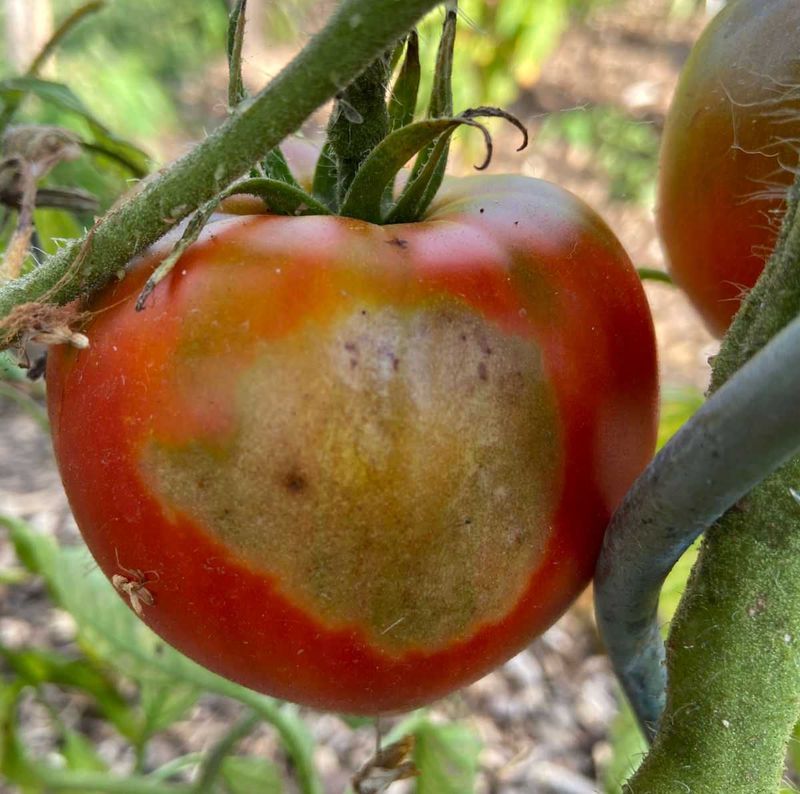
Not every July problem is the same problem. Sunscald has a specific look that sets it apart from the wilting and blossom loss caused by heat stress, and identifying it correctly tells you whether shade cloth is likely to help.
The injury shows up as pale, whitish, yellow, tan, or leathery patches on the side of the fruit that faces the sun most directly. You will often see it after plants have dropped leaves or after foliage has been damaged, because the lost leaf cover removes the natural shade that was protecting developing fruit.
Texas A&M AgriLife’s tomato problem solver identifies sunscald as a direct result of sunlight hitting inadequately shaded fruit and recommends row cover or other shading for small-scale control. Maintaining healthy foliage is the first line of defense, since leaves do much of the shading work on their own.
Blossom drop and failed fruit set look nothing like sunscald. Those are reproductive failures driven by temperature, pollen performance, flower development, humidity, and water status.
When flowers fall off before fruit ever forms, the issue is not exposure injury; it is that the plant’s reproductive system is being disrupted by sustained heat. University of Illinois Extension guidance on tomatoes confirms that both extreme heat and drying winds contribute to this kind of blossom loss.
Delayed tomato color is a third, separate problem worth keeping straight. Tomato ripening pigments are inhibited when temperatures stay above roughly 85 degrees F.
A tomato that has already formed but stays orange or pale for weeks is not sunscalded and is not failing to set fruit. It is stuck in a heat-related ripening delay.
Shade alone may not correct that, because cooler nights, not just reduced daytime radiation, are often what allows normal color to develop.
A quick diagnosis prevents the wrong rescue
Before building any shade structure, spend five minutes checking what is actually wrong. The diagnosis shapes the response, and skipping it can waste effort on a problem shade cloth cannot fix.
Start with soil moisture. Push a finger or a trowel several inches into the root zone and feel whether the soil is dry, moist, or saturated.
Midday wilting is not proof of drought. Oklahoma State University Extension’s vegetable FAQ notes that plants can wilt during heat even when the soil still holds adequate moisture, because roots and leaves struggle to keep up with rapid evaporation.
Irrigating a plant that is already sitting in wet soil adds a new problem instead of solving the original one.
Next, look at where the damage sits. Bleached or leathery patches on the sun-facing side of fruit, especially on plants that have lost leaf cover recently, point toward sunscald.
Blossom drop with no fruit forming, or fruit that is stuck and not ripening, points toward heat-related reproductive and ripening problems that shade may ease but cannot fully override.
Consider whether the crop has reached the end of its seasonal window. A spring-planted tomato struggling in late July may simply be past the point where intervention makes economic sense.
Texas A&M AgriLife’s vegetable gardening guide lists nematode injury, root rot, disease, nutrient deficiency, and herbicide drift as separate causes of stunting, wilting, and poor production that shade will not address. If roots look brown and rotted, if leaves show mosaic patterns or unusual spots, or if plants are stunted without clear radiation injury, those problems need a different diagnosis before shade becomes relevant.
Build shade above the crop, not on top of it
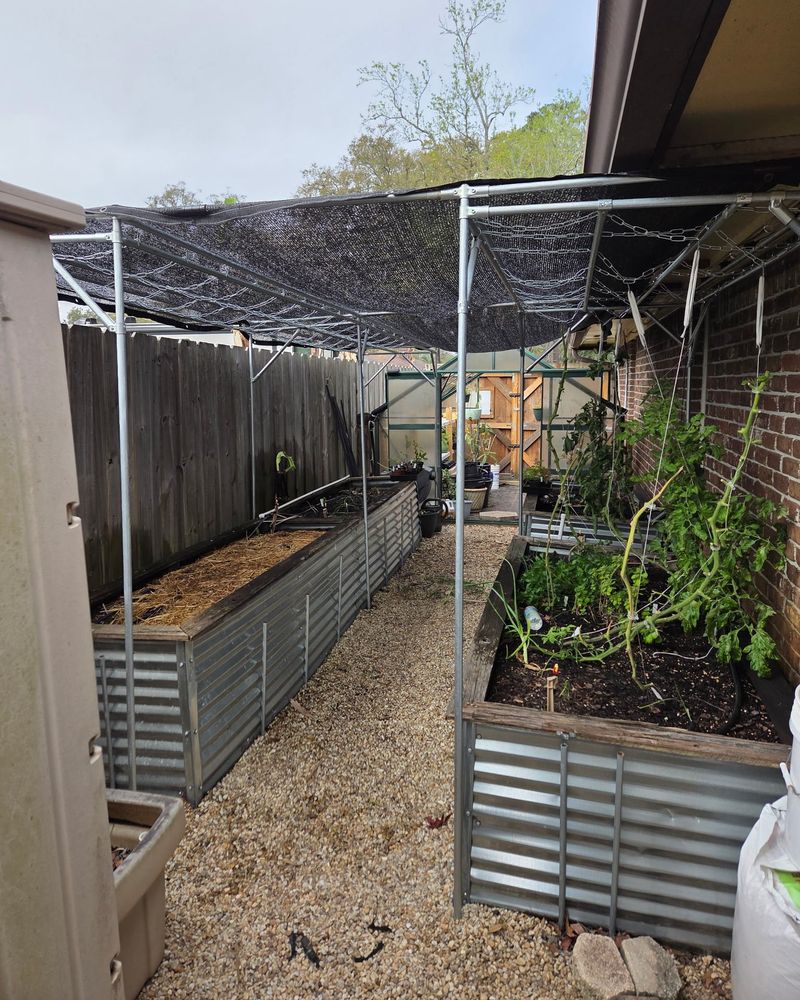
The method matters as much as the material. Shade cloth draped directly on leaves can abrade foliage, restrict airflow around the plant, and in some cases trap heat rather than reduce it.
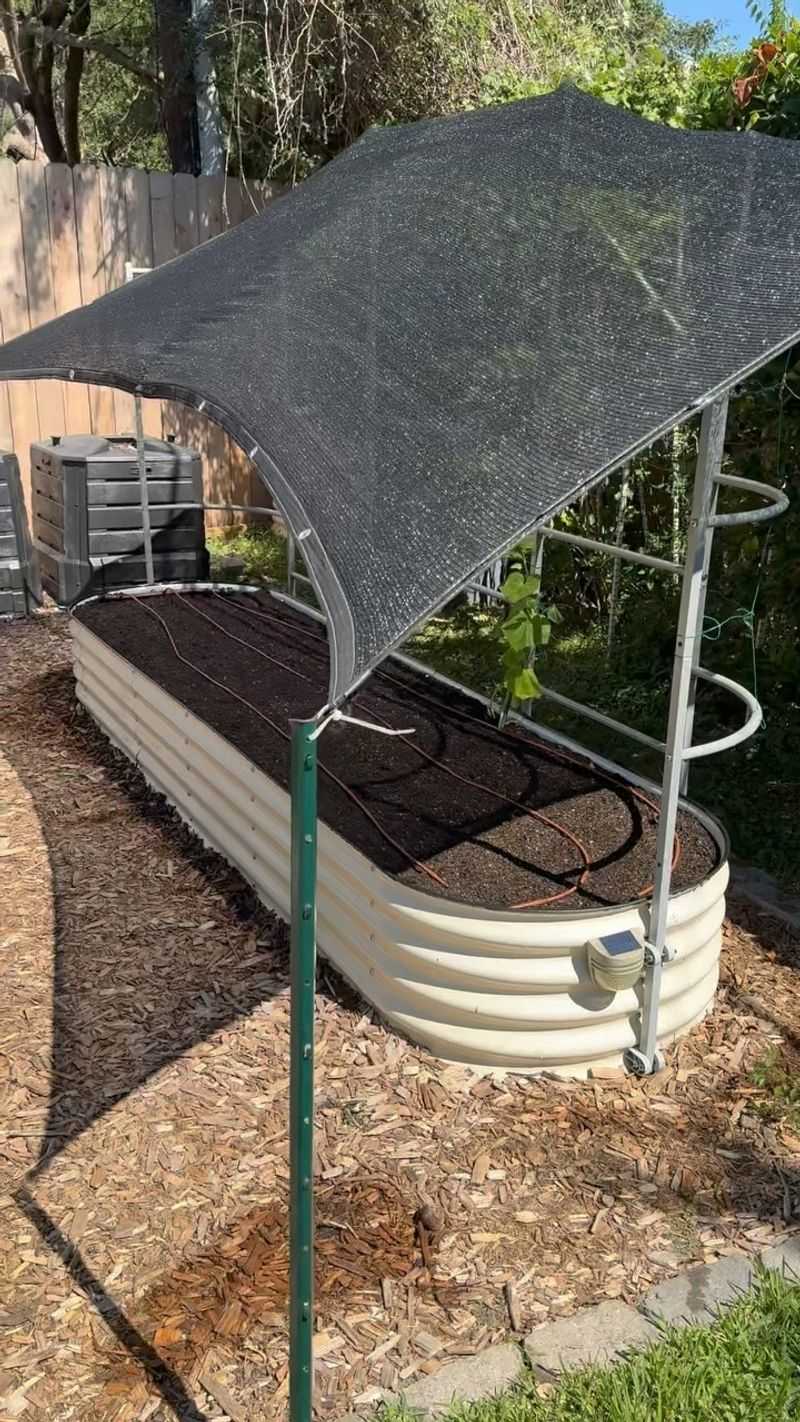
The goal is an overhead canopy that intercepts radiation while letting air move freely through the garden below.
Mount the cloth on a frame, whether that is PVC pipe, conduit, wooden posts, or a simple cattle-panel arch, and leave meaningful clearance between the fabric and the top of your tallest plants. That gap is where the real benefit happens.
Oregon State University Extension guidance on protecting plants during extreme heat recommends allowing airflow around plants and using shade during the hottest or most intensely lit portion of the day when practical. Cross-ventilation through the sides of the structure keeps temperature from building up underneath the cloth.
University of Arizona Cooperative Extension’s Desert Garden Buzz also emphasizes keeping fabric off the foliage and allowing air circulation, which is especially relevant in the hot, often-breezy conditions Texas gardeners deal with from June through September. Texas wind is one of the biggest structural hazards for any shade setup.
Anchor posts firmly in the ground, use stakes or weights on the fabric edges, and consider zip ties or clips to secure the cloth to the frame so a summer storm does not send the whole structure into the next yard.
One clarification worth keeping in mind: University of Minnesota Extension research on high tunnels in summer points out that a shade percentage describes how much incoming light the fabric blocks, not how much cooler the plants will be. A 30-percent cloth blocks roughly 30 percent of sunlight.
Actual temperature reduction under the cloth depends on airflow, cloth color, humidity, surrounding surfaces, and how well the structure is ventilated. Never use plastic sheeting as a substitute for shade cloth in hot weather.
Plastic traps heat against the plant and can cause severe injury far faster than direct sun would.
Choose the shade level by crop and stage
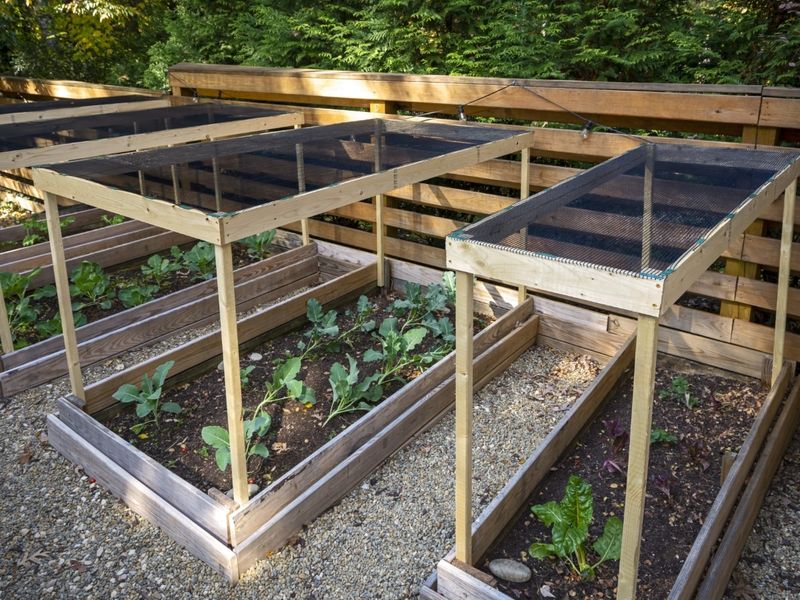
Shade cloth comes in a range of densities, and picking the wrong one for your crop can trade one problem for another. Too little shade and exposed fruit still scorches.
Too much shade extended over too long a period and fruiting crops become tall, spindly, and unproductive.
For established fruiting crops where direct radiation or sunscald is the main concern, roughly 30 percent shade is a reasonable starting point. University of Minnesota Extension’s high-tunnel summer preparation research found that 30 percent shade reduced sunscald and cooled high tunnels without compromising yields, while 50 percent risked reducing yields through excessive shading.
Keep in mind that evidence comes from high-tunnel conditions, not open Texas fields, so treat 30 percent as a starting point and watch how your plants respond over a week or two before adjusting.
Seedlings, transplants, seedbeds, and sensitive leafy crops can handle and sometimes benefit from heavier temporary shade. Oklahoma State University Extension’s guidance on sunscald notes that 50 percent shade cloth may protect vegetables during particularly extreme heat, while warning that heavier shade reduces growth and productivity when used for extended periods.
Use heavier cloth as a short-term bridge, not a permanent canopy.
Crop type matters as much as shade percentage. Texas A&M AgriLife’s vegetable gardening guide groups tomatoes, peppers, eggplant, okra, cucumbers, melons, squash, and beans among crops that require bright sunlight for productive yields.
Lettuce, mustard, parsley, spinach, and turnips tolerate partial shade more readily. Oregon State University Extension’s educator’s guide to vegetable gardening puts fruiting vegetables at a general target of six to eight hours of sun and leafy crops at a workable range of roughly four to six hours.
Cutting a tomato’s light below that six-hour floor for weeks at a time will hurt yield even if it prevents sunscald.
Shade works best with steady moisture and airflow
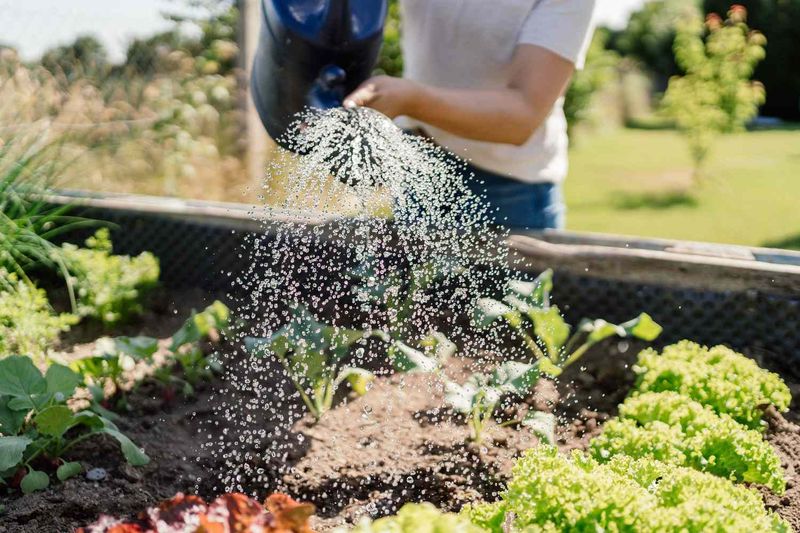
Shade cloth is not a standalone fix. The plants underneath it still need consistent soil moisture, good air circulation, and protection from the heat that builds up in the root zone.
Without those supporting conditions, shade can reduce radiation injury on the surface while concealing drought or disease stress developing below.
Deep, infrequent watering beats frequent shallow sprinkles in a Texas summer. Texas A&M AgriLife’s vegetable gardening guide recommends watering deeply enough to wet the soil to about six inches, and using drip or soaker irrigation where possible to reduce evaporation and keep foliage dry.
Wet leaves in summer heat invite fungal problems that compound whatever radiation stress your plants are already dealing with.
Organic mulch is one of the most effective tools in a Texas summer garden, and it works in tandem with shade. A two-to-four-inch layer of straw, wood chips, or shredded leaves slows soil moisture loss, moderates soil temperature, and reduces the splash-back that spreads soilborne pathogens.
Apply it around the base of plants without piling it against stems.
Midday wilting is worth watching but not automatically worth watering. Oklahoma State University Extension’s vegetable FAQ is clear that plants may wilt during heat even when soil moisture is adequate.
Check the soil several inches down before running the hose. Early-morning irrigation is generally preferred because water soaks in before peak evaporation and foliage dries quickly once the sun rises.
Avoid creating a stagnant microclimate under your shade structure. If sides are fully enclosed with cloth, roll them up or leave gaps so air can move through and carry excess heat away.
Sometimes the smartest Texas fix is a new planting
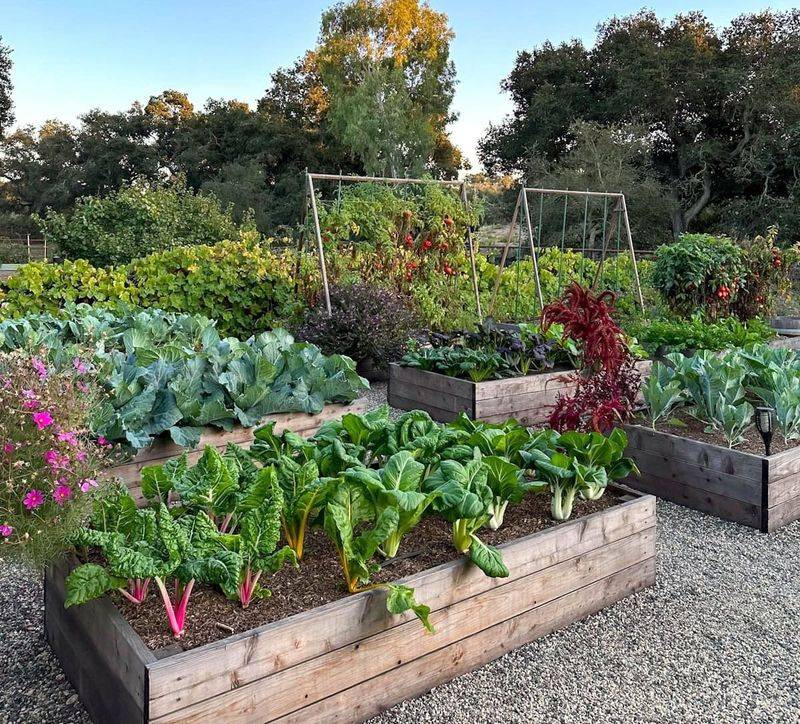
Shade cloth can protect what you have, but there are situations where protecting a failing crop makes less sense than clearing the bed and preparing for fall. Knowing which situation you are in saves time, water, and money.
Shade is most promising when the main problem is radiation injury on fruit that is still developing, or when you are trying to get seedlings and new transplants through the worst weeks of summer. Harris County Master Gardeners’ Urban Dirt newsletter documents local recommendations for using shade cloth to help spring-planted arugula and Swiss chard that wilt or scorch by midday, and for easing tomato and pepper transplants into field conditions.
That is a specific, practical use case, not a promise that shade rescues every struggling plant.
Plants with persistent heat-related fruit-set failure, or those showing signs of root disease, nematode damage, or other non-radiation problems, are unlikely to rebound simply because you add overhead cloth. At that point, the more productive decision may be to pull the spent crop, amend the soil, and get fall vegetables in the ground on a schedule that matches your part of Texas.
Fall planting windows vary substantially across the state. Texas A&M AgriLife’s fall vegetable gardening guide shows fall tomato planting ranging from as early as June 1 in some regions to as late as August 1 in others, with leaf lettuce windows ranging from September 1 to December 1 depending on location.
There is no single statewide date, so check the regional schedule for your county rather than relying on a general rule. Getting a fall crop started at the right time often delivers more reliable production than nursing a heat-exhausted spring planting through another month of July temperatures.
Use shade as a targeted July tool
The most useful way to think about shade cloth in a Texas July is as a targeted tool, not a cure-all. Start by identifying the actual injury.
Pale, leathery patches on sun-facing fruit, especially after leaf loss, are the clearest signal that overhead shade is worth trying. Texas A&M AgriLife’s sunscald guidance points to shading as a practical small-scale response to that specific problem.
Once you confirm radiation injury is a factor, mount breathable cloth on a frame with clearance and ventilation, match the shade percentage to your crop and growth stage, keep soil moisture consistent, and use mulch to protect the root zone. Oregon State University Extension’s extreme-heat guidance reinforces that airflow around the plant is as important as the cloth itself.
When nighttime temperatures stay high and blossom drop continues even under shade, the problem has moved beyond what cloth can correct. University of Minnesota Extension’s heat-stress research makes clear that sustained high temperatures disrupt tomato pollination and fruit set regardless of shading.
At that point, waiting for a break in the heat or transitioning to fall planting is the more realistic path forward. Shade can take the edge off Texas radiation, but it cannot cancel Texas summer.