
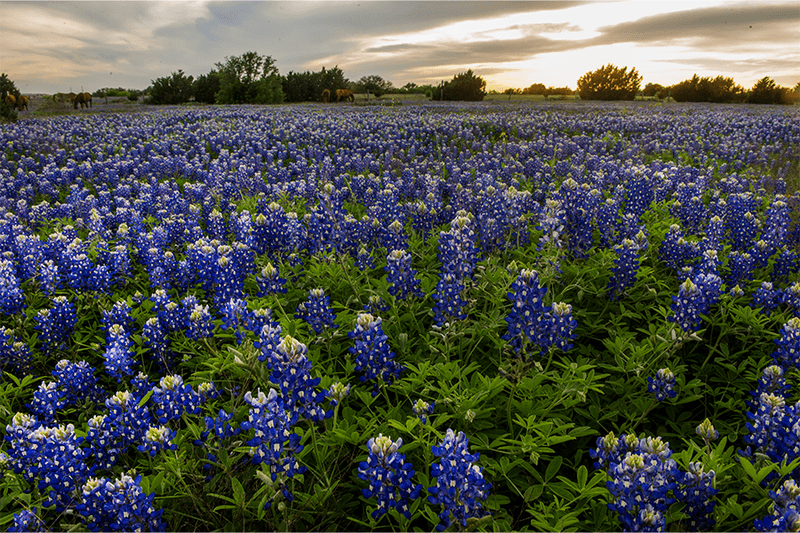
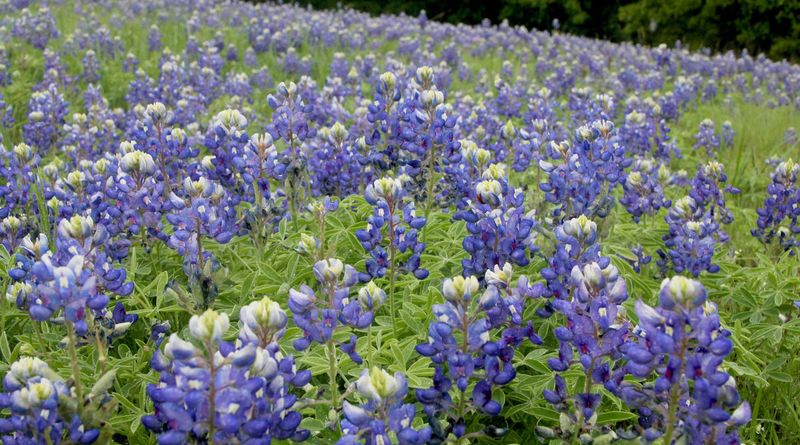
Every spring, roadsides across Central Texas turn electric blue, and that same show is possible in your own yard if you plant at the right time. The flower behind it is the Texas bluebonnet, and the secret is sowing seed in early fall, not midsummer.
Get the timing and site right, and you give seeds the cool months they need to root deeply before blooming in March, April, or May.
Sow bluebonnets in early fall, not before September
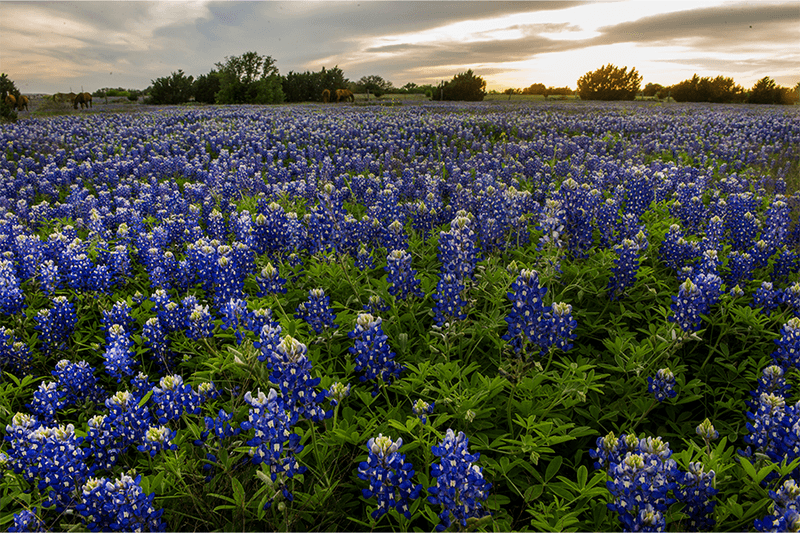
Texas bluebonnet (Lupinus texensis) is the hero flower for Central Texas gardeners chasing a vivid spring display, but the timing matters more than almost anything else you will do. Scattering seed before September is not the best-supported general recommendation.
TxDOT’s official bluebonnet planting guidance opens the sowing window on September 1 and keeps it open through December 15, with mid-November identified as the preferred latest target for most situations.
The reason fall matters is straightforward. Seeds sown in September or October have time to germinate during mild weather, send roots deep before winter, and develop the sturdy rosette that fuels spring flowering.
Seedlings that skip that root-building phase tend to struggle when warm days return in late February and March.
Texas A&M’s wildflower planting guidance echoes this, recommending September, October, or early November for Texas wildflowers, with earlier planting generally favored farther north in the state. Central Texas sits squarely in that window, so September 1 is a reasonable and well-supported start date for most yards in the region.
An August sowing is not impossible under the right conditions, but Central Texas late summer is routinely hot and dry. Seed placed in August may face repeated irrigation demands and emerging seedlings can hit difficult heat before they are established.
That is a practical risk worth avoiding when the official window opens just a few weeks later.
Bluebonnets are native to Central Texas and favor the calcareous, alkaline soils common in the Hill Country and surrounding areas. They typically bloom from March into May, though the exact timing shifts with location, weather, and how well individual plants establish.
That bloom window will not look identical in every yard, but the fall sowing window gives you the best realistic shot at spring color.
Match the flower to a sunny, well-drained site
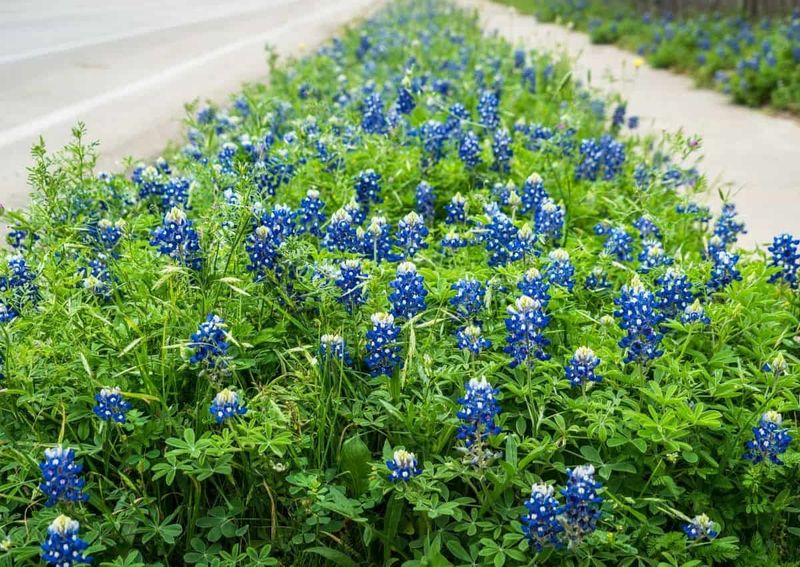
Picking the right patch of ground is where a bluebonnet planting either succeeds or quietly fails. Full sun is non-negotiable.
Bluebonnets planted in partial shade may germinate but rarely produce the dense, upright flowering plants that make the spring display worth the effort. Aim for a spot that receives at least six hours of direct sun daily, and more is better.
Drainage matters just as much. TxDOT’s wildflower planting program specifically identifies well-drained soil as a key requirement, and the TxDOT bluebonnet planting guide reinforces that poor drainage is a major limitation.
Areas that collect standing water after rain, low spots in a lawn that stay soggy, or heavy clay beds that drain slowly are poor candidates regardless of how much sun they receive.
The best sites in Central Texas tend to be lawn edges with thin, rocky, or sandy soil, sloped borders that shed water quickly, and open beds with the calcareous or alkaline soil common across the Hill Country. These conditions mirror the roadsides and pastures where bluebonnets naturally thrive.
A yard with dark, moisture-retentive clay and shade from large live oaks is a harder case, and honest site assessment will save you a season of disappointment.
Central Texas is not one uniform landscape. A yard in Georgetown with thin limestone-derived soil sits in a very different growing environment than a yard in East Austin with heavier clay near a drainage swale.
TxDOT’s regional seed guidance acknowledges this variability by organizing recommendations by region rather than treating all Texas soils as equivalent. Before you buy seed, walk your yard and honestly evaluate sun exposure and how fast the ground dries after a good rain.
That five-minute assessment will tell you more than any general promise about bluebonnets growing anywhere in Texas.
Prepare the surface and place seed shallowly
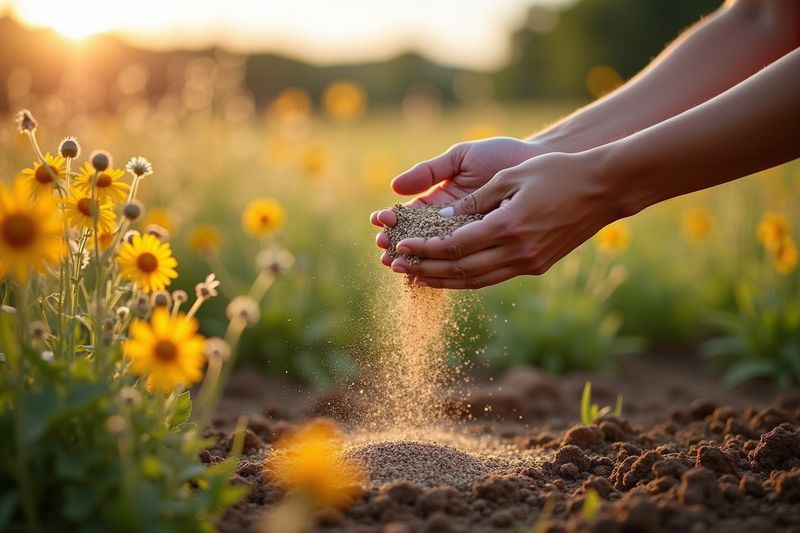
Good seed-to-soil contact is the single most controllable factor in bluebonnet establishment, and it starts with surface preparation. If you are sowing into an area with existing turf, mow the grass as low as your mower will go and rake out thatch so bare soil is visible.
Seed dropped onto a thick mat of grass clippings or dead thatch rarely makes contact with actual soil and tends to dry out or wash away before germination begins.
For open beds or areas with undisturbed soil, broadcasting seed directly over the surface works well as long as you follow the next step: press the seed in. Use the back of a rake, a lawn roller, or simply walk across the seeded area to firm the seed against the soil.
That contact is what triggers reliable moisture uptake and keeps seed from blowing or washing away.
Depth is where many gardeners go wrong by burying seed too deep. TxDOT recommends covering seed with no more than one-quarter inch of soil, and the Texas Parks and Wildlife bluebonnet profile suggests an even shallower target of about one-eighth inch, or simply raking seed into the surface.
Lightly dragging a leaf rake over the broadcast seed, tines up, can achieve this without burying anything too deep. Avoid covering seed with more than a thin dusting of soil.
Seed quality shapes results before the first seedling appears. TxDOT’s seed-sourcing guidance recommends selecting seed adapted to local growing conditions and checking the label for purity, germination rate, and pure live seed percentage.
For restoration-style plantings, seed originating within roughly 150 to 200 miles is preferred. For a home yard, look for clearly labeled Central Texas or Hill Country origin when possible, buy from a reputable native-plant nursery or seed supplier, and check that the package lists a germination percentage rather than leaving it blank.
Water gently and skip routine fertilizer
After the seed is pressed into place, water thoroughly and gently. A hard blast from a hose can displace seed and break up the soil contact you just worked to create, so use a watering wand, a sprinkler, or a hose nozzle set to a fine mist.
The goal is to wet the seedbed without washing seed into low spots or forming puddles.
TxDOT’s bluebonnet planting guide recommends a thorough initial watering followed by light supplemental watering about every three days for roughly three weeks when rain is absent. That three-week window covers the critical germination and early establishment phase.
Once seedlings are visibly rooted and showing true leaves, they become considerably more drought-tolerant and need less attention.
The seedbed should stay lightly moist but never waterlogged. Standing water between watering sessions is a warning sign, especially in a site that did not pass the drainage check in the previous step.
TxDOT’s wildflower propagation guidance reinforces that excess moisture is a real risk during establishment, not just a minor inconvenience.
Skip the fertilizer. TxDOT’s guidance is direct on this point: fertilizer is not recommended for bluebonnets because it tends to push leafy growth without increasing flower production.
Bluebonnets are legumes and can form nitrogen-fixing root nodules when the right soil bacteria are present, but that is not a reason to add supplemental nitrogen. Feeding the plants is more likely to give you a lush green rosette in winter and fewer blooms in spring than the other way around.
Let the soil do its job and resist the impulse to help with a bag of granules.
Treat bluebonnet seed according to its label
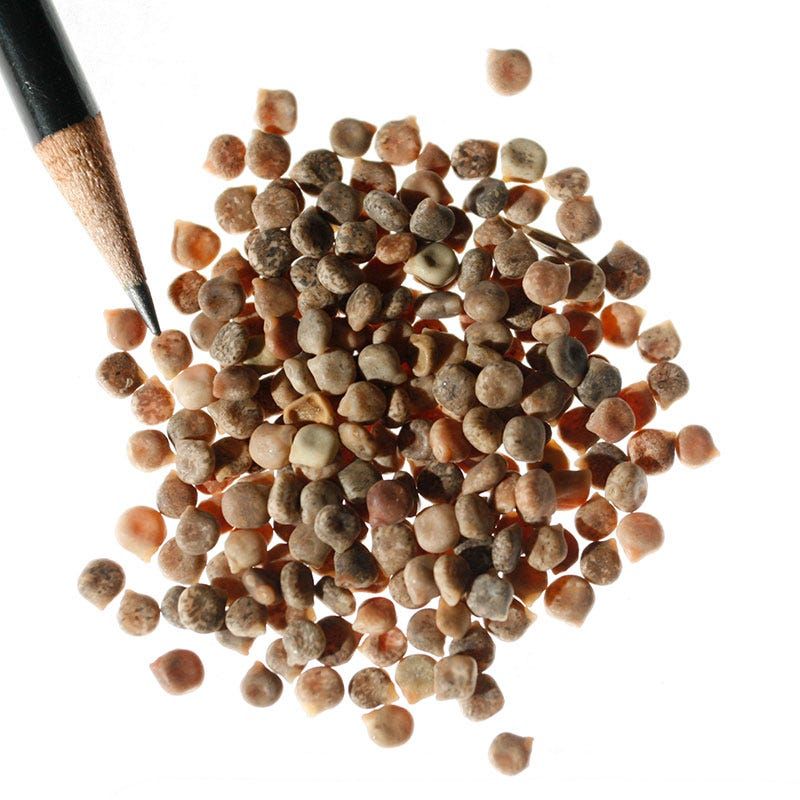
Walk into any native-plant nursery in fall and you will likely hear someone recommend scarifying bluebonnet seed before planting. The idea is that scratching or softening the hard seed coat helps water penetrate and speeds germination.
The research behind that advice is real but more complicated than a blanket recommendation suggests.
Texas A&M bluebonnet scarification research found substantial variation among seed lots. Some treated lots showed meaningfully higher emergence, while other lots responded only modestly or inconsistently.
A peer-reviewed study on presowing treatments for South Texas native plants similarly documented that treatment benefits depended heavily on the specific seed lot rather than applying uniformly across all bluebonnet seed. Earlier floriculture research on Texas bluebonnet also explored seed treatment variation without arriving at a single recommended method for all situations.
Against that research backdrop, TxDOT’s current homeowner-facing guidance takes a more cautious position. It explicitly advises against soaking or piercing bluebonnet seed, noting that these methods can damage it rather than help it.
The Native Plant Society of Texas profile for Lupinus texensis reflects similar caution about improvised treatments.
The safest practical path is to follow whatever instructions appear on your seed supplier’s label. If the label recommends a specific scarification method, follow it as written.
If it recommends nothing, skip treatment and sow as directed. Avoid hazardous or improvised methods under any circumstances, and that means sulfuric acid in particular, which is sometimes mentioned in older horticultural literature but is genuinely dangerous and not appropriate for home gardeners to handle.
Commercially prepared seed from reputable suppliers has often already been processed for improved germination, so improvising at home adds risk without a guaranteed benefit.
Expect uneven germination in the first seasons
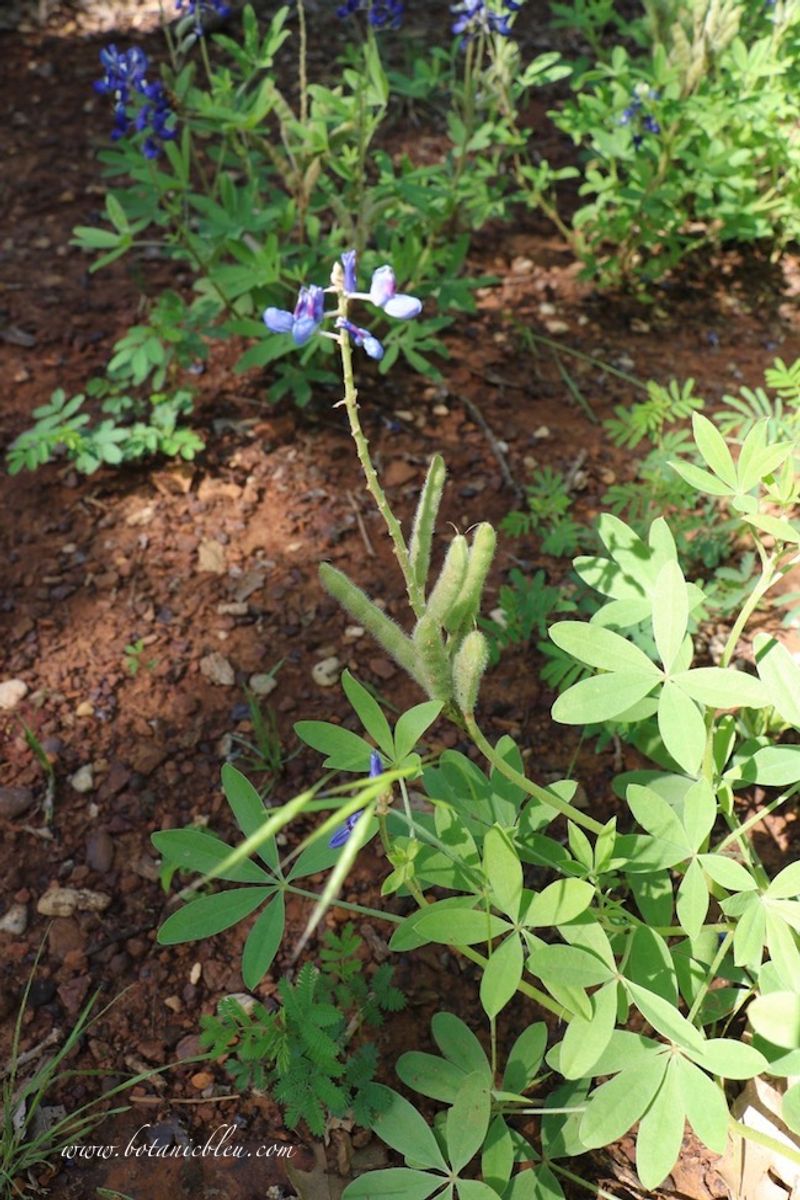
A common mistake after sowing bluebonnets is judging the planting too early. Bluebonnet seeds have hard, dense coats that do not all soften and absorb water at the same rate.
Some seeds in a batch may sprout within a week or two of sowing. Others in the same spot may sit dormant through one full season and germinate the following fall.
TxDOT’s bluebonnet planting guidance notes that germination may be low during the first year or two, and that the overall germination process can continue for 18 months or longer. That is not a failure of the planting.
It is the normal behavior of a seed with a protective coat adapted to survive unpredictable Texas weather cycles.
Several factors shape how much of your seed germinates in year one. Seed lot quality and age matter.
Rainfall timing and distribution during the establishment window matter. The quality of seed-to-soil contact you achieved at sowing matters.
Competition from existing grass or weeds, soil drainage, and whether the seedbed stayed reasonably moist during the germination window all play a role. No single factor predicts a success rate, and the sources reviewed do not provide one.
The practical takeaway is to avoid pulling up a sparse planting in frustration after the first spring. What looks like a failed bed may have dormant seed still in the soil, waiting for the right combination of fall moisture and temperature to break dormancy.
Give the planting at least two full growing cycles before drawing firm conclusions. A second-year display is often noticeably fuller than the first, and a bed that self-sows successfully can build density over several seasons without additional effort on your part.
Let the display mature before mowing
Spring arrives, the bluebonnets bloom, and the instinct is to tidy up as soon as the color fades. Resist it.
The management choice you make in late spring directly determines whether your planting produces seed for next year or relies entirely on whatever seed remains in the soil from your original sowing.
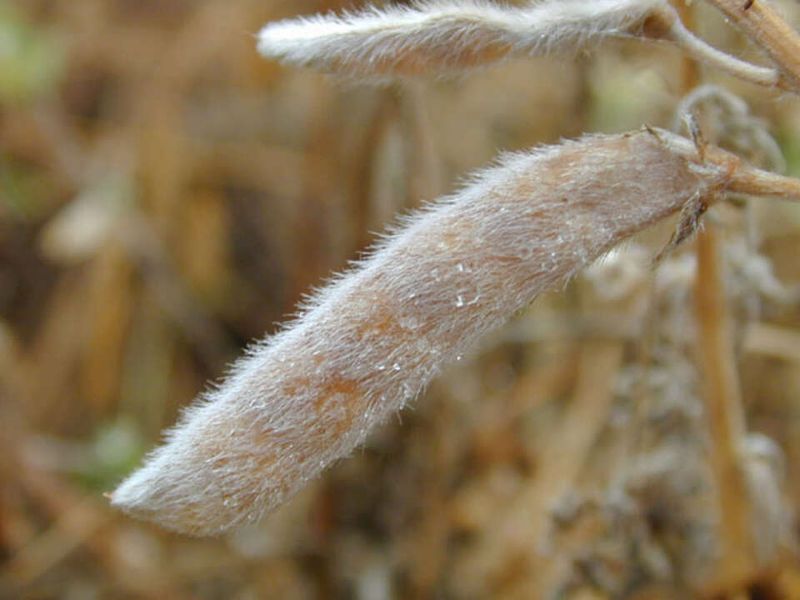
TxDOT’s guidance on bluebonnet management says to wait until the floral display has faded and the foliage has browned before mowing. At that point, seed pods have matured and the seed is ready to disperse.
Mowing after browning can actually aid seed dispersal and reduce competition from other plants by cutting back whatever else has grown up around the bluebonnets during spring.
Mowing green plants before seed matures cuts off the self-seeding cycle entirely. You lose the seed that would have fed next year’s display, and you are back to relying on whatever hard-coated seed survived in the ground from the original sowing.
For a yard planting that you want to maintain year after year, timing the mower correctly is one of the most useful things you can do.
A safety note belongs here and should be taken seriously. The Texas Parks and Wildlife bluebonnet profile warns that the plant, especially the seeds, can be toxic to people and animals.
Keep seed packets and any harvested seed stored safely away from children and pets. If a child or pet ingests bluebonnet seed or plant material, contact Poison Control for immediate assistance or reach a veterinarian promptly.
The plant’s beauty on the roadside does not make it safe to handle casually around small children or curious animals at home.
Follow the early-fall bluebonnet plan
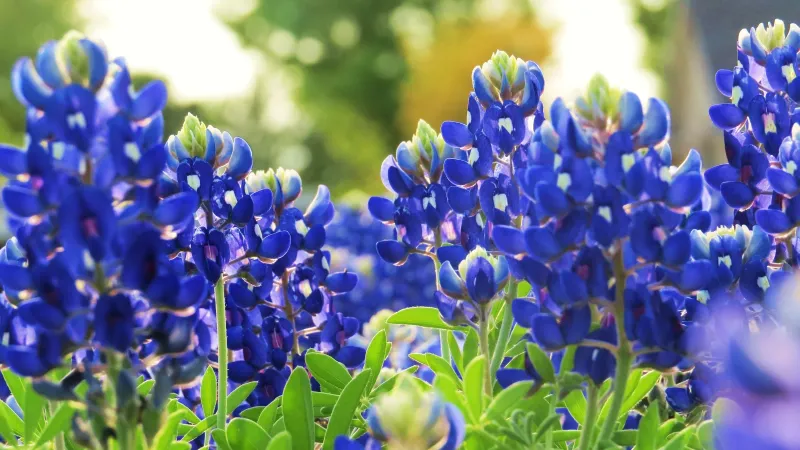
The plan comes down to a short sequence of well-timed decisions. Find a spot in your yard with full sun and soil that drains quickly after rain.
Check the label on locally adapted seed for purity and germination information, then sow from September 1 through mid-November, pressing seed shallowly into the soil surface with good contact and no more than one-quarter inch of cover.
Water gently after sowing and keep the seedbed lightly moist for about three weeks when rain does not do the job for you. Skip the fertilizer.
TxDOT’s planting guidance and Texas A&M’s wildflower advice both point to the same fall window and the same low-input approach.
Expect uneven germination across the first season or two, let the spring display mature fully before mowing, and understand that bluebonnets attract bees and other insects but one species alone does not create complete pollinator habitat. The Texas bluebonnet is a strong candidate for the right Central Texas site, not a guaranteed instant meadow.
Plant it in the right place at the right time, and spring tends to make a case for itself.