
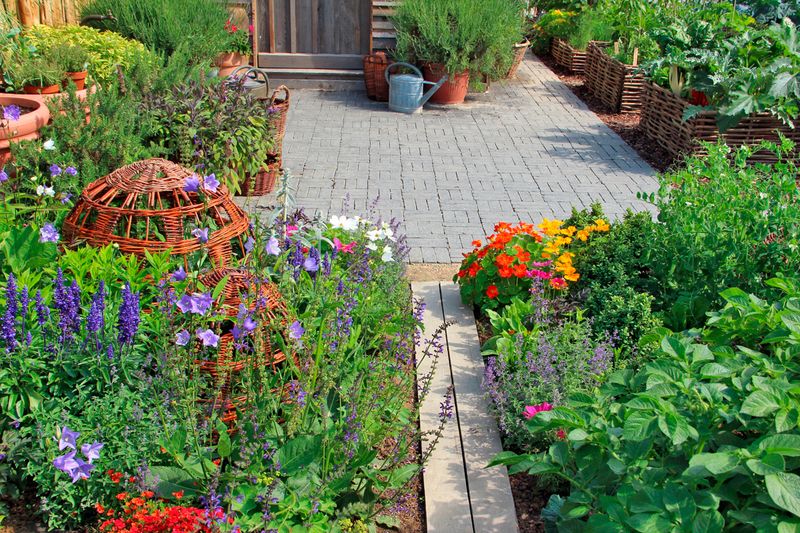
Fall gardening in Texas is not a single starting gun fired across the whole state. Depending on where you live, your planting window for cool-season greens and herbs could open in August, September, or not until October. Getting the timing right, crop by crop and region by region, is what separates a kitchen garden that feeds you all fall from a bed of bolted, heat-stressed plants that never delivered. The crops covered here, from Swiss chard and collards to parsley, cilantro, and chives, can all support repeated harvests when you match them to your local calendar and manage the late-summer heat during establishment.
Texas’s fall planting window does not open everywhere at once
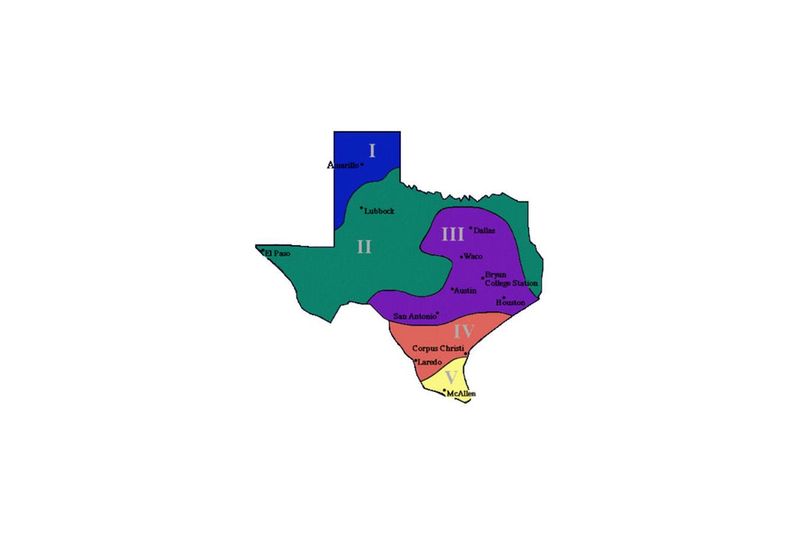
Gardeners across Texas share a late-summer anticipation for the fall growing season, but the calendar that governs that season looks very different depending on where you live. Texas A&M’s fall vegetable gardening guide divides the state into five gardening regions and assigns separate planting windows for each crop in each region. Swiss chard, for example, can be started as early as August 1 in Region I but not until December 15 in Region V. Leaf lettuce follows a similar spread, from September 1 in northern regions to December 1 in the southern tip.
That spread matters because the title’s promise of “plant now” carries a real risk of misdirection. A gardener in North-Central Texas may genuinely be approaching the window for chard, collards, kale, and mustard greens right now. A gardener near the Gulf Coast or in the Lower Rio Grande Valley, however, is often better served by waiting. Galveston County’s recommended vegetable varieties guide lists fall lettuce starting September 15, mustard starting September 15, and spinach starting September 1, none of which are “plant immediately” dates in late July.
The practical rule is this: check your county Extension office or a local Master Gardener planting guide before buying seed or setting transplants. The North-Central Texas planting guide from Rockwall County Master Gardeners lists Swiss chard from August 15 to September 15, mustard greens from August 15 to September 30, and collards and kale both from August 25 to September 20. Those windows are specific to that region and are not statewide recommendations.
If your window has not opened yet, use the remaining weeks to prepare beds, amend soil with compost, and start transplants indoors or under shade. Arriving at your planting date with healthy transplants and ready soil is a much stronger position than rushing seed into ground that is not ready to receive it.
Leafy greens make the strongest repeat-harvest backbone
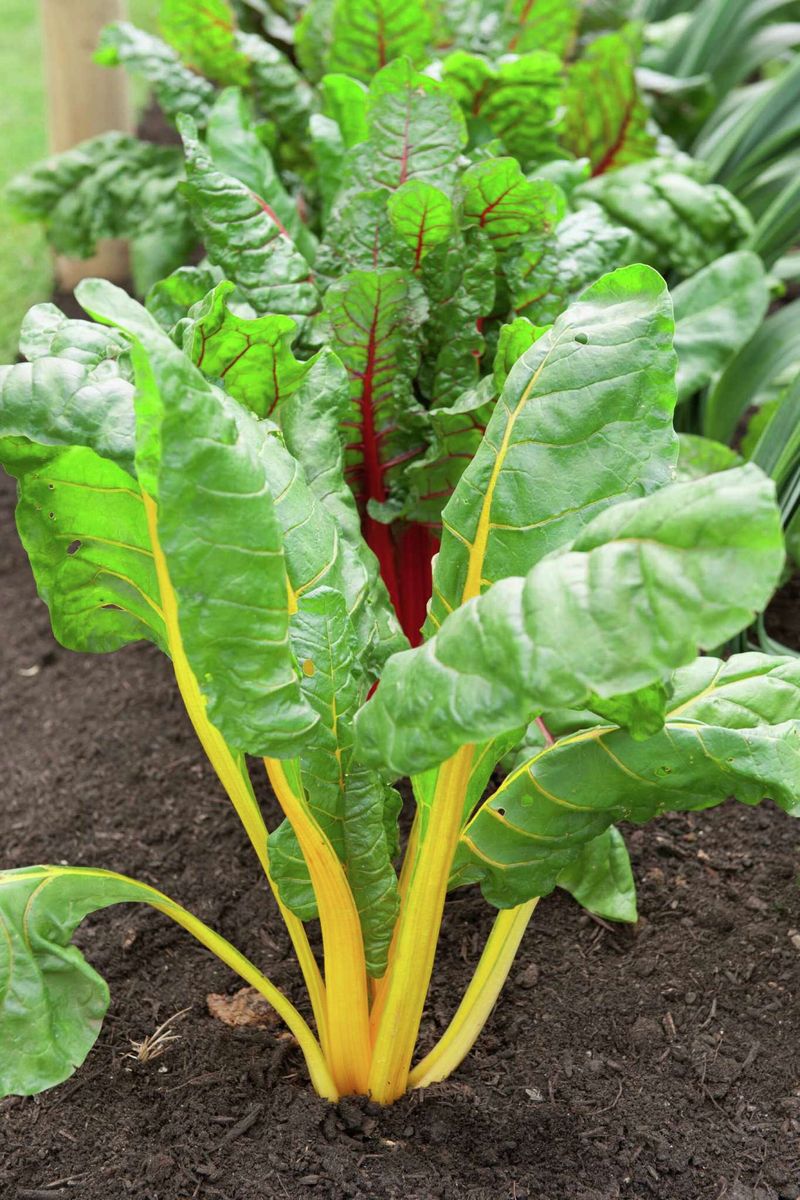
When it comes to building a fall kitchen garden that keeps producing, leafy greens are the most dependable performers. Swiss chard, kale, collards, mustard greens, and loose-leaf lettuce all share a quality that makes them especially useful: you can harvest outer or young leaves repeatedly without pulling the whole plant. That habit, combined with their general tolerance for mild frosts, puts them ahead of most other fall crops for kitchen value.
Texas A&M’s fall gardening guide classifies Swiss chard, collards, kale, mustard greens, spinach, lettuce, and turnip greens among frost-tolerant crops suited to fall production, though individual crops differ in cold hardiness and in how early or late they fit into a regional window. Chard and mustard greens tend to be among the earlier starters in North-Central Texas. Collards and kale are similarly well-timed for late August through September planting in northern regions and hold up well into cooler weather once established.
Spinach deserves a slightly more cautious entry. High soil temperatures can reduce germination rates and slow establishment, so gardeners in warmer parts of the state often benefit from waiting until September or later before direct sowing. Lettuce carries even more heat sensitivity. University of Minnesota Extension guidance on midsummer-to-fall planting notes that heat can trigger bolting, bitterness, and poor germination in lettuce, making later timing, shade, or slow-bolt varieties important factors rather than optional extras.
None of these greens are interchangeable, and none of them guarantee a fixed number of weeks of production. What they offer is a realistic shot at repeated harvests across the fall season when you match planting timing to your region, harvest young and outer leaves rather than waiting for full heads, and sow more than one round. The greens listed here form the backbone of that strategy; the herbs in the next section fill in around them.
Herbs fill the gaps between green harvests
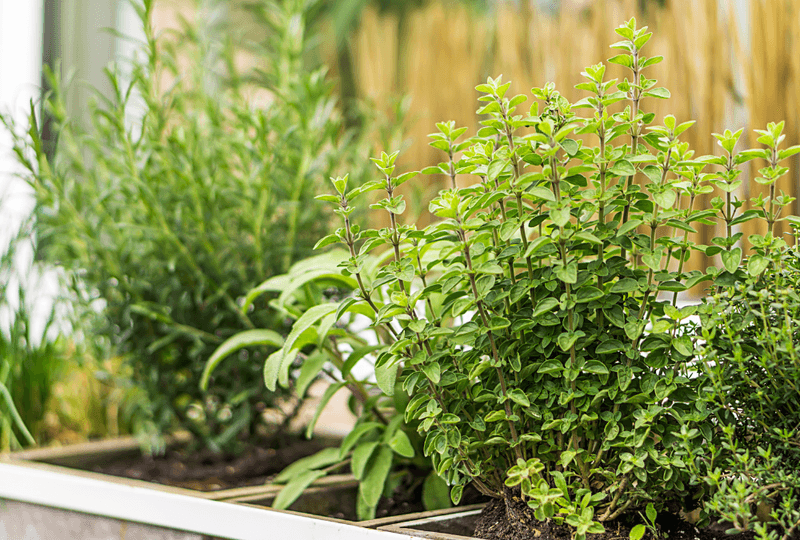
Parsley, cilantro, chives, and dill can keep a kitchen stocked during the weeks when greens are still sizing up or recovering between harvests. Each one has a different rhythm, though, and treating them as a single category will lead to disappointment.
Parsley and chives both support gradual, repeated harvesting over a long period. Texas A&M’s herb guide recommends removing leaves from parsley and chives a little at a time rather than stripping the plant, which allows it to keep producing. Parsley is biennial, meaning it puts most of its energy into leaf production in its first year and then bolts to flower in the second. In Central Texas, Texas A&M’s parsley and cilantro nutrition page lists September as the fall planting month, with harvest expected by November.
Chives are more forgiving about timing and can often be planted from divisions or transplants well into the fall season.
Cilantro behaves differently from both. It grows quickly, produces for a shorter window before bolting in warm conditions, and benefits most from repeated small sowings rather than one large planting. Texas A&M specifically recommends sowing cilantro every few weeks to maintain a steady supply of young leaves. A single cilantro planting that runs to seed is not a failure; it is a cue to have the next batch already in the ground.
Dill follows a similar pattern to cilantro in that it bolts relatively quickly in warming weather, making succession sowing useful here too. Basil, by contrast, is a warm-season herb that can supply generous kitchen harvests right up until the first cold snap, but it dies at frost and should not be counted on as a fall or winter staple. Mediterranean herbs like rosemary, thyme, and oregano prefer hot, dry conditions with excellent drainage and behave quite differently from moisture-tolerant herbs like mint, which Texas A&M notes can spread aggressively and is often better confined to containers.
Manage heat and moisture differently for seeds and transplants
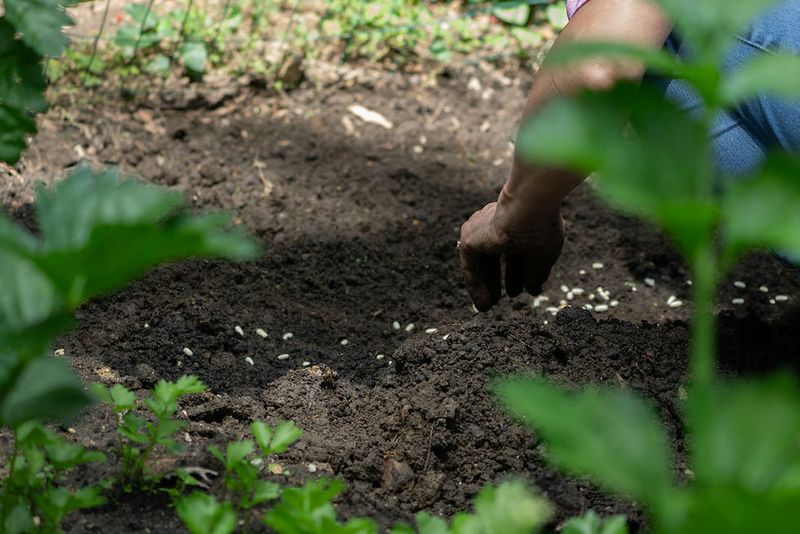
Late-summer establishment is where most fall gardens either succeed or stall. The challenge is not simply heat: it is managing the combination of high temperatures, limited root development in fresh transplants, and the moisture demands that come with both. Getting this phase right requires treating seeds and transplants as two separate problems.
For transplants, Texas A&M’s fall vegetable guide notes that fall crops generally perform better when started from transplants than from seed in late summer, and that those transplants need ample water while their restricted root systems are getting established. The same guide specifically warns that overwatering can cause root rot, so the goal is consistent moisture without waterlogging. Well-drained beds matter here as much as irrigation frequency.
The Brazos County vegetable chart notes that seeds and transplants started in summer benefit from shading, and Texas A&M advises placing transplants in full sun with afternoon shade while they establish. Shade cloth or temporary row cover can reduce heat stress during the first week or two, but shade alone does not overcome unsuitable planting dates, poor drainage, or inconsistent watering. Once roots are established, most greens perform better with full sun exposure.
Direct sowing requires a different focus. Texas A&M’s cultural practices handbook explains that high soil temperatures can inhibit or prevent germination in lettuce and spinach specifically, and recommends techniques such as depressional planting to help retain moisture and keep the seed zone cooler than the surrounding soil surface. For heartier crops like chard, kale, collards, and mustard greens, germination is generally more reliable in warm soil, though consistent moisture in the top inch of soil remains important for any direct-sown seed. The seed-zone cooling strategy is most critical for lettuce and spinach; applying it universally to every crop is not necessary.
Succession sowing spreads the harvest across the season
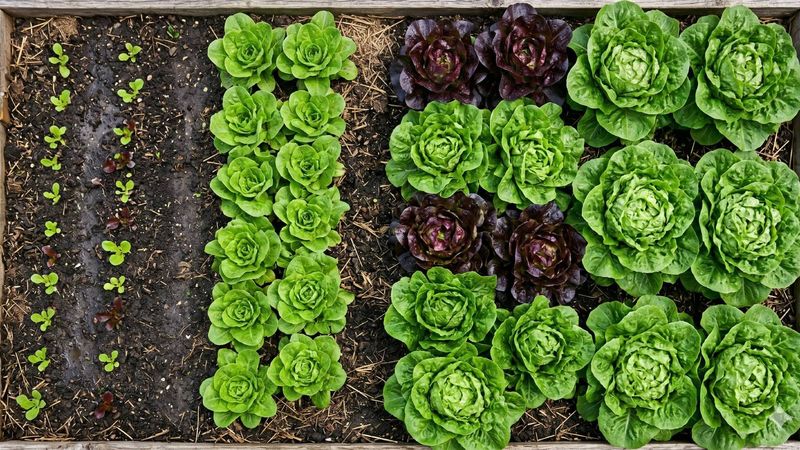
One planting rarely carries a kitchen garden through an entire season, and in Texas that is especially true. Heat events, an early cold snap, a pest surge, or simply a crop that bolts faster than expected can all end a single planting before you expected. Succession sowing is the practice that distributes that risk without eliminating it.
The method is straightforward: instead of sowing your entire seed packet at once, plant a small amount every two to three weeks throughout your regional window. University of Minnesota Extension guidance on midsummer-to-fall planting recommends planting leafy crops at intervals so that harvest timing is distributed rather than concentrated in one short window. Oregon State University’s succession planting guide reinforces the same principle: staggered sowings mean you are not relying on any single planting to carry the whole season.
Cilantro is a prime example of where this approach pays off quickly. Because it bolts relatively fast, especially if warm weather lingers, a single sowing gives you a narrow harvest window. Texas A&M’s parsley and cilantro page recommends sowing cilantro every few weeks to maintain a continuous supply of young leaves. The same logic applies to dill, loose-leaf lettuce once temperatures moderate, and even mustard greens if you want a steady flow rather than one large flush.
One thing succession sowing cannot do is prevent bad weather from damaging multiple plantings at once. A severe heat dome, an unexpected early freeze, or a heavy aphid infestation can affect every bed in the garden regardless of when each row was planted. Succession planting distributes your harvest timing and reduces the chance that one setback ends the season entirely, but it does not guarantee protection against every event. Treat it as a risk-management tool, not a weather shield.
Harvest young and outer leaves for repeated kitchen use
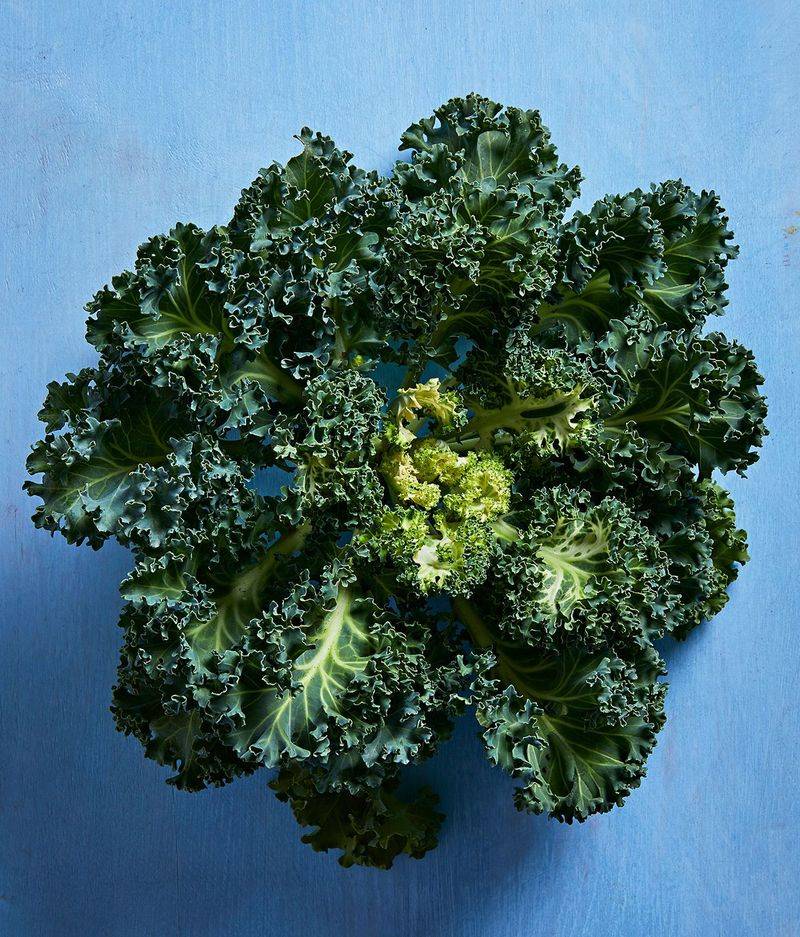
Getting the most from a fall kitchen garden depends less on what you planted and more on how you harvest. Pulling whole plants too early, or waiting until a plant is fully mature before cutting anything, both shorten the productive life of your garden considerably.
Utah State University Extension’s leafy greens harvest guide explains that mixed greens can be ready for clipping as soon as three to five weeks after seeding, and that cutting about an inch above the soil allows regrowth when the right crops and cutting technique are used. For Swiss chard, kale, collards, and mustard greens, removing outer or lower leaves while leaving the central growing point intact is the most reliable way to keep the plant producing. The plant redirects energy to new growth rather than shutting down.
Herbs follow a similar partial-harvest logic, though the mechanics differ by plant. Texas A&M’s herb guidance recommends removing only a portion of an herb’s foliage at a time so the plant can continue producing. For parsley, that means snipping stems from the outer ring of the plant. For chives, cutting individual leaves or a small cluster near the base lets the rest keep growing.
Taking too much at once from any herb or green stresses the plant and can slow or stop regrowth.
One term worth clarifying is “cut-and-come-again.” It describes a practical partial-harvest method for suitable crops, not a guarantee that every plant will regrow indefinitely regardless of conditions. A plant harvested too aggressively, stressed by heat, or nearing the end of its natural season may not rebound. Days-to-maturity numbers on seed packets are estimates based on average conditions, not promises of exact Texas harvest dates. Use them as rough guides and let the plant’s actual growth tell you when it is ready.
Lettuce, basil, and mint need separate expectations
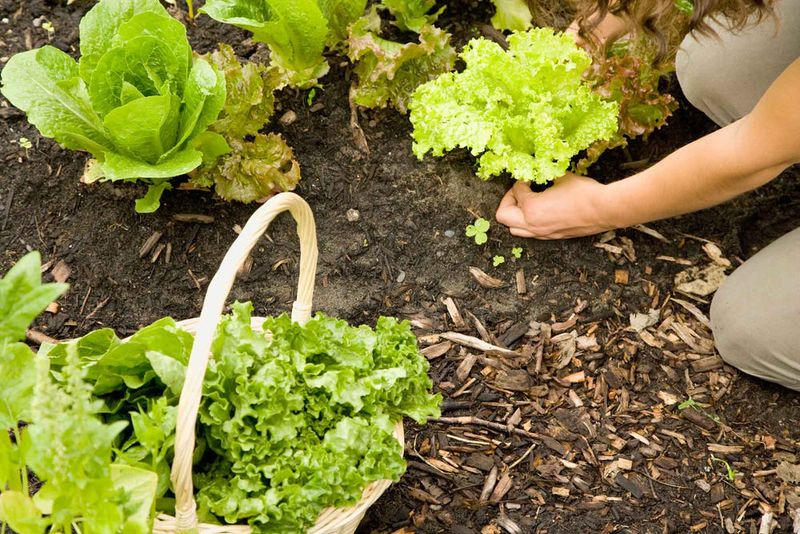
Three crops come up in almost every fall herb-and-greens conversation, and all three require a more careful framing than the rest of the list. Getting your expectations right about lettuce, basil, and mint before planting will save real frustration later in the season.
Lettuce is a genuine fall crop in Texas, but it is not a midsummer one. University of Minnesota Extension guidance on midsummer-to-fall planting is direct about the problem: heat causes bolting, bitterness, and poor germination in lettuce. In most of Texas, that means lettuce belongs in a later planting slot, often September or October depending on your region, rather than in a bed that goes in during the hottest weeks of summer. Shade can help during establishment, but it does not replace cooler air and soil temperatures.
Choosing slow-bolt or warm-weather varieties buys some flexibility, but even those varieties perform better when temperatures are genuinely moderating.
Basil occupies the opposite end of the temperature spectrum. It thrives in warm weather and can deliver generous kitchen harvests right through the remaining hot weeks of the year. Texas A&M notes that basil is easy to grow but dies at the first sign of frost. That makes it a warm-season bonus crop rather than a fall staple.
Enjoy it now, but do not build your winter herb supply around it.
Mint is useful and cold-tolerant, but it comes with a significant behavioral warning. Texas A&M specifically flags lemon balm and many mints as plants that can spread aggressively and self-sow to the point of becoming weeds. Planting mint directly in a garden bed without physical barriers is a commitment that can outlast your interest in growing it. Containers or a bed with buried root barriers are a much safer approach.
These three crops are worth growing, but each one on its own terms rather than as a standard addition to any fall planting plan.
Protect the harvest as temperatures fall
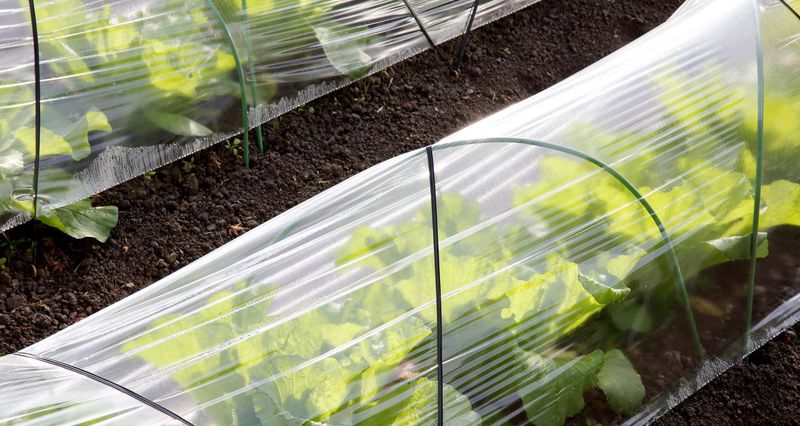
Frost-tolerant is not the same as freeze-proof, and that distinction matters in Texas where winter temperatures can swing from mild to damaging within the same week. Crops like kale, collards, chard, and mustard greens can handle light frosts and often taste sweeter after a cold night, but a hard freeze, especially the kind that settles in for multiple nights, can still damage or kill them. Regional winter conditions vary enough across Texas that gardeners in the Panhandle, Central Texas, and the Gulf Coast all face different risks and need different levels of protection.
Row cover or frost cloth can extend the productive life of cold-sensitive crops by several degrees, and cold frames offer even more protection for shorter plantings. The practical approach is to watch your local forecast and have row cover on hand before the first freeze arrives rather than scrambling after one is already predicted. Bringing in a final harvest before a hard freeze is always a reasonable option when protection is not practical.
Food safety deserves attention alongside freeze protection. CDC guidance on preventing cyclosporiasis and CDC steps for safe fruits and vegetables both recommend washing hands thoroughly before handling produce, rinsing greens and herbs under running water before eating, and refrigerating cut produce promptly. Neither source supports washing produce with bleach, disinfectants, or homemade chemical solutions, and doing so can be unsafe.
Urban and community gardeners growing large quantities of leafy greens in older neighborhoods should be aware that soil history can matter. ATSDR’s soil and gardening health resources identify soil contamination, including lead, as a concern in some home and community gardens with industrial or high-traffic histories. Raised beds with clean imported soil are a practical solution for gardeners with any uncertainty about their native soil. This is a conditional precaution for specific situations, not a reason to avoid home food production.
Start the next batch when your region says it is time
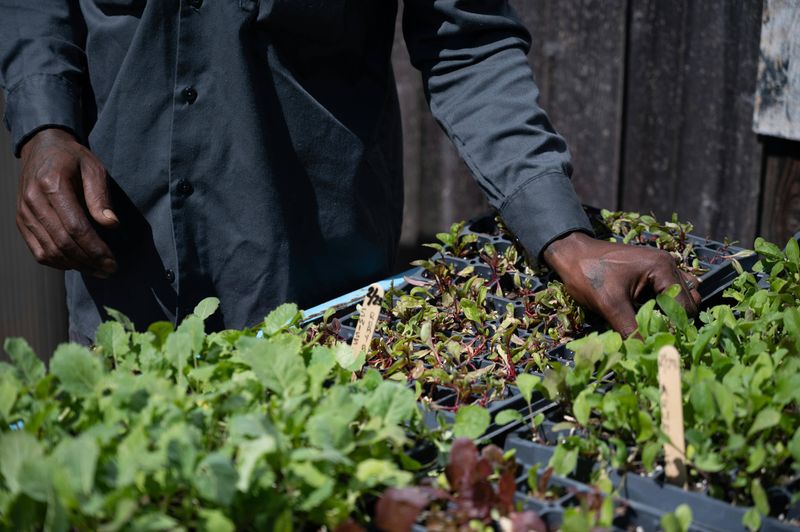
The most useful takeaway from this entire article is also the simplest one: find your county Extension planting dates, match your crop choices to your regional window, and start small batches rather than one large planting. Texas A&M’s five-region fall vegetable guide is the most reliable starting point for those dates, and local Master Gardener charts can give you even more precise timing for your county.
Once your window opens, manage heat and moisture carefully during establishment, use transplants where your timeline allows, and begin harvesting outer and young leaves as soon as plants are large enough to tolerate it. Sow the next round before the current one finishes. Extension guidance on midsummer-to-fall planting consistently supports this staggered approach as the most reliable route to a kitchen garden that keeps producing rather than peaking and stopping.
A steady fall harvest is a realistic goal for Texas gardeners who work with their region’s calendar rather than against it. What the season will not guarantee, for anyone in any part of the state, is an exact number of productive months or an all-winter supply. What it can deliver is a well-managed run of greens and herbs that makes the kitchen more interesting from the first cool morning through the last mild afternoon before winter arrives in earnest.