
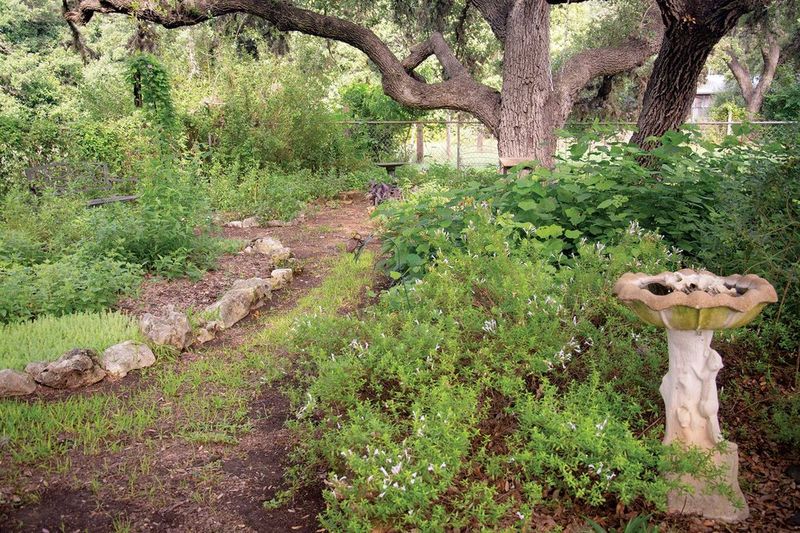
Beneath a mature live oak in Central Texas, bare dirt is practically a rite of passage. Grass thins, browns, and eventually quits, leaving homeowners staring at an ugly patch they do not know how to fix.
A low-growing Texas native called horseherb has been quietly filling that gap in yards across the region, and it is worth knowing what it can and cannot do before you plant a single stem.
Horseherb Gives the Bare-Oak Zone a Texas-Native Option
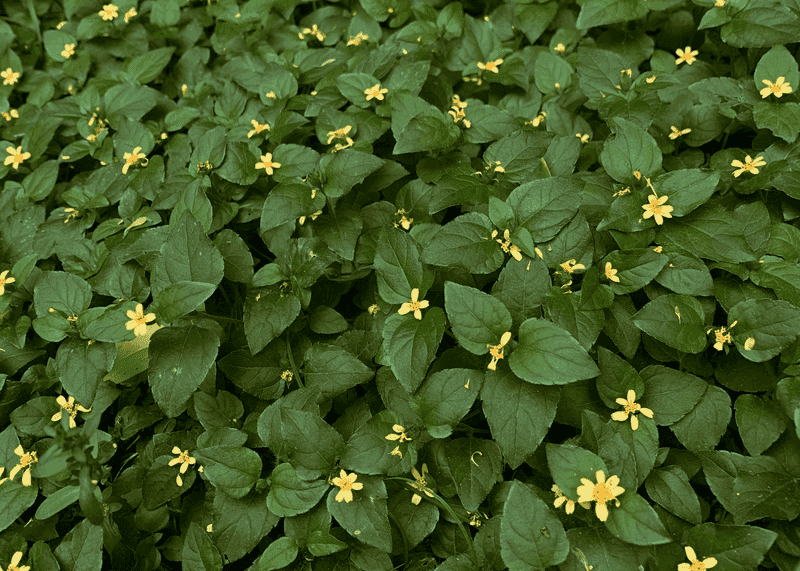
Horseherb carries more names than most plants its size. Botanically it is Calyptocarpus vialis, but Texans also call it straggler daisy, lawnflower, and hierba del caballo depending on where they grew up.
All four names point to the same low-growing, mat-forming perennial that has been covering bare ground in Central Texas long before anyone thought to sell it at a nursery.
The plant stays roughly 6 to 12 inches tall and spreads through stolons, which are trailing stems that root wherever they touch soil. That spreading habit is exactly what makes it useful beneath a live oak: it fills open ground gradually without needing to be planted stem by stem across an entire bare zone.
NC State Extension’s plant profile describes the mat-forming, stoloniferous growth that lets horseherb cover ground efficiently in shaded spots where other plants struggle.
Small yellow flowers appear from spring into fall, adding a bit of color without the showiness of a conventional bedding plant. Austin’s official plant guide specifically recommends horseherb for dry shade, shady lawn areas, and revegetation projects, which maps directly onto the dead-grass zone beneath a mature oak.
Texas native status matters here because the plant already knows this climate. It evolved alongside the heat, the periodic drought, and the thin, rocky soils that defeat so many imported groundcovers.
But native does not mean foolproof. The Native Plant Society of Texas notes that horseherb is semi-evergreen rather than reliably evergreen, meaning it may stay green through a mild winter but can go dormant after a hard freeze or a prolonged dry spell.
Whether it thrives beneath your specific oak depends on the light, the moisture, and the competition from tree roots. The plant is a credible option, not a guaranteed fix, and the title’s word “slipping” refers to the plant quietly spreading into place, not an invitation to dig up unidentified wild plants from a neighbor’s yard or a roadside.
Why Turf Fails Beneath a Mature Live Oak
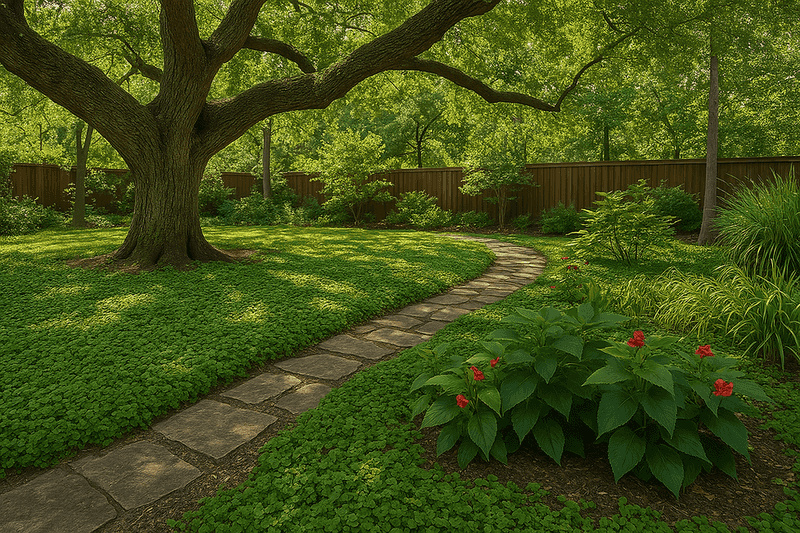
Blaming the oak for the bare patch is understandable, but the tree is not poisoning the ground. A popular myth holds that oak leaves or roots release chemicals that kill grass, but Oklahoma State University Extension’s turfgrass shade guidance points to a different set of culprits: inadequate light, root competition for water and nutrients, restricted rooting space, soil compaction, foot traffic, and accumulated leaf litter.
Allelopathy, the chemical suppression of one plant by another, is a real phenomenon in certain species, but it is associated most strongly with black walnut relatives, not live oaks.
Light is usually the first problem. A mature live oak with a closed canopy can reduce sunlight reaching the ground to a fraction of what lawn grasses need to photosynthesize and stay dense.
Bermudagrass, the dominant Texas lawn grass, is particularly demanding of full sun, and even shade-tolerant turf types struggle when canopy cover is heavy. Add to that the network of shallow, fibrous oak roots competing for every inch of available soil moisture during a Central Texas summer, and turf simply cannot keep up.
Compaction compounds everything. People walk under the tree for shade, soil gets packed down over years, and grass roots cannot penetrate.
Leaf litter from a live oak, which drops old leaves in spring as new ones flush, can smother thin turf before it recovers. The combination of these pressures, not any single cause, explains why the bare zone appears and grows larger as the tree matures.
Switching to a groundcover does not automatically solve the problem for the oak. UGA Extension’s basic tree health guidance points out that any living plant beneath a mature tree competes with tree roots for water, nutrients, oxygen, and rooting space.
Horseherb is a lower-demand option than turf in many respects, but it is not a free pass. Where shade is extreme or roots are very shallow, a simple mulch bed may serve both the homeowner and the tree better than any groundcover.
Can Your Oak Canopy Support Horseherb?
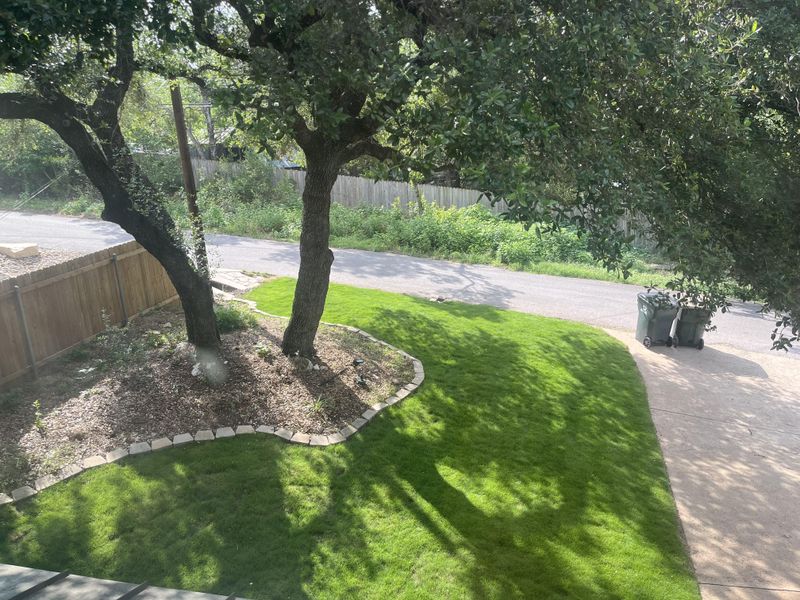
Before buying plants or pulling out a shovel, spend a few minutes reading the site itself. Walk around the tree at different times of day and notice where light actually reaches the ground.
The brightest spots, usually near the outer edge of the canopy or in gaps where branches thin out, give horseherb the best chance. Those dappled and partially shaded zones are meaningfully different from the deep, dry shade directly beneath the densest part of a closed canopy, where even shade-adapted plants can fail to establish.
NC State Extension’s profile of horseherb describes the plant as tolerant of shade, but shade tolerance covers a wide range of conditions. A spot that receives two or three hours of filtered light behaves very differently from one that stays dark and dry all day under a canopy that catches most of the rainfall before it hits the ground.
Knowing which type of shade you have is more useful than any general claim about the plant’s adaptability.
Check the soil next. If it is bone-dry, cracked, and hard even after rain, compaction is limiting water infiltration and root penetration.
OSU Extension’s shade turfgrass fact sheet identifies compaction as one of the key reasons plants fail in high-traffic, tree-shaded zones. Horseherb can handle some compaction, but severely compacted soil will slow establishment considerably.
Look also at how deep the leaf litter builds up each spring; a thick, unmanaged mat can prevent new stems from rooting at nodes.
Traffic is another honest question to ask. Texas A&M AgriLife Extension guidance on planting under oaks supports horseherb for moderate or occasional foot traffic, not for areas where children or pets run daily routes.
If the bare zone doubles as a shortcut or a play area, the plant will struggle to hold on regardless of how well everything else lines up. Once you have assessed light, soil, moisture, leaf litter, and traffic, pick the most favorable corner of the bare zone and plant a test patch there first.
Let it run for a full season before deciding to expand coverage across the entire area.
Plant Around the Roots Without Injuring the Oak
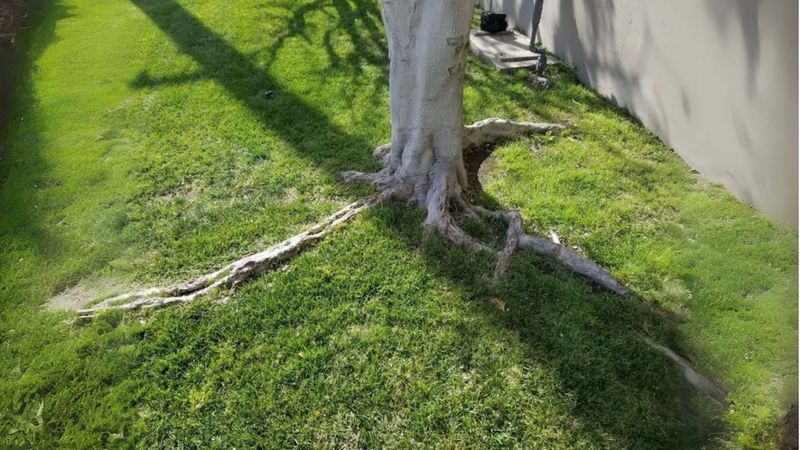
The root zone beneath a mature live oak is both the plant’s most critical asset and the most fragile part of the entire site. Most of the fine, water-absorbing roots are in the top few inches of soil, spread well beyond the drip line.
Any installation method that digs deeply, cuts large roots, or changes the soil grade puts the tree at risk, sometimes with damage that does not show up in the canopy for a year or two.
OSU Extension’s fact sheet on site disturbance and tree decline explains that grade changes over established roots, even modest ones, can injure or destabilize a tree long before any visible symptoms appear. Do not rototill the area, cut large roots to make planting easier, or bring in topsoil to level out the surface or hide exposed roots.
The exposed roots you see near the trunk are doing exactly what they are supposed to do. Covering them with soil or burying them under a thick groundcover bed changes the oxygen and moisture environment around the root collar in ways that stress the tree.
The practical installation method is simple: use a narrow hand trowel or a dibble to open a small hole between existing roots, set the plant in at the same depth it was growing in the nursery container, firm the soil gently, and move on to the next spot. Space plants 12 to 18 inches apart and let stolons fill the gaps over time rather than crowding plants together at the start.
Horseherb does the spreading work on its own once it roots.
Keep the trunk flare visible at all times. ISA’s tree planting guidance is clear that burying the trunk flare, whether with soil or mulch piled against the bark, creates conditions for decay and root problems.
If you use mulch in combination with horseherb, keep it several inches away from the trunk and apply a moderate layer, not a volcano mound. UGA Cooperative Extension’s shade and street tree care bulletin recommends a moderate mulch depth applied in a wide ring rather than a thick pile at the base, which protects surface roots while allowing water and air exchange.
Think of the installation as working around the tree’s existing structure, not reshaping the ground to suit a planting plan.
Establishment Matters More Than the Drought-Tolerant Label
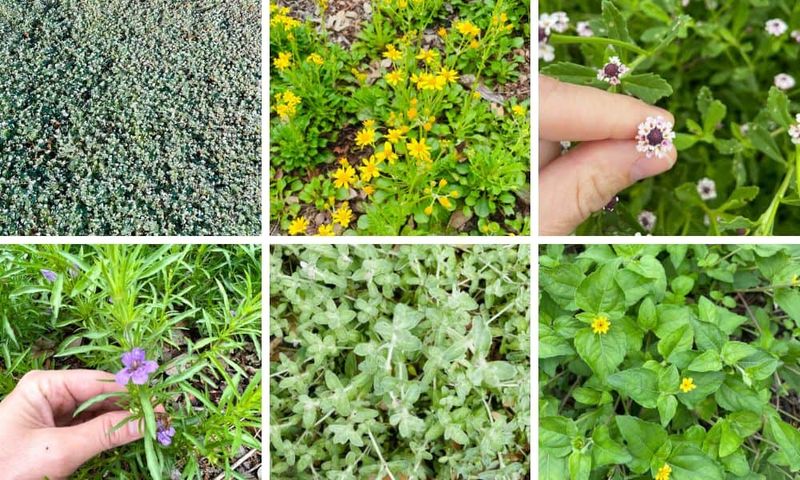
Every plant label that says “drought tolerant” is describing a mature, established specimen, not a freshly transplanted plug sitting in dry, compacted soil during a Texas August. Horseherb is genuinely low-water once it has rooted and spread, but the gap between planting day and established plant is where most failures happen.
Skipping irrigation during that window because the label says drought tolerant is one of the most common mistakes homeowners make with native plants.
Texas A&M AgriLife’s wildscapes guidance identifies fall and early spring as generally safer planting windows for establishing hardy landscape plants before extreme heat arrives. A fall planting in Central Texas gives horseherb several months of cooler temperatures and, in good years, some natural rainfall to build its root system before the following summer.
Spring planting can also work if you get plants in early enough. Summer installation is the hardest window: soil temperatures are high, evaporation is relentless, and newly planted material needs consistent moisture to survive.
If summer is the only option, plan to water more often and accept a higher risk of loss.
Austin’s plant guide describes established horseherb as very low-water, and the Native Plant Society of Texas characterizes it as low- to medium-water depending on conditions. Both descriptions apply after establishment.
During the first season, water new plants every few days in hot weather, then taper off as you see new growth and active spreading.
Source material matters too. Nursery-propagated horseherb is the safest starting point because you know exactly what you are planting.
Availability can be limited, so call ahead to native plant nurseries rather than assuming it will be on the shelf. Division from an established planting you can positively identify is also reasonable, but do not move unidentified plants from a roadside or a neighbor’s yard based on a guess.
Misidentification wastes time and can introduce plants you did not intend to grow.
A Living Mat Still Needs Boundaries and Expectations
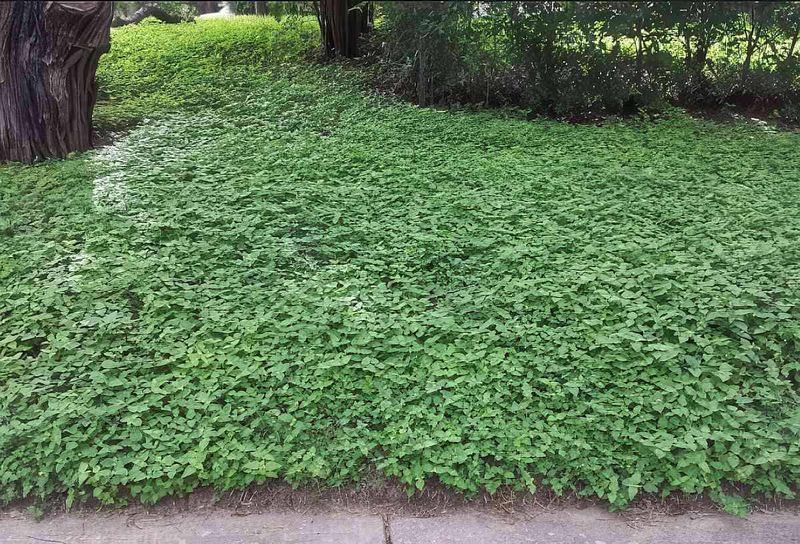
Horseherb earns its reputation as an easy groundcover, but easy does not mean hands-off. The same stoloniferous habit that lets it fill bare ground beneath an oak also means it will keep moving once it gets there.
Stems root at nodes, the mat expands outward, and without any boundary management it will eventually spread into lawn areas, garden beds, or neighboring plantings. Henderson County Master Gardeners describe horseherb as a plant that can shift from desirable groundcover to unwanted spreader depending entirely on the gardener’s goals and willingness to manage edges.
Native status does not change that reality.
Mowing is an option if a shorter, tidier appearance matters to you. Austin’s plant guide confirms that horseherb can be mowed, which is part of what makes it suitable for shady lawn areas.
Set the mower high and mow occasionally rather than on a strict schedule. Keep in mind that mowing changes the look of the plant: the soft, low, sprawling mat becomes a cropped surface that reads more like a lawn substitute.
Neither look is wrong, but mowing will not stop the plant from spreading sideways, so edge management stays necessary either way.
Foot traffic tolerance is real but limited. Texas A&M AgriLife Extension guidance supports horseherb for moderate or occasional traffic, not for sustained recreational use.
If the space beneath the oak sees daily activity from children, dogs, or frequent foot traffic on a fixed path, the mat will thin and gap over time. Stepping stones or a mulched path through the groundcover area solves that problem practically without abandoning the plant altogether.
The Native Plant Society of Texas notes that horseherb is semi-evergreen, staying green through mild winters but going dormant after hard freezes or extended drought. Plan for a brown or sparse-looking patch in a tough winter or a severe dry spell; it typically recovers when conditions improve.
The plant also produces small yellow flowers that attract small butterflies and other nectar insects from spring into fall, which is a modest but genuine benefit. Treat that as a bonus rather than the headline reason to plant it.
Horseherb Works Best as a Trial, Not a Promise
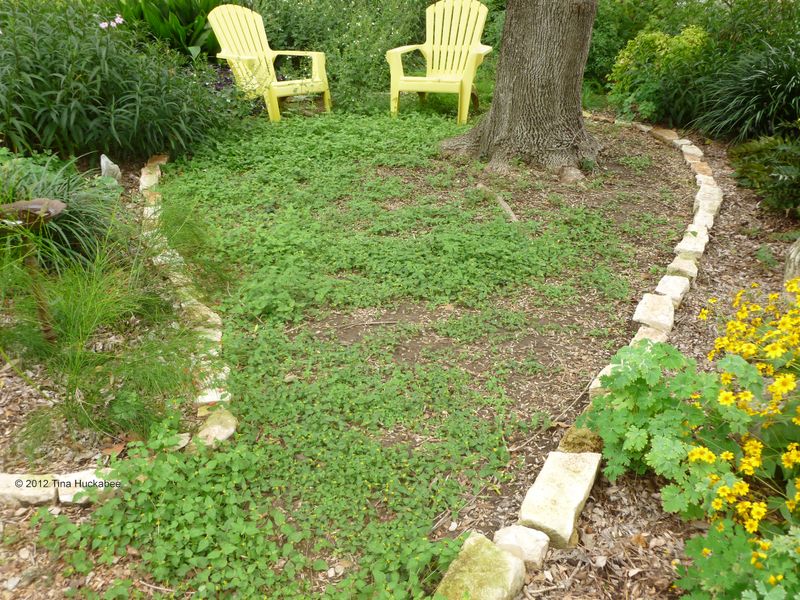
The most practical way to approach horseherb is as a low-stakes experiment rather than a whole-yard commitment. Pick the brightest, most favorable corner of the bare zone, plant a small patch, water it through its first season, and watch what happens.
If it roots, spreads, and holds through a summer, you have real site-specific evidence that your oak canopy can support it. That single season of observation is worth more than any general claim about the plant’s shade tolerance.
Austin’s plant guide recommends horseherb for shady lawns and dry-shade revegetation, and OSU Extension’s shade turfgrass guidance reinforces that the darkest, driest parts of a tree canopy are the hardest sites for any groundcover. Where the canopy is extremely dense, roots are very shallow, or protecting the tree takes clear priority over aesthetics, a simple mulch bed is the lower-risk answer.
Mulch suppresses weeds, moderates soil temperature, retains moisture, and does not compete with oak roots for water or nutrients.
UGA Extension’s tree health guidance is a useful reminder that the goal beneath a mature tree is to support the tree first and solve the aesthetic problem second. Horseherb can do both in the right spot.
Where the conditions are wrong, no amount of effort will override deep shade, severe drought, root competition, or soil that has been compacted for years. A small test patch costs little and tells you exactly what you need to know before committing to a larger planting.
The bare spot under your oak is a site problem with a site-specific answer, and horseherb is one of the more honest options Texas has to offer.