
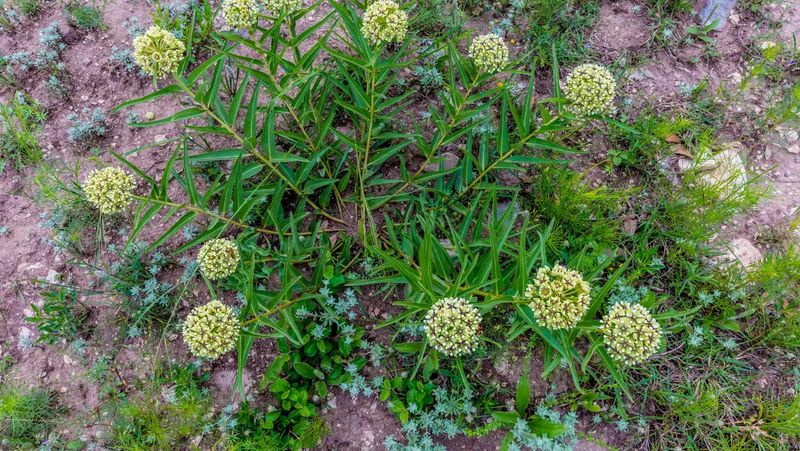
Every fall, millions of monarch butterflies funnel through Texas on their way to wintering grounds in Mexico, and Central Texas sits right in the middle of that journey. Gardeners who want to support those travelers have a strong native plant option worth knowing: antelope-horns milkweed, a drought-tolerant wildflower that already grows across the Edwards Plateau and Blackland Prairie.
Planting it, along with the right nectar flowers, can make your yard a better stop along the route, even if no one can promise butterflies will show up at your address every single year.
Use fall migration timing to plan habitat
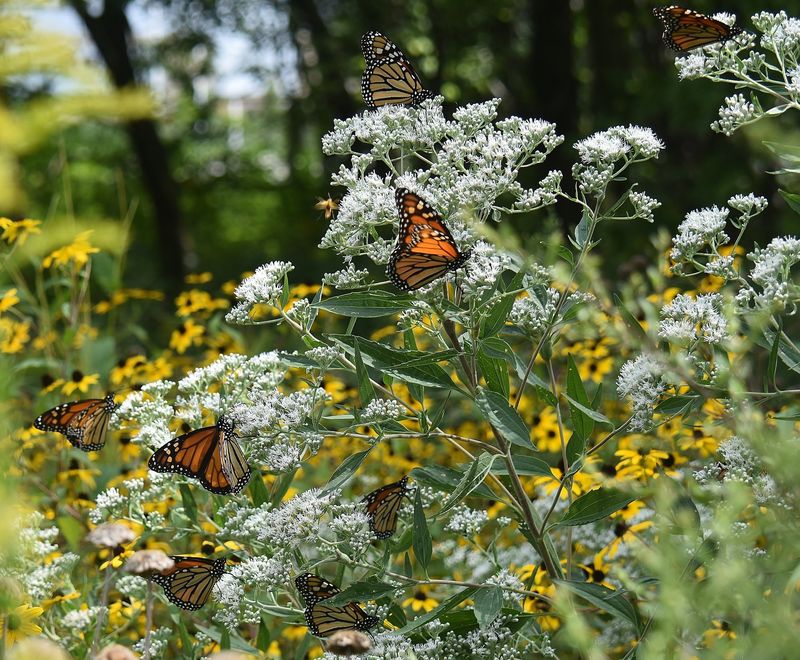
Monarch butterflies move through Texas on a schedule that Central Texas gardeners can use as a planning anchor. According to Texas Parks and Wildlife’s monarch tracking program, the fall migration corridor through Texas typically begins in late September, with the heaviest Central Texas movement occurring through October.
The broader Texas window can stretch into early November depending on weather and route.
That timing matters because it tells you when adult monarchs are most likely to pass through your neighborhood. Knowing that window helps you work backward: establishing host plants and nectar flowers before the migration peaks gives those plants time to settle in and actually support butterflies when they arrive.
What timing cannot do is guarantee that monarchs will land in your specific yard. Migration routes shift year to year based on weather systems, drought patterns, and regional nectar availability.
A cold front can push large numbers of butterflies south in a matter of days, while a dry October can scatter them across a wider area than usual.
The practical takeaway is to use the fall migration window as a planning target rather than a deadline. TPWD’s monarch conservation guidance frames habitat improvement as a long-term commitment rather than a same-season fix.
Planting ahead of the migration, when local conditions and plant availability are right, puts your yard in a better position over multiple seasons, not just one.
Start with antelope-horns milkweed
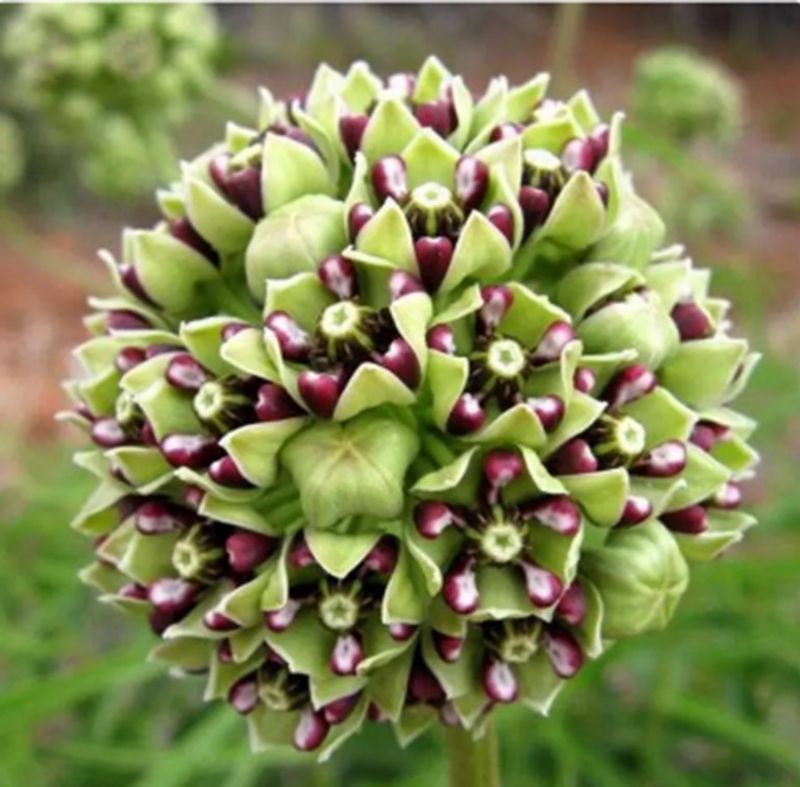
Antelope-horns milkweed, known botanically as Asclepias asperula, is a native Texas perennial with a strong track record in Central Texas gardens. Texas Parks and Wildlife lists it among the native milkweeds especially appropriate for cultivation, noting its presence across the Edwards Plateau and Blackland Prairie, two regions that cover a large portion of Central Texas.
The University of Texas Plant Resources Center describes it as common in Central Texas and well-suited to open, sunny areas.
The plant’s role in the monarch life cycle is specific and important. USDA research on milkweed distribution confirms that milkweeds are the only plants on which monarchs will lay eggs, and the only food source monarch caterpillars can eat.
Without milkweed present somewhere along the migration corridor, the next generation cannot develop. Planting antelope-horns adds to that corridor, even if a single yard represents a small piece of a much larger puzzle.
Adult monarchs, however, are a different story. The Monarch Joint Venture’s life cycle overview explains that adult butterflies feed on nectar from a wide range of flowering plants, not milkweed alone.
During the fall southbound journey, migrating adults are primarily refueling on nectar rather than seeking out host plants for egg-laying, which means milkweed by itself is only part of what a complete monarch garden needs.
Antelope-horns is a strong recommendation for many Central Texas sites, but not the only native milkweed worth considering. Texas has more than 35 recorded milkweed species, and the right choice depends on your soil type, drainage, sun exposure, and moisture conditions.
Think of antelope-horns as the starting point for most Central Texas sunny, well-drained gardens, not a universal prescription for every yard in the state.
Match the milkweed to the site
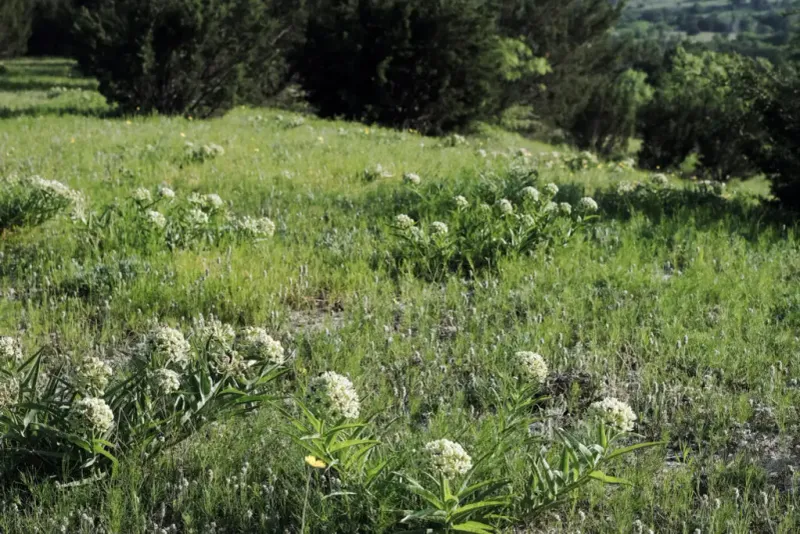
Antelope-horns milkweed thrives where conditions are sunny, dry, and well-drained. Henderson County Master Gardeners describe it as best suited to full sun and tolerant of rocky, sandy, or otherwise lean soils, making it a natural fit for the caliche-heavy and limestone-based terrain common across much of Central Texas.
Persistently wet or clay-heavy spots where water pools after rain are a poor match and can cause root problems over time.
A practical site choice might be a sunny garden border, a meadow-style planting area, or a lightly managed slope with good drainage. TPWD’s native plant guidance is clear that Texas milkweeds are not interchangeable species.
Each one is adapted to a particular set of soil and moisture conditions, so selecting the wrong plant for your site undermines both the plant’s survival and its usefulness as monarch habitat.
If your property has sandy, gravelly, or calcareous soil rather than the rocky limestone common to the Edwards Plateau, two other documented native options are worth comparing. The NRCS Southern Plains Plant Guide describes zizotes milkweed (Asclepias oenotheroides) as associated with sandy, gravelly, and disturbed soils, making it a better fit for some Central and South Texas sites.
Green milkweed (Asclepias viridis) is another documented Texas native that may suit certain properties. The Texas A&M Earth-Kind plant selector is a useful tool for cross-checking which plants fit your specific region, sun exposure, and soil before you buy.
One plant that often shows up in garden centers and deserves a careful look is tropical milkweed (Asclepias curassavica). It is not native to Texas, and because it can remain green through mild winters in the southern part of the state, it may allow monarchs to continue breeding when they should be migrating.
The Monarch Joint Venture’s Q&A on tropical milkweed explains that winter breeding on non-native milkweed raises documented concerns about increased transmission of the OE parasite, though the full population-level effect remains debated. Peer-reviewed research published in Frontiers in Ecology and Evolution supports the concern while noting that context and location matter.
Choosing a native Texas species avoids the uncertainty entirely and keeps your planting aligned with local ecology. TPWD’s monarch habitat resources consistently recommend native species matched to local conditions as the more reliable long-term choice.
Choose the easier establishment route
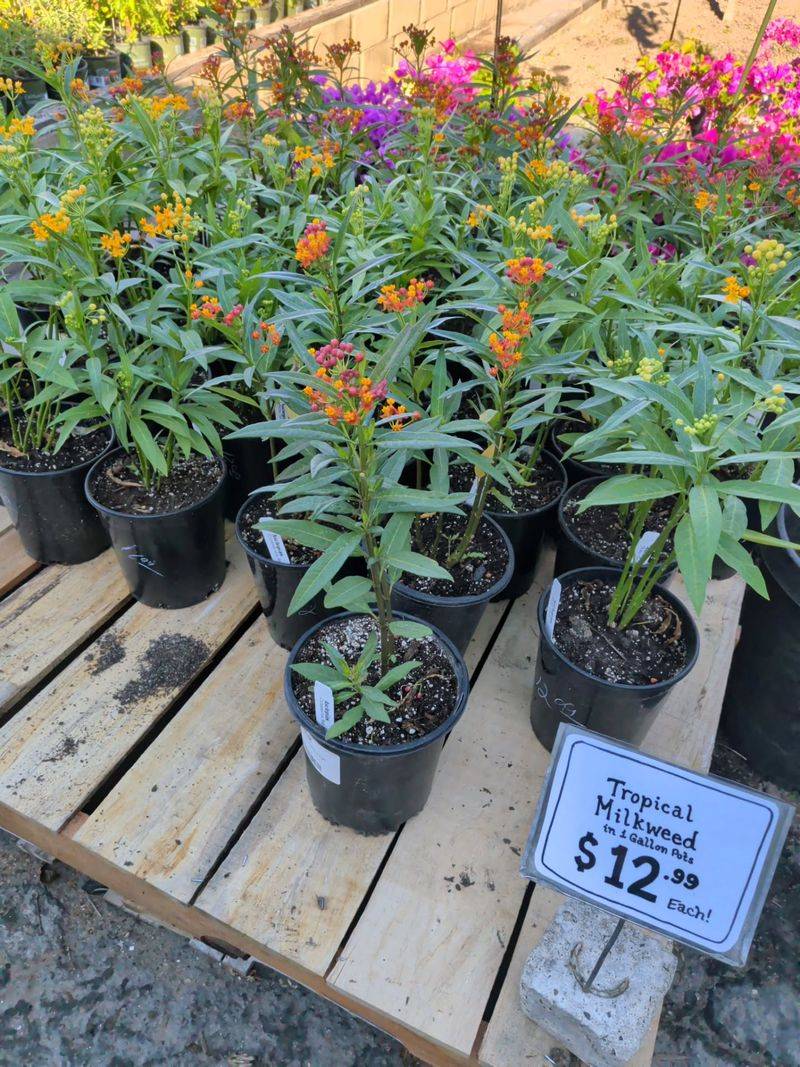
For most Central Texas homeowners, starting with a healthy nursery-grown potted plant is a more straightforward path than growing from seed. Texas Parks and Wildlife notes that native milkweeds can be difficult to grow from seed, often develop long taproots early in their life cycle, and may take several years to reach reproductive maturity.
That slow timeline means a seed-started plant is unlikely to be large enough to host caterpillars during the same season you plant it.
Seed is not impossible, but it requires more preparation. Species like antelope-horns may benefit from cold, moist stratification before germination, and their developing taproot needs a deep container to avoid becoming root-bound too quickly.
Patience is the main ingredient: even under good conditions, a milkweed started from seed can spend its first season or two focused entirely on root development before it puts up much visible growth above ground.
A potted transplant skips some of that waiting, though it still demands proper care after planting. Plant quality matters, so look for a specimen with healthy foliage, no signs of stress, and a root system that has not been sitting in soggy growing medium.
Transplant timing and site suitability matter equally. A healthy plant dropped into heavy, poorly drained clay or a shaded corner will struggle regardless of how good it looked at the nursery.
Once the plant is in the ground, consistent watering during the establishment period helps roots spread into the surrounding soil. Texas A&M’s Earth-Kind horticulture program points out that even native and well-adapted plants need correct placement and appropriate care to perform well.
After roots are established, you can reduce irrigation to match the plant’s drought-tolerant nature and your site’s conditions. Earth-Kind landscape guidance also recommends a layer of mulch around new plantings to conserve soil moisture and moderate soil temperature during the establishment window.
Native status does not mean the plant takes care of itself from day one.
Pair the host plant with fall nectar
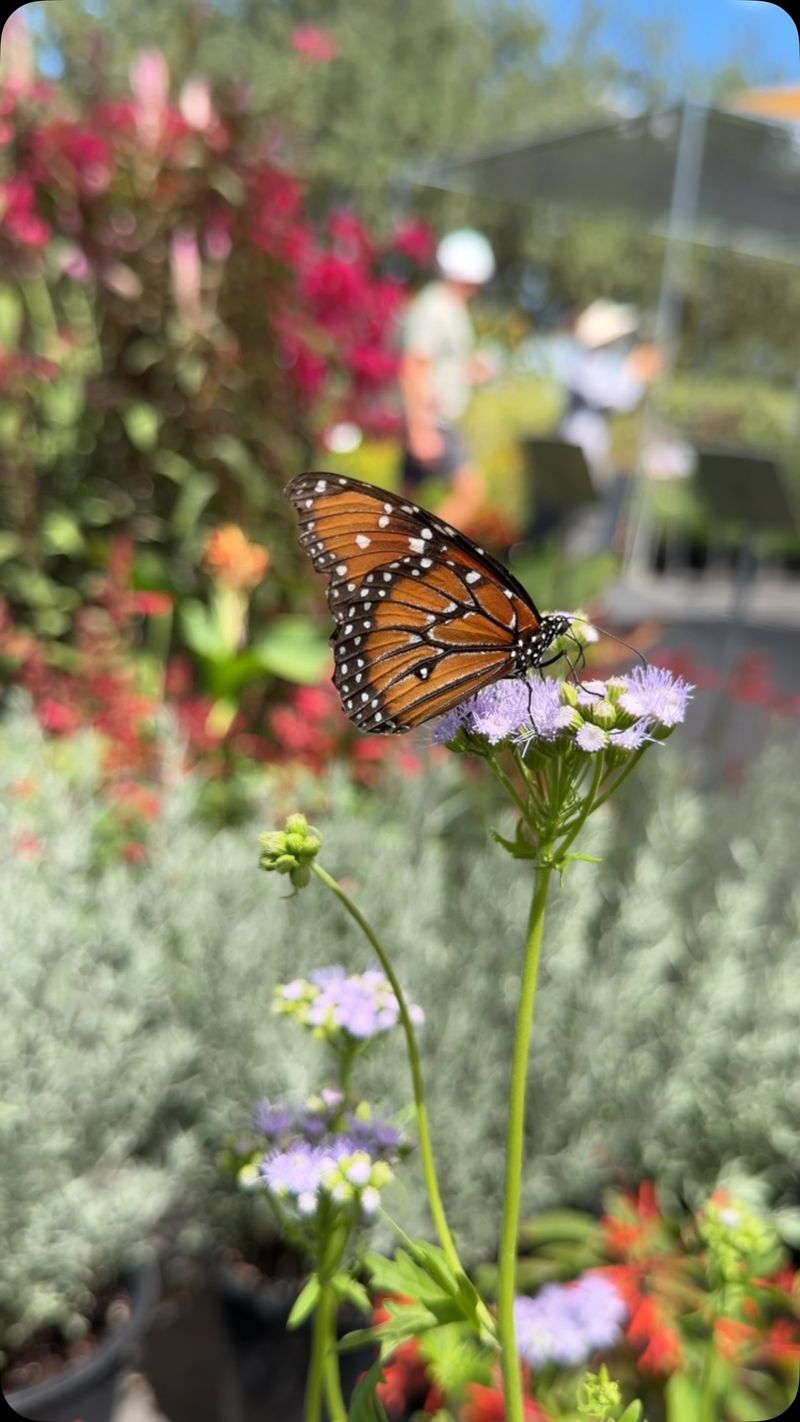
Antelope-horns milkweed earns its place in a monarch garden as a host plant, but the southbound migrants passing through Central Texas in fall are primarily doing something different: refueling. The Monarch Joint Venture explains that fall migrants enter a state called reproductive diapause, meaning they are not actively seeking out milkweed to lay eggs.
Their priority during the southbound journey is finding nectar-rich flowers that provide the energy they need to complete the trip to Mexico.
That distinction matters for how you design the garden. Milkweed alone will not make your yard a useful stop for southbound adults.
Adding native flowering plants that bloom through September, October, and into November gives migrating butterflies a reason to slow down and feed. TPWD’s monarch conservation resources identify mid-September through November as a critical nectar window for Texas gardeners trying to support the migration.
Several native Texas plants fill that window well. Gregg’s mistflower (Conoclinium greggii) is a fall bloomer widely recommended for Central Texas monarch gardens.
Goldenrods (Solidago species) offer dense late-season nectar. Frostweed (Verbesina virginica) blooms in fall and is particularly attractive to monarchs in Central Texas.
Native asters also extend the nectar season into October and November.
The goal is overlap: a yard with both milkweed and a succession of fall-blooming native nectar plants covers more of what monarchs need across the migration season. Even so, the presence of nectar flowers cannot guarantee that passing butterflies will stop at your property rather than a neighbor’s yard two streets over.
What it does is make your garden worth stopping at, which is the most any gardener can honestly offer.
Protect the planting from sprays
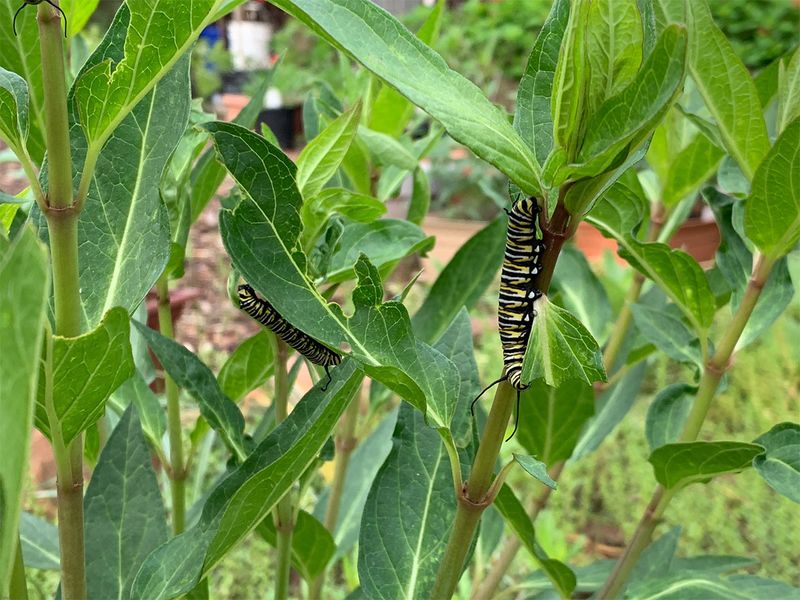
A monarch-friendly garden can be undone quickly by pesticide use in or near the planting. The Xerces Society’s milkweed FAQ strongly recommends nonchemical approaches for managing pests on milkweed and warns that insecticides can harm monarch caterpillars, adult butterflies, and the full range of beneficial insects that use the same plants and flowers.
Aphids are the most common milkweed pest, and while a heavy infestation looks alarming, the first response should not be a spray bottle of insecticide.
A strong stream of water from a garden hose knocks aphids off the plant without leaving chemical residue that could harm a caterpillar feeding on the same leaves hours later. Tolerating some aphid pressure, especially when natural predators like lady beetles and parasitic wasps are present, is often the most sensible approach in a garden managed for wildlife.
USDA Forest Service pollinator protection guidance identifies pesticide exposure as one of the primary threats to monarch and pollinator populations across their range.
Herbicide drift is a less obvious but equally serious risk. If neighboring properties or nearby roadsides are treated with broadleaf herbicides, the spray can travel on wind and damage milkweed and flowering plants without any direct application to your garden.
Knowing when neighboring areas are scheduled for treatment and positioning sensitive plants away from likely drift zones reduces that exposure.
One more practical note on handling the plant itself: antelope-horns milkweed produces a milky sap that the UT Plant Resources Center documents as a characteristic of the species. That sap can irritate skin, so wearing gloves when cutting stems or working around broken plant tissue is a sensible precaution.
USDA wildflower pollinator resources note that milkweed plant material is toxic if ingested, so keep it away from pets, livestock, and anyone who might handle or taste the leaves or stems.
Set realistic expectations for the first fall
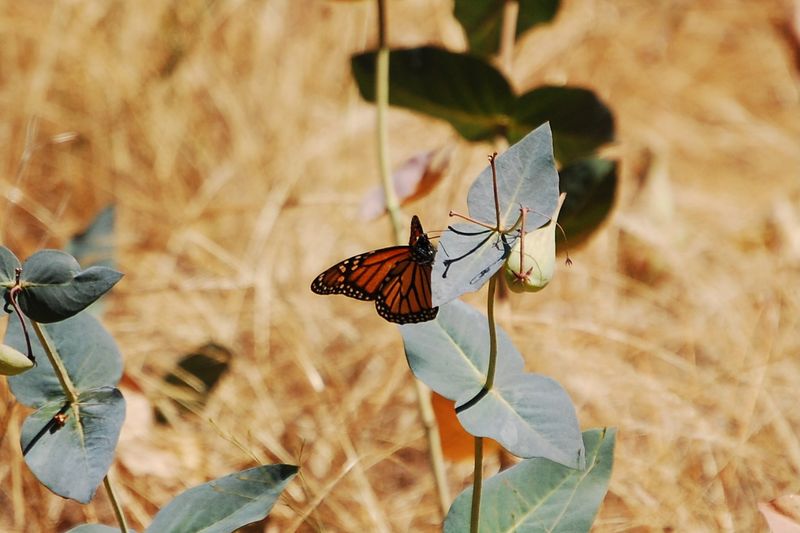
One of the most common misunderstandings about planting milkweed is the assumption that monarchs will show up to lay eggs the same season the plant goes in. The Monarch Joint Venture’s life cycle documentation explains that southbound fall migrants are in reproductive diapause, a biological state in which they are not actively breeding.
They are navigating to Mexico, not searching for egg-laying sites, which means a yard full of milkweed will not necessarily trigger egg-laying from fall migrants even if they pass through.
There is also the plant’s own timeline to consider. TPWD specifically notes that native milkweeds can take years to reach reproductive maturity, and a newly installed transplant may spend its first season focused on establishing a root system rather than producing robust foliage.
A small, newly rooted plant simply may not offer enough leaf material to support a caterpillar through all five instars even if a monarch did lay an egg on it.
Annual migration conditions add another layer of variability. TPWD’s monarch tracker program documents how drought, heat, cold fronts, and wind patterns can shift migration timing and intensity from one year to the next.
Monarch Watch’s field reports regularly show that even well-established monarch corridors experience wide swings in butterfly counts depending on season-specific conditions. A yard that hosts dozens of monarchs one October may see only a handful the next.
Reframing what success looks like makes the whole project more satisfying. A garden with established native milkweed, fall-blooming nectar plants, and no pesticide use is genuinely better habitat than the same yard without those features.
That improvement is real and measurable even in a year when you do not spot a single caterpillar. Building durable habitat over multiple seasons, rather than expecting a same-season spectacle, is what puts your yard in the best position to benefit monarchs whenever conditions do bring them through.
Build habitat for the yard you have
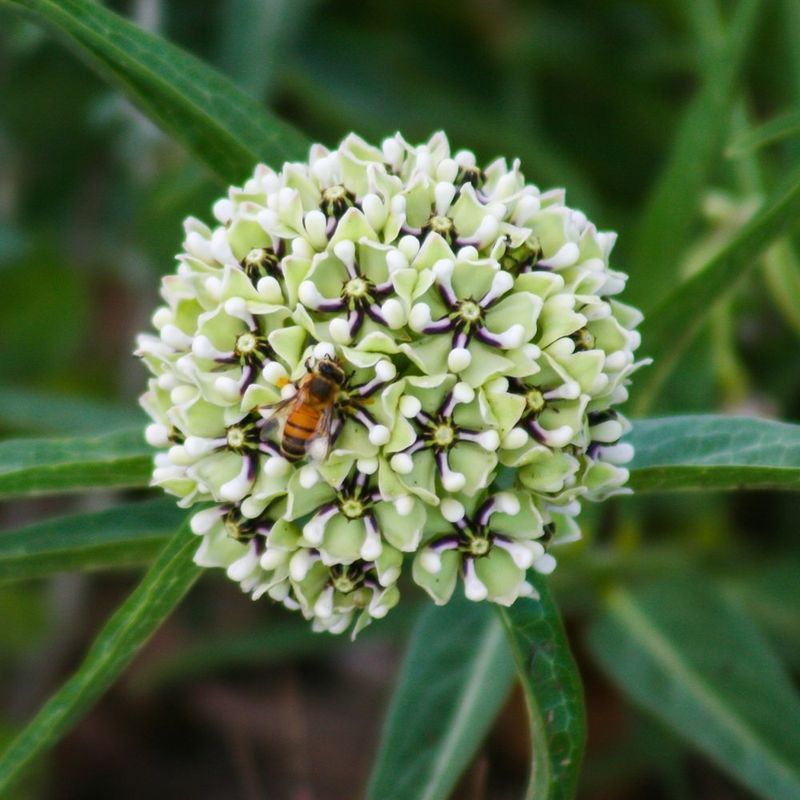
Putting this all together comes down to a practical sequence that fits the yard you actually have, not an idealized garden. Start by evaluating your site: full sun and well-drained soil are the baseline requirements for antelope-horns milkweed.
The UT Plant Resources Center confirms that antelope-horns is common in Central Texas open areas, making it a sound starting choice for many standard sunny beds and borders across the region.
Once the host plant is in place, layer in native nectar plants that carry blooms through the fall migration window. TPWD’s monarch habitat guidance identifies mid-September through November as the period when nectar resources matter most for southbound adults.
Keep insecticides and herbicides away from the entire planting, and water the milkweed consistently through establishment before easing off as roots take hold.
What this approach cannot do is deliver monarchs to your address on a fixed schedule. As the Monarch Joint Venture makes clear, migration is shaped by weather, regional conditions, and biology that no individual garden controls.
The yard you build is one piece of a corridor that spans thousands of miles. That piece matters, and on a good October afternoon in Central Texas, it may be exactly the stop a monarch needs.