
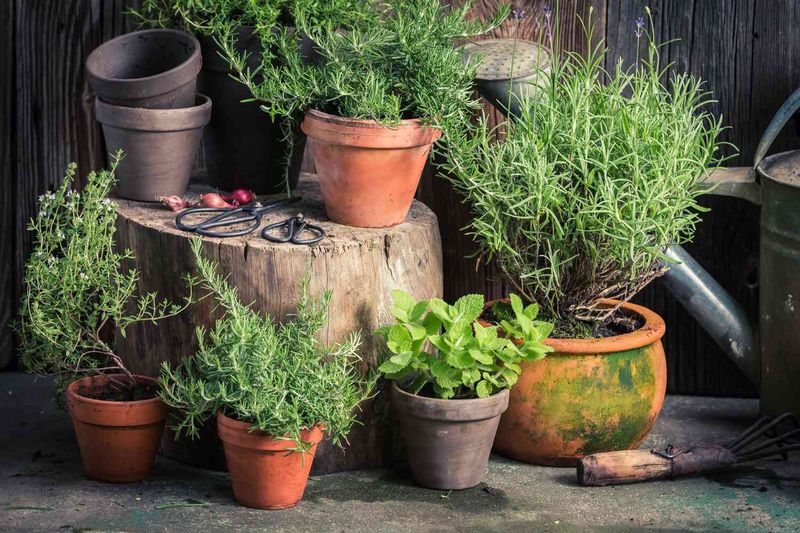
Roaches love a Texas summer just as much as we hate them, and once the heat climbs into the triple digits, they start looking for a cool, damp spot to crawl into, which is usually your house. The good news is that some of the toughest, best-looking plants in Texas happen to give off smells and oils that roaches can’t stand. Planting the right ones near your doors, windows, and foundation can turn your landscaping into a first line of defense that survives our brutal heat and water restrictions. Here are seven Texas-friendly plants that may help keep roaches at bay while making your yard look better than ever.
1. Rosemary
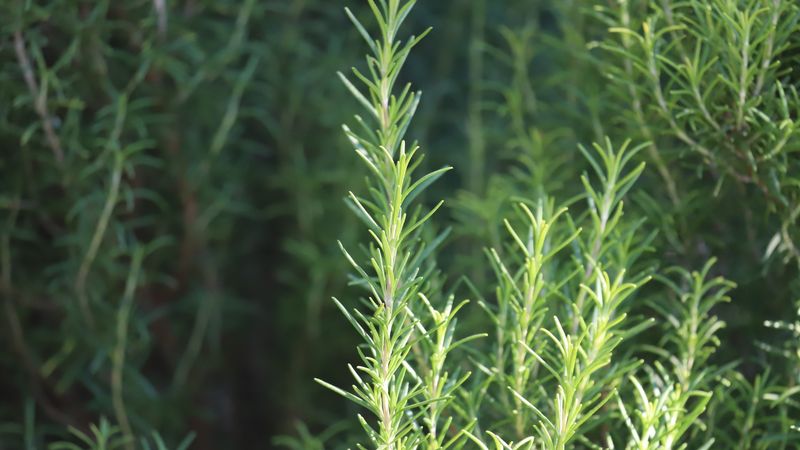
Crush a sprig of rosemary between your fingers and you get that sharp, piney kitchen smell we all love. Roaches, however, find it downright offensive, and that is exactly why this Mediterranean herb earns a spot right by your back door.
Rosemary thrives in the kind of hot, dry, well-drained soil that defines much of Texas, so it laughs off triple-digit afternoons that would flatten thirstier plants. Once established, it needs very little water, which makes it a friend to anyone gardening under municipal watering restrictions.
The oils in its foliage can help deter roaches and other crawling pests from settling near foundations and thresholds. Plant a few bushes along a walkway or in pots flanking an entry, and you get a fragrant barrier that also feeds your Sunday roast.
Fun bit of history: sailors once burned rosemary to purify the air on long voyages, long before anyone thought of it as pest control. In your Texas yard, it pulls double duty as seasoning and sentry.
2. Texas Lavender (Mealy Blue Sage and True Lavender)
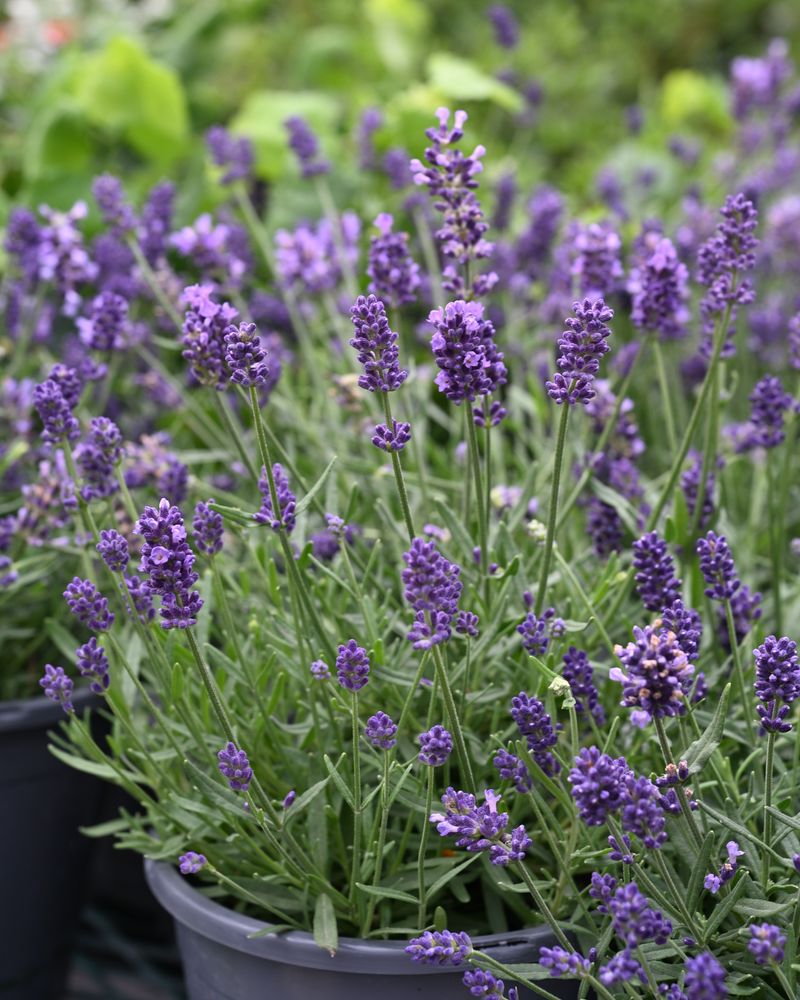
Few things say relaxing garden like a row of purple lavender swaying in a summer breeze, yet the same soothing scent that calms us sends roaches scurrying the other way. That contrast is what makes lavender such a satisfying pick.
Heat and drought barely register for varieties suited to Texas, especially when you give them gritty, fast-draining soil and plenty of sun. Soggy roots are the one thing they cannot forgive, so skip the low, wet spots.
The strong linalool in lavender oil can reduce how welcome roaches, moths, and mosquitoes feel around your porch and windows. Tuck it into beds near seating areas so you enjoy the fragrance while the bugs keep their distance.
Bees and butterflies adore the blooms, so you are quietly supporting pollinators while defending your doorstep. Not a bad trade for a plant that basically waters itself.
3. Catnip
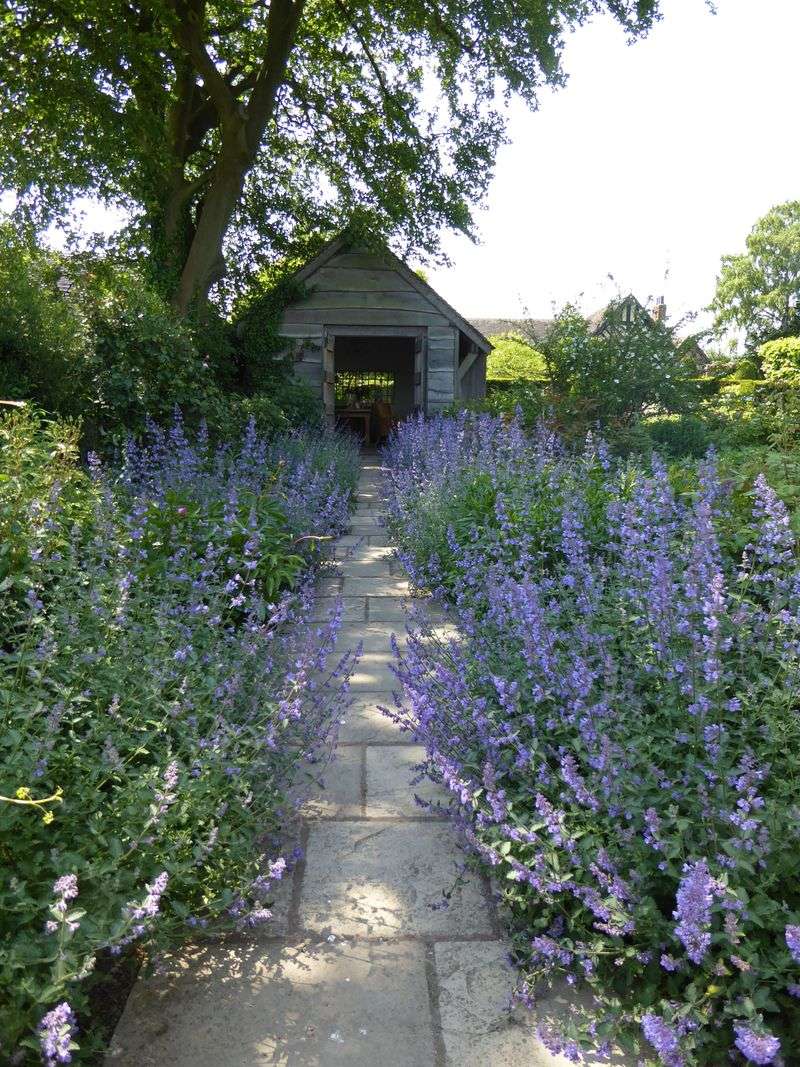
Your cat may go wild for it, but here is the twist: catnip contains a compound called nepetalactone that studies have found repels roaches surprisingly well. That makes this fuzzy little herb one of the more powerful weapons on the list.
Growing it in Texas is almost too easy. Catnip spreads happily, shrugs off heat, and asks for very little once it gets going, which is why some gardeners keep it corralled in pots so it does not take over the bed.
Set a few plants near foundation cracks, vents, or the gap under a garage door where roaches like to sneak in. The scent can help deter them from crossing that line.
Do keep in mind that catnip may invite the neighborhood cats for a nap, so plant it where a little feline traffic will not bother you. Consider it a two-species pest patrol.
4. Bay Laurel
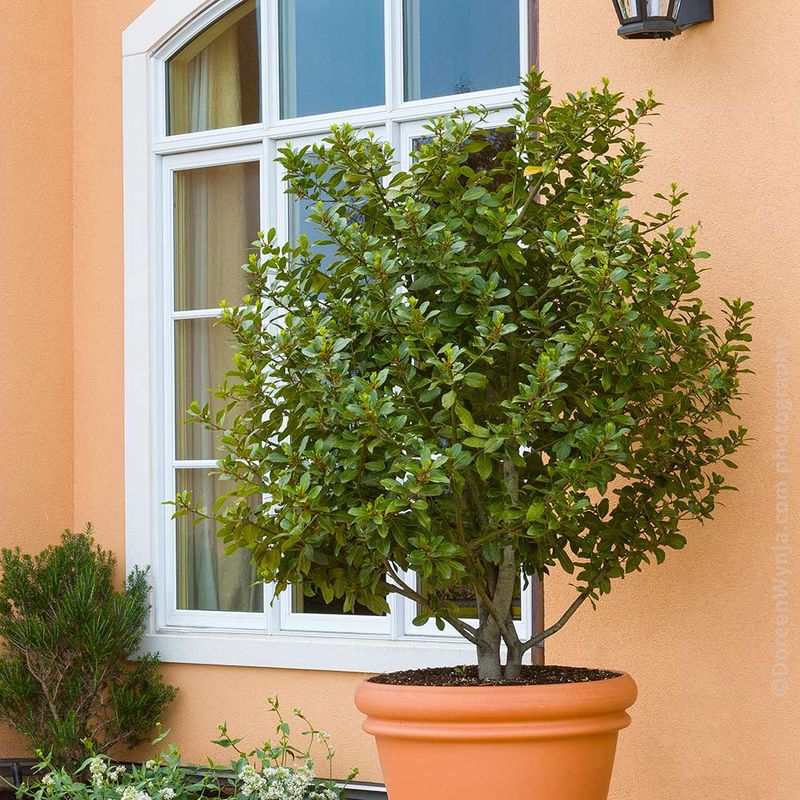
Toss a couple of bay leaves into your gumbo and you understand why this tree has been prized in kitchens for centuries. Roaches, on the other hand, want nothing to do with the pungent aroma those leaves give off.
Bay laurel handles Texas heat like a champ and can grow as a shrub, a small tree, or a tidy patio specimen in a pot. Container growing is handy near the Gulf Coast, where you can drag it under cover if a hurricane threatens.
Placed by entryways or windowsills, the leaves can help discourage roaches from lingering, and you can snap off a few to scatter in pantry corners indoors too. That indoor-outdoor flexibility sets it apart from the herbs that only work in the ground.
Ancient Greeks wove bay laurel into victory crowns, which feels fitting for a plant that helps you win the war against unwanted guests.
5. Chrysanthemums (Mums)

Here is the plant the bug-spray companies do not always mention: chrysanthemums naturally produce pyrethrin, the very compound found in a huge number of commercial insecticides. So when you plant mums, you are essentially growing a living dose of roach repellent.
Beyond the pest-fighting chemistry, mums deliver those big waves of red, gold, and burgundy color that make a Texas front bed pop, especially heading into fall. They handle heat well and reward you with blooms right when many summer flowers fade.
Pyrethrin can reduce activity from roaches, ants, ticks, and even fleas around the areas where you plant them. Line them along the foundation or cluster them in pots by the door for a colorful, working border.
Because their power comes from actual insecticidal chemistry rather than just scent, mums punch above their weight compared to a purely fragrant herb.
6. Mexican Mint Marigold
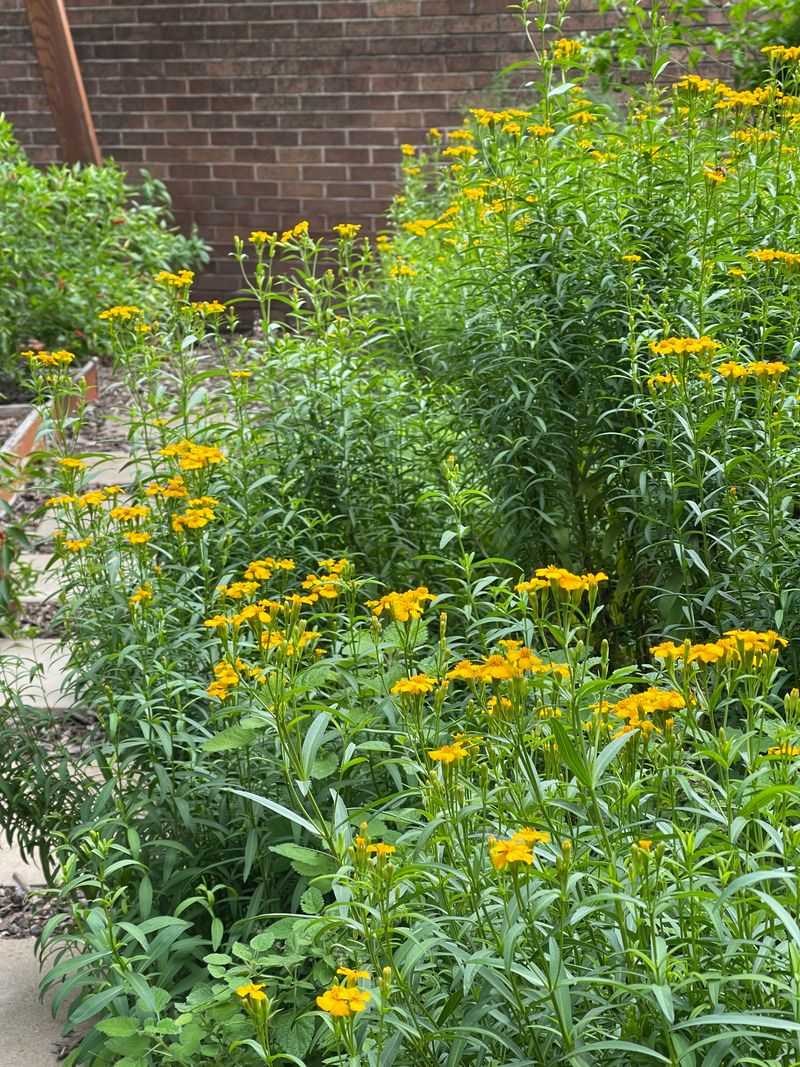
Native to the region and built for our climate, Mexican mint marigold is the Texan answer to French tarragon, and it brings a licorice-anise fragrance that insects generally avoid. It belongs on this list because it is a true regional native, not a transplant fighting the heat.
Come late summer and fall, it explodes with cheerful yellow flowers while shrugging off drought and poor soil. That toughness makes it ideal for water-conscious Texas gardens where fussy plants simply give up.
The aromatic foliage can help keep roaches and other pests from moving in close, particularly along walkways and bed edges near the house. Snip some for the kitchen and you get a tarragon substitute that actually likes our summers.
Pollinators flock to the blooms, so you are feeding bees and butterflies while quietly telling roaches to look elsewhere. A native workhorse that looks like a party.
7. Lemongrass
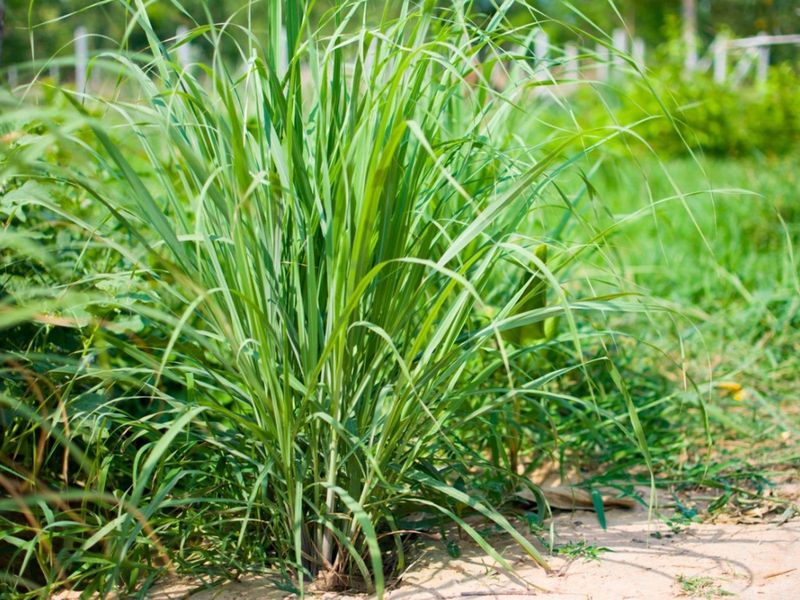
That fresh, citrusy zing you smell when you brush past lemongrass comes from citronella oil, the same stuff loaded into countless anti-bug products. Roaches and mosquitoes both find it thoroughly unwelcome.
As a fast-growing clumping grass, lemongrass loves the heat and humidity of a Texas summer and fills out into a lush, fountain-like shape in a single season. It handles Gulf Coast moisture better than the dry-loving herbs, giving it a niche the others cannot cover.
Plant it near patios, doorways, or fence lines and the citronella oils can help deter roaches from setting up shop nearby. As a bonus, it doubles as a striking ornamental grass and a cooking ingredient for teas and Asian dishes.
Since it dies back in a hard freeze, treat it as a warm-season star and cut it back or mulch it heavily when the cold rolls in.