
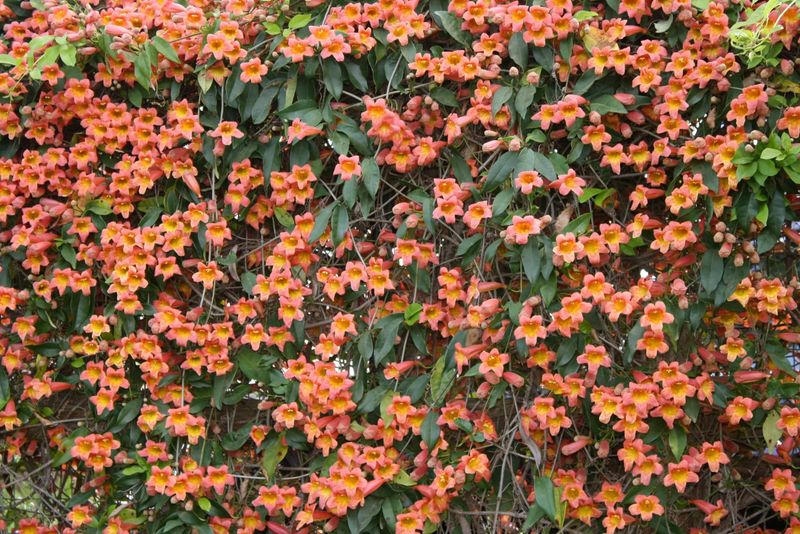
Finding a vine that covers a fence quickly without taking over your whole yard sounds like a simple request, but Texas gardeners know the climate rarely makes anything simple. Crossvine, known scientifically as Bignonia capreolata, is one well-supported option for suitable parts of Texas and the Southeast, offering vigorous growth, trumpet-shaped flowers, and real value for hummingbirds.
The honest answer, though, is that no vine covers every Texas fence fast and stays tidy on its own. Crossvine can do the job in the right spot, but it comes with obligations that every gardener should understand before planting.
Crossvine can cover a fence, but site and maintenance decide the outcome
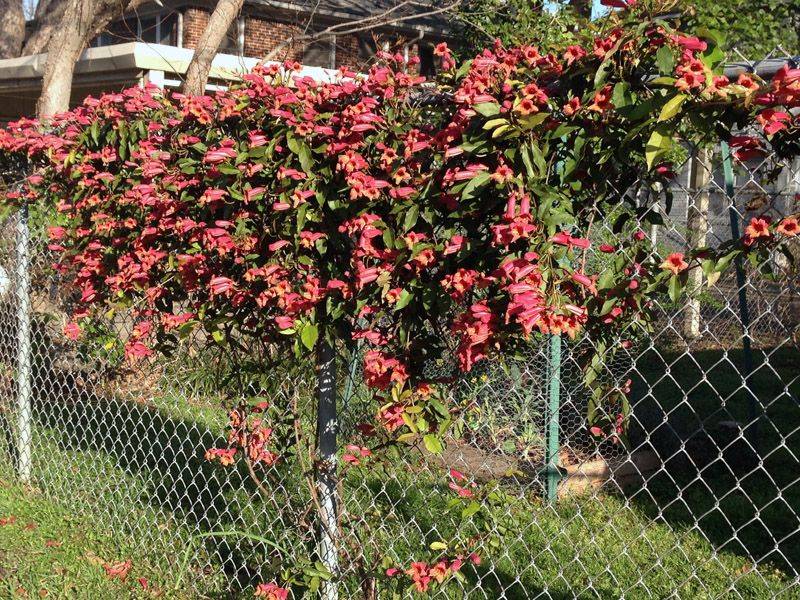
Crossvine, Bignonia capreolata, earns its reputation as a strong candidate for fence coverage in suitable parts of Texas and the broader Southeast. Texas SmartScape describes it as an evergreen native vine that will cover an arbor or fence, and UGA Cooperative Extension calls it fast-growing and well-suited for quickly covering trellises and fences.
Those are real credentials, but they come with a catch: the vine needs a support system, early training, and periodic pruning to stay where you want it.
Mature size estimates vary widely in published sources. UGA lists crossvine reaching 30 to 50 feet, while Texas SmartScape’s North Central Texas entry puts it at 15 to 25 feet.
Either way, this is a vigorous, potentially large plant, not a compact ornamental that trims itself. Without guidance during its first few years, it can wander into trees, roofs, or utility areas and create a bigger problem than a bare fence.
The comparison with wisteria is worth clarifying right from the start. Crossvine earns a safer-alternative description specifically when measured against invasive Chinese wisteria (Wisteria sinensis) and Japanese wisteria (Wisteria floribunda), which are documented spreaders capable of girdling trees and regenerating after cutting.
North Carolina Extension notes that crossvine itself can spread by seed and root suckers and may require active management. The defensible claim is that crossvine is more manageable than those invasive Asian species when it is properly sited and maintained, not that it is problem-free.
Match crossvine to your Texas region before you plant
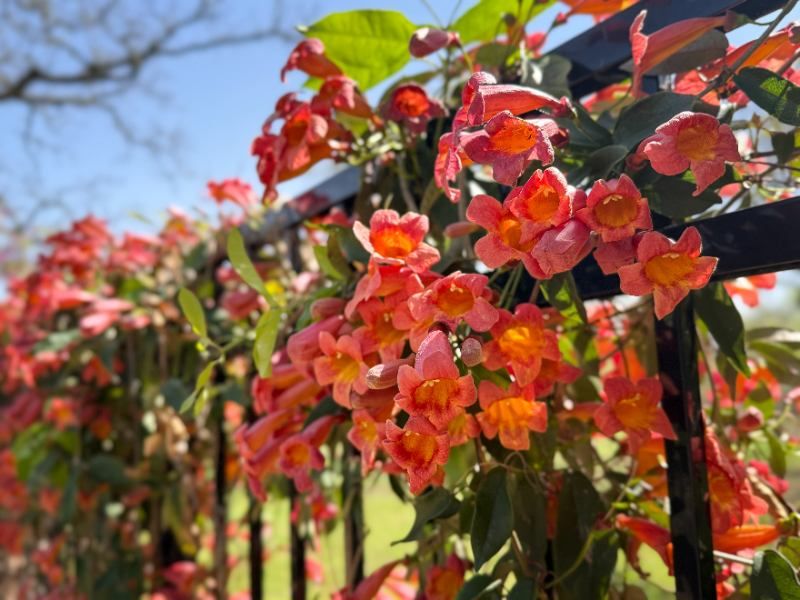
Crossvine is native to the southeastern and south-central United States, including parts of Texas, but that range does not stretch uniformly across the whole state. The strongest direct Texas evidence comes from North Central Texas, where Texas SmartScape lists crossvine as native, evergreen, low-water-demand, and appropriate for fence coverage.
Eastern Texas and Gulf Coast areas generally align more closely with the species’ native habitat, making those regions reasonable candidates for planting without extensive local research.
Gardeners in arid or far-western Texas face a different situation. Crossvine’s preference for adequate moisture and well-drained soil does not translate automatically to dry caliche or high-alkaline conditions far from its native range.
If you live in those areas, a conversation with your county Extension office or a local native plant nursery is worth more than any general article. UF/IFAS identifies crossvine as native in Florida, particularly in northern counties and south to the central peninsula, which reinforces the pattern: this plant performs best where moisture and mild winters are more predictable.
Evergreen or semi-evergreen behavior is another regional variable. Sources describe crossvine as evergreen to semi-evergreen, but a hard Texas winter can strip foliage or cause dieback before spring regrowth.
That means the privacy screening you counted on in January may look thinner than expected after a cold snap. Plan for coverage to develop gradually over multiple growing seasons rather than expecting dense, opaque screening from a freshly planted vine.
Spacing, plant size at purchase, light, and water access all affect how quickly the fence fills in.
Build a support system before vigorous growth takes over
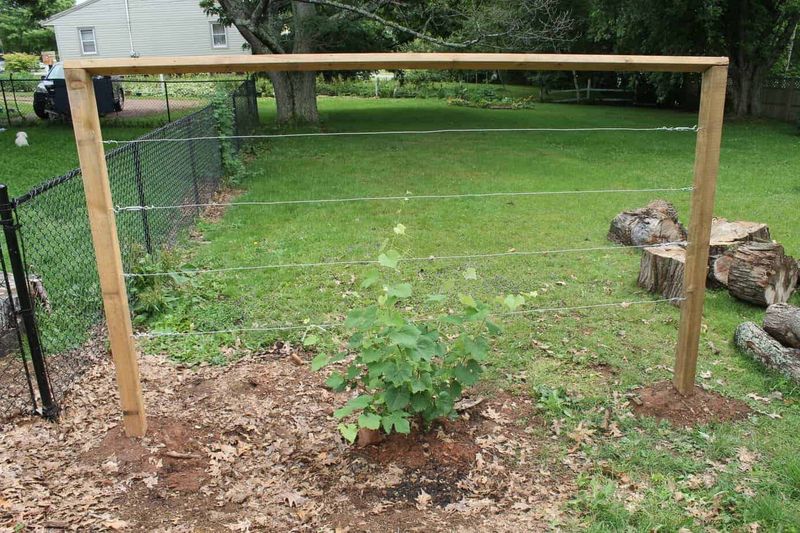
Getting the support system in place before the vine hits its stride is one of the most practical steps you can take. UGA Extension recommends training crossvine during its first few years after transplanting, and the reason is straightforward: a vine that finds nothing to grab will wander wherever gravity and opportunity take it.
Directing that energy onto a planned structure from the beginning saves considerable cleanup later.
A wire grid, horizontal cable system, or prefabricated trellis panel all give crossvine’s tendrils something to grip. Mounting the support slightly in front of the fence, rather than flush against it, is a practical precaution worth considering.
That small gap makes it easier to inspect the fence for moisture damage, repaint, or replace boards without dismantling a mature vine. UF/IFAS Extension guidance on trellised vines reinforces that a dedicated support structure reduces maintenance headaches over the life of the planting.
To be clear, this offset approach is an editorial practical recommendation, not a published guarantee that direct fence contact always causes damage.
Once the support is in place, walk the fence line regularly during the first two growing seasons and redirect any shoots that head toward trees, shrubs, eaves, or overhead utilities. Crossvine’s tendrils grip firmly, and a stem that gets a season’s head start in the wrong direction is harder to redirect without cutting.
Thinking of the support structure as a permanent feature of the fence, rather than a temporary scaffold, will serve you better over the long run.
Use light, soil, and water to shape the result
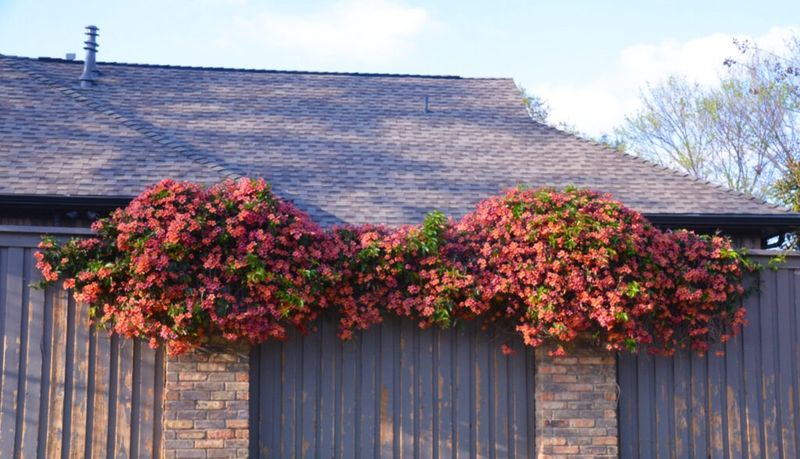
Light is one of the clearest levers gardeners have for shaping crossvine’s behavior. North Carolina Extension confirms that crossvine tolerates a range from full sun to shade, but stronger flowering generally follows more sunlight.
A fence that sits in deep shade all day may produce a wall of green foliage with few or no blooms. If your priority is flowers for hummingbirds, position the vine where it gets at least a few hours of direct sun, preferably morning light.
Soil drainage matters more than soil type in most cases. Crossvine performs best in well-drained conditions and can struggle where water pools after rain.
A site with sandy loam or amended clay that drains within an hour or two of a heavy rain gives the roots room to establish without rotting. Texas SmartScape categorizes crossvine as low-water-demand for North Central Texas, which is useful regional context, but that description applies to established plants in a climate-appropriate setting, not to a newly transplanted vine in compacted or waterlogged soil.
Establishment watering deserves particular attention. During the first growing season, consistent moisture helps the root system develop enough to handle drier conditions later.
Once the plant is established in a suitable site, it can manage with less supplemental water, but “drought-tolerant” should not be read as drought-proof. A partly shaded fence with dependable moisture, such as a spot that receives morning sun and afternoon shade with access to irrigation during dry stretches, often produces the best balance of foliage density and reasonable flower production without stressing the plant.
Train, prune, and remove spread beyond the fence
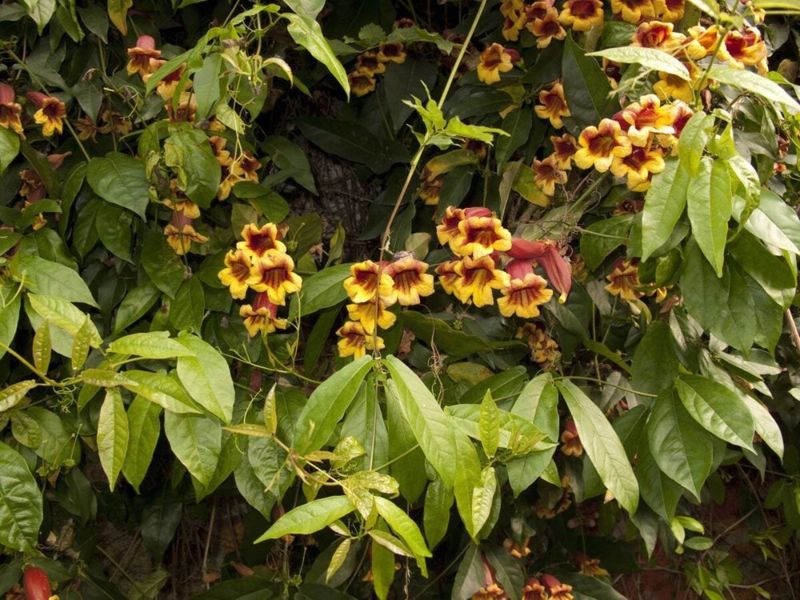
Pruning crossvine is not optional, and framing it that way from the start helps gardeners build the habit before the vine gets ahead of them. Texas A&M AgriLife Earth-Kind guidance recommends pruning most Texas vines during the dormant season, broadly February through May, removing dead, damaged, crossing, or interfering growth.
That window is a reasonable starting point, though your specific timing may shift depending on the severity of the preceding winter and how actively your vine is growing.
Canopy trimming and containment are two separate jobs. Trimming the top and sides of the vine keeps it within its allotted fence space and prevents it from reaching into adjacent trees, shrubs, or overhead utility lines.
The USDA plant guide for crossvine cautions that the vine can spread aggressively and become weedy or invasive in some settings if unmanaged. Containment means dealing with what grows beyond the fence line, not just what grows above it.
Root suckers are the part of spread control that gardeners most often underestimate. Crossvine can send up new shoots from underground roots, sometimes several feet away from the main stem.
North Carolina Extension recommends removing suckers when they appear rather than letting them establish. Seed-grown volunteers are a separate concern: if the vine flowers and sets seed, seedlings may appear in garden beds, lawn edges, or neighboring areas.
Pulling or cutting suckers and volunteers at ground level when they are young is far easier than digging out an established root system later. A pruning schedule that runs once or twice a year, combined with a monthly walk-around during the growing season to catch suckers early, keeps crossvine manageable without consuming your weekends.
Compare crossvine with the right wisteria species
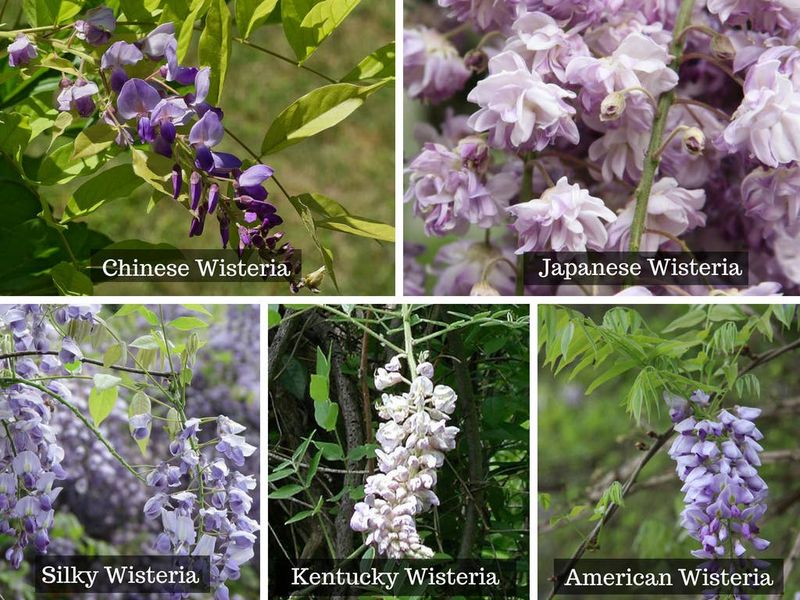
The wisteria comparison that matters most for Texas gardeners involves two specific invasive plants: Chinese wisteria (Wisteria sinensis) and Japanese wisteria (Wisteria floribunda). UF/IFAS Gardening Solutions documents how these Asian wisterias can spread into natural areas, climb into tree canopies, shade out native vegetation, and girdle trunks and branches with their twining stems.
They can regenerate vigorously after cutting, making removal difficult once they are established outside a garden setting.
Texas Invasives lists Japanese wisteria as a documented invasive plant in the state, and UF/IFAS identifies Chinese wisteria as an invasive species with significant spread potential. Both are sold widely in nurseries despite their documented problems, which is part of why the comparison with crossvine is worth making clearly.
American wisteria (Wisteria frutescens) is a different story. It is a native species and is generally considered less aggressive than its Asian relatives, though it is still a vigorous woody vine that needs support, pruning, and ongoing attention.
UF/IFAS wisteria guidance treats American wisteria as a better-behaved native option rather than a plant to avoid entirely. Crossvine’s safer-alternative status is earned mainly by comparison with the invasive Asian species, not because crossvine itself is problem-free or because every wisteria in a garden center is equally problematic.
Choosing crossvine over Chinese or Japanese wisteria is a defensible decision; expecting it to be maintenance-free is not.
Enjoy the flowers and wildlife value without lowering your guard
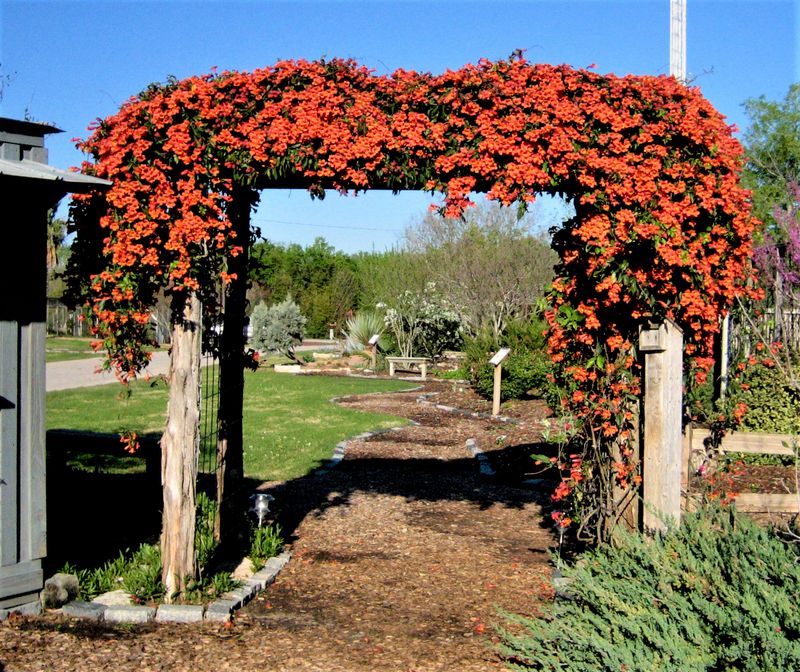
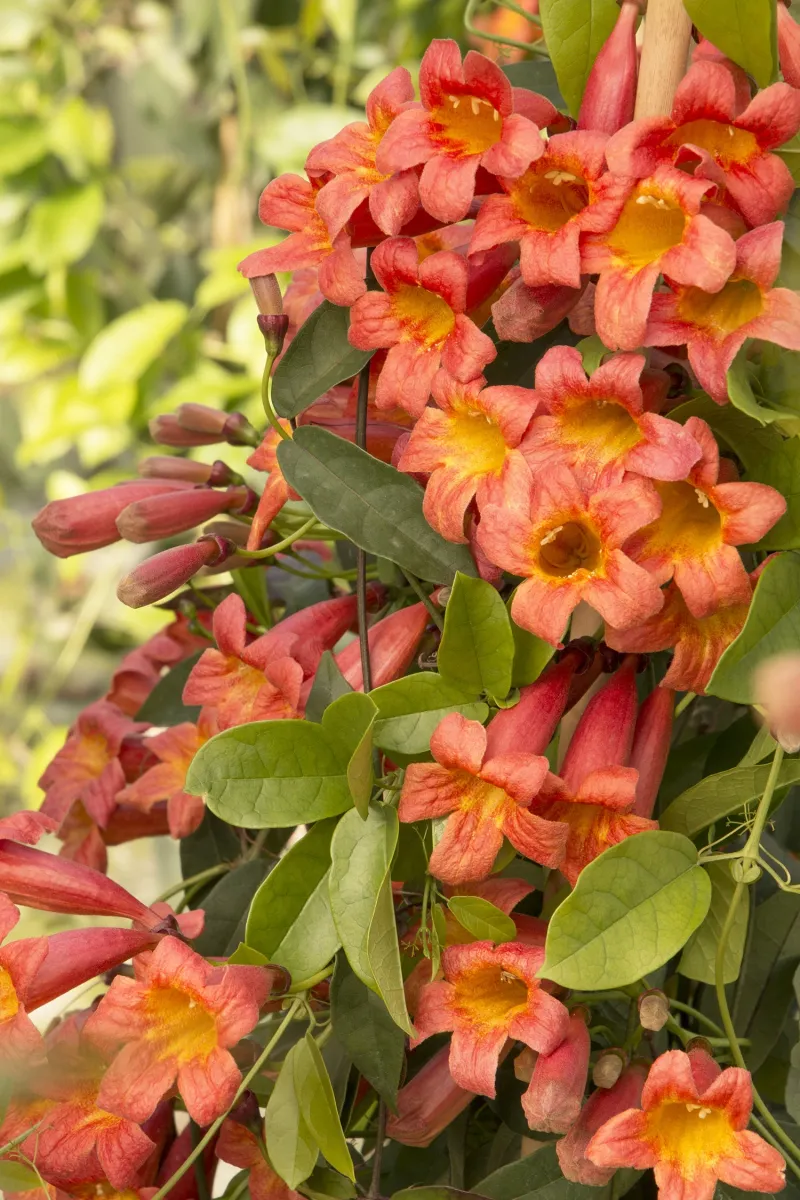
Crossvine’s trumpet-shaped flowers are a genuine draw, and their wildlife value is well-documented. North Carolina Extension confirms that crossvine attracts hummingbirds and other pollinators, with blooms typically appearing in spring.
UF/IFAS hummingbird guidance for Florida identifies crossvine as a native hummingbird vine, and that value carries across the species’ broader range. The flowers do not guarantee that every planting will draw a specific number of birds, but a well-sited crossvine on a sunny fence is a reasonable way to add a documented hummingbird resource to your yard.
Named cultivars give gardeners some choices beyond the straight species. Texas SmartScape and other extension sources identify “Tangerine Beauty” as a popular selection with orange or yellow-orange flowers that may differ in color and intensity from the species type. “Shalimar Red” and “Astrosanguinea” are two other named selections.
Keep in mind that cultivar status does not change the plant’s basic growth habit: any crossvine, straight species or named selection, still needs the same support structure, training schedule, and spread control.
The plant is native in portions of Texas and its broader southeastern and south-central range, which gives it ecological credentials in those areas. That native status is a regional fact, not a statewide claim, and wildlife value does not depend on the vine being native to every corner of Texas.
Attractive flowers and documented pollinator benefit are real reasons to plant crossvine, as long as they sit alongside, rather than replace, an honest accounting of the maintenance it requires.
Run the safety and suitability check before planting
Before you buy a crossvine, run through a short site check. Confirm that your region, whether North Central Texas, the eastern part of the state, or the Gulf Coast corridor, falls within the range where evidence supports the plant’s performance.
Verify that your fence line gets enough light for your goals, that the soil drains well, and that you can provide consistent water during the establishment period. If any of those conditions are uncertain, check with your county Extension office or a local native plant nursery before committing.
One warning deserves prominent attention: North Carolina Extension gives crossvine a high flammability rating and advises against planting it in the defensible space closest to a home. If you live in a wildfire-prone area of Texas, that qualification is not a footnote.
Keep crossvine away from the zone immediately surrounding your house, and consider lower-flammability plantings for that space instead. The USDA crossvine plant guide also cautions about aggressive spread in unmanaged settings, which reinforces the need for a containment plan before planting rather than after.
Crossvine is the right choice for a gardener who wants managed, living fence cover, accepts that a vigorous vine needs regular attention, and has room for a plant that may eventually reach 25 to 50 feet. It is not the right choice for someone expecting instant privacy, year-round opaque screening in every Texas climate, or a vine that handles itself.
The gardeners who get the most from crossvine are the ones who go in with clear expectations and a pruning calendar already on the wall.