
Late in the season, a front yard can go quiet fast. One Texas shrub keeps pushing out bright red blooms while many other plants wind down.
Hummingbirds passing through in fall may stop for a sip, and the right planting spot could give you a front-row seat. Here is how to find out whether this plant fits your yard.
Turk’s-cap is a promising candidate, not a guarantee
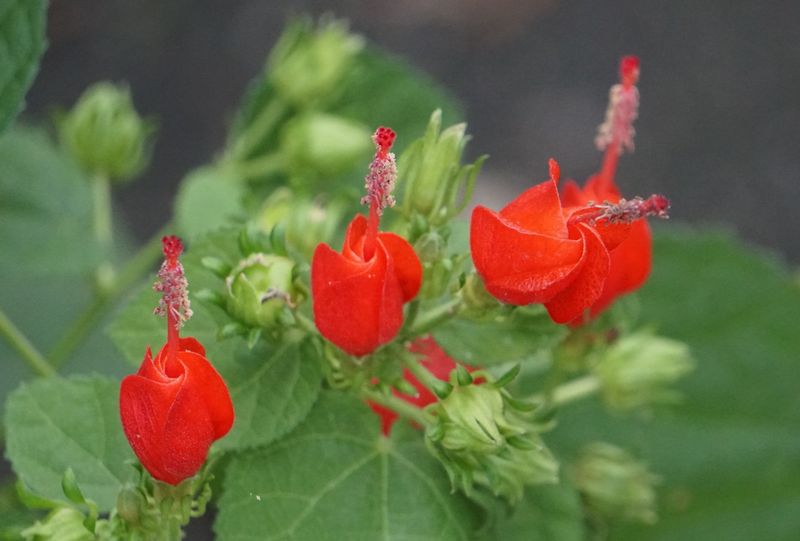
Meet Turk’s-cap (Malvaviscus arboreus var. drummondii), a shrub with bright red, twisted flowers that never fully open. The petals wrap around each other like a tiny turban, and a long column of pollen-bearing parts pokes out the end.
It is easy to spot once you know what to look for.
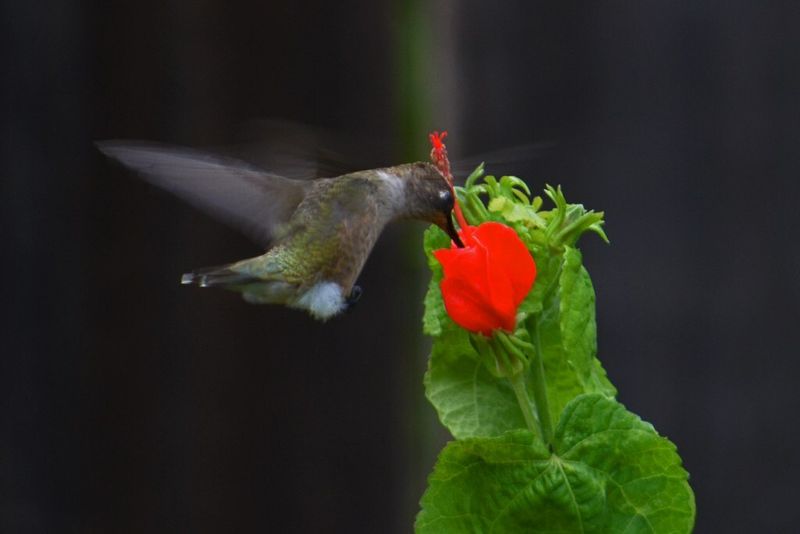
Hummingbirds are a documented fan. Texas Parks and Wildlife lists it among popular fall hummingbird plants, and the flowers offer nectar when many summer bloomers are fading.
The timing is what makes it interesting for porch gardeners. The University of Texas wildflower database notes that it can flower into November, so it may offer food while birds are on the move.
Think of it as a good bet rather than a sure thing. Planting one shrub cannot promise a visit to your steps on any given day, and it cannot control where birds go.
What it can do is add a reliable, nectar-rich flower to your yard at a time of year when options are thinner.
The rest of this guide covers where it grows, how big it gets, and a few habits that help wildlife-friendly gardens do their job.
How flowering and migration can overlap
Two calendars matter here, and they are not the same one. The first belongs to the plant.
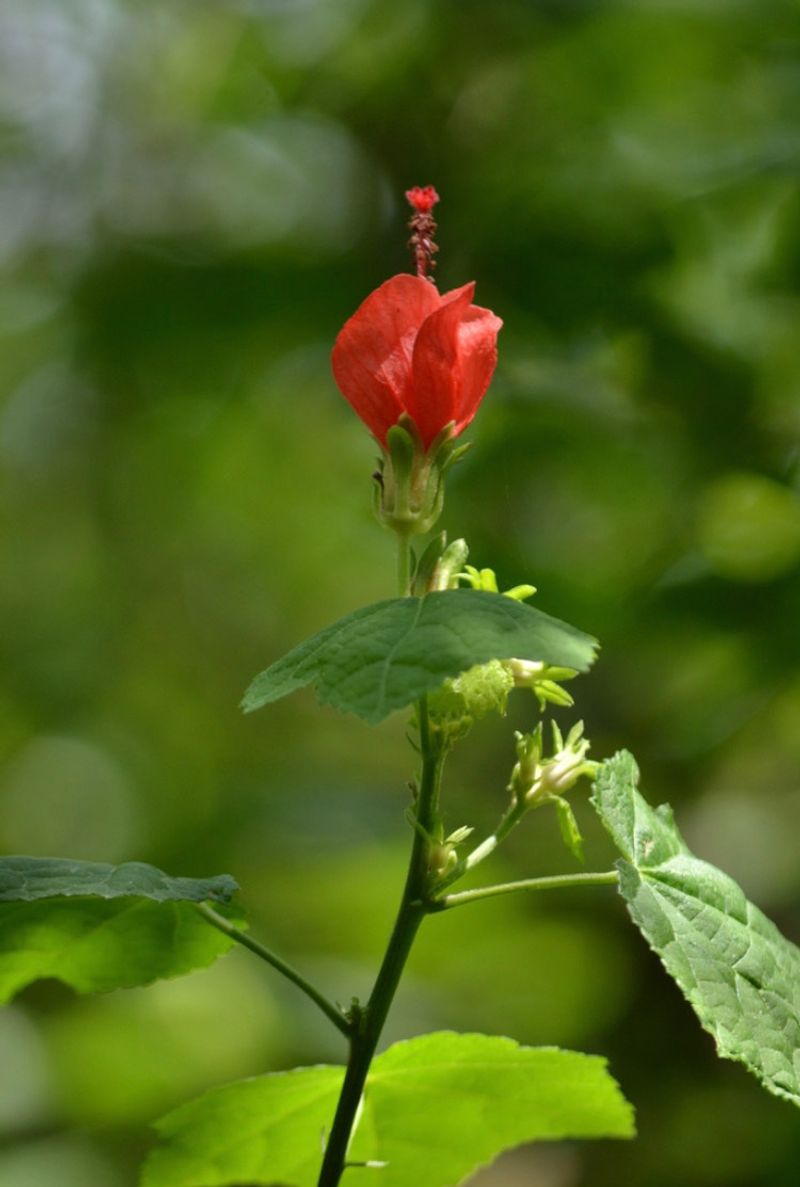
According to the University of Texas, Turk’s-cap can flower into November.
The second belongs to the birds. Texas Parks and Wildlife describes hummingbird migration along the coast as peaking in September and continuing into early November.
That timing applies to coastal Texas, not the whole state.
Where the two windows line up, you get a chance of visits. A hummingbird that is tired and hungry may stop at a flowering shrub, and Texas Parks and Wildlife notes that migrating birds use both flowers and feeders.
That is an opportunity, and nothing more.
A few practical points keep expectations realistic. Inland yards may see different timing than the coast.
The schedule is a general pattern, not a report of what birds are doing this year. And no plant can extend migration or hold birds past the date they are ready to leave.
A simple habit helps: watch your own yard. Note when your Turk’-cap starts and stops blooming, and jot down any hummingbird sightings.
After a season or two, you will have a local timeline that beats any general schedule.
Check whether Turk’s-cap fits your part of Texas
Before you buy, check your location. The University of Texas reports Turk’s-cap in eastern, central, and southern Texas.
That does not make it native to every corner of the state, so it is worth confirming it suits your area.
Local guidance adds detail. The City of Austin plant guide identifies it as native to the Edwards Plateau and lists sun to part shade as its light range.
A local nursery or county Extension office can tell you how it behaves in your soil and climate.
Light deserves a closer look. A plant that tolerates shade is not guaranteed to bloom heavily there.
A Texas A&M AgriLife handout from Hood County says it can grow in sun or shade, but flowering can still vary with how much light and what growing conditions a spot offers.
Try a quick test. Watch your planting spot through a day and note how many hours of direct sun it gets.
If it is deeply shaded, expect fewer flowers and fewer nectar stops for birds. A brighter bed or a part-shade edge is a safer pick.
Make room for a substantial shrub
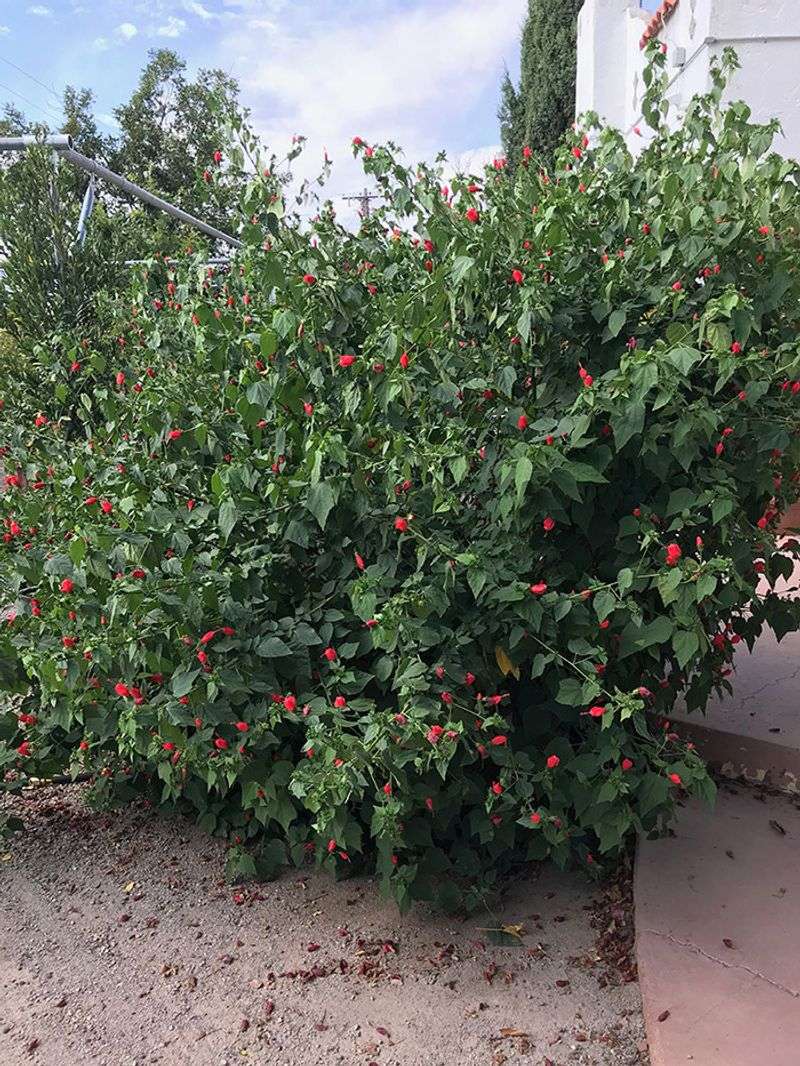
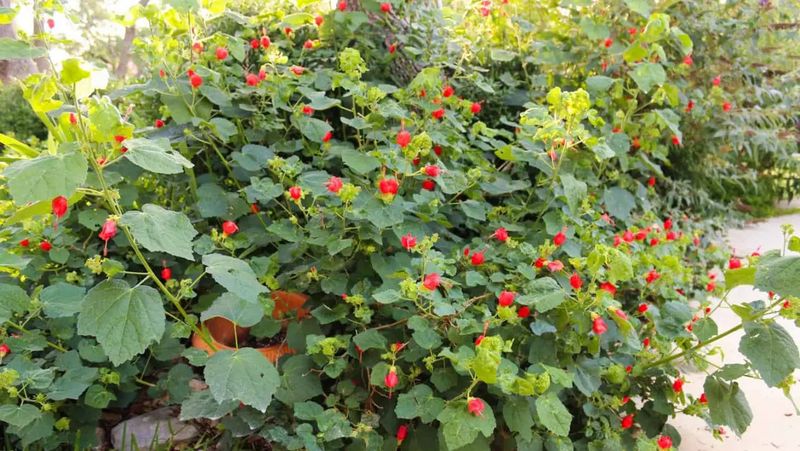
Turk’-cap is not a tiny porch accent. The City of Austin lists a mature size of 2 to 6 feet tall and 3 to 5 feet wide.
Other sources run larger. The University of Texas says it is usually 3 to 6 feet tall and can reach 10 feet in good conditions.
Plan for the bigger end if your soil and moisture are generous.
For a bed, give it breathing room. Keep it away from walkways, steps, and windows so it will not crowd doorways or block views.
A spot a few feet out from the porch edge often works better than tight against the stairs.
Containers are possible, but only with care. North Carolina State Extension offers additional plant details worth a look.
Choose a large, sturdy pot, expect to prune, and know that not every porch container will suit a shrub this size.
If space is tight, consider a spot beside the porch rather than on it. You will still enjoy the blooms from your steps, and the shrub gets the room it needs.
Ask about pesticide treatment
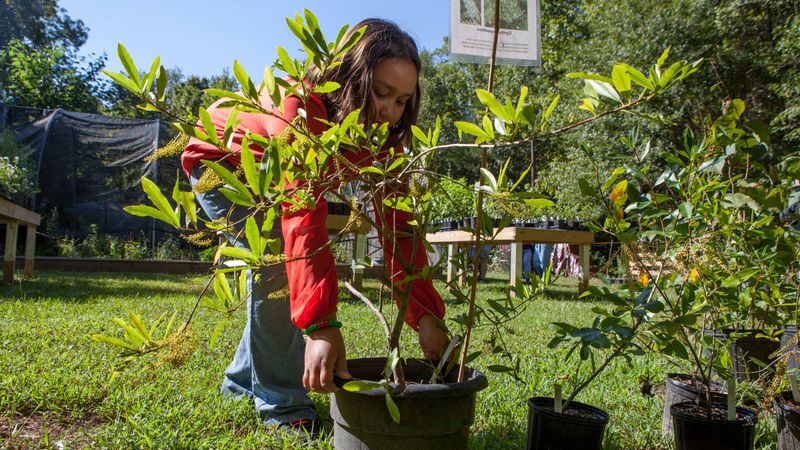
A flowering plant is only helpful if its nectar is safe to visit. Where you can, avoid spraying pesticides around plants that are in bloom, since birds and pollinators feed right at the flowers.
At the nursery, ask a simple question: has this plant been treated with a systemic insecticide? Audubon’s bird-friendly plants FAQ discusses potential harms from some pesticide-treated plants and recommends asking suppliers about treatment.
This is a precaution, not an alarm. Not every treated plant causes harm, and many growers can tell you exactly how their stock was raised.
Staff may not always know, which is a good reason to shop where employees can check.
If you cannot get a clear answer, you have options. Pick a nursery that specializes in native plants, or choose a plant labeled as untreated.
Starting from seed or cuttings from a trusted neighbor is another route.
Once the shrub is planted, handle pests gently. A strong spray of water handles many aphids, and patience often lets natural predators step in.
Treat feeders as optional support
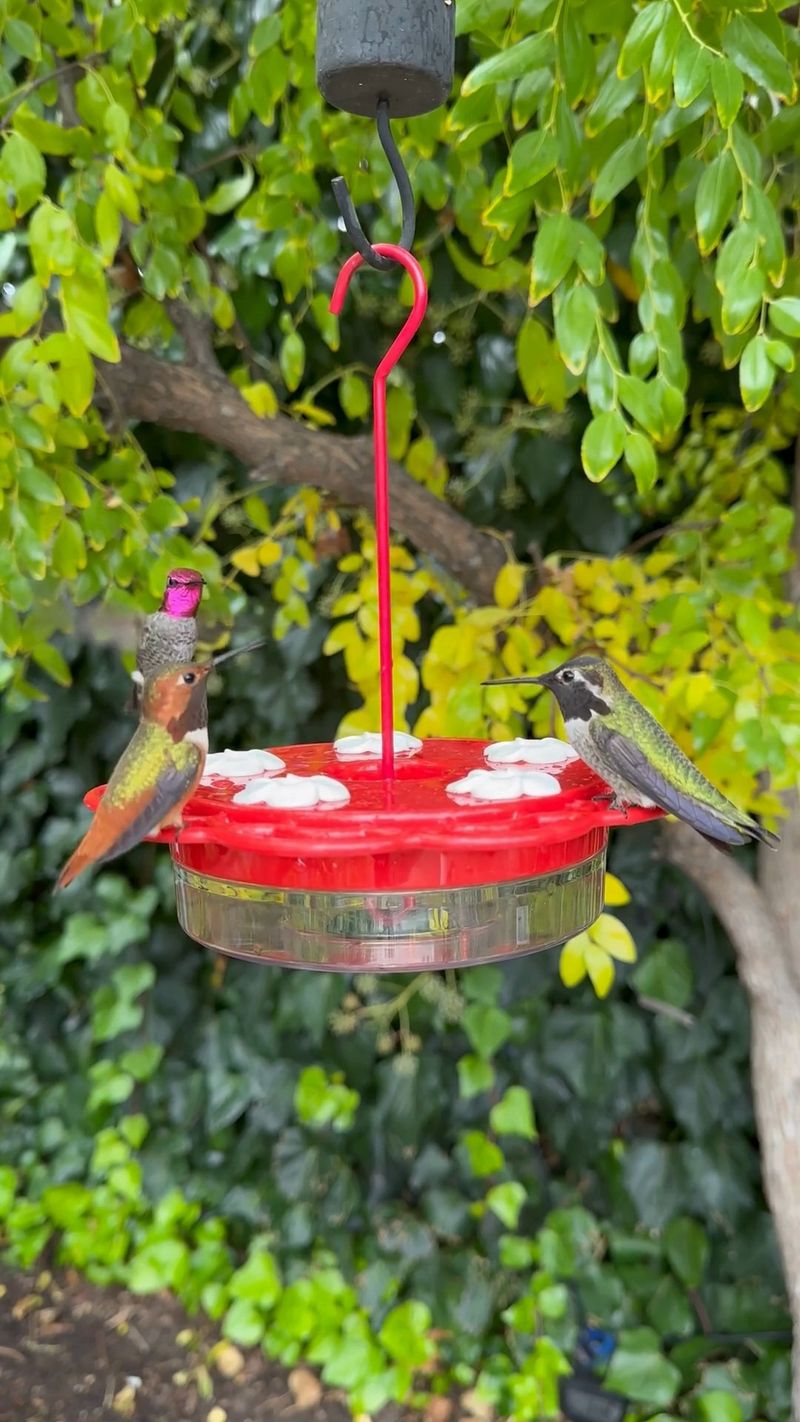
A feeder is a bonus, not a requirement. You can grow Turk’-cap without one, and hanging one will not guarantee visits.
If you want to add one anyway, keep it separate from your planting plans.
UF/IFAS recommends a mix of one part sugar to four parts water, with no dye. Clean the feeder and replace the nectar every 4 to 5 days, since old nectar can spoil, especially in warm Texas weather.
Skip the red food coloring. It is not needed and may be harmful.
Texas Parks and Wildlife says the same.
There is also a myth worth clearing up: hummingbirds do not visit only red flowers. They feed on blooms of many colors.
Red Turk’-cap flowers are a good source, but a mix of nectar plants gives birds more choices.
When you are picking what goes by your steps, choose Turk’-cap for how it fits your region, light, and space. Then let the birds decide whether to drop in.