
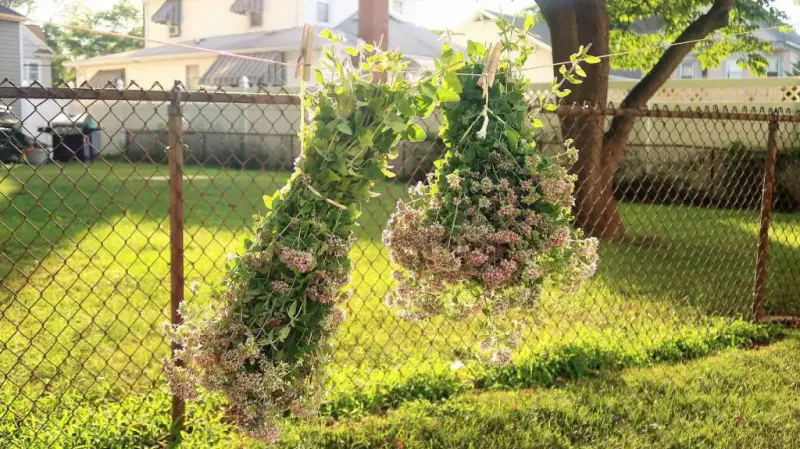
Oregano has been growing quietly in North Carolina gardens for years, doing its job without much fanfare. Whether you have a patch in the Piedmont, a coastal bed, or a mountain plot, this perennial culinary herb rewards a timely harvest with jars of fragrant, ready-to-use leaves that can carry real flavor into your kitchen through winter.
The catch is that harvest timing, plant condition, and your local freeze outlook all matter, and waiting too long without a plan can mean losing a good window for drying. Check your plant, check your forecast, and read on to find out when and how to make the most of what you have growing right now.
Oregano fits the seasonal harvest—but North Carolina does not share one calendar
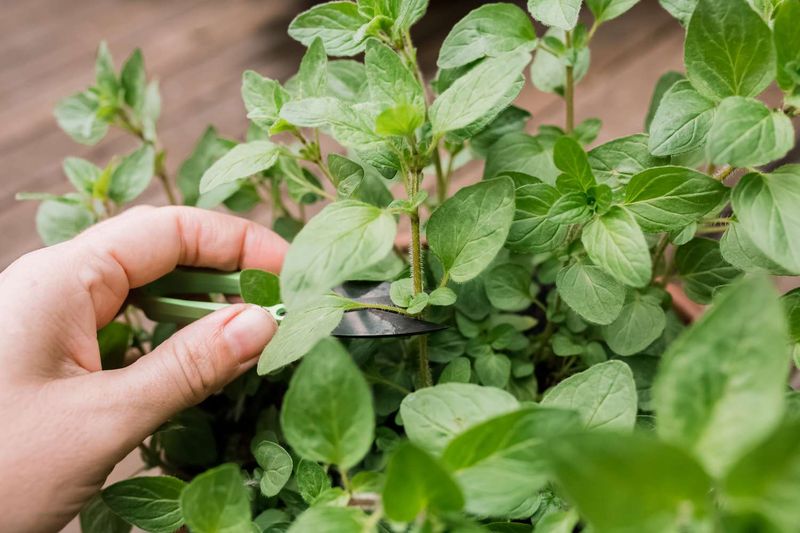
Oregano is a practical, perennial culinary herb that suits a harvest-and-dry project well, and if you garden in western North Carolina, the timing question deserves real attention. NC State Extension’s herb winterizing guidance advises that the last severe cutting of oregano in western mountain locations should happen before early September, making that an important seasonal marker for mountain gardeners.
But that guidance does not apply equally across the state, and treating early September as a universal statewide deadline would send some gardeners to their scissors too early and others scrambling for no reason.
North Carolina’s coastal plain, Piedmont, and mountains follow very different frost and freeze patterns. The NC State Climate Office Freeze Explorer lets you look up your county’s typical first freeze dates, and the difference between Asheville and Wilmington can be six weeks or more.
A Piedmont or coastal gardener who follows mountain timing may cut a plant that still had weeks of productive growth ahead, while a mountain gardener who ignores the early-September marker risks leaving the plant vulnerable when temperatures drop sharply.
What the evidence supports is not a race against one specific date but a sensible approach to plant condition, local weather, and the type of cut you plan to make. NC climate research on first frost and freeze patterns confirms how much variation exists across the state.
A light culinary harvest, the kind where you take healthy stems for drying and leave the plant largely intact, carries much less risk than a severe cut close to a predicted freeze. Think of the early-September window as a signal for mountain gardeners to act on a final heavy cut, while Piedmont and coastal gardeners use their own freeze outlook to decide when and how much to take.
Judge readiness by growth stage, plant type, and intended use
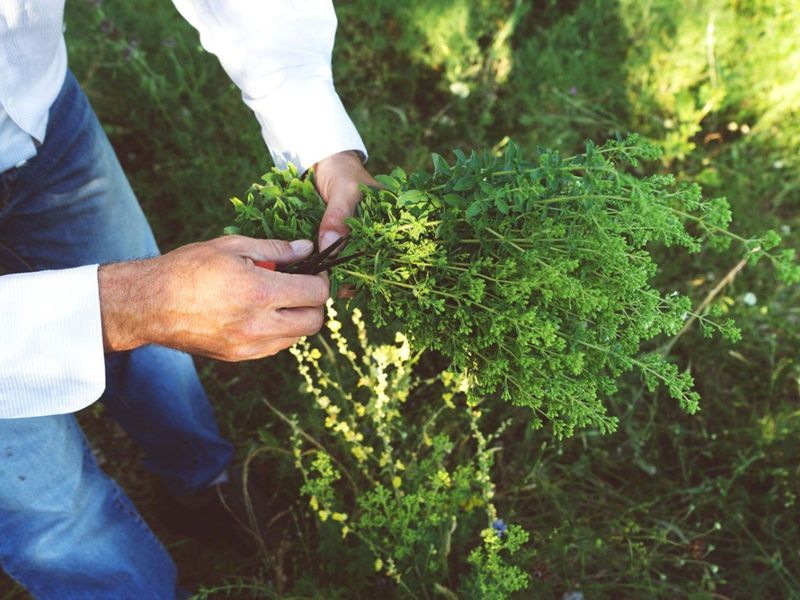
Not every oregano plant in a North Carolina garden is the same, and that matters before you reach for a pair of scissors. NC State’s oregano plant profile notes that the genus Origanum covers multiple species and cultivars with different flavor profiles, and some ornamental types may taste nothing like the Greek or Italian oregano you find in a grocery store spice jar.
Before committing to a harvest, rub a leaf and smell it. Strong, peppery, resinous fragrance means the aromatic oils are present; a faint or purely floral scent suggests an ornamental variety that may not reward the drying effort in the kitchen.
For culinary oregano, healthy leafy stems around the budding or early flowering stage are a practical target. NC State’s Extension Gardener Handbook notes that herb flowers often have intense oil concentration after buds appear but before they fully open.
That said, oregano-specific research complicates the picture. A published review of oregano essential-oil studies found that strong or maximum oil yields frequently appear during flowering or full bloom rather than strictly at the bud stage, and related essential-oil research points to similar variation by variety and growing conditions.
The practical takeaway is that both budding and flowering stems can produce a useful culinary harvest, so do not discard stems simply because a few flowers have opened.
Look for upright, leafy, undamaged growth. Yellowing leaves, sparse growth after a long summer, or stems that feel woody and bare near the base are signs that the plant has been stressed or has already put most of its energy into seed production.
Research on oregano quality variation supports the idea that harvest conditions and plant development together shape the final flavor, not any single calendar date. Harvest from the most vigorous sections and leave the weaker stems to support the plant through the coming weeks.
Take a moderate cut that protects the perennial
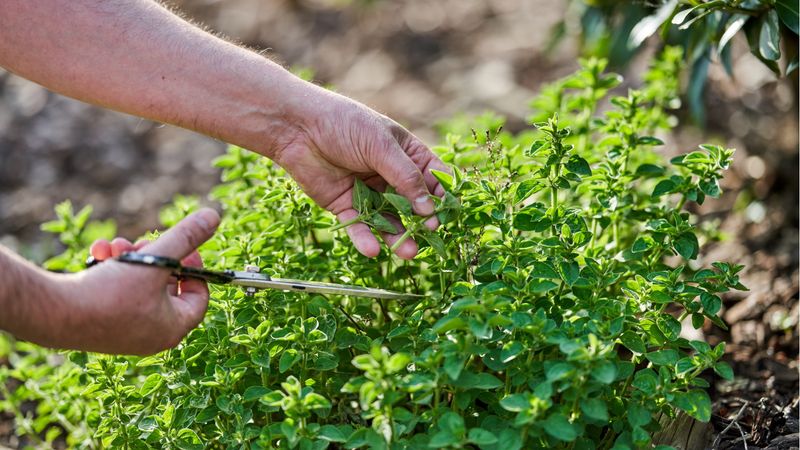
Morning is the best time to harvest oregano. After the dew has dried but before the full heat of the day sets in, the aromatic oils in the leaves are at their most stable.
The National Center for Home Food Preservation’s herb drying guidance recommends harvesting in the morning for this reason, and it also advises avoiding bruised, dirty, or diseased material. Clean, sharp scissors or pruners make cleaner cuts that heal faster on a perennial plant.
How much to take depends on the plant’s condition and your goals. A good rule for a culinary harvest is to cut no more than one-third of the plant’s leafy growth at one time, choosing the healthiest and most aromatic stems.
Chatham County Cooperative Extension’s herb gardening handout supports this kind of moderate, repeated harvesting as a way to keep culinary herbs productive through the season. Leaving meaningful growth on the plant matters especially as fall approaches, because the remaining foliage helps the perennial gather energy for winter.
A light culinary cut is very different from a severe seasonal pruning. NC State’s winterizing guidance cautions against significant pruning in late summer and advises against severe pruning within four to six weeks of the first expected severe freeze.
Cutting an established oregano plant hard to the ground as winter approaches can reduce its hardiness and leave it struggling to recover in spring. If your freeze window is close, keep the harvest light, take only what you need for drying, and let the plant hold onto its remaining growth as a buffer against cold.
Dry the sprigs promptly, gently, and away from direct sun
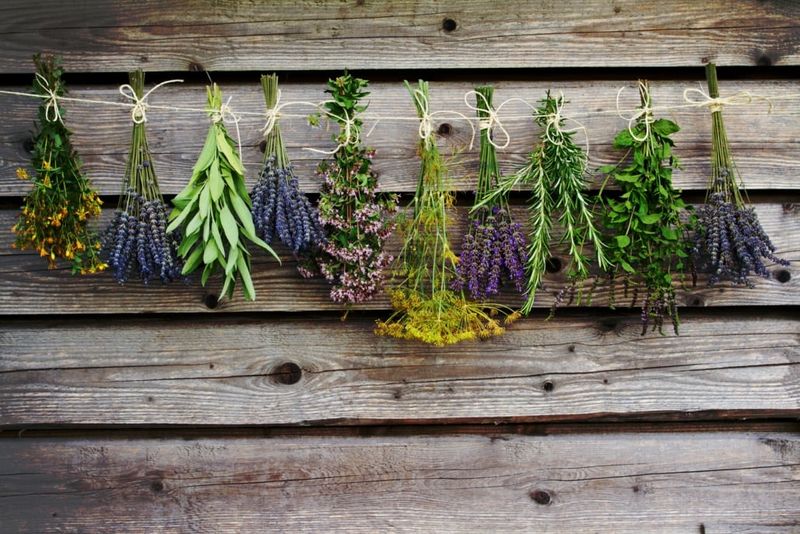
Once you have brought in your harvest, getting the stems into a drying setup promptly gives you the best chance of preserving the flavor you worked to collect. Leaving freshly cut oregano sitting in a warm kitchen or a sunny spot for hours before you deal with it wastes some of the aromatic oils you were after.
Two main methods work well at home: air-drying and a food dehydrator, and each has practical advantages depending on your setup.
For air-drying, gather stems into small, loose bundles, no more than five or six stems per bundle, and hang them upside down or spread them in a single thin layer on a drying screen. The space should be warm, dry, dark, and well-ventilated.
The National Center for Home Food Preservation specifically advises against drying herbs in direct sunlight, because UV exposure can reduce both color and flavor. A well-ventilated closet, a covered porch with good airflow, or a warm interior room away from windows all work.
Air-drying typically takes one to two weeks depending on humidity, which can be a real factor in North Carolina’s late-summer and early-fall conditions.
A food dehydrator offers more control, especially when humidity is high. Utah State University Extension’s food drying guide recommends approximately 95 degrees F to 115 degrees F for herbs, with temperatures as high as 125 degrees F acceptable in humid conditions.
Arrange stems in a single layer and allow air to circulate around them. Either method can produce a useful culinary result, but keep in mind that drying is not a simple concentration process.
Research on dried herb quality shows that the drying process changes the aromatic profile of oregano and can reduce some volatile compounds even as it intensifies other aspects of the flavor. Prompt, gentle, low-heat drying gives those compounds the best chance of surviving into your jar.
Confirm complete dryness before you fill the jar
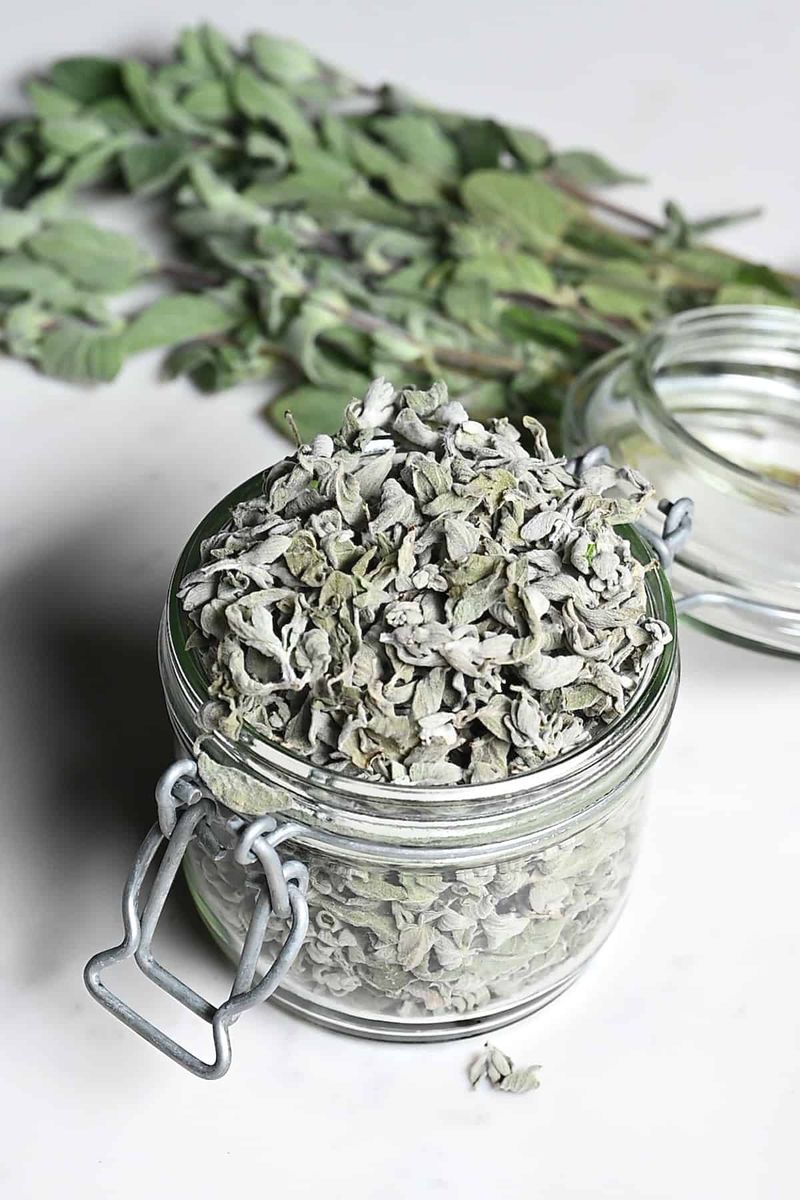
Rushing the storage step is one of the most common mistakes in home herb drying, and it can ruin an otherwise good batch. Oregano is ready to jar when the leaves crumble easily between your fingers and the stems snap rather than bend.
If a stem flexes without breaking or any leaf feels the slightest bit soft or leathery, the batch needs more time. Utah State University Extension’s drying guide uses this crumble-and-snap test as the standard readiness check for dried herbs.
After you confirm the herb is fully dry, let it cool completely at room temperature before sealing it in any container. Warm herbs release moisture as they cool, and sealing them while still warm traps that moisture inside the jar, which creates conditions for mold.
The National Center for Home Food Preservation’s packaging and storage guidance is clear on this point: cool completely before sealing. Use an airtight container, glass jars with tight lids work well, and store it in a cool, dry, dark location away from the stove or any heat source.
Keep the leaves whole until you are ready to use them. USU Extension’s food storage and packaging resource notes that grinding or crushing herbs increases their surface area and speeds flavor loss, so whole leaves hold quality longer in the jar.
Label each container with the herb name and harvest date. If any leaves look discolored, smell off, or show any sign of moisture or mold when you open the jar later, discard that batch entirely.
Drying does not sterilize herbs, and a partially damp batch that was sealed too soon can mold during storage in ways that are not always immediately visible. NC State’s vegetable and herb gardening guidance reinforces storing only what you can reasonably use within a reasonable quality window rather than hoarding jars that will sit forgotten past their prime.
Use the dried leaves where oregano earns its place
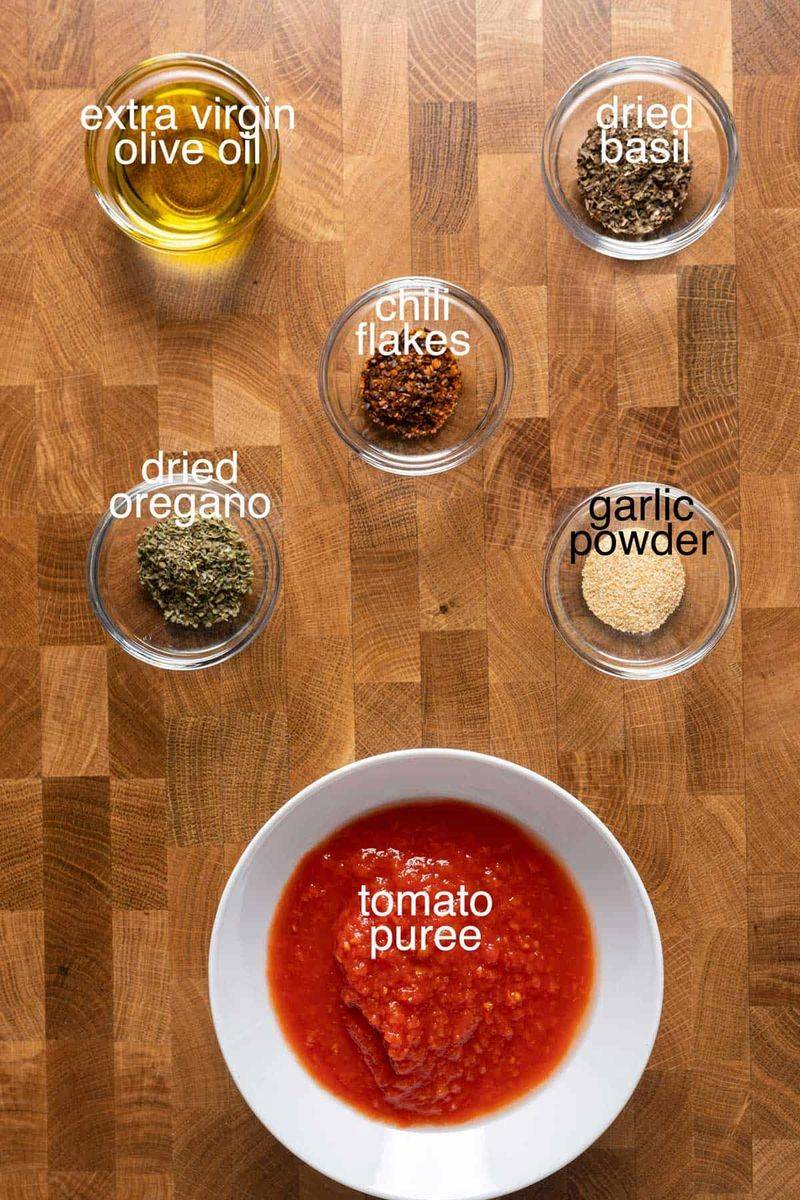
One of the most practical things about properly dried oregano is how many everyday dishes it improves. Tomato sauce is the obvious starting point, and for good reason.
Oregano holds up to long cooking times in a way that many fresh herbs do not, making it especially useful in sauces, soups, and braises that simmer for thirty minutes or longer. Chatham County Cooperative Extension’s herb handout lists tomato sauce, soups, vegetables, eggs, dips, and vinegar as supported uses, and the same source notes that dried oregano can provide better flavor than fresh in some of these applications.
Pizza is another place where dried oregano consistently earns its keep. The heat of a hot oven blooms the dried herb’s oils into the sauce and cheese in a way that fresh leaves sometimes cannot match.
Stir a pinch into scrambled eggs, mix it into a simple olive oil dip for bread, or add a sprig to a bottle of white wine vinegar and let it infuse for a week. Each of these uses delivers a clear culinary payoff from a jar you filled yourself.
Substitution amounts matter when you switch from fresh to dried. NC State’s oregano plant page supports the standard guidance of using about half as much dried herb as fresh.
Add dried oregano earlier in cooking so the heat has time to release its flavor, and save fresh herbs for finishing a dish close to serving. Proper drying can make your home-grown oregano especially useful in the kitchen, though the results will vary by batch, variety, and how well the herb was stored.
A jar that was dried carefully and sealed cool will outperform a rushed batch every time.
Match the harvest to your local freeze outlook
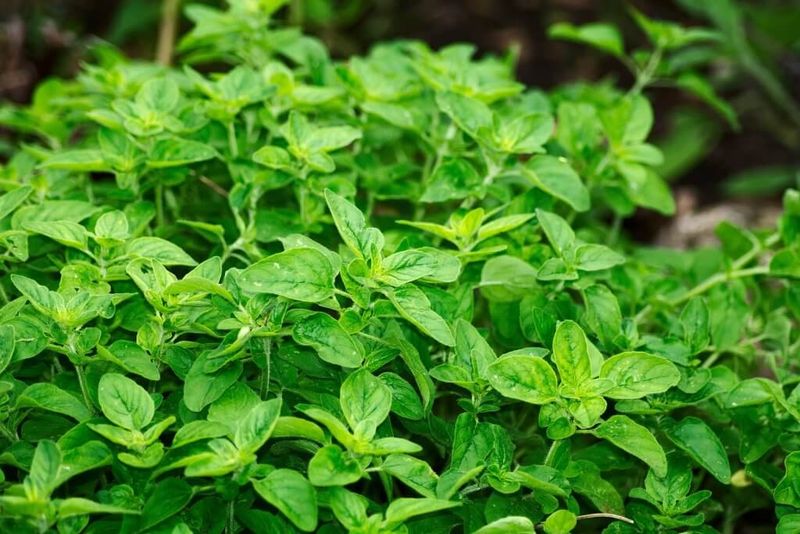
Before cutting anything, pull up your local forecast. Mountain gardeners in western North Carolina should treat NC State’s early-September guidance as a real deadline for any severe pruning, since freeze dates arrive earlier at higher elevations.
Piedmont and coastal gardeners typically have more flexibility, but the right move is to check your county’s freeze history using the NC State Climate Office Freeze Explorer rather than assume you have weeks to spare.
Once you know your window, assess the plant. Choose healthy, leafy, fragrant stems and take a moderate culinary harvest rather than a blanket full cut.
Dry the stems promptly in a warm, dark, well-ventilated space according to home food preservation guidelines, and do not seal the jar until the herb has cooled completely and passes the crumble test. If your freeze is still weeks away and the plant looks vigorous, a light harvest now does not have to be your last one this season.
A well-filled jar of home-dried oregano, labeled with the harvest date and stored away from heat and light, can bring real flavor to sauces, soups, and pizza well into the months when your garden is resting. Cooperative Extension herb guidance and NC State’s winterizing advice together make the case simply: match your timing to your location, protect the perennial, and dry what you harvest carefully.
The oregano takes care of the rest.