
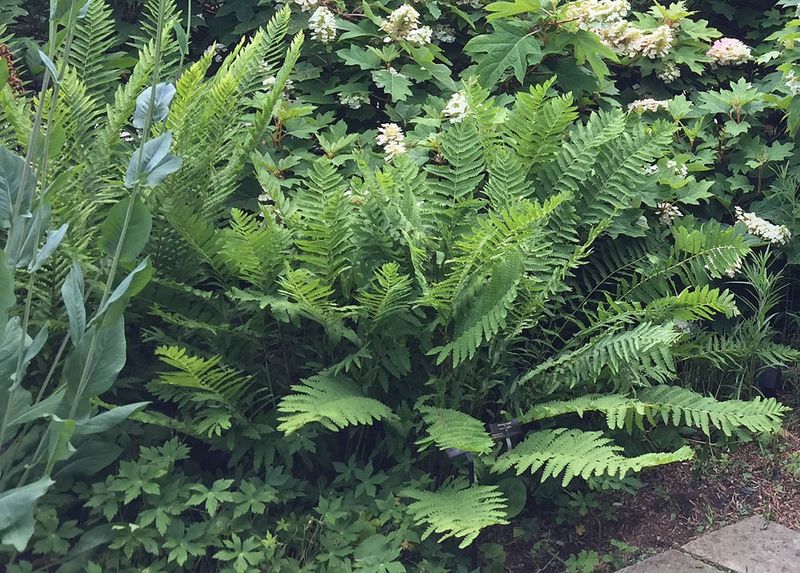
If you have a shady corner of red clay where every plant you try seems to give up, you are not alone. Most North Carolina yards hide at least one of these frustrating spots.
The good news is that some tough native ferns actually thrive in heavy clay, filling in bare ground while giving frogs, toads, and beneficial bugs a cool place to hide. Here are seven underrated NC natives that turn your worst corner into something green and low-maintenance.
1. Christmas Fern
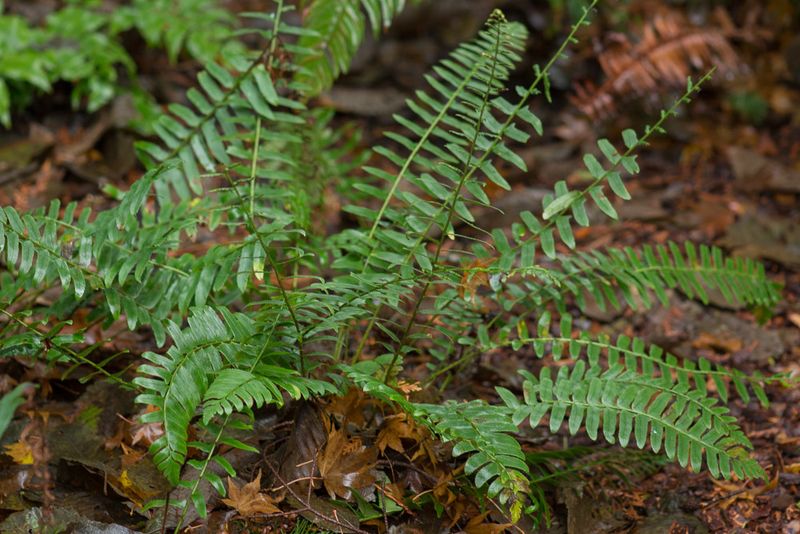
Walk through any Piedmont woodland in the dead of January and you will spot bright green fronds poking up through the frost. That is the Christmas fern, and it earned its name because it stays evergreen right through the holidays.
What makes it a clay-corner hero is its stubborn root system. It grabs onto heavy, compacted soil and holds firm, even on slopes where water tends to run off.
Once it settles in, you barely have to think about it again.
The leathery fronds form tidy clumps that never sprawl out of control, so they behave well beside walkways and foundation beds. Toads and ground beetles love tucking under the low fronds, which quietly supports the small backyard critters that keep pests in check.
For a first fern in a tough spot, this one rarely disappoints.
2. Southern Lady Fern
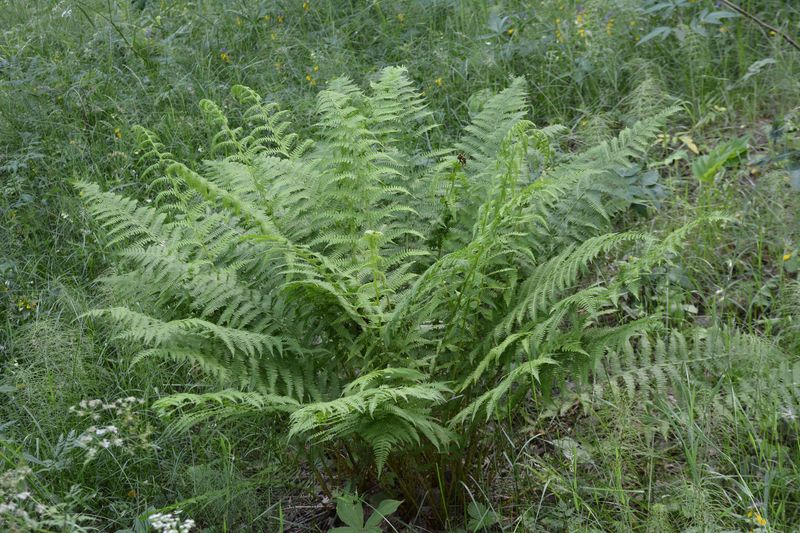
Delicate looks can be deceiving. The Southern lady fern has feathery, lace-like fronds that seem far too fragile for hard clay, yet it spreads happily where the ground stays a little damp.
Its secret is a shallow, creeping habit that lets it colonize a corner instead of just sitting in one spot. Give it a shady, low area that holds moisture after a rain, and it will slowly knit itself into a soft green carpet.
The arching fronds catch the breeze and add gentle movement that stiffer plants cannot match. It pairs beautifully with coarser ferns for a layered woodland look, and the leafy cover gives small salamanders and beneficial insects a humid hideout on hot Carolina afternoons.
3. Cinnamon Fern
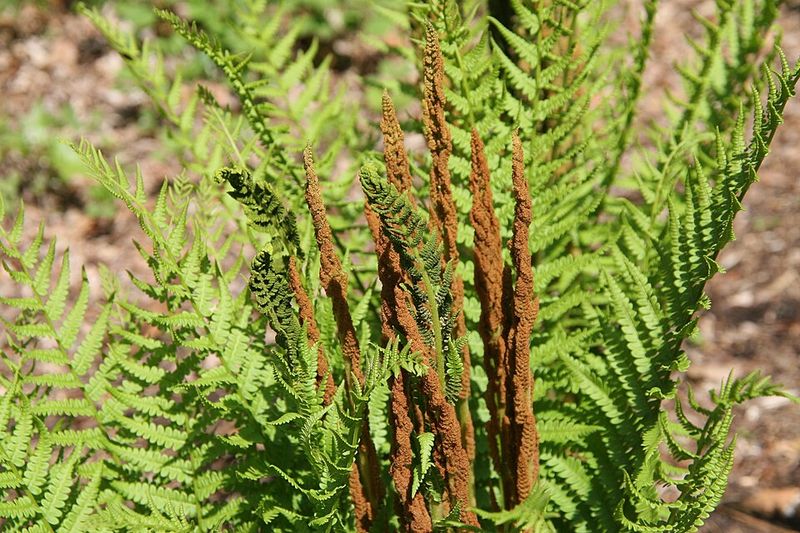
Few native ferns make a statement like the cinnamon fern. In spring it sends up rust-colored spore stalks that stand straight in the center of the clump, looking like sticks of cinnamon someone planted on purpose.
Wet, boggy clay that drowns most plants is exactly where this one shines. If you have a corner that stays soggy after storms, or a low spot near a downspout, the cinnamon fern will drink it up and reward you with fronds that can reach chest height.
Because it grows so large, it makes a dramatic backdrop for smaller shade plants. Birds sometimes gather the fuzzy fibers from young fronds to line their nests, so you are feeding the local wildlife scene while solving a drainage headache at the same time.
4. Netted Chain Fern
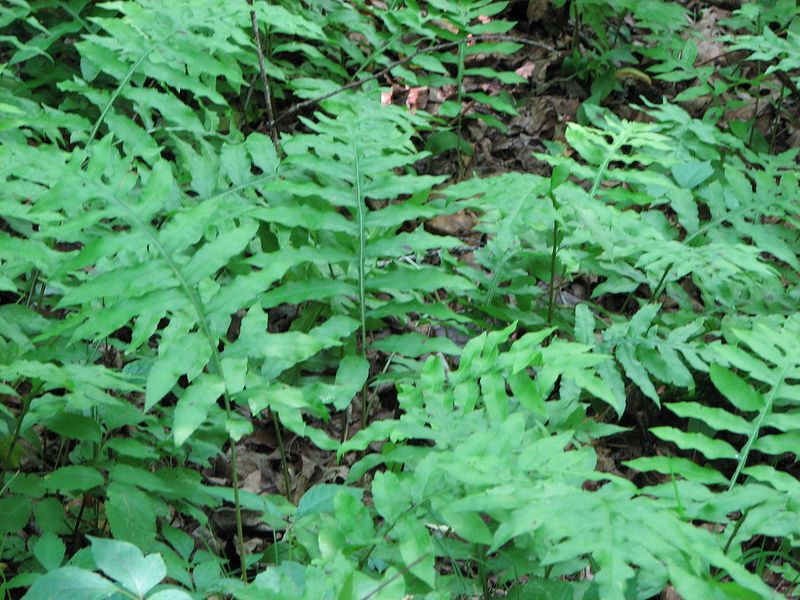
Gardeners in the coastal plain know how frustrating soggy, low-oxygen clay can be. The netted chain fern shrugs it off and actually prefers those wet, acidic conditions that make other plants sulk.
It spreads by underground runners, so a few plants will steadily fill a wide bare patch without you buying dozens more. That makes it one of the most budget-friendly ways to green up a big problem area.
The fronds have a distinctive net-like vein pattern that gives the plant its name, and they turn a warm bronze in fall for a little seasonal color. Frogs and toads appreciate the moist ground cover, which is a nice bonus for anyone trying to build a yard that works with nature instead of against it.
5. Ebony Spleenwort
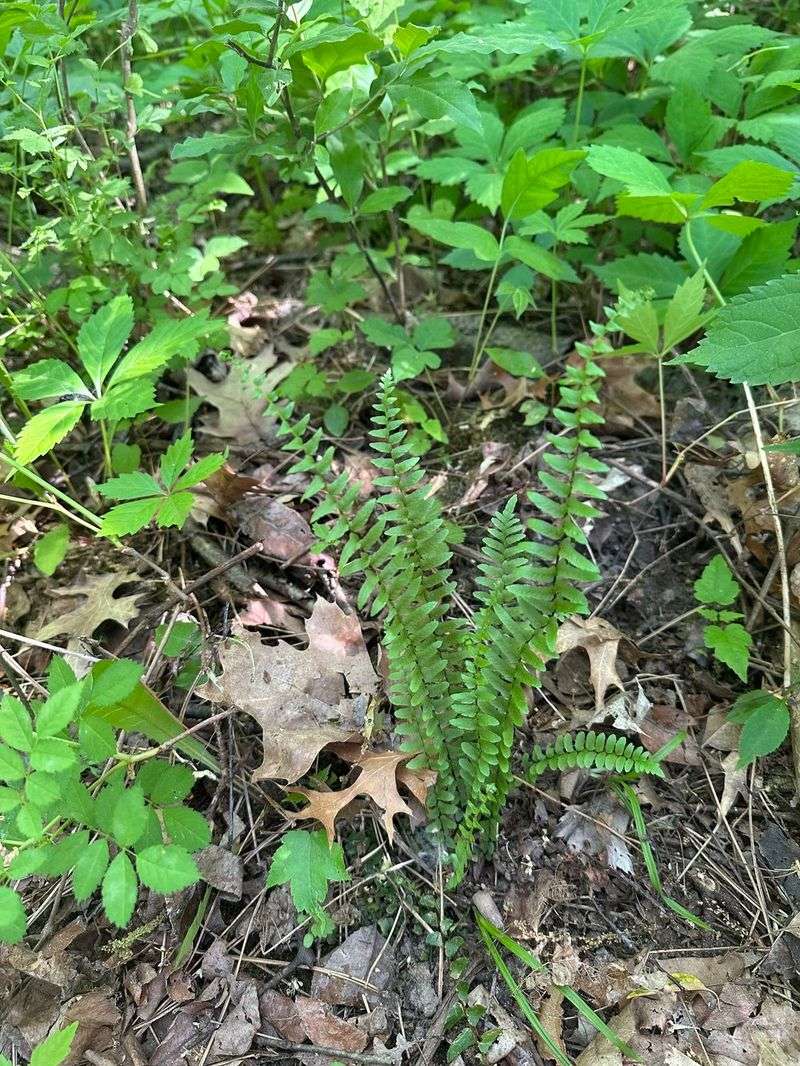
Tiny but tough as nails, the ebony spleenwort proves that not every fern needs constant water. This little fern happily wedges itself into dry, rocky clay and cracks in stone walls where bigger plants cannot get a foothold.
The name comes from its shiny, dark stems that contrast against the small ladder-like fronds. It stays low and compact, making it perfect for edging, rock gardens, or filling the awkward gap between pavers.
Because it tolerates both dry shade and poor soil, it handles the neglected corners along fences and foundations that never get watered. Slip it into spots where you have given up entirely, and it will quietly hold the ground and add a touch of fine green texture.
6. New York Fern
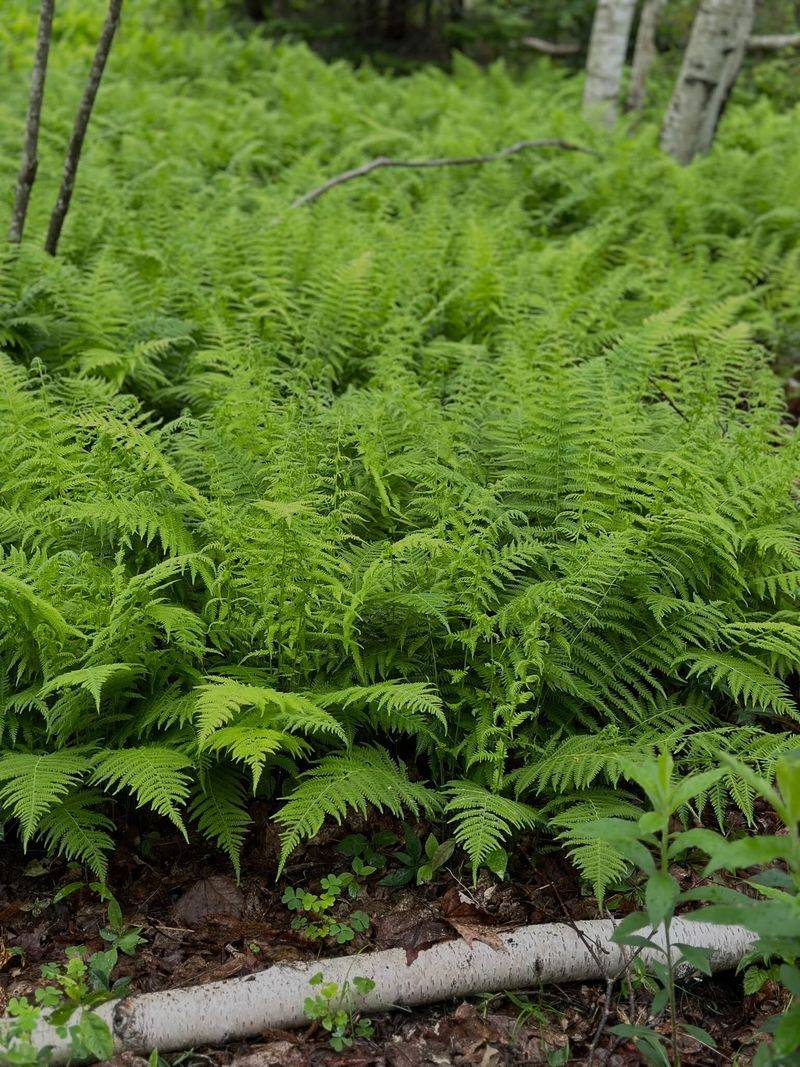
Do not let the northern-sounding name fool you. The New York fern grows all over North Carolina’s mountains and Piedmont, and it is one of the fastest ways to blanket a shady clay slope.
You can spot it by its fronds that taper to a point at both the top and the bottom, almost like they are burning at both ends. It spreads quickly by rhizomes, forming a soft, uniform green mat that chokes out weeds along the way.
Erosion-prone hillsides are where it truly earns its keep, since the dense roots grip the soil and slow down runoff. The delicate yellow-green color brightens dark corners under trees, and once established it asks for almost nothing from you.
7. Marginal Wood Fern
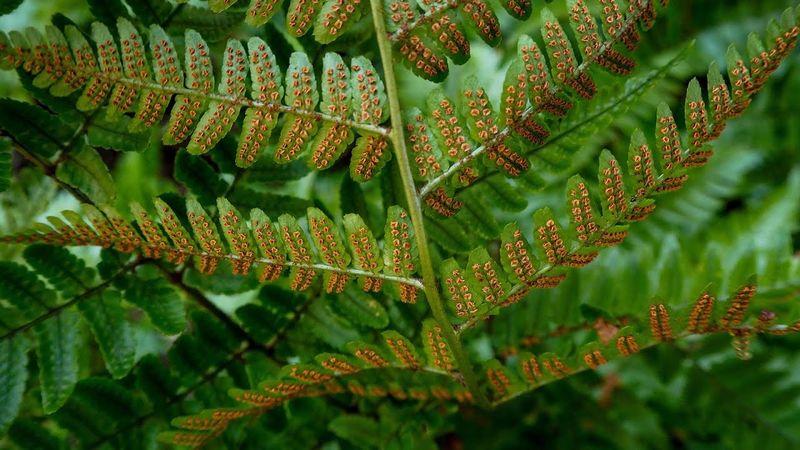
For year-round structure in a difficult spot, the marginal wood fern is hard to beat. Its blue-green, leathery fronds stay put through winter, giving you evergreen presence when the rest of the garden has gone brown.
Unlike ferns that demand steady moisture, this one handles dry shade and rocky clay banks with ease. It grows in a neat, well-behaved clump that never runs wild, so it fits tidy beds as comfortably as woodland edges.
The name refers to the spore dots lined up right along the frond margins, a small detail worth a closer look. Because it holds its foliage in the cold months, it also gives overwintering insects and small critters a bit of shelter, rounding out a low-effort yard that still does right by the land.