
Most gardens in North Carolina fizzle out by late summer, leaving beds bare just when you crave fresh food. But a handful of tough, dependable vegetables keep cranking out harvests through fall and sometimes into winter, no matter if you garden in the Piedmont, the coastal plain, or the mountains.
These plants love our long warm season and shrug off heat that flattens weaker crops. Here are eight underrated workhorses that reward you with food for months, with hardly any extra effort.
1. Okra
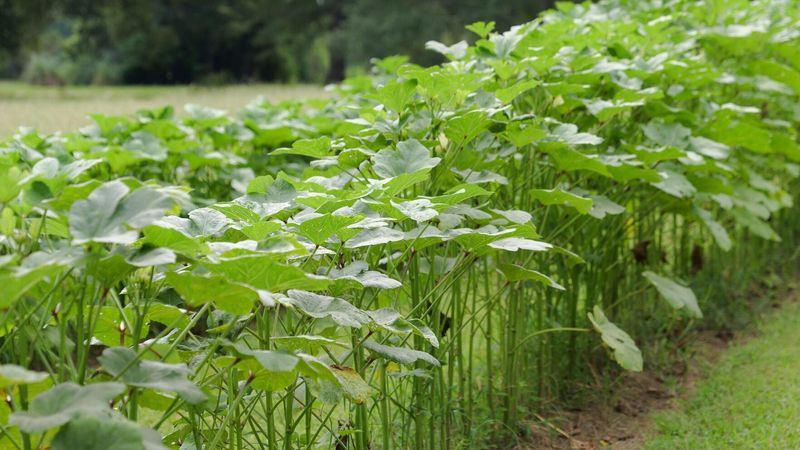
Southern grandmothers have leaned on okra for generations, and for good reason. When July heat scorches tomatoes into a sulk, okra just keeps climbing toward the sky and pumping out pods.
Okra thrives in North Carolina’s sticky, hot summers, producing steadily from early summer straight through the first frost. The trick is to pick pods young, around three inches long, because harvesting often actually pushes the plant to make more.
Beyond the kitchen, its big pale yellow blossoms attract pollinators and beneficial insects that help keep your whole garden balanced. A single row can feed a family for months.
Did you know? Okra is related to hibiscus and cotton, which explains those showy hollyhock-style flowers.
Plant it once in late spring and it will still be handing you pods when your neighbors’ gardens have long gone quiet.
2. Sweet Potatoes
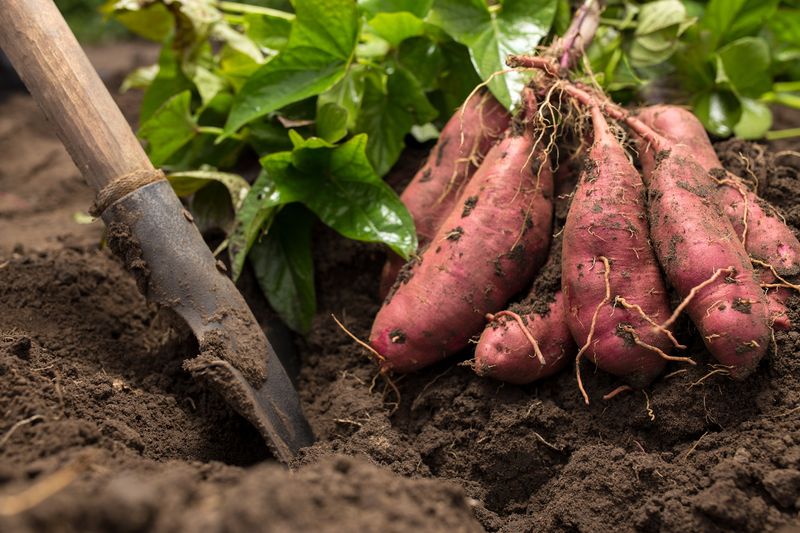
North Carolina grows more sweet potatoes than any other state, and your backyard can join the party. Those sprawling vines soak up the long, hot growing season and barely flinch at drought.
Set out slips in late spring and the plants spread into a living green carpet that smothers weeds all summer. You do not harvest until fall, usually around 90 to 120 days later, when the vines have quietly built you a buried treasure of tubers.
The vines themselves double as edible greens, and their dense cover shades the soil so you water far less than with fussier crops. Come October, digging them up feels like a scavenger hunt.
Cured for a week or two in a warm spot, sweet potatoes store for months, stretching your harvest deep into winter long after the garden itself has shut down.
3. Collard Greens
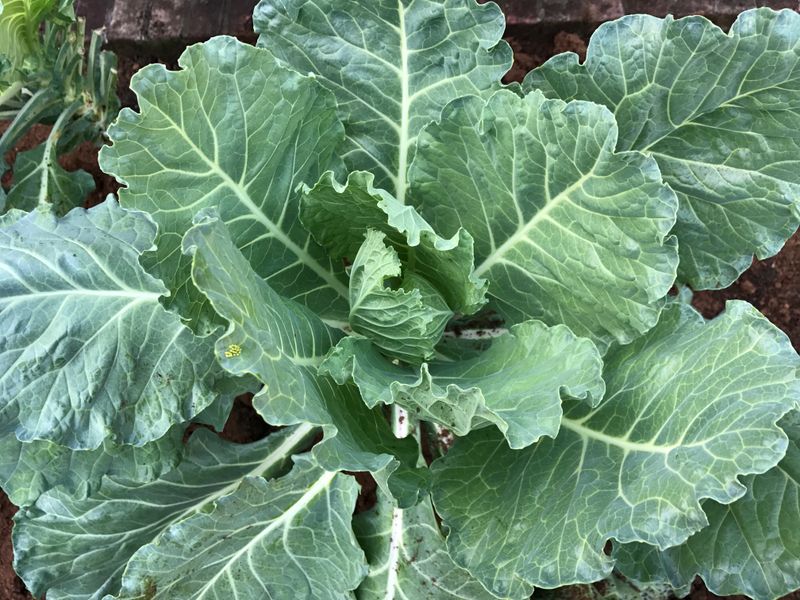
Frost makes most vegetables give up, but collards actually taste better after a cold snap. A touch of cold turns their starches to sugars, sweetening the leaves right when everything else has surrendered.
A true Southern staple, collards handle heat, cold, and neglect with equal grace. Plant them in late summer and they will feed you through fall, winter, and often into early spring here in North Carolina.
Harvest the lower leaves and leave the growing tip alone, and a single plant keeps producing for months on end. It is one of the most generous returns on a tiny bit of effort you will find.
Their big, sturdy leaves also stand up to wind and rain that shred tender lettuces. If you want fresh greens on your plate in January, collards are your reliable friend.
4. Southern Peas (Field Peas)
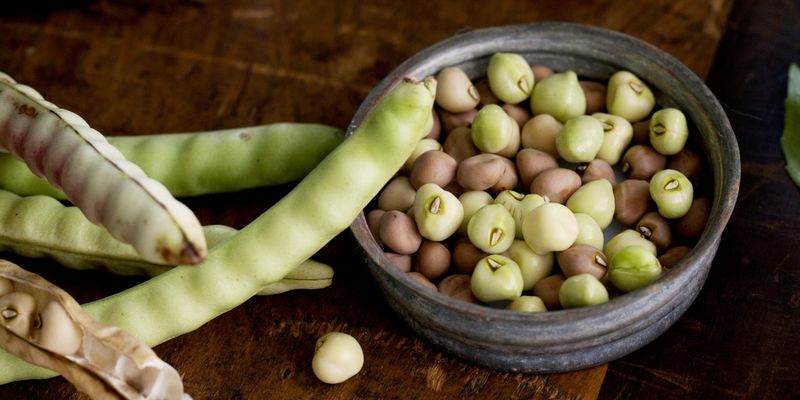
Also called cowpeas, crowder peas, or black-eyed peas, these little legumes practically thrive on hardship. The hotter and drier the summer, the happier they seem to be.
Southern peas keep flowering and setting pods well into fall, giving you wave after wave of harvest from a single planting. Pick them young for snaps, a bit older for shelling, or let them dry on the vine for winter storage.
Here is a bonus most gardeners overlook: like all legumes, they pull nitrogen from the air and feed it back into your soil. That means richer dirt for whatever you plant next season.
They ask for almost nothing in return, no fussing over water or fertilizer. For a low-effort crop that improves the ground while feeding you, field peas quietly outlast the rest.
5. Kale
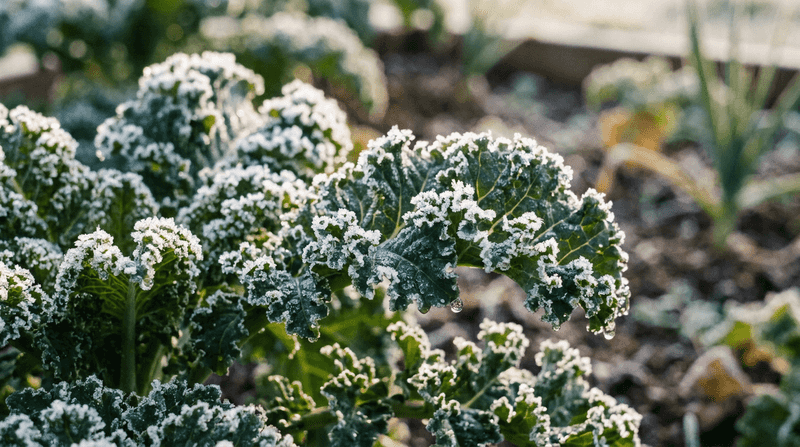
While summer gardens wind down, kale is just getting started. Cool weather is its element, and light frosts sweeten those crinkly leaves the same way they do collards.
Tuck kale into the garden in late summer or early fall and it will produce steadily through the coldest months across most of North Carolina. In milder coastal areas, it can carry you clear through to spring.
The pick-and-come-again habit is what makes it shine. Snap off the outer leaves and the center keeps pushing out new growth for weeks and weeks.
Fun fact: kale is one of the oldest cultivated forms of cabbage, grown for over two thousand years. Curly, Lacinato, or Red Russian, all of them shrug off the cold that ends the tomato party.
6. Swiss Chard
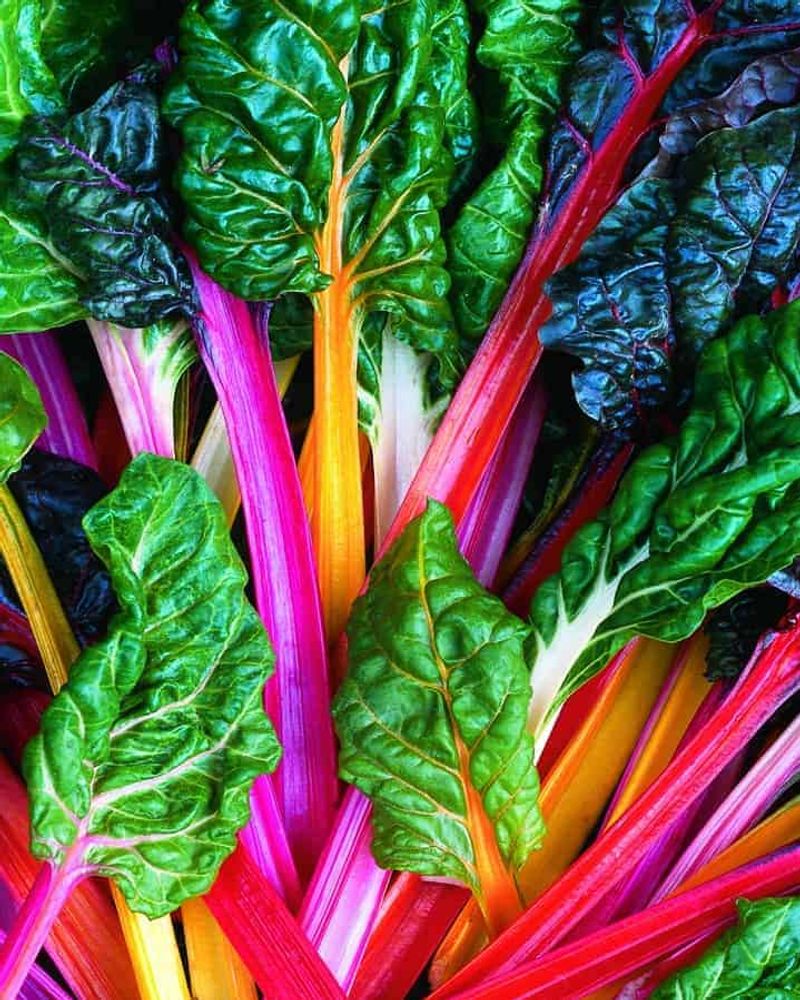
Few vegetables pull double duty as food and decoration quite like Swiss chard. Those neon stems in red, gold, pink, and white look right at home in a flower border or a front-yard bed.
Chard has a rare talent for straddling seasons. It tolerates summer heat far better than spinach and keeps right on going through cool fall weather, giving you a genuinely long harvest window.
Cut the outer leaves and the plant simply grows more, over and over, from spring until a hard freeze finally slows it down. A handful of plants supplies steady greens for a small family.
Because it looks so good, chard is perfect for gardeners who want curb appeal and dinner from the same square of soil. Beauty and staying power in one tidy package.
7. Peppers
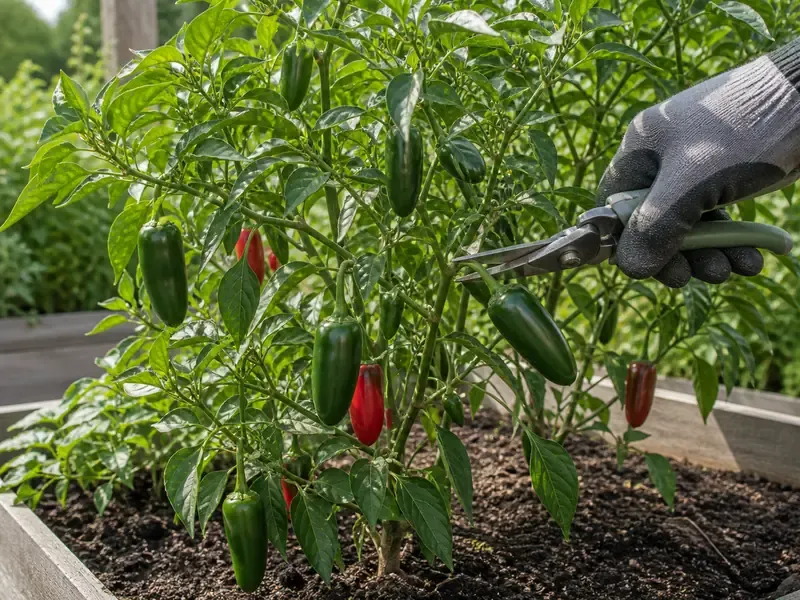
Just when many gardeners assume the pepper show is over, the plants often hit their stride. Peppers of all kinds, from sweet bells to fiery jalapenos, keep setting fruit right up until frost in North Carolina.
Late summer and early fall can actually bring some of the heaviest yields of the year once the plants are fully established. Keep picking and they keep flowering, rewarding patience with a long, generous run.
Their nectar-rich blooms draw in pollinators and tiny beneficial wasps that may help keep pest numbers down naturally. That is a quiet win for the whole garden.
In warmer coastal zones, a mild fall can stretch the harvest weeks past when cooler gardens have quit. A single well-tended plant can hand you dozens of peppers over one long season.
8. Turnips
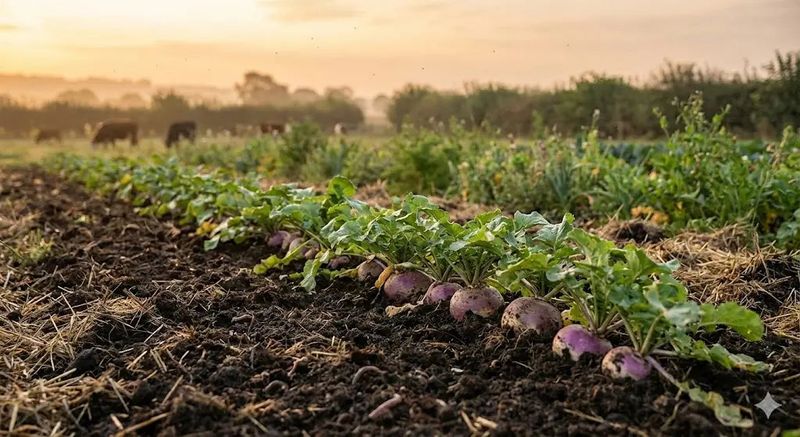
Turnips are the two-for-one bargain of the fall garden. You get sweet, crisp roots below ground and a heap of nutritious greens up top, all from one quick-growing plant.
Sown in late summer, turnips race to harvest in as little as five to six weeks, then hold happily in the cool ground long after tender crops have collapsed. A gentle frost only sweetens the roots.
The greens can be snipped along the way while the roots keep swelling, so you are eating from the same plant for weeks. Little effort, steady reward.
They ask for cool weather and loose soil and not much else, making them ideal for filling those empty late-season beds. When most gardens have called it quits, turnips are still feeding you from the ground up.