
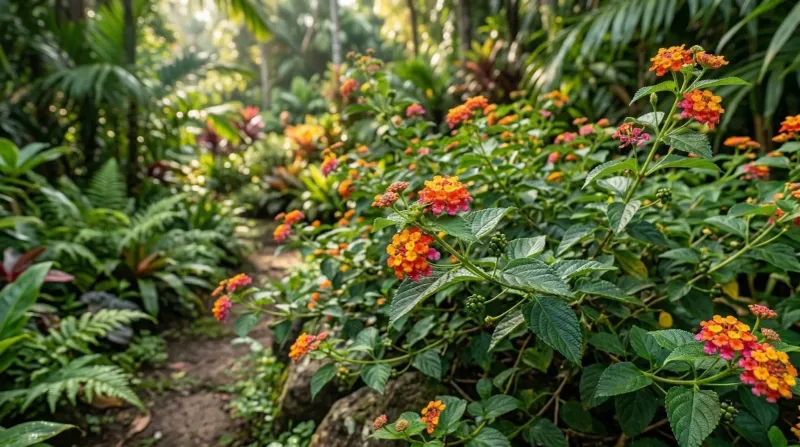
Texas summers are brutal, and most plants either give up or need constant watering to survive. Texas lantana is one tough native shrub that keeps blooming through the hottest months while drawing in pollinators and other wildlife. Porch geckos have become a beloved sight for Texas homeowners who want a little natural help with outdoor insects. Understanding what actually brings those geckos around, and what role a plant like lantana can realistically play, helps you make smarter choices for your yard.
Texas lantana fits the summer-porch habitat idea
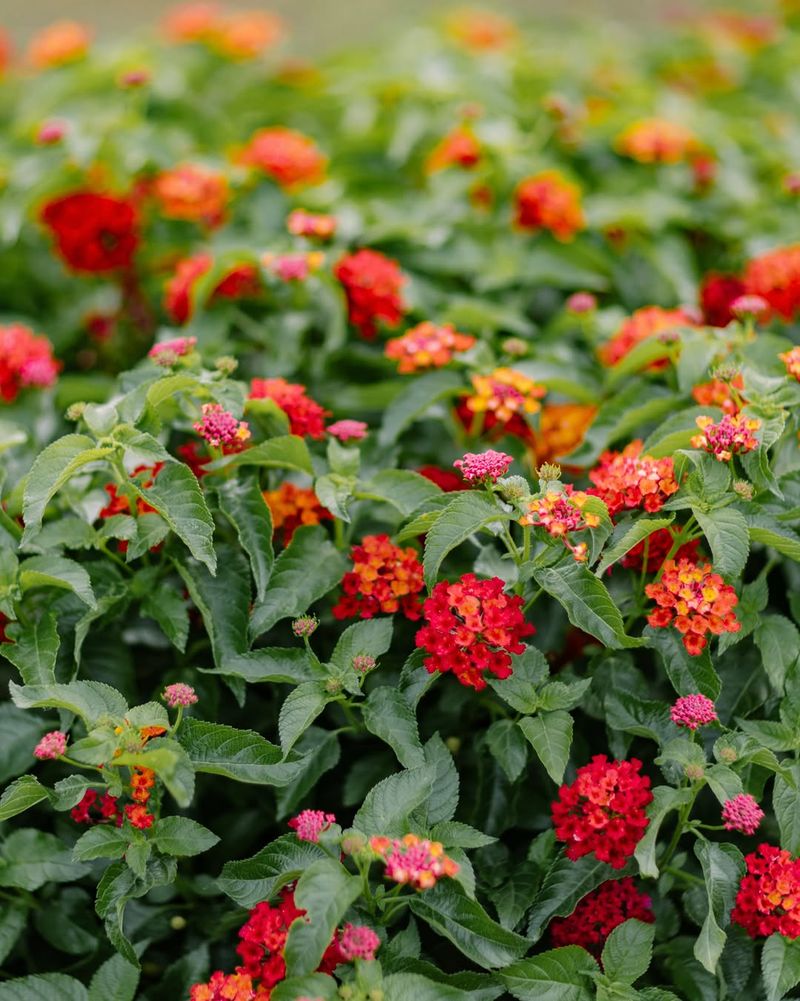
Native to Texas and built for the heat, Texas lantana, known botanically as Lantana urticoides and sometimes listed under the synonym Lantana horrida, is a plausible native plant option for anyone trying to create a more wildlife-friendly porch setting. That distinction in naming matters because Texas nurseries also carry nonnative lantanas and hybrids that look similar but carry a different ecological profile. Starting with the right plant means knowing exactly what you are buying.
According to Texas SmartScape’s Texas lantana profile, the plant thrives in full sun, tolerates drought once established, and blooms from spring through fall, which lines up almost perfectly with the hot months when porch insects and the reptiles that eat them are most active. Its flower clusters attract bees, butterflies, hummingbirds, and a range of other insects throughout that long season. Those documented benefits make it a genuinely useful addition to a Texas porch planting.
What the plant does not do, at least according to any reliable source reviewed, is directly attract geckos or compel them to return. The Native Plant Society of Texas’s coverage of Texas lantana highlights its value for pollinators and its resilience in Texas conditions, but does not describe any documented relationship between the plant and gecko behavior. Framing lantana as a possible indirect contributor to the conditions geckos need, rather than a proven gecko magnet, keeps the expectations honest and still gives you good reason to plant it.
Lantana may support the food web without acting as a gecko magnet
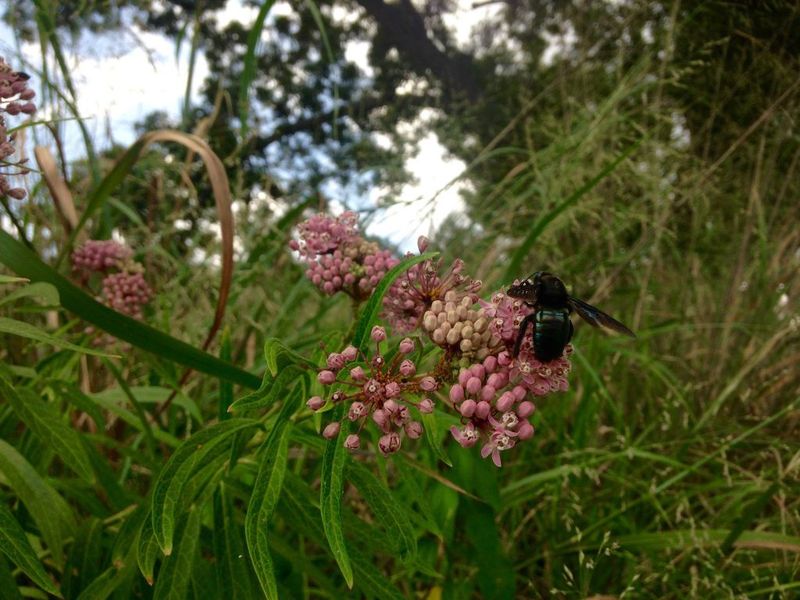
A flowering plant that draws insects is, in theory, a plant that supports the animals eating those insects. Texas lantana produces nectar-rich blooms across a long season, and the insects those flowers attract, including moths, beetles, and various pollinators, can become food for insect-eating reptiles that patrol nearby areas. That chain of events is a reasonable ecological inference, but calling it a demonstrated lantana-to-gecko relationship would stretch what the sources actually show.
No authoritative source reviewed documents geckos selecting Texas lantana specifically, congregating near it, or returning to a yard because of it. What Texas SmartScape confirms is that the plant supports pollinators and that birds may eat its ripe fruit. The jump from insect attraction to gecko attraction requires prey to be present, predators to find it, and conditions to be right for them to stay, none of which a single plant controls on its own.
Broader habitat thinking fills that gap. Texas Parks and Wildlife Department’s Wildscapes tips recommend layered vegetation, rocks, logs, brick piles, stacked wood, overturned pots, and shallow water sources as the features that together support food webs and small wildlife, including lizards. Texas lantana can contribute to that picture as one piece of a thoughtfully designed habitat, but expecting it to function as a standalone gecko attractant sets up a disappointment the plant was never designed to prevent.
Porch lights and insect prey matter more to house geckos
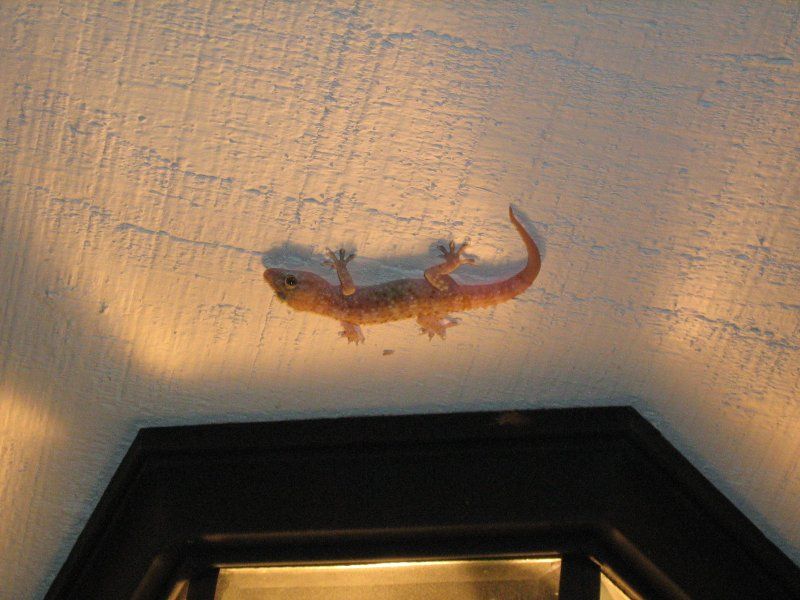
Most Texans who spot geckos on their porch at night are watching introduced species, not native lizards. The Mediterranean house gecko and the common house gecko are both nonnative species that have established themselves across Texas and behave very differently from native anoles, skinks, or spiny lizards that may also visit a yard. Knowing which animal you are looking at matters because the behavior linked to porch lights applies specifically to these introduced house geckos.
Texas A&M AgriLife Extension’s house gecko fact sheet explains that these geckos are nocturnal and typically hunt near windows, porch lights, and other spots where insects gather after dark. Moths, cockroaches, and other insects drawn to artificial light become easy targets, which is why a well-lit porch is often more reliably associated with gecko sightings than any particular plant. The light itself is doing the heavy lifting in that scenario.
Return visits from geckos are similarly tied to practical factors: consistent prey availability, reliable shelter in cracks or crevices near the porch, comfortable nighttime temperatures, and easy access to the hunting area. A plant that adds some insects to the yard during the day may contribute at the margins, but it competes with those stronger drivers rather than replacing them. Texas native lizards, including green anoles and Texas spiny lizards, have their own habitat preferences and are not drawn to porch lights the same way, so the two groups should not be lumped together when thinking about what brings reptiles to your porch.
Understanding this distinction helps set realistic goals. A lantana bed nearby may modestly increase the insect pool available to nighttime hunters, but porch lighting, shelter, and a steady food supply are the features that most reliably explain why a gecko shows up and keeps coming back.
Build cover and water into the planting area
Planting Texas lantana near your porch is a reasonable starting point, but the plant works best as part of a broader habitat setup rather than as a solo act. Placing it in a nearby bed rather than directly against the entryway keeps its mature spread, roughly 4 to 6 feet for the North Central Texas form, from blocking foot traffic while still putting it close enough to contribute insects and cover to the porch zone. A large container works too if bed space is limited.
TPWD’s Wildscapes habitat tips spell out the three basics that make any yard more hospitable to small wildlife: food, water, and shelter. Rocks, logs, brick piles, stacked wood, and overturned pots give lizards and other small animals places to hide, regulate body temperature, and escape predators. A shallow dish or small water feature, cleaned regularly to prevent mosquito breeding, addresses the water need without requiring a pond or complicated installation.
Layering the vegetation matters too. A mix of ground-level plants, mid-height shrubs like lantana, and taller native species creates the kind of structural variety that supports a wider range of insects and the animals that eat them. TPWD’s Wildscapes design tips encourage thinking about the yard in vertical layers, which mirrors how natural Texas habitats organize themselves. None of these additions guarantee that geckos will take up residence, but they do create conditions where that outcome becomes more plausible than it would be in a bare, manicured yard.
Keep paths and entryways clear and tidy. Habitat features that spill onto walkways or create dense, unmanaged clutter near the house can attract less welcome visitors along with the beneficial ones, so thoughtful placement pays off.
Plant the native form in the right Texas location
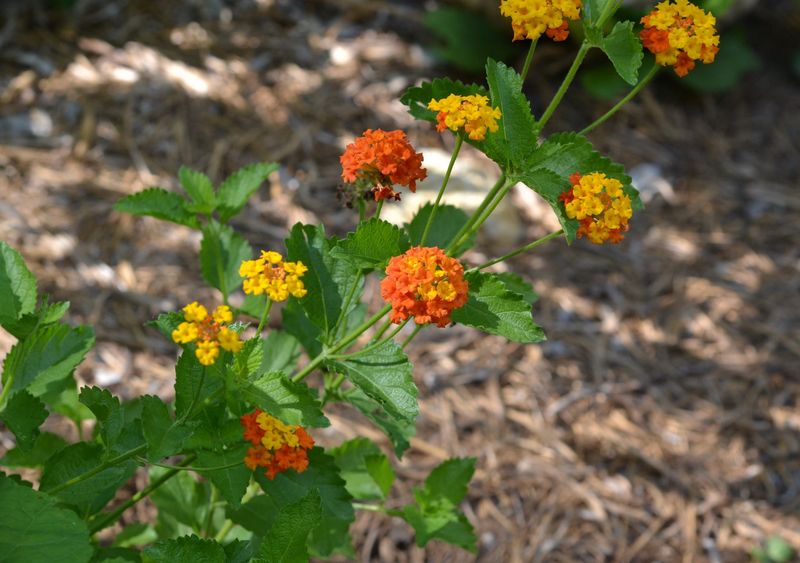
Getting the most from Texas lantana starts with buying the right plant. Full sun and well-drained soil are non-negotiable requirements. The plant handles low water once it is established, but it will struggle in poorly drained clay or in spots that stay wet after rain. Give it space, because the North Central Texas form can spread 4 to 6 feet at maturity, according to Texas SmartScape’s plant profile.
A roomy bed or a large container positioned near, but not blocking, the porch gives it room to perform without creating an obstacle.
Buying by botanical name is one of the most practical steps a Texas gardener can take. The Native Plant Society of Texas’s Texas lantana page warns that cultivars such as “New Gold” are not Texas-native and that plants sold under Texas-themed names are sometimes actually Lantana camara hybrids. Ask the nursery staff for the botanical name and, if possible, the plant’s provenance. A label that says “lantana” or even “Texas lantana” without a species name is not enough confirmation that you are getting Lantana urticoides.
Texas ecoregions vary enough that planting advice should never be treated as one-size-fits-all. What thrives in the sandy soils of East Texas may need adjustment in the alkaline limestone of the Hill Country or the heavy clays of the Gulf Coast prairie. NPSOT’s ecoregion guidance encourages matching plant selection to local conditions rather than assuming a species labeled “Texas native” will perform equally well across the entire state. Connecting with a regional native plant nursery or a local NPSOT chapter can help you identify which form of Texas lantana suits your specific corner of the state.
Geckos eat some roaches but cannot replace pest control
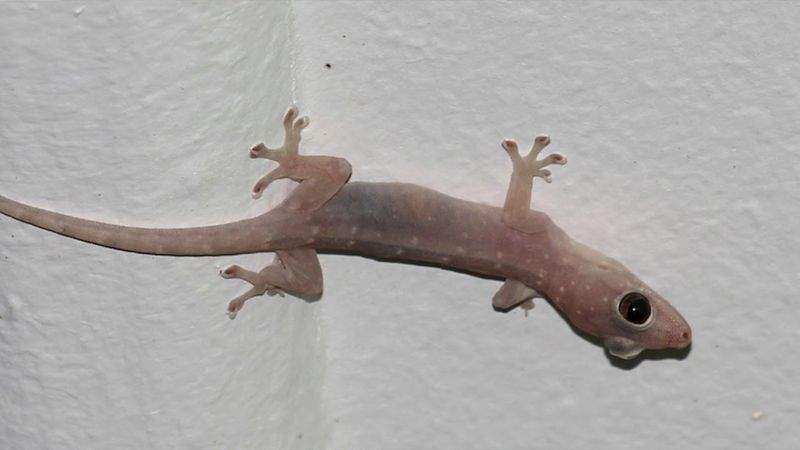
House geckos do eat cockroaches. That part of the porch-gecko story is accurate, and Texas A&M AgriLife Extension’s house gecko fact sheet confirms that cockroaches are among the insects these nocturnal hunters consume. A gecko patrolling your porch on a summer night may pick off a few outdoor roaches in the process. Framing that as meaningful pest control for a household infestation, though, goes well beyond what the evidence supports.
No source reviewed shows that one lantana plant, or even a yard full of geckos, can manage a porch-wide or indoor cockroach population. Outdoor roaches can enter homes, and once they do, the response needs to be practical and targeted. Deliberately encouraging more roaches outside to feed geckos is not a strategy worth pursuing, because those roaches do not stay conveniently outdoors.
Integrated pest management is the more reliable approach. EPA pest control guidance outlines the core steps: remove food and standing water sources, fix leaks, reduce clutter, seal cracks and entry points, and monitor activity to understand the scope of the problem. When treatment is warranted, appropriately labeled bait stations are typically preferred over broad sprays because they target the pest with less collateral impact on the surrounding environment.
Broad insecticide applications near the porch can reduce gecko numbers by cutting off their food supply, as Texas A&M notes, rather than by any direct effect on the geckos themselves. EPA guidance on deciding whether to use a pesticide encourages asking whether non-chemical options address the problem first. Geckos can be a welcome part of a porch ecosystem without being handed a job they were never equipped to do on their own.
Keep the summer habitat seasonal and pet-aware
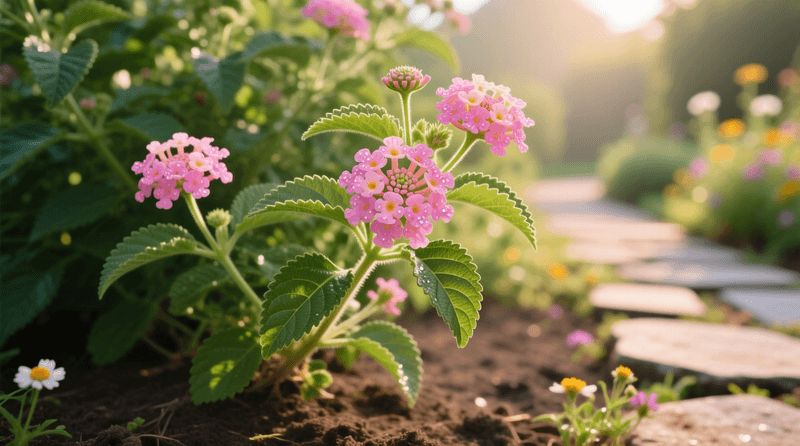
Texas lantana delivers its strongest contribution during the warm growing season, from spring through fall. Once temperatures drop, the plant may lose leaves or die back, which means its role in supporting insects and providing cover is a seasonal one rather than a year-round guarantee. Planning around that rhythm, rather than expecting constant performance, keeps the habitat design realistic and avoids disappointment when the plant goes quiet in winter.
Pet owners need an extra layer of caution before planting any lantana. The ASPCA’s plant toxicity listing identifies Lantana camara as toxic to dogs, cats, and horses, with possible gastrointestinal and liver-related effects. That information applies specifically to Lantana camara and does not automatically extend to every lantana species or cultivar. Still, until you have confirmed the botanical identity of any lantana in your yard, keeping pets from chewing on it is the safer choice.
Ask your nursery for written confirmation of the species before planting near areas where animals roam freely.
Texas A&M’s house gecko resource reminds us that geckos are most active during warm months and that their presence is shaped by light, prey, shelter, and access to the right microhabitats. Grow Texas lantana for its resilient blooms, its support of native pollinators, and its potential to contribute insects to the local food web. Let the light on your porch, the availability of prey, and the shelter you build into the planting area do the work of making geckos feel at home. A native plant thriving through a Texas summer is already a win worth having.