
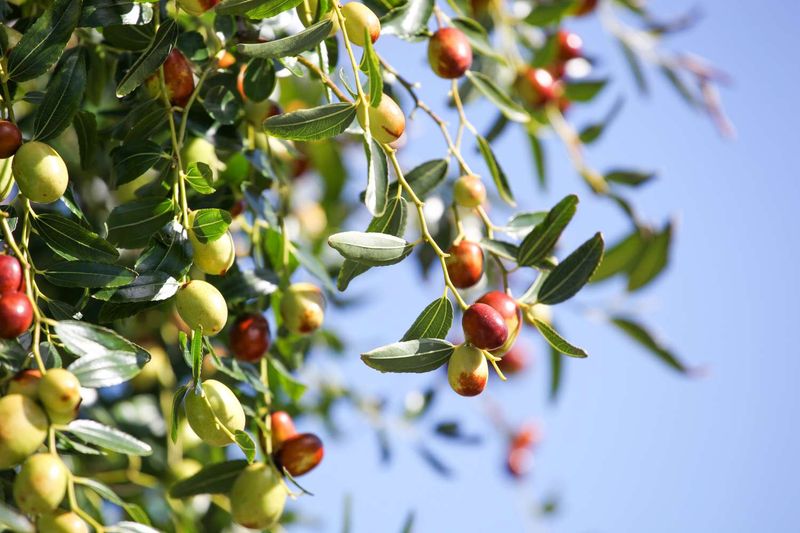
Most Texas gardeners are used to watching their fruit trees struggle or shut down the moment summer temperatures spike past 100 degrees. But one exotic, heat-loving fruit tree not only survives those conditions, it actually ripens its harvest right in the middle of them.
Chinese jujube, also called the Chinese date or red date, is quietly showing up in Texas yards as one of the most practical and unusual edible trees a homeowner can plant. If you have been looking for a fruit tree that fits a hot, dry Texas summer without demanding constant attention, this one deserves a serious look.
Meet the heat-adapted Chinese jujube
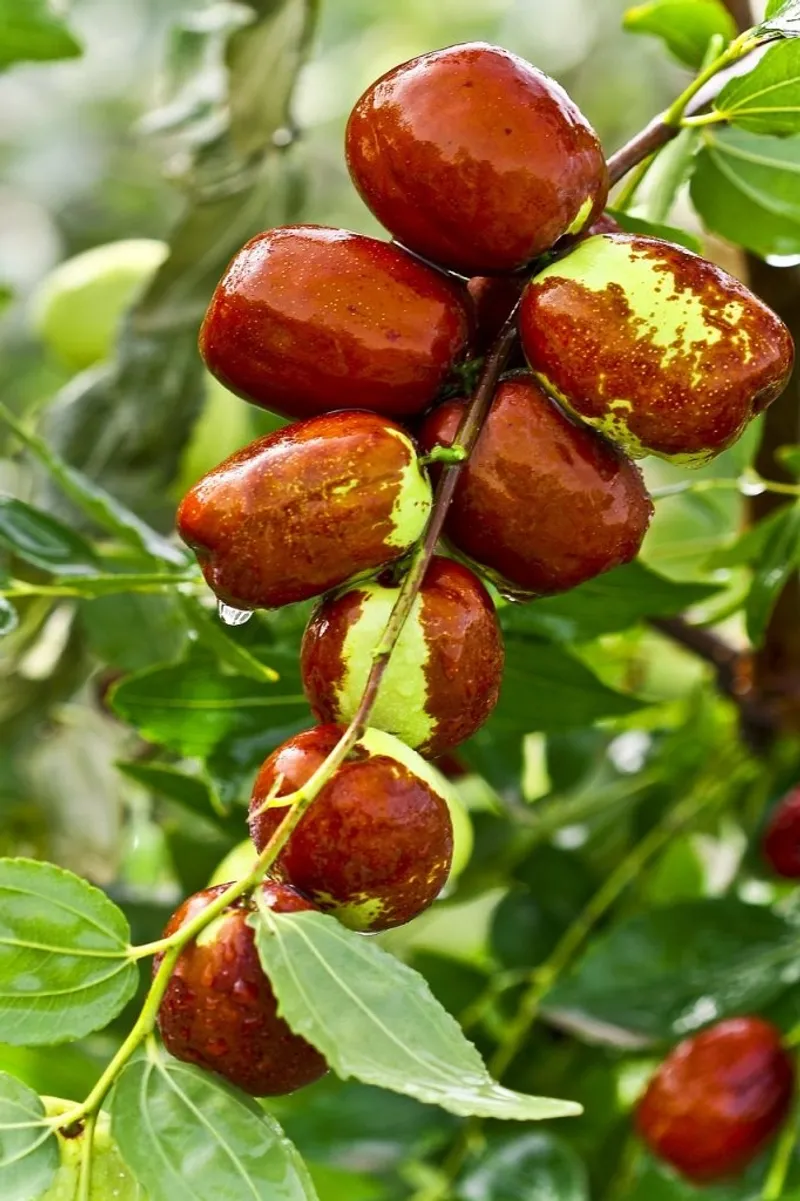
Chinese jujube, known scientifically as Ziziphus jujuba, goes by several names in American nurseries and Asian grocery stores: jujube, Chinese date, and red date are all the same plant. It has been cultivated in China for thousands of years, and it landed quietly in Texas yards without much fanfare, which is part of why so many gardeners still have not heard of it.
Texas A&M AgriLife Extension calls it one of the easiest tree fruits for home gardeners, citing its tolerance for drought, relatively few serious pest or disease problems, and suitability across USDA Zones 6 through 9.
Those qualities add up to something genuinely useful for Texas gardeners. Most fruit trees demand precise soil conditions, regular spray programs, and careful climate matching.
Jujube sidesteps several of those demands, making it a strong candidate for homeowners who want a productive edible tree without building a full orchard management routine around it.
The harvest promise is real but qualified. Jujube can produce a summer crop during intense Texas heat, with most cultivars ripening in July and August.
That said, the tree is not immune to heat stress, and extreme heat combined with drought can still reduce fruit set, fruit size, or overall quality. Think of it as a heat-adapted, summer-ripening fruit tree that performs well under conditions that sideline other species, rather than a tree that fruits without limits no matter what the thermometer reads.
Jujube is exotic, but it is not truly tropical
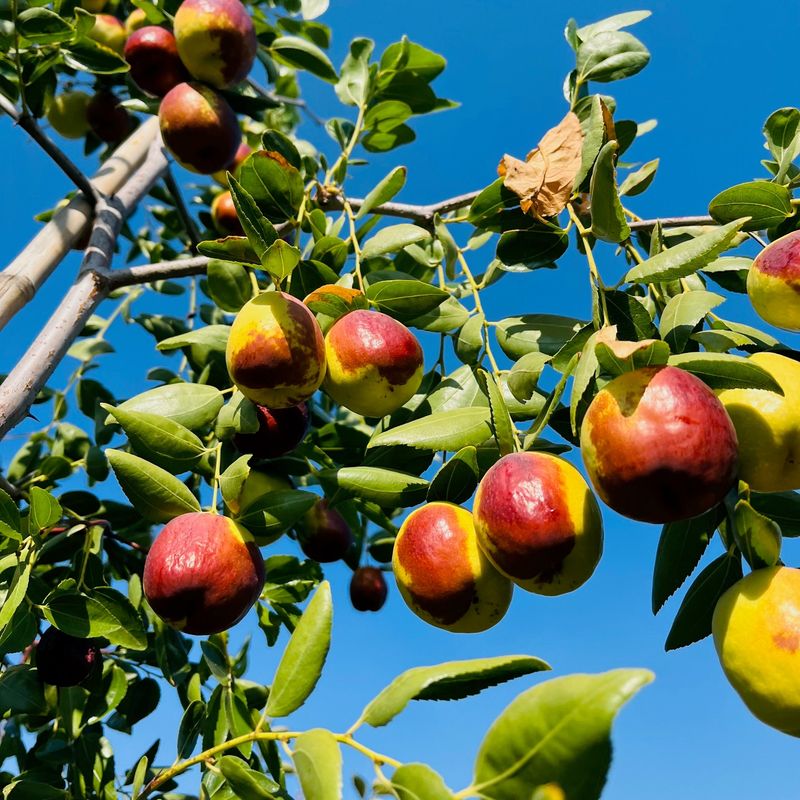
One thing worth clearing up before you plant: jujube is not a tropical tree. The word “tropical” gets attached to it because the fruit looks and tastes unfamiliar to most American palates, but jujube actually originated in temperate and subtropical regions of Asia.
It is deciduous, meaning it drops its leaves in winter, and it carries enough cold hardiness to survive across most of Texas without protection. A more accurate description is an exotic, heat-loving subtropical fruit tree, and that distinction matters when you are planning your yard.
Texas itself is not a single growing environment. The Hill Country, the Gulf Coast, the Panhandle, and the Rio Grande Valley each present different combinations of soil drainage, humidity, winter cold, and summer heat.
Jujube handles that range better than most exotic fruit trees. The Texas A&M AgriLife jujube fact sheet notes that the tree performs best in more arid parts of the state, though successful fruit set has also been documented in humid southeast Texas.
Coastal gardeners may see more variable results than those in central or west Texas, where conditions more closely match the tree’s native range.
Guava comes closer to the true tropical label, but it is primarily a South Texas crop and needs cold protection everywhere else in the state, as noted in the Texas A&M 4-H subtropical fruits resource guide. That limits guava’s usefulness for most Texas homeowners.
Jujube, by contrast, covers the state’s USDA Zone 6 through 9 range without requiring a frost cloth every winter. For a gardener who wants something genuinely unusual without the cold-protection headaches, jujube is the stronger statewide choice.
Hot summers can still produce a jujube harvest
College Station, Texas, is not a gentle place to run a fruit tree trial. Summer temperatures regularly exceed 100 degrees, and the area can swing between drought and waterlogged soil within a single season.
Yet the Texas A&M AgriLife jujube fact sheet reports that jujubes survived drought and excess moisture better than any other fruit plant tested at College Station. That is a meaningful data point for Texas gardeners who have watched other trees fail under similar swings.
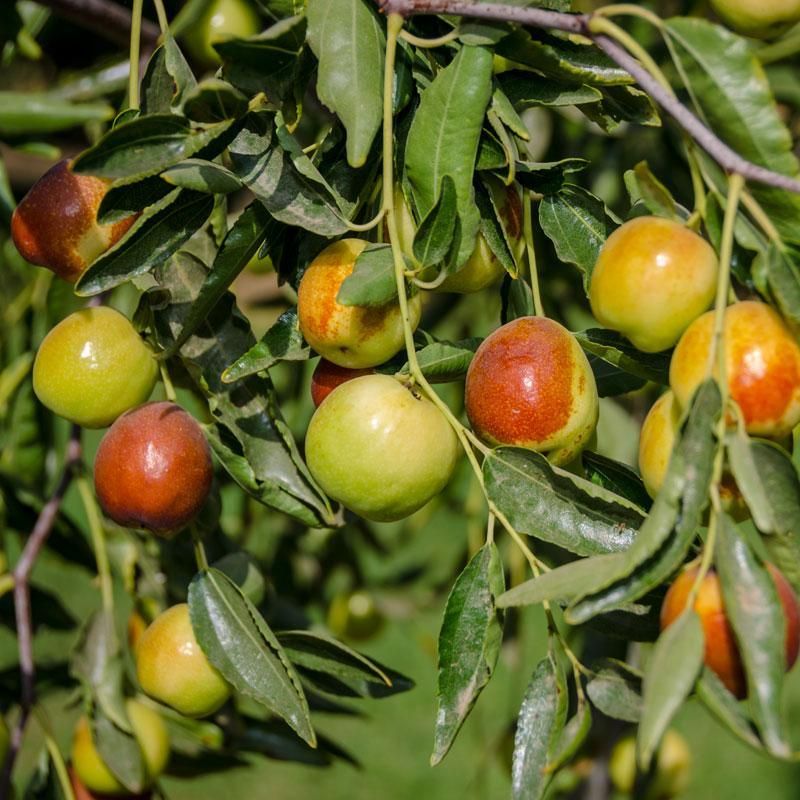
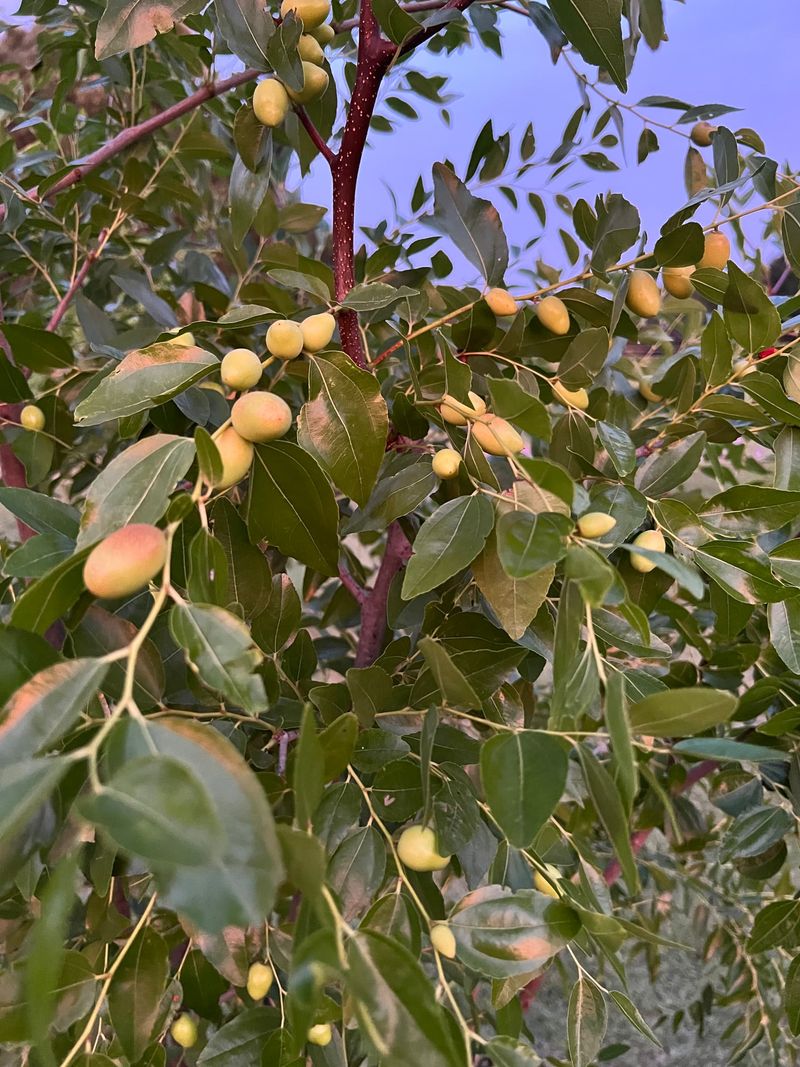
The fruit itself follows a clear ripening arc. Early in the season, jujubes are green, firm, and crisp, with a flavor that many people compare to a mild, slightly sweet apple.
As the fruit matures, the skin transitions from green to reddish and eventually to a deep mahogany color. The texture softens, the sweetness concentrates, and the skin develops a slight wrinkle.
Both stages are edible, and which one you prefer is largely a matter of taste.
Most cultivars ripen in July and August, which places harvest squarely in the hottest stretch of the Texas growing season. That timing is part of what makes jujube so appealing: it delivers fresh fruit precisely when most other fruiting trees have either finished or shut down.
However, the evidence supports strong heat adaptation and summer ripening, not unlimited production under every possible combination of heat and drought. A stretch of extreme heat paired with dry soil and no irrigation can still reduce fruit set or affect fruit size and quality.
Consistent watering during a heat spike, especially for trees that have not been in the ground long, helps protect the crop you are counting on.
Choose a grafted ‘Li’ or ‘Lang’ tree
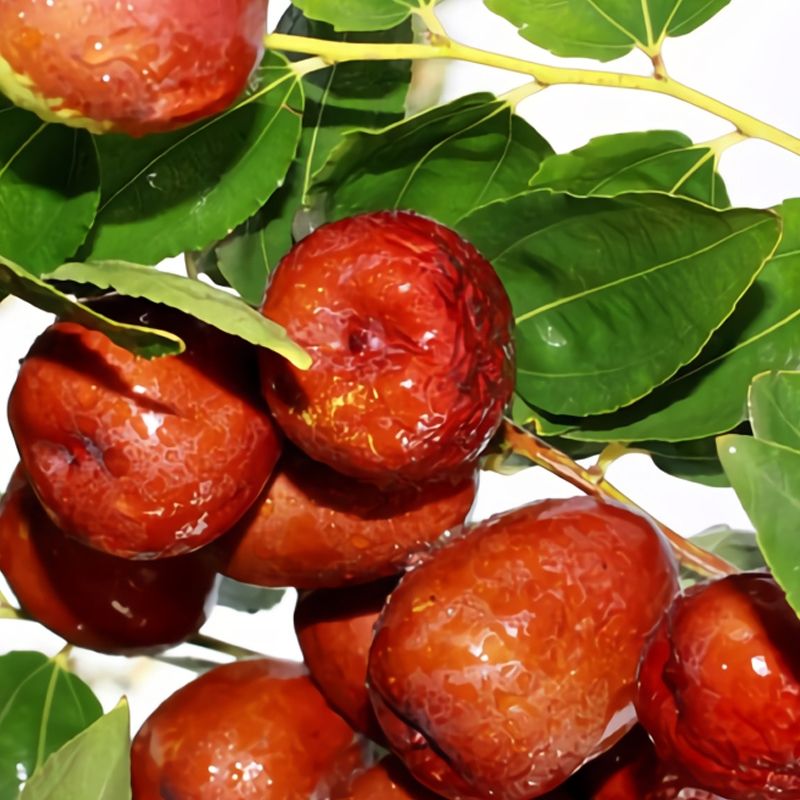
Walking into a nursery and asking for “a jujube” without specifying a cultivar is a bit like asking for “an apple” without knowing whether you want a Granny Smith or a Honeycrisp. The cultivar you choose shapes the fruit’s size, flavor, shape, and harvest timing, and it also determines how you need to manage pollination.
Texas A&M identifies ‘Li’ as the largest and best-flavored jujube commonly grown in Texas. The fruit is round to slightly oval, turns a rich mahogany color at maturity, and delivers a crisp, sweet bite that surprises most first-time tasters. ‘Lang’ is the other widely planted Texas cultivar, and it takes a different approach: the fruit is pear-shaped, arrives earlier in the season than ‘Li,’ and the tree tends to bear heavily.
Gardeners who want an extended harvest window sometimes plant both, since the two cultivars ripen at slightly different times.
Whatever cultivar you choose, buy a grafted tree rather than a seedling. Seedlings grown from jujube pits do not reliably reproduce the parent variety.
They can produce smaller, less flavorful fruit, and there is no way to predict the result. Grafted named trees give you a known outcome.
As the Texas A&M jujube fact sheet makes clear, named cultivars are the reliable path to a consistent, quality harvest.
On pollination: many of the most common cultivars, including ‘Li’ and ‘Lang,’ are self-pollinating, meaning a single tree can set fruit without a second tree nearby. However, UF/IFAS research on jujube as a fruit crop notes that some cultivars have self-incompatibility issues or set fruit more reliably with a compatible second tree present.
If you are planting a less common cultivar, ask your nursery specifically whether it needs a pollination partner before you commit to a single-tree planting.
Plant it in sun with excellent drainage
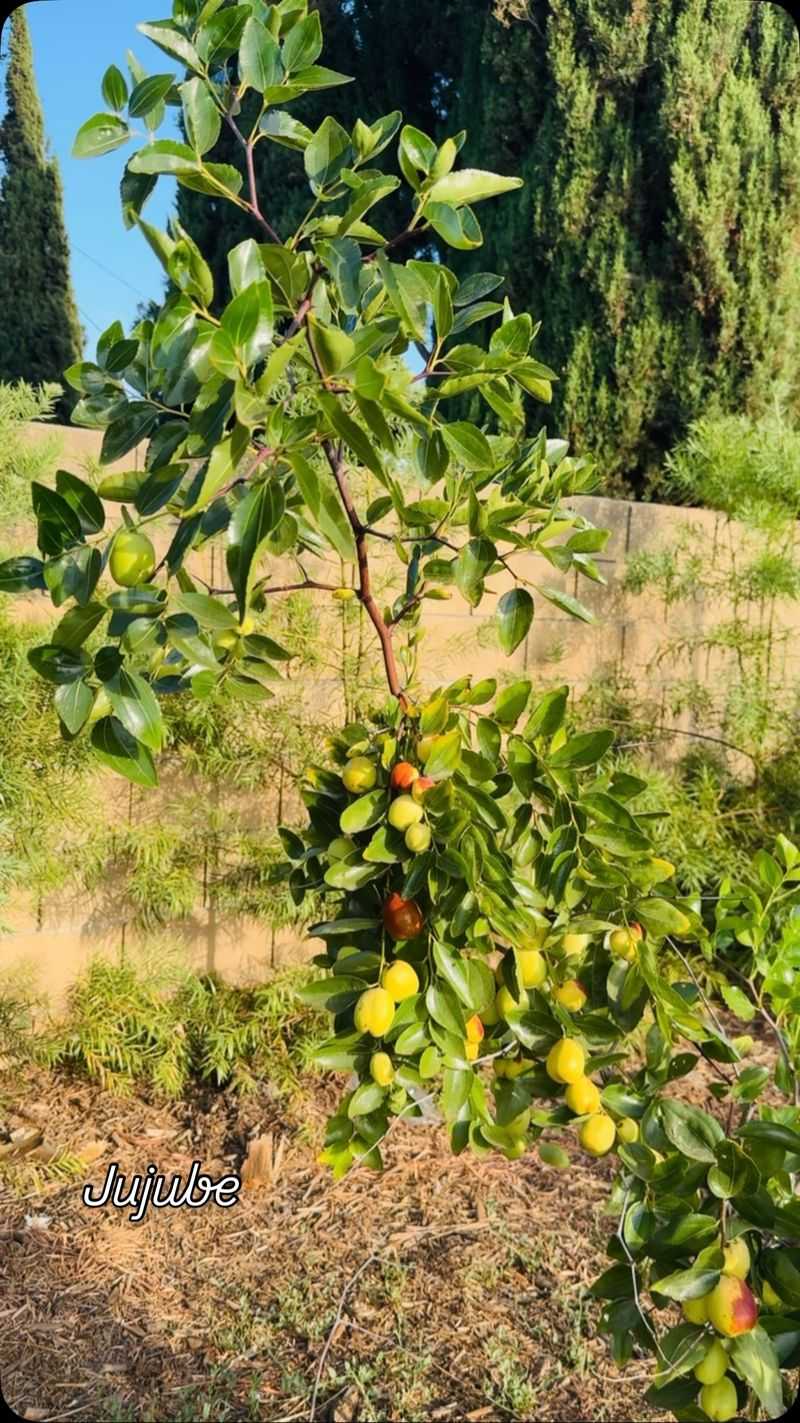
Jujube is forgiving about many things, but it is not forgiving about shade or standing water. Full sun means at least six to eight hours of direct sunlight per day, and the tree will underperform in anything less.
Poor drainage is the faster problem: roots sitting in waterlogged soil invite root disease and can kill an otherwise healthy tree. Before you dig a planting hole, check whether your chosen spot drains freely after a heavy rain.
Soil type is less critical than drainage. Texas A&M AgriLife Extension’s home gardener guidance notes that jujube tolerates a broad range of soil types, including the alkaline conditions common across much of Texas.
Very high soil pH can contribute to micronutrient deficiencies over time, so gardeners on strongly alkaline soils may occasionally need to address iron or manganese availability, but this is a manageable issue rather than a dealbreaker.
Spacing matters more than many gardeners expect. Texas A&M recommends leaving roughly 6 to 12 feet between plants, but you also need to think ahead to the tree’s mature form and any structures or paths nearby.
Here is the safety issue that should shape your site decision before anything else: most jujube trees have thorny branches. Those thorns can injure children, pedestrians, and pets, and they can snag mowing equipment.
A jujube planted directly beside a sidewalk, a play area, or a narrow path between structures is a maintenance and safety problem waiting to happen. Choose a location where the tree has room to develop and where people are not regularly brushing past its branches.
Water for establishment, then protect fruit quality
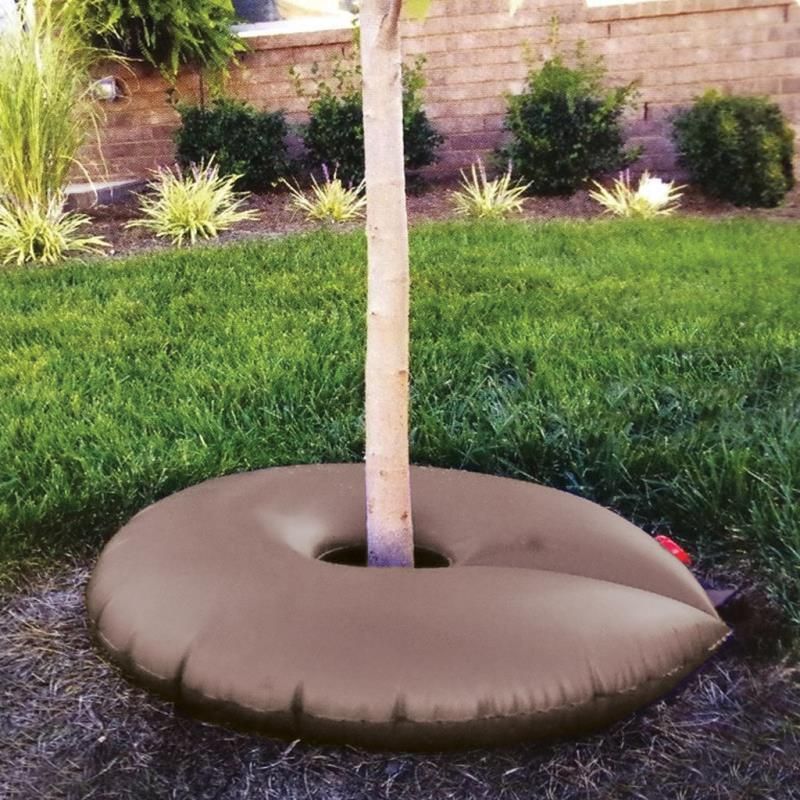
Drought tolerance is one of jujube’s most praised qualities, but it applies to established trees, not newly planted ones. A tree that went into the ground last spring is still building the root system it needs to access soil moisture during a Texas summer.
During that establishment period, frequent, deep watering is not optional. Letting a new tree dry out completely can cause transplant stress or death even though a five-year-old tree in the same spot might sail through a dry stretch without damage.
Once a tree is established, it can handle more irregular watering, but consistent moisture still pays off in fruit quality. Texas A&M AgriLife Extension gives a useful planning reference for mature trees: roughly 15 to 24 inches of water per growing season from rainfall and irrigation combined.
That range reflects the variability across Texas growing conditions rather than a rigid schedule. A tree in the Hill Country with rocky, fast-draining soil will need more supplemental irrigation than one in a heavier clay soil that holds moisture longer.
Water deeply rather than frequently once the tree is past its first season. Shallow, frequent watering encourages surface roots and makes the tree more dependent on regular irrigation.
Deep watering pushes roots downward, which builds long-term resilience. Keep mulch around the base of the tree to retain soil moisture and moderate soil temperature, but pull the mulch back a few inches from the trunk itself.
Mulch piled against the bark creates a moist environment that can promote rot and attract pests right at the base of the tree.
Plan for thorns, suckers, pruning, and disease
Annual pruning is one of the more rewarding maintenance tasks with jujube because the payoff is immediate and visible. Removing crowded or crossing branches lets sunlight reach the interior of the canopy, which improves fruit quality and makes harvesting much easier.
Texas A&M’s home gardener guidance notes that most people keep home fruit trees below about 8 feet, which keeps the harvest reachable without a ladder. Winter, while the tree is dormant, is the right time to do most structural pruning.
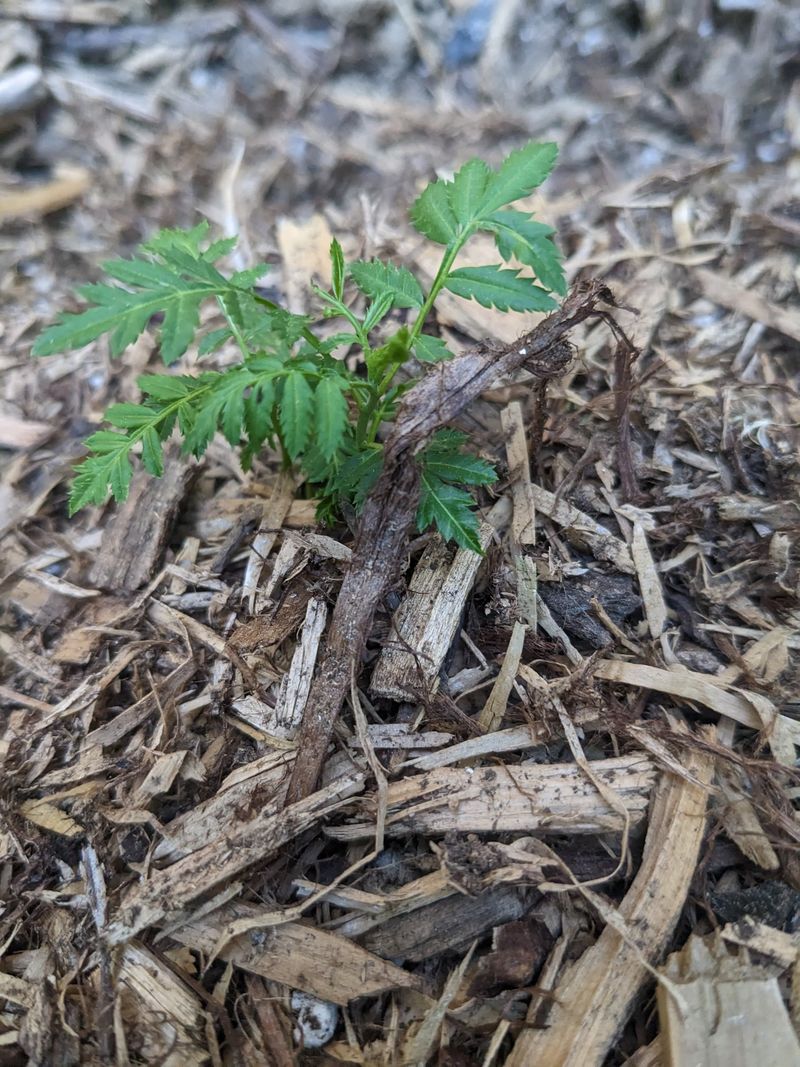
Root suckers are a separate and ongoing task. Mature jujube trees can send up shoots several feet from the trunk, and if those shoots are ignored, the tree can eventually spread into a thicket.
The fix is straightforward: cut suckers at or below ground level as soon as you notice them. Mowing over them works for small shoots, but larger ones need to be cut cleanly at the base.
Staying ahead of sucker growth is much easier than trying to reclaim a yard that has been overtaken.
Cotton root rot is the most serious Texas-specific disease risk for jujube. The Texas A&M AgriLife jujube fact sheet identifies it as a major limiting factor on affected sites.
The fungus that causes cotton root rot persists in the soil, so if you lose a tree to it, replanting another jujube in the same location is not advisable. If your soil has a history of cotton root rot affecting other plants, factor that into your site selection before you buy a tree.
Beyond cotton root rot, jujube’s pest and disease pressure is generally low compared to most fruit trees, but low does not mean zero. Peach moth can occasionally damage fruit, though it is an uncommon problem in Texas.
The tree is not pest-proof or disease-proof, and a healthy, well-maintained tree is always more resilient than a stressed one. Good site selection, proper watering, and annual pruning do more for long-term tree health than any spray program.
Decide whether the harvest fits your yard
Chinese jujube is a genuinely strong fruit-tree choice for many Texas yards, but it is not the right choice for every yard. The practical checklist is short.
Your site needs full sun, well-drained soil, a reliable water source during the establishment period, and enough open space to accommodate the tree’s mature size plus any suckers that develop around it. The tree also needs to be positioned well away from sidewalks, play areas, and any path where people regularly walk close to the branches.
If your yard meets those conditions, you get something genuinely unusual: a summer harvest of crisp, sweet fruit that ripens in July and August when most other fruit trees have finished. You can pick jujubes while they are still green and apple-firm, or wait until the skin turns reddish-mahogany and the texture softens for a more date-like experience.
Texas A&M’s guidance for home gardeners covers both eating stages, so you can experiment with the same tree across the season.
One non-negotiable reminder before you eat: every jujube contains a hard, pointed pit at its center. Remove it before eating, and do not let children or guests treat the fruit as seedless.
A tree that checks every box on your site list and lands in the right location can reward you with years of low-fuss summer fruit, which is a rare thing in a Texas July.