
If your feeder suddenly got busier in October, you are not imagining it. A wave of northern birds just arrived in Central Texas, and many of them plan to stay right in your yard until March or April.
Knowing who they are helps you pick the right seed, keep water handy during cold snaps, and enjoy a winter backyard full of color and song. Here are eight visitors worth watching for, plus what each one needs from you.
1. Ruby-crowned Kinglet
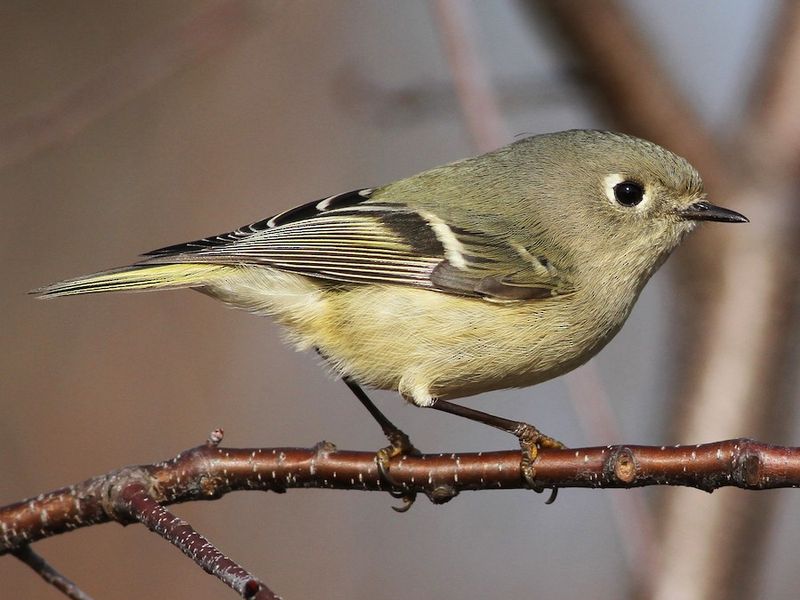
Picture a bird smaller than a walnut that never sits still for more than a second. The ruby-crowned kinglet flicks its wings constantly, like it drank too much coffee, while it hunts tiny insects in live oaks and cedar elms.
Most of the time you will not see the red crown at all. Males raise that scarlet patch only when excited or annoyed, so catching it feels like winning a small prize.
Kinglets rarely eat seed, but they may visit suet or peanut butter mixes on chilly mornings. Leaving some leaf litter and keeping native shrubs unsprayed gives them the bugs they really want.
2. Yellow-rumped Warbler
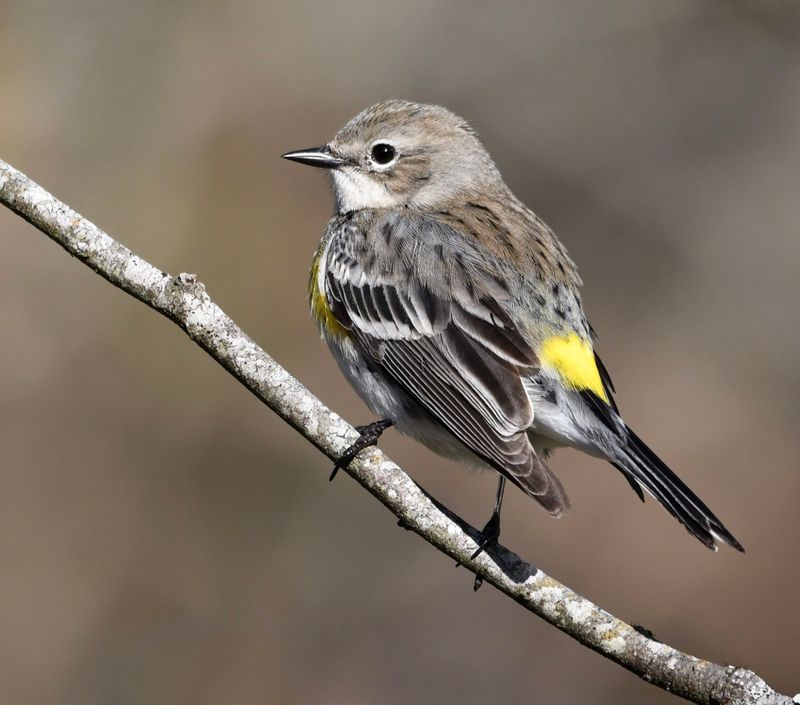
Birders affectionately call them butter-butts, and once you spot that bright yellow patch above the tail, the nickname sticks. Yellow-rumped warblers are often the most common winter warbler across Central Texas.
What sets them apart is their flexible diet. When insects get scarce, they switch to berries, and they can digest the waxy fruit of wax myrtle, a trick few warblers manage.
Planting native wax myrtle or yaupon holly can turn your yard into a reliable winter stop. They also tend to welcome suet and mealworms, especially after a norther blows through.
3. White-crowned Sparrow
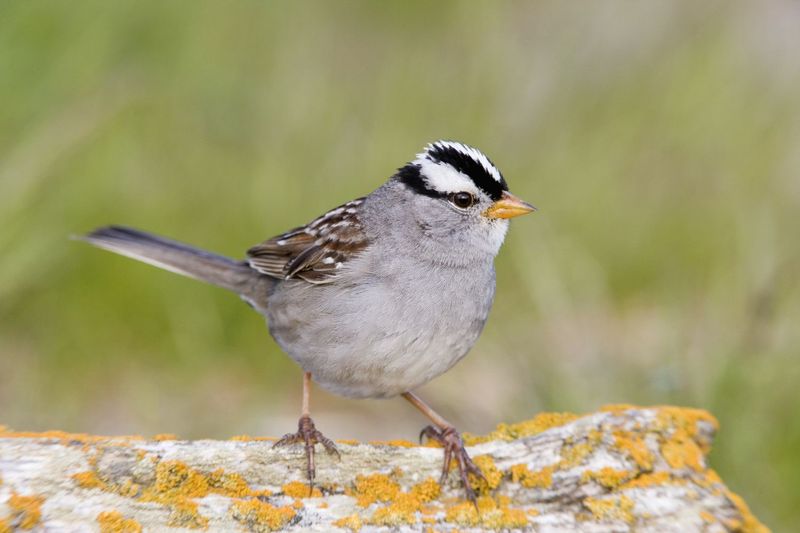
Bold black-and-white stripes on the head make this sparrow look like it is wearing a tiny referee cap. White-crowned sparrows travel down from Canada and the Rockies and often show up in small flocks by late October.
Look down, not up, to find them. They prefer scratching on the ground beneath feeders, picking up millet and fallen sunflower chips.
A low brush pile or a clump of native grasses nearby gives them a quick hiding spot from hawks. Young birds have brown and tan stripes instead, so a mixed flock can look like two different species at first glance.
4. American Goldfinch
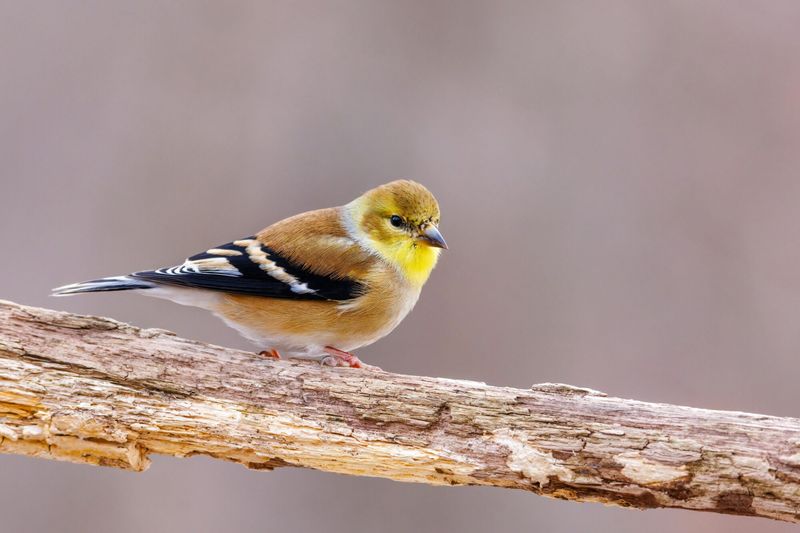
Expecting bright yellow? Winter goldfinches arrive dressed in muted olive and tan, and plenty of Texans mistake them for a totally different bird.
By late winter, males start molting back into gold, sometimes in patchy stages that look a little messy. Watching that change on your feeder in February is a fun preview of spring.
Nyjer seed in a tube or sock feeder is their favorite, along with sunflower hearts. Keep seed fresh and dry, since damp nyjer spoils fast and the flock may move on.
5. Pine Siskin
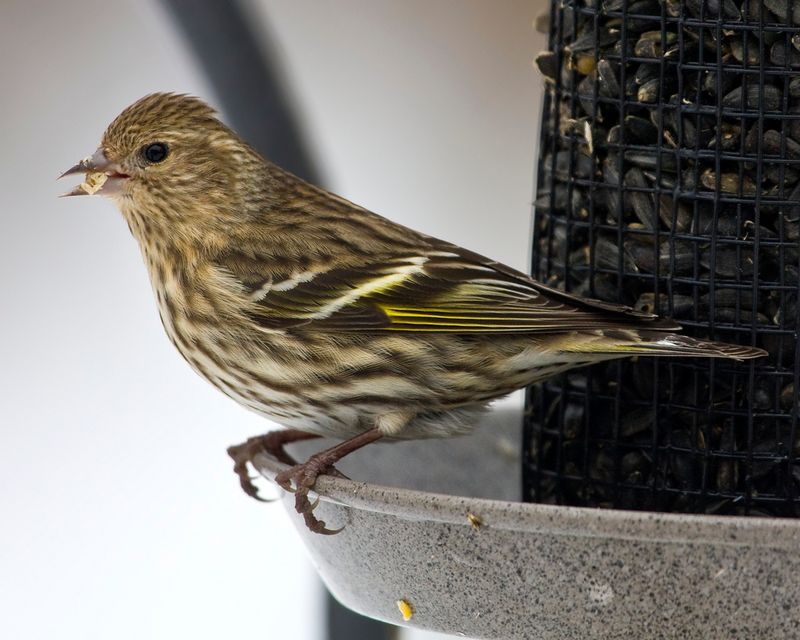
Some winters they flood in by the dozens, and other years you may not see a single one. Pine siskins are irruptive, which means their travels depend on seed crops far to the north.
These streaky little finches show a flash of yellow on the wings when they fly. They often feed shoulder to shoulder with goldfinches and can be surprisingly pushy.
Crowded siskin flocks can spread salmonella at feeders. Clean feeders every week or two with a weak bleach solution, and spread out feeding spots if you notice a sick or fluffed-up bird.
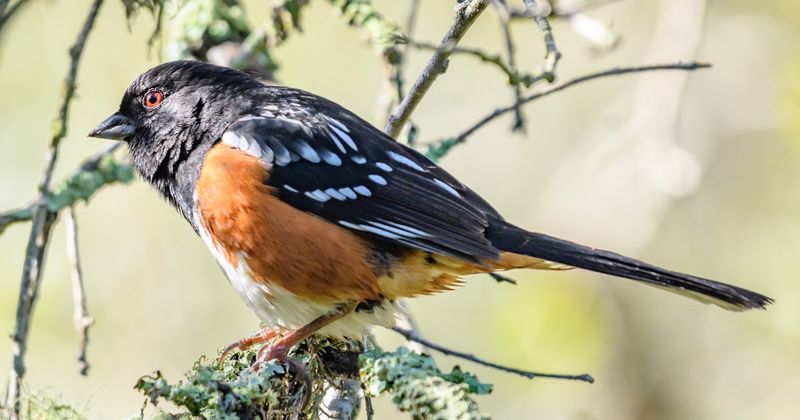
6. Spotted Towhee
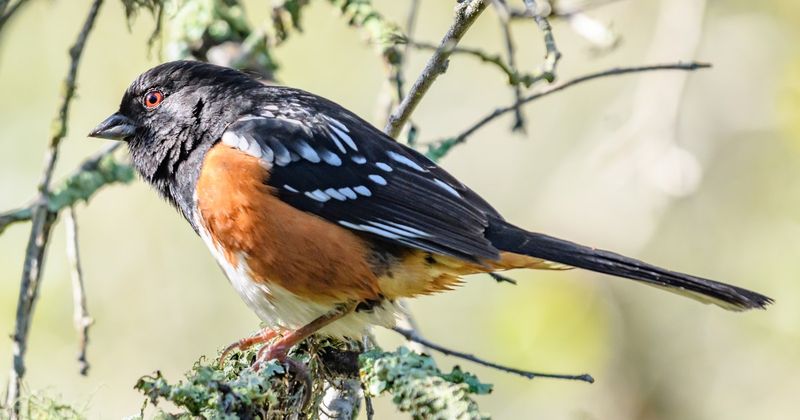
Hear a loud rustle in the dry leaves and expect an armadillo? It might be a spotted towhee doing its signature two-footed backward hop, kicking leaves aside to find seeds and bugs.
The black hood, rusty sides, and white-spotted wings make it one of the handsomest winter guests around. It prefers thick cover, so it rarely lands on a hanging feeder.
Skip raking every corner this fall. A messy bed under agarita or evergreen sumac, plus some scattered seed on the ground, gives towhees a good reason to stay through spring.
7. Dark-eyed Junco
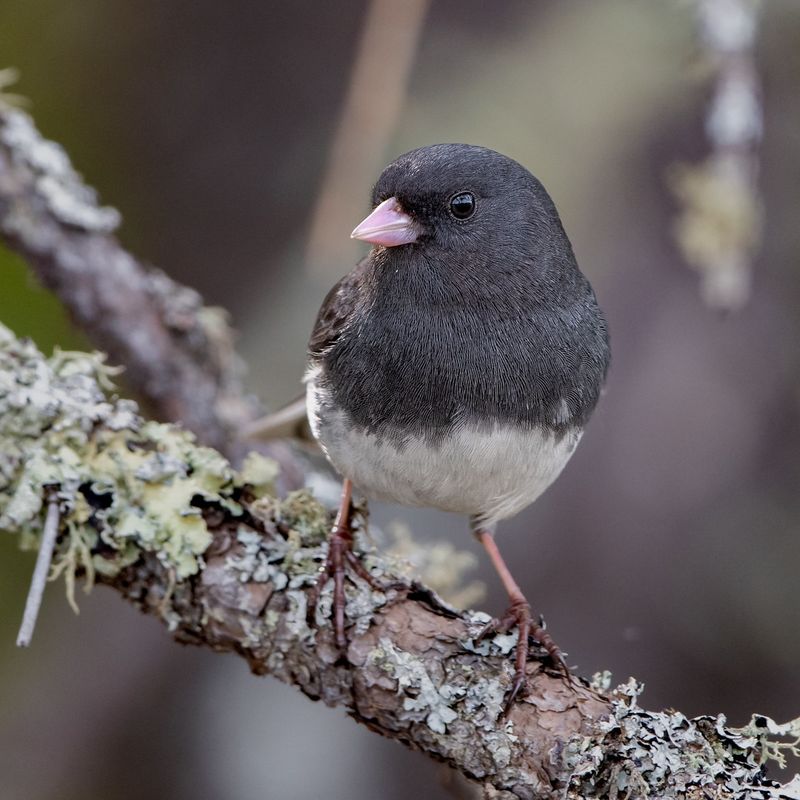
Old-timers in colder states call juncos snowbirds, since their arrival meant winter was near. In Central Texas they are less common than up north, so a junco under your feeder is a real treat.
Watch for white outer tail feathers flashing as one flies off. That quick flash is a handy ID clue.
Juncos feed on the ground like sparrows, choosing millet and cracked corn. Hill Country yards with nearby cedar or brush tend to see them more often than open suburban lots.
8. Cedar Waxwing
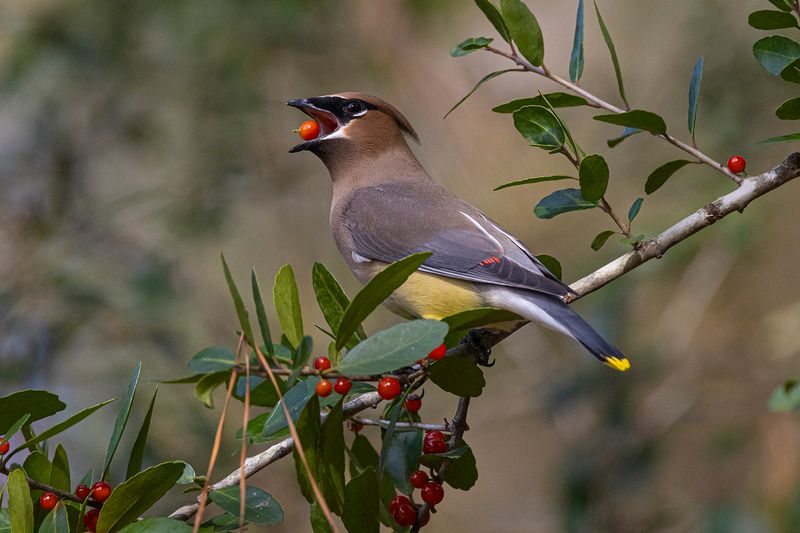
Sleek, crested, and wearing a black bandit mask, cedar waxwings look almost too polished to be real. They usually arrive later than the others, often around December, and some stick around into May.
Seed feeders hold no interest for them. Waxwings live on fruit, swarming yaupon holly, possumhaw, and hackberry in noisy flocks that can strip a shrub in an afternoon.
Planting berry-producing natives is the best way to host them. A shallow birdbath also helps, since flocks love to drink and bathe together, and fresh water matters during dry Texas winters.