
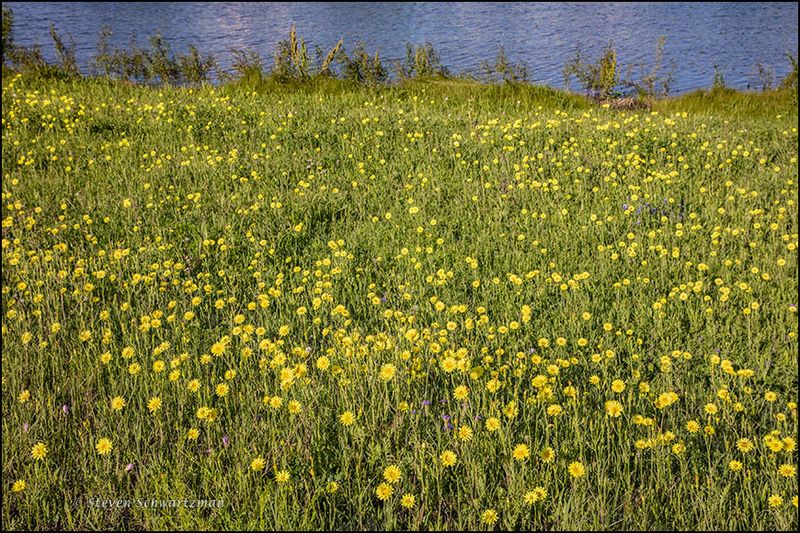
Every spring, a cheerful yellow flower pops up across Central Texas lawns, and most homeowners yank it out without a second thought. Before you reach for the shovel or the spray bottle, it is worth taking a closer look, because that plant might be Texas dandelion, a native annual wildflower with a real story behind it.
Whether to keep it or remove it comes down to what the plant actually is and what you want from your yard.
That yellow lawn plant may be Texas dandelion
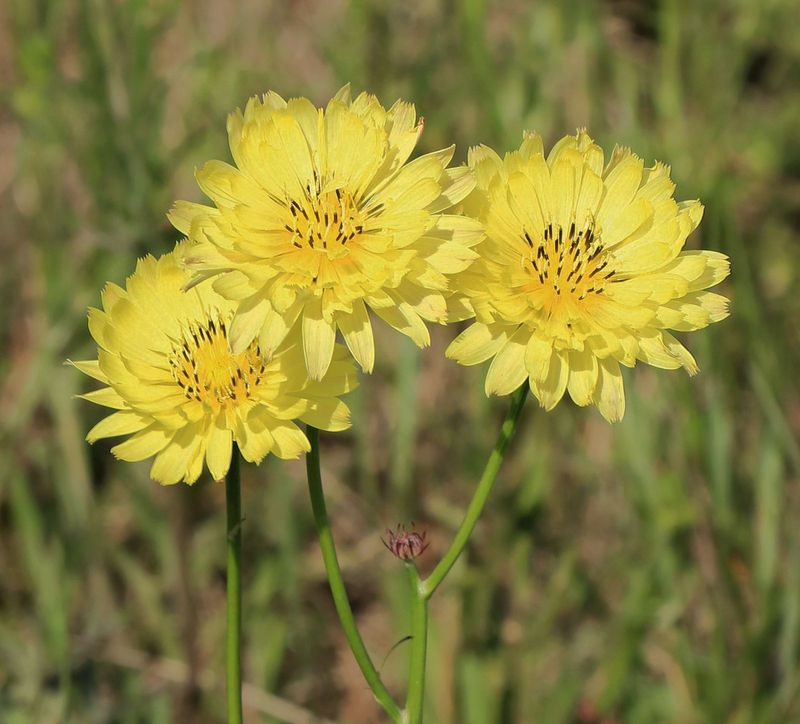
Yellow flower, Central Texas lawn, spring season. Those three details point toward one possible plant, but they cannot confirm it.
The yellow-flowered broadleaf showing up in your grass may be Texas dandelion, also called false dandelion or smallflower desert-chicory, but color and location alone are not enough to make that call with confidence.
Texas dandelion, known scientifically as Pyrrhopappus pauciflorus, is a native annual wildflower. Texas A&M AggieTurf’s profile of the plant describes it as a broadleaf turf weed with a basal rosette, hairy stem, and solitary yellow flower heads, while the Native Plant Society of Texas describes it as a non-invasive native that blooms in spring and draws small pollinators.
Those are meaningful traits, but only after you have verified that the plant in front of you actually has them.
Several other yellow-flowered broadleaf plants grow in Central Texas turf, so the identification step matters before anything else. This article walks through the visual clues that separate Texas dandelion from its look-alikes, explains what limited ecological value an identified plant can offer, and lays out your real options: keep a patch, manage it around mowing, or remove it when formal turf is the priority.
Check the leaves and stem before naming it
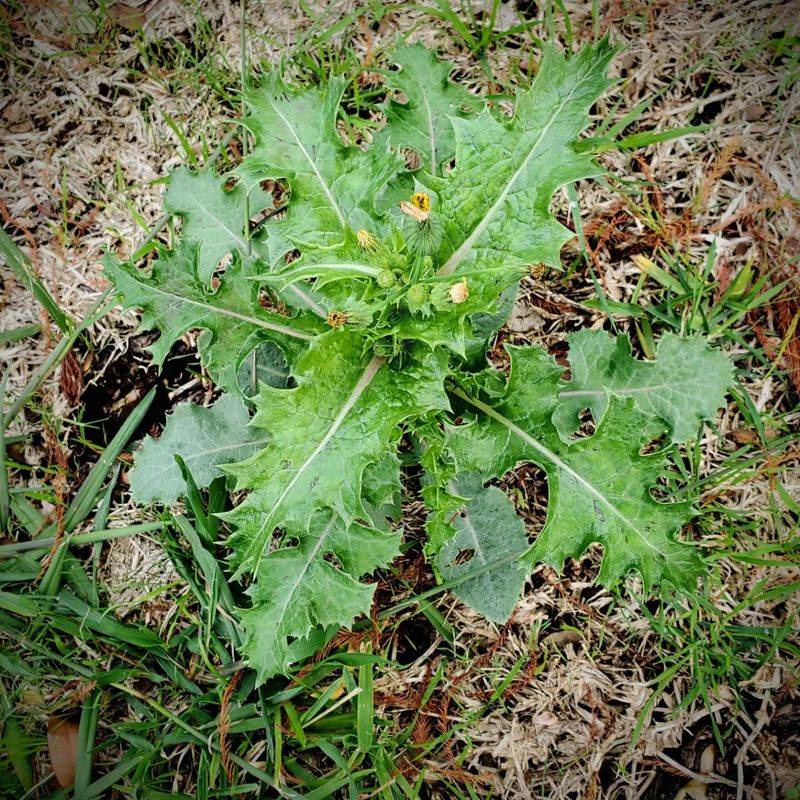
Flower color is the last thing to check, not the first. A reliable identification of Texas dandelion starts at ground level, with the leaf arrangement, and works upward to the stem and flower structure.
Getting those details right is what separates a confident identification from a guess.
Start with the leaves. AggieTurf’s Texas dandelion entry describes alternate, deeply lobed leaves arranged in a basal rosette, meaning the leaves radiate outward from a central point at or near the soil surface.
The lobes are pronounced and irregular, not gently scalloped. Next, run a finger along the stem.
Texas dandelion has a pubescent stem, which means it feels noticeably hairy or fuzzy rather than smooth. That texture is a useful distinguishing clue that holds up even when other features are less obvious.
At the top of the stem sits a solitary flower head made up entirely of yellow ligulate, or strap-shaped, ray florets. There is typically one head per stem, not a branching cluster.
The USGS plant profile for this species notes the plant stands roughly 0.3 meters tall and flowers from February through June across its documented range, which aligns with the spring bloom window familiar to Central Texas homeowners.
Taken together, basal rosette with deeply lobed leaves, hairy stem, and one solitary yellow flower head per stem make a more reliable checklist than color alone. Even so, a written description has limits.
If the plant’s features are unclear or several possibilities seem equally plausible, a clear photograph submitted to a local Texas A&M AgriLife Extension office or a plant-identification app reviewed by a botanist will give you a more dependable answer than any field description can.
True dandelion and other turf plants can look similar
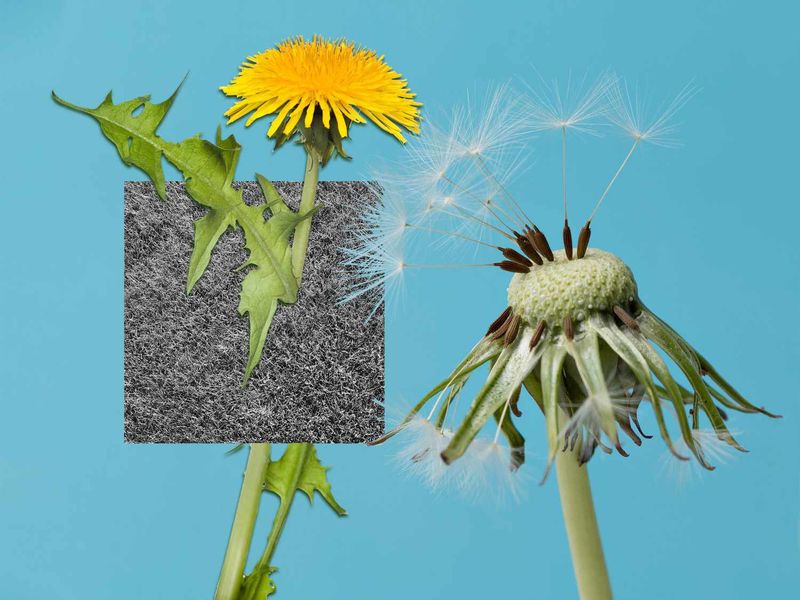
A quick glance at a yellow flower rarely settles the question. Several plants that grow in Central Texas turf share enough surface features to create real confusion, and common names make the problem worse rather than better.
True dandelion, Taraxacum officinale, is one of the most frequent mix-ups. Texas A&M treats true dandelion as a separate species from Texas dandelion, and the distinction matters practically.
True dandelion is a tap-rooted perennial, meaning it comes back year after year from the same root. Texas dandelion is listed by AggieTurf as an annual, completing its cycle and dying off each season.
Both produce yellow flower heads on leafless stems rising from a basal rosette, which is exactly why a casual look can mislead. The leaf lobing pattern and stem texture, as described in the previous section, are more reliable separators than flower color.
Yellow woodsorrel (Oxalis species) is another yellow-flowered broadleaf that turns up in Texas lawns, and the AggieTurf weed guide lists both Texas dandelion and yellow woodsorrel among common Texas turf weeds. Woodsorrel has heart-shaped leaflets arranged in threes, a completely different structure from the lobed, elongated leaves of Texas dandelion.
Spotting that leaf difference quickly rules one out.
Common names add another layer of uncertainty. The label “false dandelion” gets applied to multiple plants in botanical databases, and related Pyrrhopappus species appear across the Southwest, so not every plant called a false dandelion belongs to Pyrrhopappus pauciflorus specifically.
The ITIS taxonomic record for Pyrrhopappus pauciflorus confirms it as a distinct accepted species native to the continental United States, but that classification only helps when you have confirmed you are looking at that specific plant.
One more concept worth clarifying: the word “weed” describes a plant’s situation, not its character. Texas A&M’s weed management guidance frames weeds contextually, meaning a plant can be desirable in one setting and unwanted in another.
Texas dandelion can be both a native wildflower and a lawn weed depending entirely on where it is growing and what the homeowner needs from that space.
Its value is seasonal and modest
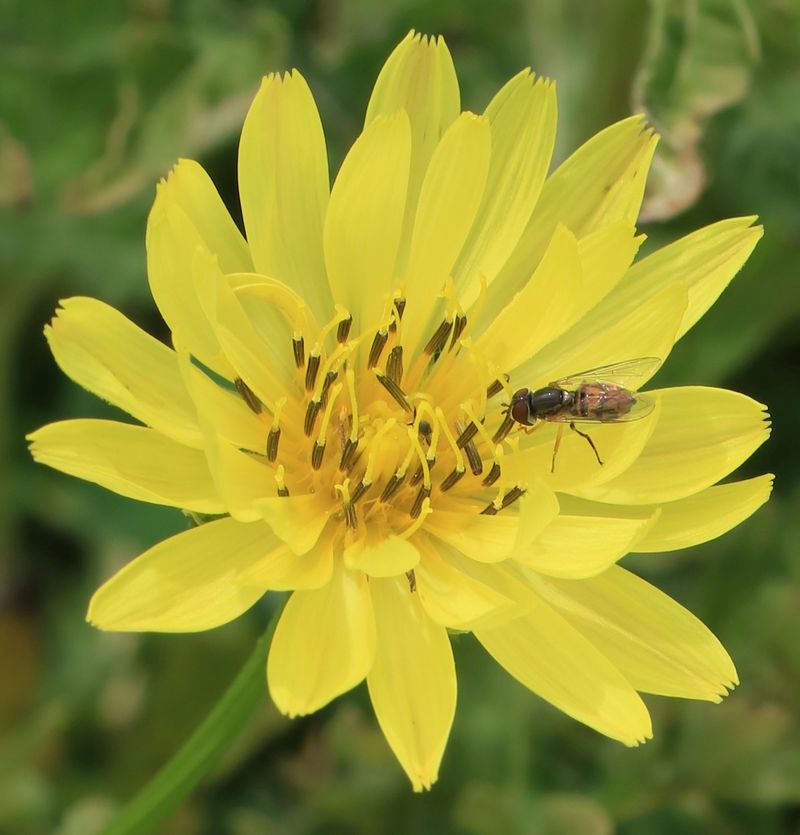
Texas dandelion is an annual, which means it germinates, flowers, sets seed, and dies within a single growing season. The Native Plant Society of Texas describes its typical bloom window as March through June, which lines up with the warm-up period when Central Texas homeowners first notice the plant spreading through their grass.
Once summer heat peaks, the plant is already finished.
During that spring window, an identified Texas dandelion can serve as a pollen and nectar source for flower-visiting insects. Bees, butterflies, flies, beetles, and wasps all visit native flowering plants for food, and a blooming Texas dandelion patch offers at least some of that resource during the months when it is open.
The USGS plant profile places it in open grasslands, uplands, lawns, and roadsides, often in dry clay or sandy-loam soils, which describes a lot of Central Texas backyard conditions.
Keep the ecological claim in proportion, though. Texas Parks and Wildlife points out that effective pollinator support depends on diverse plantings with a succession of blooms across multiple seasons, not on any single species.
One Texas dandelion plant, or even one small patch, adds a brief seasonal food source to the yard. That is genuinely useful, but it does not make the plant indispensable or superior to a more varied native planting.
Think of it as one piece of a larger picture rather than a complete solution on its own.
Keep a patch if it fits the way you use the yard
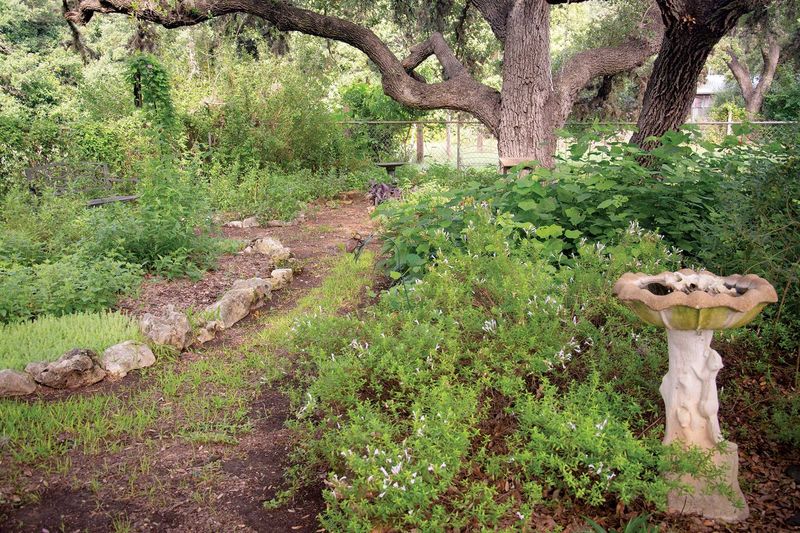
Keeping a small, positively identified patch of Texas dandelion is a reasonable choice for homeowners who want a bit of seasonal color and are open to supporting flower-visiting insects during the spring months. The key phrase there is “positively identified.” Deciding to leave a plant in place works best when you know what you are working with, not when you are going on a guess.
One practical approach for managing a desired patch is to mow around it while it is actively blooming, then allow it to finish, dry, and drop seed before resuming normal mowing over that area. Texas Parks and Wildlife recommends letting native wildflowers complete their bloom cycle and drop seed before mowing managed wildflower areas.
That guidance is written for wildflower habitat management, so applying it to a small lawn patch means adapting the principle rather than following it as a strict rule. If your mowing schedule, household traffic, or neighbor expectations make a delayed-mow area impractical, that is a perfectly legitimate reason to skip this approach.
Location matters a lot when deciding whether retention makes sense. A corner of the backyard away from foot traffic and play areas is a far better candidate for a kept patch than the front lawn strip along a walkway.
The Native Plant Society of Texas describes Texas dandelion as non-invasive, which means a small patch is unlikely to aggressively crowd out surrounding turf, but it will produce seed that can spread to other parts of the lawn over time. Keeping the patch contained to a spot that suits your yard’s layout gives you the seasonal benefit without letting the plant gradually show up everywhere you did not intend.
Retention is an option, not an obligation. Some yards, some neighborhoods, and some homeowner goals simply do not accommodate a patch of unmowed wildflowers, and that is a completely valid position to hold.
Build pollinator value beyond one yellow flower
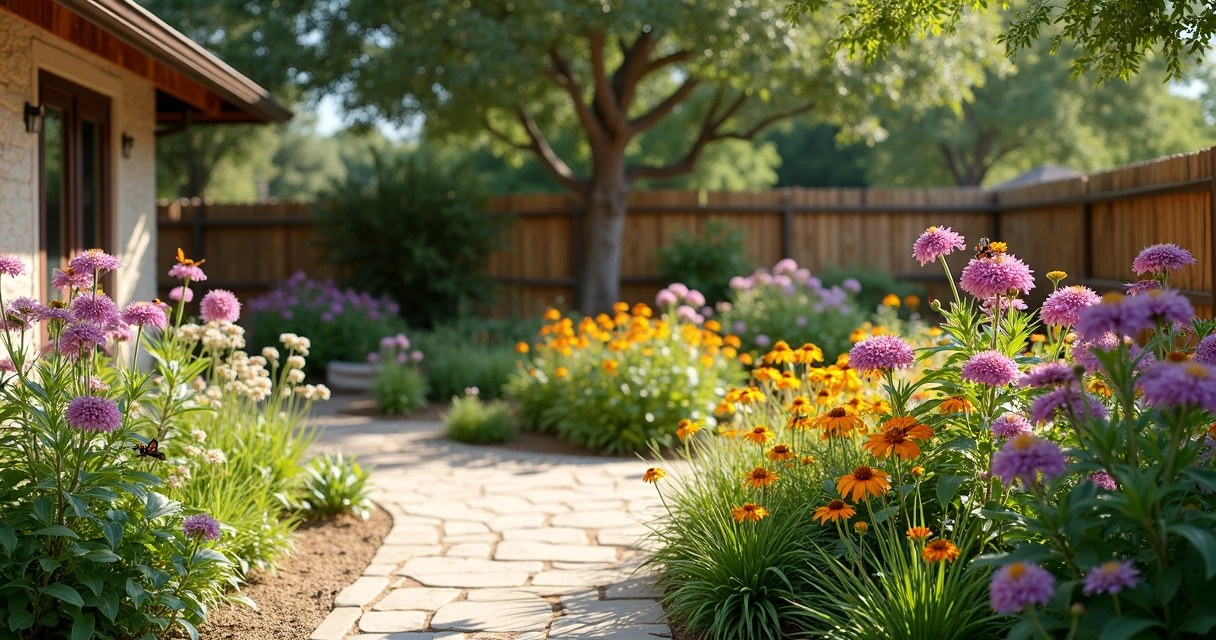
Leaving one Texas dandelion patch is a start, not a finish. Homeowners who genuinely want to support pollinators in their Central Texas yard will get far more traction from building a diverse planting than from protecting a single native annual.
Texas Parks and Wildlife’s native bee habitat guidance outlines what pollinator-friendly yards actually need: a variety of flowering native plants, a succession of blooms from spring through fall, nesting resources such as bare soil patches and hollow stems, and reduced pesticide exposure. No single plant species checks all of those boxes, and TPWD’s pollinator-efficiency guidance makes clear that effective habitat depends on floral diversity and bloom timing across multiple seasons, not on the presence of any one plant.
TPWD’s native plant and pollinator management guide suggests aiming for at least three plant species flowering in each of two or three seasons where practical. For a Central Texas homeowner, that might mean pairing a spring-blooming plant like Texas dandelion with summer-blooming natives such as Turk’s cap or black-eyed Susan, and then adding a fall bloomer like Gregg’s mistflower to carry the season through.
That kind of layered planting gives visiting insects a reliable food supply across a much longer window than any single species can provide.
Reduced pesticide use is equally important. Even a yard full of native flowers provides limited benefit if broad-spectrum insecticides are applied regularly, because those products affect beneficial insects along with target pests.
Keeping Texas dandelion around while spraying the surrounding lawn indiscriminately works against the very goal it is meant to support. A measured, targeted approach to pest management pairs better with any pollinator-friendly planting decision.
Remove it only after identifying the target
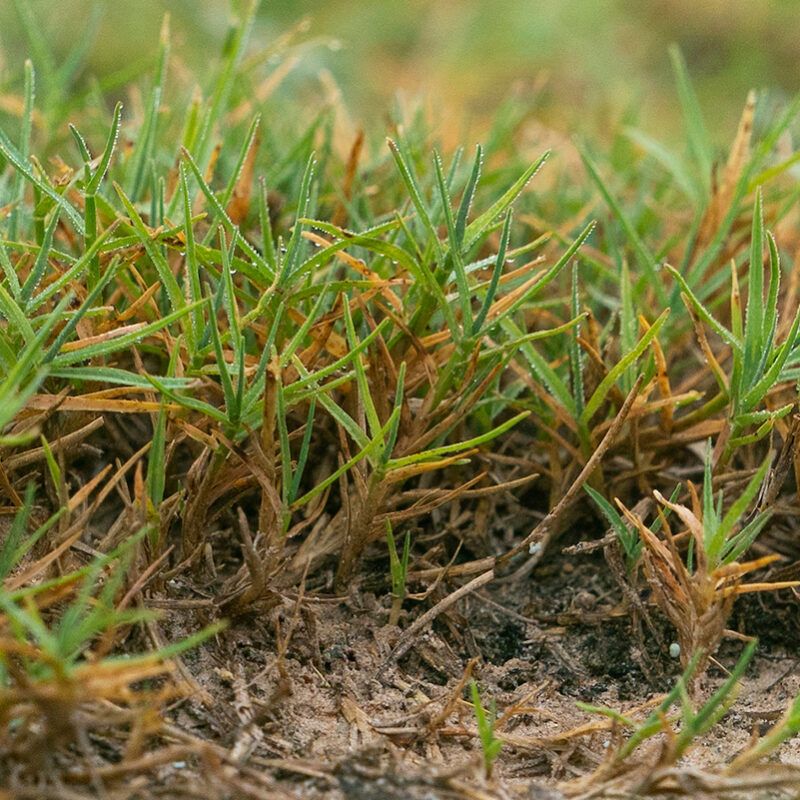
Formal turf is a completely legitimate lawn goal, and removing an unwanted broadleaf plant from your grass is a reasonable choice. The practical caution is not about whether to remove it, but about doing the job accurately so you treat the right plant with the right tool without damaging the surrounding turf.
Start by confirming what you have. Texas A&M’s turfgrass weed guide advises homeowners to determine whether a plant is a broadleaf, grass, or sedge and to identify the species before reaching for a herbicide, because effectiveness varies by weed type and by the turfgrass growing around it.
Treating without that information risks choosing a product that misses the target, harms the lawn, or both. A clear photo compared against AggieTurf’s weed profiles or submitted to a local AgriLife Extension office is a practical first step.
Turf health is your first line of defense against many broadleaf plants. Texas A&M’s bermudagrass home lawn management calendar describes a dense, actively growing turf as one of the best tools for keeping weeds from establishing in the first place.
Proper mowing height, adequate irrigation, and seasonal fertilization give the grass a competitive advantage that reduces how much chemical intervention you need over time.
When a herbicide is appropriate, spot treatment is more practical than a blanket application when the unwanted plant is limited to a small area. Texas A&M’s preemergence herbicide guide and its companion resources are clear that product selection must account for both the target weed and the turfgrass species, and that every label instruction, including application rate, timing, environmental restrictions, and required protective equipment, must be followed exactly.
No article can substitute for reading the label of the specific product you are using in your specific lawn.
Choose the outcome that matches your lawn
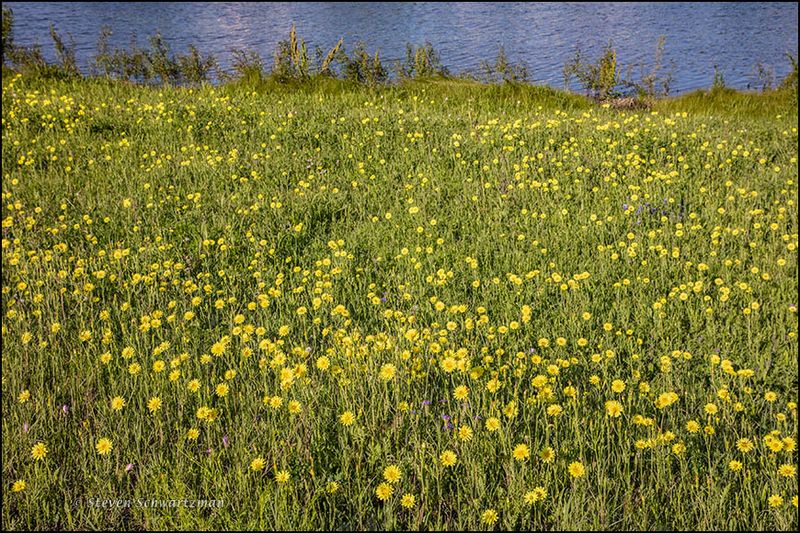
Three paths are available once you have confirmed the plant in your lawn is Texas dandelion. Keep a small patch in a low-traffic area if seasonal color and a brief pollen-and-nectar window fit what you want from the yard.
Manage it around your mowing schedule if a middle-ground approach works for your space and your neighbors. Remove it and focus on turf health if a uniform, formal lawn is the priority.
All three are legitimate, and none requires an apology.
Texas A&M’s weed management framework frames “weed” as a contextual label, and AggieTurf lists Texas dandelion as a broadleaf turf weed even while it qualifies as a native wildflower. Both descriptions can be accurate at the same time, depending on where the plant is growing and what the homeowner needs from that space.
The label you apply matters less than the decision you make based on an honest identification.
Whatever you decide, TPWD’s wildflower guidance and Texas A&M’s weed resources both point to the same starting place: know the plant before you act on it. A yellow flower in a Central Texas lawn is a prompt to look more closely, not a final answer.
The yard you end up with should reflect your goals, not a reflex.