
Fall cleanup fills your yard with leaves, spent tomato vines, and kitchen scraps that seem perfect for the compost bin. Some of those items can slow your pile down, spread plant disease, or draw raccoons and rats to your backyard.
In the South, where piles stay warm and active well into winter, a few bad additions can cause problems fast. Here are 12 things to keep out so your compost turns into rich, crumbly food for next spring’s garden.
1. Diseased Tomato and Squash Vines
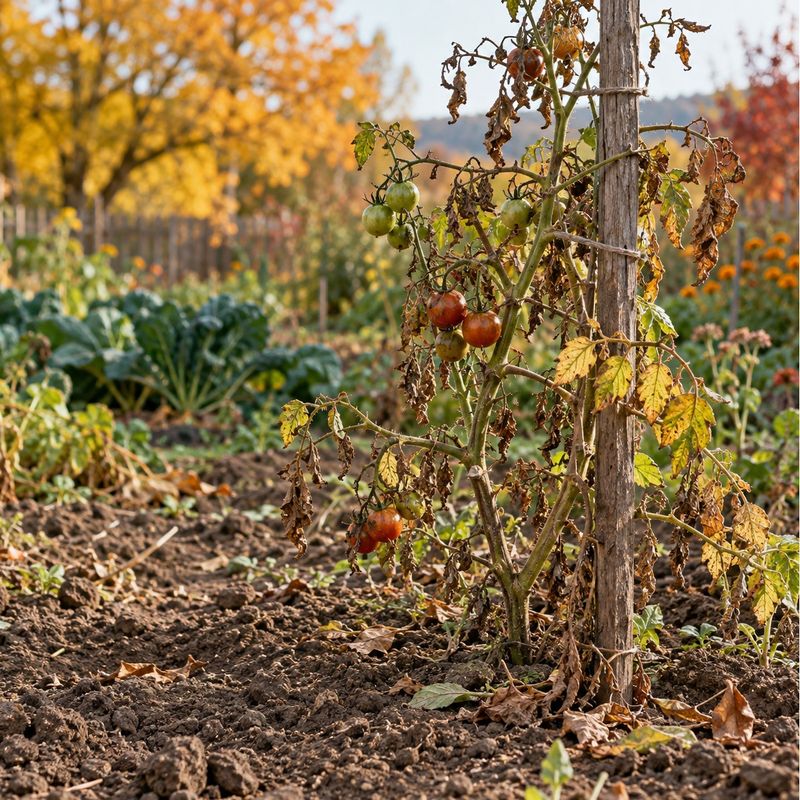
Pulling out tired tomato plants in October feels like closing a chapter. Before those vines hit the bin, take a hard look at the leaves.
Brown spots, yellow blotches, or white powder often point to early blight, septoria leaf spot, or powdery mildew.
Many home compost piles never get hot enough to kill these pathogens. Most backyard bins hover well below the 140 to 160 degrees needed for several days in a row.
That means spores may survive the winter and ride right back into your beds when you spread the finished compost next spring.
Squash and zucchini vines carry similar risk, especially if mildew coated them in late summer. Cucumbers with bacterial wilt are another plant to keep out.
Once disease gets established in your soil, it can be frustrating to shake.
A safer move is bagging infected plants for the trash or yard waste pickup. Healthy vines with no spots can still go in, ideally chopped into smaller pieces so they break down faster.
If you are unsure, err on the side of caution.
Your future tomatoes will likely thank you with cleaner foliage and fewer mid-season problems.
2. Weeds That Have Gone to Seed
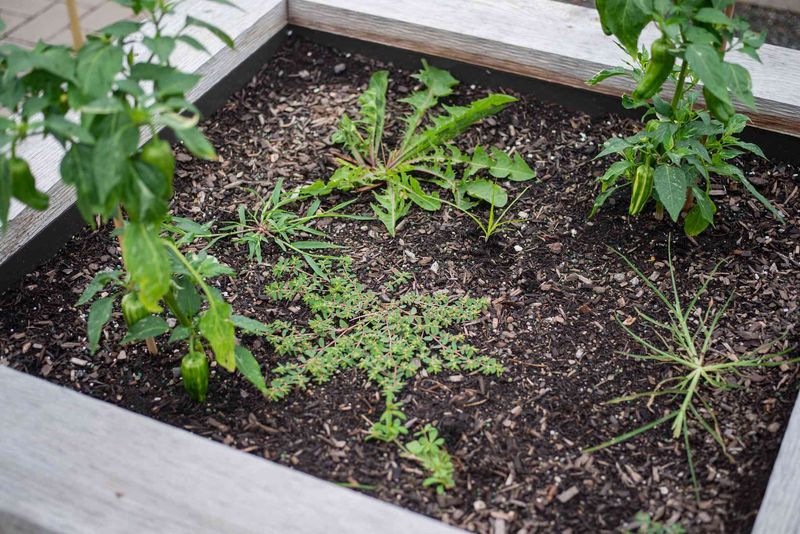
Picture spreading beautiful dark compost in March, only to watch a carpet of pigweed sprout two weeks later. Plenty of gardeners have lived that exact scene.
The culprit is usually weeds tossed in after they already set seed.
By fall, crabgrass, nutsedge, pigweed, and Florida betony are often loaded with seeds or underground tubers. A single pigweed plant can produce many thousands of seeds.
Unless your pile stays hot for a sustained stretch and gets turned often, a lot of those seeds may survive.
Runners and rhizomes are another headache. Bermudagrass and nutsedge can regrow from small pieces, so tossing them in is a bit like planting them on purpose.
There are smarter options. Young weeds pulled before flowering are generally fine to compost.
For seedy or spreading weeds, try drowning them in a bucket of water for a few weeks, or bake them in a black trash bag in the sun before adding the sludge to your pile.
When in doubt, send the worst offenders out with the trash. Your spring beds stay cleaner, and you spend far less time on your knees pulling weeds.
3. Thanksgiving Meat and Bones
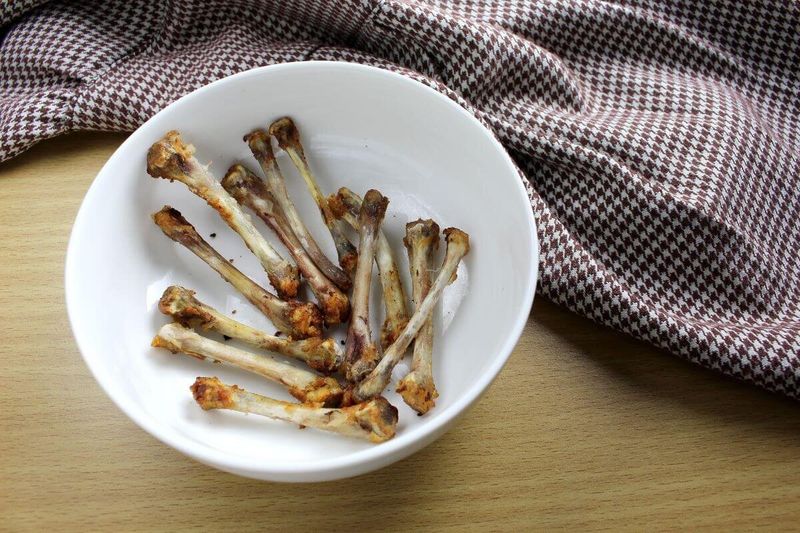
Holiday cooking produces a mountain of scraps, and the turkey carcass is the one that tempts people most. Resist the urge.
Meat and bones are among the fastest ways to turn a tidy compost bin into a raccoon buffet.
Animal products break down slowly and smell strongly as they rot. That odor may draw raccoons, opossums, rats, armadillos, and neighborhood dogs, all of whom are happy to dig through your pile at night.
In parts of Texas and Florida, coyotes have been known to investigate too.
Beyond the critters, rotting meat can harbor bacteria that a typical backyard pile may not fully destroy. Spreading that compost around lettuce or carrots is not a risk worth taking.
Fish scraps, chicken skin, and seafood shells from a fall fish fry belong in the same category. They smell even worse in warm Southern weather.
Freeze bones until trash day, or simmer them into stock first and then toss them. Vegetable trimmings like celery ends, onion skins, and potato peels from your holiday prep are excellent compost material.
Keep the plant scraps and skip the animal ones for a pile that stays peaceful.
4. Greasy Foods and Cooking Oil
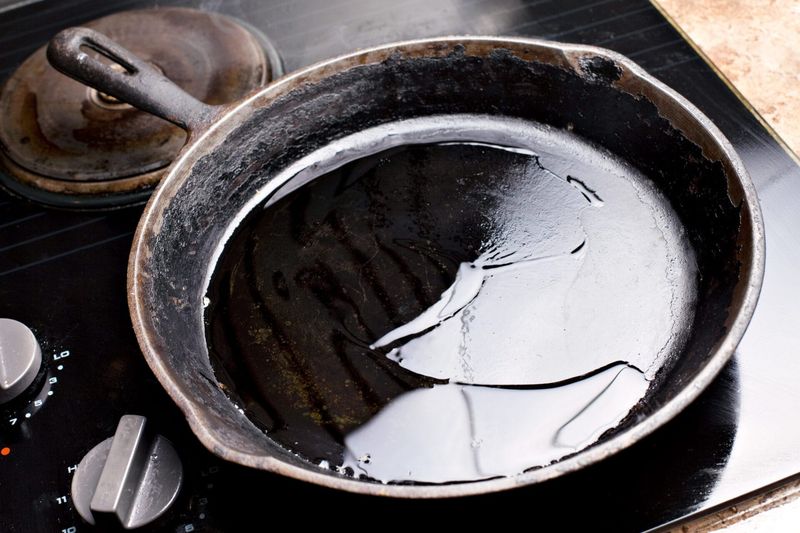
Fried okra night was a success, but that leftover skillet grease does not belong in your compost. Fats and oils quietly gum up the works.
Oil coats bits of organic matter and blocks air and water from reaching the microbes doing the decomposing. The result can be a slow, soggy, smelly pile that seems to stall for months.
Greasy patches often turn anaerobic, which brings that sour, rotten egg smell nobody wants near the patio.
Grease also acts like a dinner bell. Bacon fat and deep fryer oil are especially attractive to rodents and raccoons, and in warm Southern falls that smell travels far.
Small amounts, like a slightly oily paper towel, usually do little harm in a big active pile. The problem shows up with steady additions: buttery leftovers, salad dressing, pizza crusts, or the whole pan of turkey drippings.
Let cooking grease cool, pour it into an old can or jar, and toss it with household trash. Some cities collect used cooking oil for recycling, so it may be worth a quick check.
Wipe pans with paper towels and keep those greasy towels out too. Your pile will stay fluffy and active.
5. Dairy Products
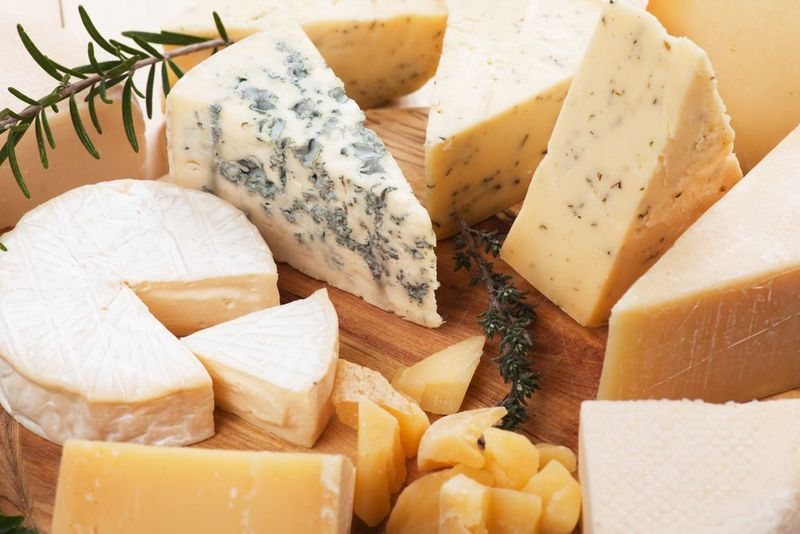
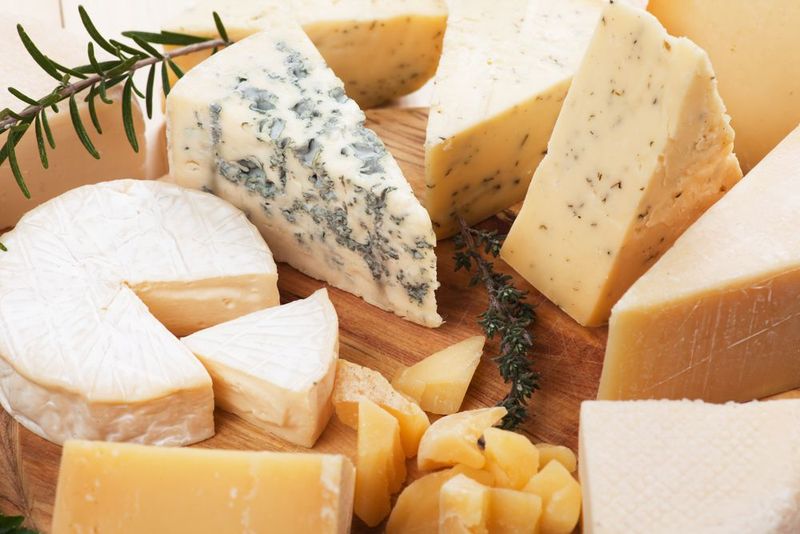
Cheese rinds, sour milk, and the last spoonfuls of yogurt seem harmless enough. After all, they came from a natural source.
Yet dairy is one of those additions that tends to cause more trouble than it is worth in a home pile.
As milk products break down, they can produce a strong sour smell. In the mild, humid fall weather common across Florida and the Gulf Coast, that odor builds quickly.
Flies, rodents, and curious pets often follow their noses straight to your bin.
Dairy also contains fat, which slows decomposition in the same way cooking oil does. A clump of moldy cheese can sit in the pile for a surprisingly long time while everything around it turns to soil.
Fun fact: commercial composting facilities can often handle dairy because their piles run much hotter and are carefully managed. Your backyard setup usually is not built for that.
If you have a large amount of spoiled milk, pouring it down the drain with plenty of water is one option. Small dairy scraps go in the trash.
Eggshells, on the other hand, are welcome additions, especially when crushed, and may add a little calcium to finished compost.
6. Pet Waste From Dogs and Cats

Scooping the yard during fall cleanup leads to an obvious question: can all this go in the compost? For dog and cat waste, the answer for food gardens is a firm no.
Pet waste from carnivores can carry roundworms, hookworms, toxoplasma, and harmful bacteria. Some of these parasites are remarkably tough and can survive for long periods in soil.
Home compost piles rarely reach the sustained high temperatures needed to reliably kill them.
Spreading that compost around your peppers, cucumbers, or fall greens may put your family at risk. Kids playing in the garden are especially exposed.
Used cat litter adds another problem. Clay litters do not break down, and scented ones may contain chemicals you do not want near edible plants.
This is different from manure from plant-eating animals. Well-aged rabbit, chicken, horse, and cow manure are classic compost boosters that many gardeners love.
If you want to handle dog waste more sustainably, look into a dedicated pet waste digester buried away from vegetable beds and wells. Otherwise, bag it and toss it.
Keeping it out of the compost protects both your harvest and the people who eat it.
7. Glossy Paper and Coated Cardboard
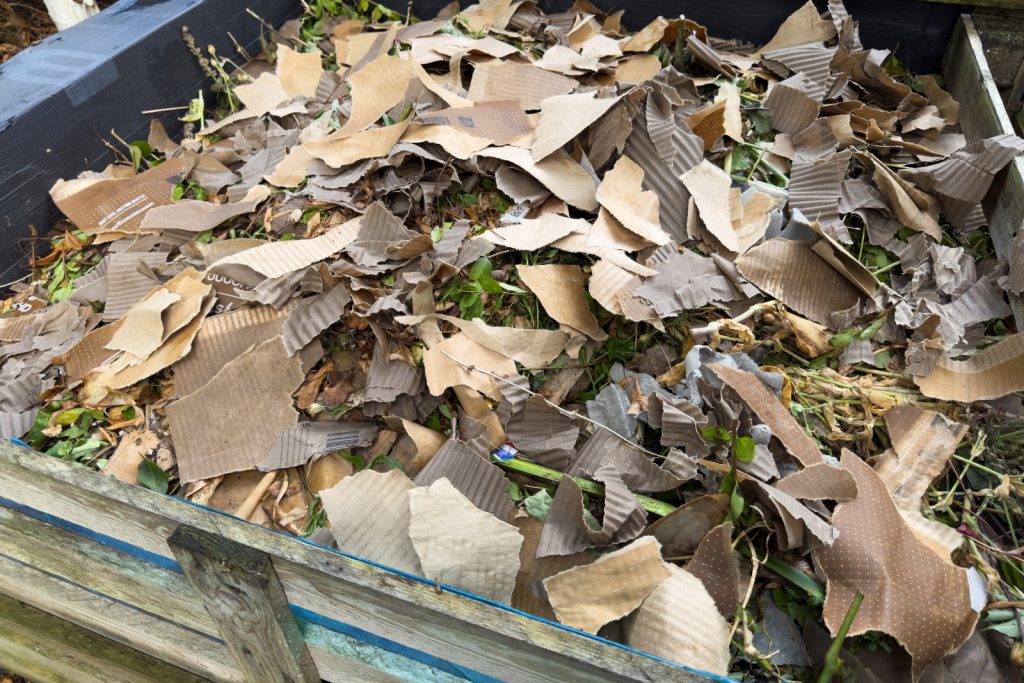
Fall brings a flood of holiday catalogs and shipping boxes. Plain brown cardboard makes fantastic compost bedding, so it is easy to assume all paper products work the same way.
They do not.
Glossy magazines, shiny sale flyers, and coated boxes often have a clay or plastic finish. That coating slows breakdown and can leave behind tiny bits of plastic that never truly disappear.
Some colored inks and finishes may also contain compounds you would rather not mix into your vegetable soil.
Here is a quick test: if paper feels slick, crinkles like plastic, or resists tearing, leave it out. Plain newspaper, paper egg cartons, brown paper bags, and uncoated corrugated cardboard are all excellent sources of carbon.
Watch out for fast food containers and paper plates too. Many have a plastic lining to keep grease from soaking through, even when they look like plain paper.
Tape and shipping labels are small but annoying. Peel them off before tearing cardboard into strips.
Shredded cardboard balances wet kitchen scraps beautifully and helps prevent that soggy, smelly mess. A little sorting now gives you cleaner compost later.
8. Black Walnut Leaves and Hulls
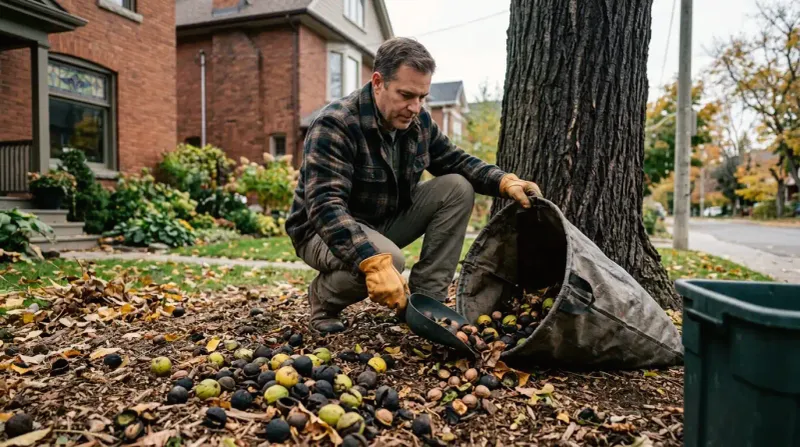
Few trees cause as much quiet garden drama as the black walnut. Its roots, leaves, and especially its nut hulls contain juglone, a natural chemical that can stunt or kill many nearby plants.
Tomatoes, peppers, potatoes, and eggplant are notoriously sensitive. Gardeners in parts of Texas and the upper South sometimes notice tomatoes wilting near walnut trees and never connect the dots.
When raked leaves and hulls go into a compost pile, some juglone may carry over into the finished product. Research suggests it breaks down with time and good airflow, often over several months, but hulls hold onto it longer than leaves.
If you have just a few walnut leaves mixed into a big pile, the risk is usually low, especially if the compost ages well. A whole fall season of hulls is a different story.
The safest plan is composting walnut debris separately and letting it age for six months to a year before use. Avoid using it around tomato family crops.
Other fall leaves, like oak and maple, are generally safe and make excellent carbon. Shredding them first can help them break down faster in your pile.
9. Grass Clippings Treated With Weed Killer
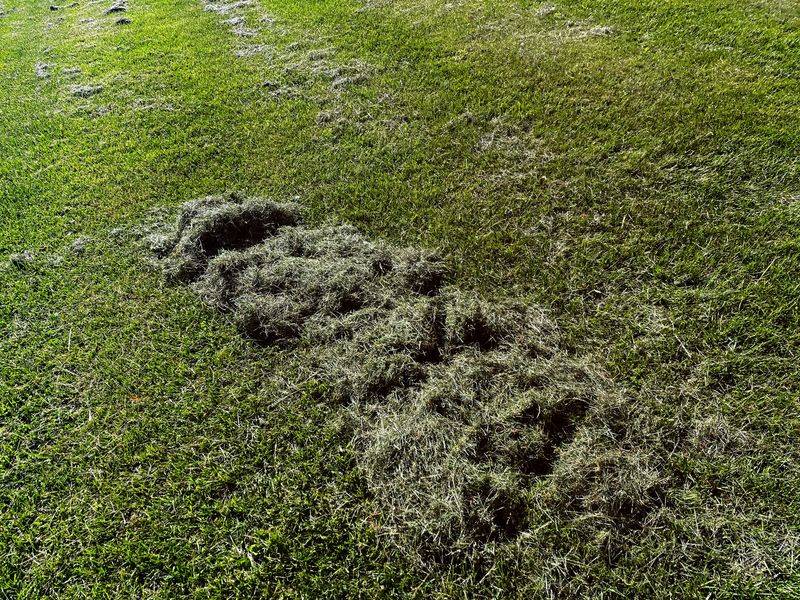
Last mow of the season? Those clippings look like free nitrogen, and often they are.
The catch comes if your lawn, or a neighbor’s lawn you borrowed clippings from, was treated with certain herbicides.
Some broadleaf weed killers, including products containing clopyralid, aminopyralid, or picloram, can persist through composting. Gardeners have reported curled, twisted tomato and bean leaves after using compost made from treated clippings or hay.
Damage can show up even at tiny concentrations.
Many weed and feed products sold for St. Augustine and Bermuda lawns contain herbicides. Product labels often say whether clippings should be kept out of compost or mulch, so check before mixing them in.
Wondering about compost you already made? A simple bean test may help.
Plant a few bean seeds in a pot of the compost and another in plain potting mix. Distorted leaves on the compost side suggest contamination.
Untreated clippings remain a solid addition. Spread them in thin layers and mix with dry leaves to avoid a slimy, smelly mat.
With fall leaves plentiful, you have the perfect brown material to pair with them.
10. Charcoal Grill Ashes
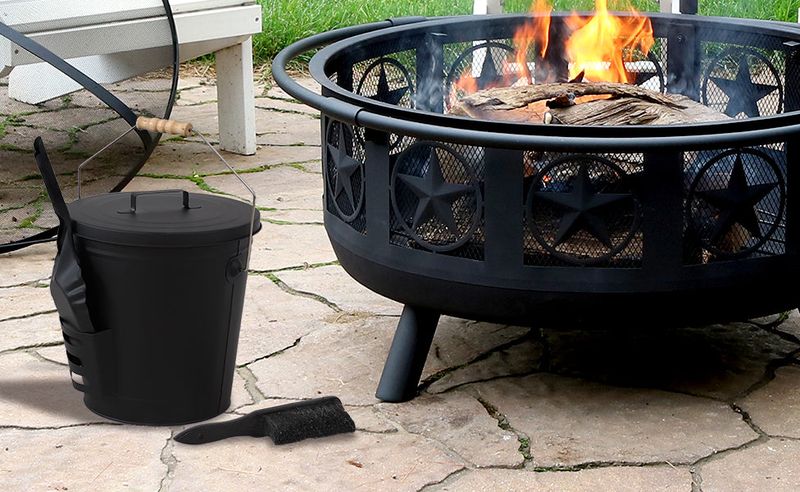
Tailgate season and backyard cookouts leave a grill full of ash. Wood ash gets plenty of praise in gardening circles, so dumping charcoal ash into the compost seems reasonable.
It is one of the sneakier mistakes on this list.
Many charcoal briquettes contain additives like binders, coal dust, and lighter fluid residue. Those leftovers are not something you want working their way into soil where vegetables grow.
Even pure hardwood ash should be used sparingly. Ash is quite alkaline and can raise pH.
Many Texas soils already run alkaline, so adding more may make it harder for plants like blueberries, tomatoes, and peppers to take up nutrients such as iron.
Gardeners with acidic sandy soil in parts of Florida may get some benefit from small amounts of clean wood ash. A soil test before adding any is a smart move.
Leave briquette ashes out entirely. If you burn untreated hardwood in a fire pit, a light dusting in a large pile is usually fine.
Make sure ashes are fully cold first, since hot embers can smolder for days and pose a fire risk.
11. Pressure-Treated or Painted Wood
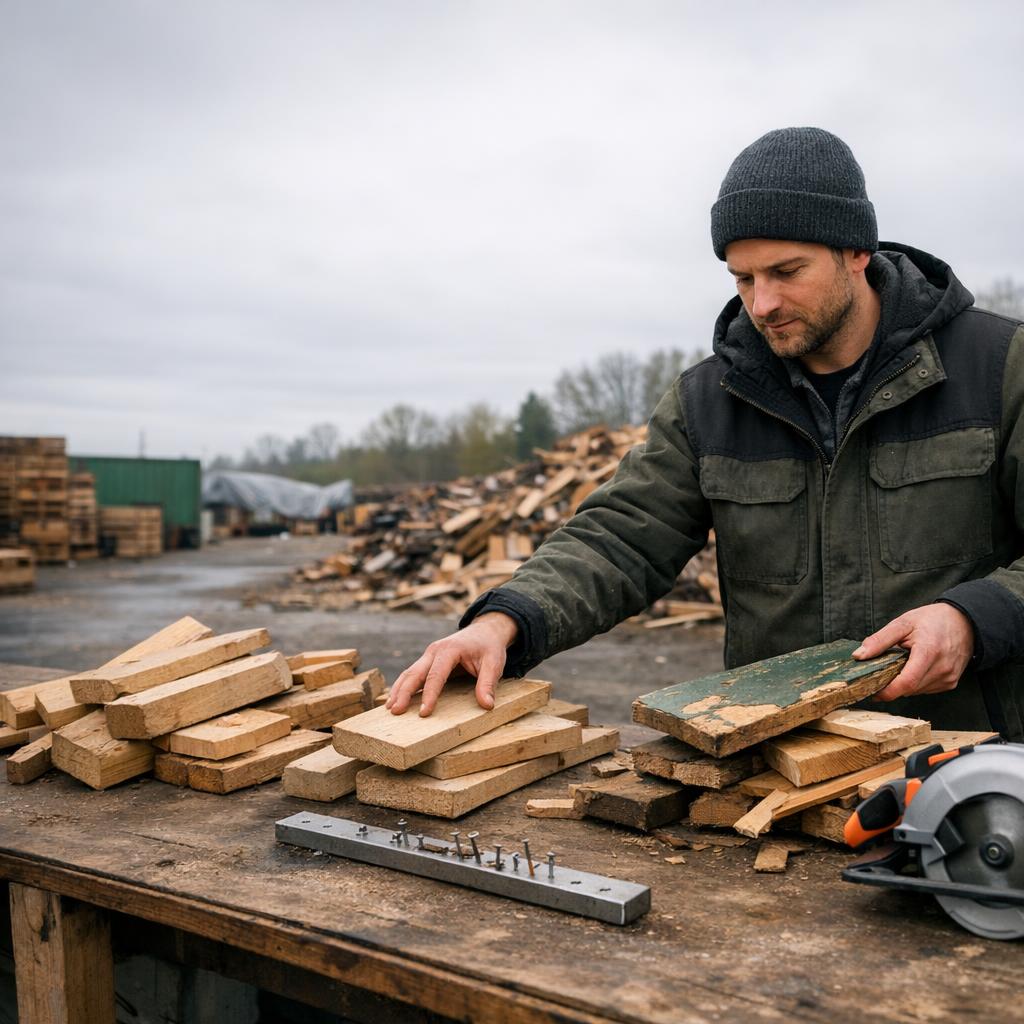
Fall is project season. Maybe you replaced a few fence pickets, rebuilt a raised bed, or tore down an old deck.
Wood is natural, so the scraps belong in compost, right? Not these.
Pressure-treated lumber is infused with chemical preservatives designed to resist rot and insects. Older treated wood, mostly made before 2004, may contain arsenic.
Even newer copper-based treatments are not something you want concentrated around edible plants.
Painted and stained wood carries its own baggage. Older paint may contain lead, and many modern finishes include compounds that do not belong in garden soil.
On top of that, treated wood is built to resist decay, so it will sit in your pile for years without breaking down. Sawdust from these boards is just as problematic, and easier to overlook because it blends right in.
Untreated wood shavings, sawdust from raw lumber, and small twigs make decent carbon sources in moderation. Chop or shred them small, since woody material breaks down slowly.
For treated or painted scraps, check local rules for disposal. Many cities have special drop-off days for construction debris.
Keeping these out protects the soil you work so hard to build.
12. Produce Stickers and Tea Bags With Plastic
Tiny things add up. Every apple peel and avocado skin from fall baking comes with a little sticker, and those stickers are usually made of plastic.
They never break down.
Months later, you may find them scattered across your garden beds like confetti. Gardeners often joke about harvesting a fresh crop of PLU stickers each spring.
Peel them off before scraps go in the kitchen caddy.
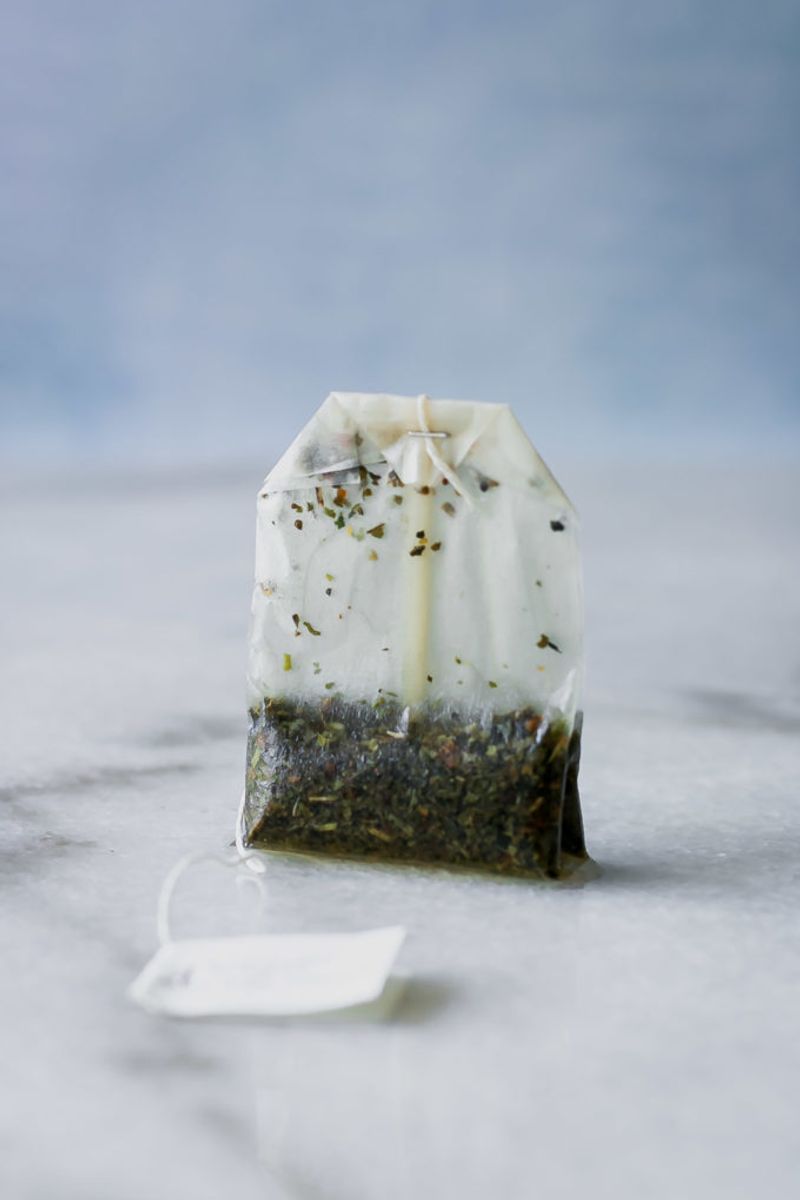
Tea bags are trickier than they look. Many brands use polypropylene to seal the bag, and some pyramid-style bags are made entirely of nylon or plastic mesh.
Those leave behind fibers that linger in soil. The tea leaves themselves are great compost, so tearing open the bag and dumping the contents is an easy fix.
Coffee pods fall into the same trap. Grounds are a welcome addition, but most pods and their foil lids are not.
Also watch for twist ties, rubber bands, and fruit netting that sneak into kitchen scraps. Keep a small trash cup by your compost bucket to catch them.
These habits take only seconds but help keep microplastics out of the soil where your tomatoes, peppers, and cucumbers will grow next year.