
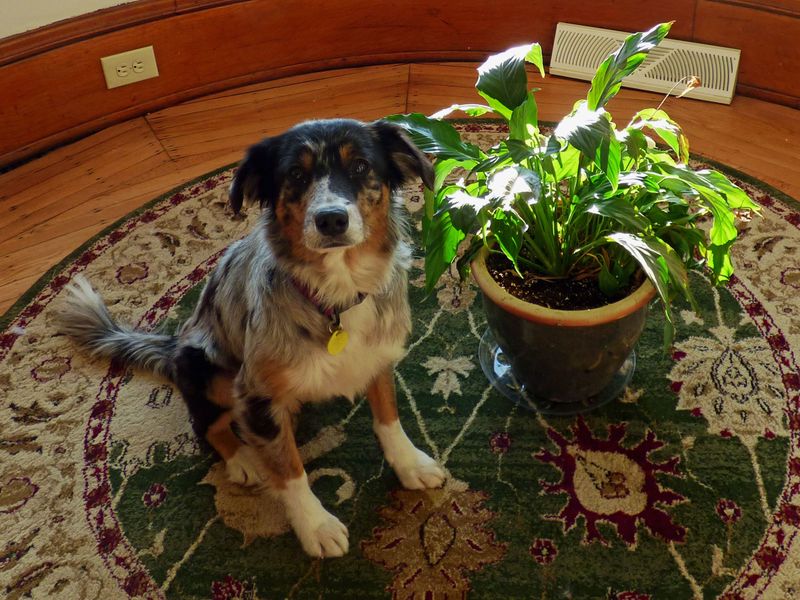
That leafy plant on your coffee table might look harmless, but some of the most popular houseplants can make a curious toddler or a nibbling cat sick. Most of us buy plants because they look nice, not because we checked the tag for safety warnings.
In warm Southern homes where houseplants thrive all year, these plants often sit right at paw and hand level. Here are 16 common ones worth a second look, plus simple ways to keep everyone safe without giving up your greenery.
1. Pothos
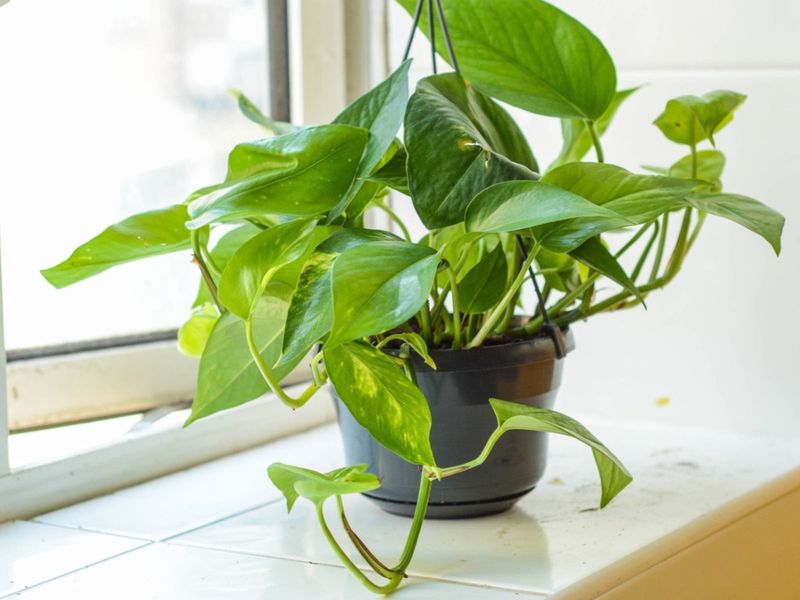
Ask any plant shop owner which plant flies off the shelves fastest, and pothos usually tops the list. It grows in almost any light, forgives missed waterings, and trails beautifully from shelves.
That easy charm is exactly why it ends up everywhere.
The leaves and stems contain insoluble calcium oxalate crystals, tiny needle-shaped bits that can irritate the mouth, tongue, and throat when chewed. Pets may drool, paw at their faces, or vomit.
Kids may cry from a burning feeling in the mouth. Serious cases are uncommon, but the discomfort is real and can be scary for families.
The biggest risk comes from those long trailing vines. A vine that hangs down to the floor is basically an invitation for a cat to bat at it or a toddler to tug it.
In humid Texas and Florida homes, pothos can grow several feet in a single season, so it creeps into reach faster than you expect.
Try trimming vines so they stop well above floor level, or move the pot to a high hook. Cuttings root easily in water, so you can share trimmings with friends who have no pets.
If chewing happens, rinse the mouth and call your vet or Poison Control.
2. Peace Lily
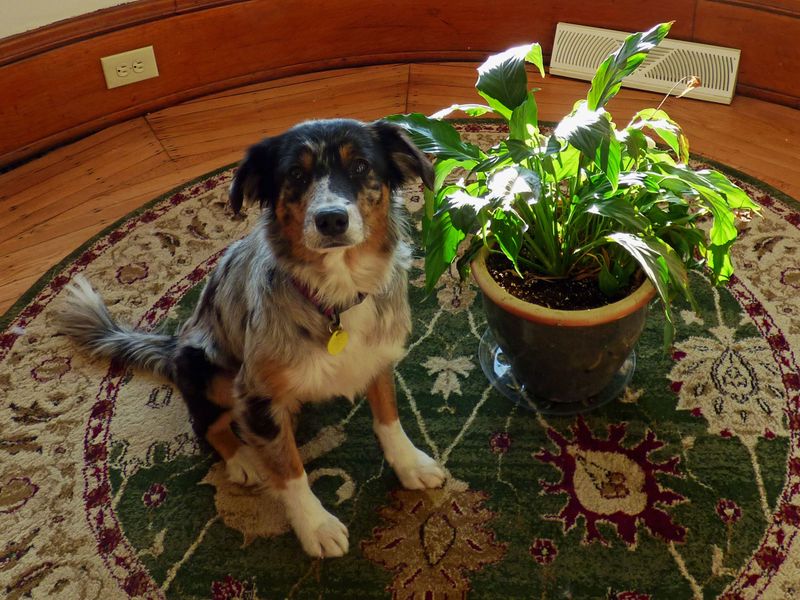
With its glossy leaves and white flowers, the peace lily looks like the calmest plant in the house. It even droops dramatically when thirsty, then perks back up after a drink, which makes it a favorite for beginners.
Unfortunately, its gentle look hides a sharp surprise.
Despite the name, peace lilies are not true lilies. They belong to the arum family, the same group as pothos and philodendron.
Every part of the plant holds calcium oxalate crystals that can cause mouth swelling, drooling, and trouble swallowing if chewed.
Here is the thing many owners miss. Peace lilies are often sold in large floor pots, which puts the leaves right at toddler height and directly in a dog’s path.
Kids love touching the soft white blooms, and pets sometimes nibble the leaves out of boredom.
A few practical fixes may help a lot:
Lift the pot onto a sturdy plant stand or tabletop out of reach. Wipe up fallen leaves and spent flowers quickly, since dropped bits are easy to grab.
Teach older kids that this plant is for looking, not tasting. If symptoms appear, give the child or pet water and call for professional advice right away.
3. Dieffenbachia
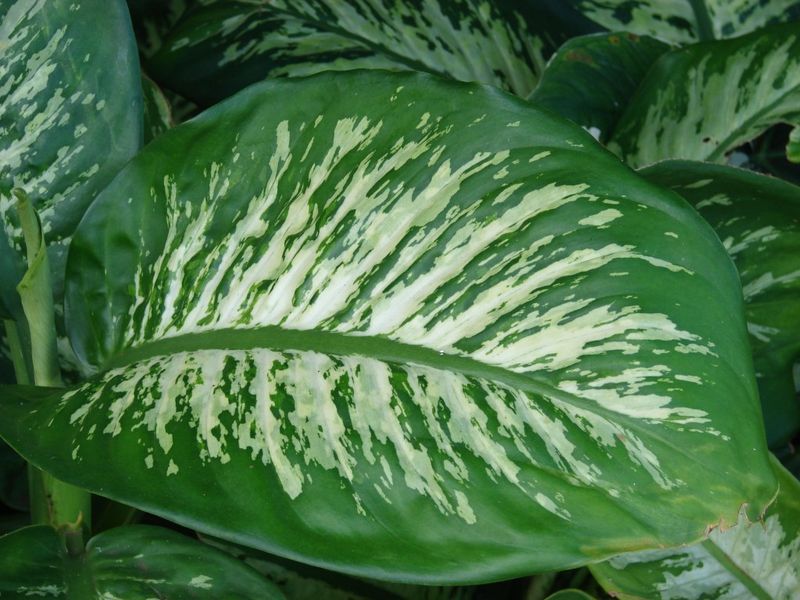
There is a reason old-timers call dieffenbachia dumb cane. Chewing the stem can cause the mouth and throat to swell so much that speaking becomes hard for a while.
That nickname alone should earn it a spot on your safety check.
Dieffenbachia carries a stronger dose of calcium oxalate crystals than many of its cousins, plus enzymes that add to the irritation. A single bite can lead to intense burning, heavy drooling, and swelling of the lips and tongue.
Dogs that chew on the thick stems may vomit or paw frantically at their mouths.
The plant’s big, striking leaves make it popular in Southern homes, where it grows quickly in warm, humid air. It often sits on the floor because of its size, so it lands squarely in the danger zone for crawling babies and teething puppies.
Sap can also irritate skin and eyes. Wear gloves when pruning, and wash your hands before touching your face or your child.
If you love the look but have a chewer at home, consider trading it for a safe option like a parlor palm. Otherwise, keep it in a room pets cannot enter and watch closely for any signs of nibbling.
4. Sago Palm
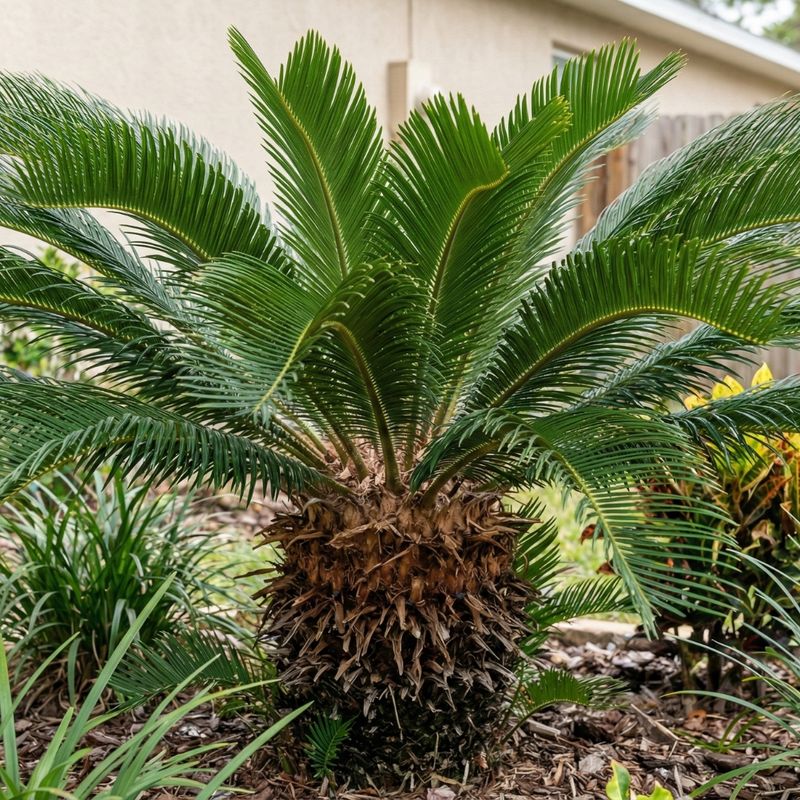
Of every plant on this list, the sago palm is the one that keeps veterinarians up at night. It looks like a tidy little palm and is sold everywhere in Florida and Texas, both as a houseplant and a landscape shrub.
Yet it is one of the most dangerous plants a dog can chew.
Sago palms contain cycasin, a toxin that attacks the liver. The seeds hold the highest concentration, but leaves, trunk, and roots are all toxic.
Pets may show vomiting, diarrhea, weakness, or seizures, and liver failure can follow. Survival is far from guaranteed even with fast treatment.
Kids are at risk too, especially if they find the bright orange seeds on female plants and mistake them for something fun to hold or taste.
Because sagos often move between the porch and indoors, they slip past many safety checks. Here is what helps:
Remove any sago palm from homes with dogs if possible. If you keep one outdoors, pick up every seed and fallen piece promptly.
Fence it off from play areas. If you even suspect a pet chewed one, treat it as an emergency and head to a vet immediately, before symptoms show up.
5. Snake Plant
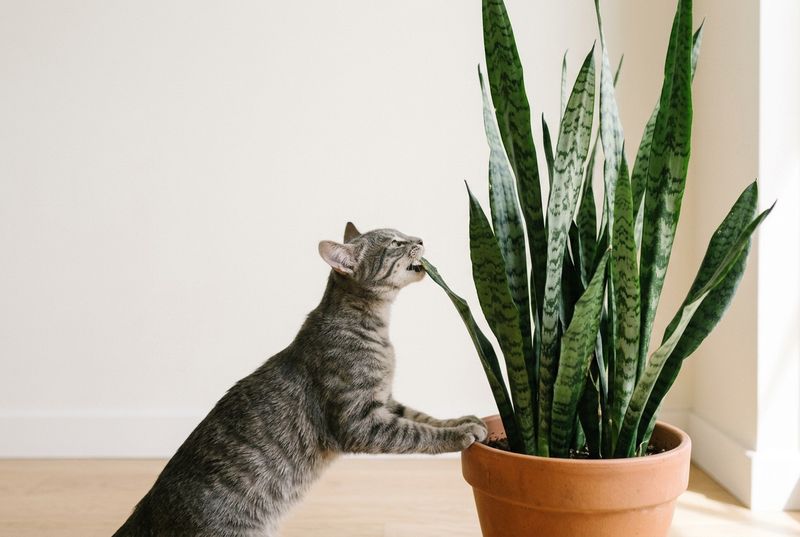
Snake plants have earned a reputation as the plant you truly cannot kill. They handle low light, dry air, and weeks of neglect, which is why so many sit in bedrooms, hallways, and offices.
Few owners think twice about safety.
The plant contains saponins, natural compounds that can upset the stomach when eaten. A dog or cat that chews a leaf may drool, vomit, or have diarrhea.
For children, symptoms are usually mild, like nausea or a stomachache. Compared to sago palm, snake plant is on the gentler end of the toxic scale, but it still is not a snack.
The concern grows because snake plants are often placed on the floor in tall pots. Their stiff, upright leaves look a lot like chew toys to a bored puppy.
Cats sometimes gnaw on the tips, too.
Fun fact: the plant was once called mother-in-law’s tongue, thanks to its sharp, pointed leaves.
Keeping it safe is fairly simple. Place it in a room your pets rarely visit, or set it on a raised stand.
Check leaf tips for bite marks now and then, since those can be your first clue that someone has been sampling.
6. ZZ Plant
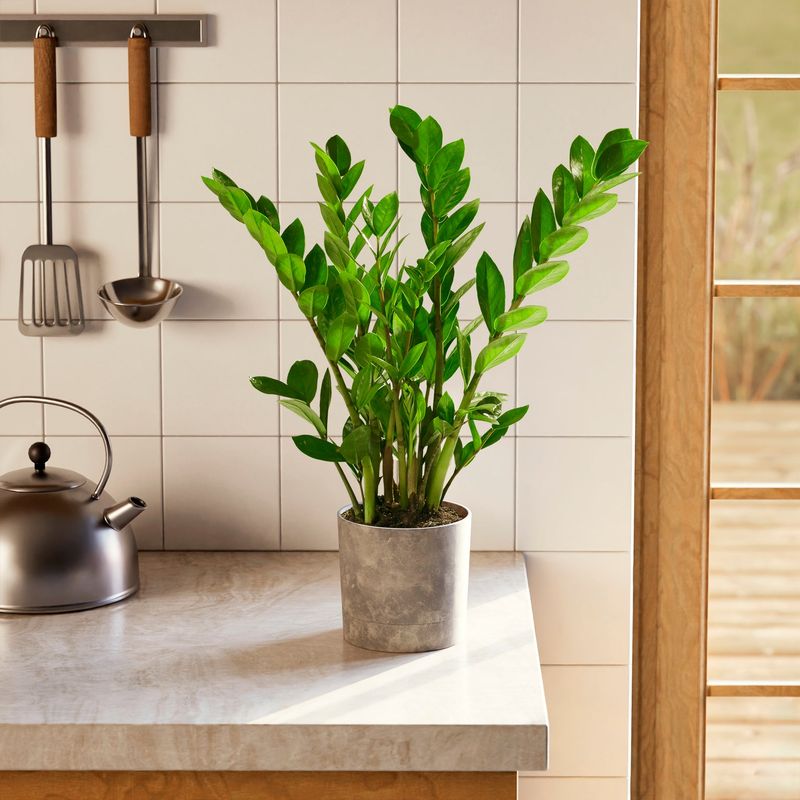
Shiny, waxy leaves that look almost fake are the ZZ plant’s calling card. Busy families love it because it thrives in dim corners and only needs water every few weeks.
It feels like the perfect low-effort plant.
All parts contain calcium oxalate crystals. Chewing can cause mouth pain, drooling, vomiting, and swelling.
Online rumors once claimed ZZ plants were deadly, but those claims are overblown. The real risk looks more like painful irritation than a life-threatening poisoning.
Still, irritation in a small child or pet is no fun for anyone.
One detail people overlook is the sap. If you snap a stem while repotting, the juice can irritate skin.
Wash your hands afterward, especially before handling a baby or preparing food.
The ZZ plant’s love of low light often lands it on low tables and shelves in back rooms, right where toddlers explore. Its smooth, glossy look can also tempt little hands to grab and squeeze.
A quick fix is to move it higher, maybe atop a bookcase where its tolerance for shade is a bonus. You keep a great-looking plant, and curious hands simply cannot get to it anymore.
7. Aloe Vera
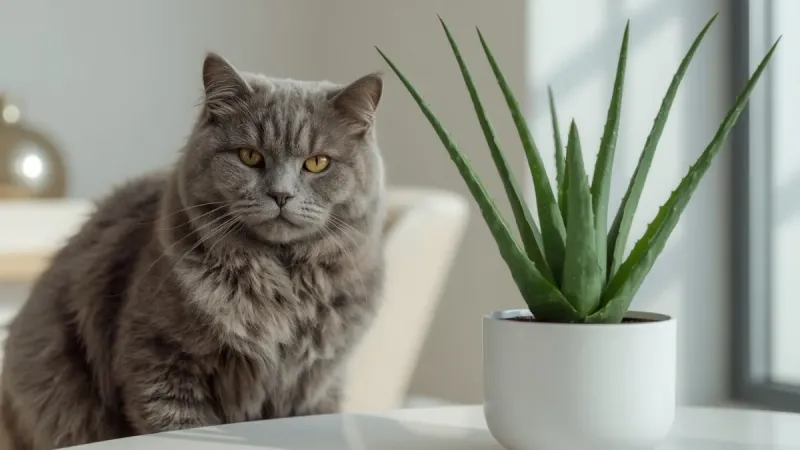
Plenty of Southern kitchens keep an aloe on the windowsill for quick sunburn relief. It feels like a helpful, healing plant, so most people assume it is safe for everyone.
For pets, that is not quite true.
The gel inside is generally considered mild, but the yellow layer just under the skin, called latex, contains compounds called anthraquinones. These work as strong laxatives.
Cats and dogs that chew aloe may vomit, have diarrhea, or seem sluggish. Kids who bite into a leaf can get an upset stomach and cramps.
Windowsills are a favorite hangout for cats, which puts aloe right next to them for hours a day. In Florida and Texas, aloe also grows outdoors year round, so dogs may find it in garden beds too.
A few simple steps can help:
Move your windowsill aloe to a spot cats cannot jump to, or use a hanging planter near the window. When you harvest gel for burns, scrape it carefully and toss the leaf scraps in a covered bin.
Store any bottled aloe products out of reach, since some contain additives that are not pet friendly either.
8. Philodendron
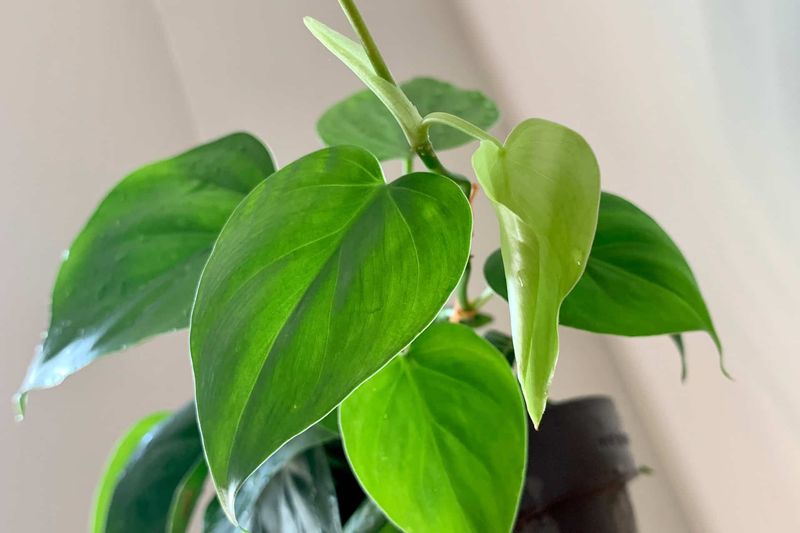
Heart-shaped leaves spilling over a bookshelf are hard to resist, and philodendrons deliver that look with almost no effort. Dozens of varieties exist, from trailing heartleaf types to big split-leaf beauties.
Most families own at least one without realizing it.
Like pothos, philodendrons contain calcium oxalate crystals. Chewing leaves can cause burning, drooling, swelling, and vomiting in pets.
In kids, the pain usually starts right away, which often stops them from eating more. That quick sting tends to limit serious harm, but it can still lead to an urgent call to the doctor.
Philodendrons are also often mixed up with pothos. They look alike, and both carry the same risks, so if you are unsure which you have, treat them the same way.
Big floor varieties pose a different challenge than trailing ones. Large leaves at waist height are easy for toddlers to tear and chew, while dangling vines tempt cats.
Consider using wall-mounted shelves, hanging planters, or rooms with closed doors. Regular pruning keeps vines short.
If you share cuttings, add a note about toxicity so friends with pets or grandkids know to place them carefully.
9. Monstera
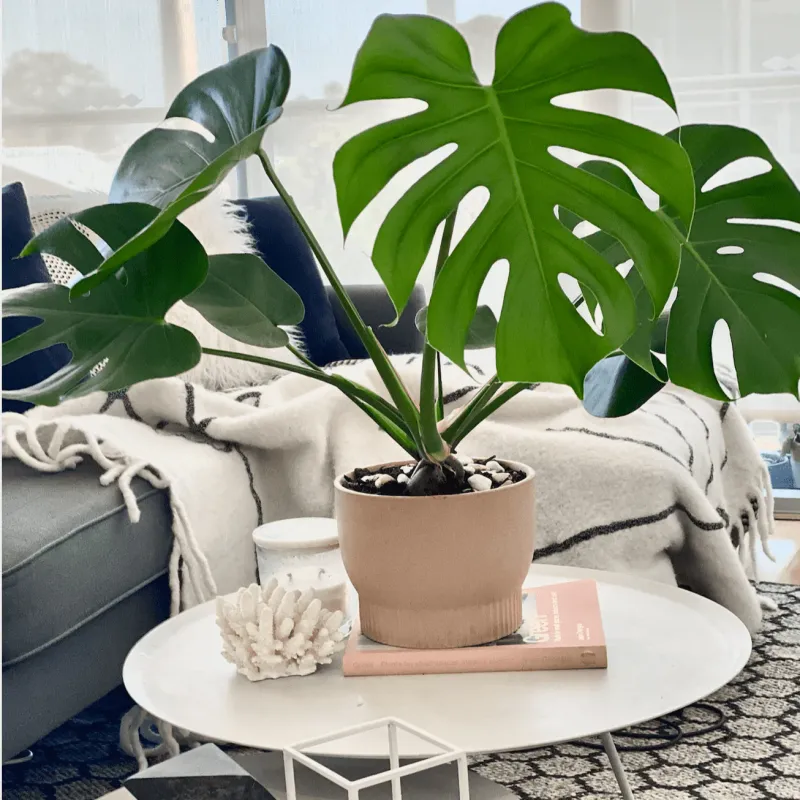
Few plants have taken over social media like the monstera. Its giant split leaves feel tropical and bold, and in warm Southern homes it can grow huge.
Many people place it on the floor as a living centerpiece.
That size is part of the risk. Monstera leaves and stems hold calcium oxalate crystals, which can cause oral pain, drooling, and vomiting if chewed.
Dogs that lie near it may gnaw a leaf edge, and toddlers often grab the dramatic leaves to explore.
Here is a fun bit of trivia. In its native Central American forests, the plant makes a fruit people can eat once fully ripe, sometimes called a fruit salad plant.
Unripe fruit, though, is very irritating, and indoor plants rarely fruit anyway.
Because monsteras get heavy, a tipped pot can also be a hazard for small children who climb or pull on stems.
Secure tall plants with a sturdy, wide pot and a moss pole tied firmly in place. Keep fallen leaves picked up.
If you have a determined chewer, a decorative barrier or plant stand can add helpful distance without hiding your showpiece.
10. Jade Plant
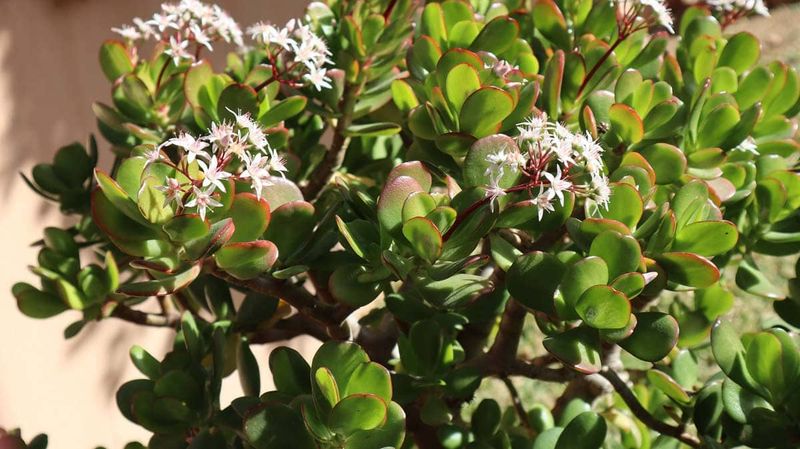
Grandma probably had one. Jade plants are long-lived succulents often passed down for generations and said to bring good luck.
Their chubby leaves look almost like candy, which is part of the problem.
Jade is toxic to cats and dogs. While the exact compound is not fully understood, pets that eat it may vomit, seem wobbly, act depressed, or have a slow heart rate.
For children, jade is usually considered low risk, though eating leaves could still cause an upset stomach.
Cats in particular seem drawn to those plump, juicy leaves. Since jade plants are small and love sunny spots, they often sit on low tables, windowsills, and desks, places a cat can reach in a single hop.
Many people buy succulents assuming they are all pet safe. They are not.
Jade, kalanchoe, and some euphorbias can all cause trouble.
To keep your lucky plant without bad luck, move it to a high, sunny shelf or a room cats cannot enter. Pick up any dropped leaves, since jade sheds them when stressed.
Keep an eye out for chewed edges, and call your vet if anything looks off.
11. English Ivy
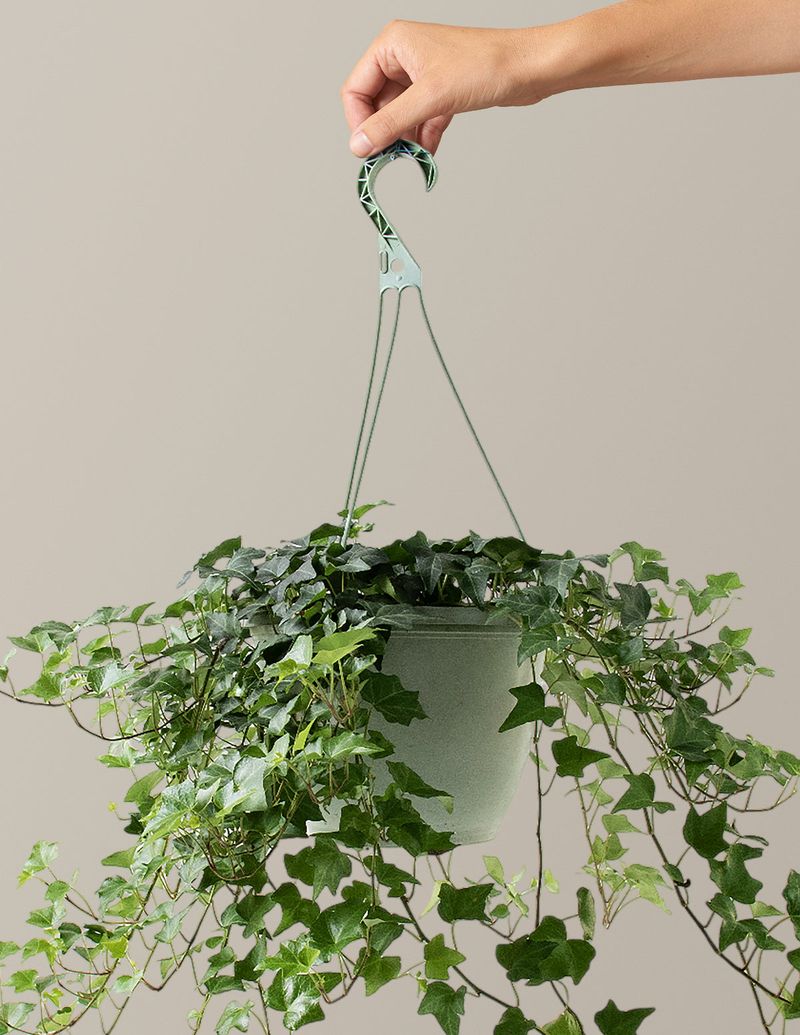
Picture a cozy room with ivy spilling from a hanging basket. It is a classic look, and English ivy is cheap, fast, and easy to find.
Yet it is one of the plants people check least.
English ivy contains saponins, especially in the leaves and berries. If eaten, it can cause vomiting, stomach pain, and diarrhea in pets.
In kids, larger amounts may cause a burning throat and stomach upset. The sap can also cause skin rashes in some people, so gloves are a smart idea when trimming.
Indoor ivy usually does not make berries, but outdoor ivy in Southern yards often does. Those dark berries can catch a child’s eye during backyard play.
Hanging baskets solve part of the problem, but long strands quickly grow down to grabbing height. Pets that jump onto furniture may reach them too.
Keep strands trimmed short and tuck them back into the basket. Outdoors, consider replacing ivy near play areas or patios with a safer groundcover.
English ivy is also invasive in many parts of the South, so cutting back on it may help your yard and native plants as well.
12. Lilies
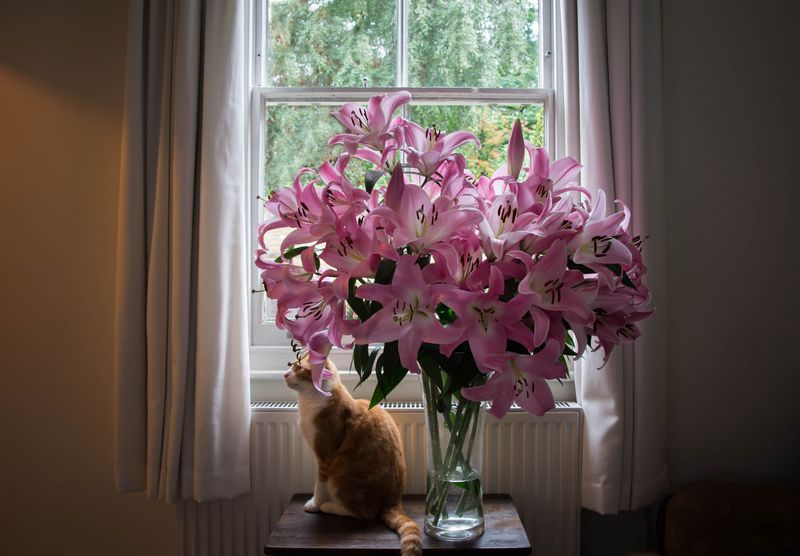
Cat owners, read this one twice. True lilies, including Easter lilies, tiger lilies, Asiatic lilies, and daylilies, are among the most dangerous plants a cat can touch.
Even a little pollen licked off fur may cause sudden kidney failure.
Every part is toxic to cats, including petals, leaves, pollen, and even the water in the vase. Signs like vomiting, drooling, and hiding can appear within hours.
Without quick treatment, the outcome can be fatal. Dogs and children are much less affected, though they may still get an upset stomach.
Lilies often enter homes as gifts, especially around Easter, Mother’s Day, and funerals. Since they arrive in bouquets rather than pots, people rarely think of them as houseplants that need a safety check.
Daylilies are also a staple in Southern landscapes. Indoor-outdoor cats can brush against them in garden beds.
The safest move is simple. If you have cats, keep lilies out of the house completely.
Ask friends to send other flowers, or give lily bouquets away. If your cat may have touched one, call your vet right away.
Early care offers the best chance for a good outcome.
13. Caladium
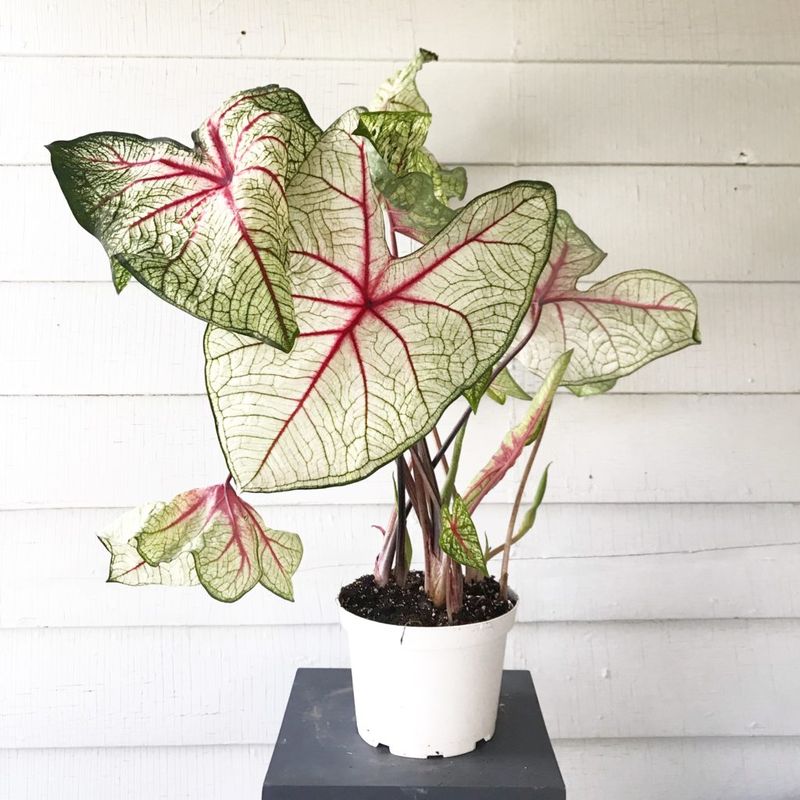
Bright pink, red, and white leaves make caladiums a Southern favorite. Florida grows most of the world’s caladium bulbs, and they brighten porches, patios, and indoor tables all summer.
They practically shout look at me.
Unfortunately, that bold color also attracts little hands. Caladiums contain calcium oxalate crystals that cause burning, swelling, and drooling when chewed.
Pets may vomit or paw at their faces. In rare cases, swelling of the throat can make breathing harder, which needs fast medical help.
Caladiums often sit at ground level in porch pots or front beds, exactly where kids play and dogs sniff. Because they move in and out of the house through the warm season, they can slip past your usual plant safety check.
Here is a fun fact. Lake Placid, Florida, calls itself the Caladium Capital of the World and hosts a festival each summer.
To enjoy the color safely, place pots on raised stands or porch rails. Plant beds away from play areas and dog paths.
When digging up bulbs for storage, wear gloves and store them in a closed bin where children and pets cannot reach.
14. Dracaena
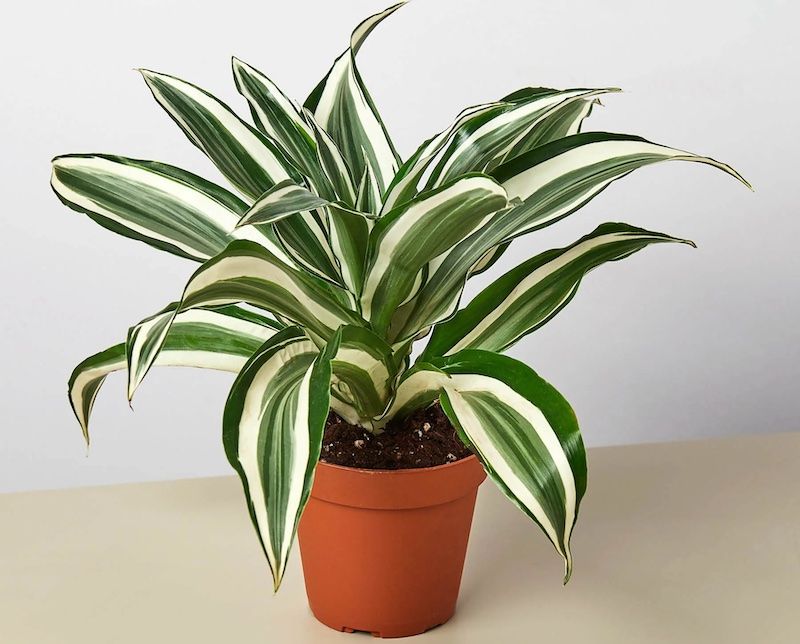
Walk into almost any office lobby or dentist waiting room, and you will spot a dracaena. Corn plants, dragon trees, and lucky bamboo all belong to this family.
Their tall, tidy look makes them a decorating staple at home too.
Dracaenas contain saponins. Dogs and cats that chew the leaves may vomit, drool, lose their appetite, or seem tired.
Cats sometimes show dilated pupils. The good news is that symptoms are usually mild to moderate.
The bad news is that the long, strappy leaves are very tempting to cats who love to chew grass-like things.
Lucky bamboo deserves a special mention. It is often given as a gift and set on low desks in shallow water dishes, where pets may drink the water or chew stalks.
Since many dracaenas grow tall, lower leaves droop right at pet height. Old leaves also fall and scatter on the floor.
Trim lower leaves that hang into reach, and sweep up fallen ones. For cats who crave greens, offering a pot of cat grass may help redirect their chewing toward something safe.
15. Poinsettia

Every December, someone warns that poinsettias are deadly. Good news first: that old myth is mostly wrong.
Poinsettias are only mildly toxic, and serious poisonings are very rare.
Still, mild does not mean harmless. The milky sap can irritate the mouth and stomach, causing drooling, vomiting, or mild diarrhea in pets.
Kids may get a sore mouth or upset tummy. The sap can also bother skin and eyes, so rinse well if it gets on hands.
Poinsettias pop up in Southern homes at the busiest time of year. They get set on coffee tables and floors during parties, with plenty of visiting kids and pets around.
Wrapping foil and ribbons can also be chewed or swallowed, which can cause separate problems.
In Florida and South Texas, some people even plant leftover poinsettias outside, where they can grow into big shrubs.
Keep holiday plants up on mantels or sideboards, and remove foil wraps before guests with pets arrive. A calm approach works best here.
You do not need to ban poinsettias, just place them wisely and keep an eye on curious visitors during gatherings.
16. Oleander
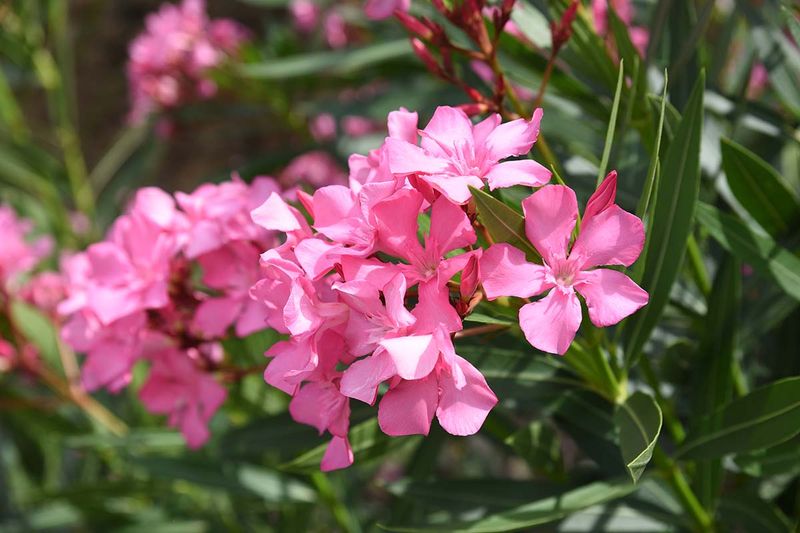
Gorgeous pink and white blooms make oleander a common sight across Texas and Florida, both along highways and in big patio pots. Some people even bring young plants indoors or onto screened porches.
Few realize it is one of the most toxic plants in the South.
Oleander contains cardiac glycosides, compounds that affect the heart. Every part is poisonous, including leaves, flowers, stems, and sap.
Eating even a small amount may cause vomiting, an irregular heartbeat, and in severe cases, death in pets, livestock, and people.
Burning oleander is dangerous too, since the smoke can be toxic. Never use the branches for skewers or toss trimmings onto a fire.
Because it handles heat and drought so well, oleander is often chosen for patios where kids play and dogs roam. Dropped leaves can end up in water bowls or kiddie pools.
If you have young children or pets, consider replacing oleander with a safer heat lover, like hibiscus. If you keep it, plant it far from play spaces, wear gloves when pruning, and bag trimmings for the trash.
Any suspected chewing calls for an urgent call to Poison Control or a vet.