
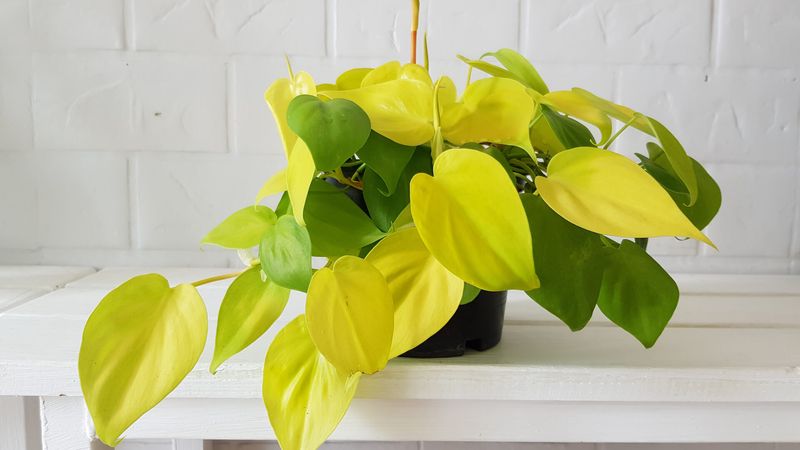
That pretty green plant on your kitchen windowsill might be hiding a secret. Many of the most popular houseplants sold at Southern garden centers contain compounds that can make a curious toddler, dog, or cat sick.
The good news is that knowing which plants carry risk lets you move them, swap them, or watch them closely without giving up your indoor garden. Here are 16 common culprits and what to do about each one.
1. Pothos
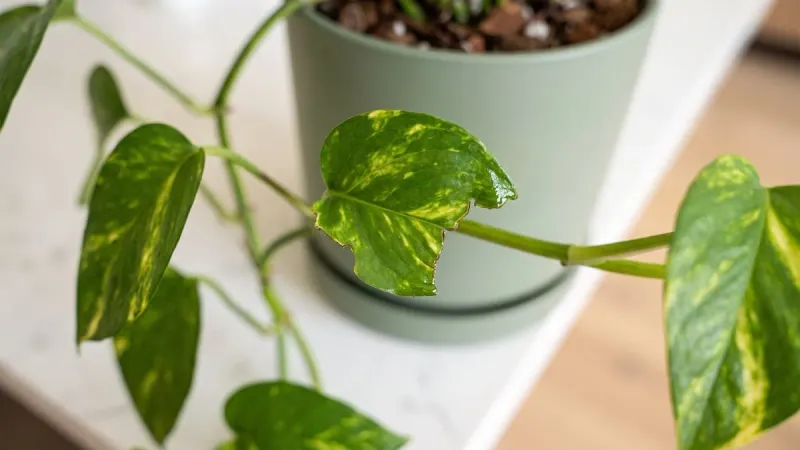
Few plants are handed out as freely as pothos. Someone at church gives you a cutting, it roots in a mason jar, and before long vines are draping across the bookshelf.
The catch is that every part of pothos contains insoluble calcium oxalate crystals. When a pet or child chews a leaf, those needle-shaped crystals can poke into the mouth and throat, often causing burning, drooling, pawing at the face, and sometimes vomiting.
Serious cases are uncommon, but the discomfort is real and can be frightening to watch.
Trailing vines are the biggest problem because they dangle right at cat-swatting or toddler-grabbing height. A better approach is to keep pothos on a high shelf and trim any strands that hang low.
In humid Florida and Texas homes, pothos grows fast, so check it every few weeks. A vine that was safely out of reach in spring may be brushing the floor by midsummer.
If someone does take a bite, rinse the mouth with water and call Poison Control at 1-800-222-1222 or the ASPCA Animal Poison Control line. Most mild cases may settle with simple care, but a professional can tell you what to watch for.
2. Dieffenbachia
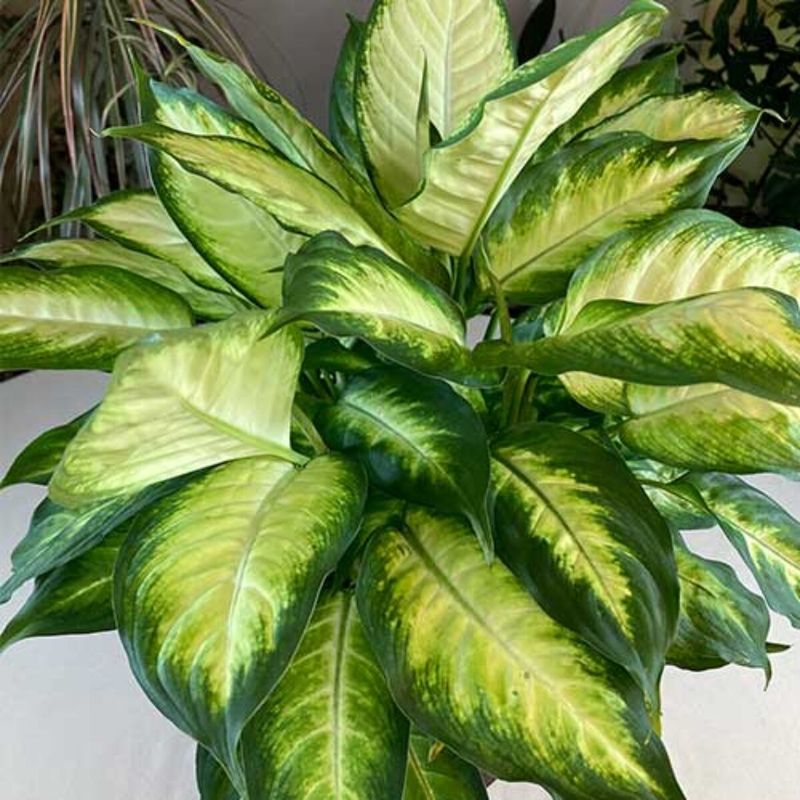
Its old nickname says it all: dumb cane. Generations ago, people noticed that chewing the stem could swell the mouth and tongue so badly that speaking became hard for a while.
Dieffenbachia packs a heavier dose of calcium oxalate crystals than many relatives, plus irritating enzymes. A bite may cause intense mouth pain, swelling, drooling, and trouble swallowing.
Dogs who gnaw on the thick stems tend to show symptoms quickly, which at least means you notice fast.
The plant’s big, bold leaves make it a favorite for floor-level corners, which is exactly where crawling babies and bored puppies hang out. If you love the look, consider raising it onto a sturdy plant stand or moving it to a room the kids and pets do not use.
Pruning deserves attention too. The sap can irritate skin and eyes, so wear gloves and wash your hands afterward, especially before rubbing your face.
Should swelling ever seem to affect breathing, treat it as an emergency and get medical or veterinary help right away. Milder mouth irritation may ease with a rinse of cool water, but a quick call to Poison Control is always a smart step.
3. Sago Palm
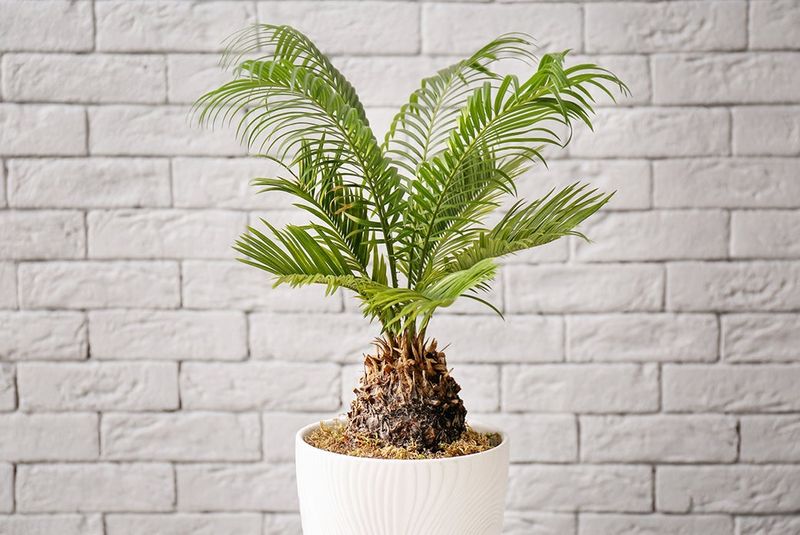
Here is the one on this list that genuinely keeps veterinarians up at night. Sago palms are everywhere in the South, from Florida patios to Houston entryways, and many people bring smaller ones indoors as windowsill accents.
Every part is toxic, but the seeds are the most dangerous. Sago palms contain cycasin, a compound that can cause severe liver damage in dogs and cats.
Symptoms may include vomiting, diarrhea, weakness, and later signs of liver failure. Even a small amount can be serious, and outcomes are not always good, even with fast treatment.
Dogs seem especially drawn to the seeds, maybe because they look like toys. Children are at risk too.
If you own pets, the safest move is honestly to rehome a sago palm or keep it fully out of reach behind a barrier. Outdoors, pick up any fallen seeds promptly, since the female plants drop bright orange ones.
Do not wait for symptoms if you suspect a pet chewed on one. Call your vet or an animal poison hotline immediately, because early treatment often gives the best chance.
A cast iron plant or parlor palm may give a similar tropical look with far less worry.
4. Peace Lily
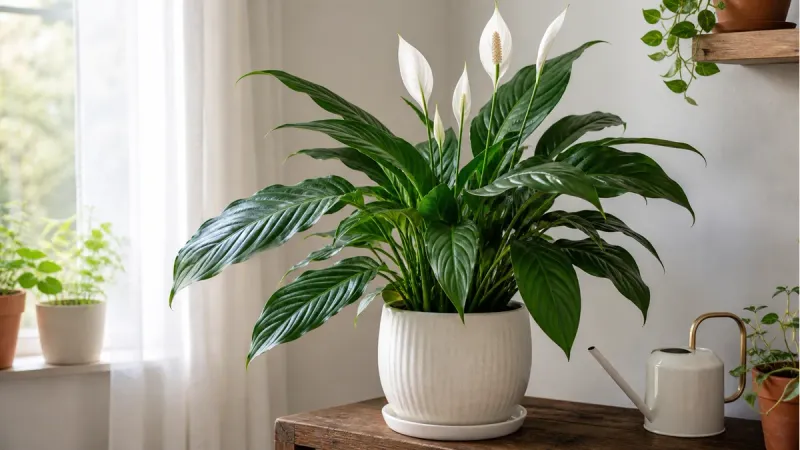
Sympathy gift, office favorite, beginner plant. The peace lily wears a lot of hats, and its graceful white flowers make it look completely harmless.
Despite the name, it is not a true lily, which is actually good news for cat owners. True lilies can cause kidney failure in cats, while peace lilies usually cause a milder reaction.
Still, the leaves and flowers contain calcium oxalate crystals that can irritate the mouth, causing drooling, pawing, and occasional vomiting in pets and burning lips in kids.
Peace lilies tend to sit on low tables and windowsills because they tolerate lower light. That puts them right where a cat loves to lounge.
One practical trick is to watch the leaves. A peace lily droops dramatically when thirsty, so a sad-looking plant is easy to spot.
Fallen leaves and spent blooms should be picked up quickly, because a dropped flower is an easy snack for a curious pet.
If you see nibbled edges, move the plant higher. For homes with determined chewers, a Boston fern or calathea may scratch the same itch for lush greenery with less risk, according to the ASPCA’s nontoxic plant lists.
5. Snake Plant
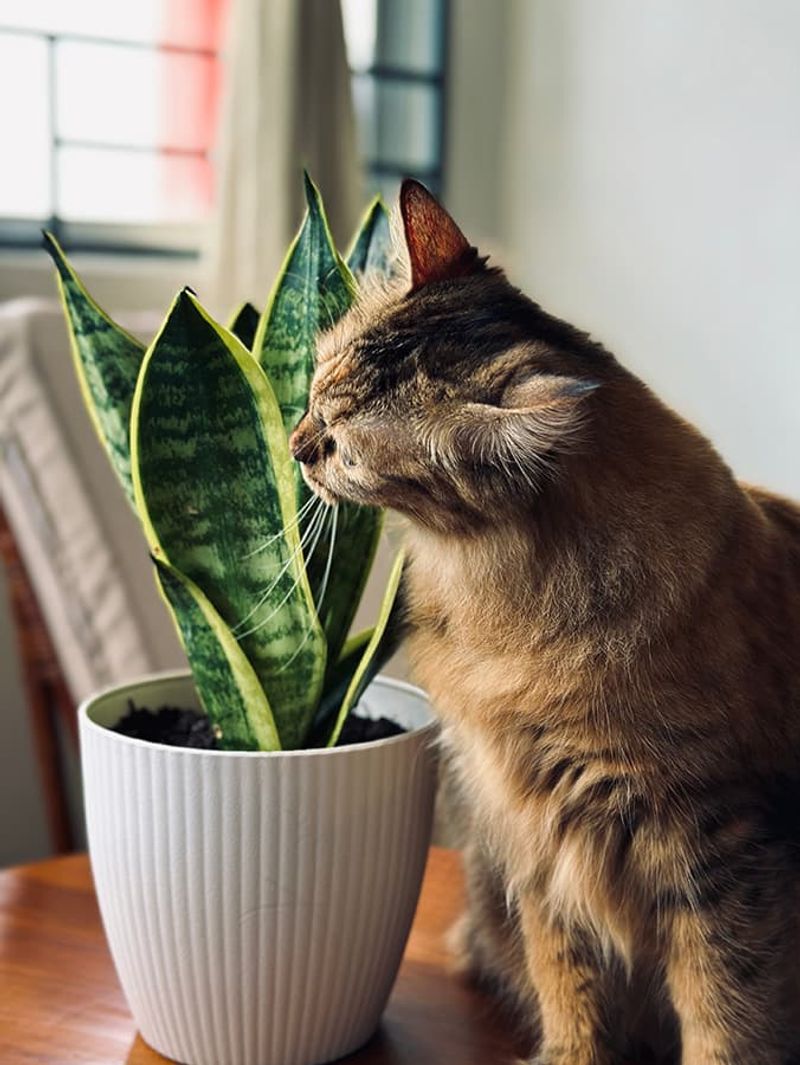
Ask anyone for an unkillable houseplant and you will probably hear about the snake plant. It shrugs off dim corners, skipped waterings, and even the occasional neglectful vacation.
That toughness comes with a mild bite, though. Snake plants contain saponins, natural compounds that can upset the stomach if chewed.
Pets who nibble the stiff leaves may drool, vomit, or have diarrhea. For most dogs and cats, symptoms are mild and short-lived, and kids rarely eat enough of the bitter leaves to get very sick.
Because it is less dangerous than some others here, the snake plant can often stay in a family home with a little planning. Pets that chew on everything are the exception.
Watch for leaves with ragged tips or bite marks, since those are early clues that someone has been sampling. Puppies in the teething stage are the usual offenders.
A heavy pot also matters. Tall snake plants can tip over if a dog bumps them or a toddler pulls on a leaf, which creates a mess and an easy chewing opportunity.
Use a wide, weighted container and keep the plant tucked against a wall.
6. Aloe Vera
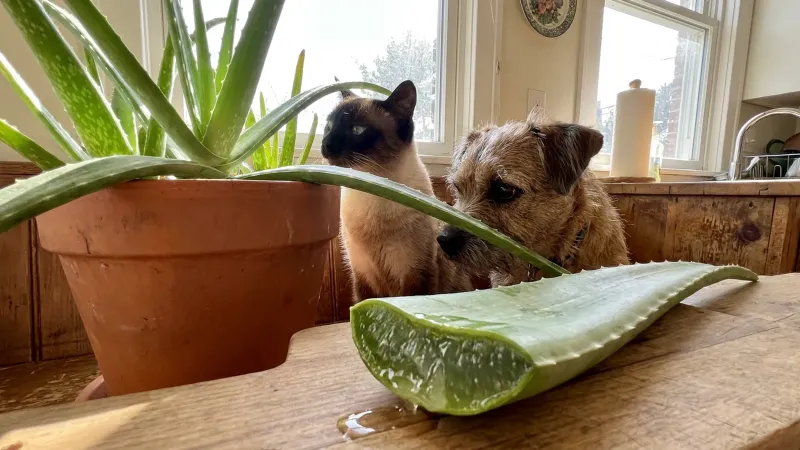
Plenty of Southern families keep aloe right by the stove for burns and sunburns after a long day at the beach. It feels like a helpful, healing plant, so the toxicity surprises people.
The clear gel inside the leaf is generally the part used on skin. The problem is the yellowish latex layer just under the leaf surface.
It contains aloin, a compound with a strong laxative effect. Dogs and cats that chew aloe may vomit, have diarrhea, seem tired, or lose interest in food.
Young kids who bite a leaf may get an upset stomach too.
Sunny windowsills are aloe’s favorite spot, and they are also a cat’s favorite spot. That overlap is the real risk.
Try a hanging planter or a high shelf with good light. Aloe also does well outdoors year-round in much of Florida and South Texas, so a patio container away from where the dog roams may be a smarter home.
If you cut leaves for first aid, store them in the fridge in a sealed container rather than leaving pieces on the counter. Teach older kids that the plant is for skin, not snacking.
7. ZZ Plant
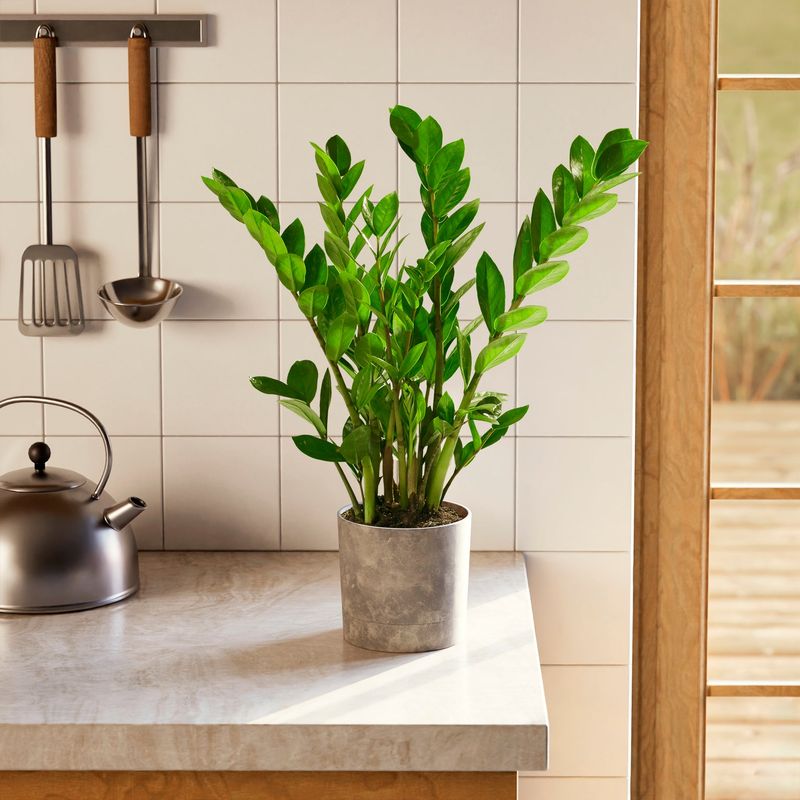
Shiny, waxy, and almost suspiciously perfect, the ZZ plant often gets mistaken for an artificial one. It thrives on neglect and handles the low light of interior rooms with ease.
A popular internet rumor once claimed ZZ plants were deadly. That is an overstatement.
Like many aroids, though, the ZZ contains calcium oxalate crystals, so chewing can lead to mouth irritation, drooling, and vomiting in pets and children. The sap may also irritate sensitive skin.
One detail makes the ZZ easier to manage than most. It grows slowly and upright, without trailing stems that pets love to bat around.
Repotting is the moment to be careful. The plant grows from thick, potato-like rhizomes, and broken pieces can roll onto the floor.
A dog may treat one like a chew toy, so clean up thoroughly and work on a table or outdoor bench.
Wear gloves when handling cut stems and wash your hands afterward. If a child gets sap in the eyes, rinse with plenty of clean water.
A ZZ plant can usually live safely in a home with kids when it stays on a shelf instead of the floor.
8. Philodendron
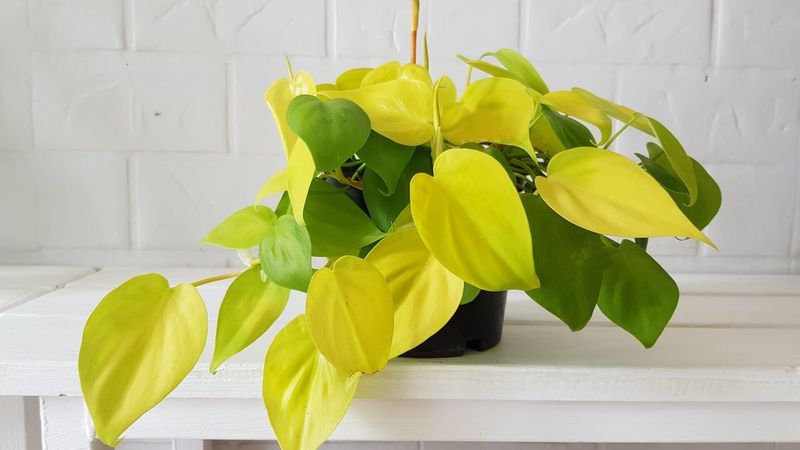
Grandma probably had one trailing over the top of her refrigerator. Philodendrons have been household staples for decades, and newer varieties with pink, lime, and nearly black leaves have made them trendy all over again.
All those varieties share the same basic warning. Their leaves and stems contain calcium oxalate crystals, so a bite may bring oral pain, swelling, drooling, and vomiting.
Cats seem especially tempted by the soft, heart-shaped leaves of trailing types.
Collectors in Florida and Texas sometimes grow climbing philodendrons on moss poles in bright living rooms. Those big plants can be easier to protect than small vining ones, because the leaves sit higher off the ground.
For trailing kinds, think vertical. Wall-mounted shelves, macrame hangers, and top-of-cabinet spots keep vines visible but harder to reach.
Keep an eye on fallen leaves. A yellow leaf dropping onto the floor is not just a care issue that might signal overwatering, it is also a snack sitting at pet level.
Pick up debris often and wipe soil spills. These simple habits may lower the chances of an accidental nibble while you still enjoy a plant with real personality.
9. Jade Plant
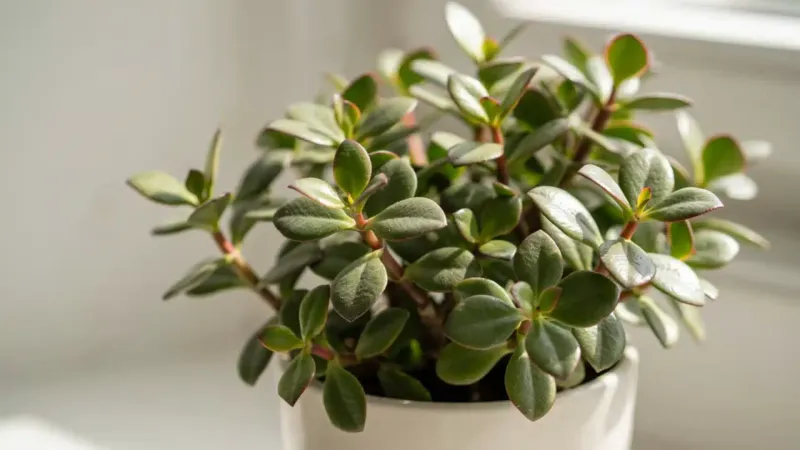
Some folks call it the money plant and keep one by the door for good luck. With chubby leaves and a little tree shape, the jade plant looks friendly enough to hold in your hand.
For pets, it is not so lucky. The ASPCA lists jade as toxic to dogs and cats, though the exact compound behind the reaction is not fully understood.
Symptoms may include vomiting, a slow heart rate, wobbliness, and depression or lethargy. Most cases are mild, but those last signs deserve a vet call.
Jade plants crave strong light, so they end up on windowsills. Cats like those plump leaves, which can snap off easily and roll around like toys.
Fallen leaves are worth watching because jade drops them when stressed. Overwatering in humid Southern summers is a common trigger, so let the soil dry between waterings and you may see fewer loose leaves on the floor.
Since jade roots so easily from a single leaf, kids love propagation projects. That is fine with supervision and hand washing, as jade is mainly a concern for pets.
Just keep the cuttings tray away from furry explorers.
10. English Ivy
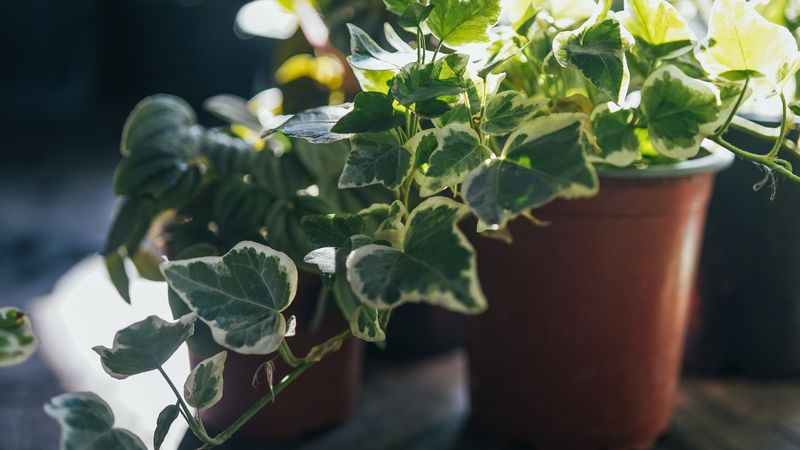
Picture a charming cottage window with ivy spilling out of a basket. English ivy delivers that classic look indoors, and it is often sold in small pots during the holidays.
Its leaves contain triterpenoid saponins, which can cause vomiting, stomach pain, drooling, and diarrhea if a pet or child eats them. The berries on mature plants are more concentrated and should be kept away from little hands.
Sap can also cause a skin rash in some people.
Outdoors in the South, English ivy can become an aggressive spreader that climbs trees and smothers native plants. Indoors, it stays more manageable, but it still sheds leaves and sends vines downward fast.
Hanging baskets are the best bet here. Trim long strands before they dangle within reach, and wear gloves if you have sensitive skin.
Indoor ivy also struggles in hot, dry air and attracts spider mites, which can cause speckled, yellowing leaves. Stressed plants drop more foliage, adding to the cleanup.
Bright, cool spots and regular misting may keep it healthier. If the plant becomes more trouble than charm, a pet-safe Swedish ivy can offer a similar trailing look.
11. Monstera
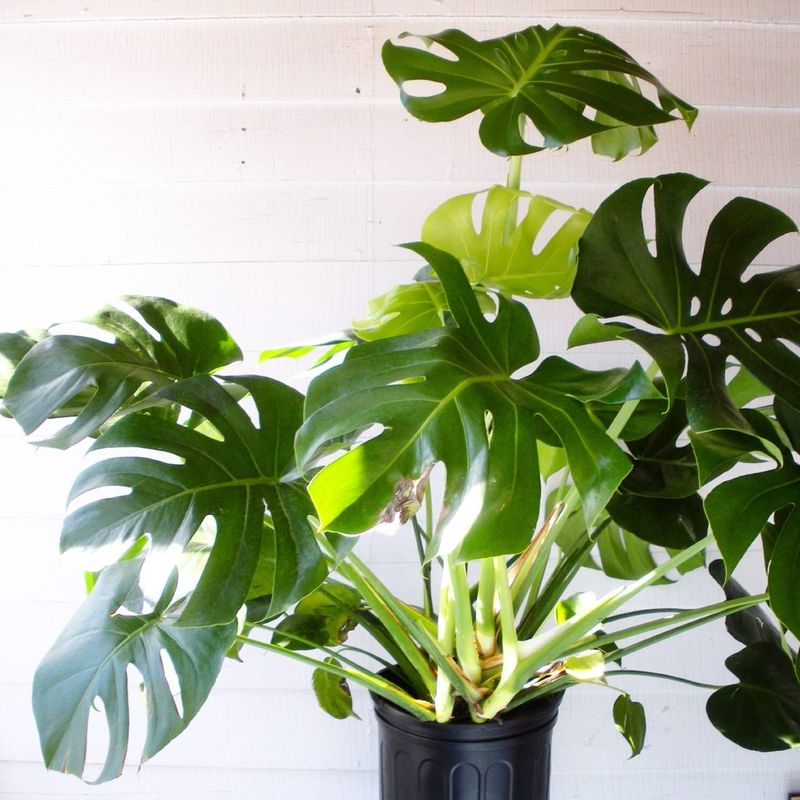
Those dramatic split leaves have launched a thousand home decor photos. Monstera is the plant everyone seems to want, and it grows like a jungle beast in warm, humid Southern homes.
Like its aroid cousins, monstera contains calcium oxalate crystals in its leaves and stems. Chewing may cause mouth burning, drooling, swelling, and vomiting.
The unripe fruit, which can form on outdoor plants in South Florida, is also irritating, though fully ripe fruit is eaten in some cultures.
The biggest challenge is size. A happy monstera can sprawl several feet wide, and its lower leaves often sit right at dog height.
Aerial roots add another temptation. Those brown, cord-like roots poke out from the stems and look a lot like chew toys to a bored puppy.
Guide them into the pot or onto a moss pole so they are less noticeable.
Prune lower leaves as the plant matures, and wear gloves while cutting. Wash pruners afterward, because the sap can irritate skin.
Placing the pot inside a decorative plant cage or behind furniture may help protect both the plant and your pets.
12. Caladium
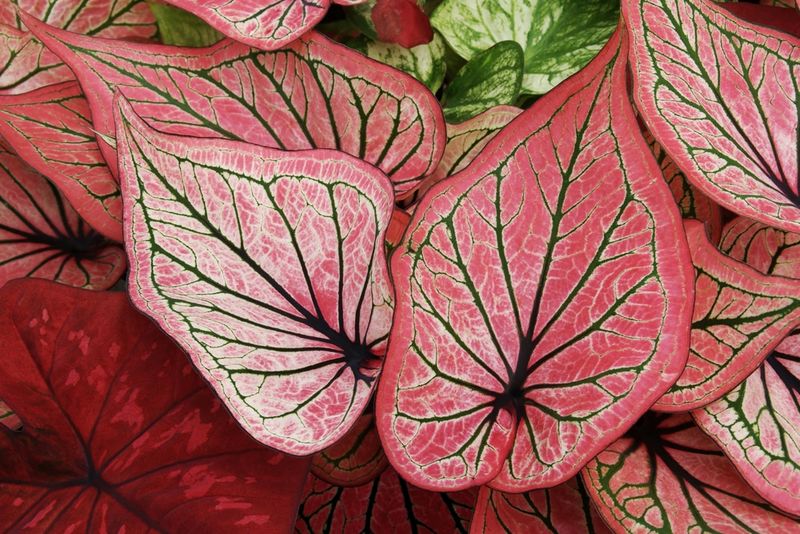
Walk past almost any front porch in Central Florida in summer and you will spot caladiums. Lake Placid, Florida, even calls itself the caladium capital of the world, growing most of the bulbs sold globally.
Many people bring potted caladiums indoors to enjoy those paint-splashed pink, red, and white leaves on a bright windowsill. Unfortunately, every part of the plant contains calcium oxalate crystals.
A bite may cause intense mouth pain, swelling of the lips and tongue, drooling, and vomiting in pets and kids.
The tubers are also toxic. When caladiums go dormant in fall, families often dig them up and store them in a garage or closet.
Store tubers in a labeled, closed box out of reach.
Caladiums tend to sit low in porch pots and windowsill planters, at the exact height of a small dog or toddler. Thin leaves tear easily, making them simple to chew.
If you love them, consider keeping caladiums in raised planters or porch railing boxes. The color pop is worth it for many gardeners, as long as you plan where curious mouths can and cannot reach.
13. Kalanchoe
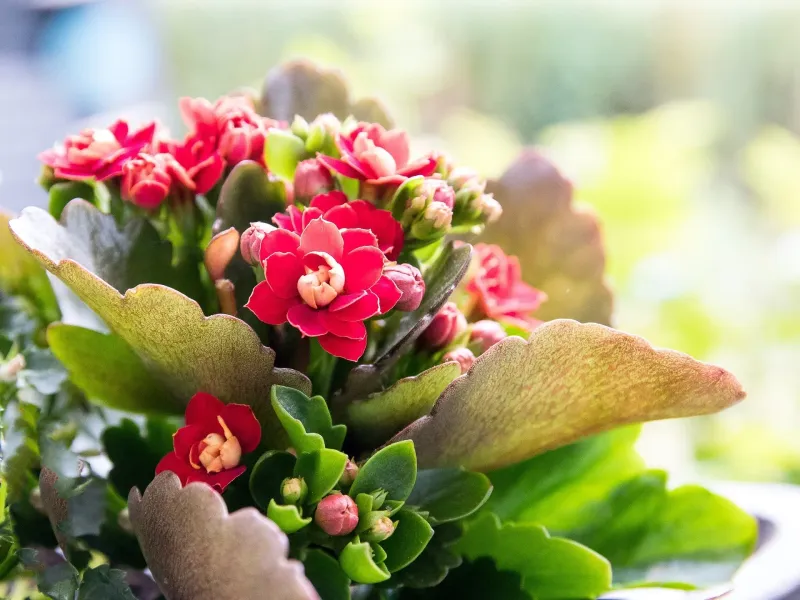
You have probably seen it in the checkout lane, cheerful clusters of orange, red, or pink flowers for just a few dollars. Kalanchoe is an impulse buy that ends up on countless windowsills.
Behind those happy blooms are cardiac glycosides called bufadienolides. Small nibbles usually cause vomiting and diarrhea in dogs and cats.
Larger amounts are less common but more serious, with the potential for abnormal heart rhythms and weakness. That heart risk is why kalanchoe deserves more respect than its price tag suggests.
Flowers are often the most concentrated part, and they tend to fall onto sills and floors as they fade. Deadhead regularly and toss spent blooms in a lidded trash can.
Some kalanchoe types, like mother of thousands, produce tiny baby plantlets along their leaf edges. Those drop everywhere and can sprout in nearby pots, so check other containers too.
In frost-free parts of Florida and South Texas, kalanchoe can thrive outdoors in rock gardens. If you have pets indoors, moving it outside to a fenced bed might be the simplest fix while still enjoying its long-lasting color.
14. Dracaena
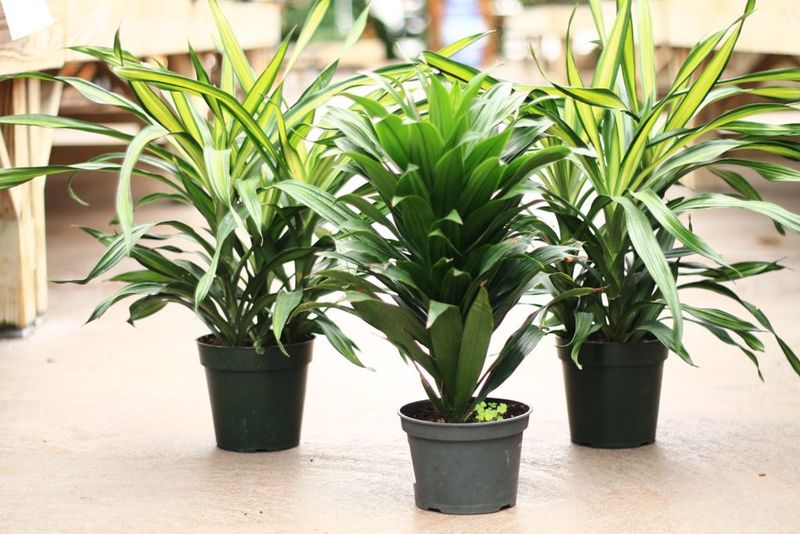
Corn plant, dragon tree, lucky bamboo. All of these go by different names, yet they belong to the dracaena family, which surprises many plant owners who think they have a pet-safe collection.
Dracaenas contain saponins. Cats and dogs that chew the leaves may vomit, sometimes with a little blood, and may drool, lose appetite, or seem depressed.
Cats can also show dilated pupils. Symptoms are typically mild to moderate, and these plants are not usually considered dangerous for children in small amounts.
Cats seem particularly fond of the long, grassy leaves, which sway like a toy. A cat chewing dracaena leaves may simply want greens, so offering a pot of cat grass nearby could reduce the temptation.
Lucky bamboo deserves a special mention because it often sits in water on low desks and coffee tables. Pets may drink that water or chew the stalks, so keep the container elevated.
On the care side, brown leaf tips often point to fluoride in tap water or dry air. Using filtered water may keep leaves healthier and reduce fallen foliage that pets might find on the floor.
15. Arrowhead Plant
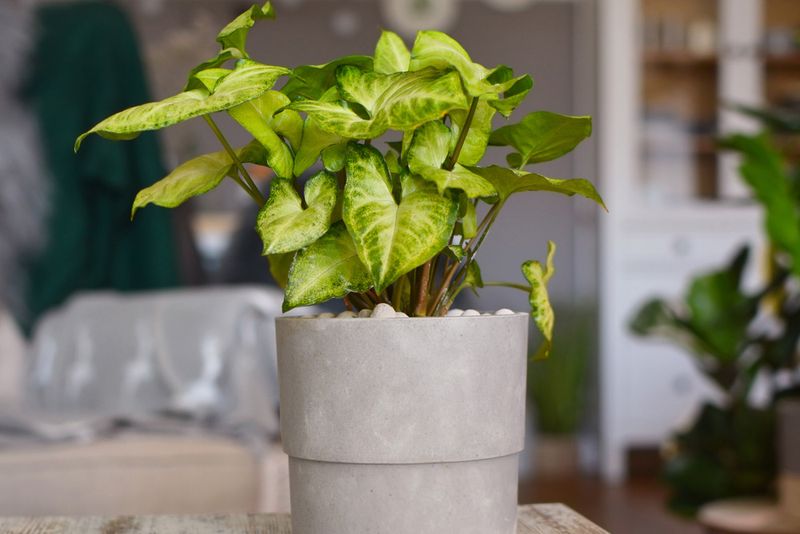
Little ones love the arrow-shaped leaves, especially the pink and speckled types that look almost like candy. That appeal is exactly why the arrowhead plant, or syngonium, belongs on this list.
It contains calcium oxalate crystals in the leaves and milky sap. Biting into it may cause mouth irritation, burning, drooling, swelling, and vomiting in kids and pets.
The sap can also irritate skin and eyes during pruning.
Young arrowhead plants look compact and tidy, so people often set them on coffee tables and desks. Give them time, though, and they start climbing and trailing, sending vines down toward the floor.
A simple fix is regular pinching. Trimming the long stems keeps the plant bushy and compact, which may also keep it farther from small hands.
Those cuttings root easily in water, but keep propagation jars somewhere high.
In the warmest parts of Florida, syngonium can escape into the wild and is considered invasive, so never toss cuttings into the yard. Bag trimmings with your trash instead.
That habit protects both your local landscape and any pets that roam the garden outside.
16. Amaryllis
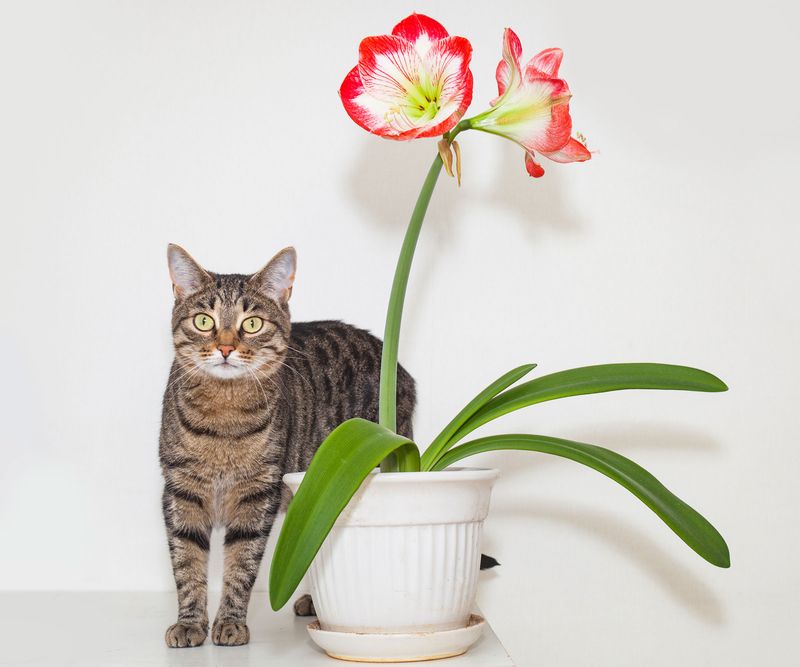
Holiday season means boxed amaryllis kits stacked by the register. Watching that fat bulb shoot up a stalk and open giant red trumpets is a fun family project, especially in winter.
The bulb is the most toxic part. Amaryllis contains alkaloids like lycorine that may cause vomiting, drooling, stomach pain, and diarrhea in pets and kids.
Larger amounts could lead to tremors or a drop in blood pressure. Leaves and flowers carry the compounds too, in smaller amounts.
Bulbs grown in clear glass vases or shallow pots are easy to reach and look a bit like a ball. Dogs especially may grab one.
Here is a Southern bonus. In much of Florida and the Gulf Coast, amaryllis can be planted outside after blooming and will often return each spring.
Moving spent bulbs to a garden bed away from pet play areas can clear the windowsill and give you years of color.
If you store bulbs indoors during dormancy, keep them in a labeled, sealed container on a high shelf. Never store them near onions or potatoes, where someone might mistake them for food.