
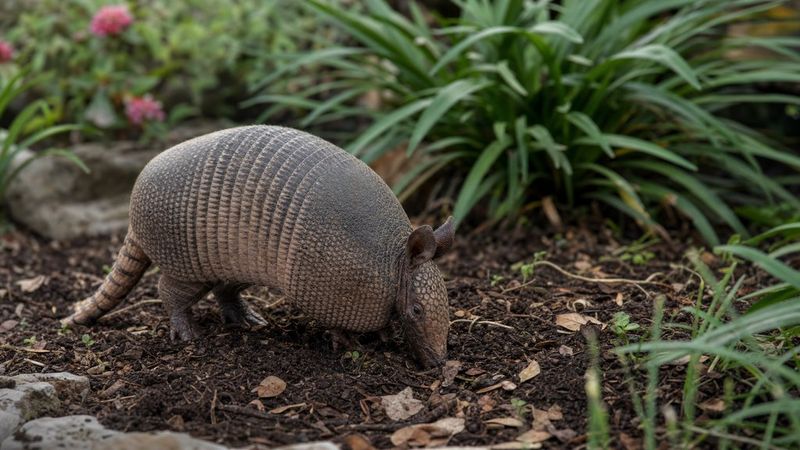
Armadillos do not show up with a plan to ruin your lawn. They follow food, soft soil, and easy cover, which means some Florida yards invite digging before others.
If you know what they are looking for, you can fix the weak spots and make your yard less tempting. Here are the seven yard problems that often get their attention first.
1. Grub-Filled Lawns
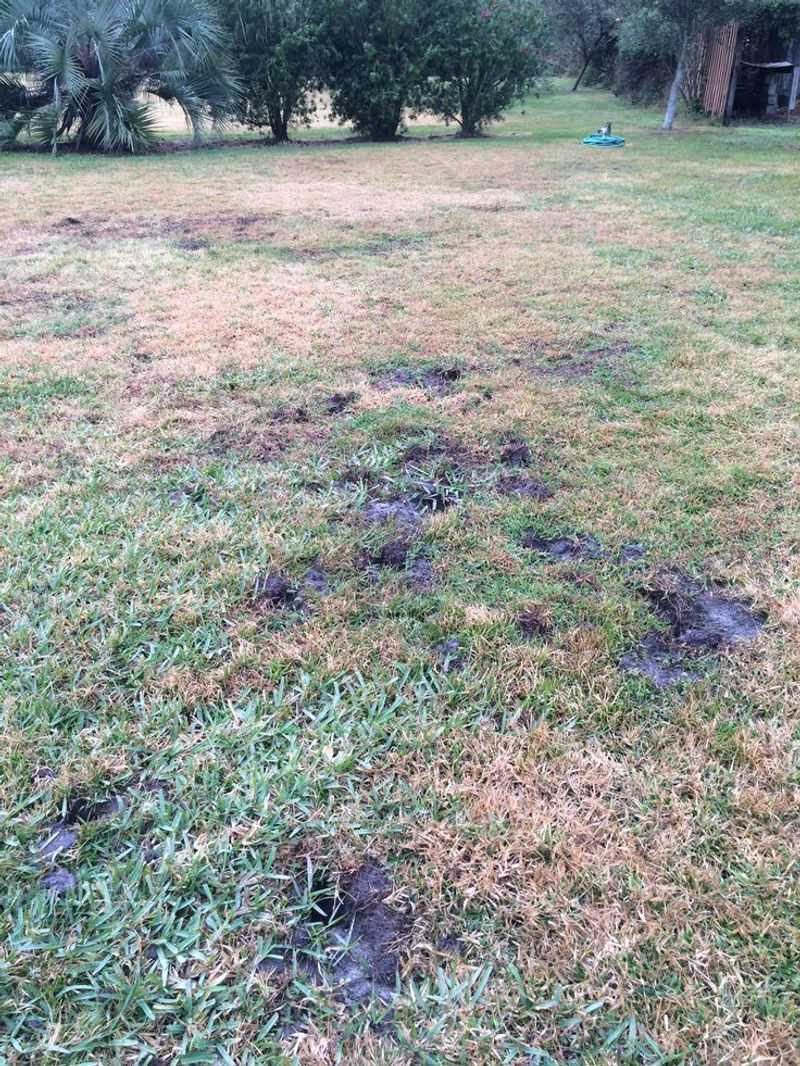
A lawn full of grubs is like a buried snack bar, and armadillos are built to find it. Their sharp sense of smell helps them locate beetle larvae and other insects under the turf, especially in warm, moist Florida soil.
Grub damage often shows up as thinning grass, brown patches, or turf that lifts too easily from the ground. Armadillos may arrive after the lawn is already weak, then make the mess look much worse by nosing and clawing through the soft spots.
Florida homeowners should avoid treating every hole as the main problem. The better first step is to check whether grubs are actually present by lifting a small section of turf near damaged areas.
UF-IFAS guidance generally supports identifying the pest before using lawn insecticides, since unnecessary treatments can harm helpful insects and waste money.
Healthy turf is less attractive because roots hold soil together and make digging harder. Water correctly, mow at the recommended height for your grass type, and fix pest problems only when they are confirmed.
Once the food source drops, armadillo visits often become less rewarding.
2. Overwatered Sandy Soil
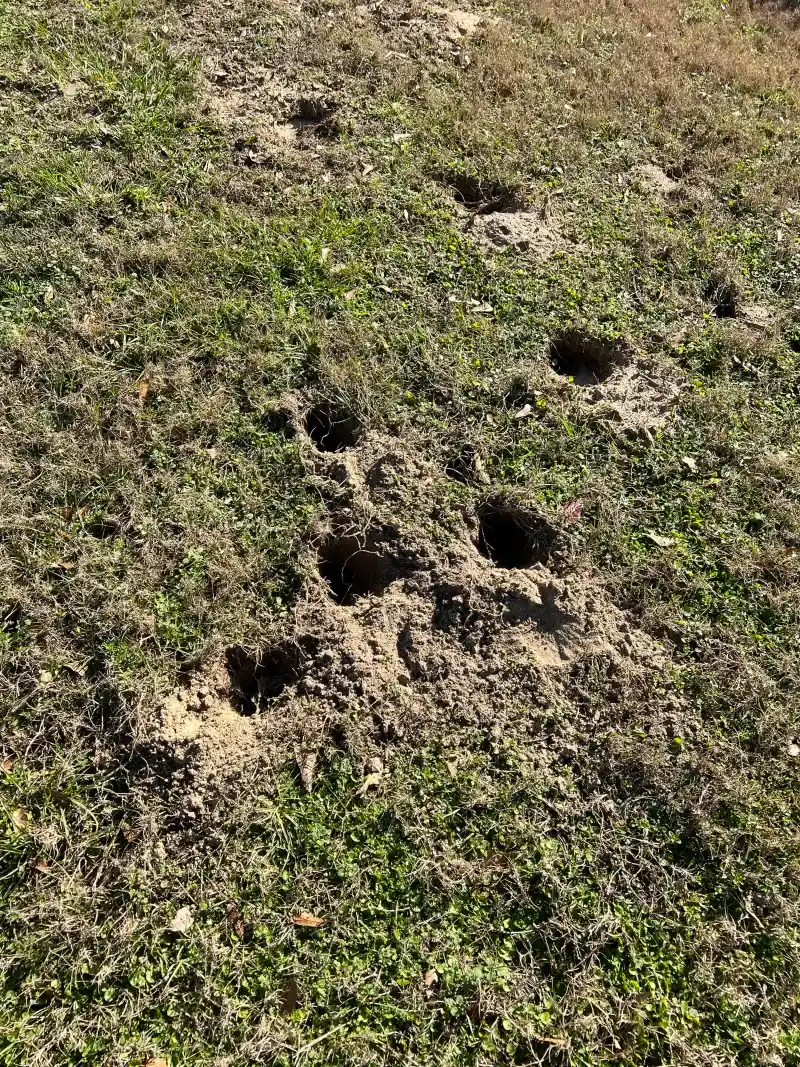
After a long sprinkler run, Florida sand can turn from dusty to diggable in a hurry. Armadillos have strong claws, but even they prefer soil that gives way easily, and wet sandy ground can be much easier to open than dry, compacted soil.
Overwatering also brings insects, earthworms, and other small soil life closer to the surface. That combination, soft ground plus active prey, can make a yard stand out during evening and nighttime foraging.
The tricky part is that many homeowners water more when they see lawn stress, even when the real issue is poor roots, pests, shade, or seasonal heat. In much of Florida, turf usually does better with deep, less frequent watering rather than daily soaking.
Local watering rules may also limit irrigation days, so it pays to know your county schedule.
Check the soil before turning on the system. If footprints stay visible, blades look folded, or the soil is dry a few inches down, watering may be needed.
If the ground feels damp already, skip the cycle. A smarter irrigation pattern can reduce digging appeal while also helping your lawn handle Florida heat with stronger roots.
3. Loose Mulch Beds Around Foundations
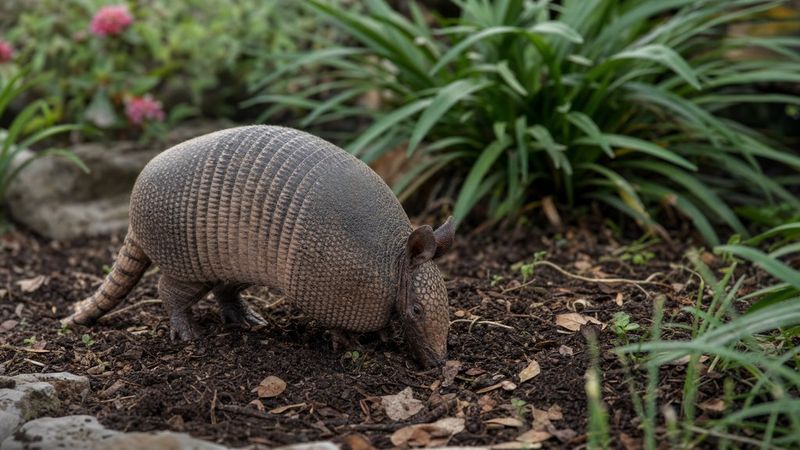
Mulch beds can be beautiful, but a deep, fluffy layer beside the house can feel like easy work to an armadillo. Instead of fighting through dense turf, the animal can push through loose mulch and sniff along the soil line for insects.
Foundation beds are especially inviting when they stay damp from roof runoff, shade, or irrigation overspray. Roaches, beetles, larvae, and other small critters often gather where organic matter breaks down.
Armadillos do not care about the neat edge you made last weekend, they care about what is moving underneath it.
Florida gardeners do not need to remove mulch completely. Mulch is useful for cooling soil, reducing weeds, and protecting plant roots in sandy ground.
The key is keeping it at a sensible depth, often around 2 to 3 inches, and pulling it back from siding, trunks, and foundation cracks.
Rake lumpy areas flat and avoid piling mulch into soft mounds along walkways and walls. If digging keeps happening in one bed, inspect for insect activity and soggy spots.
A cleaner, thinner, drier edge gives armadillos fewer easy places to start their nightly search.
4. Rotting Stumps and Old Wood Piles
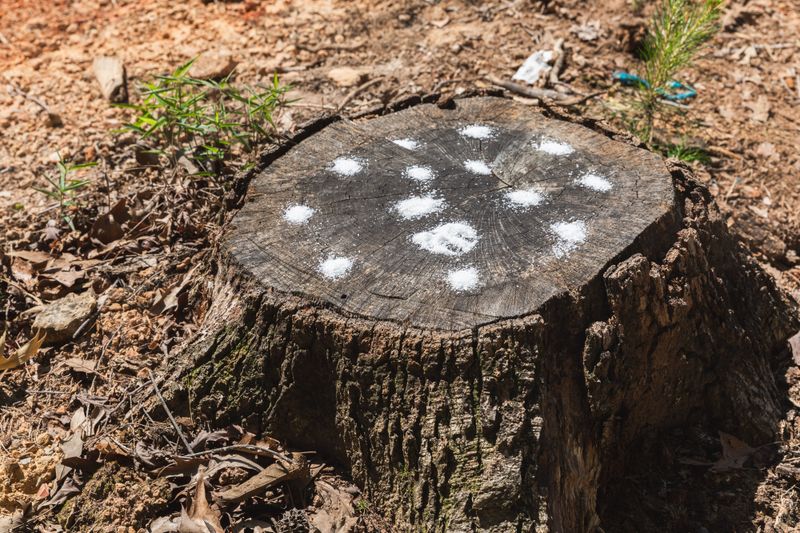
That old stump in the corner may look harmless, almost like part of the yard’s history. To an armadillo, though, decaying wood can mean beetles, termites, ants, and soft soil packed with smells worth investigating.
Rotting wood holds moisture through Florida’s long warm season, and insects thrive in that protected space. When old logs sit directly on sandy soil, the area underneath can become a hidden buffet.
Armadillos may dig around the edges, flip loose bark, or root through nearby leaf litter.
This problem is different from a grubby lawn because the attraction is concentrated in one messy, woody zone. You may notice repeated digging in the same back corner, near a fence line, or beside a shed where yard debris has been left too long.
Remove decayed wood you do not need, and store firewood off the ground and away from the house. If a stump is too large to grind right away, clear the loose debris around it and keep the area open so it dries faster.
Cleaning up old wood also helps reduce pest pressure near your home, which is a nice bonus beyond armadillo control.
5. Low, Brushy Hiding Spots
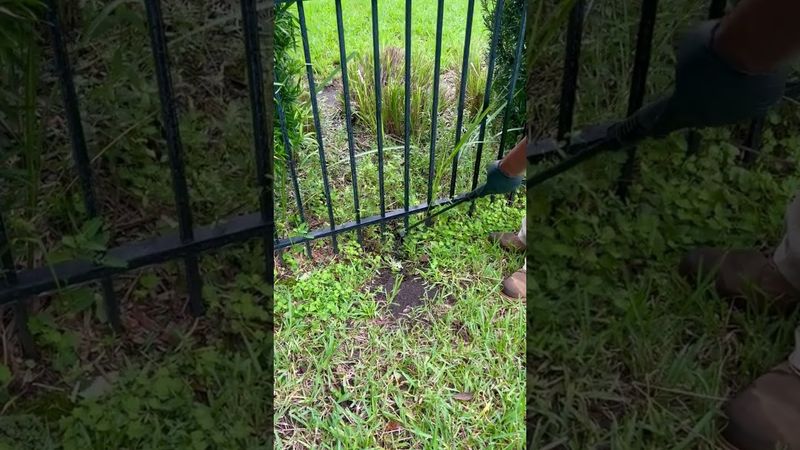
A tidy lawn in the open is not as comforting as a shady tunnel of weeds and shrubs. Armadillos like to forage where they can move with cover nearby, especially along fences, hedges, drainage edges, and thick plantings.
Low, brushy growth gives them a safer route into the yard. It also traps leaves and moisture, which encourages insects and softens the soil.
When cover and food sit in the same place, digging often starts there before spreading into more visible areas.
Florida yards can get overgrown fast, particularly after summer rains. Viburnum hedges, saw palmetto patches, ornamental grasses, and volunteer weeds may create dark pockets at ground level if they are not maintained.
Wildlife-friendly landscaping is still possible, but it works best when dense habitat is placed with intention rather than allowed to swallow every edge.
Lift shrub canopies a little, trim plants away from fences, and remove tangled debris at ground level. Keep a clear inspection strip along the foundation and around sheds.
You do not have to make the yard bare. Just breaking up hidden travel lanes can make armadillos feel more exposed and less likely to linger.
6. Unprotected Garden Beds Full of Worms and Insects
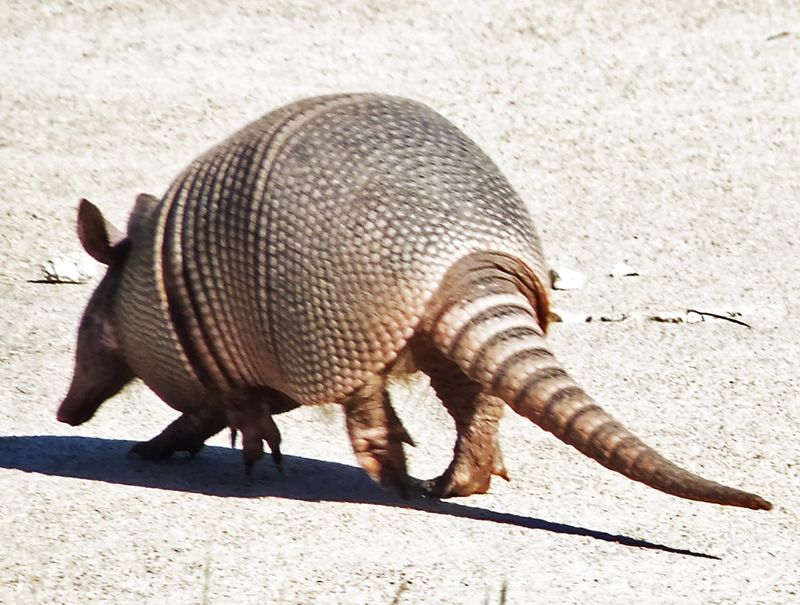
Vegetable beds smell alive, and that is exactly the problem. Compost, mulch, irrigation, worms, beetles, and soft turned soil can turn a productive Florida garden into prime armadillo hunting ground.
Freshly prepared beds are especially vulnerable because the soil is loose and easy to tear open. A new tomato row or fall vegetable bed may attract attention even before plants are large enough to shade the ground.
In Florida’s long growing season, that means the risk can pop up in spring, summer transitions, and fall planting time.
Unlike lawn digging, garden damage can cost you young plants. Armadillos may not be after your peppers or collards, but their search for insects can uproot seedlings, disturb roots, and wreck neat rows overnight.
Physical protection is often the most practical fix. Low fencing can help if it is sturdy and partly buried or tightly pinned at the bottom, since armadillos are diggers.
Hardware cloth around special beds, secure gates, and fewer loose compost scraps near the garden can reduce temptation. Keep compost finished before spreading it, and water at the base of plants instead of soaking every path.
A cleaner bed edge makes your vegetables harder to mistake for an open feeding zone.
7. Open Gaps Under Decks, Sheds, and Porches
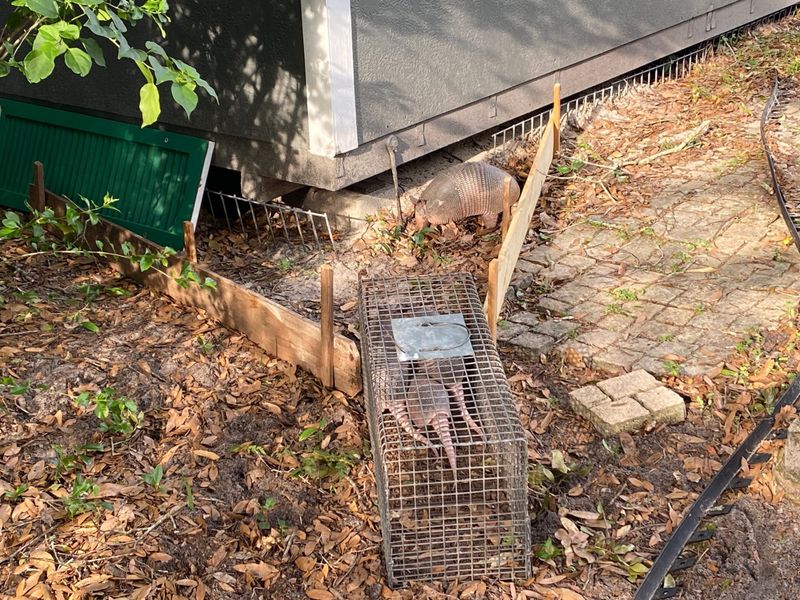
Few yard problems send a clearer invitation than a dark gap under a shed. If an armadillo can slip under a structure and find dry shelter near food, it may decide your yard is more than a feeding stop.
Burrows are a bigger issue than shallow feeding holes. They can appear near patios, slab edges, deck steps, sheds, and porch foundations, often with a rounded entrance and loose soil pushed out front.
In sandy Florida yards, digging a den can be easier than it would be in heavier clay soil.
Before closing any opening, make sure no animal is trapped inside. Look for fresh tracks, disturbed soil, or activity at dusk.
If you are unsure, contact a licensed wildlife professional or your local extension office for guidance. Sealing an occupied space can create a worse problem and is not humane.
Once the area is clear, block access with sturdy skirting or hardware cloth that extends into the ground or is angled outward and secured. Repair broken lattice, close gaps under gates, and remove nearby debris that gives cover.
When shelter disappears and food is less available, your yard becomes a much less convenient place for an armadillo to start digging.