
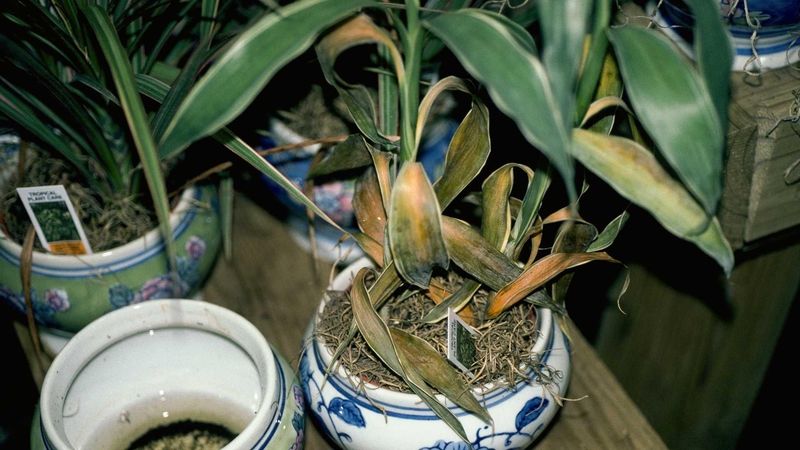
Some houseplants look gorgeous on the shelf but cause real headaches once you get them home. Between toxic leaves, thirsty roots, and pests that spread fast, a few popular picks have earned a shaky reputation among seasoned growers.
Here in the South, where warm rooms and curious pets are common, knowing which plants misbehave can save you money and frustration. Let’s look at eight familiar houseplants and the honest reasons some folks skip them.
1. Pothos
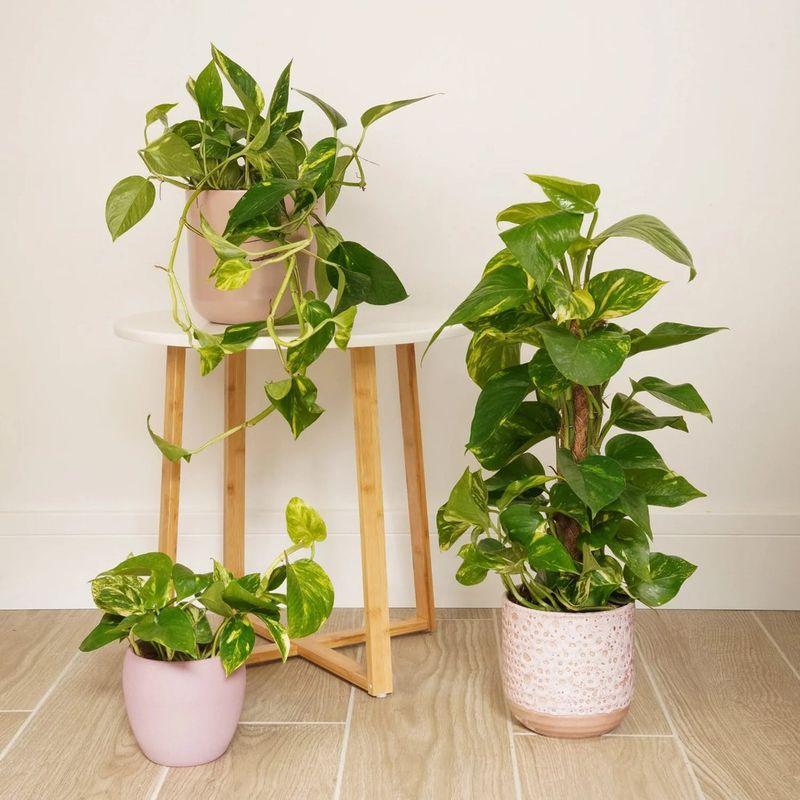
Ask around and you will hear pothos praised as the plant that survives anything. That reputation is mostly deserved, but it hides a couple of catches worth knowing before you hang one over the couch.
The vines grow fast and long, which sounds great until they start climbing curtains and tangling behind furniture. Left unchecked, a single pot can sprawl across a whole wall in a few warm Southern months.
The bigger worry is toxicity. Pothos leaves contain calcium oxalate crystals that can irritate the mouth and throat of pets and small children who chew them.
Cats and dogs are especially drawn to the dangling vines.
Root rot also creeps in when nervous owners overwater, since pothos actually prefers to dry out between drinks. Many growers who refuse to keep it indoors simply got tired of the mess and the safety worries.
If you love the look, hang it high, keep it trimmed, and place it far from curious mouths. That way you get the easy greenery without the common regrets.
2. Peace Lily
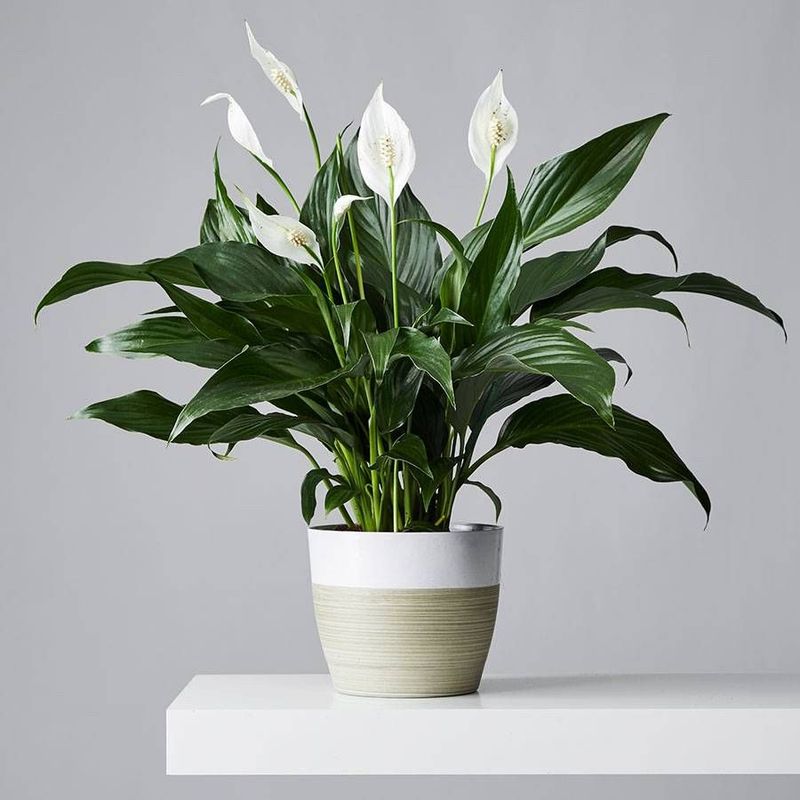
Few plants promise instant elegance like the peace lily, with its glossy leaves and creamy white blooms. Behind that graceful look, though, sits a plant that guilt-trips you every single day.
Peace lilies droop dramatically the moment they get thirsty, flopping over like they have fainted. New owners often panic, overwater to fix it, and then trigger root rot instead.
The plant recovers from wilting, but the emotional whiplash wears people out.
Toxicity is another sticking point. The sap carries the same calcium oxalate crystals found in pothos, which can cause drooling, mouth pain, and vomiting in pets that nibble it.
There is also the pollen and spathe mess to consider, since dropped blooms and dusty stamens can bother folks with sensitive sinuses.
None of this means the peace lily is a bad plant. It simply demands attention and a steady watering rhythm rather than the hands-off care some hoped for.
Keep it out of pet reach, water on a schedule, and it may reward you with blooms for years. Growers who want low drama often pass it by.
3. English Ivy
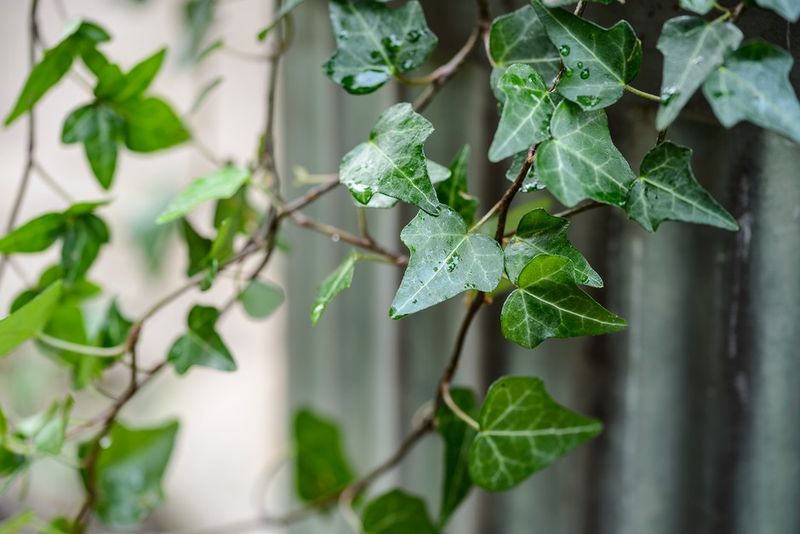
Draped across a mantel, English ivy looks like something out of a storybook cottage. That charm is exactly why so many people bring it home, and exactly why some growers swear they never will again.
Indoors, ivy is a magnet for spider mites. The dry air of heated or air-conditioned Southern homes creates perfect conditions for these tiny pests, and once they arrive they spread to nearby plants fast.
The leaves and berries are also toxic when eaten, causing stomach upset and skin irritation in both pets and people. Handling it barehanded leaves some folks with an itchy rash.
On top of that, ivy is thirsty and picky. It wants bright light, steady moisture, and cool roots, and it browns quickly when any of those slip.
Outdoors in parts of the South, escaped ivy becomes a smothering weed, which adds to its bad name.
If you still want that trailing look, inspect it weekly, mist it in dry rooms, and keep it separated from your other greenery. Many gardeners decide the constant vigilance is simply not worth the trouble.
4. Dieffenbachia
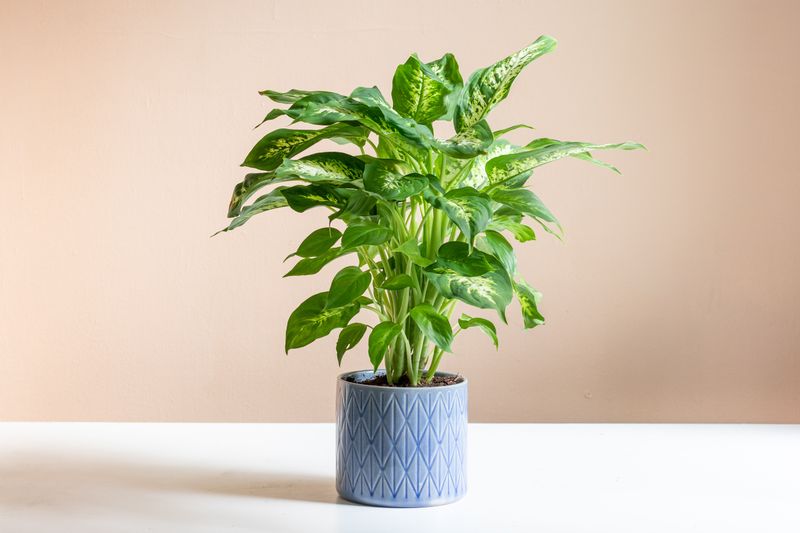
The nickname says it all: dieffenbachia is widely called dumb cane, and the story behind that name is enough to make anyone cautious. Chewing the stem can temporarily numb and swell the mouth so badly that speaking becomes difficult.
Those big, splashy leaves make it a favorite for filling empty corners, but the sap is loaded with irritating crystals and enzymes. In homes with toddlers or pets, that risk keeps a lot of growers from keeping it around at all.
Even careful handling during repotting or pruning can leave skin stinging if the sap touches a cut or your eyes. Gloves are strongly recommended.
Care-wise it is fussier than it looks, sulking in cold drafts and losing lower leaves when light is poor. Southern homes with strong air conditioning can chill it more than owners expect.
Given the numbing sap and the constant need to keep it out of reach, plenty of plant lovers decide the drama outweighs the good looks. If you do grow one, place it high, handle it with gloves, and keep it well away from little hands and paws.
5. Fiddle Leaf Fig
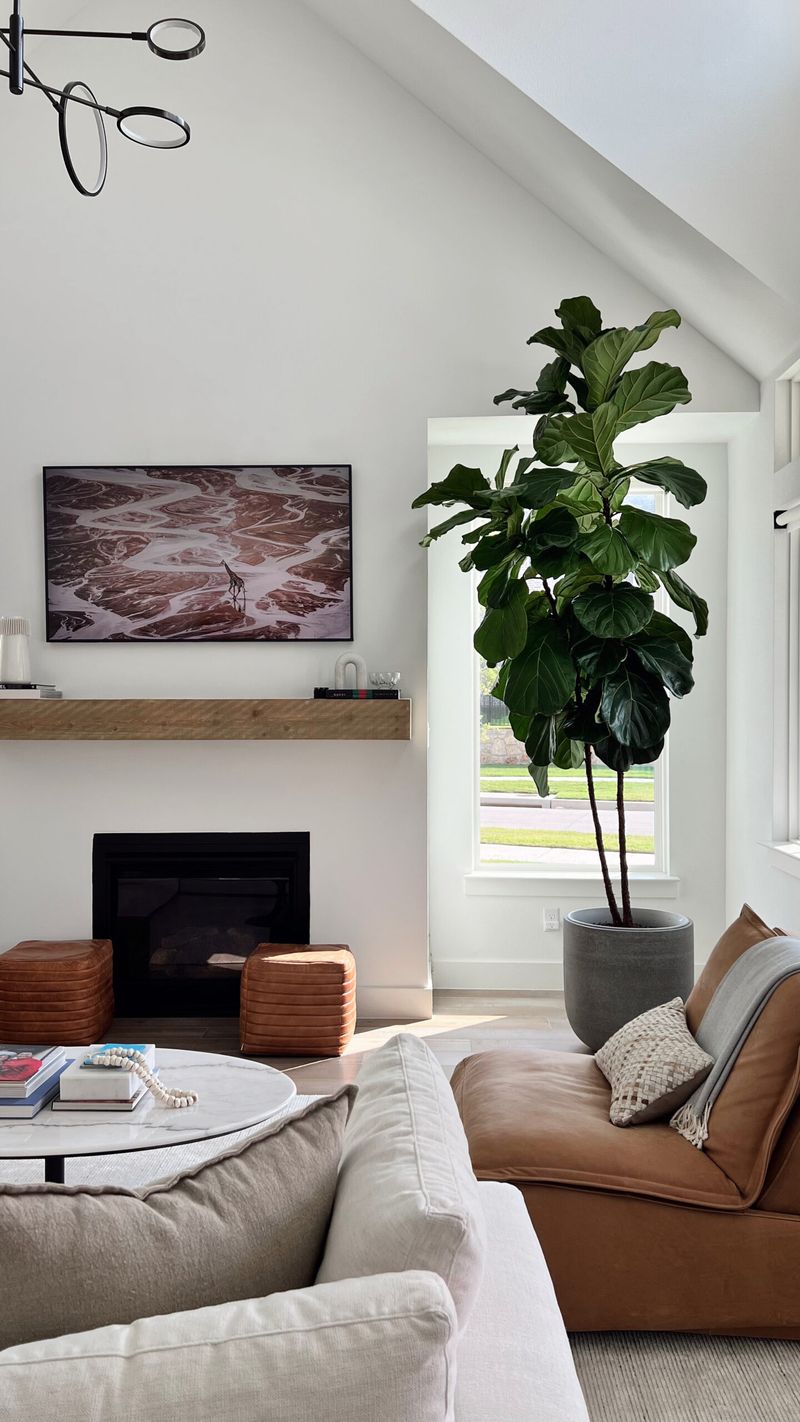
Scroll through any home design feed and the fiddle leaf fig is everywhere, tall and sculptural with those huge violin-shaped leaves. Its Instagram fame is exactly why so many first-time owners feel betrayed by it.
Fiddle leaf figs are famously dramatic about change. Move one across the room, and it may drop leaves in protest.
Draft it, overwater it, or let it dry out, and you get brown spots, yellowing, and bare stems within days.
They crave bright, consistent light and steady warmth, which sounds ideal for the South until air conditioning and shifting sun throw them off. Getting the watering right takes real practice.
The sap is mildly toxic too, irritating skin and upsetting the stomach of pets that chew fallen leaves.
Because it costs more than most houseplants, watching one decline stings extra. That combination of high price and high fussiness is why some growers flatly refuse to try again.
Success is possible with a permanent bright spot, a firm watering routine, and patience. Just know this beauty rewards consistency and punishes neglect harder than nearly any plant on this list.
6. Snake Plant
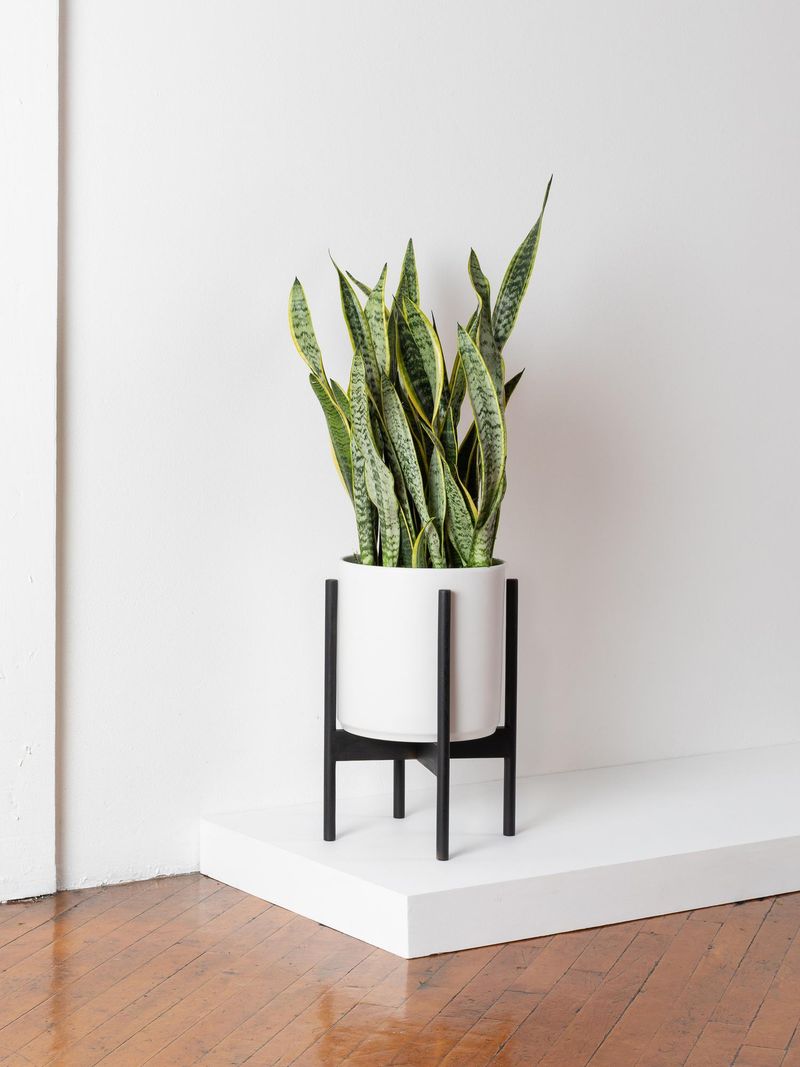
Marketed as nearly indestructible, the snake plant seems like the safe bet for anyone who kills everything else. Its tough reputation is real, yet a few surprises land it on plenty of avoid lists.
The number one killer is kindness. Snake plants store water in their thick leaves and rot fast when watered on a normal schedule.
Owners who treat them like typical houseplants end up with mushy, collapsing foliage.
Those sturdy leaves are also mildly toxic, causing nausea and drooling in cats and dogs that bite them. The tall shape practically invites a curious pet to chew.
Growth can be sneaky too. Underground rhizomes spread and crack cheap plastic pots, and a happy plant multiplies faster than expected.
Some growers also find the stiff, spiky look too rigid and cold for a cozy room, preferring softer greenery instead.
Still, if you can resist the urge to water often and keep it away from nibbling pets, few plants tolerate neglect this well. Plant it in gritty soil, water only when bone dry, and this one may outlive every other plant you own.
7. Philodendron
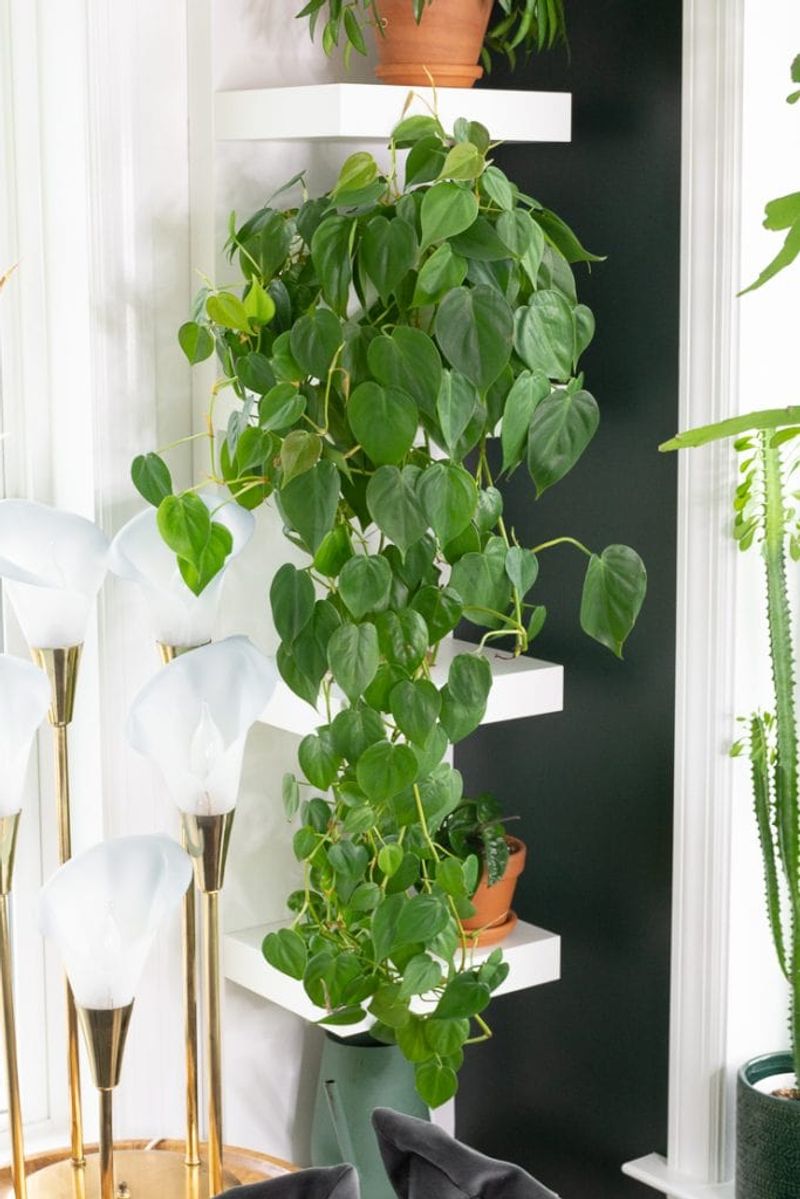
Beloved for its heart-shaped leaves and forgiving nature, the philodendron feels like a friendly starter plant. Behind that welcoming image, though, are the same worries that push cautious growers away.
Every part of the plant contains calcium oxalate crystals, so a curious pet or child who chews a leaf can end up with a burning mouth, drooling, and vomiting. With trailing vines dangling at nose level, temptation is everywhere.
The vining types also grow with real enthusiasm, quickly turning leggy and sparse if you do not pinch them back. Neglect the trimming and you get a few sad strands instead of a full plant.
Overwatering brings yellow leaves and root rot, a common mistake since philodendrons prefer to dry slightly between drinks.
In bright Southern rooms they can scorch if placed in direct sun, adding another small hurdle for new owners.
None of these issues are dealbreakers for experienced hands, but the toxicity alone convinces many pet owners to skip it. Hang it high, prune regularly, and water with restraint, and this easygoing climber can fill a shelf beautifully without becoming a hazard.
8. Aloe Vera
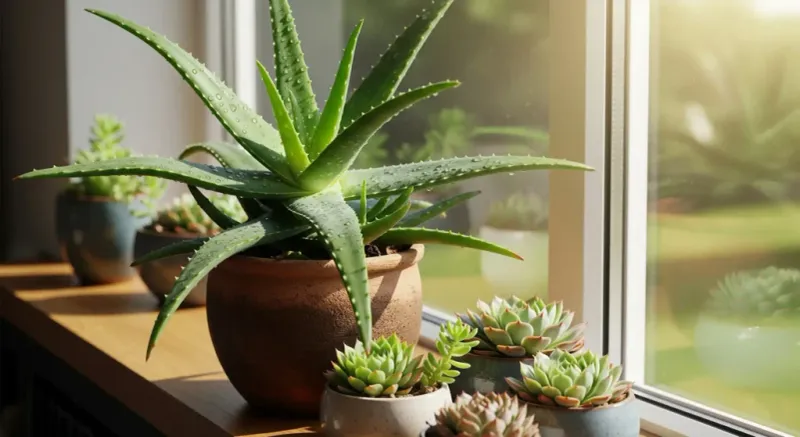
Kept for its soothing gel, aloe vera earns a spot on many windowsills as a living first-aid kit. Ironically, the plant prized for healing skin can cause trouble in the wrong home.
While the inner gel helps burns, the outer leaf contains a yellow latex that is toxic to pets. Cats and dogs that gnaw the fleshy leaves can suffer vomiting and diarrhea.
Aloe is also a sun-loving succulent that sulks in dim corners, stretching pale and floppy when light runs short. Southern windows can help, but rooms far from glass leave it weak.
Overwatering is the classic mistake, and soggy soil rots the roots almost overnight. Many people lose their aloe not from neglect but from too much care.
The spiky edges can also nick fingers and snag on passing sleeves, a minor annoyance that adds up.
Give it a bright sill, a fast-draining gritty mix, and long stretches of dry soil, and aloe rewards you with fresh gel for years. Keep those tempting leaves out of reach of pets, and this useful succulent stays a helper rather than a hazard.