
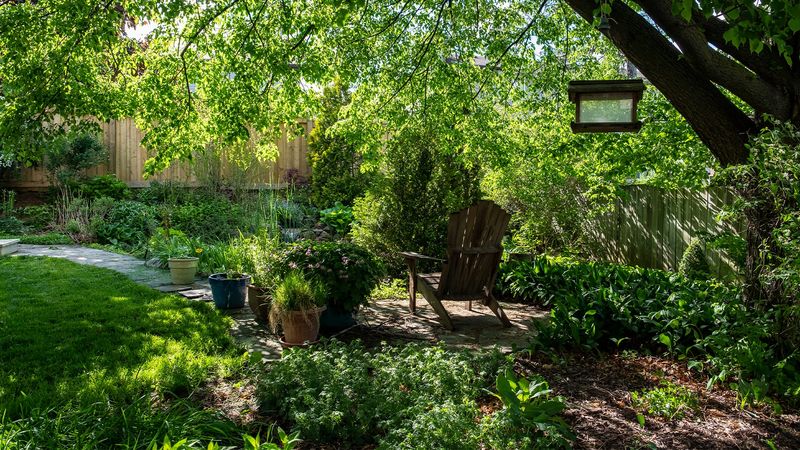
Ever wonder why some birds keep showing up in your yard while your neighbor’s stays quiet? It usually comes down to one thing: your yard is handing them exactly what they need, whether that’s seeds, bugs, water, or a safe place to nest. Once you learn what each bird is really hunting for, you can figure out why they picked you, and maybe invite even more of them over. Here are nine common backyard birds and the specific reasons your space keeps pulling them in.
1. Northern Cardinal
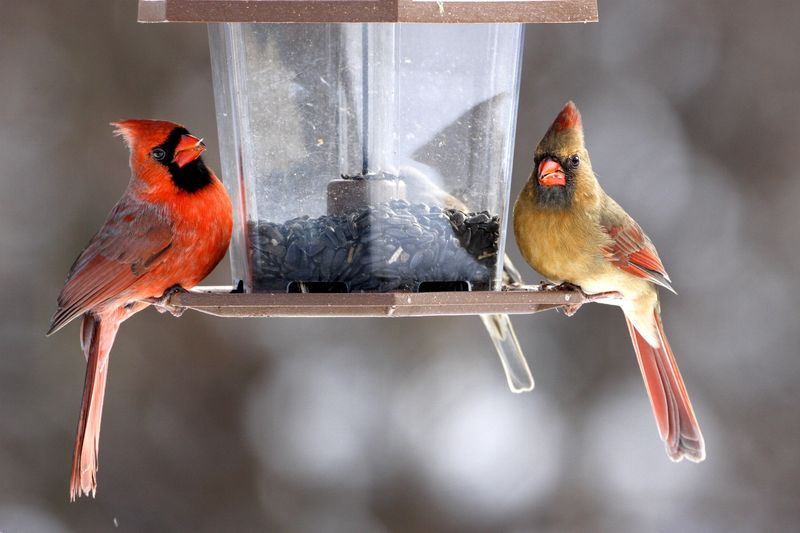
Bright red feathers and a cheerful whistle make the cardinal easy to spot, but it isn’t the color that keeps them coming back to your yard. These birds are hunting for a steady supply of seeds, and they have a serious soft spot for black oil sunflower seeds and safflower.
Cardinals love dense shrubs and low brush, so if you have thick hedges or a tangle of bushes near your feeder, you may have given them the perfect hideout. They feel safest when they can grab a snack and dart back into cover within a second or two.
Because they often feed at dawn and dusk, a platform or hopper feeder that lets them perch comfortably tends to win them over. Ground-feeding is common too, so scattered seed below the feeder can help draw them in.
Fun fact: unlike many songbirds, cardinals don’t migrate, so the pair visiting you in July may be the same pair braving your yard in January. Keep the seeds coming and a little shelter nearby, and they’ll likely treat your space as a year-round home base.
2. American Robin
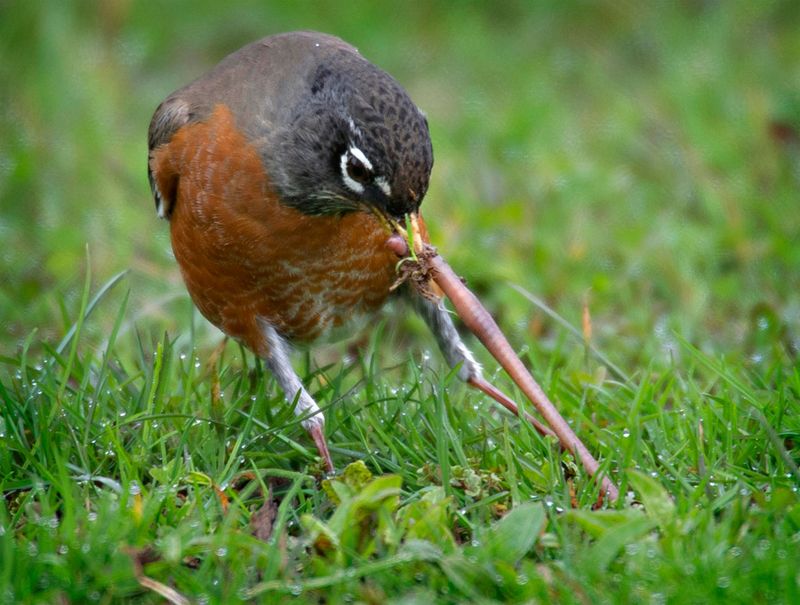
You’ve probably watched a robin cock its head sideways on the lawn, freeze, then yank a worm out of the ground like a magic trick. That hunting style tells you exactly what pulled them into your yard: a healthy, damp lawn crawling with earthworms and insects.
Robins aren’t big fans of seed feeders. Instead they patrol open grassy areas, poking for grubs, beetles, and worms, which is why a chemical-free lawn that stays a little moist can turn into their favorite dining spot.
Come late summer and fall, their menu shifts toward berries. If you have holly, dogwood, serviceberry, or crabapple, you’ve offered them a second reason to stick around.
A shallow birdbath seals the deal, since robins love to splash and drink. They’re also early risers, often the first voice you hear before sunrise.
Did you know a robin can eat its own weight in food across a single day? That appetite means a bug-friendly yard can feel like an all-you-can-eat buffet, and they’ll happily return as long as the ground keeps giving them dinner.
3. Black-capped Chickadee
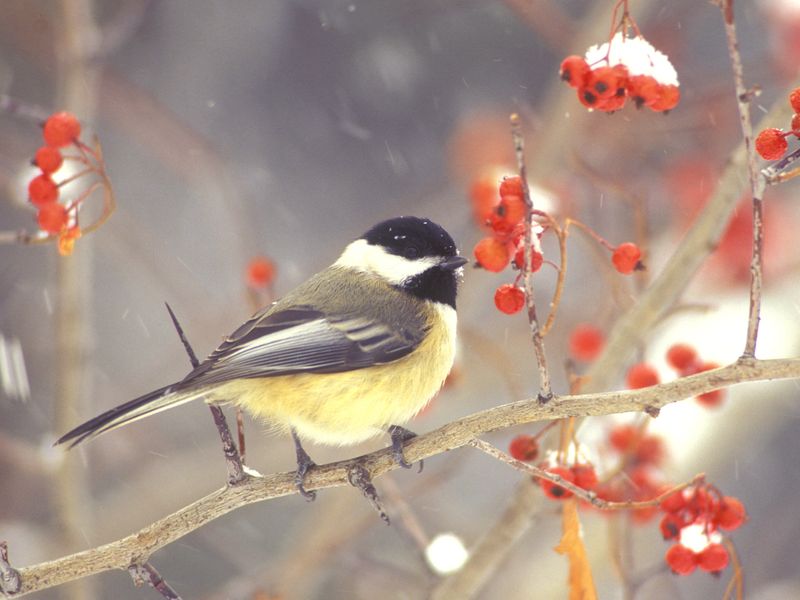
Tiny, bold, and almost impossibly cute, the chickadee is the little acrobat that flits to your feeder, grabs one seed, and zips right back to a branch to crack it open. That grab-and-go habit points to what they crave most: easy access to seeds and a nearby tree to work in peace.
Chickadees adore sunflower seeds, peanuts, and suet, especially in colder months when fatty foods help them survive freezing nights. A feeder placed within a short hop of a tree or shrub matches their cautious, quick-dash feeding style perfectly.
They’re also cavity nesters, so if you have older trees with small holes or a well-placed nest box, you may have handed them prime real estate.
One reason people fall for them is their boldness. With patience, a chickadee may even take a seed from your open hand.
Here’s something wild: chickadees can lower their body temperature at night to save energy, and they stash food in hundreds of hidden spots, remembering each one. Give them seeds and cover, and your yard becomes part of their carefully mapped pantry.
4. American Goldfinch
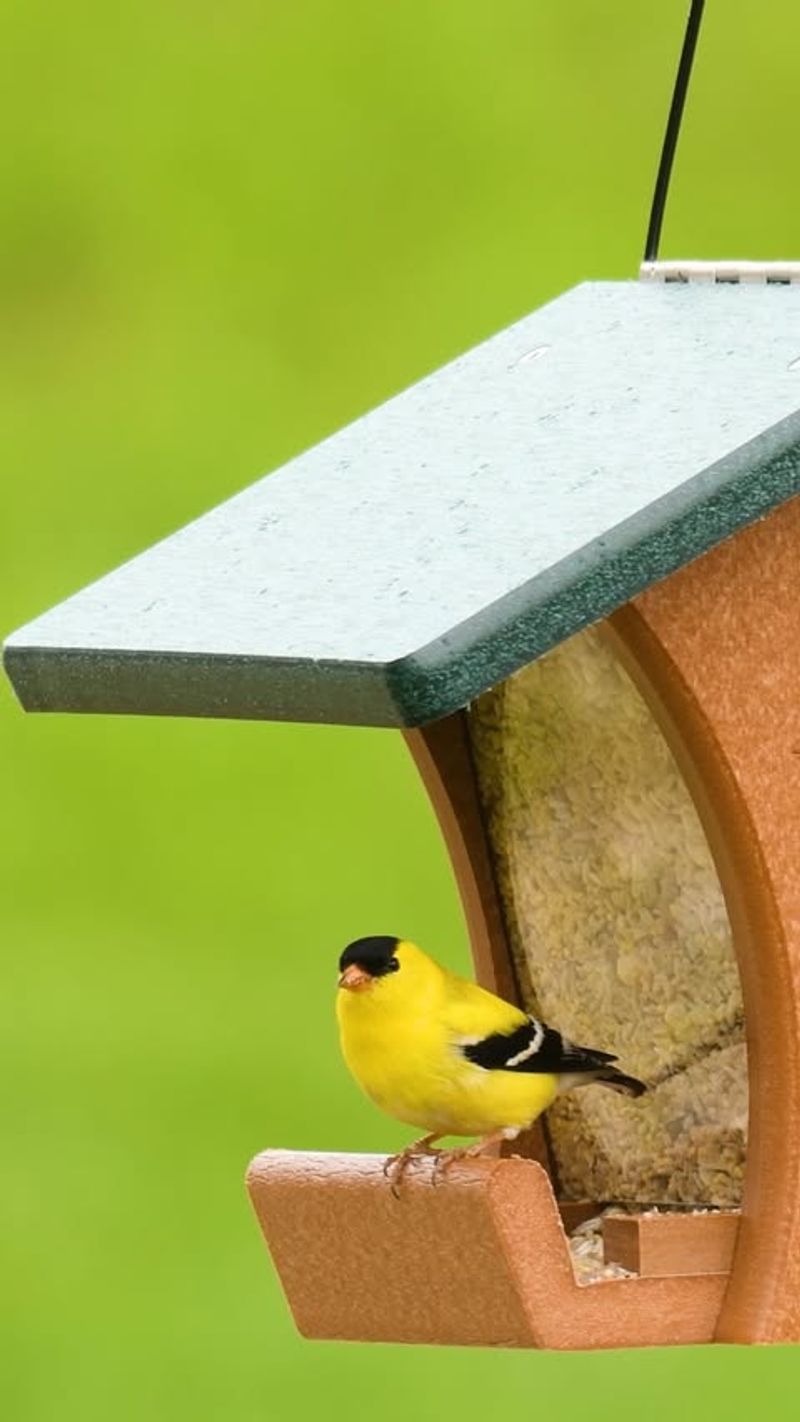
Flashes of lemon-yellow bouncing across the yard in summer usually mean goldfinches have found something they love. What they’re really after is small, oily seeds, and they go absolutely crazy for nyjer (thistle) and sunflower hearts.
Unlike most backyard birds, goldfinches are almost strictly vegetarian, so a specialized nyjer feeder can be the single thing that convinces them your yard is worth the trip. They cling and feed in little social clusters, often several at once.
Native plants matter here too. If you let coneflowers, sunflowers, or asters go to seed, you’ve basically set out a wild snack bar they can’t resist.
Goldfinches nest surprisingly late, often waiting until midsummer when thistle and milkweed down is ready to line their nests. So a yard with some seedy, slightly wild corners gives them nesting material and food in one stop.
Their color shift is a fun tell: brilliant gold in warm months, then a drab olive-brown in winter, which fools plenty of people into thinking they’ve left. Keep the nyjer stocked, and those muted winter visitors are the same cheerful summer regulars.
5. Blue Jay
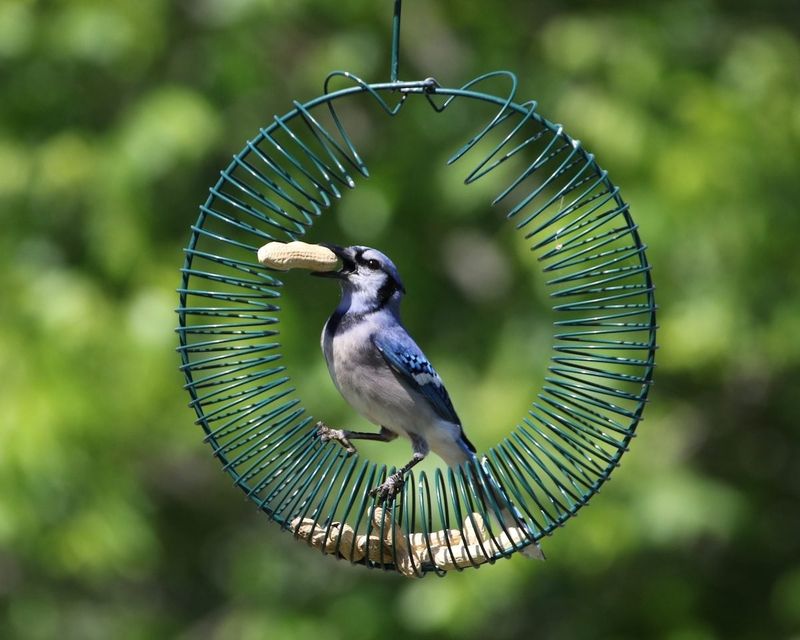
Loud, smart, and impossible to ignore, blue jays announce themselves the moment they arrive. Behind that bold personality is a bird hunting for two big things: peanuts and acorns. If you have oak trees or offer whole peanuts, you’ve caught their sharp attention.
Jays are hoarders by nature. They’ll grab several nuts, carry them off, and bury them for later, which means a peanut feeder can turn into a busy pickup station all day long.
They also appreciate a sturdy platform feeder, since their size makes tube feeders awkward. Plenty of open perching space and a birdbath big enough to splash in adds extra appeal.
Here’s a twist worth noting: jays sometimes get a bad reputation for bossing smaller birds around, yet their acorn-burying habit helps plant new oak trees across the landscape. That backyard bully may actually be doing your neighborhood a quiet favor.
They’re mimics too, occasionally imitating hawk calls to scare other birds off a feeder. Offer nuts and a little open space, and these clever, noisy characters will make your yard part of their daily rounds.
6. Ruby-throated Hummingbird
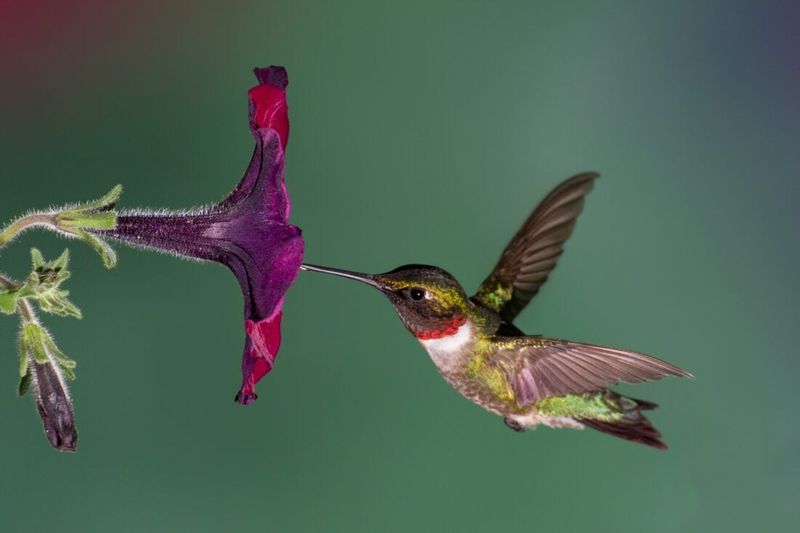
Blink and you might miss one, but the buzzing zip of a hummingbird is unmistakable once you know it. These tiny fliers are hunting almost nonstop for high-energy nectar, and your yard wins them over the moment it offers sweet flowers or a feeder.
Tubular, brightly colored blooms are their favorite target, so trumpet vine, bee balm, salvia, and red penstemon act like neon signs. A nectar feeder filled with a simple sugar-water mix (four parts water to one part sugar, no dye) can pull them in fast.
They also snap up tiny insects for protein, so a yard that isn’t drenched in pesticides gives them a fuller diet. Fresh water misters or drippers add another draw, since they bathe in fine spray.
Their energy demands are jaw-dropping. A hummingbird’s heart can beat over a thousand times a minute, and they may visit hundreds of flowers a day just to keep going.
Because they defend feeders fiercely, one hummingbird may claim your yard as its personal territory. Keep the nectar fresh and the flowers blooming, and that little guardian will patrol your space all season.
7. Downy Woodpecker
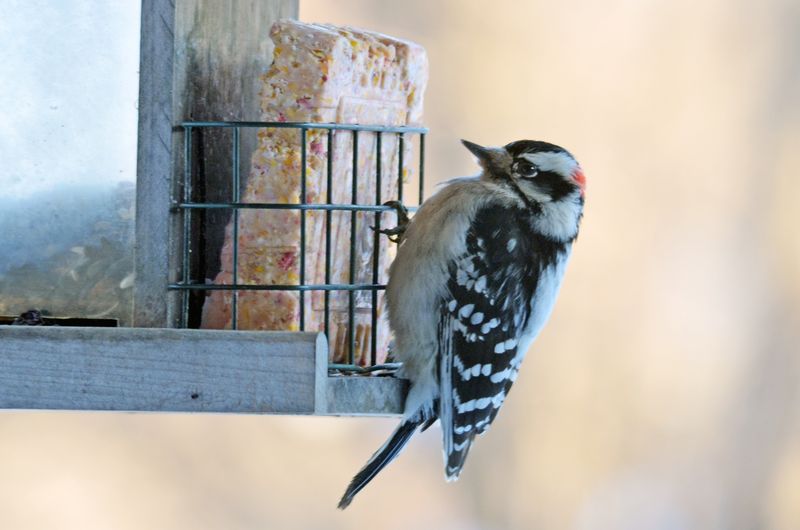
A soft tapping sound working its way up a tree trunk often means a downy woodpecker has decided your yard is worth investigating. Smallest of the North American woodpeckers, this little driller is hunting for insects tucked under bark, along with suet and seeds.
They cling to trunks and branches, probing for beetle larvae, ants, and other hidden bugs, so mature trees or even a dead snag left standing can be a huge draw. If you have both, you’ve handed them a reliable hunting ground.
Suet feeders are the fastest way to get their attention, especially in winter when insects are scarce. They’ll also nibble sunflower seeds and peanuts from a feeder that gives them something to grip.
People sometimes mix them up with the larger hairy woodpecker, but the downy’s petite size and stubby bill give it away.
Their tongue is a marvel, long and barbed so it can spear grubs deep inside wood. Offer suet, keep a few trees standing, and you’ve built exactly the bug-and-fat combination that keeps these busy little climbers tapping their way back to you.
8. Mourning Dove
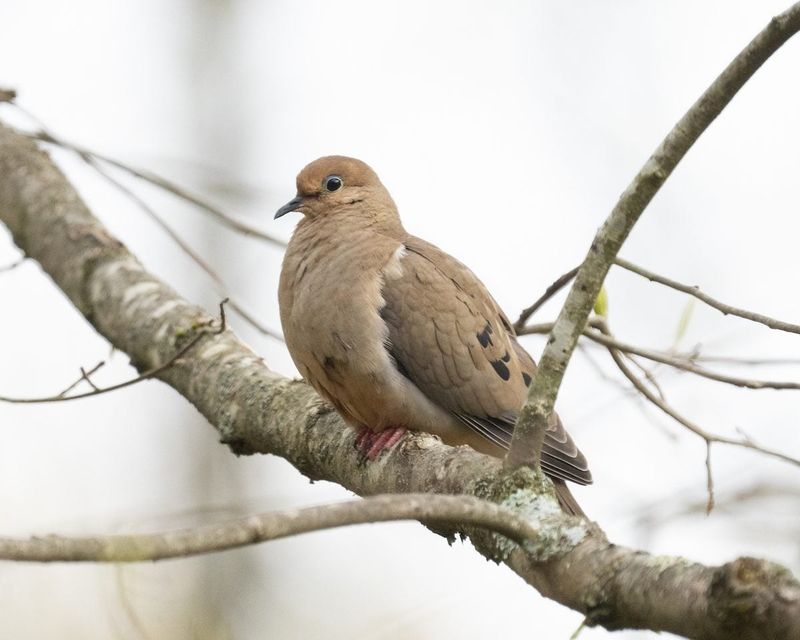
That gentle, mournful cooing drifting across a quiet morning almost always belongs to the mourning dove. Plump and calm, these birds are hunting for one main thing: seeds scattered on open, flat ground.
Unlike acrobatic feeder birds, doves prefer to walk and peck along the earth, so a low platform feeder or simply seed spread on the ground fits their style. Millet, cracked corn, and sunflower seeds top their menu.
They like a clear line of sight while they eat, favoring open spots where they can spot danger and take off quickly. A nearby wire, fence, or bare branch to rest and sun themselves adds to the appeal.
A shallow water source helps too, and doves drink in an unusual way, sucking water up steadily rather than tipping their heads back like most birds.
Here’s a charming detail: mourning doves feed their young a substance called crop milk, produced by both parents. Give them open ground, spilled seed, and a bit of calm, and these soft-voiced regulars will settle into your yard as some of its most peaceful and loyal visitors.
9. House Wren
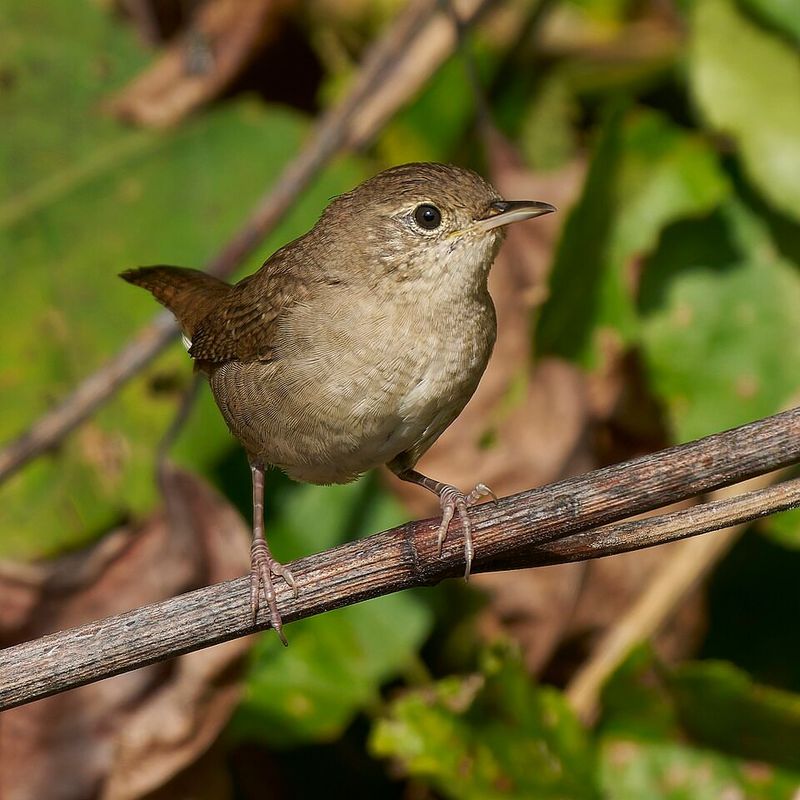
Small enough to fit in your palm yet bursting with bubbly song, the house wren is a bug-hunting machine that picks yards loaded with insects and tucked-away nesting spots. Where there are spiders, caterpillars, and beetles, a wren is usually close behind.
These birds rarely bother with seed feeders. Instead they scour shrubs, woodpiles, and garden edges for creepy-crawlies, which makes a natural, slightly messy yard far more attractive to them than a tidy one.
Their real weakness is a good cavity to nest in. A wren house, an old boot, a hanging pot, or a gap in the fence can all become prime property in their eyes.
Wrens are famously feisty. A tiny male may build several starter nests and sing endlessly to defend his patch, filling your yard with nonstop chatter.
One quirky habit: they sometimes add spider egg sacs to their nests, and the hatched spiderlings may help eat mites that would bother the chicks. Leave some brush, hang a small nest box, and go easy on the bug spray, and you may earn a summer-long serenade from these bold little insect hunters.