
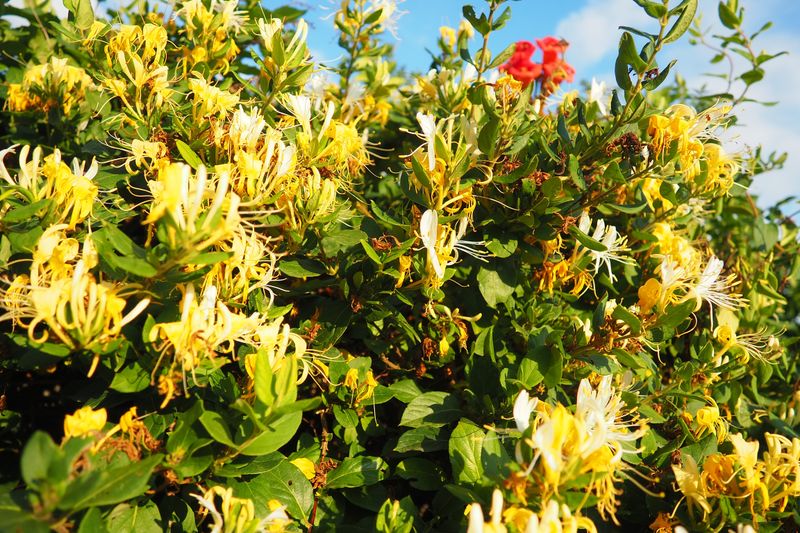
Some of the prettiest plants in your yard might actually be against the law to grow. Across the country, certain species spread so fast or cause so much harm that states have banned them outright.
If you garden in Florida, Texas, or anywhere warm, you may already have one of these troublemakers hiding in your beds. Let’s look at the plants you might want to pull before they cause a problem.
1. Kudzu
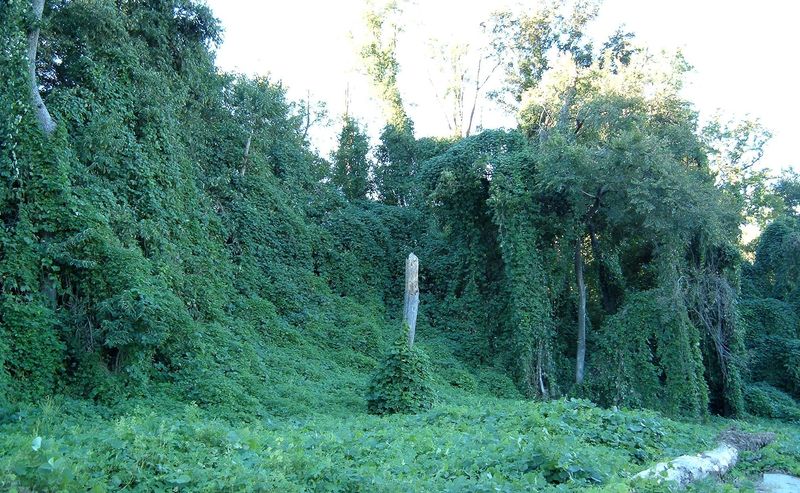
Folks in the South know kudzu by its nickname: the vine that ate the South. Brought over from Asia to help stop soil erosion, it turned into one of the worst plant invaders the country has ever seen.Growing up to a foot a day in warm weather, kudzu blankets trees, sheds, cars, and anything else that stands still long enough.
Once it takes hold, it blocks sunlight and chokes out native plants underneath.Many states, including several in the South, have listed it as a noxious weed that cannot be planted or sold. Florida and Texas gardeners battling humid heat give kudzu the perfect conditions to explode.If you spot those broad, three-part leaves creeping along a fence line, act fast.
Digging out the root crown may help slow it, but repeated cutting is usually needed to keep it down.Honestly, no one plants kudzu on purpose anymore, yet it often sneaks in from a neighboring lot. Keeping an eye on your property edges can save you years of frustrating cleanup later.
2. Water Hyacinth
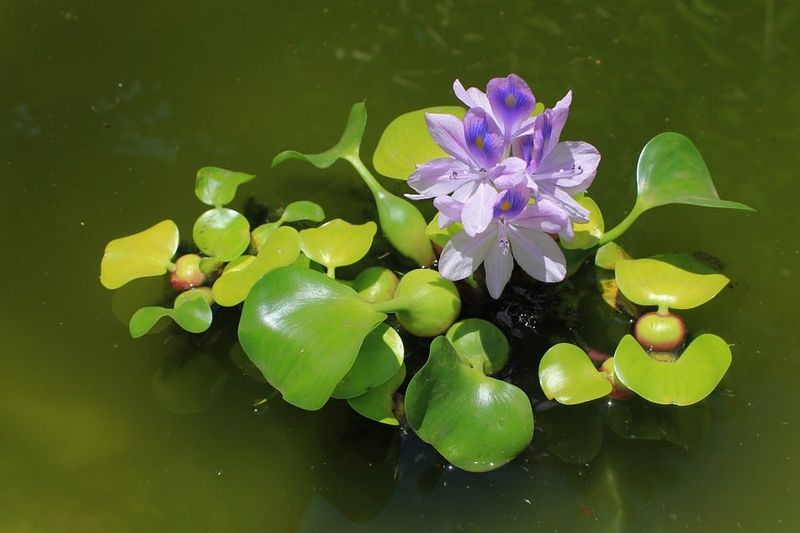
Pretty enough to fool anyone, water hyacinth floats across ponds with delicate lavender blooms that look like something from a postcard. Behind that charm hides one of the fastest-spreading aquatic weeds on the planet.A single plant can double in under two weeks, forming mats so thick they block boats, smother fish, and steal oxygen from the water.
In Florida, whole waterways have vanished under these floating carpets.Because of that, it is banned or heavily restricted in many states, and it is illegal to sell or transport in places like Texas and Florida. Warm Southern water gives it everything it needs to run wild.If you inherited a backyard pond with these floating rosettes, scoop them out and dispose of them in the trash, never in a natural waterway.Gardeners often buy it for water features without realizing the trouble ahead.
A safer bet is choosing native aquatic plants that give the same lush look without the legal headache or the choking spread.
3. Giant Hogweed
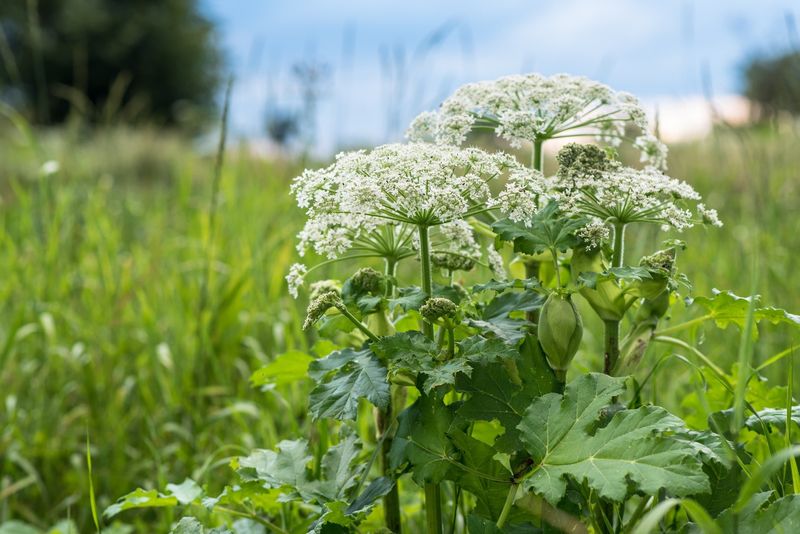
Imagine a plant so dangerous that touching it can leave you with burns and blisters. Giant hogweed does exactly that, and its sap reacts with sunlight to scar skin badly.Standing up to 14 feet tall with umbrella-shaped white flower heads, it looks like an oversized version of Queen Anne’s lace.
That striking size is part of why some folks once planted it as an ornamental showpiece.Federal law lists it as a noxious weed, making it illegal to grow, sell, or move across state lines. While it favors cooler regions, awareness matters everywhere since seeds travel easily.Should you find one, do not yank it with bare hands.
Cover up completely, and consider calling your local extension office for safe removal guidance.Washing skin immediately and staying out of sunlight may reduce the reaction if contact happens. For a tall, dramatic garden accent without the danger, native joe-pye weed offers height and pollinator appeal.
Keeping this one off your property protects both your family and your neighbors from a nasty surprise.
4. Purple Loosestrife
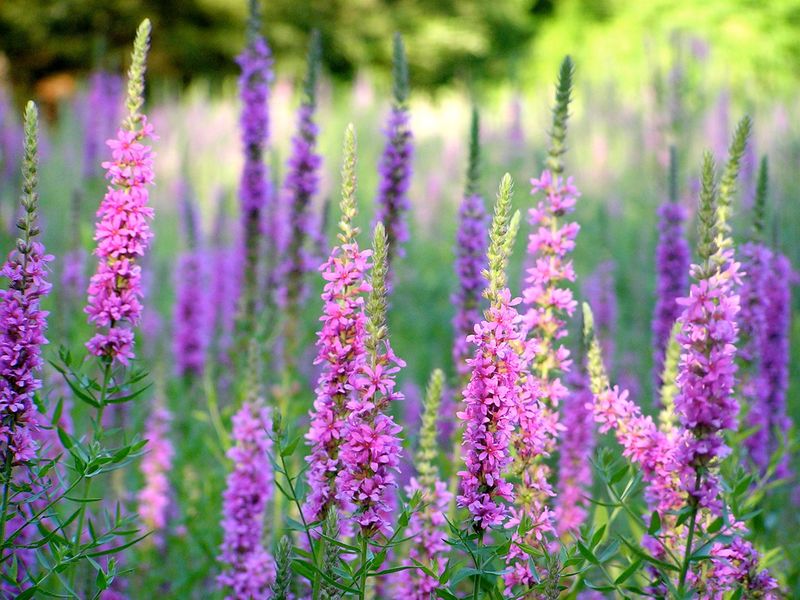
Those glowing spikes of magenta flowers look gorgeous swaying in a wet meadow, and that beauty is exactly the problem. Purple loosestrife was sold for years as a garden ornamental before people realized what it does to wetlands.One mature plant can pump out over two million seeds a year, so it takes over marshes and ditches with alarming speed.
Native cattails and the wildlife that depend on them get pushed out entirely.Banned or restricted in a large number of states, it remains illegal to sell in many areas. Wet Southern lowlands and drainage areas offer plenty of room for it to settle in.Pulling young plants before they flower can help stop the seed spread, though roots must come out completely.Gardeners craving that upright purple color have great alternatives like blazing star or native salvia.
Both bring pollinators buzzing without threatening your local pond or creek. If you already have loosestrife, snipping the flower heads before they set seed is a smart first step toward getting it under control.
5. Japanese Barberry
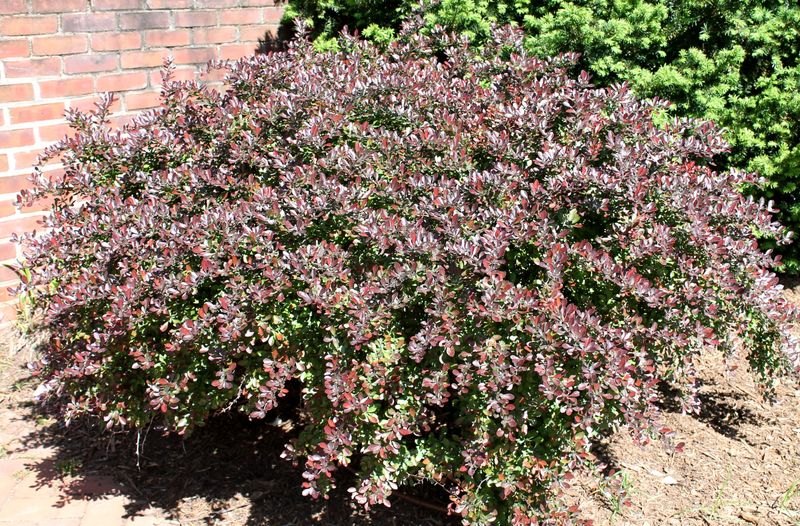
A tidy little shrub with reddish leaves and bright berries, Japanese barberry has been a landscaping favorite for decades. What most gardeners never hear is that it creates the perfect hiding spot for disease-carrying ticks.Studies have found that thickets of barberry hold higher humidity near the ground, which ticks love, boosting the risk of Lyme disease in the yard.
Add its habit of escaping into forests, and you have a plant several states have banned outright.Because it spreads by seed dropped by birds, it slips into natural areas without any help from people. Sales are now prohibited in a growing list of states.Removing it means digging out the whole root system, and wearing gloves helps against those sharp thorns.Homeowners who loved its color have solid swaps like native ninebark or red chokeberry, both of which offer rich foliage and berries birds actually benefit from.
Trading barberry for one of these may lower tick pressure around your home while keeping that pop of seasonal color you wanted in the first place.
6. Chinese Tallow Tree
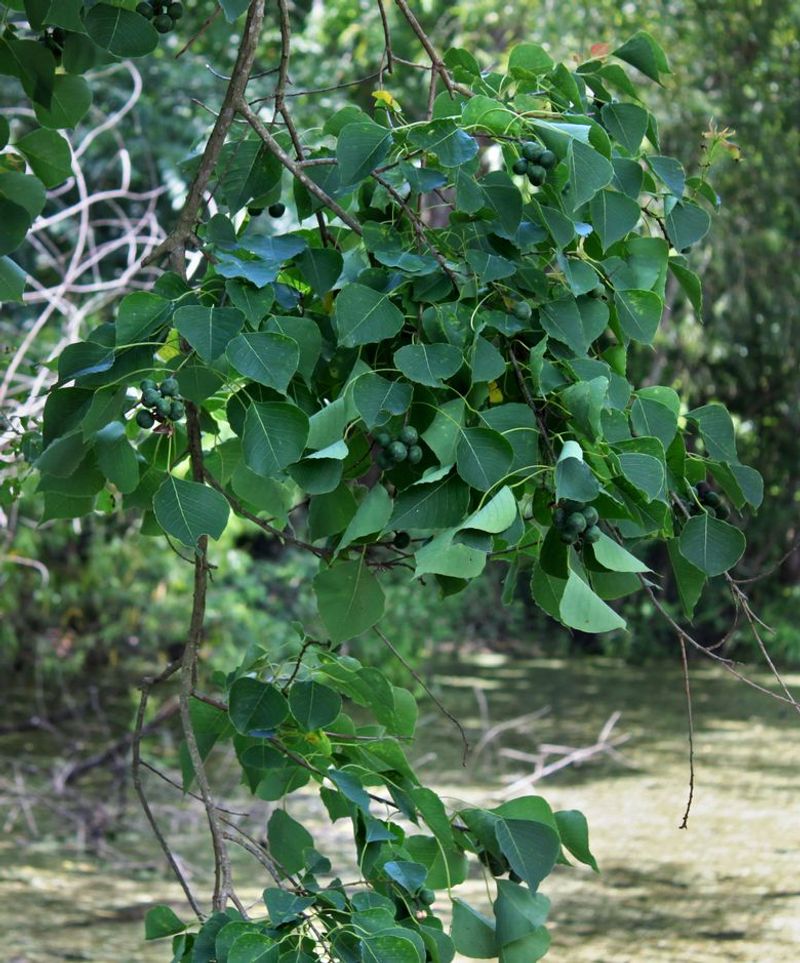
Sometimes called the popcorn tree for its white waxy seeds, the Chinese tallow tree was once handed out as a fast-growing shade choice. Southern gardeners quickly learned that fast growth comes with a heavy price.It spreads aggressively across Texas and Florida, taking over prairies, wetlands, and roadsides while poisoning the soil against native competitors.
Its leaves and sap are also toxic to livestock and some wildlife.Both Texas and Florida have listed it as a banned or invasive species that should not be planted. Birds spread its seeds far and wide, making containment tough once it establishes.Young saplings can be pulled by hand, but larger trees usually need cutting followed by stump treatment to stop resprouting.If you want that pretty fall color it is known for, native options like Southern sugar maple or flameleaf sumac deliver without the invasion.
Replacing a tallow tree helps restore balance for local birds and pollinators. Catching seedlings early, especially along fences where birds perch, keeps this one from turning into a yard-wide problem.
7. Cogongrass
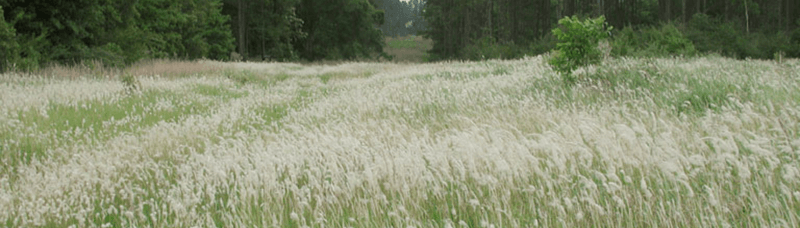
Ranked among the worst weeds in the entire world, cogongrass looks almost soft and pretty with its fluffy white seed heads. Do not let that fool you, because it burns hotter than most grasses and fuels dangerous wildfires.Across the Gulf states, it forms dense stands that crowd out everything else, its razor-edged leaves offering no food value to wildlife.
Florida and other Southern states have made it illegal to plant, sell, or move.Spreading through underground rhizomes and wind-carried seed, it marches across yards and pastures with frightening speed once it arrives.Controlling it is tough. Repeated mowing and herbicide treatments over several seasons may weaken it, but a single missed patch can start the whole cycle again.Gardeners wanting an ornamental grass look should skip this entirely and reach for native muhly grass, which gives that airy, feathery texture safely.
Its pink plumes are a Southern showstopper. Learning to recognize cogongrass early, especially its off-center white midrib, gives you the best shot at stopping it before it spreads.
8. Brazilian Pepper Tree
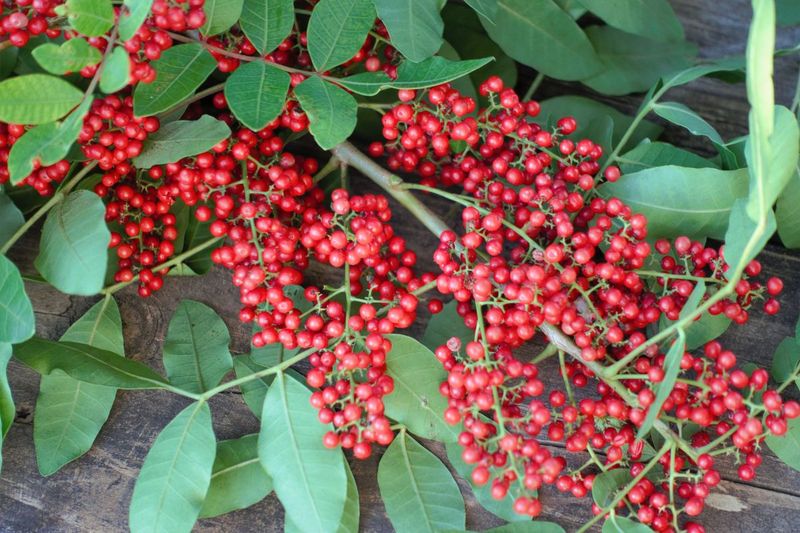
Come the holidays, the Brazilian pepper tree lights up with clusters of bright red berries, earning it the nickname Florida holly. That festive look hides a plant that has taken over huge stretches of the state.It forms thick, shady thickets that shove out native plants and even release chemicals that stop other seeds from sprouting.
On top of that, its sap and berries can trigger skin rashes and breathing trouble for sensitive people.Florida has banned it entirely, prohibiting sale, planting, and transport. Birds gobble the berries and scatter seeds everywhere, which is why it keeps popping up in yards.Getting rid of it usually means cutting the trunk and treating the stump so it does not resprout from the roots.For that same glossy green and red-berry holiday feel, native dahoon holly is a fantastic swap that birds love and rules allow.
It brings the color without the chaos. Wearing gloves and long sleeves during removal helps you avoid the irritating sap while you reclaim that corner of the yard.
9. Air Potato Vine
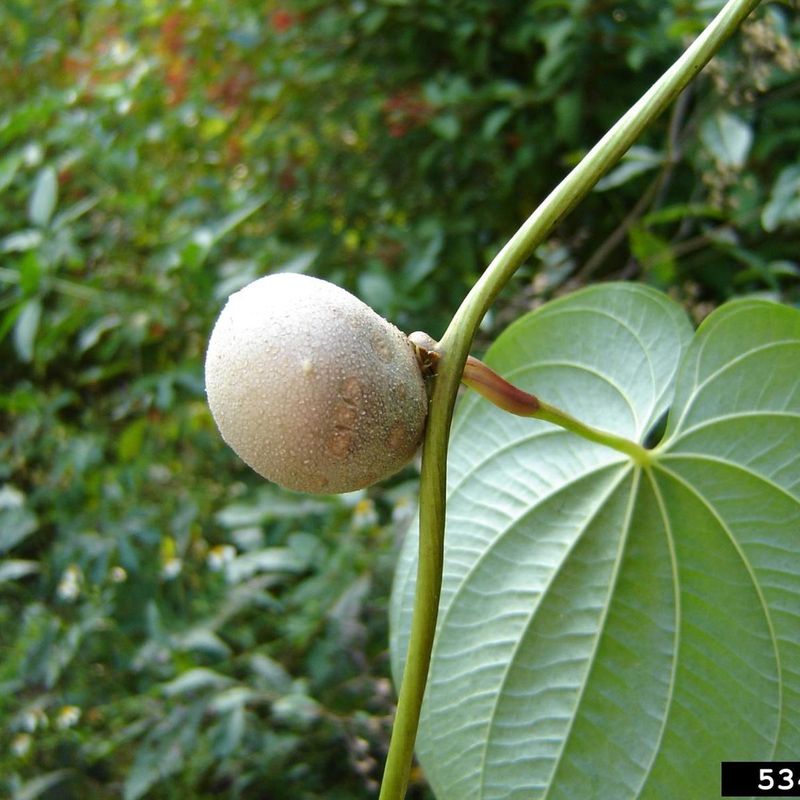
Ever notice a vine dropping little potato-like lumps all over your yard? That is likely the air potato, a climbing vine that grows so fast it can cover a tree in a single season.Those aerial tubers, called bulbils, fall to the ground and sprout new plants, letting one vine turn into a jungle before you know it.
Heart-shaped leaves and rapid climbing make it a smothering menace across Florida and other warm areas.Florida lists it as a prohibited species, and it is treated as a noxious weed elsewhere too. Its ability to regrow from even small tubers makes it stubborn to remove.The best approach is gathering every bulbil off the ground before they root, then digging out the underground tubers as well.
It takes patience over several seasons.Gardeners wanting a well-behaved climber can enjoy native coral honeysuckle instead, which draws hummingbirds and stays put. Keeping your yard clear of those falling potatoes each fall is the surest way to keep this vine from staging a comeback next spring.