
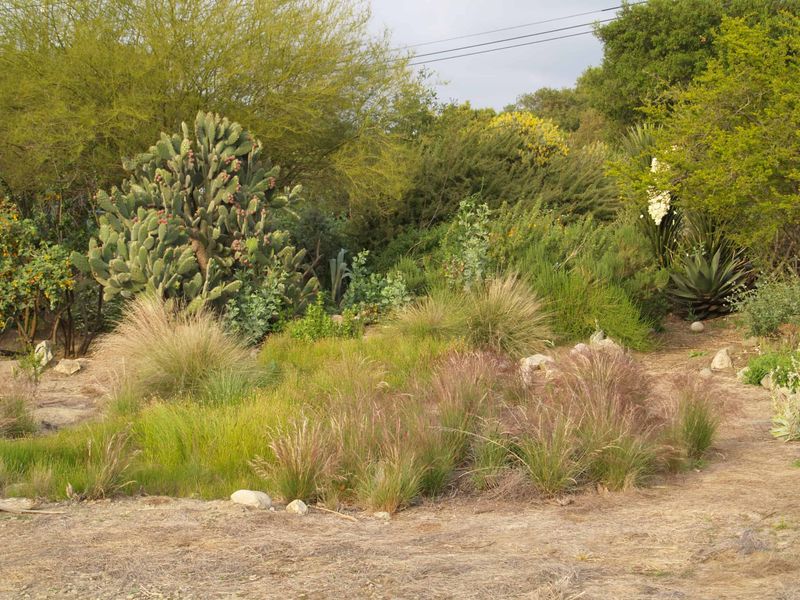
If you are tired of pulling weeds every weekend and watching your water bill climb all summer, native grasses might be your new best friend. California’s own grasses grew up in our dry summers and wet winters, so they know how to fend for themselves once their roots settle in.
They also grow thick enough to crowd out weeds before those pesky invaders ever get a foothold. Here are seven tough, water-wise grasses that can turn a thirsty, weedy yard into a calm, living landscape.
1. Purple Needlegrass (Stipa pulchra)
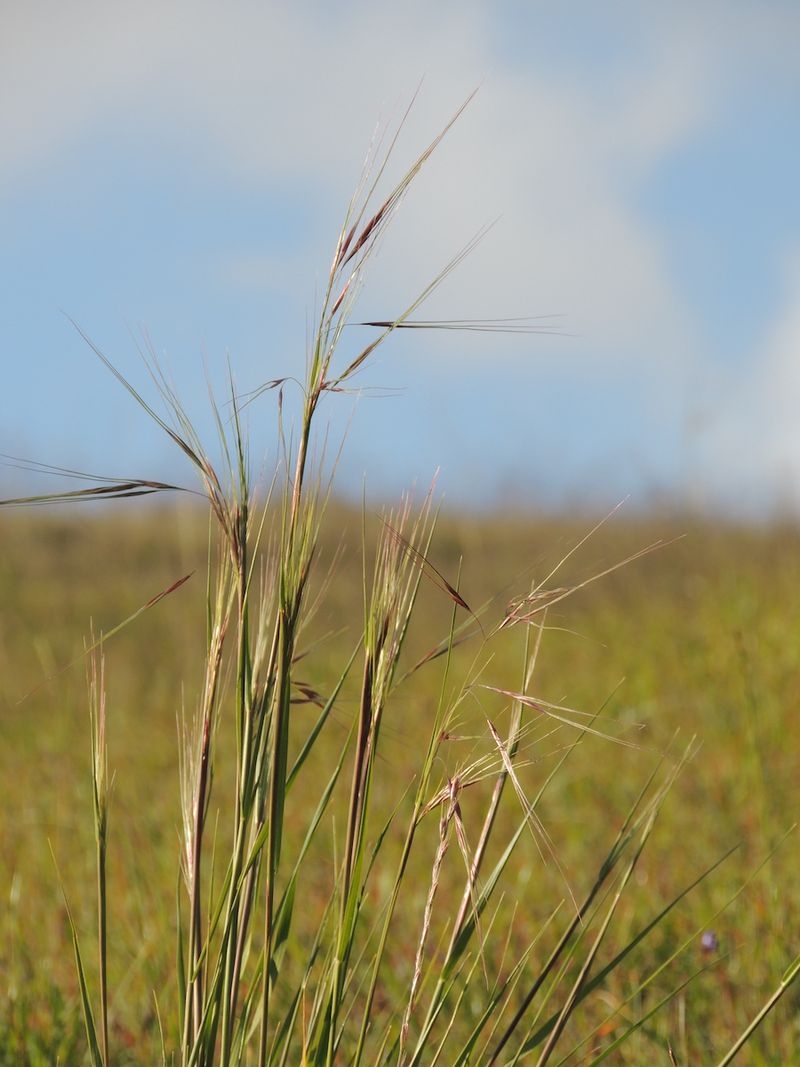
Meet California’s official state grass, a plant that has been holding down our hillsides since long before lawns existed. Purple needlegrass sends roots down as deep as 20 feet, which is exactly why it shrugs off drought and outlasts shallow-rooted weeds.
Those deep roots also make it a champion at grabbing moisture and nutrients before weed seedlings can. Once it forms a bunch, few invaders can muscle in around the base.
It works beautifully on dry slopes, along fire-wise buffers, and in meadow-style plantings across inland valleys and coastal zones. Give it a couple of winters to establish, then step back and let the rain do the watering.
Come summer, it goes dormant and gold, which is its natural way of saving energy, not a sign it needs a drink.
2. Deergrass (Muhlenbergia rigens)
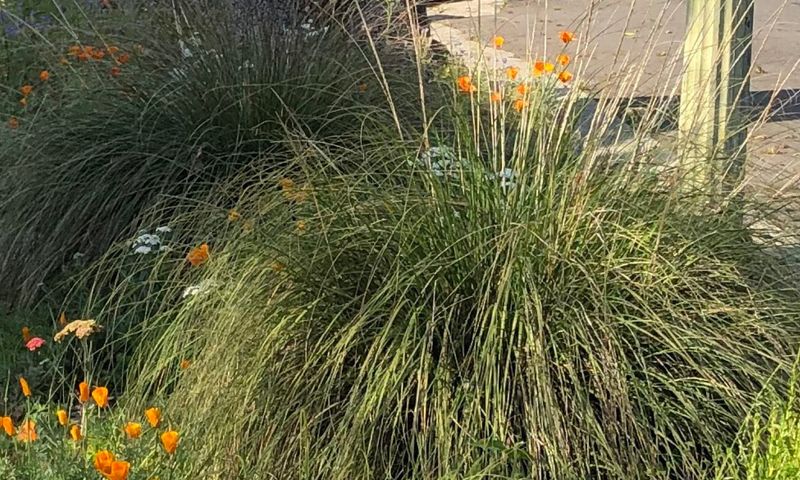
Big, bold, and almost fountain-like, deergrass is the grass to reach for when you want one plant to do a lot of heavy lifting. A single clump can spread three to four feet wide, forming a dense mound that leaves no bare soil for weeds to colonize.
Native peoples once prized its long flower stalks for basket weaving, a nice bit of California history tucked into an easy garden plant. It handles heat, clay soil, and full sun without complaint.
Plant it as a living border, a slope anchor, or a soft screen along a driveway. After the first year of occasional watering, it coasts through dry summers on rainfall alone and asks for almost nothing but a yearly cut-back.
3. California Fescue (Festuca californica)
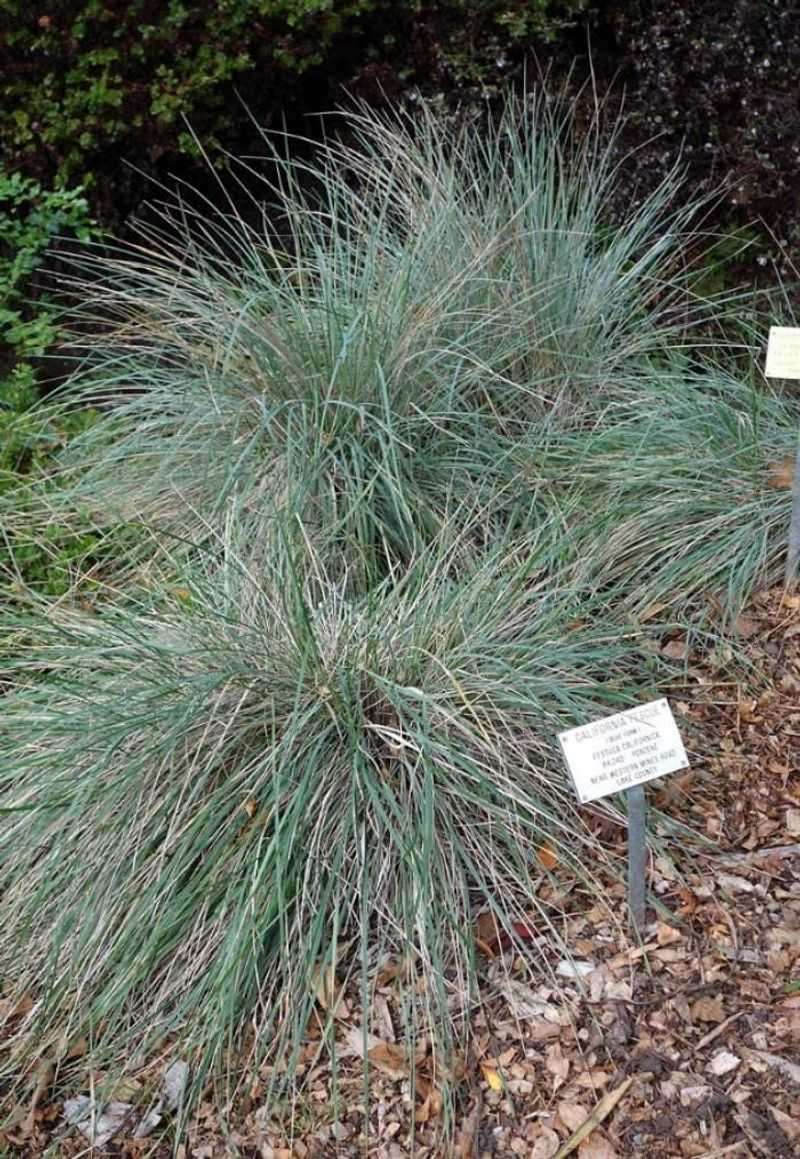
Shady corners under oaks tend to become weed and bare-dirt problem zones, and that is exactly where California fescue shines. This clumping grass tolerates dry shade better than almost any other native, filling in spots that stump most lawn grasses.
Its blue-green blades arch into a graceful mound, topped in spring by airy flowering stems that catch the light. Songbirds nibble the seeds, so you get a bit of wildlife value for free.
It pairs naturally with oaks, ferns, and woodland natives, thriving on the winter rain that filters through the canopy. Once its roots take hold, summer irrigation is optional, and the thick crown keeps opportunistic weeds from sneaking in underneath.
4. Blue Grama (Bouteloua gracilis)
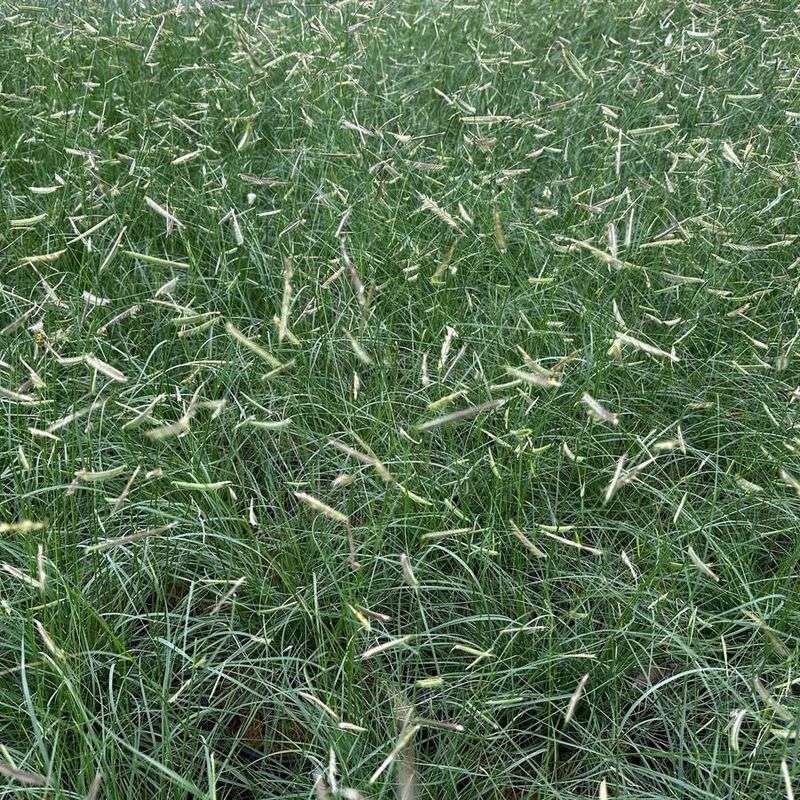
Want something that looks like a lawn but acts like a native? Blue grama forms a fine, low turf you can mow high or leave shaggy, and it takes foot traffic far better than most bunchgrasses.
Its quirky seed heads dangle sideways like tiny eyelashes or little flags, giving it real personality up close. That fine texture also knits together tightly enough to smother would-be weeds.
It loves heat and lean soil, making it a smart pick for inland yards that bake in summer. As a low-water lawn alternative, it drinks a fraction of what a fescue lawn demands and stays put through drought once its roots are settled.
5. Foothill Sedge (Carex tumulicola)
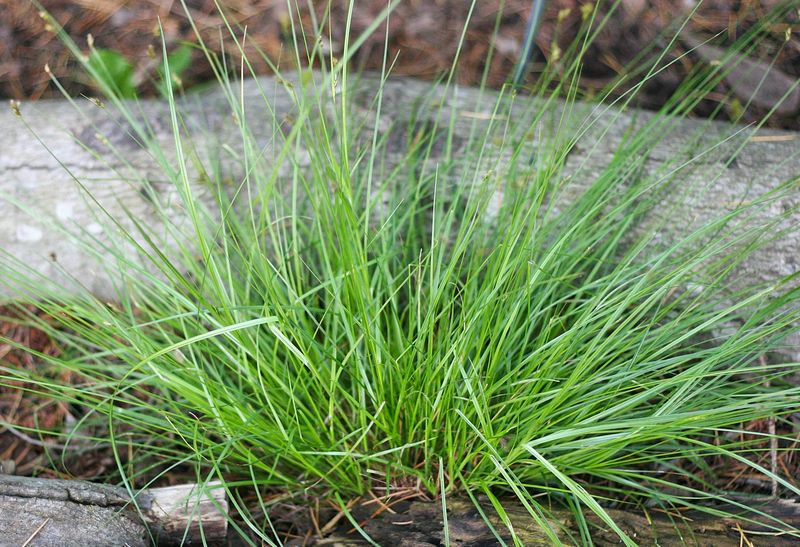
Technically a sedge rather than a true grass, foothill sedge earns its spot because it does the grassy job better than most, especially as a soft, walkable groundcover. Its slender green blades flow together into a meadow effect that stays green longer than many natives.
Plant it in drifts and it forms a dense mat that leaves weeds nowhere to land. It handles sun or part shade and adapts to both coastal fog and valley heat.
Gardeners love it as an unthirsty stand-in for a traditional lawn or as filler between stepping stones. Give it winter rain and a bit of summer patience, and it settles into a low-maintenance carpet that rarely needs supplemental water.
6. Idaho Fescue (Festuca idahoensis)
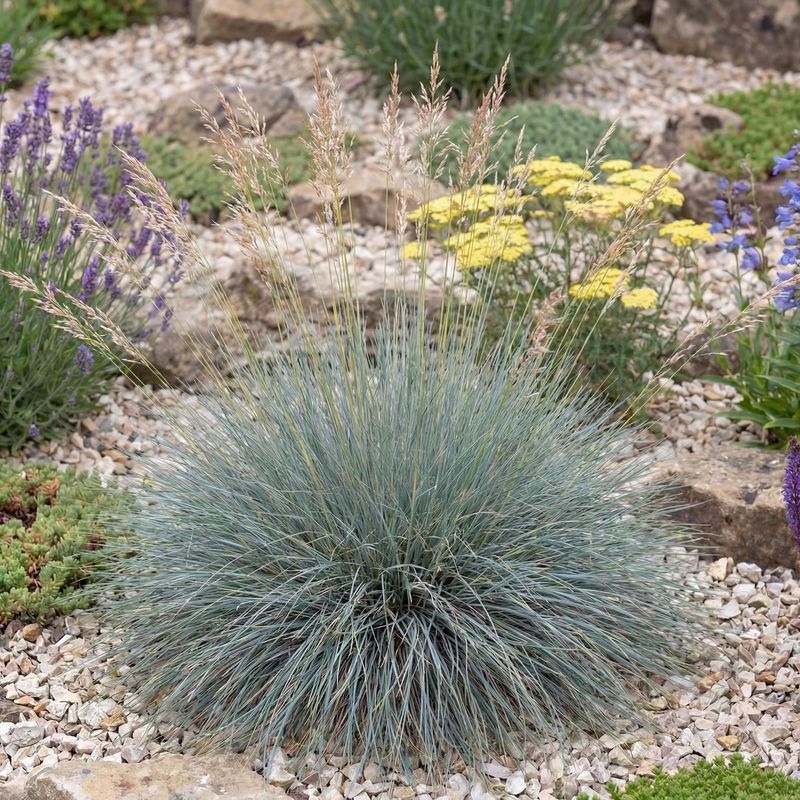
Neat, tidy, and undeniably pretty, Idaho fescue brings a pop of cool silvery-blue color that most native grasses can’t match. It grows in compact, rounded tufts that look intentional and clean, perfect for gardeners who want structure without fuss.
Space several tufts a foot apart and they gradually close ranks, blocking sunlight from reaching weed seeds below. It thrives in cooler coastal and higher-elevation gardens where the summers stay milder.
Use it to edge a path, dot a rock garden, or add contrast among green natives and wildflowers. After establishment, it holds its color on rainfall alone and asks only for a light spring grooming to look its best.
7. California Melic (Melica californica)
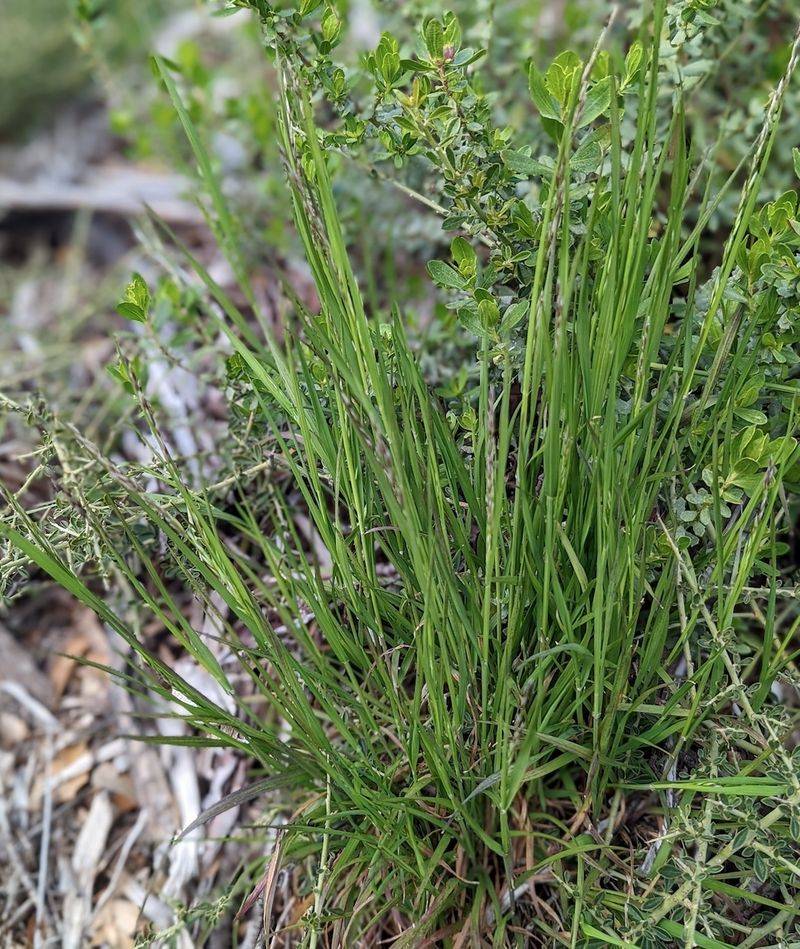
Underrated and quietly elegant, California melic deserves a place in more yards than it currently gets. Its upright flowering spikes stand like little candles above tidy clumps, adding vertical interest to meadow plantings and dry borders.
It naturally goes summer-dormant, a smart survival trick that lets it sail through the driest months without a single drop from the hose. When winter rains return, it greens right back up.
Slopes, gravelly soils, and fire-wise buffer zones all suit it well, and the seed heads feed foraging birds. Tuck it among other natives and its dense base helps shade out weeds while it works, making it a fitting finish to any water-wise California grass collection.