
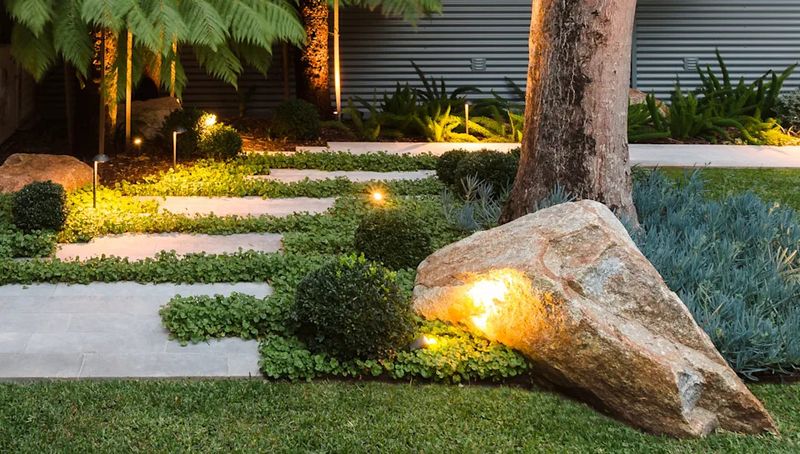
Pulling weeds every weekend gets old fast, especially through a long, dry California summer. The good news is that certain low-growing plants can do the hard work for you by covering bare soil so tightly that weeds never find room to sprout.
Most of these are drought-tolerant, water-wise, and friendly to bees and other native pollinators. Here are ten tough groundcovers that keep your beds tidy while helping your whole yard thrive.
1. Creeping Thyme (Thymus serpyllum)
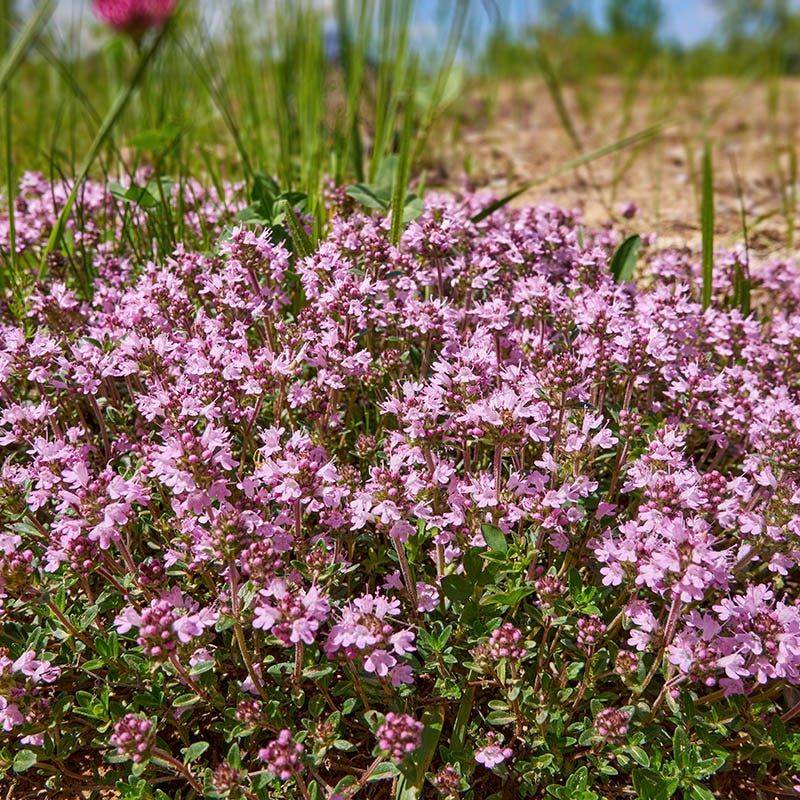
Step on a patch of creeping thyme and it releases a soft, herby scent that instantly makes a yard feel loved. That tight, springy mat is exactly what makes it such a weed-fighter, because it hugs the ground and leaves almost no bare soil for weed seeds to grab.
Once established, it barely sips water, which suits California’s long dry stretches perfectly. Bees adore the tiny purple summer blooms, so you get a pollinator magnet and a living carpet in one.
Use it between pavers, along walkways, or in sunny beds where you would otherwise be pulling weeds all season. It shrugs off foot traffic better than most groundcovers, making it a smart pick for busy family yards.
2. Woolly Yarrow (Achillea tomentosa)
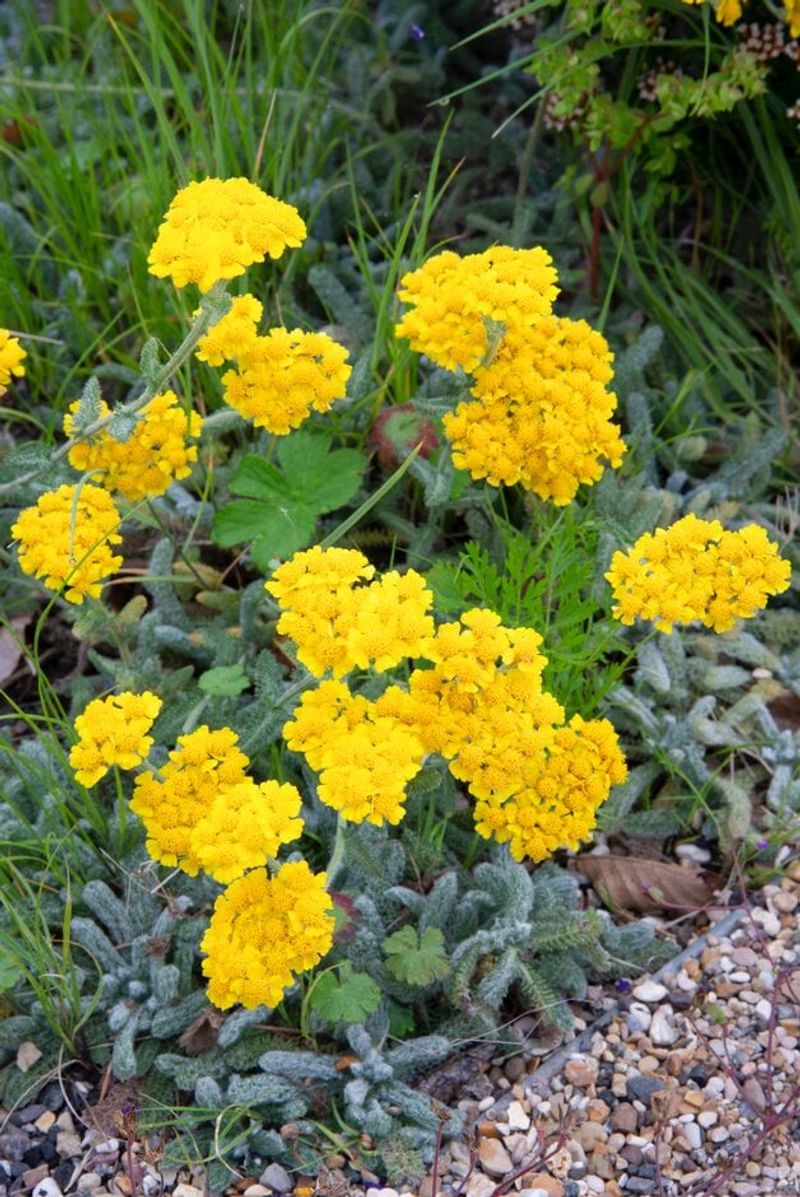
Soft, fuzzy, and stubbornly tough, woolly yarrow spreads into a gray-green cushion that laughs at heat and neglect. Its feathery foliage knits together so thickly that weeds simply run out of daylight underneath.
The flat yellow flower clusters sit just above the mat in late spring and summer, drawing in beneficial insects that help keep pests in check. Because it thrives in lean, dry soil, it fits right into a water-wise California yard without begging for the hose.
Gardeners on slopes love it for holding soil in place while smothering the weeds that usually invade bare hillsides. Mow it once a year and it comes back tidier than ever.
3. California Lilac (Ceanothus ‘Yankee Point’)
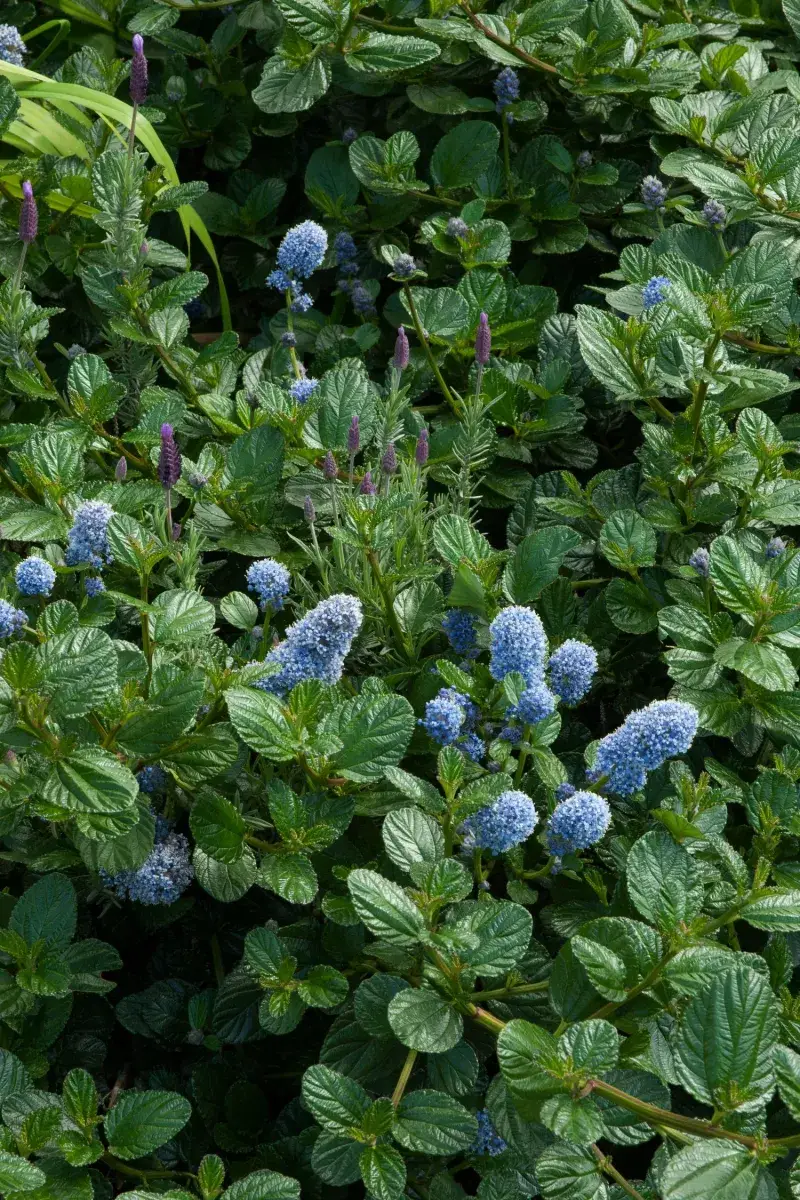
Few native plants put on a show like a blooming Ceanothus, and the low-growing ‘Yankee Point’ brings that electric blue right down to ground level. Its dense, glossy evergreen leaves form a broad blanket that shades out weeds all year long.
Being California native, it is built for wet winters and bone-dry summers, needing almost no supplemental water once its roots settle in. Native bees and butterflies swarm the spring flowers, so you support local pollinators just by planting it.
Try it on a sunny bank or a wide bed where you want coverage without constant upkeep. Give it room to spread, because it can blanket a surprising amount of ground and keep it weed-free for years.
4. Sea Thrift (Armeria maritima)
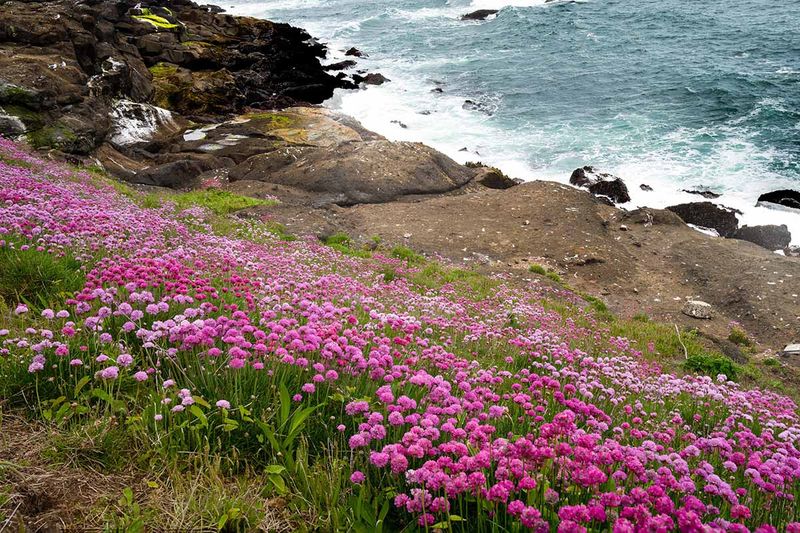
Little pom-pom flowers bobbing on slender stems give sea thrift a cheerful, almost playful look that belies how tough it really is. Underneath those blooms sits a grassy green cushion that spreads into tidy clumps and closes off gaps where weeds like to sneak in.
Coastal California gardeners especially love it because it handles salty air, sandy soil, and wind without flinching. It stays compact and neat, so it works beautifully as an edging plant along paths and beds.
Plant several close together and they fill in to form a continuous pink-flecked border. The dense root crown keeps the ground covered even after the flowers fade.
5. Trailing Rosemary (Salvia rosmarinus ‘Prostratus’)
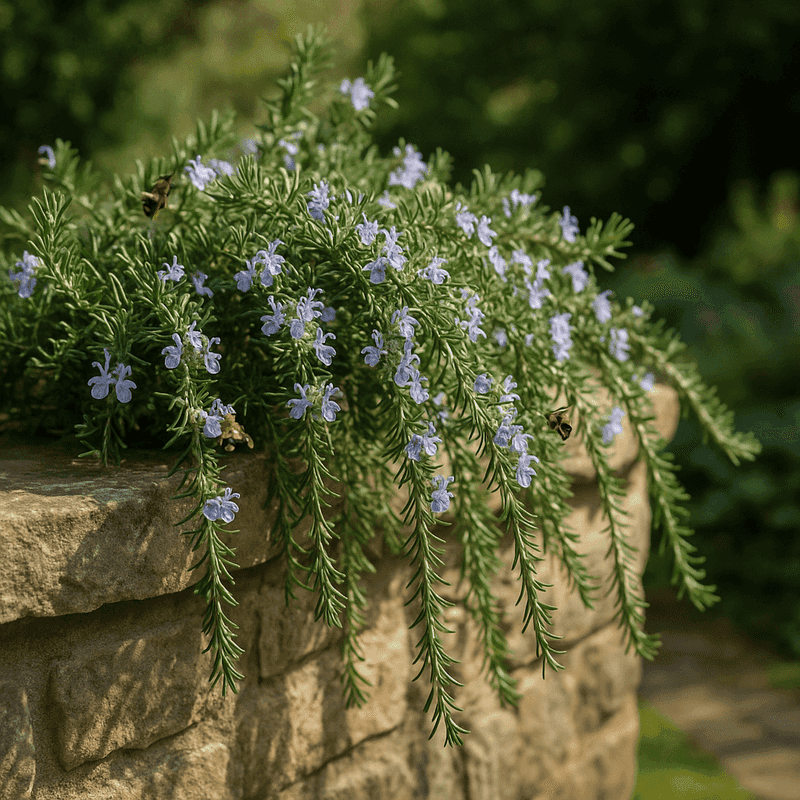
Brush past trailing rosemary and you get a burst of that unmistakable kitchen-herb aroma, plus a groundcover that means business. Its cascading branches root as they go, weaving a fragrant carpet that leaves weeds no opening.
Drought is no problem here, since rosemary evolved in dry Mediterranean hills much like California’s own climate. The pale blue winter and spring flowers keep bees fed during months when little else is blooming.
Let it spill over retaining walls, slopes, or raised beds where it can trail and sprawl. Snip a few sprigs for dinner while you are at it, because this weed-blocker doubles as a pantry staple.
6. Beach Strawberry (Fragaria chiloensis)
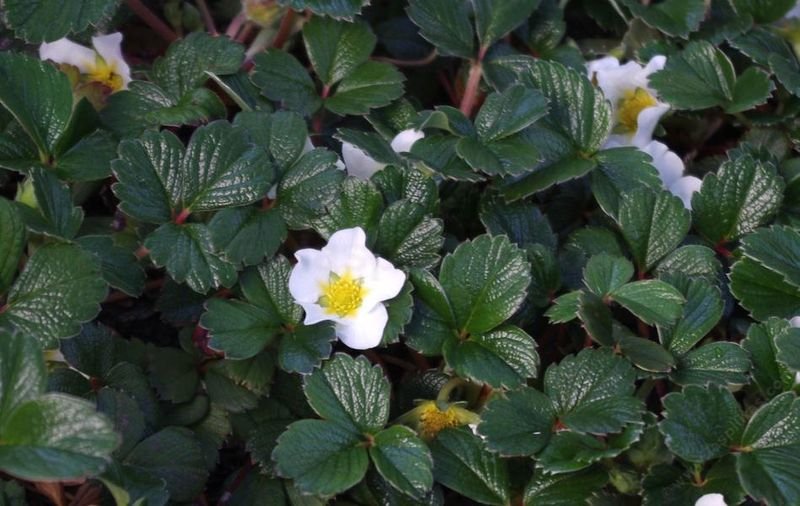
Glossy, deep green leaves and cheerful white flowers make beach strawberry look almost too pretty to be so hardworking. This California native sends out runners that root quickly, stitching together a lush mat that chokes out weeds fast.
Small edible berries are a bonus for you and a feast for birds, adding a layer of backyard wildlife value. It handles coastal conditions and inland heat, staying green and dense with modest water.
Use it under taller shrubs or across open beds where you want fast, living coverage instead of mulch. Within a season or two, it can turn a weedy patch into a tidy green carpet.
7. Silver Carpet (Dymondia margaretae)
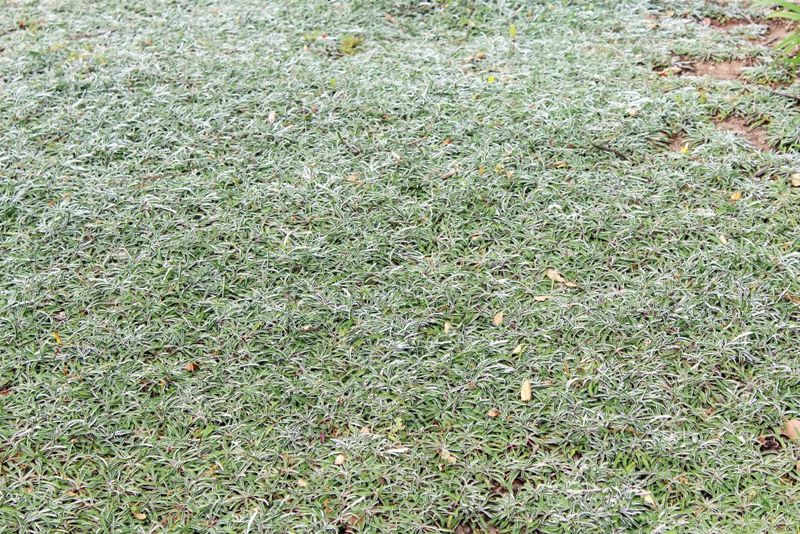
Flat as a pancake and tough as nails, Dymondia hugs the earth so tightly you could almost mistake it for a rug. The narrow silver-backed leaves lie flat and interlock, making it nearly impossible for weeds to push through.
It sips very little water, tolerates light foot traffic, and stays under an inch tall, which is perfect for filling the cracks between stepping stones. Small yellow flowers pop up in warm months as a quiet bonus.
Gardeners tired of mowing sometimes use it as a small-scale lawn alternative in sunny, well-drained spots. Once knit together, it becomes one of the most maintenance-free ground layers you can grow in California.
8. Yerba Buena (Clinopodium douglasii)
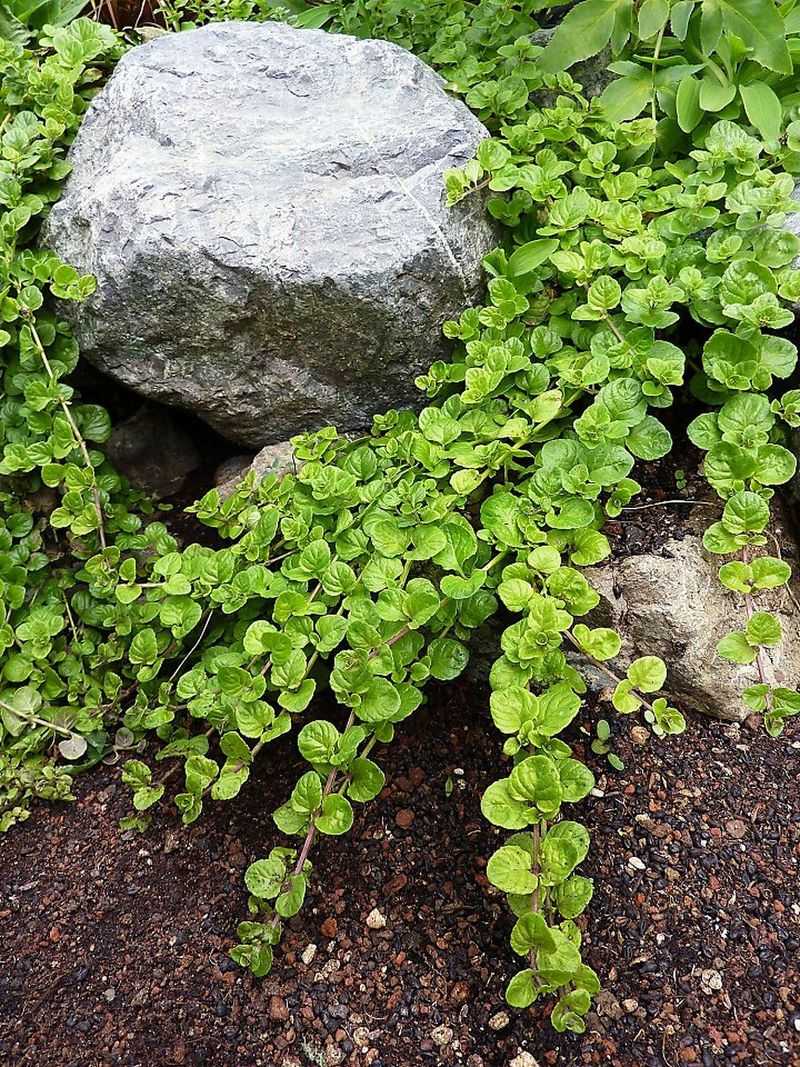
The plant that gave San Francisco its original name still earns its keep in shady California gardens. Yerba buena trails delicately across the ground, its small round leaves releasing a minty scent when touched.
Unlike many sun-loving groundcovers, this native happily fills shaded and part-shade areas where weeds often move in unchecked. It roots along its stems as it spreads, gradually forming a soft green mat under trees and along north-facing beds.
Water needs stay low once it settles in, matching California’s dry-summer rhythm. For gardeners struggling with weeds in the shade, it is a rare native fix that smells wonderful too.
9. Prostrate Manzanita (Arctostaphylos ‘Emerald Carpet’)
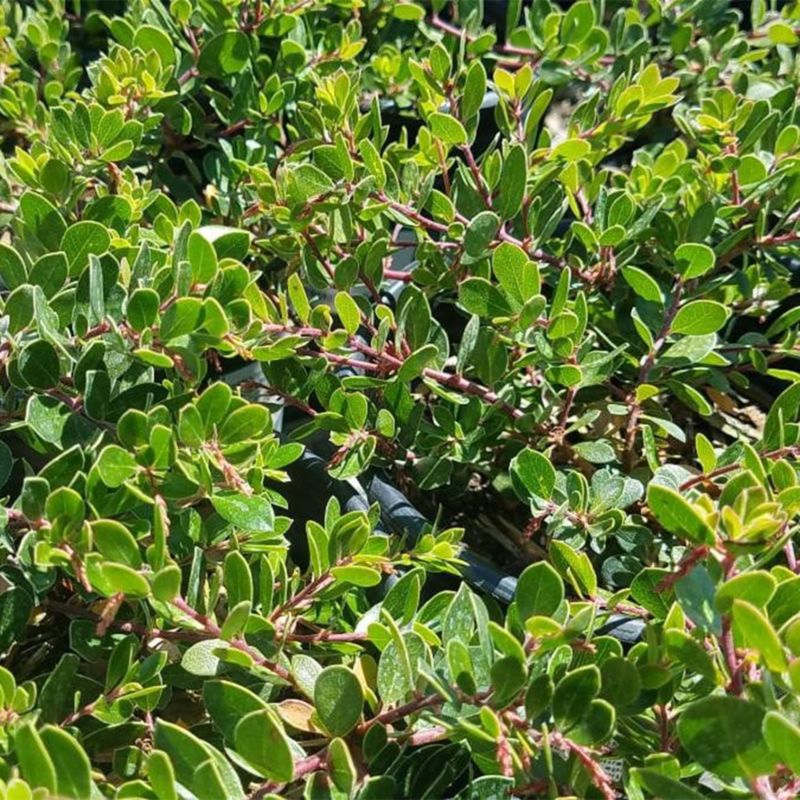
Meet the low-slung cousin of California’s beloved manzanita shrubs, bred to hug the ground instead of reaching for the sky. ‘Emerald Carpet’ forms a dense evergreen blanket of tiny glossy leaves that stays weed-free through the toughest summers.
Being a true California native, it thrives on winter rain and shrugs off dry months without complaint. Its reddish stems and delicate pink-white bells add quiet beauty while feeding early-season pollinators.
Plant it on slopes or in wide beds where you want a permanent, no-fuss cover that fights erosion and weeds at once. Give it good drainage and it will reward you for many years.
10. California Fuchsia (Epilobium canum)
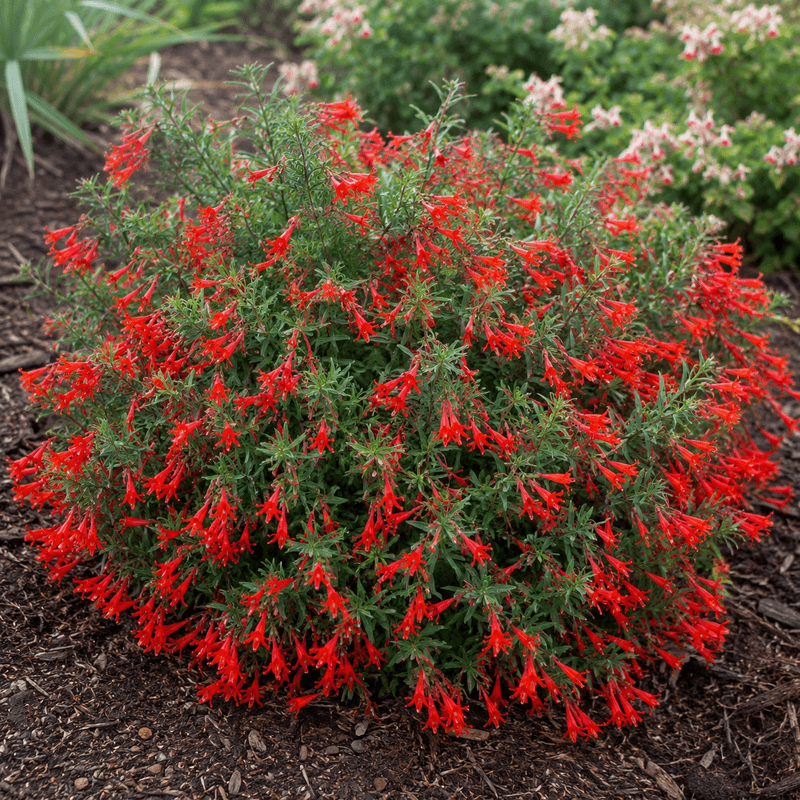
Come late summer, when many gardens look tired, California fuchsia lights up with fiery orange-red trumpets that hummingbirds cannot resist. Its low, spreading habit fills gaps in dry beds and keeps weeds from claiming the bare spots.
Drought is where this native truly shines, blooming its heart out during the hottest, driest stretch of the California year. That means color and coverage exactly when water-wise gardens need it most.
Let it sprawl across sunny slopes, gravel gardens, or the edges of native borders. Cut it back in winter and it returns each year fuller, tougher, and even better at edging out unwanted weeds.