
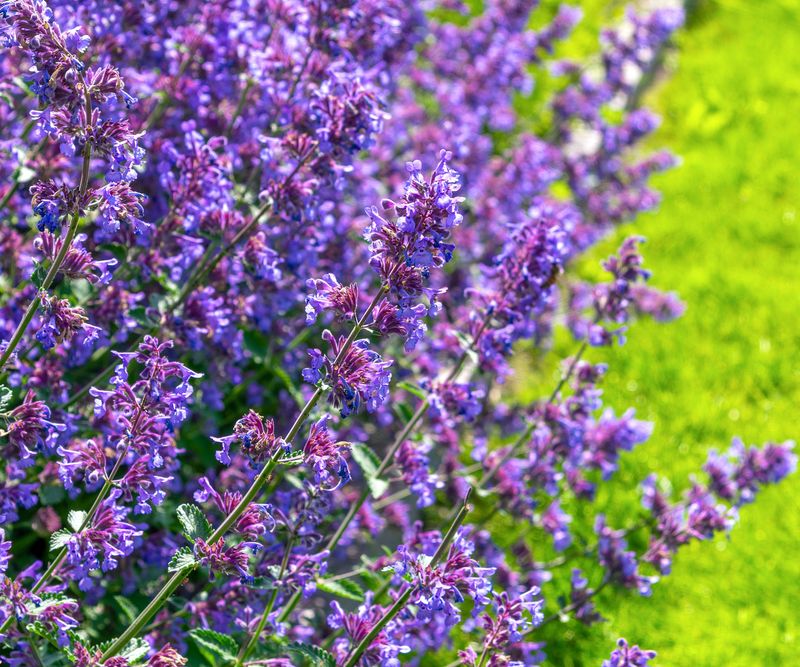
Some plants make you work hard every spring, but the best perennials do the opposite. They quietly settle into your yard and come back bigger, bushier, and more colorful each year without much fuss.
For gardeners across the South, especially in Florida and Texas, that means less replanting and more enjoying. Here are the tough, beautiful perennials worth putting in the ground right now.
1. Black-Eyed Susan
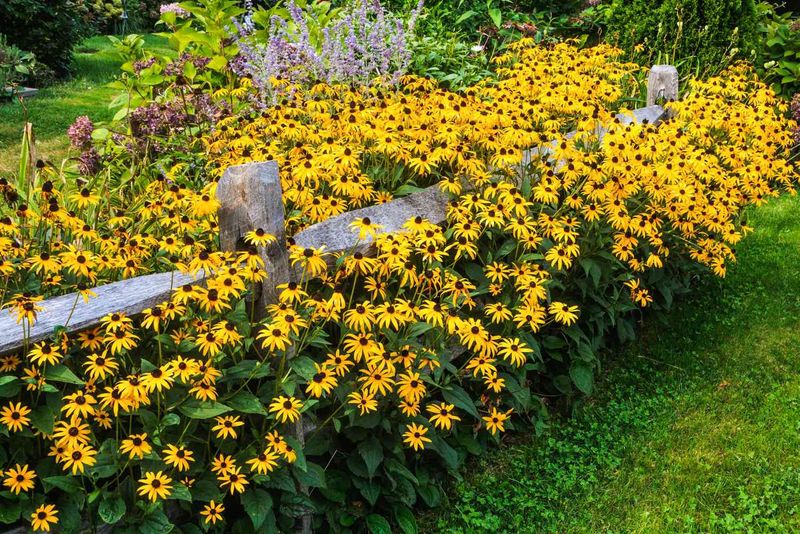
Golden petals wrapped around a chocolate-brown center make black-eyed Susan one of the cheeriest sights in a Southern yard. Plant a few this year, and by next summer you may find a whole colony spreading where you started with a single clump.
What makes it a keeper is how forgiving it is. Heat, drought, poor soil, and stretches of neglect barely slow it down.
In Florida and Texas, it stretches its blooming show from late spring well into fall, which is exactly what tired gardeners want.
Pollinators adore it too. Bees and butterflies work the flowers all day, and if you leave the seed heads standing in winter, finches often stop by to feed.
Give it full sun and space to multiply, and it rewards you by getting fuller every season. Divide the clumps every few years to keep them vigorous and to gift extras to neighbors.
Few plants deliver this much color for so little effort, which is why it earns a front-row spot in beds and borders.
2. Daylily
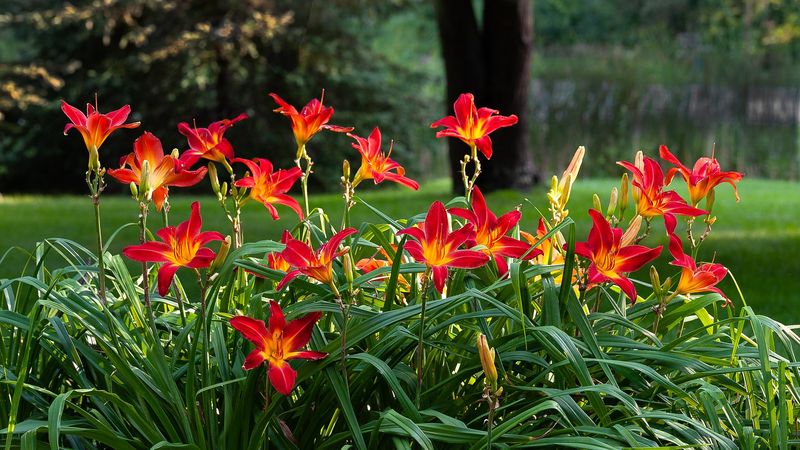
Nicknamed the perfect perennial by many gardeners, the daylily practically thrives on being ignored. Each bloom lasts a single day, but a healthy clump pumps out so many buds that the color show rolls on for weeks.
Here is the part that keeps folks coming back: daylilies multiply underground, so a modest planting turns into a thick, flowing river of foliage and flowers within a couple of seasons. That fullness is what makes them look more spectacular every year.
They handle Southern heat like champions and shrug off the humidity that troubles fussier plants. Sandy soil, clay, dry spells, or wet spots rarely bother them for long.
Colors range from soft peach and lemon to deep burgundy and near-black, so you can build an entire border from daylilies alone. Reblooming types like Stella de Oro flower on and off through the warm months.
Dig and split the clumps every three or four years to prevent crowding and to spread them around your yard. Plant them along walkways, driveways, or slopes where their easygoing nature really shines.
3. Coneflower (Echinacea)
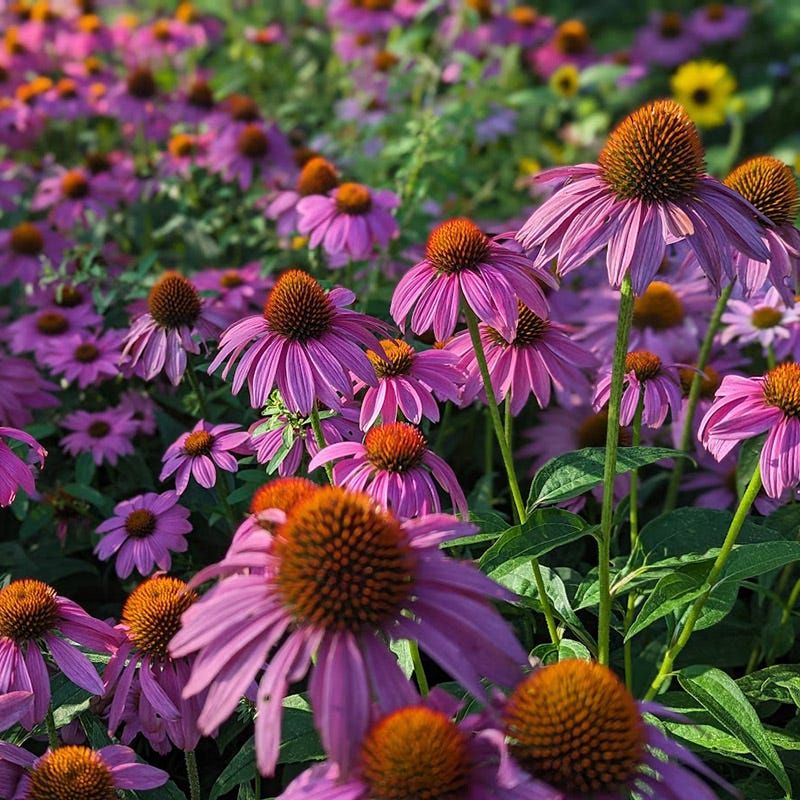
Stand near a patch of coneflowers on a summer afternoon and you will likely spot butterflies drifting from bloom to bloom. Those raised, spiky centers are butterfly landing pads, and the sturdy petals hold up through wind, heat, and heavy rain.
Coneflowers earn their place because they get better with age. The first year they establish roots, and by the second and third seasons the clumps fill out into dense, flower-packed mounds that seem to double in size.
They handle drought once settled in, making them a smart pick for Texas gardens that bake all summer. Newer varieties come in coral, orange, and creamy white alongside the classic purple.
Wildlife lovers get a bonus. Leave the seed heads standing after the blooms fade, and goldfinches will perch to pick out the seeds through fall and winter.
Give them full sun and well-draining soil, then let them be. Overwatering and rich, soggy ground are about the only ways to disappoint them, so a little tough love keeps these plants happy and reliably returning.
4. Lantana
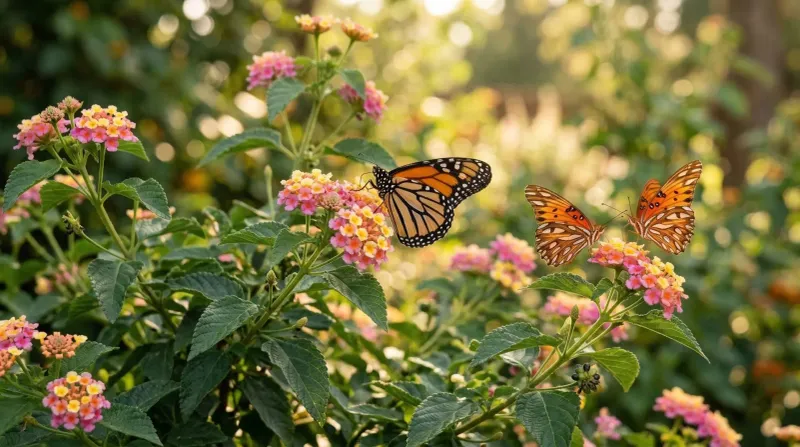
If your yard turns into an oven by July, lantana is the plant that laughs at the heat. Those little clusters of yellow, orange, and pink flowers keep blooming when almost everything else gives up.
In much of Florida and South Texas, lantana behaves like a shrubby perennial, coming back thicker and wider each year. It can grow into a mounding mass of color that spills over walls and fills empty corners with life.
Butterflies treat it like a buffet. Few plants attract more winged visitors, so a single lantana can turn a plain bed into a fluttering wildlife stop.
Drought only makes it tougher. Once its roots dig in, you can practically forget the watering can, which is a relief during long dry stretches.
A quick note for pet owners and families: lantana berries are toxic if eaten, so plant it where curious kids and dogs will not munch on them. Give it full sun, trim it back when it gets leggy, and it will reward you with nonstop color from spring through the first frost.
5. Salvia
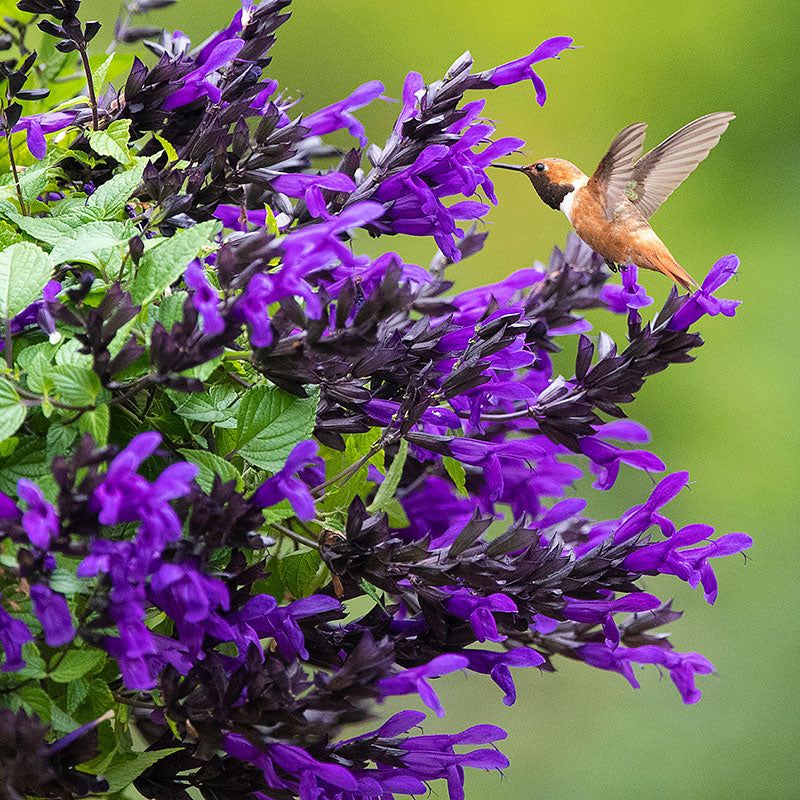
Tall, colorful spikes waving in the breeze are the signature of salvia, and hummingbirds cannot resist them. If you have ever wanted more of those tiny hovering visitors, this is the plant that brings them in.
Salvia comes in a huge family, but the perennial types built for Southern heat return year after year and bulk up into generous, flower-covered clumps. Blue, red, purple, and pink varieties give you plenty of ways to fill a border.
Drought tolerance is one of its best tricks. Once established, salvia keeps blooming through dry, punishing summers when fussier flowers wilt and sulk.
It also asks for very little upkeep. A light trim after the first flush of blooms often triggers a fresh wave, stretching the color show for months.
Deer and rabbits usually leave it alone thanks to its aromatic leaves, which can help protect nearby plantings too. Tuck salvia toward the middle or back of a bed where its height adds structure, and enjoy watching the pollinators arrive all season long.
6. Coreopsis
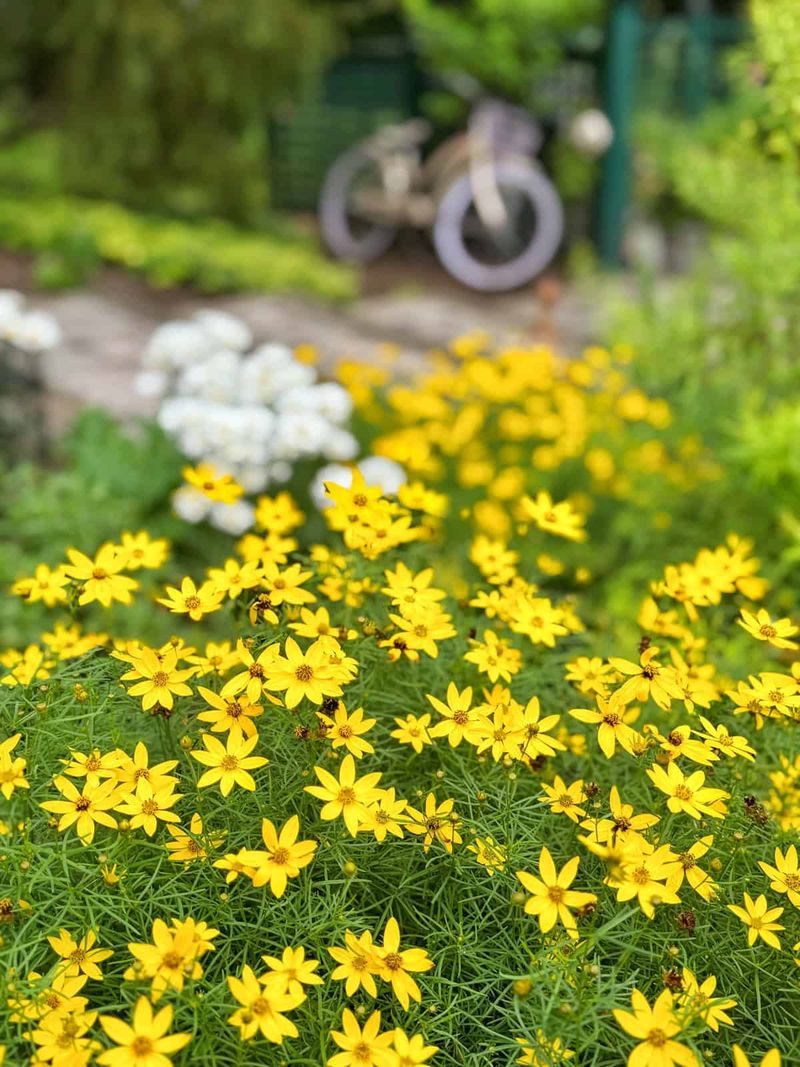
Sometimes called tickseed, coreopsis blankets a bed in cheerful yellow, gold, and sometimes pink blooms that seem to glow in the sunlight. It is one of those plants that looks fancy but demands almost nothing from you.
Fullness is where it really delivers. Coreopsis spreads gently and produces so many small flowers that a young clump can become a dense, blooming mat within a season or two.
Native across much of the South, it is right at home in the region’s heat and sandy soil. Florida even claims coreopsis as its state wildflower, a fair tribute to how reliably it performs.
Deadheading the spent blooms keeps it flowering longer, but even if you skip that chore, it holds up well. Drought rarely fazes it once the roots are settled.
Bees and small butterflies love the open, daisy-like flowers, adding gentle motion to your garden all summer. Plant it along the front of a border or let it naturalize in a sunny patch, and enjoy a low, sunny carpet that returns fuller each year.
7. Russian Sage
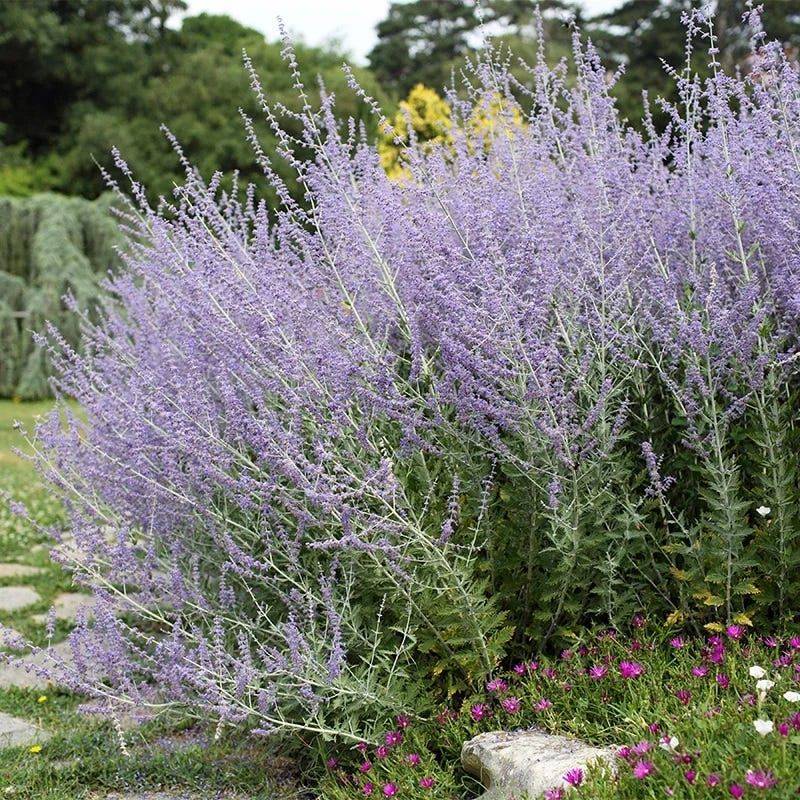
Picture a hazy cloud of lavender-blue floating above silvery foliage, and you have Russian sage in full swing. It brings a soft, airy texture that few other tough plants can match.
Heat and drought are no match for it. This is a plant that actually prefers lean soil and dry conditions, making it a dream for Texas yards where watering can be a constant battle.
Each year it returns woodier and wider, forming a larger, more billowing mound that adds movement whenever the wind picks up. That growing presence is exactly what makes it feel more dramatic over time.
The fragrant, silvery leaves do double duty. Their scent tends to keep deer and rabbits browsing elsewhere, which can spare your other plants some damage.
Pollinators, on the other hand, flock to the tiny blue flowers throughout the hottest weeks of summer. Cut it back hard in late winter to encourage strong new growth, then give it full sun and room to sprawl.
Its cool color and loose form pair beautifully with bolder blooms nearby.
8. Shasta Daisy
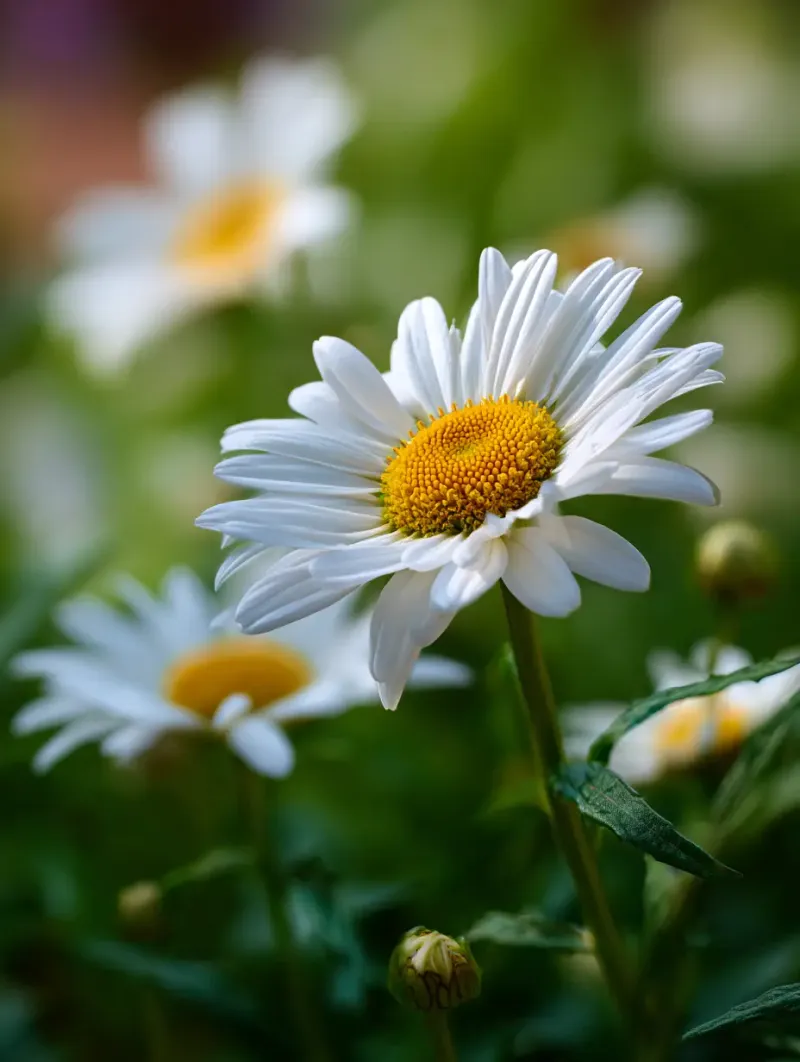
Crisp white petals around a sunny yellow button make the Shasta daisy the picture of a classic garden flower. It is the kind of bloom that instantly makes a yard feel welcoming and cared for.
What earns it a spot here is dependability. Plant it once, and the clumps expand each year into fuller stands that produce armloads of long-lasting flowers, perfect for cutting and bringing indoors.
Shasta daisies handle Southern summers well as long as they get good drainage and plenty of sun. They tolerate heat and shrug off average soil without complaint.
Deadheading spent flowers keeps new buds coming, so a little snipping stretches the bloom season considerably. Dividing the clumps every couple of years keeps them fresh and vigorous.
Bees and butterflies drop in regularly, adding a bit of buzz to the bright display. Their clean, upright shape works beautifully alongside softer, wispier plants, giving beds a tidy backbone.
For anyone who wants that timeless cottage-garden look with minimal fuss, this cheerful daisy delivers year after dependable year.
9. Sedum (Autumn Joy)
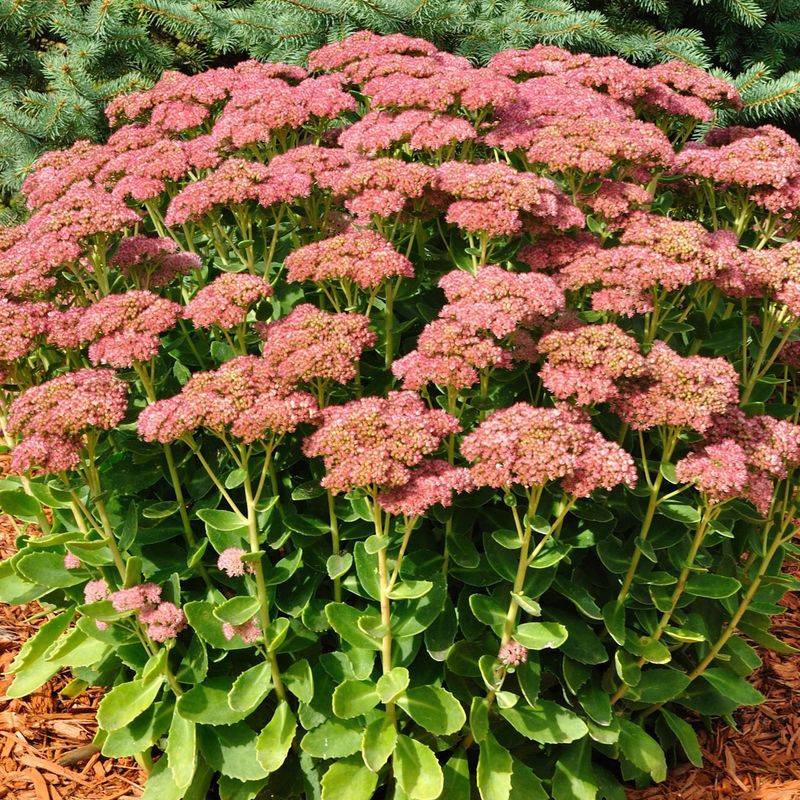
Thick, water-storing leaves give sedum a fleshy, succulent look that hints at just how tough this plant really is. When most flowers are winding down, Autumn Joy sedum is just getting started with its rosy-pink clusters.
Drought is where it truly shines. Those juicy leaves hold moisture, so it barely notices dry spells that would flatten other perennials, a real bonus in hot Southern gardens.
Each year the clumps grow fuller and rounder, forming neat mounds that hold their shape without staking or fussing. The flower heads shift color as they age, going from pale green to pink to a deep bronze.
Late-season bees and butterflies swarm the blooms for a final feast before cooler weather sets in, making it a valuable food source when others have faded.
Leave the dried flower heads standing through winter for texture and interest in an otherwise bare bed. Give it full sun and well-draining soil, avoid overwatering, and this low-maintenance charmer will anchor your fall garden beautifully for many years.
10. Hardy Hibiscus
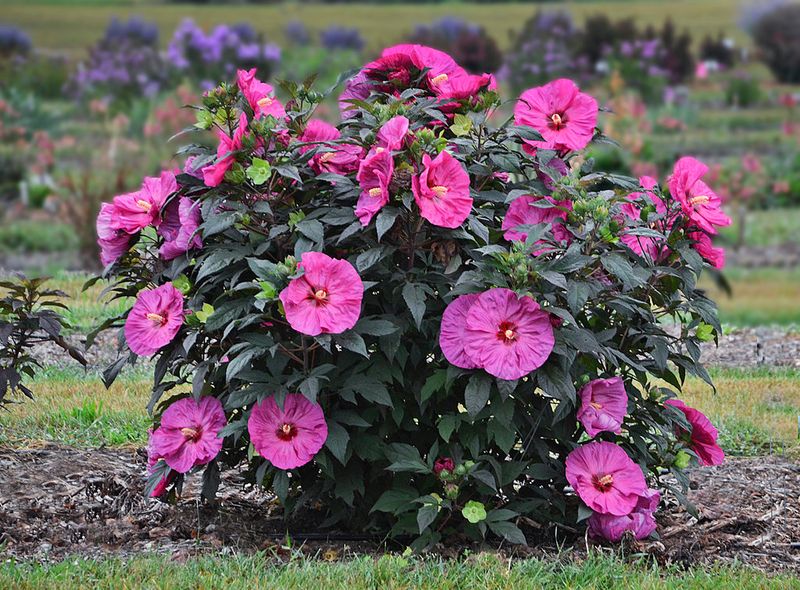
Blooms the size of a dinner plate are hard to ignore, and hardy hibiscus produces exactly that kind of jaw-dropping flower. A single plant in full bloom can stop visitors in their tracks.
Do not let its dramatic look fool you into thinking it is high-maintenance. This perennial dies back in winter, then comes roaring back each summer taller and fuller, often reaching several feet with dozens of giant flowers.
Southern heat and humidity are exactly what it craves. It even tolerates wet, boggy spots that would rot many other plants, so those tricky low areas of the yard finally have a use.
Hummingbirds and butterflies visit the huge blooms, adding lively motion to the show. The flowers come in bold reds, pinks, and whites, sometimes with a contrasting eye at the center.
Give it full sun, keep the soil moist, and be patient in spring since it is one of the last perennials to wake up. Once it does, few plants deliver more theatrical impact for the space, returning bigger every single season.