

A steep, sunny bank can feel like the hardest spot in a North Carolina yard to keep green. Rain washes the soil away, mowing is risky, and daylilies often leave bare gaps between their clumps.
Native perennials with deep roots and spreading habits can knit that slope together while feeding bees, butterflies, and birds. Late September is a great time to plant them, so the roots can settle in before winter.
1. Little Bluestem
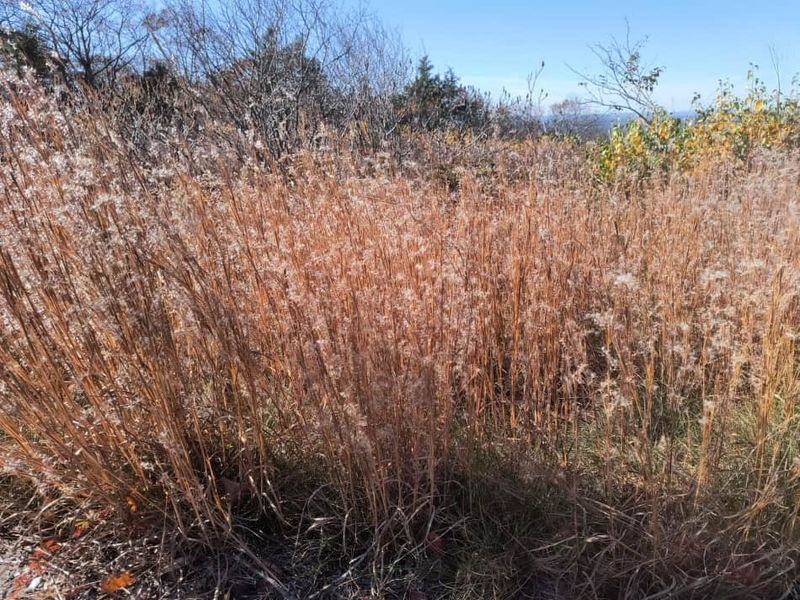
Picture a hillside that glows copper every October. Little bluestem (Schizachyrium scoparium) pulls that trick off while its fibrous roots dig several feet into the soil, far deeper than a daylily ever reaches.
That root mass can help hold red clay in place during summer thunderstorms. It thrives in poor, dry, sunny ground, which describes most NC slopes from the Sandhills to the foothills.
Plant it about 18 inches apart in a staggered pattern so roots overlap as clumps fill out. Cut it back once in late winter and you are basically done.
Small birds like juncos and sparrows may pick through the seed heads all winter.
2. Butterfly Weed
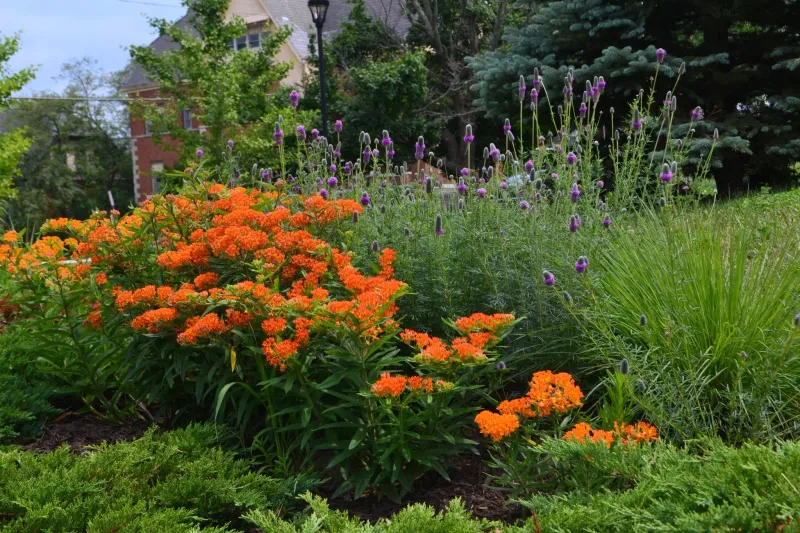
Ever tried to dig up an old butterfly weed? Good luck.
Asclepias tuberosa grows a thick taproot that can anchor itself so firmly that moving it is nearly impossible, which is exactly what you want on a slope.
Its flat-topped orange blooms show up from late spring into summer and act as a host plant for monarch caterpillars. Unlike swamp milkweed, it prefers dry, lean, well-drained soil, so a hot bank is home sweet home.
One tip: it wakes up late in spring, so mark its spot. Pair it with grasses to cover ground while it sleeps.
3. Moss Phlox

Some plants stand tall. Moss phlox (Phlox subulata) lies down and gets to work, forming dense evergreen mats that cover soil like a living blanket.
That tight mat helps shield the surface from raindrops that would otherwise splash soil loose. In early spring it erupts in pink, lavender, or white, giving bees an early meal.
It is native to parts of the NC mountains and does well statewide in sharp drainage. Tuck plugs about a foot apart near the top edge of a bank, where it can cascade downward.
Avoid heavy mulch, which can smother it.
4. Narrowleaf Mountain Mint
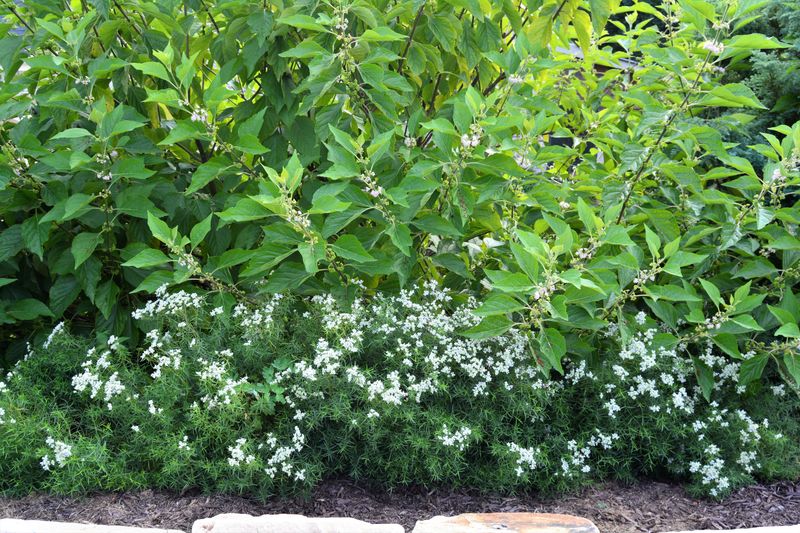
Stand next to a patch of mountain mint in July and you will hear it before you see it. Pycnanthemum tenuifolium draws a buzzing crowd of native bees, wasps, and small butterflies.
For slopes, its value is the way it spreads by rhizomes into a thick colony. Those underground runners stitch soil together, filling gaps that clumping daylilies leave open.
It handles drought once established and deer usually skip it thanks to its minty scent. It spreads, but far more politely than true garden mint, so it suits a bank where you actually want coverage.
5. Lanceleaf Coreopsis
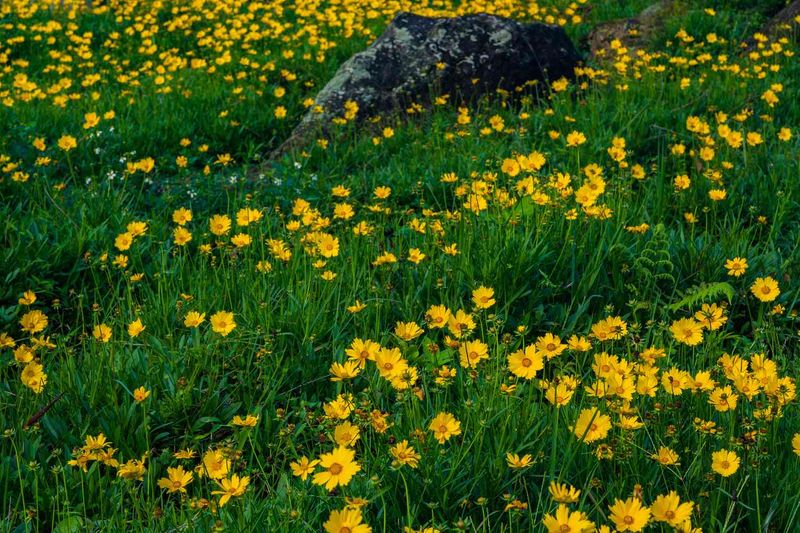
Drive almost any NC highway in May and those yellow daisies on the embankments are likely coreopsis. Highway crews plant it for a reason: it handles heat, thin soil, and steep grades.
Coreopsis lanceolata reseeds freely, so bare patches tend to get filled in by new seedlings over time. Goldfinches love the seed heads.
Shear spent flowers once in early summer if you want a second flush. Leave some to seed if your slope still has holes to fill.
6. Wild Bergamot
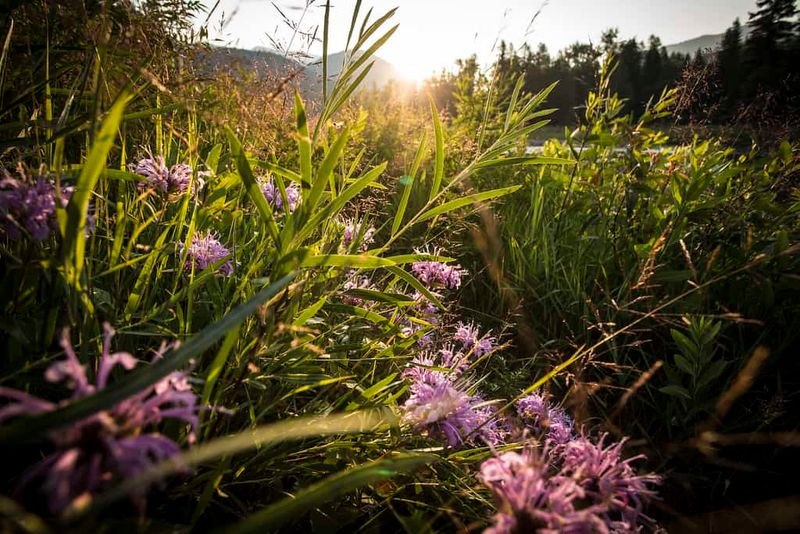
Here is a fun one: early settlers brewed wild bergamot leaves into tea. Today Monarda fistulosa earns its keep on hillsides instead of in teacups.
It spreads into wide clumps through shallow rhizomes, building a woven root layer near the surface. Lavender pom-pom blooms in midsummer bring bumblebees, hummingbird moths, and sometimes hummingbirds.
Powdery mildew can show up in humid Piedmont summers, but good airflow on an open slope helps. Plant it mid-bank where breezes move freely.
7. Purple Lovegrass
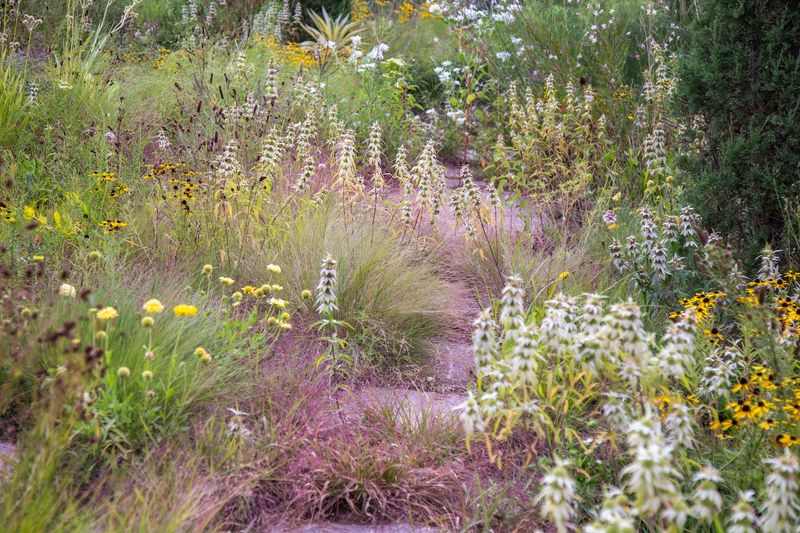
Sandy, scorching, and steep? Purple lovegrass (Eragrostis spectabilis) laughs at all three.
This low native grass forms tufts with a dense root system that grips loose sandy soil common in the coastal plain and Sandhills. In late summer it sends up airy pink-purple clouds that look like fog drifting over the hillside.
It stays under two feet, so it will not block views from a porch above the bank. Cut it back in late winter, water the first season, and then mostly let it fend for itself.
8. Blue Wild Indigo
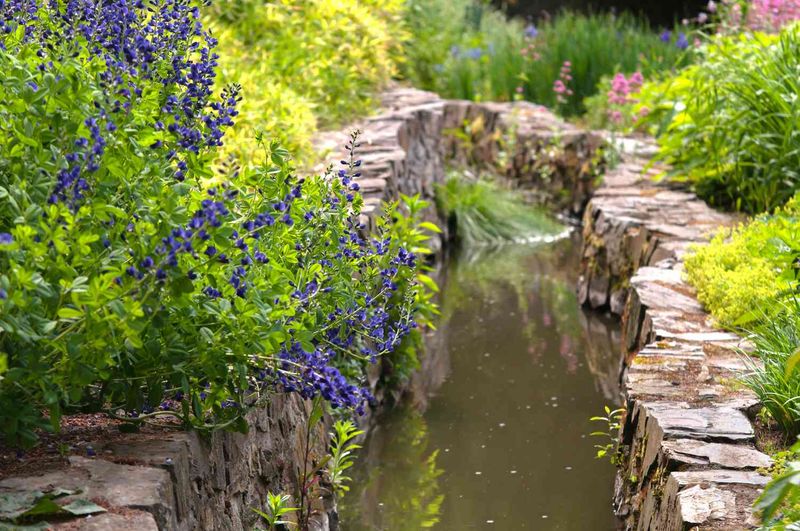
Patience pays big with this one. Baptisia australis takes a couple of years to settle in, then becomes a shrub-sized perennial that may outlive the gardener who planted it.
Its deep, woody roots go down several feet, making it a backbone plant for erosion-prone banks. As a legume, it can also add nitrogen to tired soil.
Indigo-blue spikes open in spring for big bumblebees, and the rattly seed pods add winter interest. Give each plant about three feet of room and avoid moving it once placed.
9. Smooth Aster
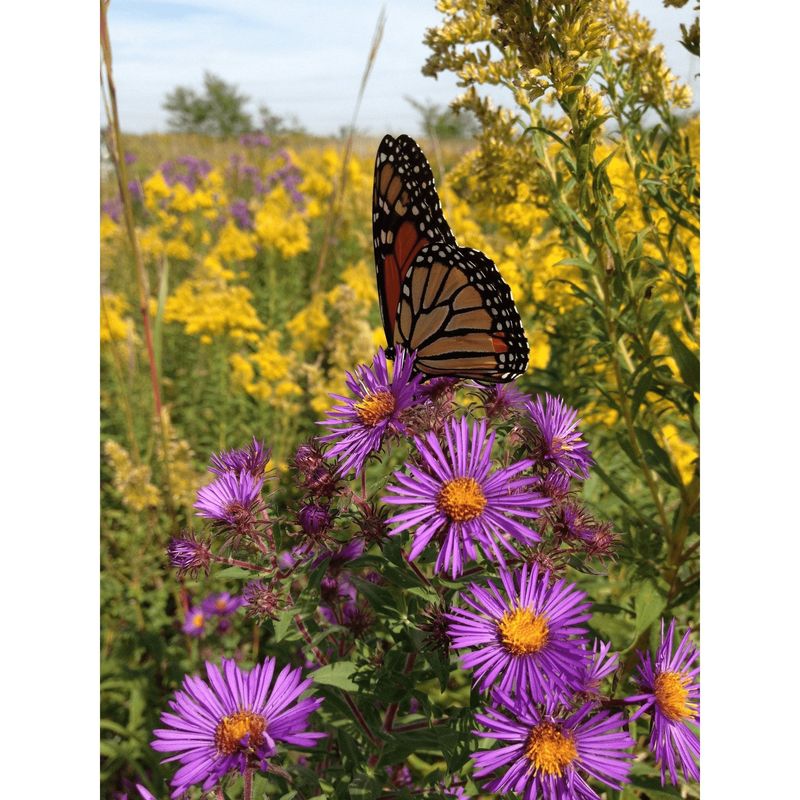
When most of the slope is fading, smooth aster steps onstage. Symphyotrichum laeve blooms sky blue from late September into October, right when migrating monarchs need fuel.
Its spreading rhizomes form colonies that keep soil covered into fall, a season when bare banks can wash out from tropical storm rains. The blue-green leaves are handsome all summer too.
Planting now gives roots time to grow through mild NC winters. Water weekly until frost, which typically arrives in October in the mountains and November in the Piedmont and coast.