
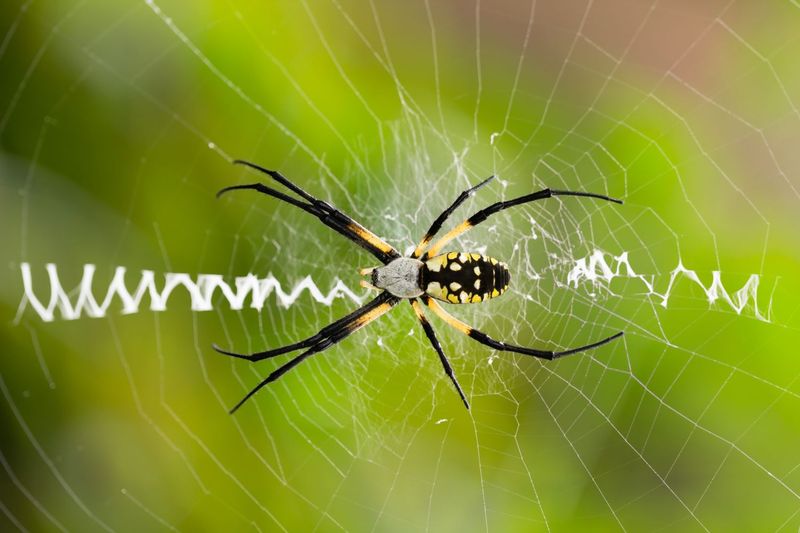
Walk through a California backyard in late summer and you might spot a large spider sitting dead-center in a circular web strung between your rose canes. Many homeowners grab a broom without a second thought, not realizing that spider was quietly helping manage the insect traffic around their plants.
The truth is more nuanced than the headline suggests, but the stewardship lesson is real: before you knock that web down, it pays to know what you are dealing with and what you might actually be giving up.
A California garden spider is usually a group, not one species
California is home to more than 1,000 spider species across at least 54 families, so the phrase “garden spider” is more of a neighborhood nickname than a scientific address. UC IPM’s guide to common garden spiders lists a wide cast of characters that homeowners might find in their yards, and no single species holds the title.
Calling the spider on your rose bush “the California garden spider” is a bit like calling every bird at your feeder “the California bird.”
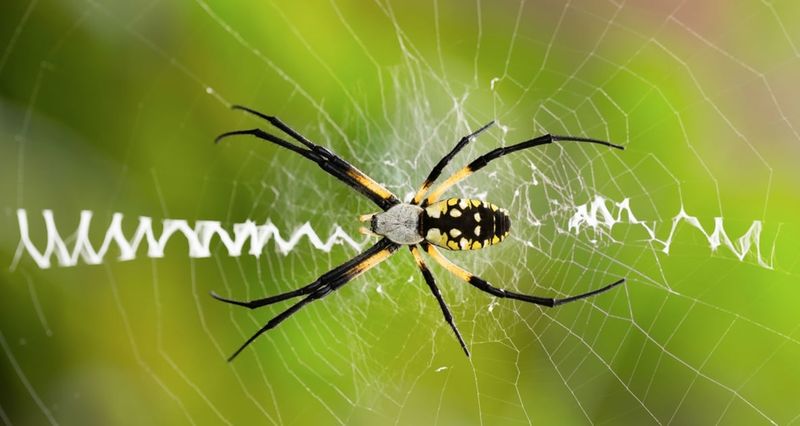
The ones most likely to catch your eye are garden orb-weavers, particularly species in the genera Argiope and Neoscona. The banded garden spider, Argiope aurantia, is probably the most recognizable: a large spider with bold yellow and black markings on the abdomen, often sitting motionless at the hub of a neat, wheel-shaped web.
UC ANR’s Bug Squad profile of the banded Argiope describes it as a conspicuous, beneficial garden resident. Neoscona species are smaller and more muted in color, often rebuilding their webs nightly, but they use the same concentric-ring architecture.
That circular web is your best field clue. A neat, spoke-and-spiral orb web in an open, well-lit location almost always belongs to an orb-weaver, not a widow spider.
Still, a photograph or careful description is needed before you can be confident at the species level. UC IPM’s natural enemies gallery notes that spiders as a group are valuable generalist predators, but that value does not make any one of them a dedicated rose-aphid controller.
Recognizing what you have is the first step toward deciding what, if anything, to do about it.
Its web is better suited to airborne insects than rose aphids
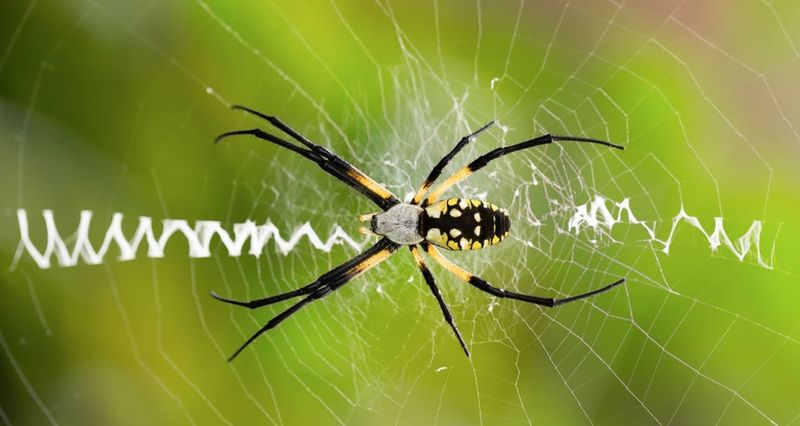
An orb-weaver builds its web in open airspace, then waits at the hub for something to fly, fall, or drift into the spiral threads. UC IPM’s overview of spiders in the landscape describes this as the defining hunting strategy of the group: intercept prey that is already moving through the air rather than chase it down on a plant surface.
That design is well matched to flies, moths, leafhoppers, small wasps, and other insects that travel on the wing.
Aphids work differently. Most of the time they are wingless, slow-moving, and clustered tightly on tender new growth, shoot tips, and flower buds, pressed against plant tissue rather than drifting through open air.
A study on foraging specialization in orb-weaving spiders published in Ecology confirms that orb-weavers are strongly biased toward flying prey, which means the insects most likely to end up in a garden web are airborne, not the sedentary colonies on your rose canes.
That does not make the orb-weaver useless to a rose grower. Flies and leafhoppers that visit roses can themselves carry disease, and reducing general insect pressure around the plant is a reasonable secondary benefit.
Some spider species, particularly active hunters that roam plant surfaces rather than sit in webs, are more likely to encounter and eat aphids. But a large orb-weaver positioned between two rose canes should not be taken as proof that your aphid problem is being handled.
UC IPM’s rose pest management page identifies the specialist natural enemies of aphids, and the orb-weaver is not among them. Its contribution is real but indirect, and counting on it to clear a heavy aphid colony will likely leave you disappointed.
The spider supports a larger team of natural enemies
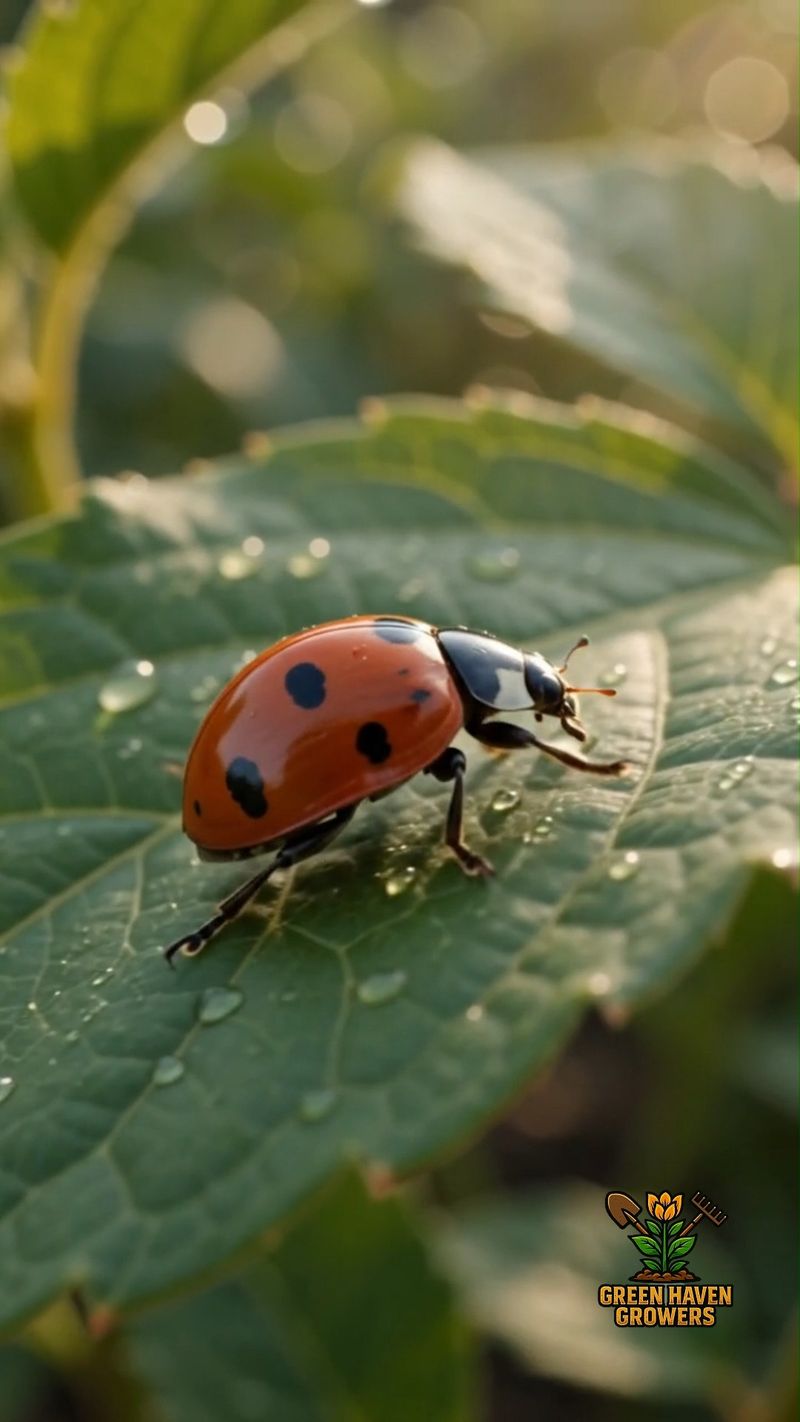
A healthy garden does not rely on a single predator. UC IPM’s beneficial predators resource describes a whole community of natural enemies that work together to keep pest populations in check: lady beetles and their larvae, green lacewing larvae, syrphid fly larvae, parasitic wasps, aphid midges, and spiders, among others.
Each group has different hunting habits and preferred prey, so together they cover more ground than any one predator could alone.
Aphids on California roses are primarily controlled by that specialist cast. Lady beetle larvae are voracious aphid hunters.
Parasitic wasps lay eggs inside individual aphids, killing them from the inside. Syrphid larvae and aphid midges work through dense colonies in ways an orb-weaver sitting in open air simply cannot match.
Penn State Extension’s guide to beneficial insects makes the broader point that supporting diverse natural-enemy communities, rather than depending on one species, produces more consistent results in the garden.
Where the orb-weaver earns its keep is as a contributor to that wider team. By capturing flies, small wasps, and other insects that pass through its web, it reduces overall arthropod pressure and may intercept some pest species that would otherwise reach the rose.
The catch, worth acknowledging honestly, is that spiders do not sort their prey by pest status. UC IPM notes that natural enemies as a group, including spiders, occasionally capture beneficial insects alongside pests.
The practical stewardship takeaway is proportionate: avoid killing an orb-weaver that is not causing a problem, because its removal chips away at the garden’s overall predator community, but do not feel obligated to protect every spider in the yard at all costs.
Inspect the rose before deciding that aphids need treatment
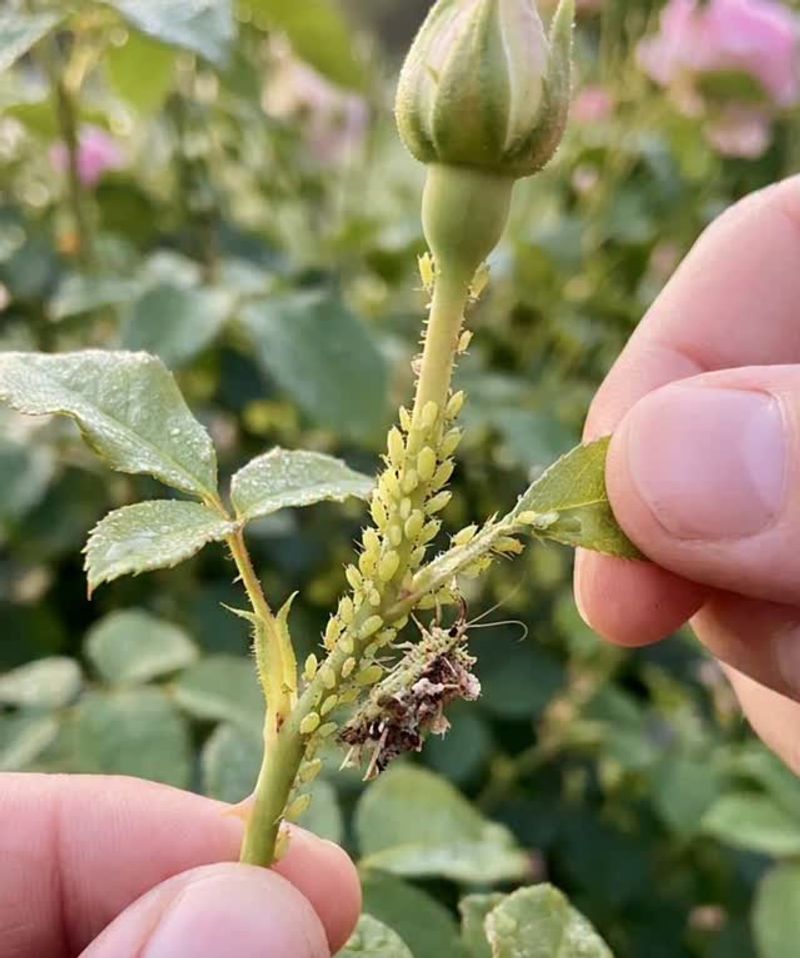
Before reaching for any product, take five minutes to actually look at the plant. UC IPM’s rose pest management guidance emphasizes monitoring as the essential first step, because not every aphid colony warrants intervention.
A handful of aphids on a vigorous, well-watered rose is a very different situation from a heavy infestation on a stressed plant, and treating both the same way wastes time and money while unnecessarily exposing the garden to chemicals.
Signs that a population has grown large enough to cause real harm include shoots that are curling or distorting, flower buds that open smaller than usual, a sticky coating of honeydew on leaves and stems, and a gray-black layer of sooty mold growing in that honeydew. Those symptoms tell you the colony is feeding at a scale that the plant is struggling to outgrow on its own.
Absent those signals, a scattered aphid presence is often self-limiting. Natural enemies tend to build up once aphid populations are large enough to attract them, and in many parts of California, aphid pressure on roses is most significant for roughly six weeks in spring and early summer before hot weather slows reproduction.
One factor that can extend and intensify an infestation is ant activity. Ants actively tend aphid colonies, collecting the honeydew aphids produce, and in return they chase away or attack lady beetles, parasitic wasps, and other natural enemies that would otherwise reduce the population.
If you see a steady trail of ants moving up and down your rose canes, managing the ants with a sticky barrier around the base of the plant can open the door for natural enemies to do their work. Checking for ants is a diagnostic step that costs nothing and can shift the balance without any spray at all.
Start with water, then choose the least disruptive treatment
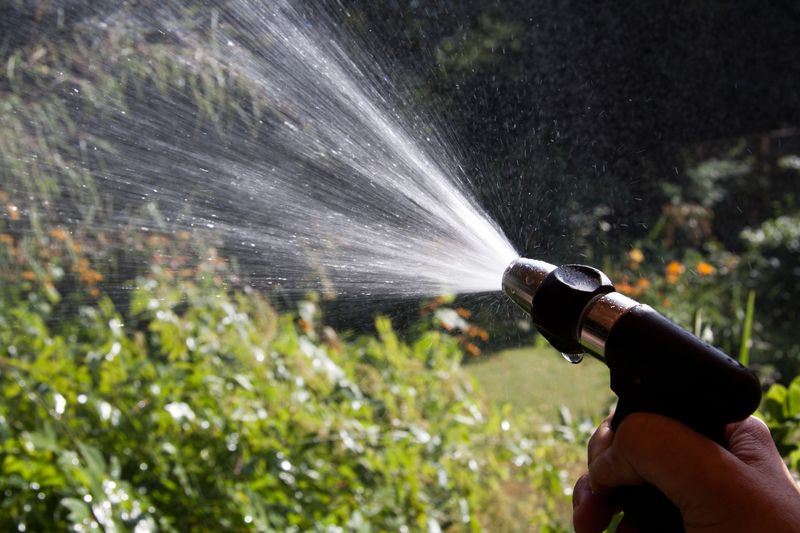
Once you have confirmed that aphid damage is meaningful, the most sensible first move costs nothing beyond a few minutes and a garden hose. UC IPM recommends a forceful stream of water aimed directly at infested shoots early in the day, which knocks aphids off the plant and onto the ground where they struggle to return.
Done consistently over several days, this approach can reduce a colony significantly on a sturdy, established rose without harming spiders, lady beetles, or any other natural enemy in the vicinity.
If the water treatment is not enough and damage continues, insecticidal soaps and horticultural oils are lower-impact options. UC IPM’s aphid management page explains that both products work by direct contact with the insect, so thorough coverage is essential, including the undersides of leaves and the tight spaces around buds where aphids cluster.
Missing those areas means missing most of the colony.
A few cautions apply before you mix anything. Neither product should go on a water-stressed plant or be applied when temperatures are at or above 90 degrees Fahrenheit, conditions common in California’s inland valleys and Central Valley during summer.
Heat and drought stress can cause the oils or soaps to injure leaf tissue, turning a pest problem into a chemical burn. Check the California product label for application restrictions specific to the product you are using, and if you are treating a rose variety you have not sprayed before, test a small area first and wait 48 hours before treating the whole plant.
Repeat applications are usually necessary because these products leave no residual protection, but spacing them out allows natural enemies that survived the first application to resume their work between treatments.
A spider may catch mosquitoes, but it will not clear the yard
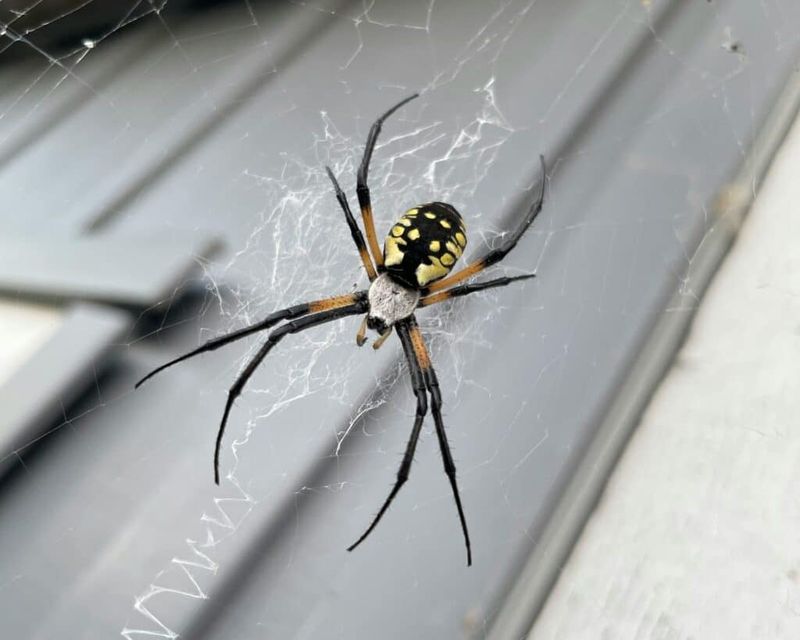
Spiders and mosquitoes do have a predator-prey relationship. Field research on spider predation of forest mosquitoes documented spiders consuming mosquitoes under experimental conditions, and orb-weavers, as interceptors of flying insects, are plausible participants in that relationship when mosquitoes pass through their webs.
That much is real biology.
The practical question for a California homeowner is whether one garden orb-weaver will make a noticeable dent in backyard mosquito numbers, and the honest answer is no. Research on pesticide effects and mosquito population rebounds highlights how complex local mosquito dynamics are, influenced by breeding site availability, adult flight range, and the density and placement of predators. A single orb-weaver positioned in a rose bed captures what drifts into its web, which represents a small fraction of the mosquitoes active in a yard on any given evening.
UC IPM notes that spider species, web placement, and local insect abundance all affect what a spider actually catches.
Mosquito populations are driven by breeding, not by adult abundance in any one spot. A female mosquito needs only a bottle cap’s worth of standing water to lay a productive batch of eggs, and California yards often have more such spots than homeowners realize: saucers under potted plants, clogged gutters, low spots in lawn areas, neglected birdbaths, and tarps that collect rainwater.
Removing or refreshing those water sources weekly does far more to reduce the mosquitoes bothering you than any number of preserved spiders. Keeping the orb-weaver is worthwhile for its broader contributions to the garden, but credit it honestly and address mosquito breeding at the source.
Relocate an inconvenient orb web without handling an unknown spider
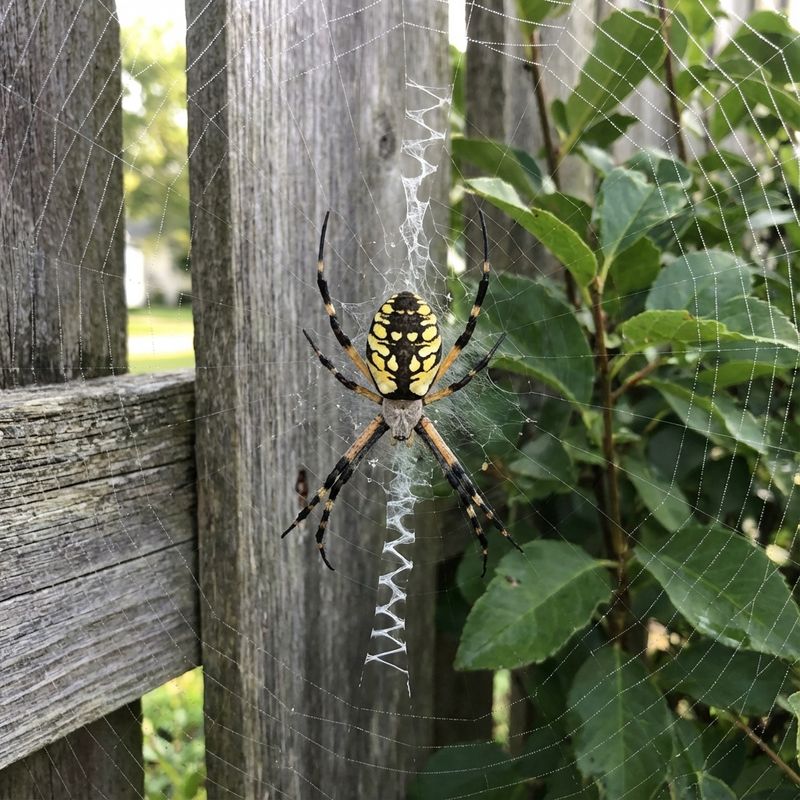
A web strung across a frequently used path, a doorway, or a play area is a reasonable candidate for relocation, even if the spider itself is harmless. The key is doing it safely and with the right target.
UC Cooperative Extension Ventura County advises moving an orb-weaver to an out-of-the-way spot in the garden rather than killing it, which preserves the spider’s contribution to the local predator community while resolving the conflict with foot traffic.
The practical method is straightforward. Use a long stick or a rolled piece of cardboard to gently encourage the spider and its web toward a shrub, fence post, or other structure in a less-traveled area.
Move slowly, and give the spider time to walk onto the new anchor point before you step away. Wear gloves if you are working close to the spider.
UC IPM cautions that readers should not handle any unidentified spider bare-handed, regardless of how harmless it appears. Most open, daytime orb-weavers in California gardens are low risk to people when left alone, but “low risk” is not the same as “no risk,” and confident identification matters before any close contact.
That identification caveat carries extra weight in certain locations. UC IPM’s widow spider page describes the western black widow as a spider of dark, dry, sheltered, undisturbed spots: the inside of a shed, behind stacked firewood, under a low deck, or in a cluttered garage corner.
Its web is irregular and tangled, not a neat geometric orb. California DPR’s guidance on spider management reinforces the point that spiders found in sheltered clutter should be treated with more caution than conspicuous garden orb-weavers.
If you are clearing a woodpile, a storage shed, or a dark corner of the garage and encounter a spider you cannot identify, gloves and a long-handled tool are the appropriate approach, not bare hands.
Keep the useful spider, but manage the actual pest problem
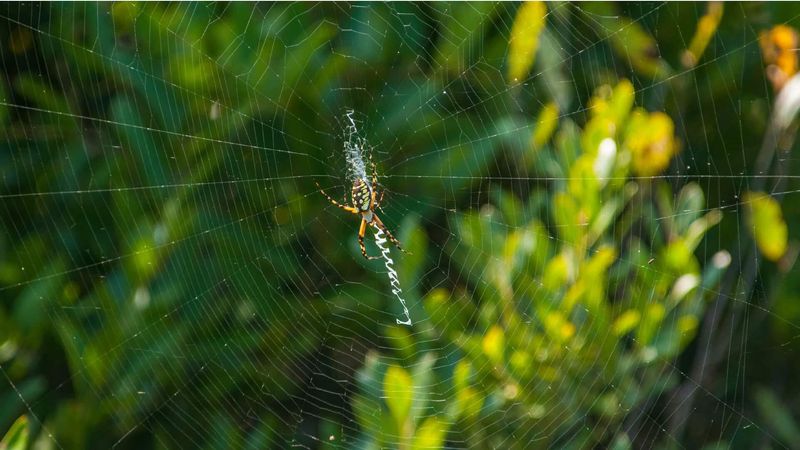
Putting the whole article into practice comes down to a short sequence of decisions. When you spot a large orb-weaver in an open garden location, leave it where it is if the web is not blocking anything.
UC Cooperative Extension Ventura County and UC IPM’s biological control overview both support protecting generalist predators as part of a functioning natural-enemy community. If the web is across a doorway or walkway, relocate the spider with a stick rather than crushing it.
For your roses, monitor before you act. Check for curled shoots, honeydew, sooty mold, and ant trails rather than assuming that any aphid presence requires treatment.
UC IPM’s rose pest guidance and the UC IPM aphid page both point to water sprays as the appropriate first response for confirmed damage, with insecticidal soap or horticultural oil reserved for cases where water alone is insufficient. Avoid broad-spectrum insecticides, which can kill the very natural enemies, including spiders, that you are trying to preserve, and may set the stage for worse outbreaks later.
For mosquitoes, remove standing water every week. No spider, however well positioned, can substitute for eliminating breeding sites.
A garden that supports orb-weavers, lady beetles, parasitic wasps, and other natural enemies will be more resilient than one scrubbed clean of every visible creature, but that resilience grows from the whole community working together, not from a single spider on a rose cane.