
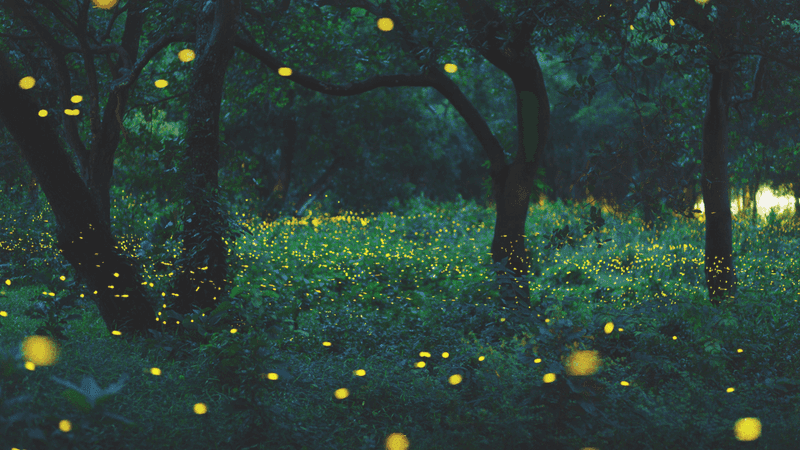
Fireflies flickering along a summer fence line are one of those yard moments that make Central Texas evenings feel a little magical. For many homeowners, those lights have grown scarce as neighborhoods spread and tidy lawn habits replace the weedy, leaf-covered edges where fireflies quietly spent their childhoods.
One native grass, inland sea oats, may help restore some of that lost habitat along a shaded fence line without a complicated garden overhaul. Getting results takes more than just planting, though, and knowing what fireflies actually need makes all the difference.
Inland sea oats suits the right Central Texas fence line
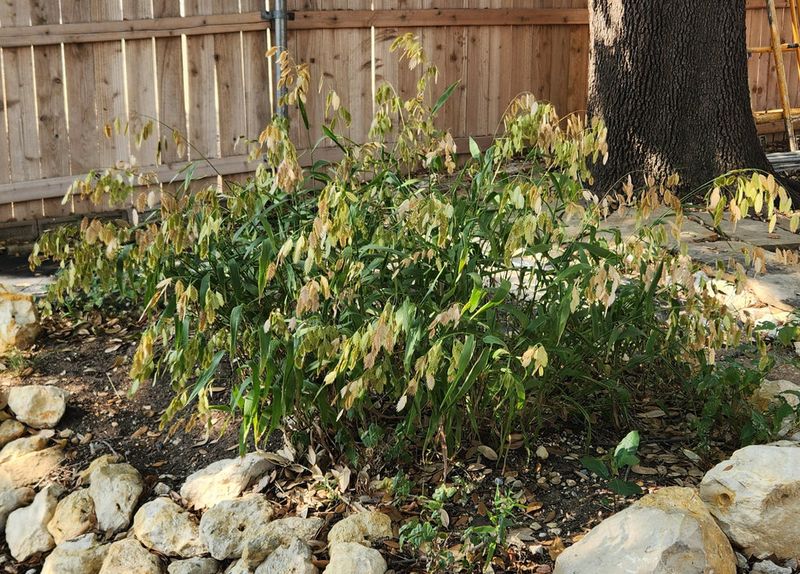
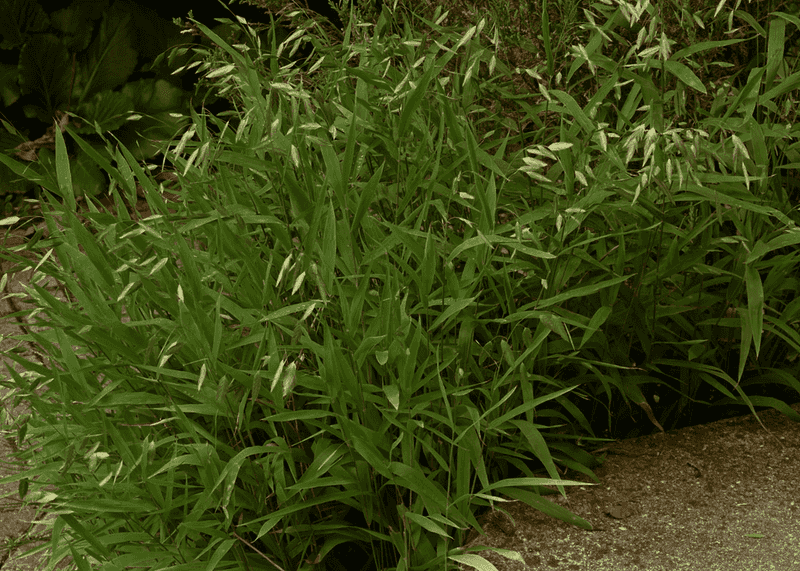
Inland sea oats (Chasmanthium latifolium) is a native clumping grass worth knowing if your Central Texas fence line sits in shade or filtered light and holds at least some soil moisture through the growing season. Austin’s Watershed Protection plant guide describes it as a shade plant with medium water needs, a mature height of roughly two to four feet, and a preference for moist areas, which lines up well with the north or east side of a fence, beneath a live oak canopy, or along a drainage swale that doesn’t flood or pool.
The grass forms an upright clump that fills in gradually and produces flat, oat-like seed heads that catch the breeze and turn bronze by fall. North Carolina Extension describes river oats as a two-to-five-foot grass for moist to wet, well-drained soil in part sun to part shade, confirming that the plant fits shaded or filtered-light spots rather than open, sun-baked strips.
Its spread can reach three to six feet or more over time, so give it room from the start rather than crowding it against structures or competing shrubs.
Where inland sea oats fits the site, it adds vertical vegetation, soil cover, and a place for adult fireflies to rest or shelter among stems and foliage. Those contributions matter, but the grass is one part of a larger habitat picture, not a standalone firefly treatment.
An Austin stewardship resource also lists it among native plants suited to shady, moderately to highly moist sites, reinforcing that its strongest performance is tied to the right conditions. A hot, west-facing fence in full afternoon sun with dry, compacted caliche is not a good match, regardless of how appealing the grass looks at the nursery.
Many firefly larvae need the ground layer around the plant
A common misread of firefly gardening is treating it the same as planting milkweed for monarchs, where the plant and the insect have a fairly direct relationship. Fireflies work differently.
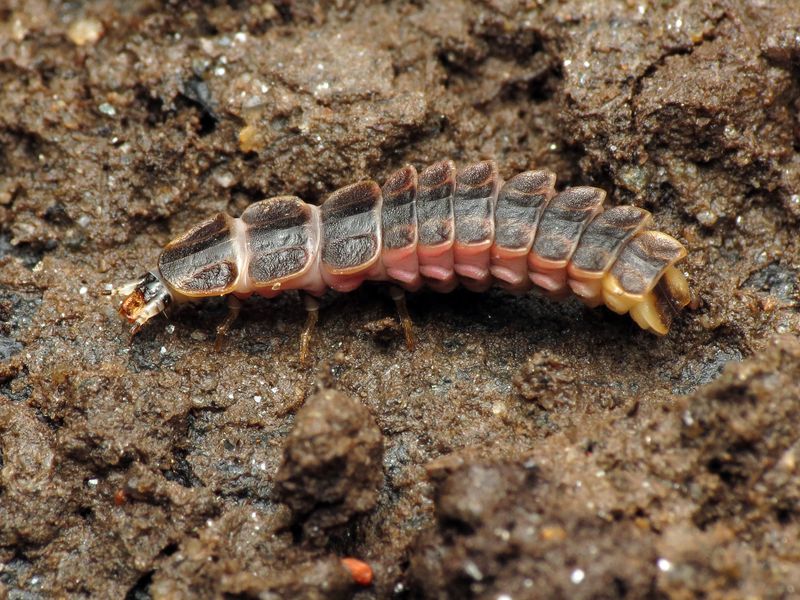
Adults may use tall grasses and shrubs for perching, shelter, and courtship signaling, but the larval stage is where habitat quality really matters, and larvae are living on or in the ground, not up in the foliage.
Oklahoma State University Extension’s introduction to fireflies explains that larvae spend most of their lives in soil, mud, or leaf litter, where they hunt soft-bodied invertebrates including snails, slugs, earthworms, and other small larvae. That diet makes the ground layer beneath and around inland sea oats as important as the plant itself.
A clump of grass sitting over bare, hard-packed, or frequently disturbed soil offers relatively little to a larva looking for a moist refuge and a meal.
UConn Extension’s firefly overview also notes that most firefly species are terrestrial during the larval stage, though some have aquatic or semi-aquatic life histories. That variation matters for Central Texas gardeners because not every species you might attract has identical habitat requirements.
Xerces Society guidance on supporting fireflies consistently emphasizes that suitable moisture, leaf litter, prey availability, and limited disturbance are all part of the habitat package, not optional add-ons.
Thinking about the ground layer shifts the gardening goal from “plant something pretty” to “build a functioning floor.” The grass contributes shade, structure, and some organic input as it drops leaf material, but the soil and litter beneath it carry much of the weight for larval survival. Inland sea oats earns its place as a structural contributor, with the understanding that what happens at ground level ultimately shapes whether firefly larvae can persist through a Central Texas summer.
Choose shade and dependable moisture instead of reflected heat
Picking the right spot matters more than almost any other decision in this process. Inland sea oats planted in the wrong place will struggle, and a stressed plant in dry, compacted soil surrounded by reflected heat from a west-facing fence does nothing useful for firefly habitat.
The practical site test is simple: stand at the location around two in the afternoon on a July day. If it is in full sun and radiating heat back at you, keep looking.
Better candidates include the north or east side of a fence, the understory beneath a live oak or cedar elm, or a low spot along a gentle drainage edge that stays damp after rain but drains within a day or two. Austin’s plant guide for inland sea oats confirms a preference for moist areas and shade, which translates directly to those kinds of spots.
Shaded vegetation, a layer of fallen leaves, and intact soil cover can all contribute to more favorable site conditions at ground level, though that is a combined effect of the whole setup rather than a specific, measurable property of the grass alone.
Xerces Society’s at-home firefly fact sheet recommends moist, vegetated areas near water features or low spots as priority habitat zones. One clarification worth making: moist soil is not the same as permanent flooding or standing water.
Stagnant, waterlogged spots breed mosquitoes and stress most plants, including inland sea oats. The goal is soil that drains reasonably well but doesn’t bake dry between rains.
Xerces also notes that both drought and excessive flooding can reduce firefly habitat quality, so the sweet spot is consistent, moderate moisture rather than either extreme.
A properly graded rain-garden edge or a spot that captures runoff from a downspout, with good drainage built in, can work well. The key is choosing a location where the soil stays workable and dark rather than cracking open in August, and where the grass can settle in without fighting for its life against the Texas summer sun.
Leave leaves and soil disturbance to a minimum
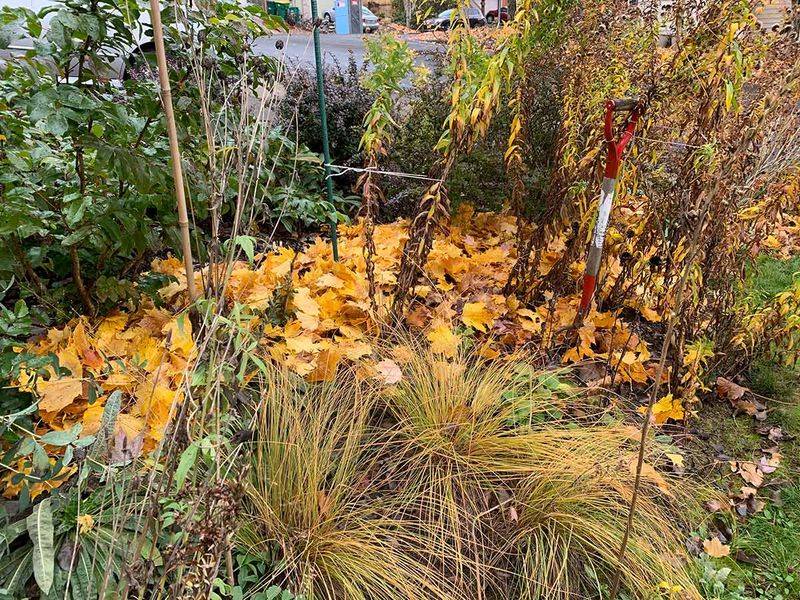
Once the grass is in the ground, the most productive thing a gardener can do is resist the urge to clean everything up. Fallen leaves and small woody debris around the base of inland sea oats are not a sign of a neglected yard.
They are the functional floor that many firefly larvae and flightless females need for shelter, moisture, and hunting. Xerces Society’s firefly conservation blog specifically encourages gardeners to leave leaf litter and downed wood in place as part of a habitat-friendly yard approach.
The practical goal is an organically covered soil surface, not a saturated, inaccessible mat of compacted debris. A light layer of leaves and a few small sticks is enough.
Xerces Society’s firefly conservation guide also advises reducing tilling, frequent digging, and heavy foot traffic in habitat areas, because larvae and flightless females can occupy ground-level refuges that are easily crushed or exposed by routine garden work. Designating the fence-line strip as a low-disturbance zone is a realistic and low-effort commitment.
Inland sea oats adds its own management consideration: it reseeds readily and can spread beyond the original planting over a few seasons. Austin’s plant guide lists an eventual spread of three to six feet or greater and recommends cutting the grass back to about four inches in winter to keep it tidy and encourage fresh growth in spring.
That winter cutback is a reasonable time to remove excess seedlings and check the spread, but avoid removing all the leaf material from the surrounding soil at the same time. Cutting the stems and leaving the ground layer intact keeps the habitat functional through the cooler months when larvae may still be active underground.
Managing the planting this way means accepting that the fence-line strip will look more natural than manicured. For most Central Texas homeowners, that trade-off is manageable, especially when the strip is along the back fence or a side yard rather than the front entry.
Protect the habitat from artificial light and unnecessary sprays
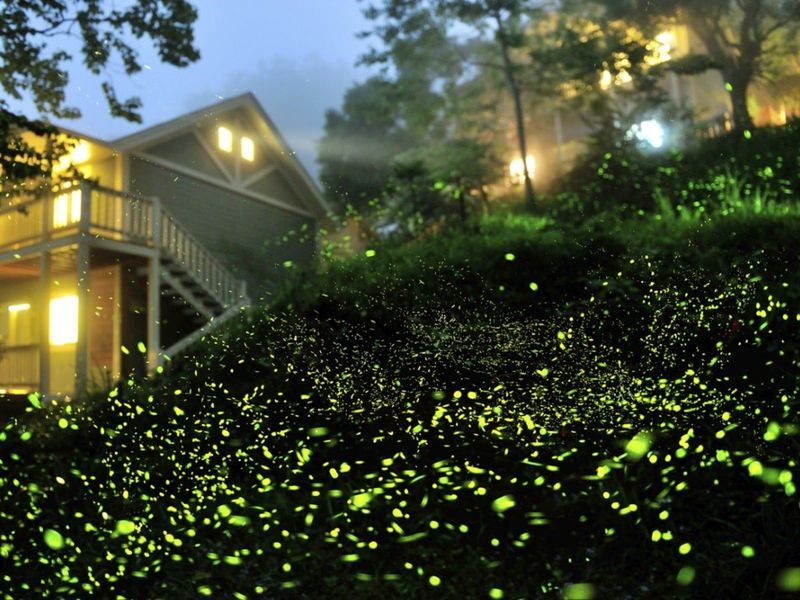
Two common homeowner habits can quietly undo the habitat work that a well-placed planting creates. The first is outdoor lighting.
Fireflies communicate through precise, species-specific flash patterns, and background light from porch fixtures, landscape spotlights, and fence-mounted LEDs can interfere with that signaling. Xerces Society’s firefly threats page identifies artificial light at night as a meaningful concern for firefly courtship and behavior.
Shielding unnecessary fixtures, switching off porch and fence lights during the peak flashing window in early evening, or replacing broad-coverage bulbs with shielded, downward-directed ones can all reduce the interference without leaving the yard completely dark.
A Xerces blog post on firefly status in the U.S. and Canada reinforces that light pollution is one of several cumulative pressures on firefly populations, alongside habitat loss and pesticide exposure. Addressing even one of those pressures near your fence line is a meaningful contribution.
The planting strip itself does not need to be lit, and keeping that corridor dark at night costs nothing once the habit is set.
The second habit to reconsider is routine pesticide use near the planting. Broad-spectrum insecticides, regular mosquito fogging services, and similar treatments can harm fireflies directly or reduce the invertebrate prey that larvae depend on.
Xerces Society’s pesticide fact sheet for fireflies explains that while the evidence on specific pesticide effects varies across firefly species, the risk to both adults and their prey is real enough to justify minimizing exposure near habitat areas. Skipping or reducing mosquito spray services along the fence line, avoiding broadcast insecticide applications in the planting area, and steering clear of slug bait and similar products are all practical steps that cost very little in the short term and protect the habitat investment over time.
Expect habitat improvement, not a guaranteed summer display
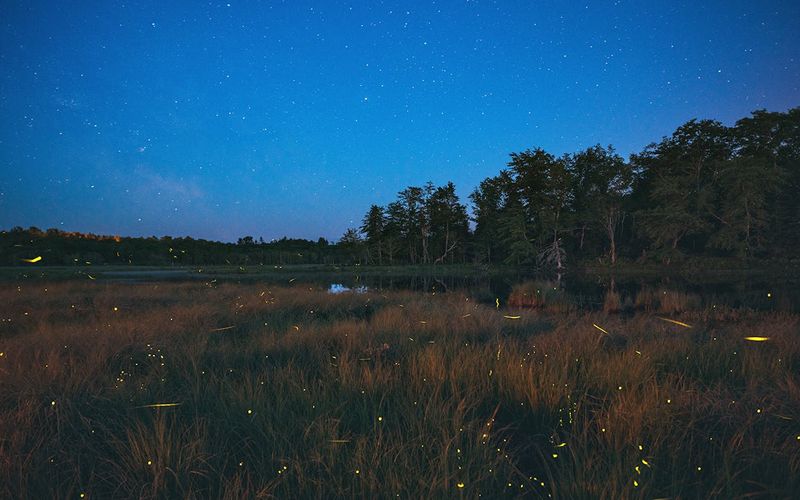
Inland sea oats along a shaded fence line can genuinely improve conditions for fireflies in the right Central Texas yard. What it cannot do is guarantee a reliable summer light show, and setting that expectation honestly from the start prevents frustration and keeps the habitat work going long enough to matter.
The grass is one component of a larger system, and the system takes time to develop.
Texas fireflies are not a single uniform group. Firefly Conservation and Research’s Texas field guide notes that species like Photinus pyralisPhotinus texanus can turn up in disturbed yards and open suburban areas, while is more closely tied to Central and southern Texas riparian corridors.
A fence-line planting may support whichever species are already present locally, but it will not recreate every firefly habitat type or attract species that require conditions very different from what a suburban yard can offer.
The timeline also matters. Oklahoma State University Extension explains that firefly larvae can remain in immature stages for one to two years before emerging as adults.
Planting this fall or spring may not produce a noticeably larger adult display the following summer. Patience is part of the practice.
Year-to-year variation adds another layer of unpredictability. A firefly abundance study in Science of the Total Environment and research linking adult firefly abundance to prior-year weather conditions both point to rainfall, soil moisture, temperature, and land cover as factors that can cause visible firefly numbers to swing significantly from one summer to the next.
A quiet June after a dry spring is not proof that the planting failed. It may simply reflect conditions that year.
Tracking sightings over several seasons gives a much more useful picture than judging the outcome after one summer.
Build the conditions and give local fireflies time
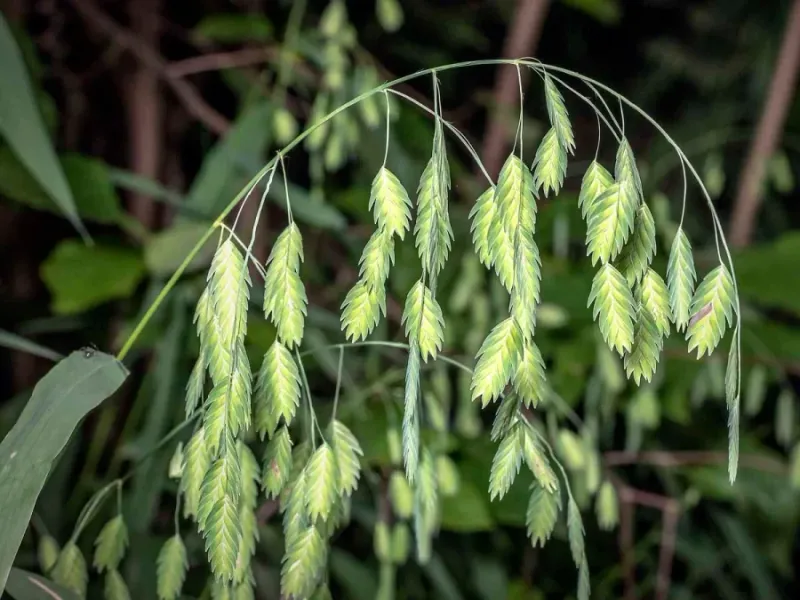
Putting this all together comes down to a short, repeatable checklist rather than a complicated renovation. Match inland sea oats to a shaded or filtered-light fence line that holds some moisture without pooling, plant it with room to spread, and leave the surrounding soil covered with fallen leaves and small debris.
Austin’s plant guide gives the basic care framework: medium water, winter cutback to about four inches, and space for a generous spread.
Beyond the planting itself, reduce soil disturbance in the strip, preserve the invertebrate prey that larvae need, keep pesticide applications away from the area, and darken the fence line at night during firefly season. Xerces Society’s firefly help page frames all of these steps as part of a connected habitat approach rather than isolated fixes, which is the right way to think about it.
No single action replaces the others.
Firefly Conservation and Research’s plant guidance reinforces that native vegetation contributes to habitat structure and conditions, while the broader management of the site determines whether fireflies can actually use it. Success here means building and maintaining conditions that locally present fireflies may find usable, not engineering a guaranteed outcome.
A well-tended, dark, leafy, low-disturbance fence line is the kind of place fireflies have always preferred, and inland sea oats is a practical, locally grounded way to get that structure started.