
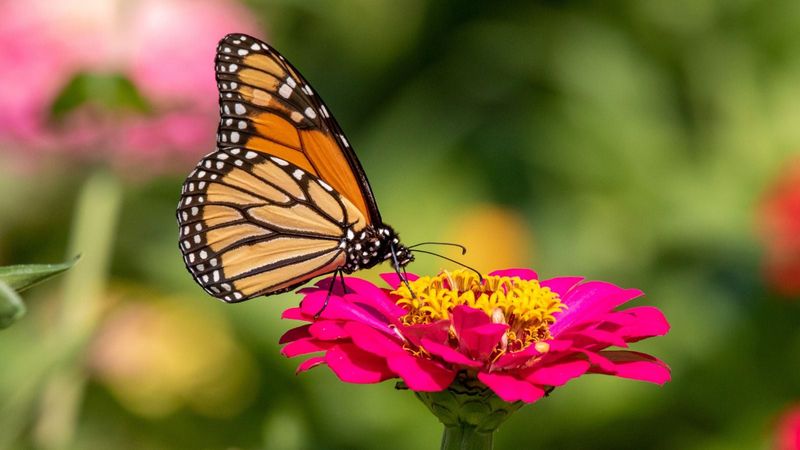
Every fall, millions of monarch butterflies funnel through Central Texas on their long trip to the mountains of Mexico. Most of them pass right over our neighborhoods, looking for nectar, water, and a safe place to rest for the night.
You do not need acres of prairie to help them, just a few smart plants and small changes in your yard. Here are eight simple moves that can turn an ordinary Texas lot into a stop monarchs actually use.
1. Plant Fall-Blooming Gregg’s Mistflower
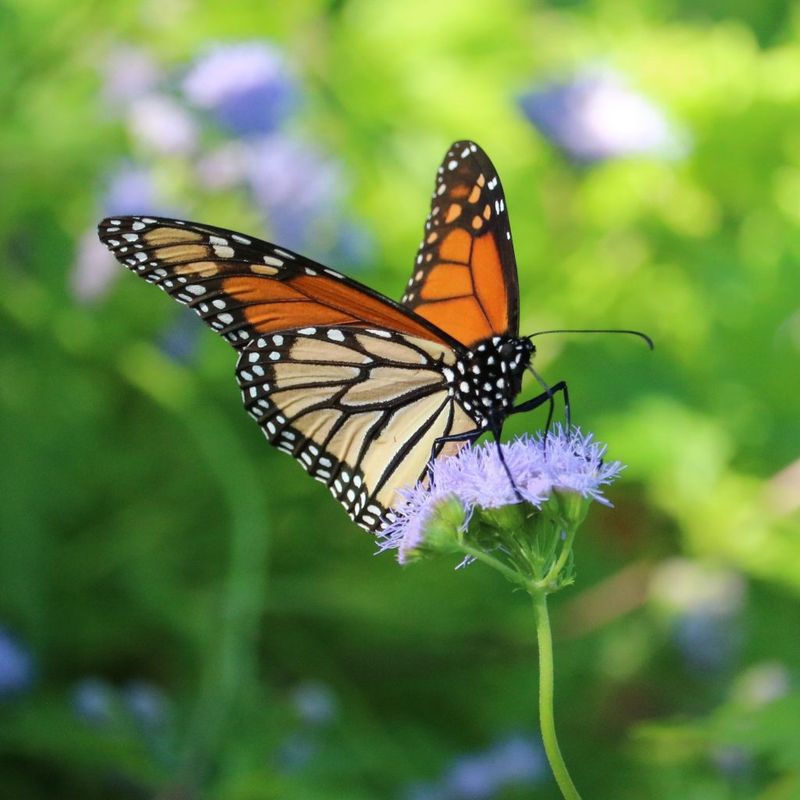
Gardeners in Austin sometimes call it the butterfly magnet, and after one October you will understand why. Gregg’s mistflower covers itself in fuzzy periwinkle puffs just as migrating monarchs arrive, and it is common to see a dozen butterflies on a single clump.
The plant is native to Texas and handles heat, rocky alkaline soil, and dry spells once established. It spreads by roots, so give it room or plant it where a little wandering is welcome.
Put it in full sun to part shade and cut it back hard in late winter. Fresh growth in spring sets you up for another big fall show.
2. Add Native Milkweed in the Right Spots
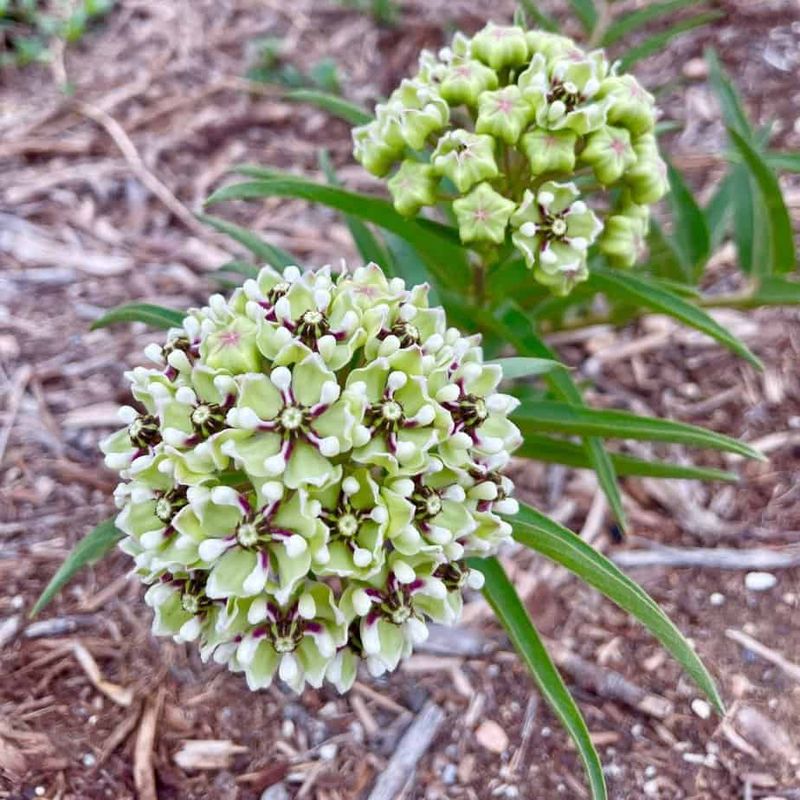
Milkweed is the only food monarch caterpillars eat, so it belongs on any list like this. The twist in Texas is choosing the right kind.
Native options such as antelope horns, green milkweed, and zizotes milkweed fit Central Texas soils and die back naturally in winter. Tropical milkweed is sold everywhere, but research suggests it may encourage monarchs to linger and can build up a parasite called OE when left standing year-round.
If you already grow tropical milkweed, many experts recommend cutting it to the ground in fall and winter. That small step can reduce disease risk while you add natives over time.
3. Fill Gaps With Frostweed
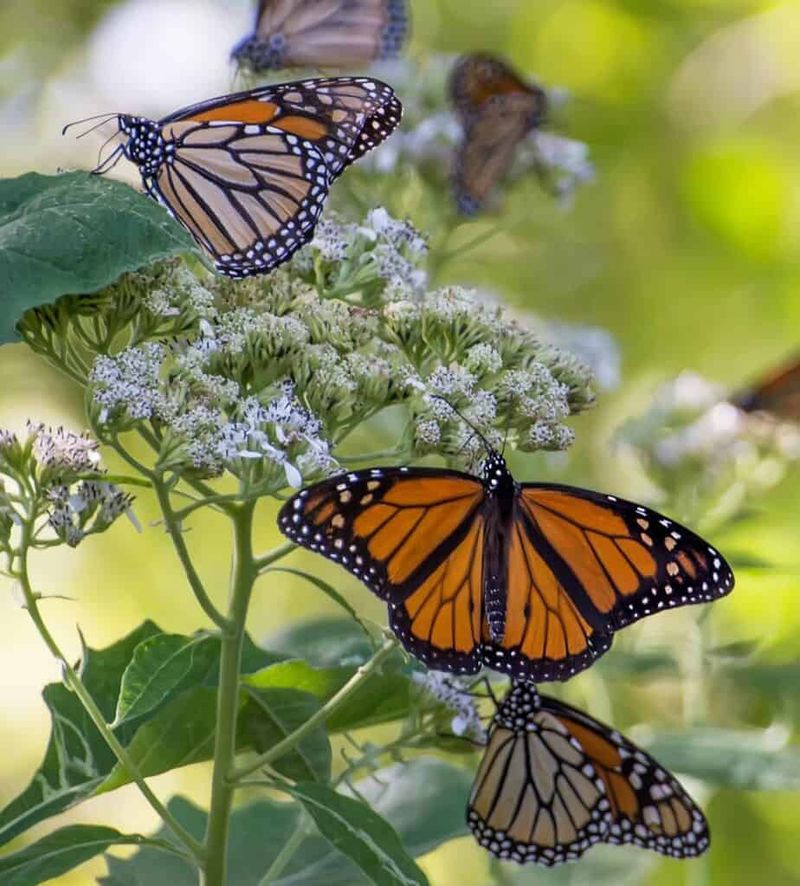
Shady corner under the live oak looking bare? Frostweed was made for that spot.
This tall native sends up flat white flower clusters in September and October, right in the heart of migration. Monarchs, bees, and other butterflies crowd onto it, especially in yards where sunny nectar is already picked over.
Here is the fun part: after the first hard freeze, sap bursts from the stems and curls into thin ribbons of ice. Kids love hunting for these frozen sculptures on a cold morning, so you get a winter bonus from a fall pollinator plant.
4. Offer a Shallow Water Puddle
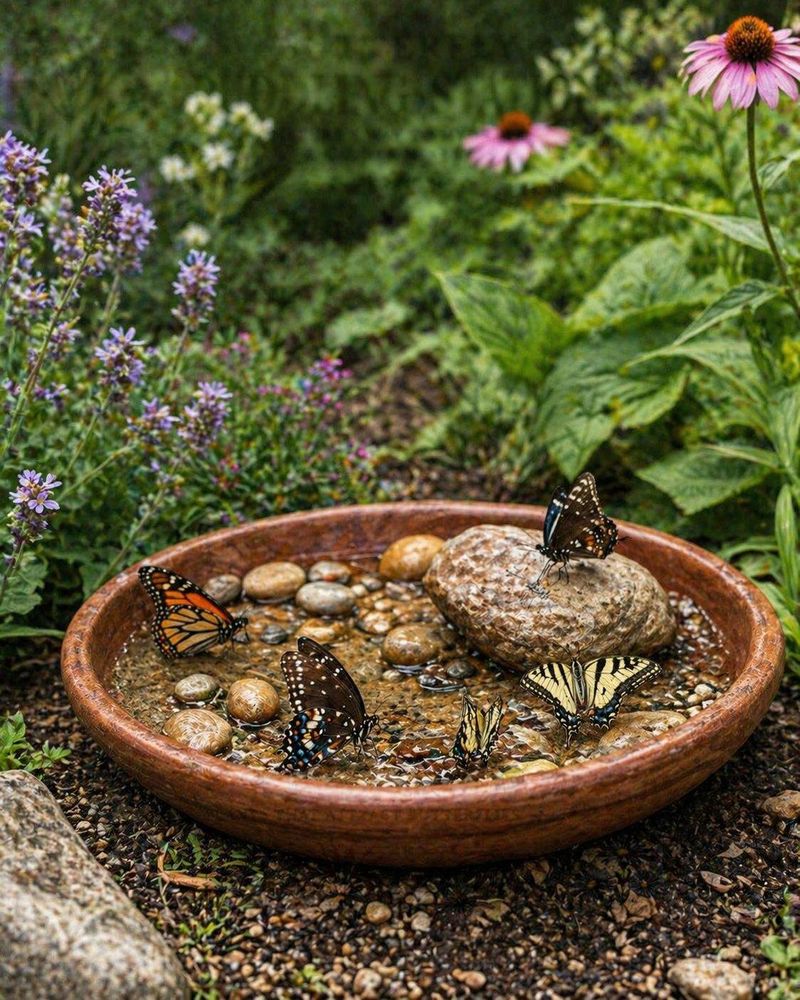
Fall in Central Texas can still bring 90-degree afternoons and dry wind. Migrating monarchs burn energy fast and appreciate a safe sip.
Fill a plant saucer with sand or gravel, add a few flat stones, and keep it damp rather than flooded. Butterflies can land on the stones and drink without risking a dunk.
Set it near your nectar plants and refresh it every few days. The whole project costs a few dollars and takes about five minutes.
5. Keep Late Zinnias and Lantana Going
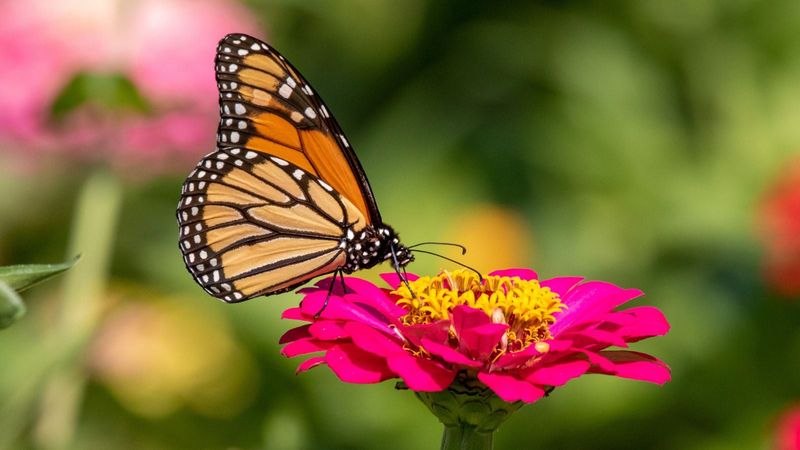
Not every butterfly plant has to be a rare native find. Zinnias you planted in summer and Texas lantana in the front bed can keep feeding travelers well into November.
Deadhead zinnias every week or so to keep fresh blooms coming. Native Lantana urticoides handles reflected heat from driveways and sidewalks better than most flowers.
Bright orange, red, and pink flowers with flat landing pads suit monarchs nicely. A curb-friendly bed can double as a fuel station without looking wild.
6. Skip the Pesticide Spray This Season
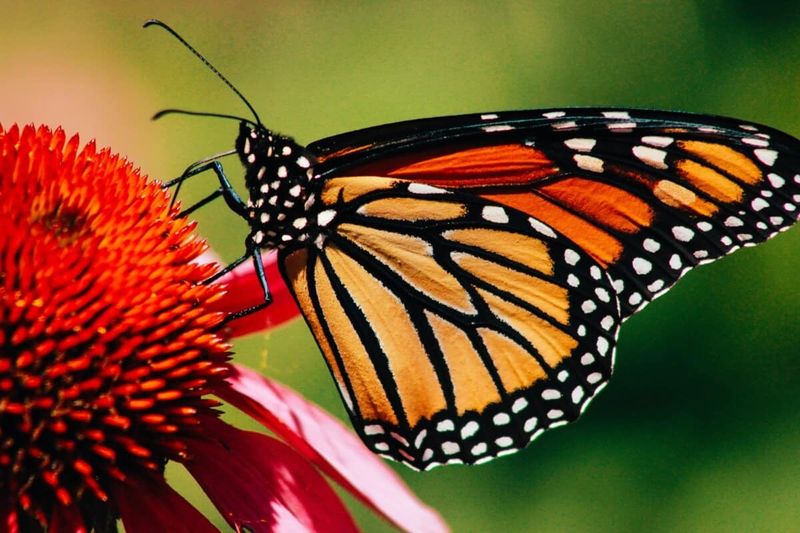
A single broad-spectrum spray can undo everything else on this list. Many common insecticides harm butterflies and caterpillars along with the pests they target.
During September through November, hold off on routine yard treatments, including mosquito fogging services that blanket shrubs. If a pest problem is serious, spot-treat with the least toxic option and avoid flowering plants.
A few chewed leaves are a sign your yard is working as habitat. Your monarchs, and the bees sharing those flowers, will thank you.
7. Leave a Sheltered Roosting Spot
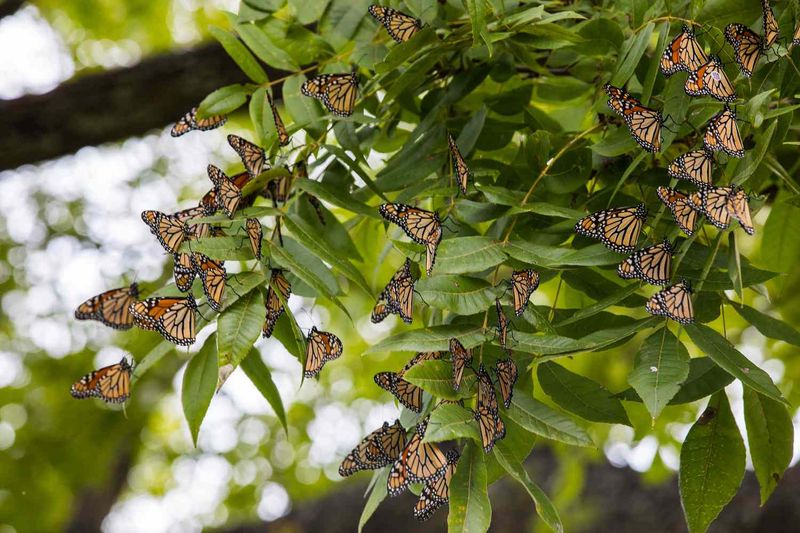
At sunset, monarchs gather in clusters on trees to rest overnight, sometimes by the hundreds. Pecans, oaks, and cedar elms often host these roosts across Central Texas.
Trees sheltered from strong north winds and close to nectar plants make the best stopovers. Avoid heavy pruning in fall so branches stay full.
Spotting a roost in your own yard is a thrill most neighbors never forget. Grab a camera at dusk and check the leeward side of your trees.
8. Register Your Yard as a Monarch Waystation
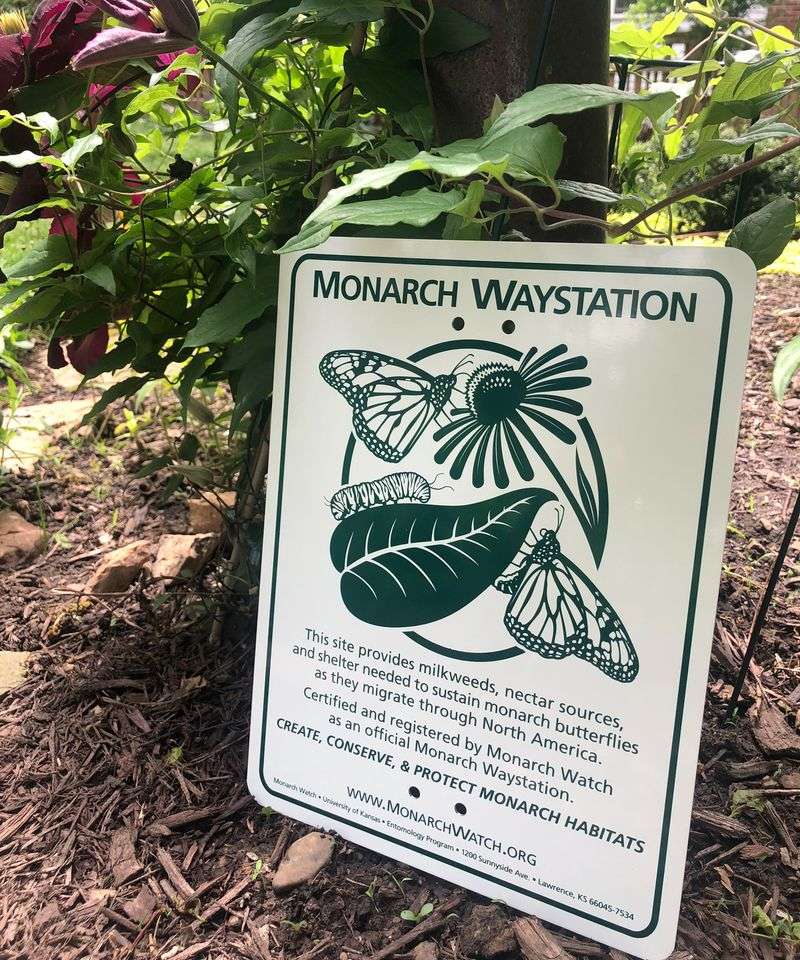
Once your plants are in, make it official. Monarch Watch runs a certification program for yards that offer milkweed, nectar plants, and shelter.
A small fee gets your garden listed and lets you buy a sign for the front bed. Neighbors ask questions, and that is how one yard turns into a whole street of rest stops.
You can also report sightings to Journey North during migration. Your observations help scientists track how monarchs move through Texas each fall.