
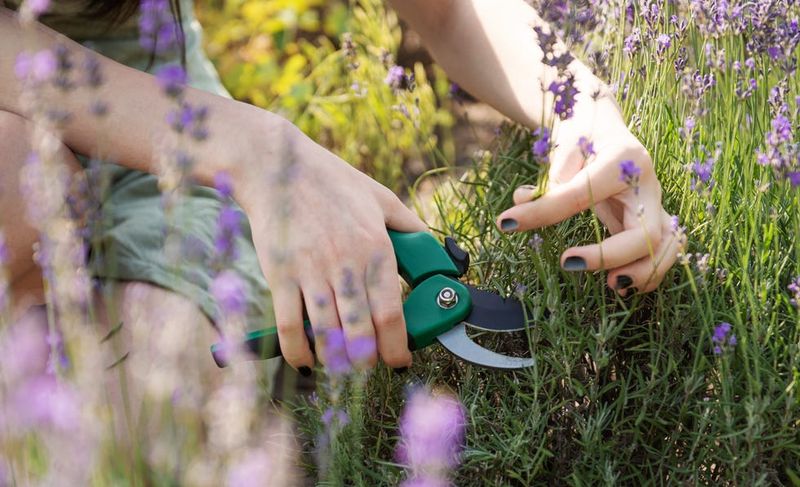
Lavender is one of the most forgiving plants in a California garden, but even tough plants have a window when a little attention goes a long way. After the blooms fade, a light trim can help keep the plant compact, slow the creep of woody stems, and set it up for healthier growth ahead.
The catch is that the right time to act depends on the plant in front of you, not the calendar on the wall. Understanding that difference can save a lot of frustration come spring.
September is a possible window, not a statewide deadline
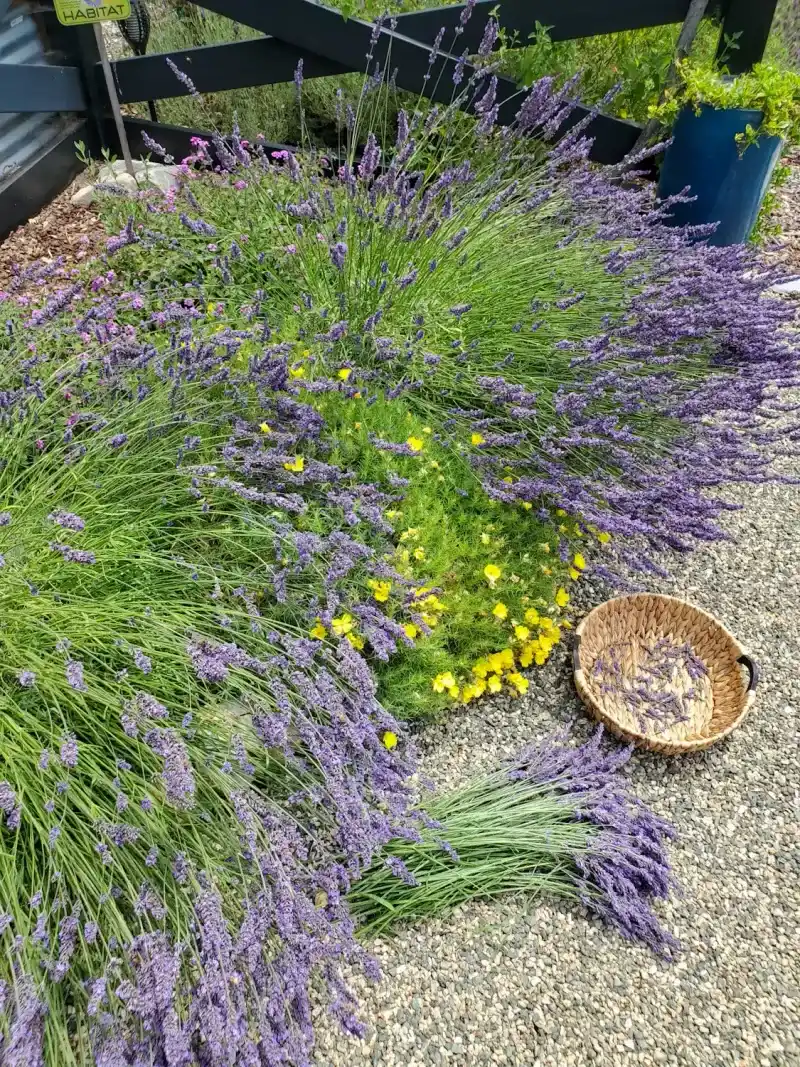
Walk through a California neighborhood in September and you might spot lavender in three different states at once: one plant still showing purple color, another with stalks that have turned brown and papery, and a third that finished weeks ago and already looks a little shaggy. That range is normal, and it matters more than the month on the calendar.
UC IPM guidance on growing lavender supports pruning after flowering rather than on a fixed date, and for good reason. California’s microclimates are genuinely varied.
A coastal garden in Half Moon Bay may still have mild weather and active blooms in September, while an inland valley garden near Fresno may have finished flowering weeks earlier under summer heat. Higher elevations face earlier frost risk, which changes the calculus entirely.
Spanish lavender and French lavender often bloom earlier in the season and may finish well before September. English lavender and lavandin hybrids can hold their flower heads longer, sometimes into late summer.
Waiting for the plant to finish its cycle, rather than acting on a statewide deadline, is the more reliable approach.
The practical window to aim for is after flowering and before the local cold or wet season arrives. For most California gardeners that window does overlap with September, but it can fall earlier or later depending on what you are growing and where.
A plant that still carries active, open flowers is not ready for pruning yet. Look for flower stalks that have dried, faded, or gone to seed as the signal to act.
Give finished lavender a light shaping prune
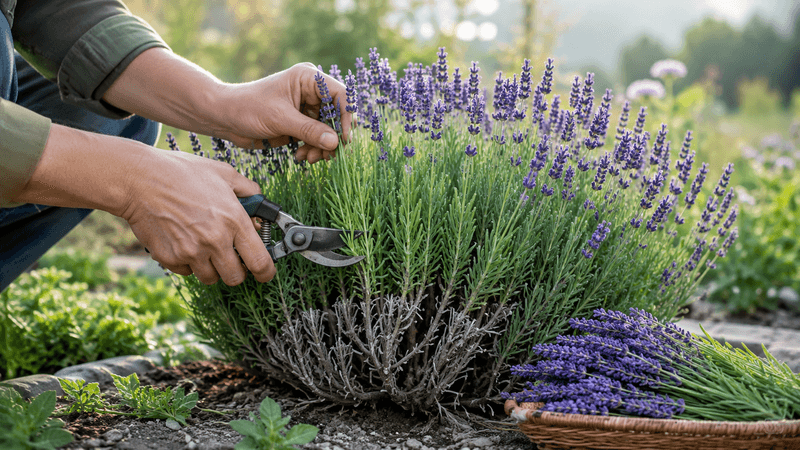
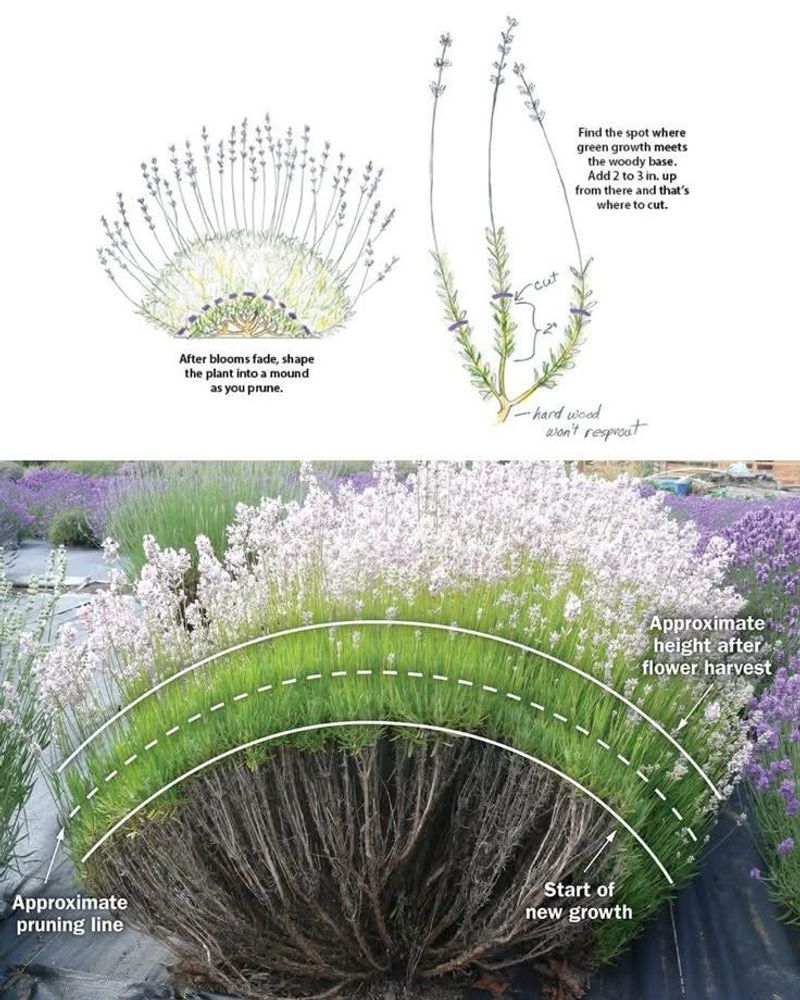
Once the flower stalks have dried and faded, the most useful thing you can do for a lavender plant is give it a modest haircut. Remove the spent flower stems first, cutting them back to where the green, leafy growth begins.
Then step back and look at the plant’s overall shape before making any further cuts.
The goal is a compact, rounded mound, not a bare stump. UC Marin Master Gardeners describe shaping lavender into this kind of form after bloom as a way to maintain the plant’s structure over time.
Trimming the green outer growth lightly encourages the plant to branch and fill out rather than stretch and sprawl.
Over several seasons without any pruning, lavender naturally develops a thick, woody base and a looser, less tidy crown. That woodiness is not a disease or a failure; it is just how the plant grows.
A consistent post-bloom trim slows that process and keeps the plant looking more like the tidy mound most gardeners picture when they plant lavender in the first place.
Keep the expectations honest, though. Pruning helps with shape and encourages branching, but it is not a guarantee of heavier flowering the following year.
Cultivar, drainage, soil conditions, and local weather all play roles that a single pruning session cannot override. Think of this as routine maintenance for an established plant, not a rescue mission or a promise of a spectacular spring display.
Use green growth as your cutting boundary
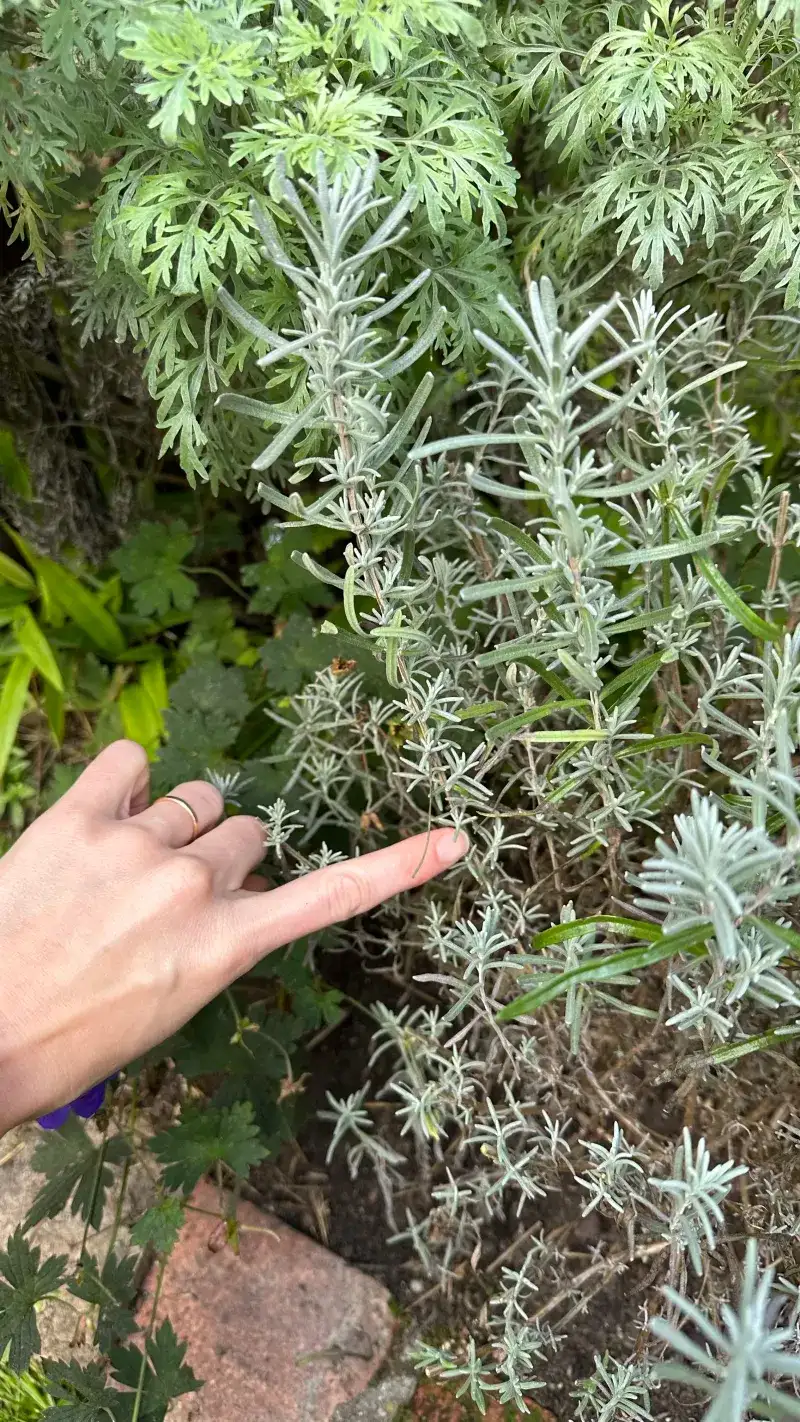
Before making any cut, run your fingers down a stem from the tip toward the base. Near the top you will feel soft, pliable growth covered in small leaves or buds.
Keep moving down and at some point the stem becomes firmer, darker, and bare of any leaves. That transition is the boundary that matters most when pruning lavender.
Green, leafy stems can handle a modest trim and will typically push out new side shoots afterward. The bare, woody portion at the base is a different story.
Lavender generally produces little or no new growth from old wood that has lost its leaves, and UC ANR’s lavenders guide for California gardens cautions against cutting into that section. A cut into bare wood can leave a permanent gap in the plant’s canopy or, in the worst case, kill that branch entirely.
The visual rule is simple: always leave green leaves or visible buds above the point where you cut. If you reach for a branch and find nothing but gray wood with no green in sight, leave it alone.
Skipping that branch entirely is safer than forcing a cut in hopes of stimulating regrowth that the plant may not be able to produce.
This boundary check takes about thirty seconds per branch and prevents the most common pruning mistake homeowners make with lavender. A gap left by cutting into bare wood does not fill back in quickly, and in some cases it never fills in at all.
Keeping the shears above the green line is the single most protective habit you can build.
Make a conservative cut that preserves the mound
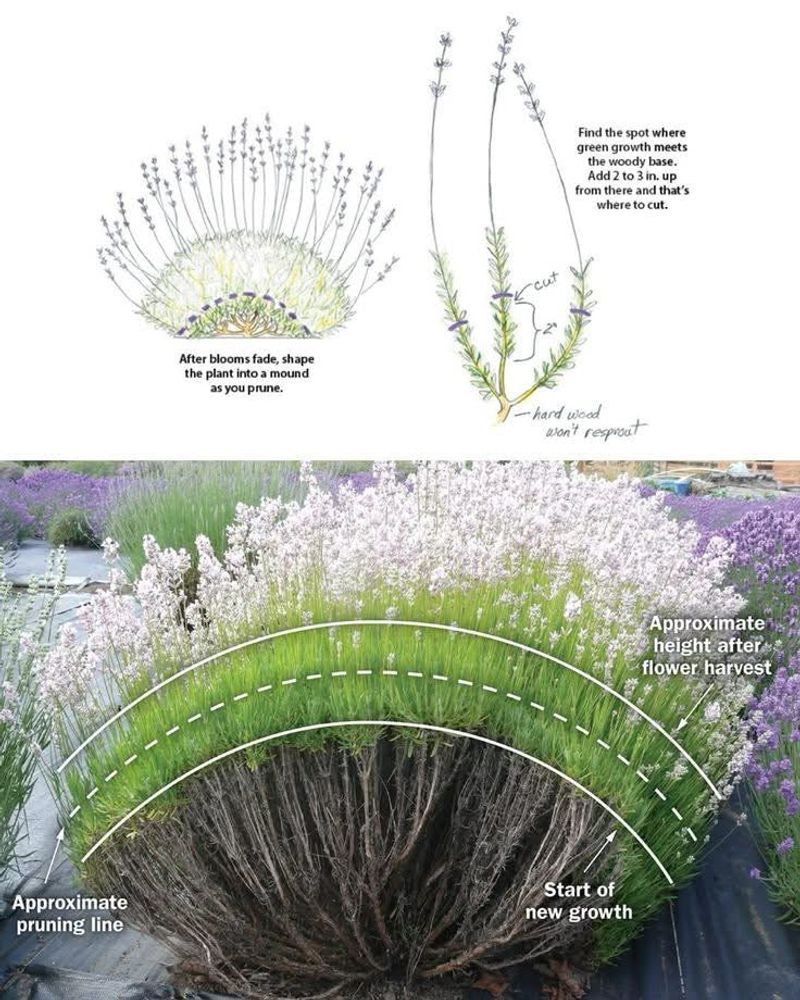
A reliable pruning sequence makes the job easier and reduces the risk of taking off too much. Start by pulling or snipping the spent flower stalks.
Getting those out of the way first lets you see the plant’s actual green canopy clearly, without the visual clutter of dried stems.
Next, identify the green leafy perimeter of the plant. This is the outer layer of soft, leaf-covered growth that sits above the woody framework.
Shorten that outer layer modestly, aiming to remove roughly one-third of the green growth as a conservative general target. That amount is enough to reshape the mound and encourage branching without pushing the cut dangerously close to bare wood.
For cultivar-specific guidance, UC Marin Master Gardeners recommend cutting Spanish or French lavender back by about one-third at the end of the season and English lavender by about one-half. Those amounts reflect each species’ typical growth habit and tolerance, but they do not mean you should chase those fractions all the way into leafless wood.
The one-half recommendation for English lavender assumes the plant has enough green growth that a 50 percent reduction still leaves leafy stems above the woody base. If your English lavender is already quite woody, a shallower cut is the safer choice.
Stop trimming any branch the moment it loses its green leaves. A branch with no visible buds or leaves should be left at its current length, even if that means the plant looks slightly uneven afterward.
An uneven mound that keeps its green growth will recover and fill in. A mound cut back into bare wood may not.
Work around the plant gradually, stepping back every few cuts to check the overall shape, and stop when you have a compact, leafy form you are happy with.
Match the timing to the lavender and the landscape
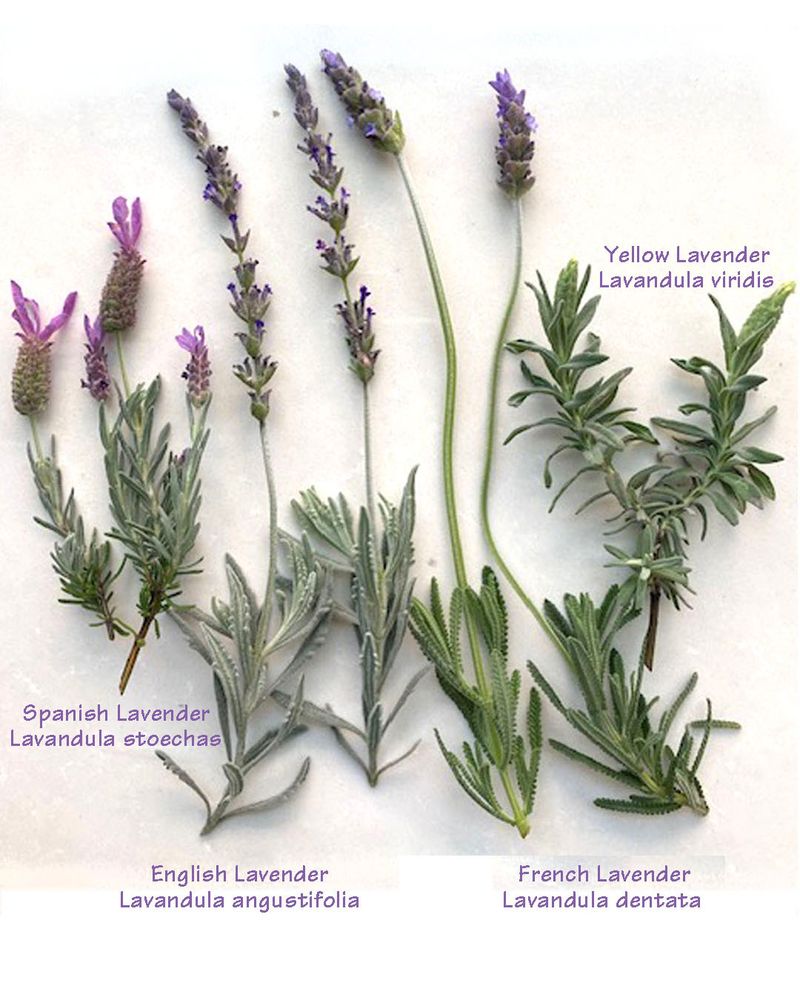
Not all lavender behaves the same way, and California’s range of climates stretches the timing question even further. Matching your pruning window to the specific plant growing in your yard will serve you better than any calendar-based rule.
Spanish lavender blooms earlier in the season and often finishes by midsummer in warmer inland areas, making a post-bloom prune in July or August entirely appropriate. French lavender can rebloom more than once across the season, so watch for a clear pause between flushes before you trim.
English lavender typically blooms once in late spring or early summer; by September many plants have long since finished. Lavandin hybrids, which are crosses between English lavender and spike lavender, tend to bloom mid-season and grow quite large, so they benefit from shaping but also have more bulk to work through.
UC IPM’s lavender cultural tips note that California’s planting and care timing varies across regions, which reflects how differently the state’s microclimates behave. Gardeners at higher elevations or in frost-prone foothill locations should be more cautious about pruning late in the season.
A trim made too close to a hard frost does not leave the plant enough time to settle before cold arrives.
One more thing worth knowing: UC Master Gardener guidance describes lavender as a semi-evergreen woody perennial, which means many California plants do not enter a clean, uniform winter dormancy the way a deciduous shrub does. Coastal plants especially may stay green and partly active through the cool season.
Pruning after the plant signals it has finished flowering, rather than waiting for dormancy that may not fully arrive, keeps the timing honest.
Adjust water instead of overpreparing for winter
After pruning, some gardeners feel the urge to do more, adding fertilizer or giving the plant a long, deep soak before the season turns. For established lavender in California, both of those instincts can cause more harm than good.
Mature lavender is genuinely drought tolerant, and UC IPM’s lavender guidance notes that these plants generally do not need routine fertilizer. Excess nitrogen is a particular concern because it encourages soft, fast-growing shoots that can look lush but are weaker and more prone to disease.
Skipping the fertilizer application in fall is usually the right call for an established plant, not a mistake.
Water management requires a bit more nuance. As temperatures cool and days shorten, established lavender needs less frequent irrigation than it did during summer.
UC Master Gardeners of Sacramento County specifically recommend reducing irrigation times as conditions cool while avoiding letting plants become excessively dry. Newly planted lavender and any plants that showed heat stress over summer still need regular water until their roots are fully established.
The bigger seasonal risk for established lavender is not drought; it is persistent moisture. Poor drainage and consistently wet soil around the crown are among the leading causes of root rot and crown rot in California lavender.
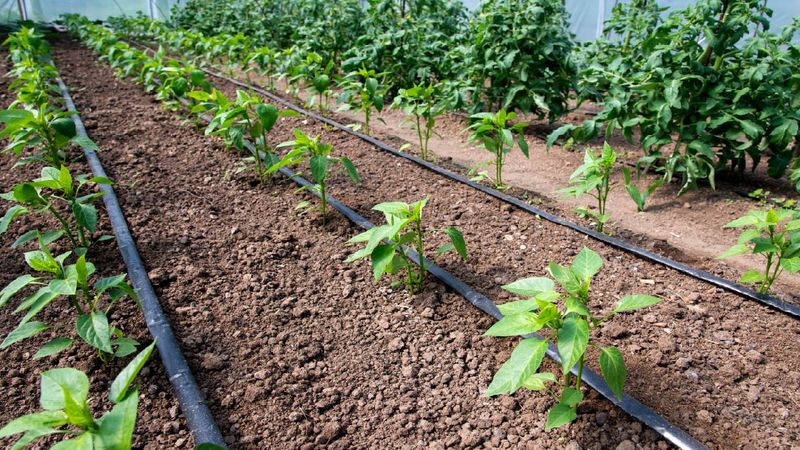
UC ANR’s California lavender guide flags excess moisture as a serious concern, particularly in clay soils or low spots where water pools after rain or irrigation. Use drip irrigation where possible, avoid wetting the foliage, and let the soil dry out between waterings.
Keeping the crown dry and the drainage clear matters far more than any pre-winter watering schedule.
Leave room for flowers, birds, and local conditions
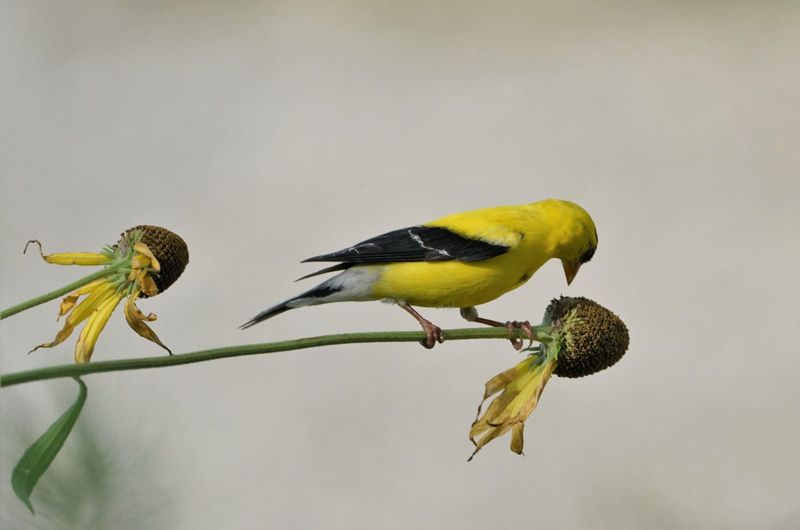
Removing every spent flower head the moment it fades is not always the best move for the garden as a whole. RHS growing guidance for lavender notes that leaving some late-season flower heads in place can provide food for seed-eating birds.
Finches, juncos, and sparrows will work through dried lavender heads during the lean months, and a garden that offers that kind of food source tends to feel more alive through winter.
If the plant’s shape still looks presentable with some heads left on, there is no rule that requires you to remove them all at once. You can take off the stalks that are most visually distracting, leave the rest for wildlife, and finish the cleanup later.
The broader goal is a healthy plant with a green-topped mound, not a uniformly clipped specimen that looks the same in every season.
Local conditions should always have the final say. A coastal gardener with mild winters has more flexibility to leave late-season growth in place.
A gardener in a frost-prone foothill location may want to complete any trimming while enough warm days remain for the plant to settle. The cultivar, the remaining green growth, and the weather forecast together are better guides than any single recommendation about what September requires.
Use this post-bloom checklist
Before reaching for the pruners, confirm that the plant has actually finished flowering. Look for dried, faded, or papery stalks rather than any remaining open blooms.
If flowers are still open, wait.
Once the plant is ready, remove the spent flower stalks down to where the green leafy growth begins. Then assess the outer green canopy and trim it modestly, aiming for roughly one-third of the green growth as a general target.
For English lavender with plenty of green to work with, up to one-half is reasonable per UC Marin Master Gardeners; for Spanish or French lavender, stay closer to one-third. Stop cutting any branch that has no visible green leaves or buds above the woody base.
Adjust the timing to your cultivar and California microclimate rather than treating September as a universal deadline. UC IPM guidance supports post-flowering pruning as the primary timing rule, with regional variation built in.
As temperatures cool, reduce irrigation for established plants but continue watering newly planted or heat-stressed lavender as needed. Keep the crown and surrounding soil from staying wet, especially if drainage in your garden is less than ideal.
A tidy green mound with dry feet and no spent stalks is the best position lavender can be in as the cooler months arrive.