
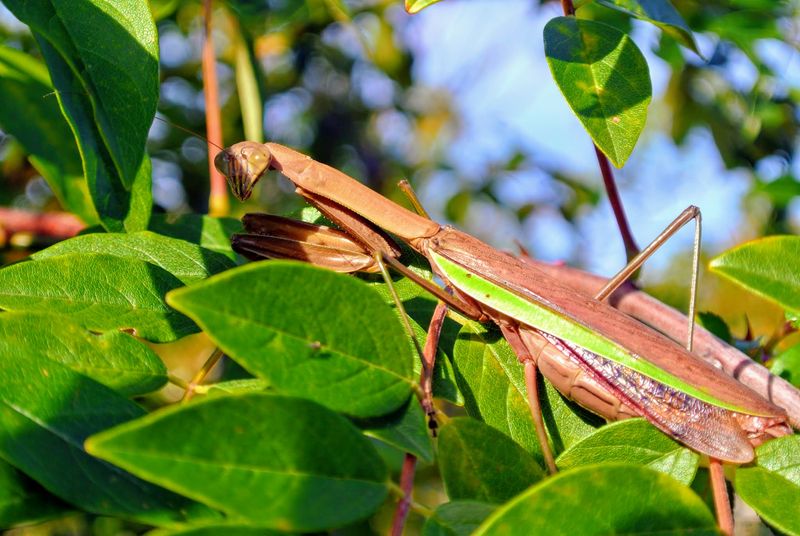
Spotting a praying mantis perched on your tomato cage or rosebush can stop you in your tracks. Most California homeowners either panic and sweep it away or assume it is quietly solving every pest problem in the garden. Neither reaction is quite right, and understanding what this insect is actually doing changes how you manage your yard.
A mantis can usually stay—but the advice is not absolute
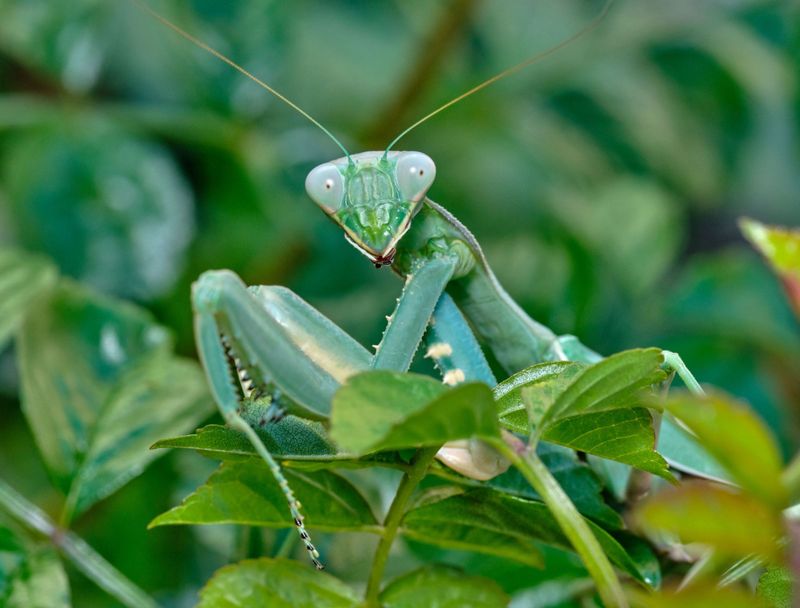
Finding a praying mantis in your yard does not require you to do anything at all. UC Agriculture and Natural Resources guidance describes mantises as harmless to people, and the reasonable response is simply to observe the insect and leave it alone. You do not need to catch it, relocate it, or treat the surrounding area.
That said, “let it stay” is not an unconditional rule. Leaving a mantis undisturbed makes sense when it is not causing a problem. It does not mean you are obligated to protect every individual at all costs, restructure your pest-management routine around it, or stop gardening normally.
One thing a mantis sighting does not tell you is whether pest control is working. A mantis sitting on your pepper plant is not proof that aphids are being handled, that your yard is pesticide-free, or that the garden ecosystem is thriving. UC IPM notes that mantises are generalist predators whose diet spans pest and nonpest insects alike, which makes their presence an interesting observation rather than a reliable indicator of garden health.
What “leave it alone” practically means is this: avoid unnecessary killing, avoid handling the insect, and avoid applying pesticides broadly in a way that would expose it to chemicals as a side effect. Mantises can use their spiny forelegs defensively if they feel threatened, so handling them is not recommended even when curiosity strikes.
Treating an individual mantis with basic respect costs nothing and avoids any chance of harming a harmless animal. Just do not mistake that reasonable choice for a guarantee that your pest problems are under control.
It waits for prey instead of patrolling the garden
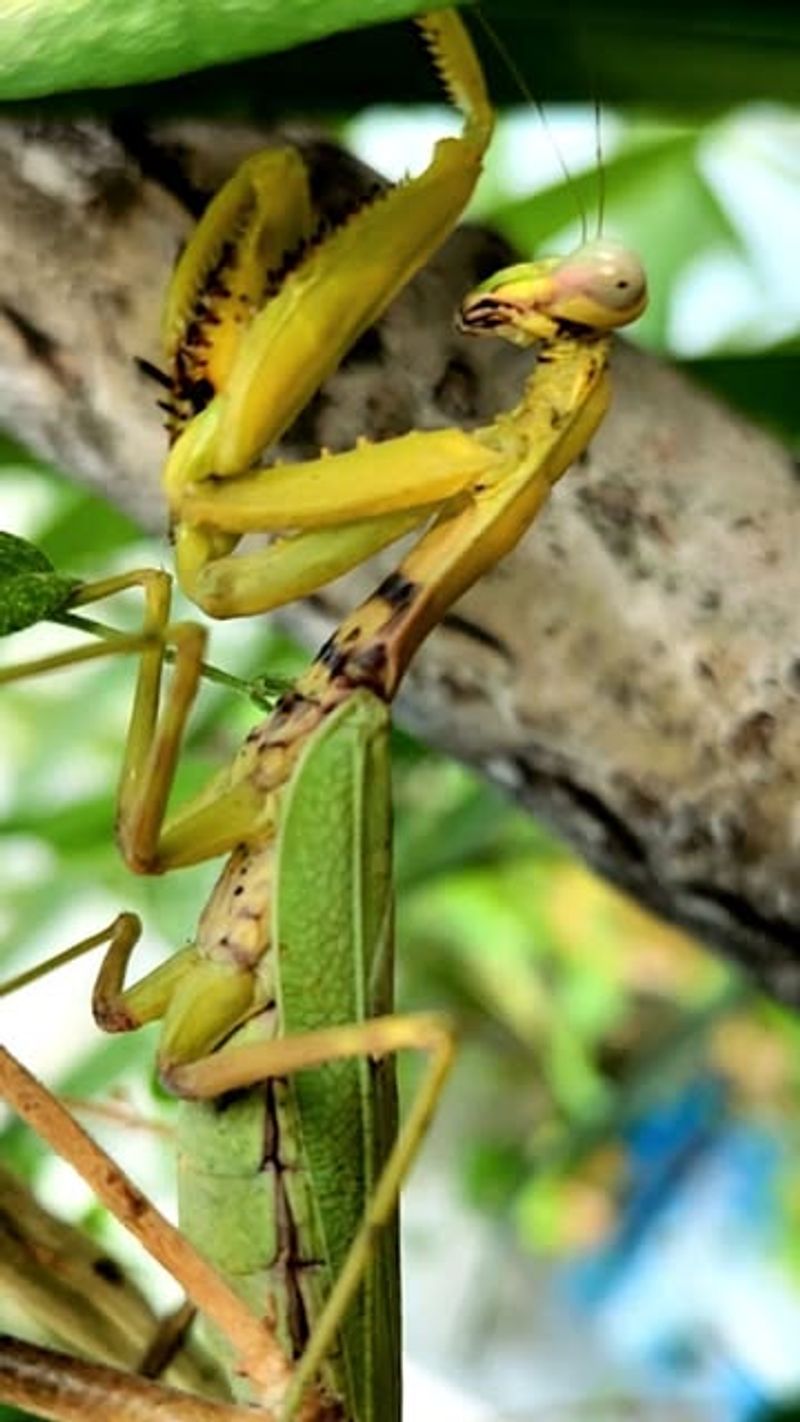
A praying mantis does not sweep through your vegetable beds the way a predatory ground beetle might. Its hunting strategy is built entirely around patience. The mantis picks a spot on a stem, leaf, or flower, holds perfectly still, and waits for a moving insect to come within striking range of its forelegs. When prey gets close enough, it lunges with remarkable speed.
That sit-and-wait approach means the mantis covers a small area and depends entirely on what happens to pass by. UC IPM describes mantises as relatively inactive ambush predators that commonly position themselves on flowers or vegetation where medium-sized insects visit. The insects that wander into range are the ones at risk, not every pest in every corner of the yard.
The menu is broad. Depending on species, size, and opportunity, a mantis may catch aphids, grasshoppers, adult moths, flies, and other insects that happen to land nearby. University of Georgia Extension notes that mantises are opportunistic and will take whatever suitable prey presents itself, without any preference for insects that damage plants over those that do not.
Because one mantis stays relatively stationary and eats what comes to it, its actual impact on any specific pest population is limited and unpredictable. A single individual is not going to work through a heavy aphid infestation on your squash, clear grasshoppers from a vegetable row, or suppress a moth population across the yard. Extension entomologists consistently describe mantises as interesting predators rather than dependable pest-control tools.
Understanding this helps set realistic expectations. The mantis may catch something harmful, or it may not. Either way, counting on it to manage an actual infestation is not a strategy that holds up.
Its broad appetite includes pollinators and pest-fighting allies
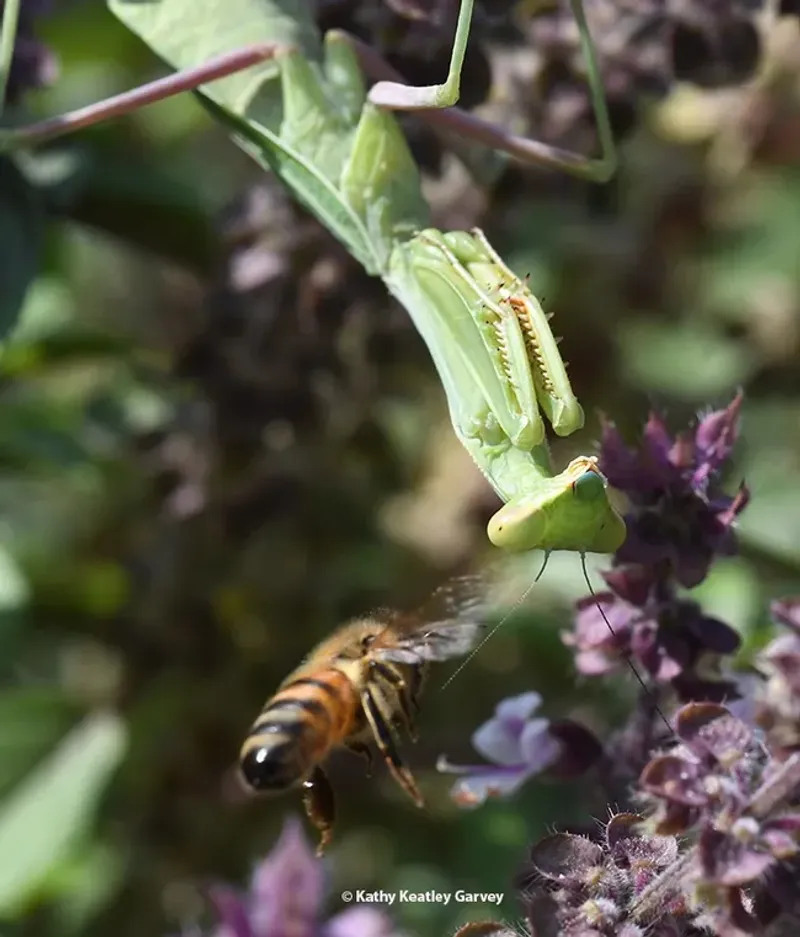
One of the most common assumptions about praying mantises is that they eat only the insects that harm plants. That assumption is wrong, and it matters for how you think about your yard. Mantises are generalist predators, which means they take whatever moving insect comes within reach, regardless of whether that insect pollinates flowers, controls other pests, or does nothing at all to your garden.
UC IPM specifically documents that mantises prey on bees, butterflies, and syrphid flies, in addition to pest species. Syrphid flies are especially valuable in California gardens because their larvae consume aphids while the adults pollinate flowers. A mantis positioned on a blooming plant is just as likely to grab a syrphid fly or a native bee as it is to catch an aphid.
This is the core reason why mantises are not classified as reliable biological-control agents. UC IPM biocontrol guidance indicates that mantises are of little or no value for reliable pest suppression because they move relatively little, consume too few insects to suppress pests consistently, and regularly take nonpest species alongside any pest insects they happen to catch.
That finding does not mean a mantis in your yard is harmful or that you should remove it. An individual insect eating a bee here and a grasshopper there is not going to collapse a pollinator population. The point is simply that “beneficial insect” is too tidy a label for an animal with such an indiscriminate appetite.
Utah State University Extension puts it plainly: mantises are fascinating predators, but gardeners who want to protect pollinators and support effective natural enemies should not rely on mantises to do either job. Leaving one individual alone is reasonable. Treating it as proof of a well-functioning pest-control system is not.
California has native and introduced mantises
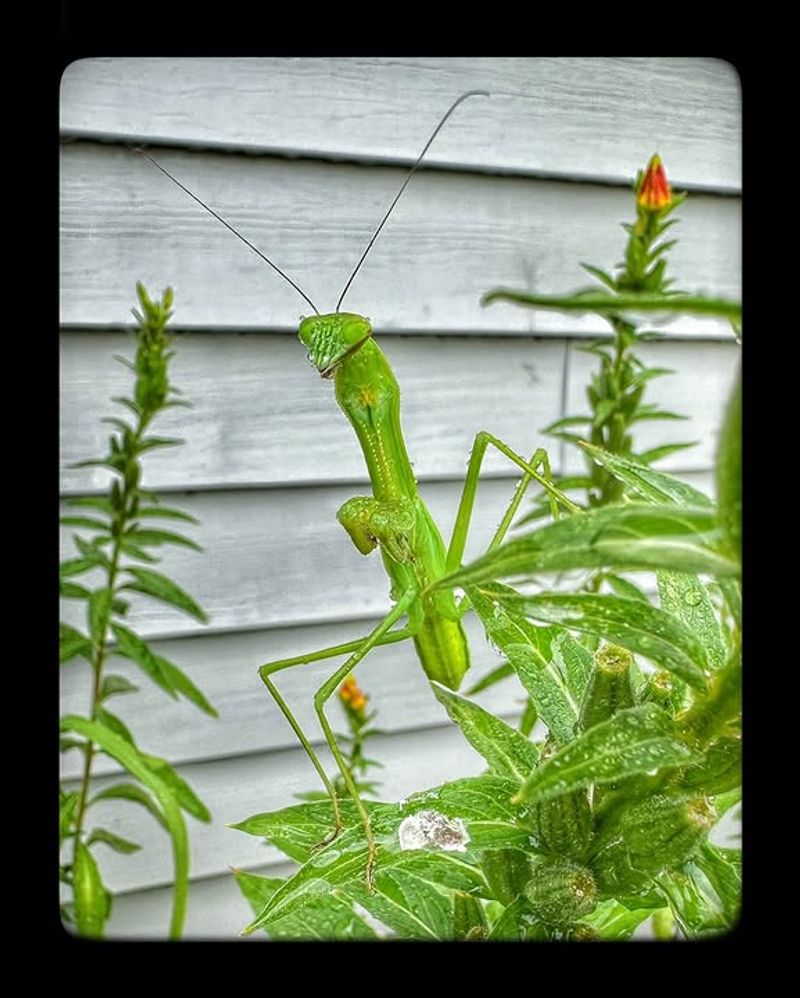
Not every praying mantis crawling through a California garden belongs to a native species, and a quick glance at color alone will not tell you which one you are looking at. California is home to both native and introduced mantis species, and the distinction matters more than most homeowners realize.
UC IPM lists the California mantid, Arizona or bordered mantid, and several ground mantis species as natives, while Chinese, European, Mediterranean, and South African mantises are among the introduced species established in the state. A generic green or brown insect perched in your rosebush could be any of these. Body color, size, and posture are not reliable enough to confirm species identity without a closer look at specific physical features.
Mantis egg cases, called oothecae, overwinter attached to stems, fences, or garden structures. In spring, dozens to hundreds of tiny nymphs hatch from a single case. California mantises generally complete one generation per year, with nymphs and adults most visible from spring through fall before adults die off and leave overwintering egg cases behind. UC’s Bug Squad blog notes that finding an ootheca in the garden is a common and exciting discovery for California homeowners.
Where this becomes practically important is with commercially sold mantis egg cases. Garden centers and online retailers sell these as natural pest control, but Colorado State University Extension cautions that commercially available cases typically contain introduced species rather than natives, and that releasing them offers little expected pest-management benefit. Buying and hatching cases to solve a pest problem is not a strategy supported by extension entomologists, and it may simply add more introduced insects to a yard that already has plenty.
If you find an egg case naturally attached to your garden, leave it where it is. If a mantis shows up on its own, that is a different matter entirely from purchasing and deploying one.
Manage aphids with California IPM, not mantis expectations
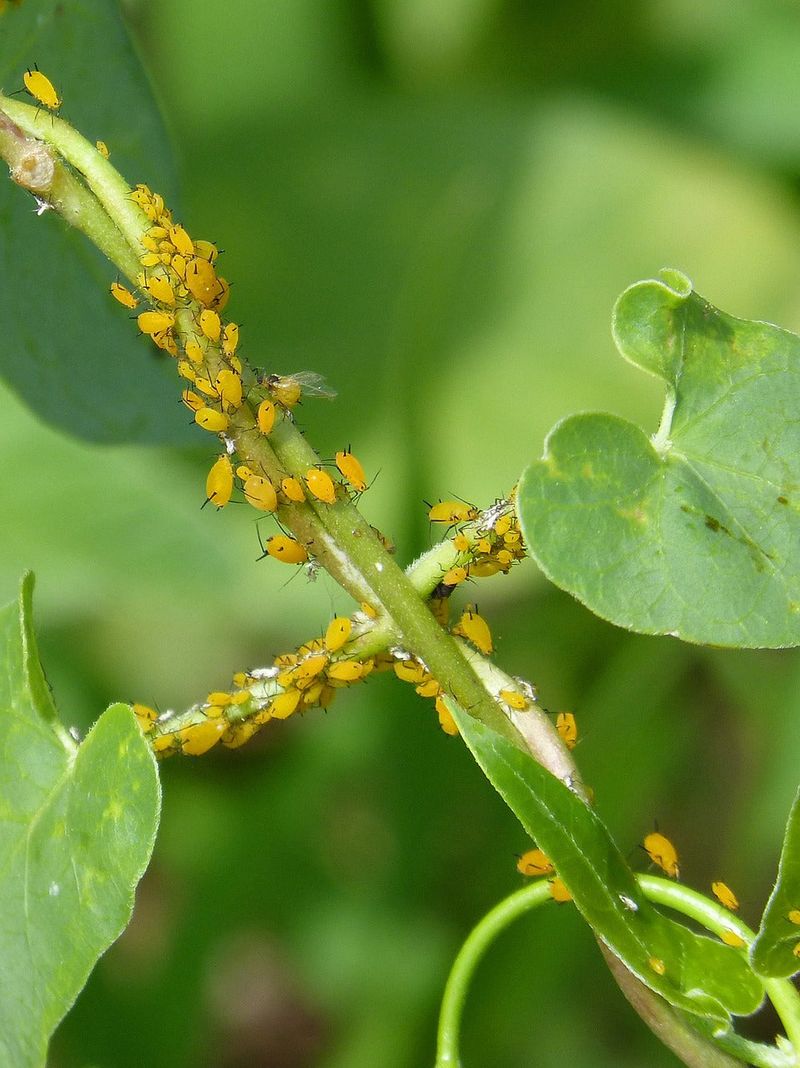
Aphid damage on roses, vegetables, or native plants is one of the most common reasons California homeowners go looking for a natural solution. Spotting a mantis nearby can feel like the garden is handling itself. The reality is that mantises are not the insects doing the heavy lifting when aphid populations collapse.
UC IPM identifies parasitoid wasps, lady beetles, lacewings, and syrphid larvae as the more important natural enemies of aphids in California gardens. These insects actively seek out aphid colonies, reproduce in response to prey availability, and can suppress populations in ways that a single stationary mantis simply cannot. If you see aphid numbers dropping on their own, those are the insects most likely responsible.
Parasitoid wasps in the Aphidius group are particularly effective, laying eggs directly inside aphids and killing them from the inside. You can often spot their work by looking for round, tan, papery aphid husks stuck to a leaf, which are a sign the wasps are already working on your behalf.
When aphids are genuinely a problem, a reliable response follows a clear sequence. Start by monitoring to confirm the pest and its severity. Prune and discard heavily infested shoot tips where aphids cluster. For sturdy plants like roses or tomatoes, a strong stream of water from a hose knocks aphids off effectively and does not require any chemical application.
Avoid fertilizing with high-nitrogen products, because the flush of soft new growth that results attracts more aphids.
Managing ants is another step that often gets overlooked. Ants actively protect aphid colonies from predators and parasitoids because they harvest the honeydew aphids produce. Placing sticky barriers on plant stems or using bait stations to reduce ant activity near aphid-prone plants can give natural enemies a better chance to work.
None of these steps involve hoping a mantis shows up. They are practical, evidence-based actions that address aphids directly and protect the insects that actually keep populations in check.
Use restraint when grasshoppers or pesticides become the issue

Grasshoppers chewing through vegetable beds or ornamental plantings are a real frustration in many California yards, especially in drier inland areas during late summer. Hoping a resident mantis will take care of the problem is not a plan with much behind it. A single ambush predator waiting on a stem is not going to work through a grasshopper population that is actively moving through the garden.
UC IPM recommends starting with handpicking when grasshopper numbers are low, which works better than it sounds when populations are still small in late spring. Protective screening or floating row covers placed over vegetable beds can physically exclude grasshoppers from the plants you most want to protect, and this approach carries no risk to bees, mantises, or any other insect in the surrounding yard.
When numbers are higher and physical controls are not enough, the decision to use a pesticide deserves careful thought. UC IPM pest management guidance recommends identifying the pest first, trying nonchemical controls before reaching for a product, and choosing the least-toxic option that will actually work against the target pest. Apply the treatment only to the affected area, follow the product label exactly, and avoid applying anything to flowering plants or allowing spray to drift onto blooms where bees are foraging.
That last point matters more than many homeowners expect. UC IPM guidance on protecting natural enemies and pollinators explains that broad-spectrum, persistent insecticides can wipe out the lady beetles, lacewings, parasitoid wasps, and syrphid flies that are doing far more consistent pest-control work than any mantis. Losing those populations to a single poorly timed spray can leave the garden more vulnerable to future outbreaks, not less.
Restraint with pesticides is not just about protecting the mantis you noticed. Every time you choose a targeted, minimal application over a broad spray, you are protecting a whole network of insects that keep your yard in better balance over time.
Support a whole community of garden allies
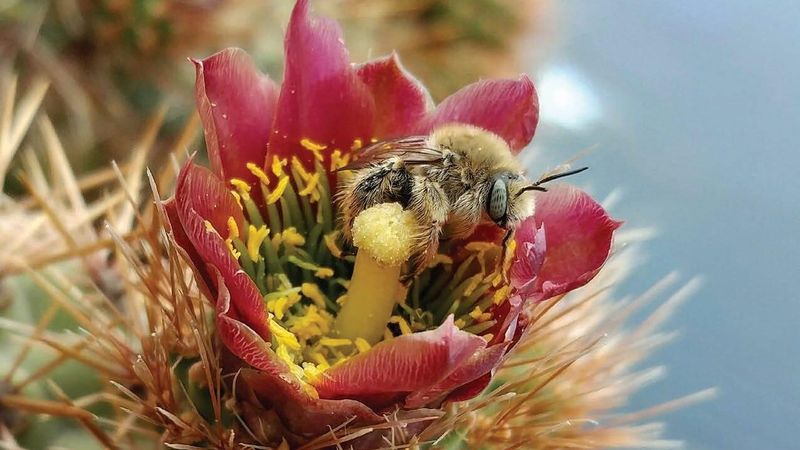
A praying mantis perched in your garden is worth a moment of appreciation. Observe it, note where it is hunting, and then leave it to do whatever it does. Resist the urge to pick it up, move its egg case to a different part of the yard, or assume that its presence means pest pressure is handled. One individual insect is one part of a much larger community.
The more durable strategy for a California yard is building conditions that support the insects doing the most consistent work. UC IPM identifies lady beetles, lacewings, syrphid larvae, parasitoid wasps, and spiders as the garden’s more reliable natural enemies, and all of them benefit from the same basic conditions: diverse plantings that provide nectar and pollen across the growing season, and a yard that is not regularly treated with broad-spectrum persistent insecticides.
UC IPM’s guidance on protecting natural enemies and pollinators makes clear that chemical choices have consequences far beyond the target pest. Keeping those choices minimal, targeted, and label-compliant protects the whole insect community, including the mantises themselves.
Monitor your plants regularly, respond to actual infestations with appropriate IPM steps, and plant for biodiversity with California natives and other species that bloom at different times of year. A yard managed that way gives every beneficial insect, from a syrphid fly larva to a parasitoid wasp, what it needs to do its job. The mantis you spotted is a welcome visitor in that kind of garden, not the reason it is working.