
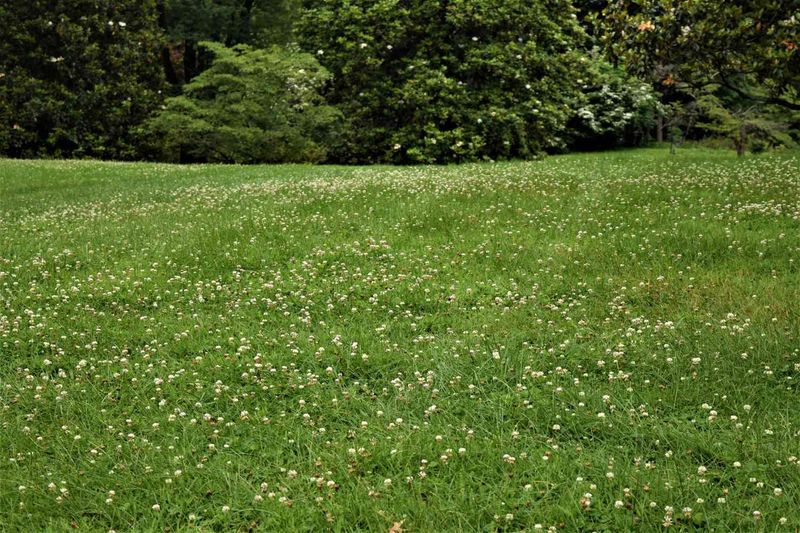
Spot a low-growing plant with three rounded leaves taking over a corner of your yard and you may be staring at white clover, one of the most common lawn plants in North Carolina. Before you reach for a spray bottle or start pulling, the patch is worth a closer look, because what it tells you about your lawn depends on more than just its presence.
Knowing what the plant actually is, why it showed up, and what your options are can save you time, money, and a lot of unnecessary stress this summer.
The Three-Leaflet Clue Points to White Clover
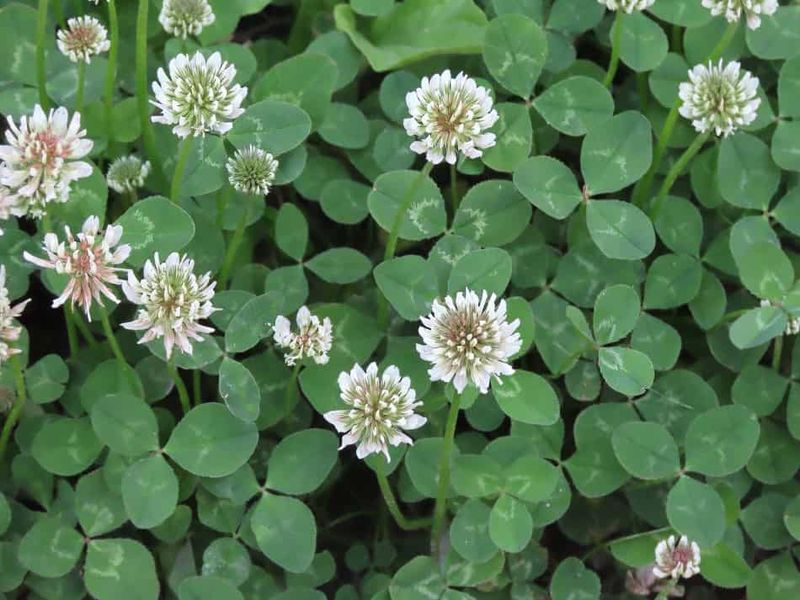
A plant with three rounded leaflets spreading across a North Carolina lawn in summer points strongly toward white clover, but the title of this article alone is not enough to confirm it. Correct identification matters because the steps that follow, whether fertilizing, pulling, or treating with an herbicide, are all built on knowing exactly what you are dealing with.
Guessing wrong can mean wasted effort or, worse, a lawn treatment that harms the wrong plant or the pollinators visiting it.
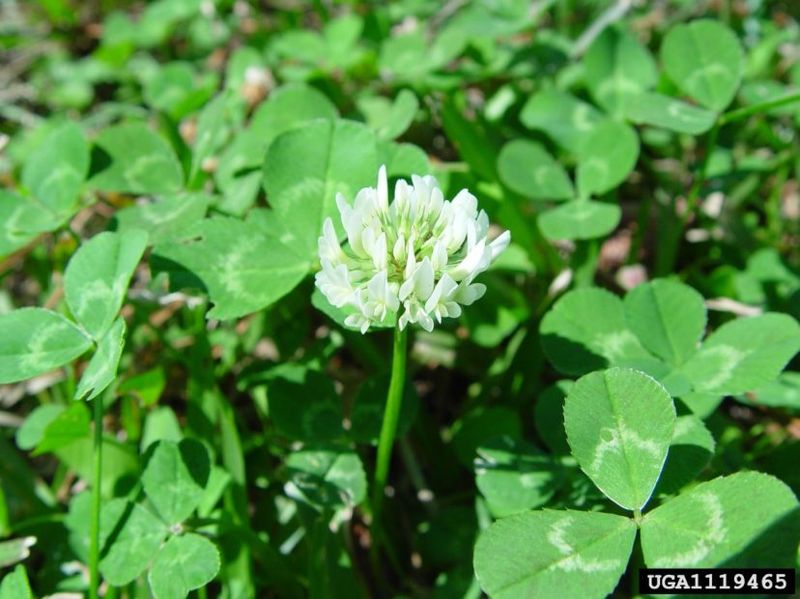
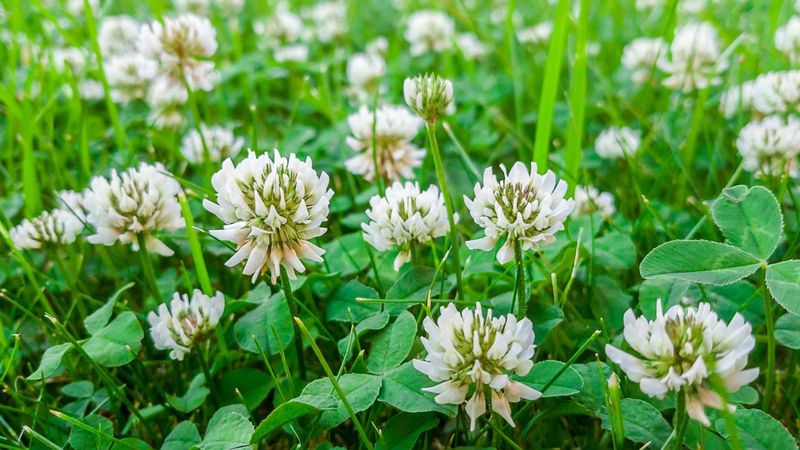
According to NC State Extension’s white clover profile, the plant has three oval-to-rounded leaflets, each often marked with a pale inverted-V or crescent shape sometimes called a watermark. The stems are smooth and creeping, rooting at the nodes as they spread across the soil surface.
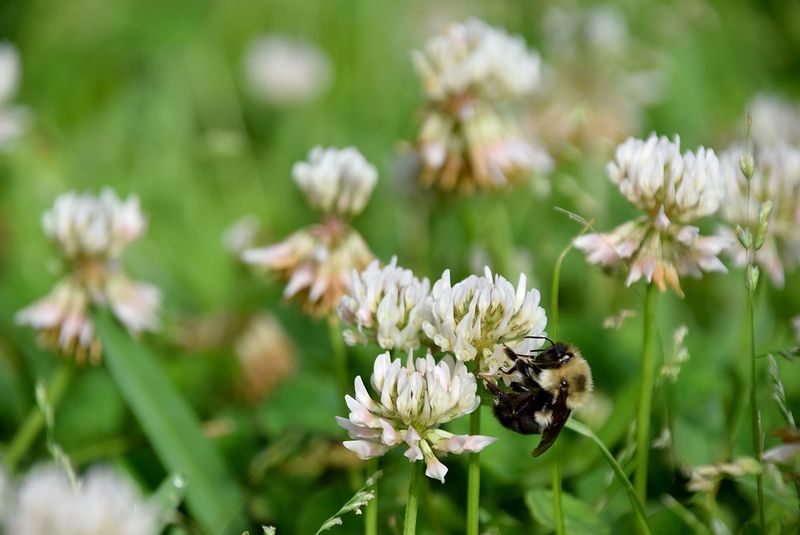
Flower heads are small, globe-shaped, and white to faintly pink, appearing on upright stalks above the leaf layer.
Two other three-leaflet plants can look similar enough to cause confusion. Yellow woodsorrel has heart-shaped leaflets that fold along a center crease, and its flowers are bright yellow rather than white.
Black medic carries small oval leaflets and tiny yellow flowers, and its seed pods turn black when mature. Penn State Extension’s guide to trifoliate look-alikes notes that these distinctions are visible with a careful look, so taking a few minutes to compare the plant to photographs or a trusted extension resource is time well spent.
Once you are confident you have white clover, you have a reliable starting point. Every decision that follows, from whether to test the soil to whether a chemical treatment makes sense, depends on that confirmed identification rather than on a reasonable guess.
A Summer Surge May Reflect Visibility or Lawn Conditions
White clover is a perennial, which means it does not arrive fresh each summer. A plant that looks like it appeared overnight has likely been growing in or near the lawn for some time, and something changed to make it more noticeable.
Understanding what changed is more useful than assuming the worst.
Penn State Extension’s white clover turfgrass guide explains that the plant can flower from spring into fall, with blooms often most prominent in late spring and early summer. When flower heads rise above the grass canopy, the patch becomes far more visible than it was when only the leaves were present.
Mowing patterns can amplify this effect: if the mower misses the edges of a bed or follows the same path each time, clover stems that escape the blade can spread outward and root at new nodes, making the patch appear to grow quickly.
Beyond flowering and mowing, several lawn conditions can give white clover an opening. NC State’s organic lawn care guide lists white clover among plants associated with low nitrogen and reduced fertility, while the NC State Extension Gardener Handbook chapter on weeds notes that weeds generally signal growing conditions that are less favorable for turfgrass.
Drought stress, compacted soil, and close mowing can all thin the grass canopy, leaving gaps that creeping plants fill readily.
None of these conditions is a diagnosis on its own. Penn State’s indicator weeds resource cautions that lawn weeds point toward possible contributing factors rather than confirming them.
A clover patch is a reason to inspect the lawn more carefully, not a verdict about what the soil contains or how the turf is performing. That inspection, combined with a soil test when conditions seem off, gives you far more reliable information than the plant alone can provide.
Clover Can Feed Pollinators Without Replacing Native Plants
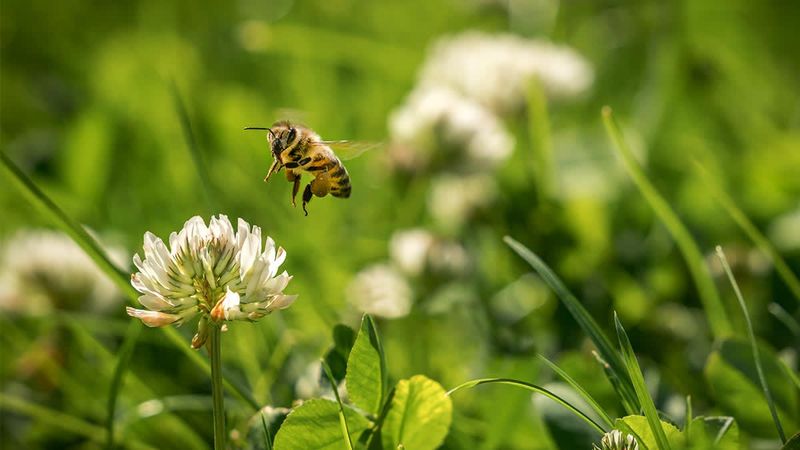
One reason many North Carolina homeowners pause before removing clover is that the flowers are genuinely useful to bees. Honey bees, bumblebees, and several other insects visit white clover blooms for nectar and pollen, and that activity happens right in the middle of a typical suburban lawn.
NC State’s Extension Gardener Handbook chapter on lawns specifically describes white clover as an excellent ground cover and pollinator plant, which is a meaningful endorsement from a practical standpoint.
Research supports the broader idea that spontaneous lawn flowers can contribute to bee diversity and floral resources in suburban areas. A U.S.
Forest Service study on bee fauna and floral abundance in suburban yards found clover among the most abundant spontaneous lawn flowers and documented a connection between flowering lawn plants and native bee diversity. That study was conducted in Springfield, Massachusetts, not North Carolina, so its specific numbers do not transfer directly to your yard, but the general finding that flowering lawn plants can support insect visitors is a reasonable takeaway.
The important limit here is that white clover is not a native North Carolina plant. It was introduced from Eurasia and is now widely established across the state.
Tolerating an existing patch is a different thing from intentionally creating pollinator habitat. NC State’s native plants chapter describes the broader value of plants that evolved alongside local insects and wildlife, and those species offer ecological relationships that an introduced plant simply cannot replicate.
Keeping a small clover patch for its flowers is a reasonable, low-effort choice if it fits your household. Treating that choice as equivalent to planting native wildflowers or restoring a habitat garden overstates what one introduced lawn weed can deliver.
Both things can be true: the clover can be worth keeping for now, and native plants remain the stronger long-term investment for North Carolina wildlife.
Soil Testing Should Come Before Fertilizer
Seeing white clover spread across a lawn can tempt homeowners to reach for fertilizer, especially after reading that the plant often shows up where nitrogen is low. That connection is real but incomplete.
The clover is a clue worth following, not a prescription to act on.
NC State’s organic lawn care guide lists white clover as a possible indicator of low nitrogen while also cautioning against making quick assumptions from weed presence alone. Soil nutrient levels, pH, compaction, and organic matter all affect how grass grows, and none of those factors can be read reliably from the plants growing in a lawn.
A soil test provides actual measurements instead of guesses, and it tells you whether nitrogen, phosphorus, potassium, or pH correction is needed before you spend money on amendments.
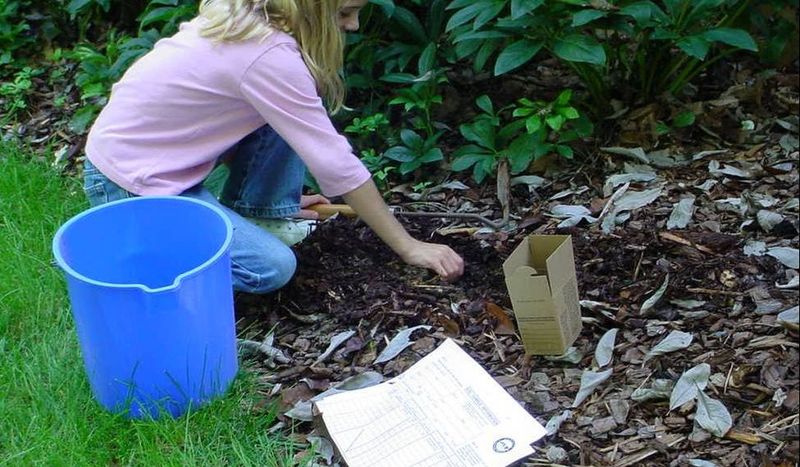
For an established North Carolina lawn, NC Department of Agriculture guidance on collecting soil samples recommends taking cores or thin slices about four inches deep from eight to ten random locations across the lawn, then mixing them together into a single composite sample. Avoid sampling from obviously wet, compacted, or unusual spots that would skew the results.
The NC Department of Agriculture soil testing FAQ identifies late summer, around mid-August, as a particularly useful sampling window for cool-season grasses like tall fescue, since results come back in time to guide fall fertilization and overseeding decisions.
Once results arrive, use them alongside your turfgrass type and site conditions to decide whether any amendments make sense. A lawn that tests low in nitrogen may benefit from a targeted application, while one that tests adequate may need nothing at all.
Either way, the test replaces the guesswork that a clover patch alone cannot resolve.
Turf-Specific Care Helps Grass Compete Again
Clover fills thin spots because thin spots exist. Strengthening the turf does not guarantee that every clover plant disappears, but it does reduce the open, low-competition areas where creeping plants root and spread most easily.
The goal is a lawn that is dense enough to crowd out new arrivals rather than one that depends on repeated weeding or treatment.
NC State’s organic lawn care guide describes a dense, properly managed lawn as the best long-term defense against many weeds. That density starts with mowing at the right height for the specific grass in your yard.
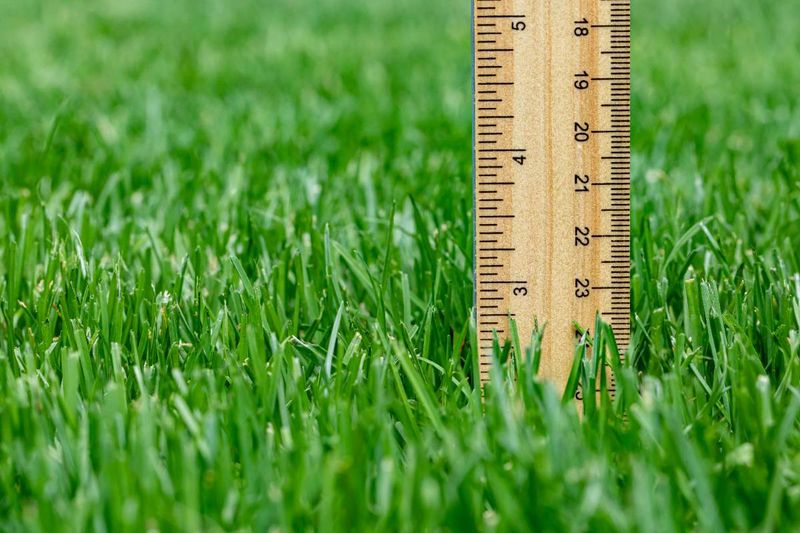
North Carolina lawns cover a wide range of turfgrass species, and the correct mowing height differs substantially among them. NC State’s Carolina Lawns guide gives these ranges as starting points: tall fescue performs best at roughly 2.5 to 3.5 inches, centipedegrass at 1 to 2 inches, bermudagrass and zoysiagrass at 0.75 to 2 inches depending on variety, and St. Augustinegrass at 2.5 to 4 inches.
Mowing below the recommended range for any of these grasses weakens the canopy and opens the door for low-growing plants like clover to move in.
Watering deeply but infrequently encourages grass roots to grow downward rather than staying shallow, which improves drought tolerance and overall turf density. NC State’s guide on caring for your lawn and the environment emphasizes matching irrigation to actual turf need rather than running a fixed schedule, since overwatering can weaken some grass species and create conditions that favor weeds.
Fertility timing and rates should follow soil test results and the growth cycle of the specific grass. Warm-season grasses like bermudagrass and zoysiagrass take fertilizer applications during active summer growth, while cool-season tall fescue benefits most from fall feeding.
Applying the right amount at the right time supports denser turf without the runoff risk that comes from over-application. Stronger grass may not erase an existing clover patch on its own, but it makes the lawn a less welcoming place for new spread.
When Does the Patch Earn a Place in the Lawn?
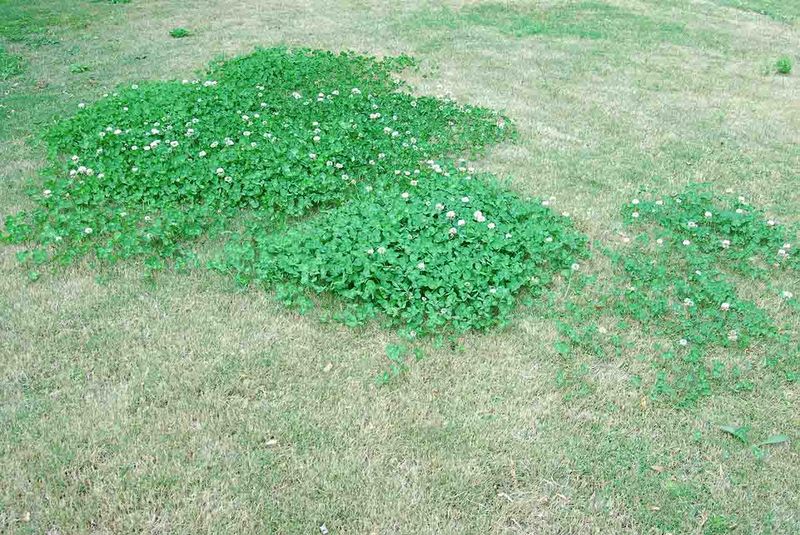
Not every homeowner wants a perfectly uniform grass-only lawn, and for a small clover patch, tolerance is a legitimate choice. If the household accepts a slightly varied surface and values the flowers as a low-effort food source for bees, leaving the patch alone costs nothing and requires no products or labor.
That trade-off is worth naming honestly rather than treating it as a compromise.
NC State’s Extension Gardener Handbook chapter on lawns describes white clover as an excellent ground cover and pollinator plant, while also noting that it does not tolerate heavy running and playing as well as some turfgrass alternatives. A patch in a low-traffic corner or along a bed edge is a different situation from clover spreading through a backyard where children play barefoot every afternoon.
Blooming patches attract bees, which is the whole point ecologically, but it also means that households with severe bee-sting allergies or young children who play on the ground should think through the location before deciding to keep it.
A practical middle ground for bee-sting concerns is mowing the flowers below their height before an afternoon of heavy lawn use. This removes the blooms temporarily without eliminating the plant, and it lets the patch regrow and flower again when the area is less active.
Keeping barefoot play away from currently blooming sections is another simple step that does not require removing the clover entirely.
For patches that are unwanted, hand removal works on small areas. NC State’s white clover profile and University of Minnesota Extension’s Dutch white clover resource both note that the plant spreads through creeping stems that root at the nodes, so pulling only the visible leaves leaves the rooted plantlets behind.
Working along the stems and lifting rooted sections from the soil gives more complete removal. Penn State’s trifoliate look-alikes guide adds that persistence matters: creeping plants often require more than one removal session as regrowth appears from nodes that were missed the first time.
Chemical Control Requires a Label-and-Pollinator Check
Chemical control is a reasonable option when hand removal is not practical and the homeowner has decided the clover needs to go. The key word is decided, because herbicide treatment only makes sense after the plant is confirmed as white clover, the turfgrass species is known, and the product label has been read to verify that the combination is approved for residential use.
Product approvals, turf restrictions, and application settings vary considerably. Some formulations labeled for white clover control are not approved for use on home lawns, and some have restrictions by grass species.
For example, a product that works safely on bermudagrass may injure centipedegrass or St. Augustinegrass at the same rate. The 2025 NC Agricultural Chemicals Manual and the NC State chemical weed control reference list multiple products with turf-specific restrictions, which is exactly why reading the current label for the specific product and grass combination is non-negotiable rather than optional.
Penn State Extension’s white clover management guide notes that fall applications are often more effective than spring applications for established white clover, since the plant is actively moving carbohydrates toward its roots in fall and a systemic herbicide can follow that movement. That timing advantage is worth considering, but it is a general pattern rather than a universal rule, and the current product label governs timing for any specific treatment.
The most important pollinator protection step is straightforward: do not spray while the clover is flowering. Bees visiting open blooms can be exposed to herbicides applied at that time, and the exposure is avoidable.
University of Minnesota Extension’s pesticide and pollinator guidance recommends avoiding applications to blooming plants whenever possible, using spot treatments rather than broadcast spraying to limit exposure area, and applying when fewer bees are active if treatment cannot wait. The EPA’s pollinator protection information for pesticide ingredients reinforces that label instructions on pollinator protection exist for a reason and must be followed.
Mowing the flowers before treatment removes the bloom and reduces bee activity in the area before the product is applied, which is a practical step that the label may also recommend.
Read the Clover as a Clue, Not a Verdict
Working through a clover patch is simpler when the steps follow a clear order. Start by confirming the plant is actually white clover, using the three rounded leaflets, pale watermark, creeping rooting stems, and white globe flowers as your checkpoints.
If the identification is solid, consider whether flowering or existing perennial growth explains the sudden visibility before assuming the lawn has a serious problem.
From there, inspect the turf around the patch. Look for thin areas, signs of drought stress, or spots where the mower may be cutting too low for the grass species.
If the lawn looks uneven or weak in those areas, a soil test is the next step, not a bag of fertilizer. NC State’s weed management guidance is clear that weeds are clues pointing toward possible site conditions, not self-diagnosing problems.
Test results, combined with the turfgrass type and what you observe on the ground, give you the information needed to decide whether fertility correction makes sense.
Once the inspection and any testing are complete, the choice between tolerance, hand removal, or carefully labeled chemical treatment depends on household use, the location of the patch, and your own preferences. NC State’s lawns handbook and the NC State white clover profile both treat white clover as manageable rather than urgent, which matches the practical reality for most North Carolina homeowners.
A patch of clover is neither proof of a thriving lawn nor a reason to panic – it is a plant worth understanding before you decide what to do with it, and the lawn it grows in will tell you more once you take a closer look.