
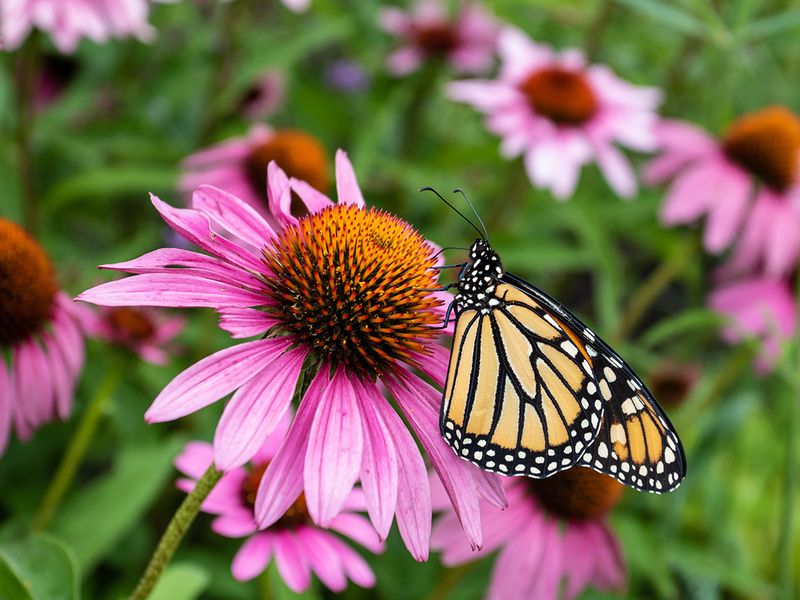
Stepping outside on a warm July morning and finding no butterflies where there were plenty last week can feel alarming. Before assuming the worst, though, most disappearances come down to something fixable in the yard itself.
North Carolina hosts more than 175 butterfly species across its coastal plain, Piedmont, and mountains, and understanding what they actually need can turn a quiet yard into a useful clue rather than a cause for panic.
A quiet yard is not the same as a population collapse
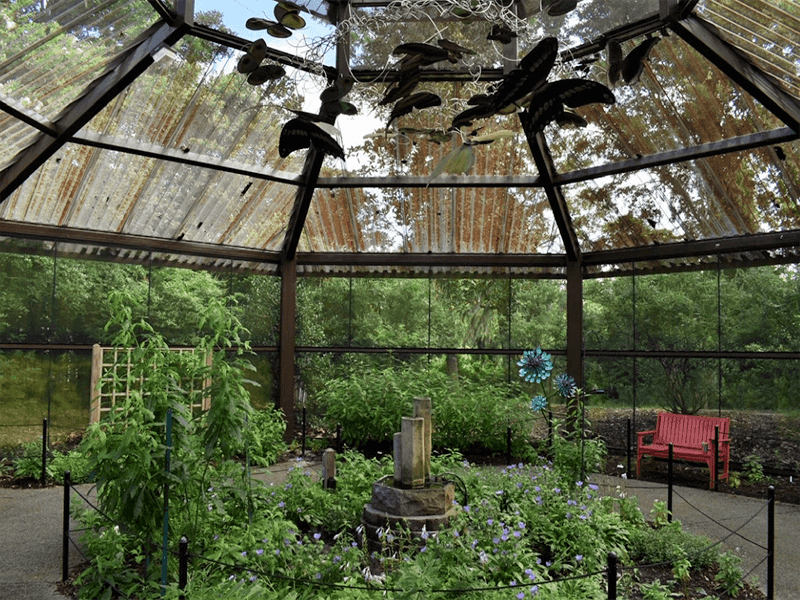
Noticing fewer butterflies on a given afternoon says more about your yard’s current conditions than it does about the health of local populations. Butterflies may be sheltering from heat, resting in vegetation, active in a neighboring meadow, or simply between life stages that are easy to spot.
Before drawing any conclusions, treat the absence as a starting point for a yard inspection rather than a verdict on what is happening across the region.
There is real context worth keeping in mind. A 2025 analysis of 35 long-term monitoring programs found that butterfly abundance declined across the continental United States during the 2000-2020 period, with two-thirds of studied species dropping by more than 10 percent.
That is a meaningful trend at the national scale, but it cannot tell you what happened in your specific yard during one North Carolina summer. Monitoring data track broad patterns over years, not individual backyards over days.
The more useful question is whether your yard currently offers what butterflies need to stay, feed, and reproduce. NC State Extension notes that a functional butterfly habitat requires both adult nectar sources and species-specific host plants, along with sun, shelter, and relatively undisturbed vegetation.
A yard that checks all those boxes may still go quiet for a few days due to weather or bloom timing, and a yard missing several of those elements may never see steady butterfly activity regardless of the season. Walk the yard with that checklist in mind before assuming the butterflies are simply gone.
When did you look?
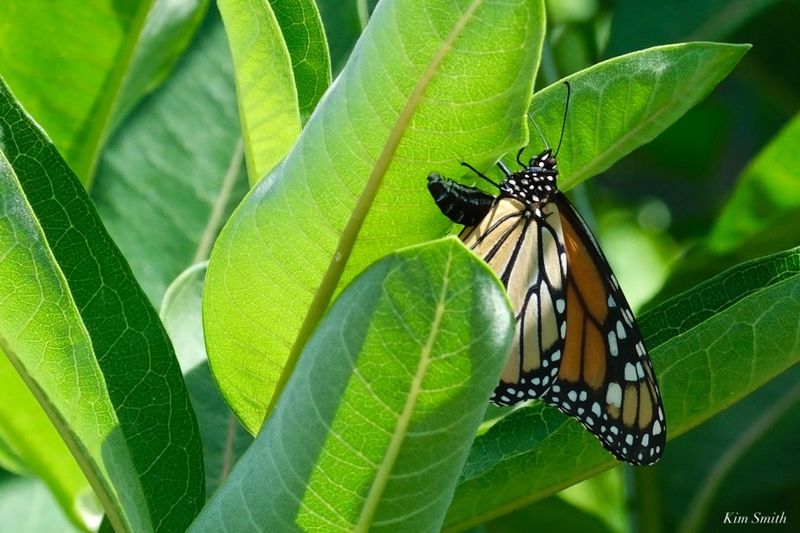
Timing shapes what you see more than most people expect. Butterflies are cold-blooded, so their activity level tracks closely with temperature and sunlight.
Many species bask in early-morning sun to warm up before flying, then become most active during the warmest parts of the day when nectar flow is strongest.
NC State Extension’s butterfly guidance points out that butterflies can become overheated during extreme temperatures and may retreat to shaded vegetation when the heat climbs above 100 degrees Fahrenheit. That behavior reduces how many adults are visible in the open, but it does not mean they have left the area or that a population has been harmed.
Reduced visibility during a heat spike is not the same as mortality or departure.
A single midday check on a hot, still afternoon is one of the least reliable ways to assess butterfly presence. Try watching the yard in the morning when flowers in sheltered spots are freshest, and check again later in the afternoon as temperatures ease.
Overcast days, high winds, and heavy rain also suppress activity significantly, so a few cloudy or stormy days in a row can produce a stretch that feels like a disappearance but is simply weather-driven downtime. Adjust your observation schedule before concluding the yard has gone cold for butterflies.
The missing butterflies may be between visible stages
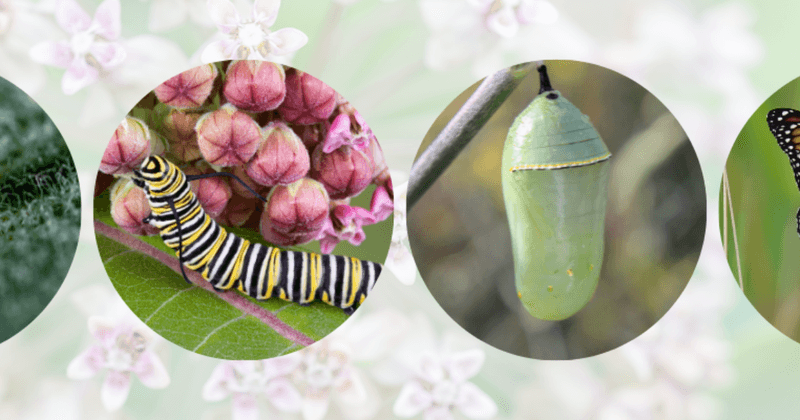
Adult butterflies are only one part of a four-stage life cycle. At any given point during summer, a species that was fluttering around your yard two weeks ago may now be present as eggs tucked under leaves, as caterpillars feeding quietly on host-plant foliage, or as chrysalises attached to stems and fence posts.
None of those stages are easy to spot from a casual walk through the garden.
A temporary nectar gap can layer on top of this invisibility. North Carolina butterflies are active from early spring through late fall, and different species peak at different times.
When one flush of blooms finishes and the next group of plants has not yet opened, the yard can become less attractive to passing adults even if the habitat is otherwise sound. NC State Extension recommends a diversity of nectar plants with staggered bloom periods and varied flower shapes to close those gaps across the season.
A practical inspection takes only a few minutes. Look along the undersides of host-plant leaves for tiny, pale eggs.
Check for caterpillar feeding damage – irregular holes or missing leaf sections on plants like passionflower, spicebush, or milkweed are good signs the life cycle is moving forward. Scan stems and sheltered corners for chrysalises, which can be surprisingly well camouflaged.
Also note which flowers are currently open and which just finished. That combination of clues tells you far more about what is actually happening than a count of adult butterflies on one afternoon.
Flowers are only half the habitat
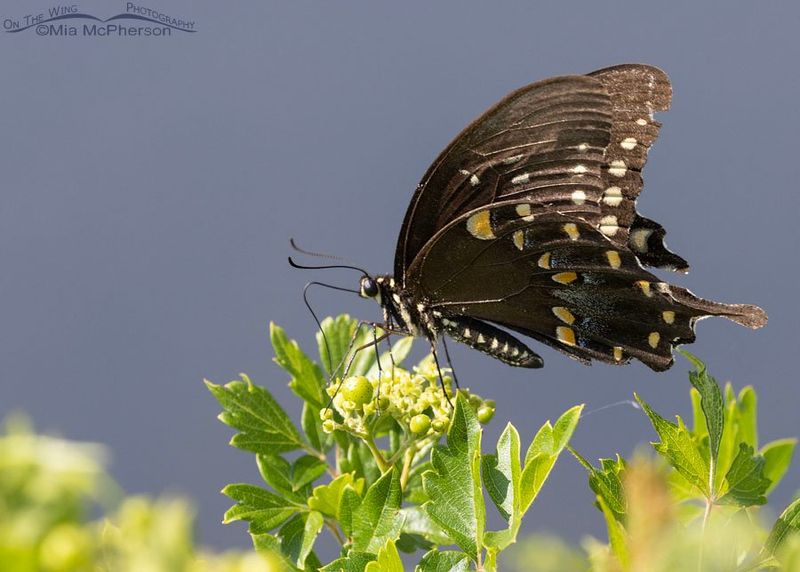
Plenty of homeowners load their yards with colorful blooms and still wonder why butterfly numbers stay low. The reason is that nectar plants serve adult butterflies, but caterpillars have a completely different set of needs.
Most butterfly species can only complete their life cycle on a narrow range of host plants, and without those plants in or near the yard, adults may visit briefly for nectar and then move on rather than staying to lay eggs.
North Carolina offers good examples of how specific these relationships are. Zebra swallowtails depend on pawpaw as their host plant, while spicebush swallowtails require spicebush or sassafras.
Fritillaries lay their eggs on passionflower, and several milkweed species serve as the sole larval food for monarch caterpillars. NC State Extension’s butterfly guide lists these pairings in detail and notes that the state hosts more than 175 species, each with its own host-plant preferences and regional distribution.
A yard heavy on flowers but empty of host plants can attract adults passing through without supporting the next generation at all. Conversely, a yard where the spicebush looks ragged and the passionflower is getting chewed may actually be doing its job even when adult sightings are sparse.
Caterpillar feeding damage is a sign the habitat is working, not a sign the plant is failing.
Monarchs deserve a specific note. Milkweed is essential for monarch reproduction because females lay eggs on it and caterpillars eat nothing else.
But milkweed alone is not a complete habitat. U.S.
Fish and Wildlife Service guidance on monarchs makes clear that adults also need a reliable succession of nectar-producing flowers, and planting milkweed does not guarantee that monarchs will appear. Both nectar and host plants are necessary parts of the equation.
What routine yard work removes
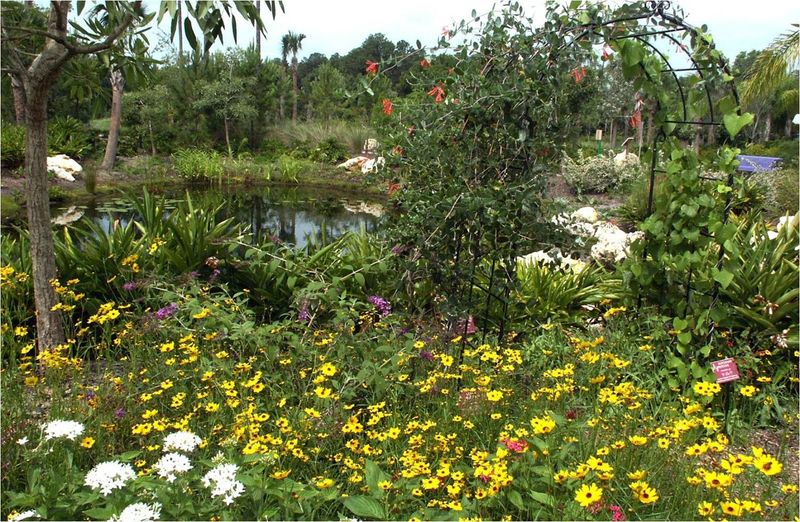
Yard maintenance habits are one of the fastest ways to reduce butterfly activity without realizing it. A single aggressive mowing pass through an unmowed border, or a thorough cleanup of old stems and leaf litter, can remove eggs, caterpillars, and chrysalises that were hidden in plain sight.
The yard can go from supporting an active life cycle to offering nothing in the course of an afternoon’s work.
The North Carolina Native Plant Society’s butterfly gardening guide advises leaving host plants alone even when they look ragged, because chewed or tattered foliage is often a sign of caterpillar activity rather than plant failure. Pulling out a partially defoliated passionflower or trimming back a milkweed covered in chew marks could mean removing the next generation of butterflies along with the untidy leaves.
NC State Extension’s native-plant landscaping guidance recommends allowing some native grasses, forbs, and shrubs to remain in at least part of the yard, because they provide both cover and larval food. Monarch Joint Venture’s habitat management guidance adds that disturbing an entire habitat area at once is riskier than leaving portions untouched, so rotating which sections get attention each season gives wildlife somewhere to persist during maintenance periods.
The practical adjustment is not to abandon maintenance entirely. Instead, designate one section of the yard – even a narrow border or a back corner – as a lower-disturbance zone where host plants can grow, leaf litter can accumulate, and stems can stand through the season.
That small change can make a measurable difference in how much of the butterfly life cycle your yard supports.
Build the conditions North Carolina butterflies need

Once the inspection is done, the repair work becomes site-specific. Start with a succession of native nectar plants that bloom at different points across the season so adults have food available from late spring through fall.
A yard that peaks in June and goes bare in August creates a gap that pushes butterflies elsewhere during a critical part of summer.
Good nectar examples for North Carolina yards include butterfly weed, swamp milkweed, bee balm, mountain mint, summer phlox, and Joe-Pye weed for mid-to-late summer, followed by asters and goldenrods into fall. Host plants to consider adding include passionflower for fritillaries, spicebush for spicebush swallowtails, pawpaw for zebra swallowtails, and native oaks, cherries, and willows for a wide range of species.
NC State Extension’s backyard butterfly guide and their native plant landscaping publication both list regionally relevant options in detail.
Native status alone does not make a plant the right choice for every yard. NC State Extension’s native plants handbook chapter advises matching choices to the yard’s specific light, moisture, and soil conditions.
A coastal plain yard, a Piedmont clay slope, and a mountain garden may each call for different species even when the goal is the same.
Physical conditions matter as much as plant selection. Butterflies need open, sunny areas to warm up and fly efficiently.
Flat rocks or patches of bare soil give them basking spots. Taller shrubs and dense plantings on the windward side of the garden provide shelter from wind and rain that would otherwise keep adults grounded.
A shallow depression filled with damp sand or mud supports puddling, a behavior where butterflies extract minerals from moist soil. University of Georgia Extension’s butterfly gardening guide recommends keeping any water feature shallow and refreshing it regularly to avoid creating a mosquito-breeding site.
Pesticides demand a separate diagnosis
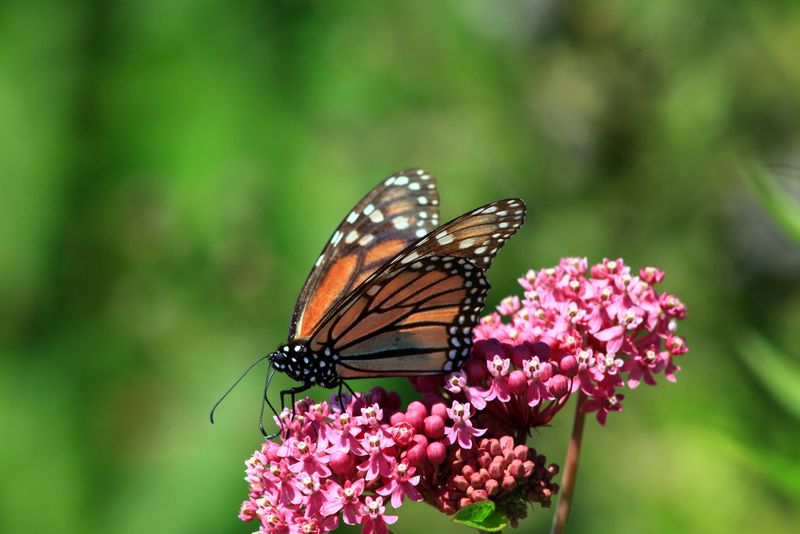
Chemical exposure is a plausible contributor to a butterfly absence, but it rarely has a simple one-product explanation. Insect-killing products can harm butterflies and other beneficial insects when they are present during or after an application, but the actual risk depends on the specific product, its concentration, how it was applied, weather conditions at the time, and whether butterflies were actively using the treated vegetation.
EPA pesticide safety guidance recommends trying nonchemical pest controls first whenever possible. If a pest problem requires treatment, read the product label completely before applying anything, follow the stated rates and timing exactly, and avoid applying during windy or rainy conditions that increase drift onto untreated areas.
Many product labels include specific pollinator-protection language covering bloom-time restrictions, time-of-day application windows, and buffer distances from flowering plants. Those instructions exist because the exposure window matters as much as the product itself.
Do not assume that a neighbor’s single application explains a yard-wide disappearance without evidence of timing, product type, drift, and which plants were affected. Weather, mowing, bloom gaps, and life-stage changes are all worth investigating at the same time.
One common misunderstanding deserves direct correction. EPA’s pollinator protection guidance and EPA’s biopesticide information both make clear that products labeled organic, natural, or biological are not automatically harmless to butterflies.
Risk depends on the product, the dose, the timing, and the level of exposure. Nonchemical controls should always be the first option considered, and any product that does get used requires the same label compliance and pollinator-protection precautions as a conventional insecticide.
Some popular fixes create new problems
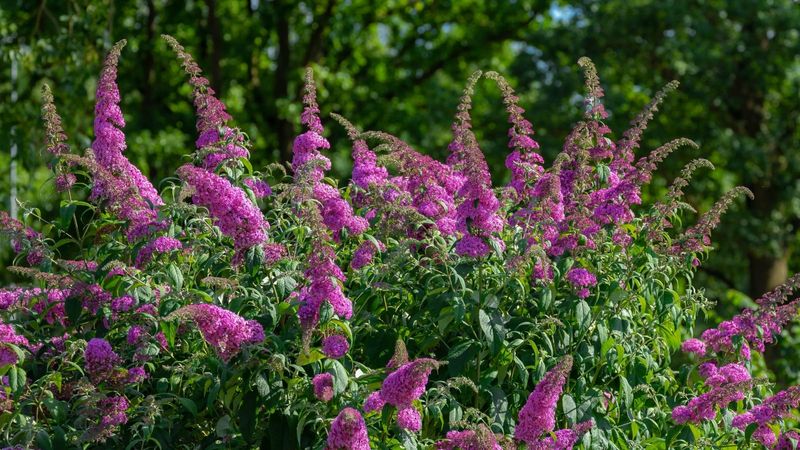
Reaching for a quick fix after noticing fewer butterflies is understandable, but some of the most commonly recommended remedies either do not work as advertised or can create their own problems in a North Carolina yard.
Butterfly bush is the most widespread example. It produces nectar that adult butterflies will visit, but NC State Extension’s plant toolbox entry for Buddleja davidii identifies it as invasive in North Carolina’s Mountain and Piedmont regions and notes that its foliage does not support native butterfly caterpillars.
Planting it in those regions trades a short-term adult nectar boost for long-term ecological disruption and does nothing for the larval stage of the life cycle.
Milkweed is essential for monarchs, but the species matters. Tropical milkweed sold widely at garden centers requires careful handling.
Monarch Joint Venture’s habitat management guidance notes that tropical milkweed management recommendations vary by location, and U.S. Fish and Wildlife Service monarch resources emphasize native milkweed species for the Southeast rather than treating all milkweed types as interchangeable.
Native milkweeds such as butterfly weed and swamp milkweed are safer choices for most North Carolina sites.
Butterfly houses look appealing but offer little practical benefit. NC State Extension reports there is little evidence that butterflies actually use them, so purchasing one is unlikely to change what you see in the yard.
Water features need the same careful approach. A deep or stagnant container does not replicate the damp, mineral-rich soil that butterflies seek out for puddling.
University of Georgia Extension’s butterfly gardening guide recommends a shallow depression with damp sand rather than a standing water feature, and any container that holds water should be refreshed every few days to prevent mosquito breeding.
Use the absence as a habitat check
A butterfly-free afternoon is most useful when it prompts a short, systematic check rather than a snap conclusion. Start by revisiting the yard at different times of day and in sheltered spots you may have skipped.
Look for nectar gaps – flowers that just finished blooming with nothing yet open to replace them – and scan host-plant foliage for eggs, caterpillar feeding damage, or chrysalises tucked along stems.
Then review what changed recently. A mowing pass through a weedy border, a cleanup of old stems, a stretch of drought or heavy rain, or a pesticide application in or near the yard can each reduce butterfly activity quickly.
NC State Extension’s backyard butterfly guidance and their native-plant landscaping resource both point toward the same set of improvements: nectar succession, host plants matched to likely species, open sunny areas, wind shelter, and a section of the yard left relatively undisturbed through the season.
A quiet yard does not mean butterflies have disappeared from your neighborhood. More often it means the yard has a gap in what it offers, and that gap is something a homeowner can actually address.
The absence, looked at that way, is less a warning sign than an invitation to make the property genuinely useful to the native species that were already trying to be there.