
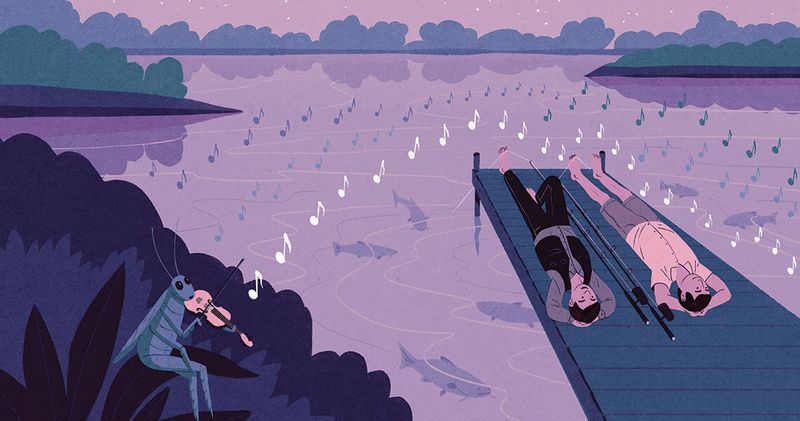
Most North Carolina homeowners know the sound well: a warm evening chorus of crickets rising from the lawn, the garden beds, and the tree line. When that sound suddenly disappears, it feels like something went wrong.
Before drawing any conclusions, though, it helps to understand what cricket calling actually measures and what a quiet night might really be telling you.
Silence Is a Clue, Not a Population Count
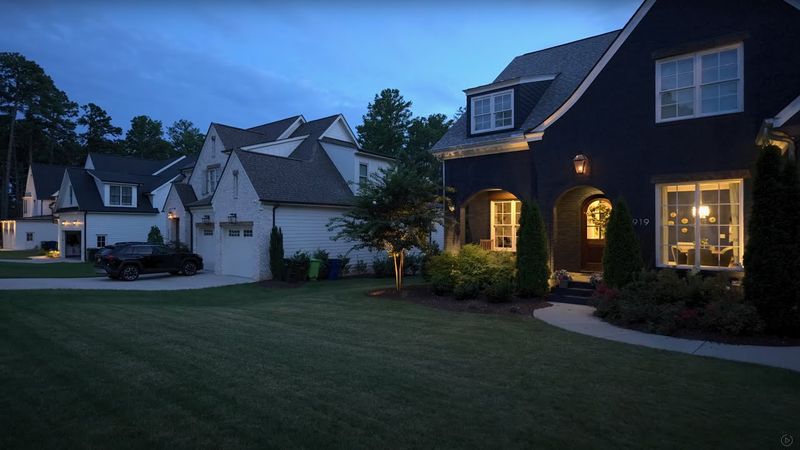
Stepping outside on a July night and hearing nothing where a chorus used to be is unsettling, but the absence of sound does not confirm that crickets have vanished from your yard. What you are actually measuring in that moment is calling activity under the specific conditions present right now: the temperature, the time since sunset, the wind, recent rain, and whether any new sounds or lights are competing for your attention.
Male crickets produce the familiar chirping song, and their calling follows daily rhythms. NC State’s overview of periodic insect behavior notes that some species begin calling at nightfall and stop as daylight returns, meaning the timing of your listening check matters as much as the check itself.
A yard that sounds empty at 10 p.m. may have been active at 8 p.m. or will be active again tomorrow under slightly different conditions.
Crickets have also been studied as ecological indicators in some research systems, but as a review of insect bioindicator methods makes clear, ordinary listening cannot identify which factor changed or quantify a population shift. Treating one quiet night as proof of a problem overstates what a listening check can tell you.
A more productive response is to use the silence as the starting point for a short investigation. Over the next several nights, compare temperature, season, time of night, recent yard changes, lighting, and background sound before drawing any conclusion.
That comparison will narrow the plausible explanations without requiring expensive equipment or expert knowledge.
Male Calling Creates the Nighttime Chorus
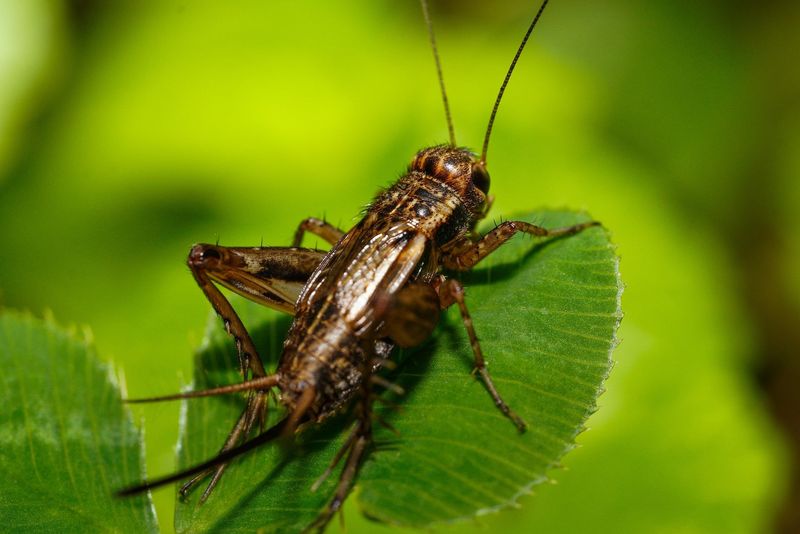
The sound you hear on a North Carolina summer night comes almost entirely from males. NC State’s cricket family guide explains that male true crickets produce calling songs by rubbing their wings together, a process called stridulation.
The song generally serves to attract females or to communicate with competing males nearby.
Female crickets and immature crickets do not produce this calling song, so the chorus you hear at night represents only the adult males that happen to be in the right reproductive condition, at the right time, under the right conditions, to call. A yard can hold a healthy population of females, juveniles, and non-calling males while sounding nearly silent to a listener standing on the porch.
Daily activity patterns add another layer. Cricket calling follows species-specific timing cycles, and a male that called actively at dusk may go quiet by mid-evening, particularly if temperatures drop, a predator disturbs the area, or the male’s calling effort simply winds down for the night.
Missing the active window by even an hour can make a yard sound empty.
Temperature shapes how actively males call during the window when they do sing. Research on the North American field cricket Gryllus firmus found that chirp rate increased with temperature across the range in which those crickets sang.
A noticeably cooler evening compared with the nights when the chorus was loud is worth checking before assuming anything else changed. One quiet night tied to a temperature drop is a timing question, not a sign that breeding failed or that the yard’s cricket population collapsed.
Which Crickets Are You Actually Hearing?
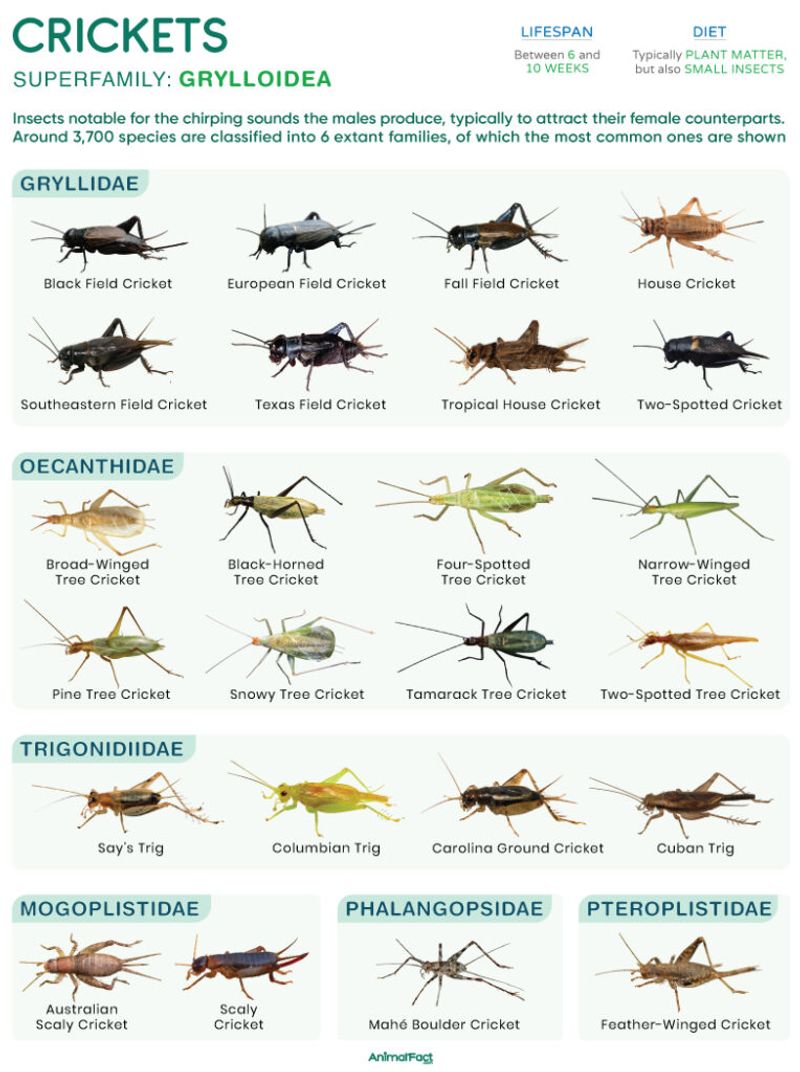
North Carolina is home to a wide range of cricket species, and they do not all behave the same way. The NC Parks orthoptera database and its associated species checklist document the diversity of singing insects recorded across the state, including multiple field cricket species, ground crickets, tree crickets, and others with distinct habitats and seasonal windows.
Field crickets are the chunky, dark insects most people picture when they think of a cricket. They tend to live at ground level in grass, leaf litter, and garden edges.
Tree crickets are slender and pale green, often calling from shrubs and low branches rather than the lawn. Ground crickets are small and fast, staying close to the soil surface.
Each group has its own preferred habitat, its own calling season, and its own sound.
Two groups deserve special mention because they behave very differently from the chirping field crickets most homeowners recognize. Camel crickets, sometimes called cave crickets, favor cool and moist spots such as crawl spaces, basements, and heavily shaded garden areas.
NC State Extension’s camel cricket resource notes that they do not chirp at all, so their presence or absence has no effect on the nighttime chorus you hear outside.
Mole crickets are a separate concern, especially along the North Carolina coast and in the Coastal Plain, where they are a recognized turf pest. NC State’s mole cricket turf guide identifies them through turf damage, spongy areas, and surface tunneling rather than by their sound at night.
If you notice soft or damaged patches in your lawn, mole crickets are worth investigating as a separate issue from the nighttime chorus.
A change in which species is most active in your yard can shift the pitch, timing, and volume of the chorus without any overall decline in cricket numbers. Identifying a species from a chirp alone is rarely possible without careful comparison against recorded calls, so treat any sound-based guess as a starting point rather than a confirmed identification.
Temperature and Season Change the Signal First
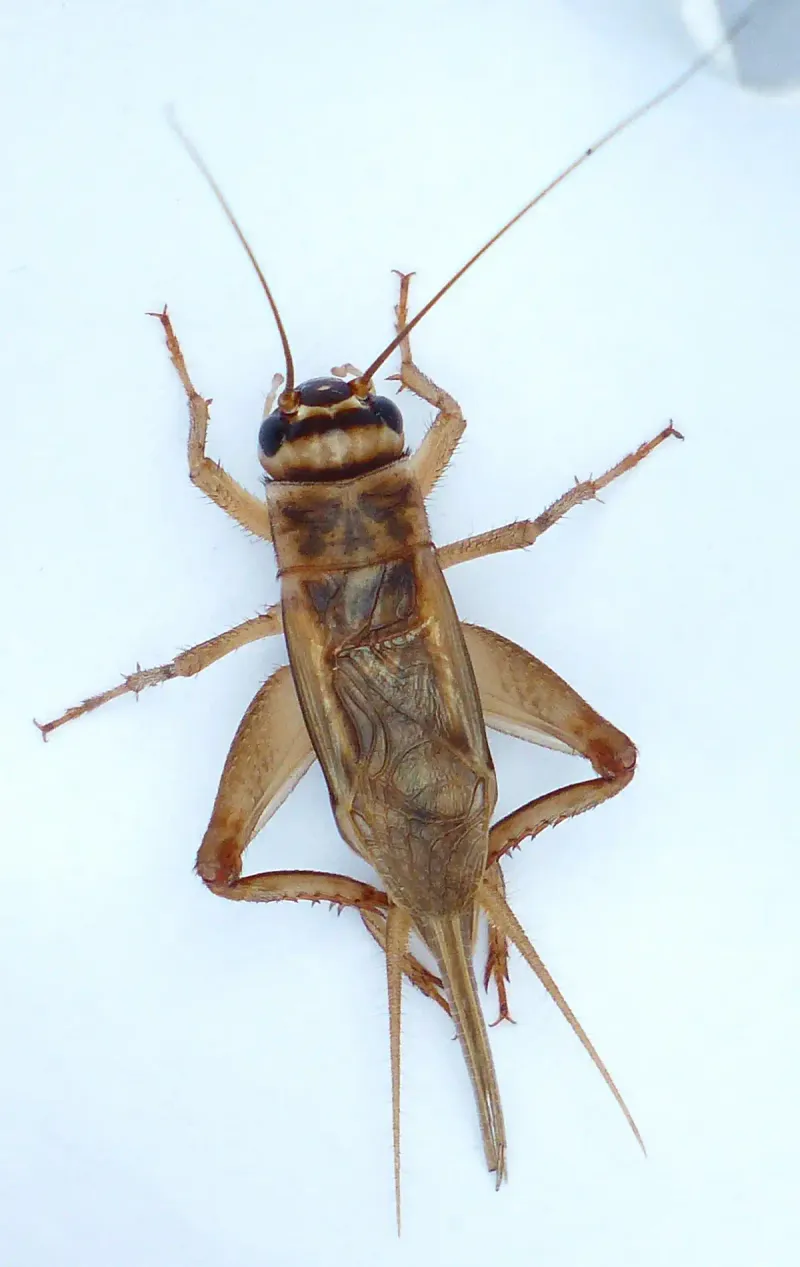
Before suspecting any yard-level problem, check the temperature. Research on the North American field cricket found that chirp rate increased with temperature within the range in which those crickets sang.
A night that is noticeably cooler than the nights when the chorus was loudest is the simplest and most testable explanation for a quieter yard. Compare similar evenings rather than a warm August night against a cool September one.
More recent work has continued to examine how temperature shapes cricket signaling. A behavioral ecology study on field cricket acoustic signaling reinforces that calling behavior responds to environmental conditions in ways that can make a population sound quieter without any change in abundance.
The takeaway for a North Carolina homeowner is practical: a cooler evening produces a quieter yard, and that alone does not require further explanation.
Season matters just as much as nightly temperature. At least some eastern field crickets have documented breeding windows tied to the calendar.
Research on Gryllus pennsylvanicus shows that this species breeds in late summer through the first severe frost, with eggs overwintering in the soil and hatching in spring. When the adult breeding season ends, calling activity drops sharply.
A yard that was loud in August may go quiet in October for entirely normal seasonal reasons, with eggs already in the ground ready for next year.
Weather variables such as a single dry spell, a rain event, or a change in humidity are harder to evaluate. Temperature has strong research support as a calling driver; claims that one weather event definitely silenced the chorus are much less certain without species-specific observations over multiple nights.
Start with the two most testable factors first: what was the temperature, and where are you in the local cricket season?
Recent Yard Changes Can Alter Cricket Habitat

Walk through your recent yard history before looking elsewhere for explanations. Mowing, vegetation removal, irrigation changes, leaf-litter cleanup, pesticide applications, and new plantings can all shift the habitat conditions that crickets use for shelter, egg-laying, and foraging.
None of these changes guarantees silence, but any of them is worth noting as a possible contributing factor.
Research synthesized across urban greenspaces found that reduced mowing generally increased arthropod abundance and richness, while frequent mowing reduced habitat availability and disproportionately favored certain pest groups. That synthesis drew heavily from temperate northern regions, so it should not be read as a precise forecast for a North Carolina lawn.
What it does suggest is that a major mowing event shortly before the chorus went quiet is a reasonable hypothesis worth tracking in your observation log.
North Carolina wildlife and extension guidance points toward retaining some lightly managed areas as a broad habitat measure. NC State’s landscaping for wildlife guide recommends native plantings, layered vegetation, and reduced chemical use to support a wider range of wildlife.
NC State’s habitat for beneficial insects resource similarly emphasizes that diverse vegetation and reduced disturbance support a broader insect community.
NC Wildlife Resources Commission guidance for suburban backyards supports retaining brush piles, leaf litter, and native plantings as food and cover for wildlife broadly. These are reasonable habitat measures for anyone who wants to support native insects, but they should be framed honestly: retaining unmowed areas and leaf litter may support a broader arthropod community over time, but they do not guarantee more crickets or a louder nighttime chorus on any particular night.
Sometimes the Sound Changed, Not the Crickets
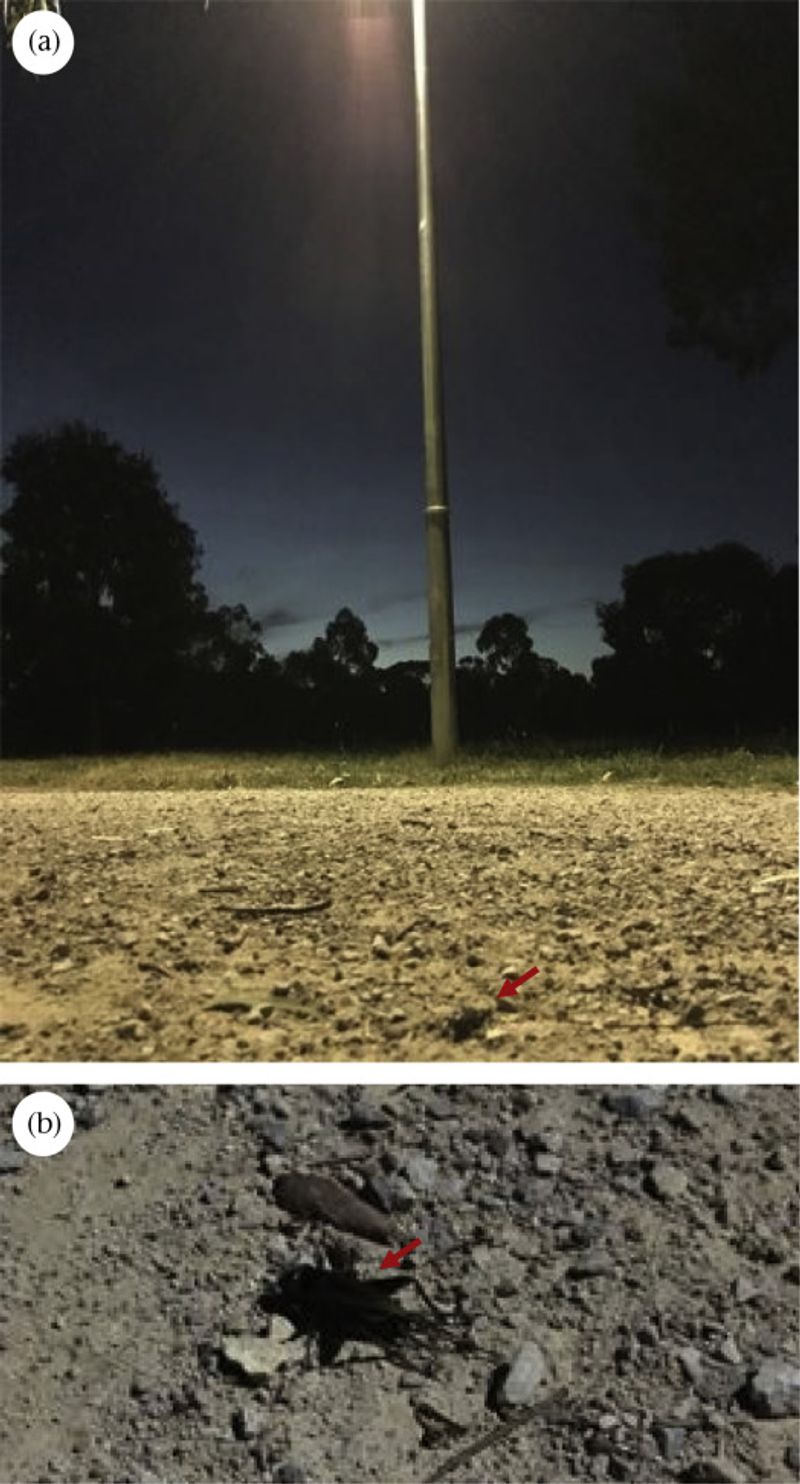
A quieter yard does not always mean a quieter cricket population. New sounds and new lights in and around your property can mask or alter what you hear without any change in how many crickets are calling.
An HVAC unit that runs more frequently in late summer, a neighbor’s generator, nearby construction that runs into the evening, or increased traffic on a road that was resurfaced can all make a familiar chorus harder to detect from your usual listening spot.
Artificial light is a plausible influence on cricket behavior. Research on artificial light and cricket signaling has found effects on behavior and communication in some species, and studies examining nighttime light exposure have reported effects on development and survival under controlled conditions.
A new bright porch light, a neighbor’s security floodlight, or additional landscape lighting installed earlier in the season is worth noting as a possible factor.
The key word is possible. Research on light pollution and insect acoustic behavior and related studies on nighttime light effects come largely from controlled laboratory or semi-natural settings.
The results support the idea that artificial light can matter, but they do not prove that a particular porch light or road caused your yard’s chorus to stop. Effects vary by species, light intensity, exposure duration, and individual traits.
A practical check is to listen from two or three different spots around the yard on the same night. If the chorus seems louder away from a bright light source or farther from a noisy appliance, that comparison is worth recording in your log.
It will not confirm a cause, but it will tell you whether the silence is coming from the whole yard or just from one listening position.
Use a Several-Night Listening Log
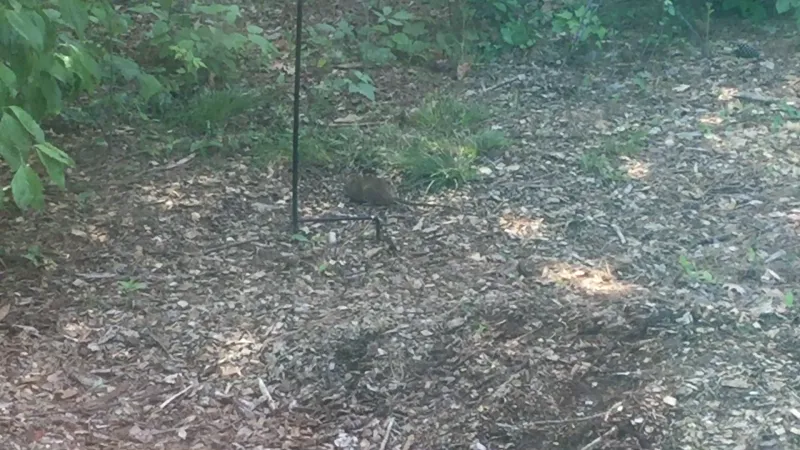
A few nights of structured observation can tell you far more than a single quiet evening. The goal is to use the same listening location and the same general time window each night so that your comparisons are consistent.
Pick a spot away from the loudest competing sounds and stay there for at least five to ten minutes before concluding the yard is quiet.
For each night, record the date, the approximate outdoor temperature, wind conditions, whether it rained recently, and any mowing, irrigation, or pesticide applications that happened in the past week. Note whether any new lights were turned on or whether a neighbor’s outdoor equipment changed.
Also record whether the silence seems to cover the entire yard or only the area near one specific spot, since a localized quiet zone is a different clue than complete yard-wide silence.
Pair your listening log with visible checks during the day. Walk the lawn and look for soft or spongy turf, surface tunneling, or irregular brown patches that might suggest a mole cricket problem rather than a chorus change.
Check shaded, moist corners of the yard and crawl spaces for camel crickets, which, as noted in NC State’s camel cricket guide, do not chirp and are found in very different conditions from field crickets. If you suspect mole cricket turf damage, look for physical evidence in the grass rather than relying on nighttime sound.
After five to seven nights, patterns usually start to emerge. Quiet nights that consistently line up with cooler temperatures, recent mowing, or a change in lighting give you a hypothesis worth investigating further.
A log that shows no pattern across varied conditions is also useful: it tells you the silence may be intermittent or tied to factors you have not yet recorded. Either way, the log is an informal observational tool, not a population survey, and it cannot prove what caused the change on its own.
Inspect Before You Treat the Yard
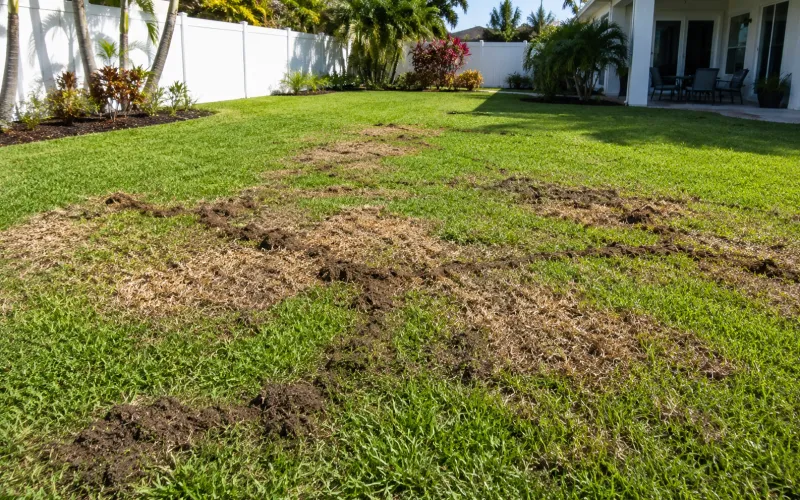
A change in nighttime sound is not a reason to spray the yard. Applying a broad-spectrum insecticide without an identified pest or a visible damage pattern can harm pollinators, birds, aquatic organisms, pets, and people while leaving the actual cause of the quiet chorus unaddressed.
The first step after completing your observation log is to look for physical evidence of a problem, not to treat based on sound alone.
Chemical exposure can affect cricket physiology and survival in laboratory settings, and research on insecticide effects on non-target insects confirms that broad-spectrum products can reach species beyond the intended pest. However, a quiet yard at night cannot establish that pesticide exposure caused the silence.
If you did apply a product recently, record it in your log as a hypothesis to track, not a confirmed explanation.
EPA guidance on mosquito misting systems cautions that automated outdoor pesticide systems can affect non-target insects, including beneficial species. Any outdoor insecticide application, whether for mosquitoes or other pests, should follow the product label exactly.
EPA pollinator protection guidance and the EPA pesticide label system both reinforce that the label is the legal document governing where, when, and how a product may be used.
Nighttime spraying is not automatically safer for pollinators. EPA guidance on protecting bees from pesticides notes that wild bees may forage early in the morning or encounter residues later, and that drift and runoff can reach non-target habitat regardless of application timing.
If a turf inspection reveals genuine damage from mole crickets or another identified pest, treat only the affected area, follow the label, and keep applications away from blooming plants, water features, and areas where children and pets spend time.
Let the Pattern Guide the Next Step
After several nights of consistent observation, you will have more to work with than a single quiet evening gave you. Start with the simplest checks: compare the temperature, note where you are in the seasonal cricket calendar, and confirm that your listening time overlaps with the active window for the species most likely in your area.
Temperature effects on field cricket chirp rate and the influence of environmental conditions on calling behavior are the most thoroughly studied drivers, so rule them out before moving to less certain explanations.
If temperature and season do not explain the pattern, move through the rest of the checklist: recent mowing or vegetation removal, changes in lighting, new background noise, pesticide applications, and habitat conditions in different parts of the yard. Look for physical evidence of turf damage or habitat loss before considering any management response.
Habitat-friendly yard practices such as native plantings, reduced mowing in designated areas, and retained leaf litter may support a broader insect community over time, and they carry no meaningful risk of making things worse.
If the log points toward a genuine pest or damage problem, identify the specific culprit and follow label-based application guidance before reaching for any product. A quiet yard without visible damage or a clear pattern across multiple nights is most often a timing, temperature, or listening-condition question.
The log itself is the lowest-effort next step you can take right now, and starting it tonight costs nothing.