

Spotting a box turtle near your garden beds once might feel like a lucky surprise, but finding one there again and again is worth a closer look. Most North Carolina homeowners assume the turtle wandered in by chance, but the real story is more interesting than that.
Understanding why it keeps showing up can tell you something useful about your yard, and it can help you be a better neighbor to one of the state’s most familiar wild animals.
That repeat visitor may be a resident turtle
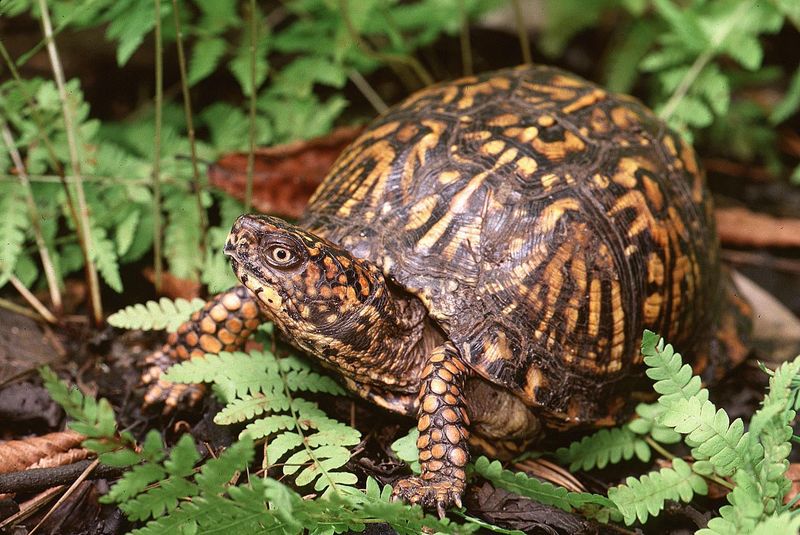
Chances are good that the turtle you keep seeing near your garden beds is not a different animal each time. The species most likely wandering your North Carolina yard is the eastern box turtle, Terrapene carolina carolina, a terrestrial turtle found statewide, from the coastal plain to the mountains, in forests, fields, neighborhoods, and suburban backyards alike.
Identifying a turtle with certainty requires a close look, but the domed shell, hinged lower shell, and patterned markings of an eastern box turtle are fairly distinctive once you know what to look for.
What makes repeated sightings especially interesting is the eastern box turtle’s strong attachment to a small home territory. NC Wildlife Resources Commission guidance notes that eastern box turtles commonly live in neighborhoods and typically spend their entire lives within a small area, often under two acres.
That is roughly the size of a large suburban lot and its immediate neighbors. A turtle that appeared near your tomatoes last July and showed up again beside the raised beds this spring may well be the same individual, following a familiar route through a known home range.
Home-range fidelity in this species is well documented. USGS spatial ecology research on eastern box turtles confirms that individuals repeatedly use the same shelter sites, food areas, and movement corridors over time.
Multiple sightings in the same part of your yard are more consistent with one resident turtle navigating a known path than with a stream of new turtles arriving from somewhere else.
Interpreting those sightings as a growing local population or an influx of turtles from nearby woods would be a stretch. Without individual identification, such as a notch pattern or photo record, there is no reliable way to know how many animals are involved.
The safer, more accurate starting point is to treat the turtle as a resident wild animal moving through familiar ground, not a random visitor passing through on its way to somewhere better.
Garden beds provide the habitat clues turtles actually use
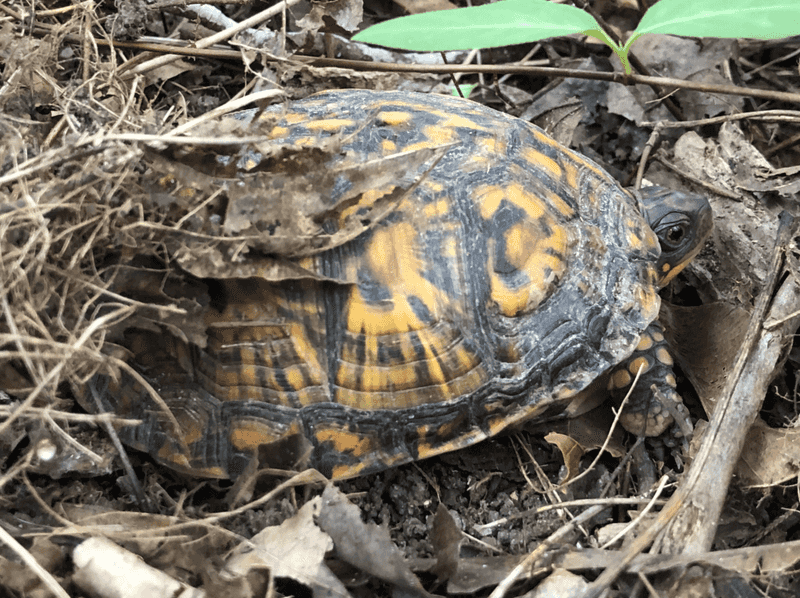
A garden bed does not have to look like a forest floor to attract an eastern box turtle. The physical conditions that make a bed useful to one of these animals are often the same features that come with ordinary gardening: moist soil from regular irrigation, a layer of mulch or fallen leaves, low-growing plants that create shade at ground level, and occasional logs, brush, or woody debris tucked along a fence or border edge.
USGS research on eastern box turtle resource selection identifies moist soil, leaf litter, understory vegetation, brambles, and woody debris as documented habitat features. These are structural and microclimate qualities, not judgments about the whole yard’s ecological condition.
A bed that stays damp after rain, holds some shade, and connects to a brushy fence line or shrub border checks several of the boxes a turtle needs for shelter, humidity regulation, and foraging.
The U.S. Forest Service species review for Terrapene carolina further describes how ground-level cover and moisture are central to daily microhabitat use, especially during hot or dry periods when turtles seek humid retreats.
A mulched bed near a drip line or rain garden can serve that function even in a yard with little natural woodland character.
Connectivity matters too. A garden bed is more useful to a turtle when it sits along a corridor, linking shrubs, a fence line, a woodland edge, or a brushy corner that the animal can move through safely.
The COSEWIC status assessment for eastern box turtles highlights ground-level cover and landscape connectivity as key habitat factors. If your beds sit between a shaded shrub border and a brushy back fence, the turtle may be using that entire strip as a travel route, not just camping in one spot.
When you see a turtle near a specific bed, it is worth looking at what surrounds it. Check for moisture sources, low cover, and whether the bed connects to other sheltered areas.
The sighting is a clue about local conditions, not a verdict on your yard’s overall quality.
A box turtle cannot replace a soil test
Gardeners sometimes read a box turtle sighting as a sign that their soil must be in good shape, but the research simply does not support that leap. The documented habitat features that draw eastern box turtles, moisture, leaf litter, soft ground, low vegetation, and woody debris, are structural and microclimatic qualities.
They say nothing about fertility, pH, organic matter content, or whether a bed will grow productive vegetables.
USGS spatial ecology findings describe the conditions turtles select for in terms of cover and microclimate, not soil chemistry. A bed with compacted subsoil, low nitrogen, or an unfavorable pH can still offer moist mulch, ground-level shade, and a gap under a shrub that a turtle finds perfectly useful.
The turtle is reading the ground for shelter and food opportunities, not running a soil evaluation.
The Forest Service review of Terrapene carolina reinforces this: habitat suitability for the species centers on structural features and moisture, not on indicators of agricultural productivity. A turtle may move through recently disturbed soil, ground that has been treated with chemicals, or a bed that has not been amended in years, as long as the spot still provides food, cover, or a useful route.
The NC Wildlife Resources Commission treats the eastern box turtle as a wild animal with specific habitat needs, not as an ecological instrument that certifies garden conditions. Treating a sighting as a narrow habitat clue is accurate.
Treating it as a substitute for actual soil information is not.
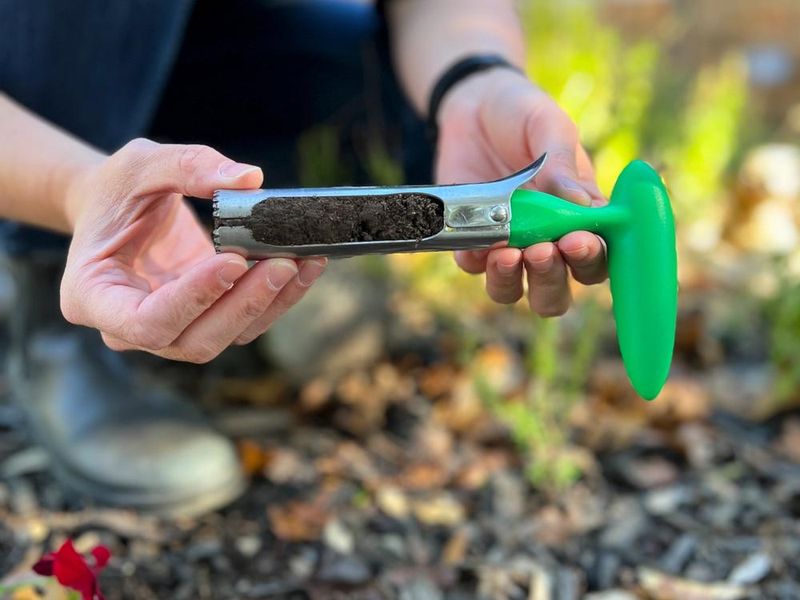
For real garden decisions, use a soil test. North Carolina State University’s extension service offers affordable tests through county cooperative extension offices.
The results will tell you pH, nutrient levels, and amendment needs. A turtle in the beds is interesting, but it cannot do that job.
The turtle may eat garden pests, but it is not pest control
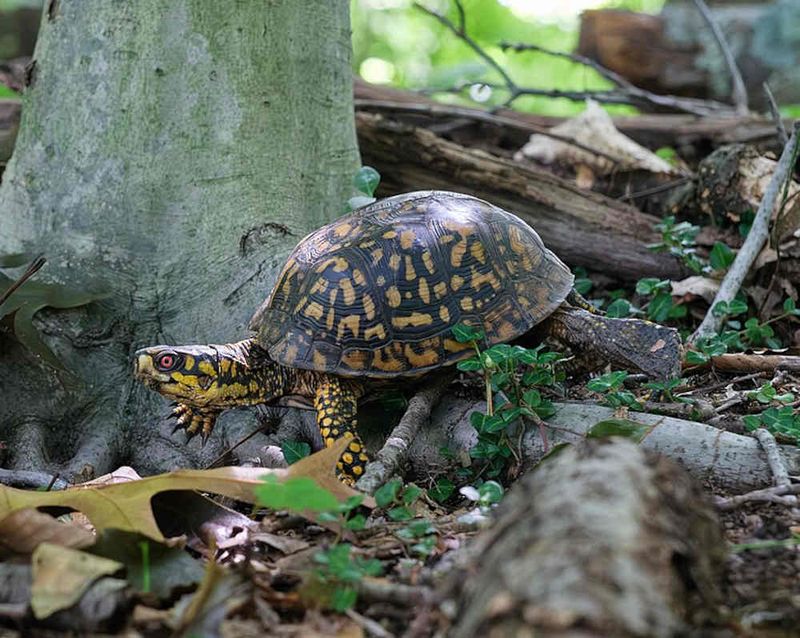
Eastern box turtles are genuine omnivores with a broad and flexible diet. The NC Wildlife species profile lists their food sources as berries, fruit, seeds, roots, flowers, mushrooms, grasses, carrion, and small animals including earthworms, beetles, snails, and slugs.
That list does overlap with common garden nuisances, and a turtle foraging near your beds may well pick off a slug or a beetle grub along the way.
Overlap in diet, though, is not the same as reliable pest suppression. A turtle’s menu shifts with the season and with whatever happens to be available on a given day.
In late summer, a turtle near your beds may be more interested in fallen berries or mushrooms sprouting from decomposing mulch than in any slug population living nearby. The animal is an opportunistic forager, not a specialist that targets specific pests in measurable quantities.
There is no documented threshold, no research establishing that a certain number of box-turtle visits translates into a meaningful reduction in slug, grub, or tick numbers in a home garden. NC Wildlife’s guidance describes the turtle as a generalist, and the Forest Service species review confirms that diet composition varies considerably by season, location, and individual opportunity.
Calling a box turtle a biological control agent overstates what the evidence actually shows.
A sighting near the beds also does not reveal what the turtle was doing there. The animal may be using the bed as a humid shelter during a hot afternoon, moving through it as part of a familiar corridor, or resting under low foliage with no active foraging at all.
The presence of a turtle does not confirm a pest problem, and its absence does not mean pests are gone.
The practical takeaway: welcome the turtle as a wild neighbor with a varied appetite, but keep your pest-management decisions grounded in direct observation of actual pest pressure. Check leaves for slug damage, look for grub activity in the soil, and monitor plant health on its own terms.
The turtle may help a little, but your garden’s pest situation deserves its own diagnosis.
Support the habitat without turning the yard into an enclosure
Keeping some habitat value for a resident box turtle does not require sacrificing a functional yard. A few low-effort adjustments can preserve the conditions the turtle actually uses without turning paths, drains, play areas, or vegetable beds into an unmanaged wildlife refuge.
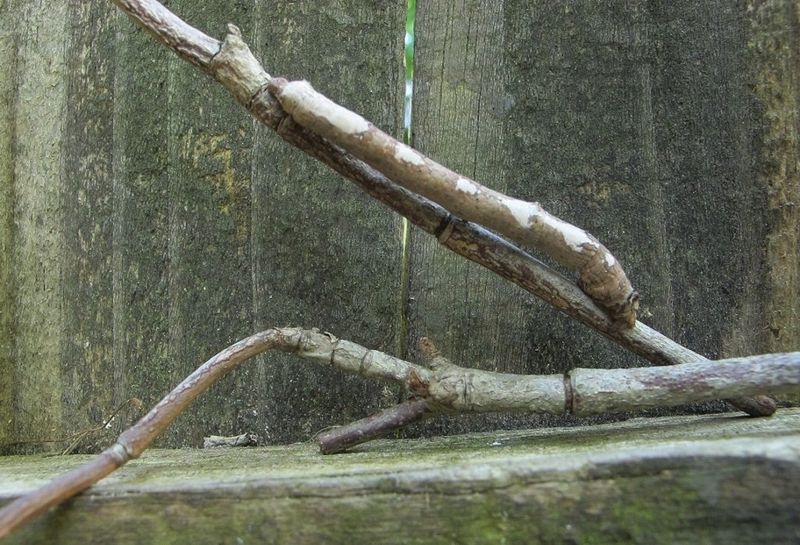
The most useful thing most homeowners can do is leave a modest layer of leaf litter under shrubs or along fence lines rather than raking every corner bare. USGS habitat research identifies leaf litter as a documented shelter and foraging resource for eastern box turtles, particularly in areas with some moisture and ground-level cover.
A few square feet of undisturbed leaves under a camellia or along a back fence costs nothing and removes very little from the yard’s usable space.
A small brush pile or a couple of woody logs tucked into a corner, away from foot traffic, can serve as a humid retreat during hot dry stretches. The Forest Service review of Terrapene carolina describes woody debris and low cover as consistent features of eastern box turtle microhabitat.
A single modest refuge in a low-traffic corner of the yard is more defensible, and more useful to the turtle, than scattering debris throughout the garden.
Avoiding unnecessary disturbance of moist ground cover near the beds is also worthwhile. If a shaded corner stays naturally damp and low plants grow there undisturbed, it may already function as a resting or foraging area.
Leaving it alone is easier than any active improvement.
One important boundary: these recommendations apply to suitable corners and edges, not to crop beds, children’s play areas, drains, or anywhere that needs to stay clear and functional. Habitat support works best when it is targeted.
A small, intentional refuge in the right spot does more for a resident turtle than a yard-wide policy of leaving everything unmaintained. Think of it as setting aside one low-effort corner, not redesigning the whole property.
Leave a healthy turtle alone—and help one in immediate danger carefully
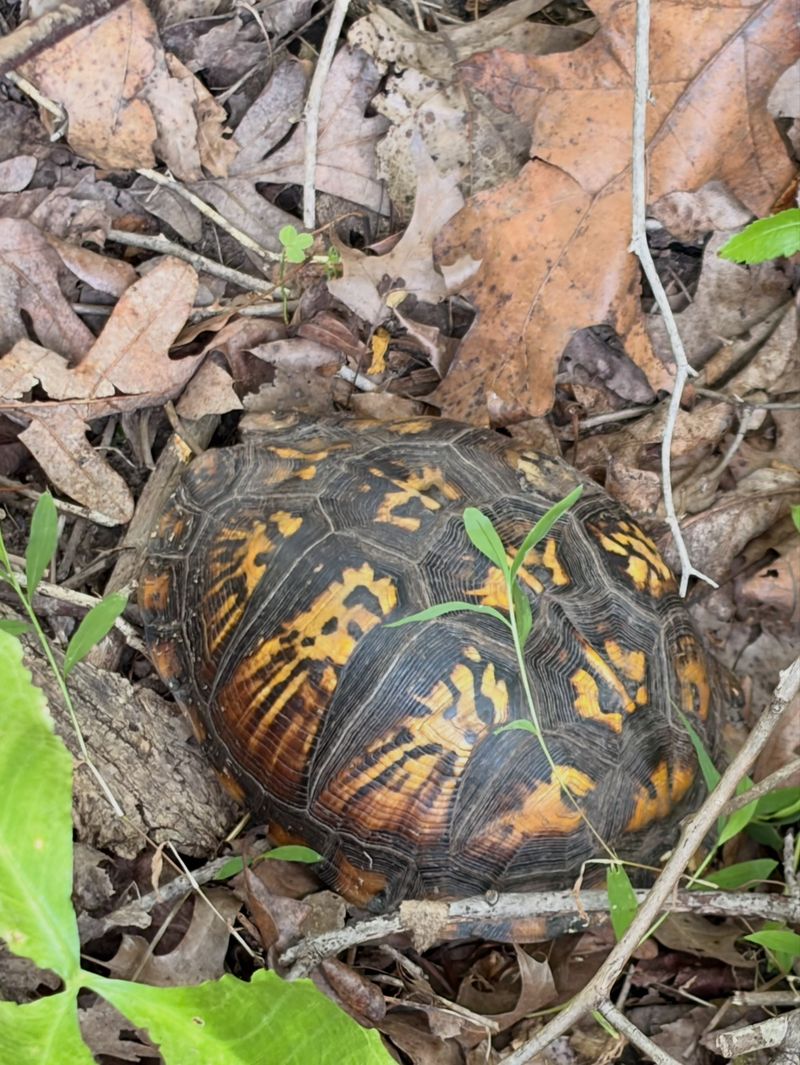
Finding a box turtle near your beds is not a call to action. A healthy turtle that is moving through the yard, resting under a shrub, or foraging near a bed needs nothing from you.
The best response is to watch from a distance and let it continue on its way.
NC Wildlife Resources Commission guidance is direct on this point: do not collect a healthy box turtle, do not take it home, and do not relocate it to a park, pond, wooded area, or another yard that seems more suitable. Eastern box turtles have strong site fidelity, meaning they are oriented to a specific home range.
Moving one, even with good intentions, can force it to attempt a return journey that crosses roads and unfamiliar terrain, putting it at greater risk than leaving it where it was found.
Removing even a single turtle from a local area is discouraged because it takes an individual out of the breeding population. NC Wildlife notes that collecting or relocating turtles, even just a few, can have real consequences for a small local group.
As a precautionary practice, avoid putting out food to attract or keep a turtle nearby. NC Wildlife’s approach to healthy box turtles centers on leaving them in place as wild animals, not managing them as yard guests.
Feeding wild turtles is not a recommended stewardship action, and it is better to let the animal forage naturally.
When a turtle is in immediate danger on a road, the response is different but still minimal. Carry it across in the direction it was already traveling, and move it only the shortest distance needed to clear the road, ideally less than 50 feet.
Do not take it somewhere else or decide a nearby woods would be a better home. Set it down on the far shoulder, facing the way it was going, and step back.
For a turtle with a cracked shell, active bleeding, or obvious trauma, the right move is to contact a licensed reptile rehabilitator rather than attempting home treatment. NC Wildlife acknowledges that some less severe injuries can heal without intervention, but a qualified rehabilitator is the right person to make that call.
Your county’s NC Wildlife regional office or a quick search for licensed wildlife rehabilitators in North Carolina can point you to the right resource.
Pesticide choices matter around a ground-foraging turtle

A box turtle that regularly moves through your garden beds is a ground-level forager. It noses through mulch, eats soil-associated invertebrates, consumes plant matter, and rests directly on treated ground.
That behavior puts it in close contact with whatever pesticides have been applied to the soil, plants, and surrounding area.
The EPA evaluates reptile pesticide exposure through multiple pathways: contaminated prey, direct contact with treated plants or soil, and ingestion of residue-bearing plant material. The EPA’s T-HERPS user’s guide for amphibian and reptile risk assessment documents how ground-dwelling reptiles can encounter residues through each of these routes.
For a turtle that eats earthworms and beetles from treated soil, the exposure pathways are real, even if the outcome for any specific product and any specific animal is not guaranteed.
EPA ecological risk assessment guidance frames pesticide caution around exposure likelihood and habitat use, both of which are relevant for a turtle that regularly forages in the same beds. Broad-spectrum insecticides applied to soil or mulch can reduce the invertebrate prey the turtle depends on, and residues can persist in soil long after application.
The practical recommendation is straightforward: minimize unnecessary broad-spectrum pesticide applications near beds that the turtle uses, follow every product label carefully, and consult North Carolina Department of Agriculture pesticide guidance when questions arise about specific products or application timing. Labels are legal requirements, not suggestions, and they often include buffer or timing instructions relevant to wildlife.
One thing a turtle’s presence cannot tell you: whether a yard is free of chemical residues. A turtle may persist in an area despite some pesticide exposure, or it may be passing through ground treated in previous seasons.
The sighting is not a certification of chemical-free conditions. Caution around pesticide use near turtle habitat is a proportional, sensible precaution, not a guarantee of harm or safety in any specific case.
Read the sighting as a habitat clue, not a verdict
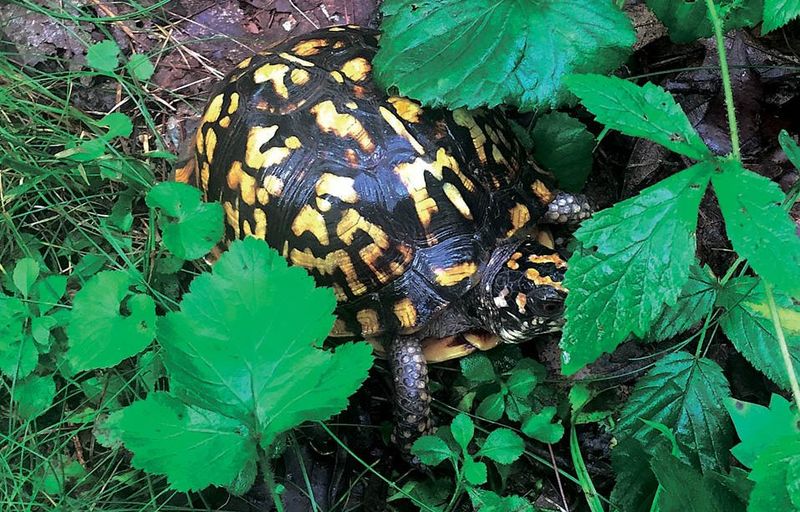
Putting the pieces together, a recurring eastern box turtle near your North Carolina garden beds most likely signals that your yard falls within a small, familiar home range that offers some combination of moisture, ground-level cover, food, or a movement corridor. That is a genuinely useful thing to know about your property, and it is worth taking seriously as a habitat observation.
What the sighting cannot do is certify soil fertility, diagnose pest pressure, confirm pesticide-free conditions, or establish that measurable pest control is happening in your beds. NC Wildlife, USGS habitat research, and the Forest Service species review all point to structural and microclimatic factors, not agricultural productivity or pest levels, as the drivers of eastern box turtle habitat use.
Multiple sightings also do not prove a growing turtle population; they may simply represent one animal with a well-worn route through your yard.
The practical response is uncomplicated. Observe from a distance, preserve a modest leaf-litter or woody-debris refuge in a low-traffic corner, avoid feeding or relocating healthy turtles, and use soil tests and direct pest monitoring for actual garden decisions.
Handle road emergencies with minimum intervention, and call a licensed rehabilitator for any turtle with visible injuries.
A resident box turtle is one of the more quietly telling signs that your yard still has some useful wild character left in it – and that is worth more than any single garden verdict.