
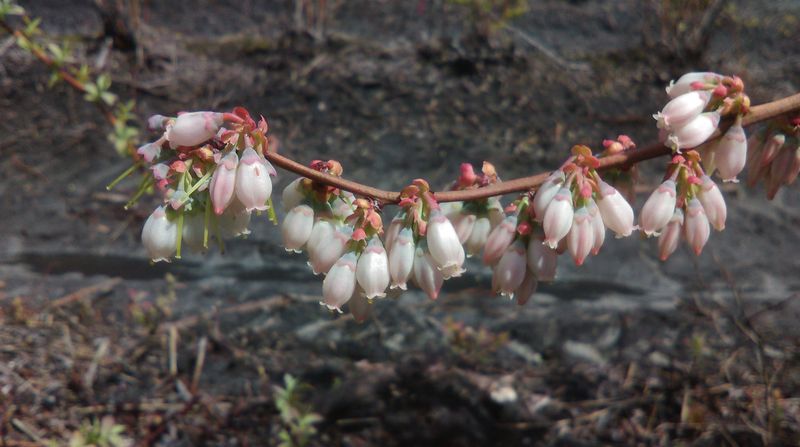
Most backyard blueberry growers in North Carolina pack away their picking buckets and forget about the bushes until spring. That habit can quietly cost you next summer’s fruit.
From late summer into early fall, blueberry plants are building the flower buds that will become next year’s berries, and how well you protect the plant during that window can meaningfully influence how many berries you pick the following season.
Late summer—not the last picking—sets the biological context
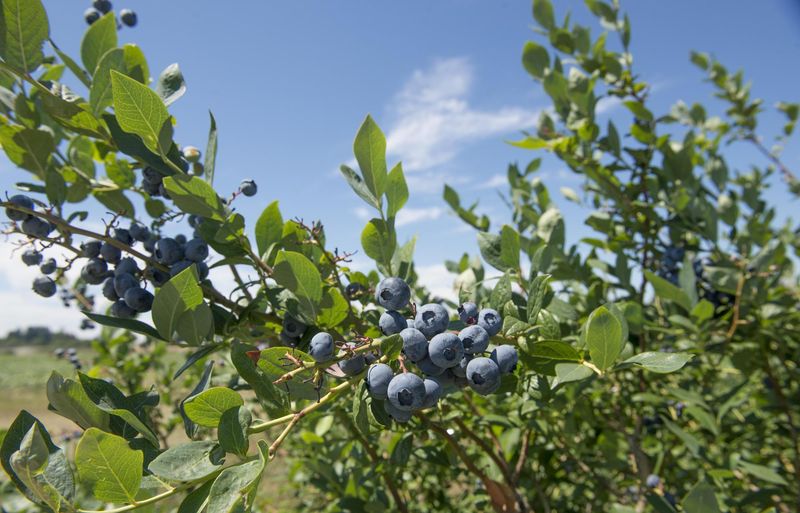
Picking the last berry off your bush does not flip a switch that starts next year’s crop cycle. Blueberries form their flower buds on current-season growth, and that process generally begins in late summer and runs into early fall, sometimes while harvest is still underway on later-ripening cultivars.
UGA Extension’s blueberry phenology guide explains that flower-bud initiation typically occurs from August through October, with the exact timing shaped by cultivar, temperature, and how the plant has been managed through the season.
In North Carolina, that bud-forming window shifts depending on where you garden. An early southern highbush in the Coastal Plain may finish fruiting in May or June, giving it a longer summer runway to form buds.
A rabbiteye in the Piedmont may ripen through July. A highbush in the mountains can push harvest even later, leaving a tighter margin before cool fall temperatures slow growth.
NC State’s small-fruits handbook notes that late summer is the period when flower buds begin forming at the tips of blueberry twigs, and the previous fall’s buds are what open the following spring.
The practical takeaway is not that you need to race through a checklist the moment you pick the last berry. The goal is to support the plant’s health through the late-summer and early-fall period so it has healthy leaves, adequate moisture, and maturing new shoots when bud formation is underway.
Stress during this window – whether from drought, disease, or poorly timed pruning – can reduce flower-bud formation, lower berry numbers, shrink fruit size, or cut overall yield. That is a meaningful reduction in crop potential, though it is not the automatic total crop failure that dramatic headlines sometimes suggest.
Protect the leaf canopy before you reach for tools
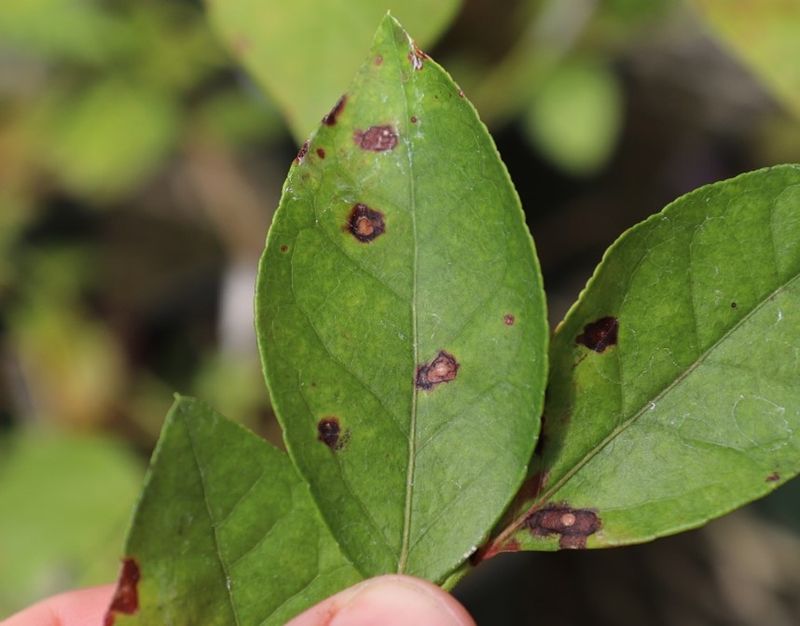
Leaves are doing quiet, critical work long after the last berry is picked. Every healthy leaf on your blueberry plant is capturing sunlight and fueling the shoot growth and bud formation that will carry next year’s crop.
Reaching for pruning shears or letting disease strip the canopy early can take away exactly the resources the plant needs most during the late-summer bud-forming period.
NC State’s leaf disease guide is direct on this point: premature defoliation reduces late-summer flower-bud formation and can significantly reduce the following year’s yield. The key word is premature.
Some leaf senescence and drop toward the end of fall is a normal part of the plant’s seasonal cycle. What you want to prevent is early or severe leaf loss caused by disease, drought, storm damage, or physical injury during the weeks when buds are still forming.
Leaf spot, rust, and anthracnose are the most common culprits in North Carolina plantings. A bush that loses a large portion of its canopy in July or August because of unchecked disease is not simply losing leaves – it is losing the photosynthetic capacity it needs to mature new shoots and set buds before temperatures drop.
UGA’s blueberry phenology research reinforces that healthy foliage is a major factor in whether a plant forms enough flower buds for a good crop.
The practical rule here is to protect what the bush already has before you consider removing anything. Monitor the canopy after harvest rather than assuming the plant can coast on its own.
Vigorous new growth and a full set of leaves going into late summer are assets, not candidates for thinning. Treat leaf removal as a deliberate choice with consequences, not a routine step that automatically improves the plant.
Use soil moisture as your simplest postharvest check
After the picking season ends, soil moisture becomes the easiest and most important variable you can manage. Blueberry roots are shallow and fine-textured, which makes them sensitive to both drought and waterlogging.
Checking the root zone a few inches below the mulch surface every few days gives you a simple read on whether the plant needs water or whether you can hold off.
NC State’s blueberry gardening guidance offers a general target of 1 to 2 inches of water per week during the growing season, from rainfall or supplemental irrigation combined. That figure is a flexible reference, not a fixed schedule.
Sandy Coastal Plain soils drain quickly and may need more frequent attention during hot, dry stretches. Clay-heavy Piedmont soils hold moisture longer but can also stay saturated after heavy rain, which creates its own risks.
On the saturation side, University of Florida IFAS irrigation research notes that prolonged soil saturation can damage blueberry roots and encourage Phytophthora root rot, a disease that spreads readily in poorly drained conditions. Drought stress during late summer is harmful because it can impair the shoot growth and bud formation the plant is working on.
But keeping the root zone perpetually wet trades one problem for another.
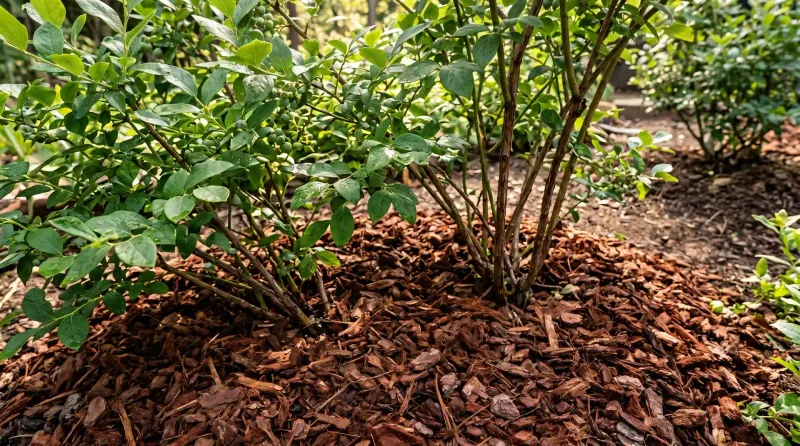
Mulch is your best low-effort tool for moderating both extremes. A 3- to 4-inch layer of pine straw or wood chips over the root zone slows evaporation, buffers soil temperature, and suppresses the weeds that compete for moisture and nutrients.
NC State’s small-fruits handbook consistently recommends mulching as a foundation practice for home blueberry plantings. Keep mulch pulled a few inches back from the main canes to reduce the risk of crown moisture problems, and pull any weeds that push through before they establish.
Prune after harvest only when the cultivar and timing fit
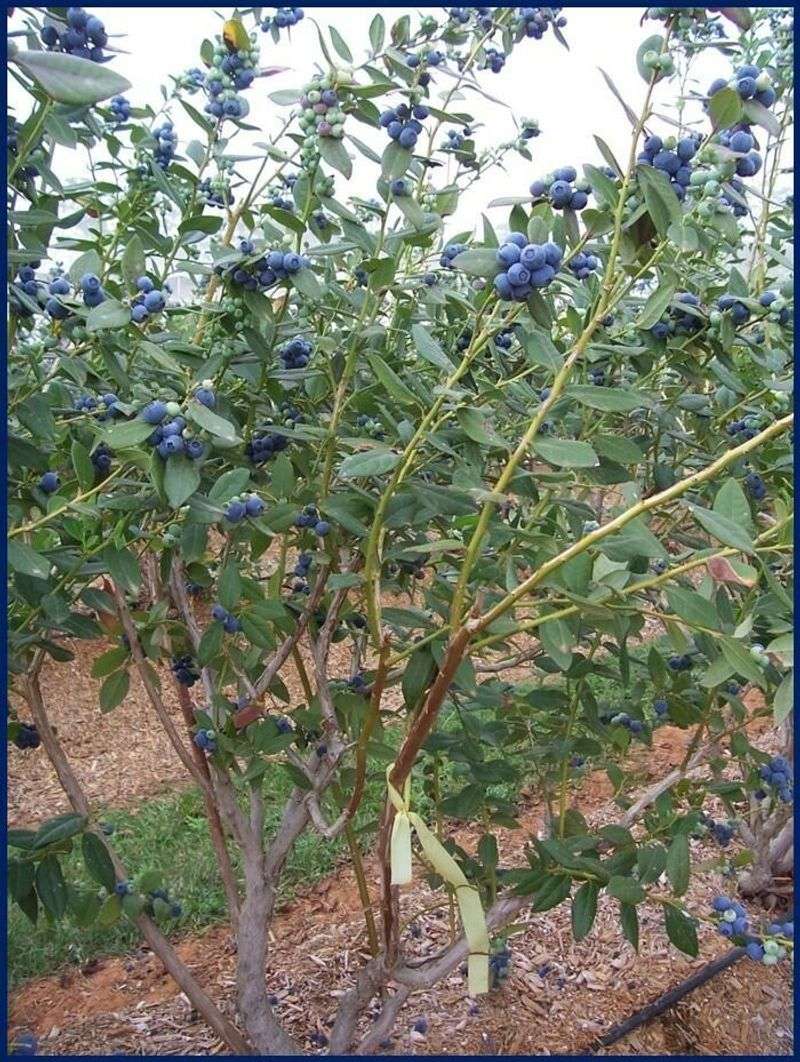
Pruning is probably the most misunderstood postharvest task for home blueberry growers. The idea of cutting back the bush right after harvest sounds logical – you just finished with it, the plant looks tired, and a hard cut seems like a reset.
For most mature backyard blueberry plants in North Carolina, that instinct can backfire in a specific and costly way.
Blueberry plants produce next year’s flowers on buds that form on current-season, one-year-old wood. A hard cut after harvest on a later-ripening cultivar can remove exactly the young shoots that are building those buds.
NC State’s leaf disease publication identifies postharvest summer topping as a practice used in southeastern North Carolina, particularly on early-fruiting cultivars, where it can strip older disease-affected foliage and push a flush of new midsummer growth that has time to mature and form buds before fall. That is a specific, regionally grounded recommendation – not a general instruction for every bush in the state.
The limiting condition matters enormously. Later-fruiting cultivars, and plants growing at higher elevations where the season shortens, may not have enough warm weeks after a hard cut to regrow, mature new shoots, and form flower buds before cold weather arrives.
University of Florida IFAS pruning guidance for southern highbush similarly cautions that delaying postharvest hedging into mid- or late summer can negatively affect floral-bud differentiation. The window for summer topping, where it is appropriate at all, is narrow.
For most mature home bushes, NC State’s home-garden blueberry guide recommends reserving main structural pruning for dormancy, when flower buds are visible and easier to assess, winter injury is apparent, and the plant is not actively building next year’s crop. NC State does note that excessively vigorous rabbiteye shoots may sometimes be cut back in late July, but that is a targeted exception for specific growth situations, not a standard postharvest step.
Before making any summer cut, identify your cultivar, check with your local Extension office, and ask whether the timing and plant type actually support it.
Scout for disease before the canopy drops leaves
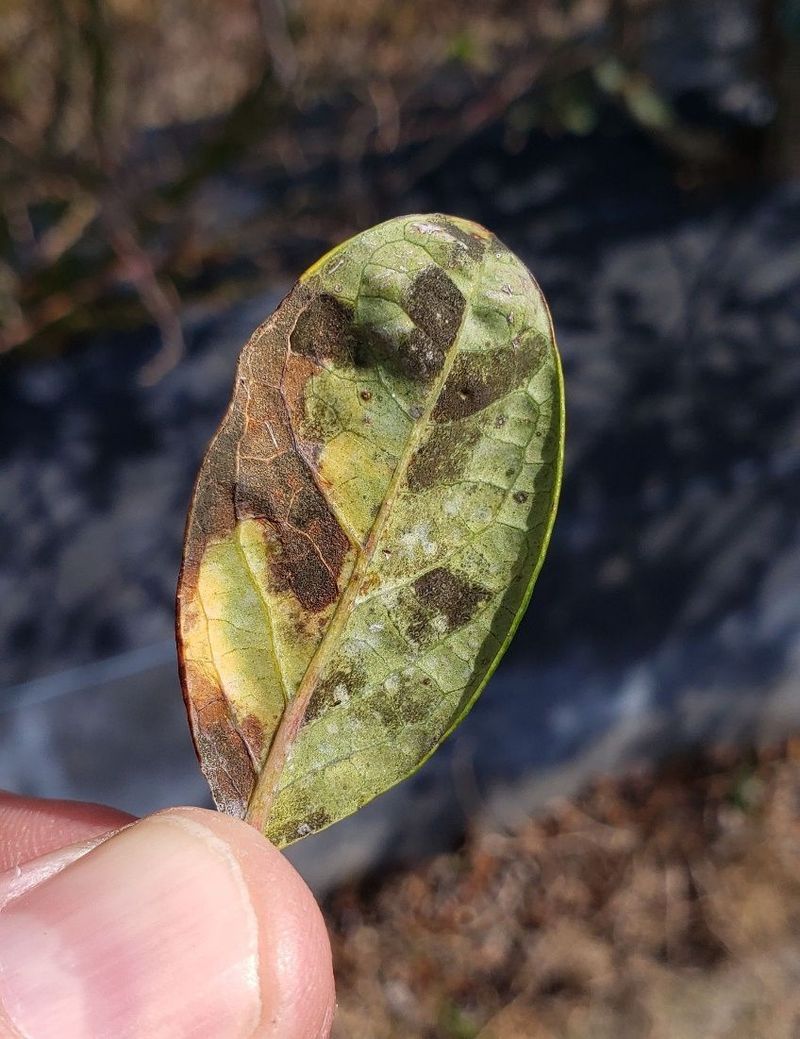
Canopy protection after harvest is not a passive task. Leaf diseases move fast during warm, humid North Carolina summers, and a planting that looked fine at the end of picking can show significant spotting or rust within a few weeks if conditions are right.
Building a habit of looking at the leaves every week or two after harvest gives you a chance to catch problems while there is still time to respond.
Focus your inspections on the upper and lower surfaces of leaves, looking for spots with defined margins, orange or brown rust pustules, or water-soaked lesions that could indicate anthracnose. Also clear any dropped or diseased fruit from around the base of the plant, since decomposing berries can harbor fungal spores.
NC State’s blueberry leaf disease guide provides photos and descriptions that make it easier to distinguish between common problems, and it is the right starting point before making any treatment decision.
Treatment choices should follow current North Carolina product labels and the most recent Extension recommendations for your specific disease and blueberry type. One caution from NC State deserves particular attention: oil-based sprays, including those made with neem oil, can worsen certain blueberry leaf-spot problems by breaking down the protective wax layer on leaf surfaces.
That warning runs counter to the common assumption that neem is a safe, low-risk option for any garden disease. Check the label and the current Extension guidance before spraying anything on your blueberry foliage.
Premature leaf drop from disease is not something to wait out. Once a significant portion of the canopy falls before fall bud formation is complete, the plant loses photosynthetic capacity at the moment it needs it most.
Treating early defoliation as a warning sign rather than an acceptable seasonal event is one of the most practical ways to protect the following year’s crop potential.
Skip automatic fertilizer and daily watering rules
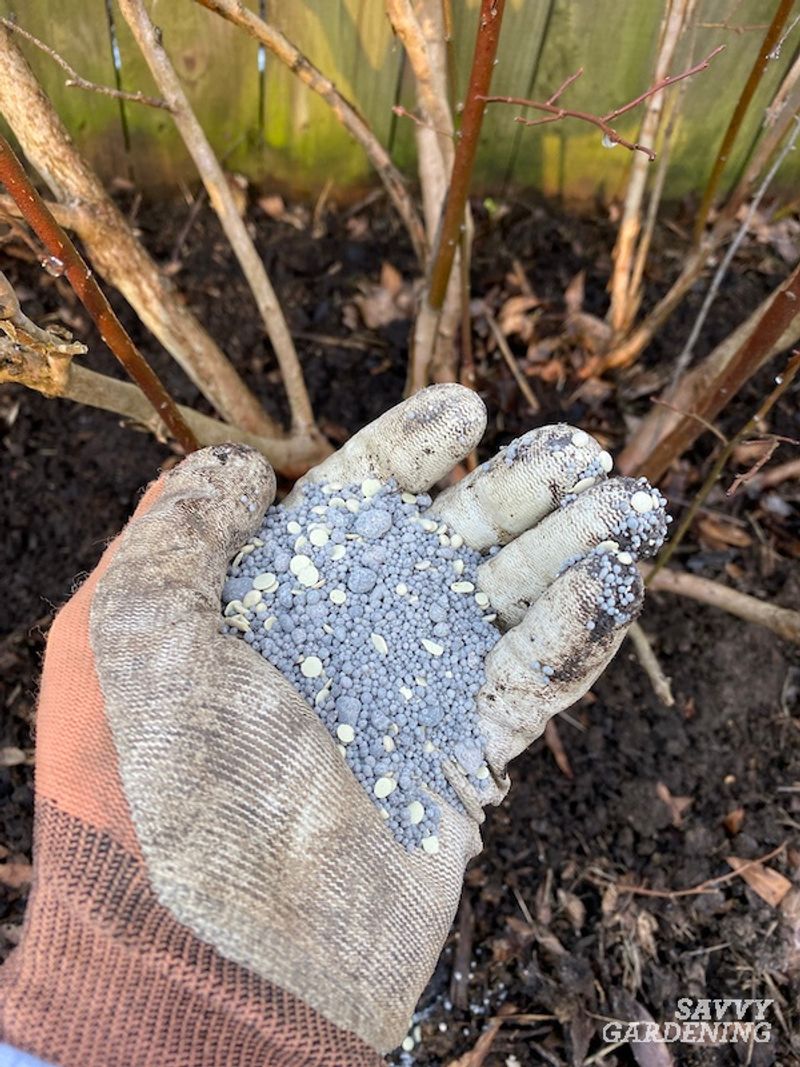
A headline that promises one simple thing to save your crop can make automatic fertilizer and daily watering sound like obvious answers. Neither one holds up as a universal rule for North Carolina home blueberry growers, and both can create new problems when applied without attention to the specifics of your site, soil, and plant type.
Blueberries are notably sensitive to fertilizer injury. NC State’s guide for local blueberry sales and small operations warns against excess fertilizer and recommends basing applications on soil-test results and observed plant growth rather than a fixed calendar.
The risk is real: too much fertilizer, or fertilizer applied at the wrong time, can burn roots, push soft late-season growth that is vulnerable to cold injury, or actually reduce flower-bud development in some climates and cultivars.
Fertilizer timing is not uniform across blueberry types or regions. NC State’s fertilizer use chapter allows a limited postharvest nitrogen application in specific commercial Coastal Plain production systems.
That recommendation reflects high-organic soils, commercial management, and specific cultivar situations. It does not translate into a blanket instruction for backyard gardeners across the Piedmont, foothills, or mountains.
Home gardeners who apply commercial Coastal Plain nitrogen rates to their own bushes without a soil test are borrowing a recommendation designed for a completely different context.
Daily irrigation carries a similar problem. Blueberry roots need consistent moisture, not constant saturation.
Watering every day regardless of rainfall, soil type, or drainage can contribute to shallow root development or root rot in poorly drained spots. NC State’s home-garden blueberry publication grounds irrigation guidance in soil conditions and plant response, not a fixed daily schedule.
The same principle applies to aggressive cane removal: cutting out old wood without knowing your cultivar, plant age, and current bud set can eliminate productive growth rather than renew it. Get a soil test, read the product label, and contact your county Extension office before making fertilizer or irrigation decisions you cannot easily reverse.
Match every decision to your blueberry type and location
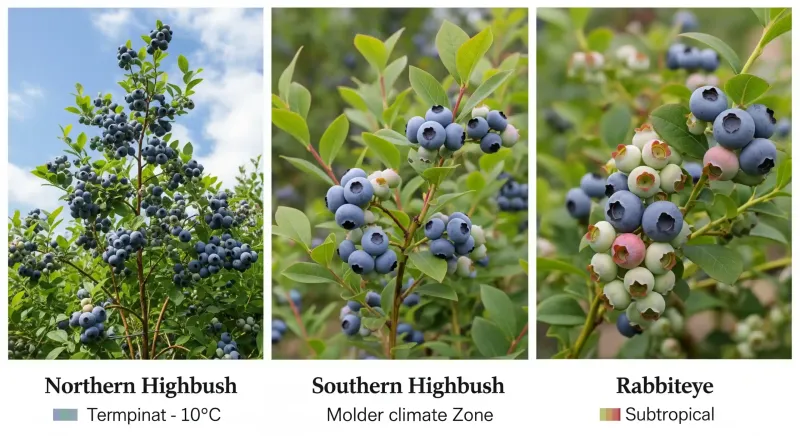
Rabbiteye, northern highbush, and southern highbush blueberries are not interchangeable plants. They differ in cold requirements, harvest timing, growth habit, pruning response, and how well they tolerate various North Carolina soils and climates.
Advice that works well for one type can be neutral or actively harmful for another, which is why identifying your plant before making any specialized intervention matters.
NC State’s home-garden blueberry guide describes the broad regional pattern: rabbiteye generally performs well below approximately 2,500 feet in the Piedmont, foothills, and drier Coastal Plain areas. Northern highbush is better suited to higher mountain elevations where it gets the chilling hours it needs.
Southern highbush is more site- and cultivar-specific, often requiring careful variety selection and site preparation to perform reliably.
Those differences ripple through every postharvest decision. Rabbiteye plants are vigorous and can sometimes tolerate a targeted summer cut on overly aggressive growth, but they still need time to form buds before cold weather.
Southern highbush cultivars in the Coastal Plain finish harvesting early and may have a longer postharvest runway, which is partly why southeastern NC summer topping recommendations exist for that type. NC State’s small-fruits handbook reinforces that no single calendar date, fertilizer rate, or pruning approach applies uniformly across North Carolina’s varied elevations and blueberry types.
Before you apply any postharvest recommendation – whether from a neighbor, a website, or even a generally reliable Extension publication from another state – confirm that it fits your specific cultivar and location. Your county Extension office can help you identify what you are growing and connect you with guidance that fits your part of the state.
Follow a low-risk postharvest checklist
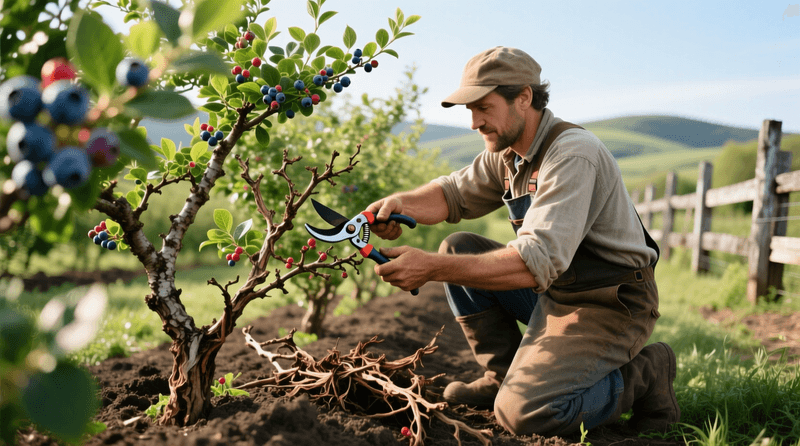
Putting postharvest care into a repeatable sequence makes it easier to act before the late-summer bud-forming window closes. Start by finishing your harvest clean: pick up any dropped or diseased fruit from the ground around the base of each plant, since decomposing berries carry fungal spores that can spread to leaves and new growth.
Next, check soil moisture and water deeply if the root zone is dry, without keeping it saturated. Maintain your mulch layer and pull any weeds that are competing for moisture near the root zone.
Then shift your attention to the canopy: inspect leaves every week or two for spotting, rust, or other disease symptoms. NC State’s leaf disease guide is the right reference for identifying what you find and understanding your treatment options under current North Carolina recommendations.
Hold off on summer topping or significant shaping unless your cultivar and local Extension guidance specifically support it for your location and timing. Reserve most mature-bush cane thinning for late winter, when flower buds are visible, winter injury is assessable, and the plant is dormant.
UGA’s blueberry phenology research and NC State’s home-garden guide both point toward protecting the late-season canopy and moisture as the foundation of postharvest care, not aggressive intervention.
Protecting a healthy canopy and adequate moisture during the late-summer and early-fall bud-forming period gives your plant a better chance to carry next year’s flowers and fruit. For cultivar-specific pruning timing and fertilizer decisions, your local county Extension office is the most reliable source of advice that fits your specific corner of North Carolina.