
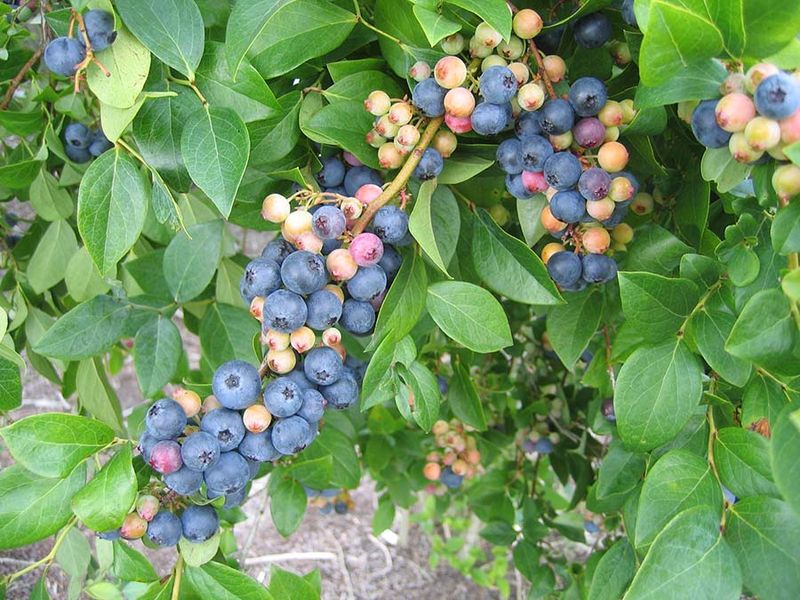
August heat can push North Carolina blueberry bushes to the edge of their comfort zone, and many gardeners watch ripening slow or stop just when they hoped for one more good picking. The good news is that the right cultivar choices, paired with steady root-zone care, can help bushes hold and ripen fruit later into the season.
Getting there takes more than just extra watering, though – it starts with decisions made long before summer arrives.
Rabbiteyes give many North Carolina yards the right late-season starting point
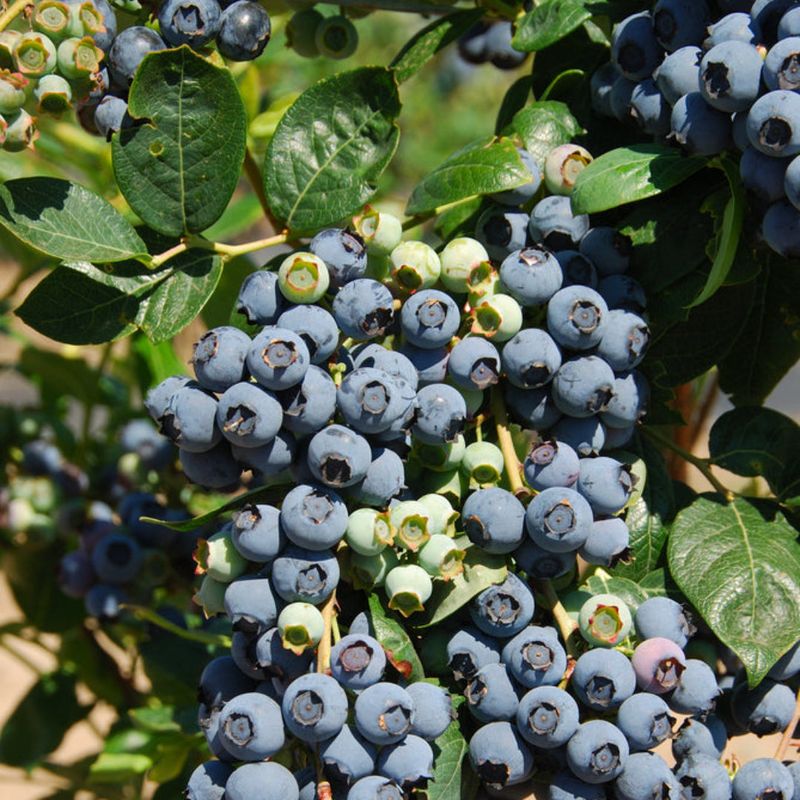
Rabbiteye blueberries have earned their reputation as the workhorse berry for much of North Carolina, and the reason comes down to basic biology. Where summers run long, soils trend acidic but variable, and heat builds through August, rabbiteyes hold up better than their highbush cousins.
NC State Extension’s home-garden blueberry guide describes rabbiteyes as more tolerant of heat, drought, and a wider range of soil conditions than highbush types, and notes that they ripen later and over a longer stretch of the season.
For Coastal Plain, Piedmont, and foothill yards sitting below roughly 2,500 feet in elevation, rabbiteyes represent the strongest general starting point. Their later ripening window is what opens the door to late-August and, under the right conditions, early-September harvests.
Highbush blueberries, by contrast, are better suited to western mountain sites above that elevation or where winter temperatures regularly fall well below 10 degrees Fahrenheit.
One detail that matters: rabbiteye tolerance of heat and drought does not mean these bushes can go without water. Blueberries are shallow-rooted plants, and even heat-tolerant varieties can develop stress quickly when the root zone dries out during fruit development.
That tolerance gives rabbiteyes a longer window to work with, but it does not eliminate the need for consistent moisture management.
The practical takeaway is that cultivar type sets the ceiling on how late a harvest can run. Late-summer watering and care protect whatever crop is already developing on the bush; they do not push a highbush variety to ripen on a rabbiteye schedule.
Starting with the right type for the region is the first, foundational step.
A September finish depends on timing built into the planting
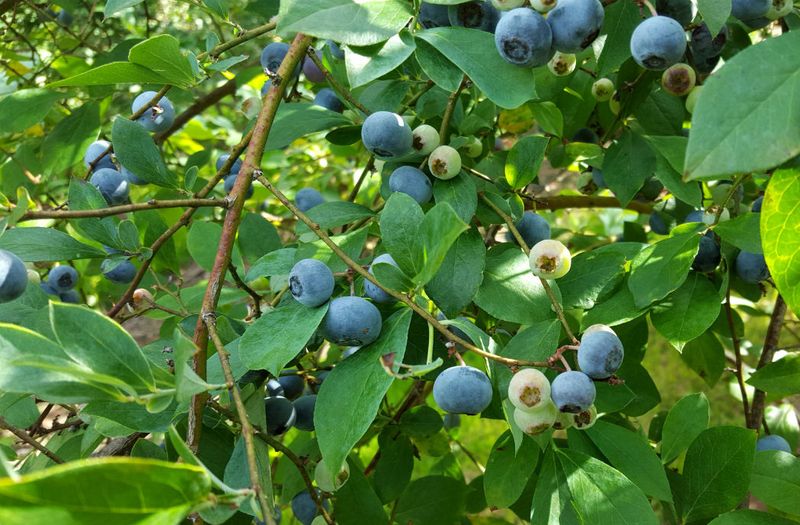
Expecting one blueberry bush to supply ripe fruit from June through September is setting that plant up to disappoint. A single bush simply should not be counted on for a reliable, continuous harvest all summer long.
The more dependable path to a longer picking window is planting at least two compatible cultivars, and ideally a staggered mix of early-, midseason-, and late-season varieties that hand off the harvest from one to the next.
For rabbiteyes specifically, the NC State Extension Gardener Handbook’s small-fruits chapter emphasizes that at least two different varieties should be planted to support pollination and fruit set. Cross-pollination between compatible cultivars improves both the number of berries and their development.
Pollination also affects berry size and how evenly berries ripen across the cluster, not just total fruit count.
Among late-season rabbiteye options for North Carolina, ‘Powderblue’ stands out for its long season and resistance to cracking, while ‘Onslow’ appears on NC State’s later-ripening recommendations as well. Pairing either of these with an earlier cultivar like ‘Premier’ or ‘Climax’ creates the staggered sequence that keeps fruit coming through the back half of summer.
How far into the season that sequence runs depends on the site. The NC State Plant Toolbox notes that a well-planned mix of early, mid, and late cultivars can extend harvest from June into mid-September, but NC State home-garden guidance more consistently supports a late-August expectation for most yards.
A mid-September finish remains possible in some locations and seasons – it is not a promise that applies statewide.
Pollination quality also shapes ripening. UGA Cooperative Extension’s guide to blueberry fruit set and ripening explains that poor pollination in rabbiteye varieties can contribute to uneven or incomplete ripening, which means that even a late cultivar planted alone may not deliver the full, well-timed harvest a gardener expects.
Consistent root-zone moisture protects fruit during late-summer heat
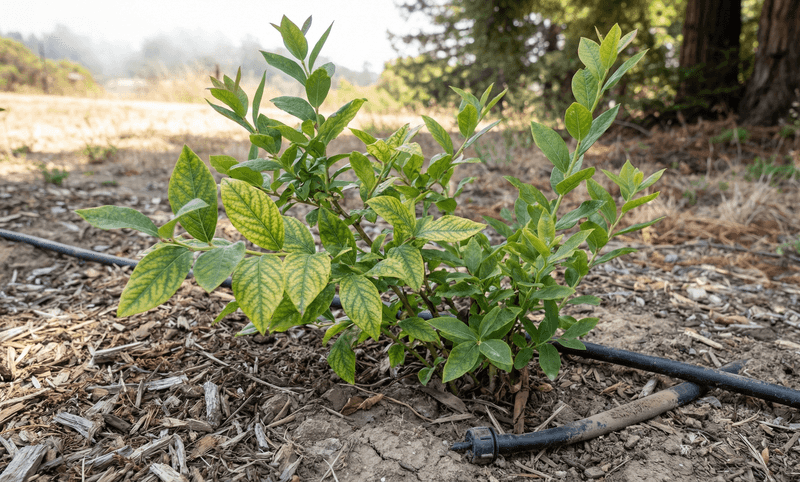
Water is the single most important late-summer intervention for North Carolina blueberry gardeners, but its role needs to be understood clearly. Keeping the root zone consistently moist helps the bush withstand heat stress and protects berries that are already developing.
It does not change when a cultivar ripens or extend the harvest window beyond what the plant’s genetics allow.
Blueberry roots sit close to the surface, which means they respond quickly to dry conditions. NC State’s guide to growing blueberries in childcare gardens recommends targeting about 1 to 2 inches of total water per week during the growing season, counting both rainfall and any supplemental irrigation.
When weekly rainfall drops below roughly 1 inch, additional watering becomes necessary to prevent stress from setting in.
That 1-to-2-inch figure is a seasonal guideline, not a daily instruction. Sandy soils drain faster and may need more frequent monitoring, while heavier clay soils hold moisture longer but also carry a higher risk of saturation if overwatered.
Raised beds and container plantings dry out faster than in-ground sites and deserve closer attention during heat spells.
Rather than watering on a fixed calendar schedule, check the root zone directly. Push a finger a few inches into the soil beneath the mulch layer; if it feels dry at that depth, the bush needs water.
If it feels consistently wet and the weather has not been dry, drainage may be the more pressing concern. Steady, even moisture differs from daily soaking, and prolonged saturation damages the shallow roots just as surely as drought does.
Even irrigation and renewed mulch stabilize the root zone
Knowing how much water to apply is only part of the equation. Delivering it in a way that actually reaches the full root zone makes a practical difference in how well bushes handle August heat.
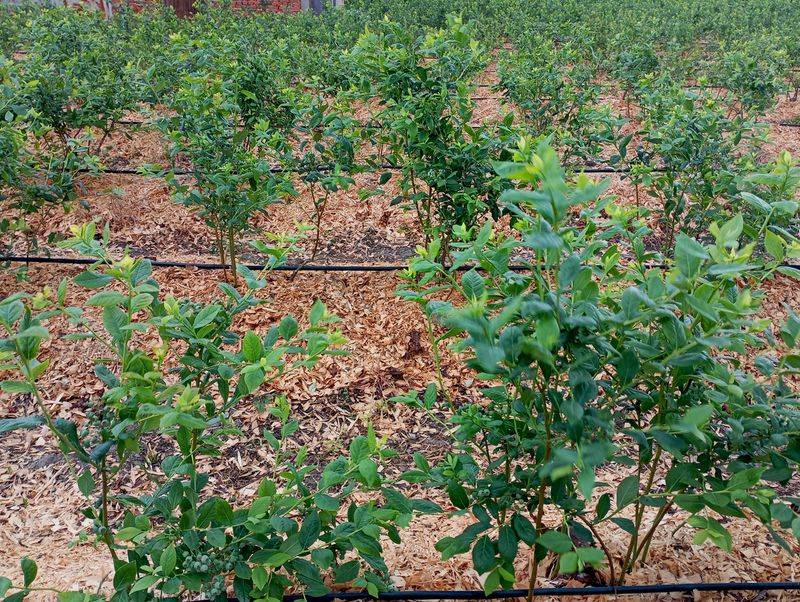
Soaker hoses and drip systems outperform casual hand watering because they wet a broad area of soil beneath the canopy rather than one small spot near the stem. NC State Extension’s blueberry home-garden publication recommends soaker hoses for more uniform wetting and cautions against daily irrigation, which can push roots upward toward the surface and create conditions favorable to root rot.
On sandy soils, a single drip emitter placed close to the base may not wet enough of the root zone to keep the plant adequately supplied during hot, dry stretches. The goal is to moisten a substantial portion of the area under the canopy, not just a small circle near the crown.
Properly spaced emitters or a looped soaker line accomplish this more reliably than a single point source.
Surface mulch works alongside irrigation to hold that moisture in place. Wood chips are a practical choice for home blueberry plantings.
A layer of about 2 inches applied annually, renewed as the material breaks down, helps moderate soil temperature and slow evaporation during the hottest weeks. Keep mulch pulled back from the crown and stems to avoid creating conditions that invite rot or pest problems at the base of the plant.
One clarification worth making: mulch moderates moisture and temperature at the root zone, and its effects on soil pH are limited and slow. Gardeners hoping to correct acidic-soil problems should not rely on mulch as the primary fix.
That job belongs to soil testing and targeted amendments, covered in the next section.
Acidic soil, good drainage, and adequate sun support the crop
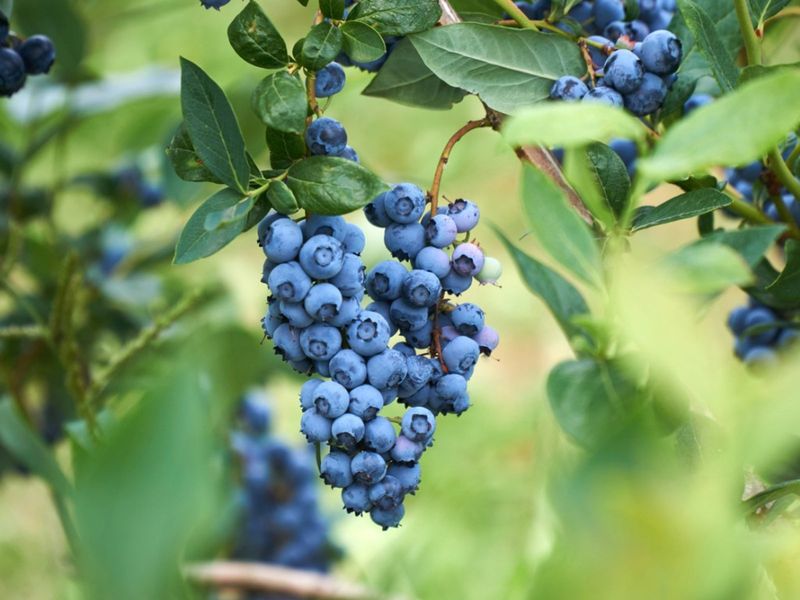
Consistent watering and good mulch can only do so much if the underlying site conditions are working against the plant. Blueberries perform best in soil with a pH of about 5.0 to 5.5.
Rabbiteyes tolerate a somewhat higher pH than highbush types, which gives them a little more flexibility in typical North Carolina soils, but they still struggle when pH climbs above 6.0. NC State Extension’s home-garden blueberry guidance emphasizes starting with a soil test rather than guessing, and correcting pH with elemental sulfur or other appropriate amendments based on the results.
Pine straw and wood-chip mulch are sometimes thought of as quick acidity fixes, but NC State Extension’s ornamental handbook notes that mulches have limited and slow effects on soil pH. A soil test and a properly applied amendment do the real work; mulch supports moisture and temperature management on top of that foundation.
Drainage deserves at least as much attention as pH. NC State identifies it as the most important site-selection factor for blueberries.
Consistent moisture helps the plant, but water that pools and stays around the roots for extended periods reduces root function and opens the door to root-rot diseases. A site that drains well after a heavy rain is far more forgiving during late-summer watering than one that stays soggy.
Full sun rounds out the picture. Blueberries can tolerate partial shade, but yield drops as light decreases.
Shade is not a recommended heat remedy for North Carolina blueberries; the practical late-summer priority is protecting the root zone from drying out while keeping the canopy in adequate sunlight to support fruit development through August.
Do not answer heat stress with heavy fertilizer or overhead water
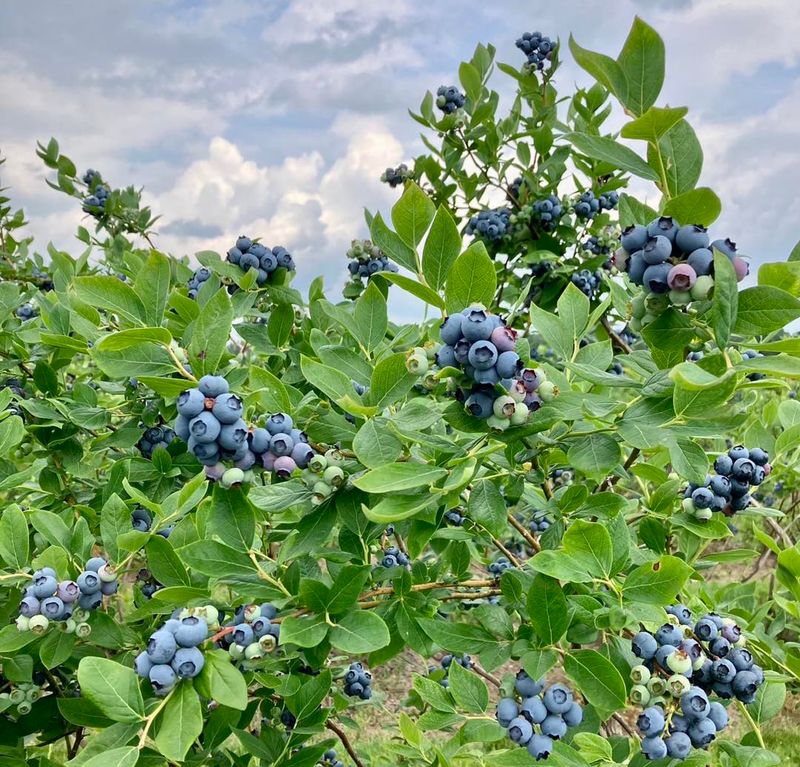
Two responses to late-summer stress feel intuitive but can actively harm the crop. The first is reaching for fertilizer when bushes look worn down by heat.
NC State Extension’s fertilizing guide for trees and shrubs advises against applying fertilizer to drought-stressed or heat-stressed plants. Routine blueberry fertilization in North Carolina is scheduled earlier in the season – generally through mid-August in the Coastal Plain and mid-July in the mountains – not applied as an emergency measure to push late-season fruit.
Extra nitrogen during stress does not substitute for water, pollination, or the cultivar timing that governs when berries ripen.
The second tempting mistake is running overhead sprinklers to cool the plants or make up for dry spells. North Carolina summers combine heat with humidity, and that combination creates favorable conditions for anthracnose ripe rot, a fungal disease that can spread through rain splash, irrigation water, and direct contact between berries.
NC State Extension’s anthracnose ripe rot publication identifies this disease as a significant concern in the state’s warm, humid climate. Drip lines and soaker hoses reduce the amount of water that contacts fruit and foliage, which lowers the exposure to conditions that allow the disease to spread.
Overhead irrigation does not eliminate that risk.
Neither heavy feeding nor overhead wetting forces additional fruiting. The distinction between protecting existing fruit and creating new fruit matters here.
By late summer, the berries that will ripen are already set; the job is to keep them on the bush in good condition until they are ready to pick. Shade cloth and emergency fertilizer do not change that timeline, and misapplied inputs during stress can make the plant’s recovery harder rather than easier.
Let berries ripen fully and protect them until harvest
Patience at harvest time pays off more than most gardeners expect. Rabbiteye berries that have just turned blue are not necessarily ready to eat.
The color change is a signal that ripening has begun, not that it is finished. Berries picked too early often taste sour or slightly bitter, and returning to the bush a few days later typically yields far better flavor.
NC State guidance describes harvesting rabbiteyes roughly every 10 days, while a separate NC State publication advises waiting at least seven days after berries turn blue before picking. Both reflect the same practical point: give the fruit time after the color shift before stripping the cluster.
The exact timing depends on the cultivar, the weather, and how warm nights have been, so checking a few berries from different parts of the bush is a more reliable guide than watching the calendar.
Wildlife can remove that carefully tended late crop before a gardener ever gets to it. Birds in particular can clean a bush quickly once berries reach full color.
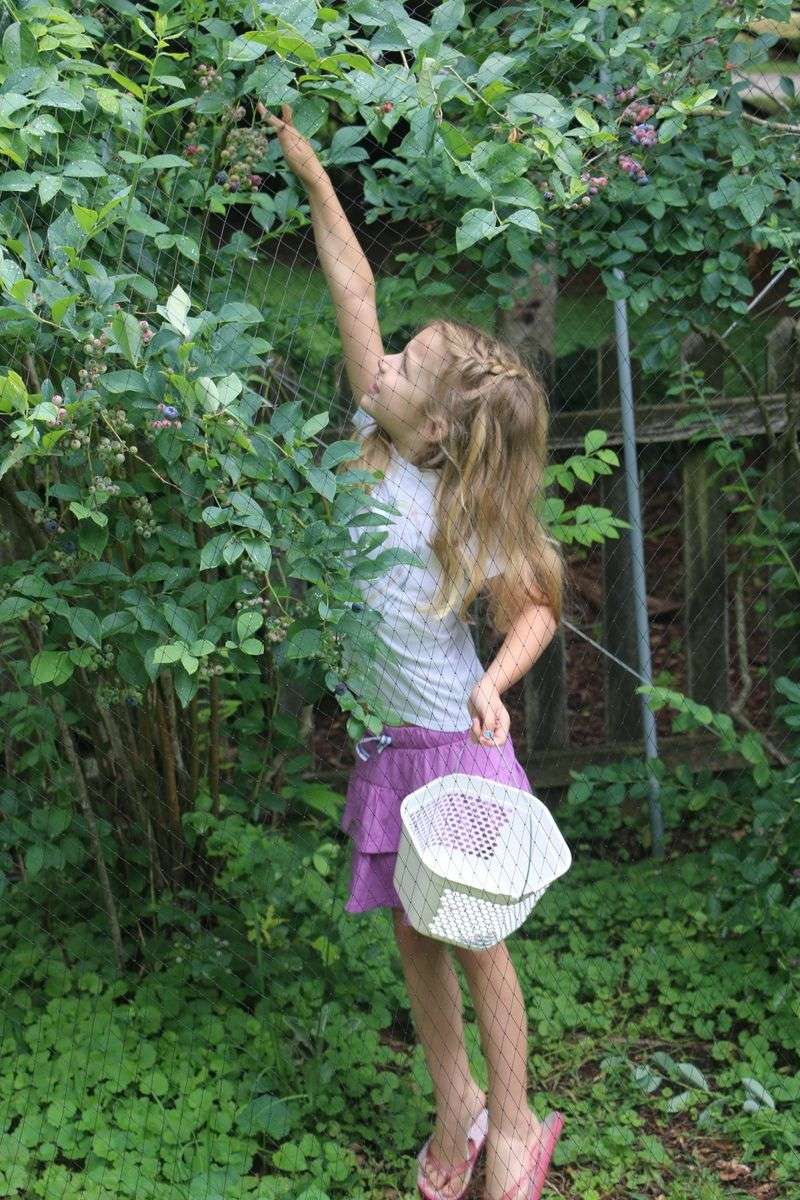
The NC State Extension Gardener Handbook recommends supported nylon netting as the most practical home-garden defense, installed over a frame that keeps the mesh off the branches so birds cannot reach berries through the fabric. Netting should be checked regularly to make sure wildlife has not become entangled in it.
Connecting all of these habits – careful timing, steady moisture through the ripening period, and active protection from birds – creates the realistic possibility of ripe berries still on the bushes well into late August. In some sites and seasons, that window stretches a little further.
The goal is to keep the crop intact long enough to find out.
Protect a late crop without promising September
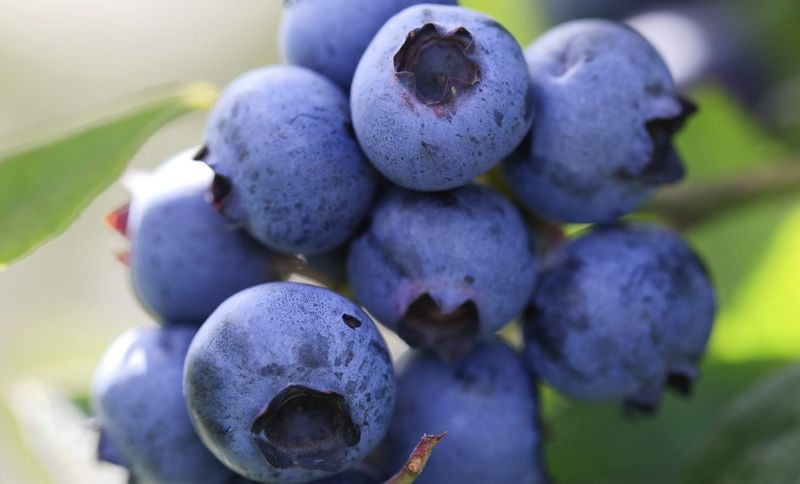
Pulling together everything that supports a late North Carolina blueberry harvest comes down to a short, repeatable sequence. Choose rabbiteye varieties where site conditions fit – primarily Coastal Plain, Piedmont, and foothill yards below roughly 2,500 feet.
Plant at least two compatible cultivars, and include a late-season variety like ‘Powderblue’ or ‘Onslow’ alongside earlier types to create a staggered ripening window rather than a single flush of fruit.
Keep the shallow root zone consistently moist through August without saturating it. NC State’s childcare-garden blueberry guide frames the 1-to-2-inch weekly water target as a seasonal reference point, not a rigid daily rule.
Renew wood-chip mulch annually, maintain well-drained, acidic soil verified by a soil test, skip fertilizer when plants are under heat or drought stress, and route irrigation through drip lines or soaker hoses rather than overhead sprinklers. Cover ripening berries with supported nylon netting and check it regularly.
None of these steps guarantees September blueberries in every North Carolina yard. What they do is give a well-matched planting its best realistic chance to hold fruit through the back half of summer.
Late August is the more dependable expectation; September is a welcome outcome in the right season, on the right site, with the right cultivars. A garden that earns that outcome most years is built on steady, unglamorous care – not on a single late-summer rescue effort.