
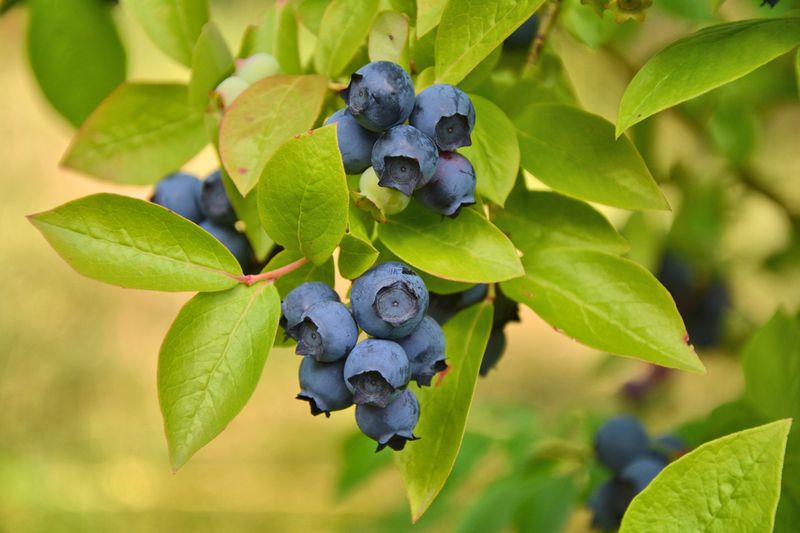
Blueberry bushes that flower every spring but barely produce fruit are one of the most frustrating problems in a North Carolina backyard garden. The good news is that weak harvests usually trace back to a handful of fixable causes, and most of them can be addressed without replacing the entire planting.
Working through the right diagnosis in the right order is what separates a bush that limps along from one that actually delivers a useful crop.
Start by matching the blueberry to its North Carolina site
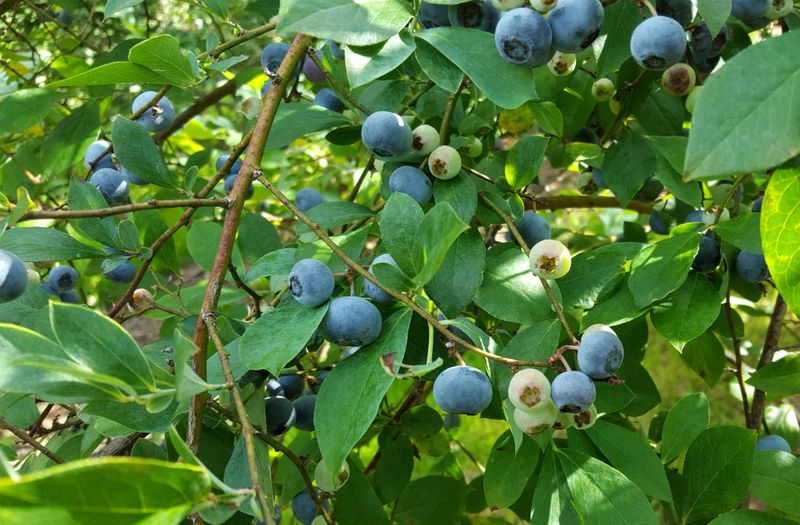
A blueberry bush can leaf out, bloom, and even survive for years in the wrong location while producing almost nothing worth picking. Before adjusting fertilizer, changing the watering schedule, or picking up pruning shears, the first step is confirming that the type of blueberry growing in the bed actually suits the North Carolina region where it is planted.
Three types are commonly grown in the state: rabbiteye, northern highbush, and southern highbush. They are not interchangeable.
Rabbiteye blueberries are generally well adapted to most Piedmont, foothill, and lower-elevation Coastal Plain sites because they tolerate heat, drought, and a wider range of soil conditions. NC State Extension’s small fruits handbook notes that highbush types are more appropriate for many mountain sites, especially above roughly 2,500 feet, while southern highbush requires carefully amended, well-drained conditions and carries more spring-freeze risk in parts of the Southeast.
The differences go beyond cold tolerance. Each type has different chilling hour requirements, meaning the number of hours below a threshold temperature needed to break dormancy and set flower buds properly.
A cultivar that needs more winter cold than a Coastal Plain or Piedmont site typically delivers may leaf and bloom weakly or erratically. A highbush cultivar planted at a lower elevation with hot summers and mild winters may survive but never fruit reliably.
Elevation, frost pocket location, summer heat load, and typical winter temperatures all interact with blueberry type in ways that a single regional label cannot capture. The practical step is to identify the cultivar name if possible, then compare its known requirements against the actual site conditions.
Correcting soil pH, drainage, and moisture may improve a marginal planting, but a substantial mismatch in cold, heat, or chilling requirements may mean that evaluating a better-adapted cultivar is the more productive long-term move.
Use a soil test before changing the bed
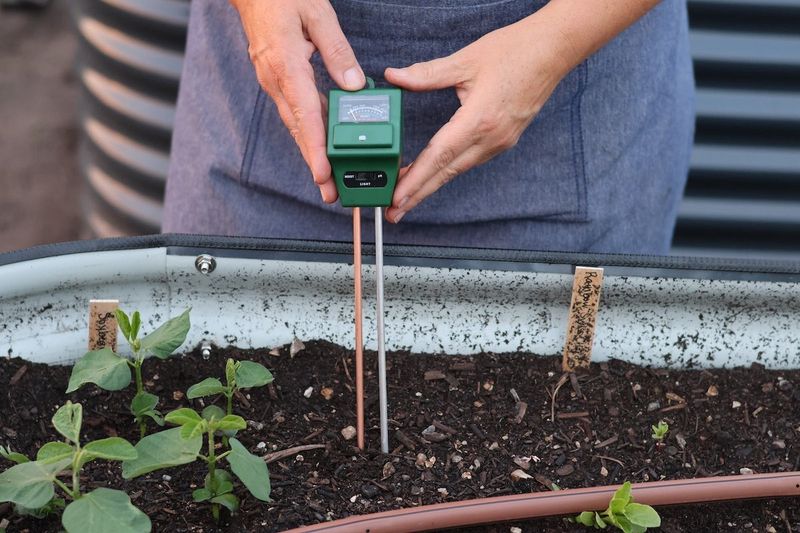
Blueberry roots are shallow, fine, and remarkably sensitive to soil chemistry. They perform best in acidic, well-drained soil with good organic matter, and when those conditions are off, even a healthy-looking bush can produce little fruit.
Soil pH is usually the first thing to check, but it is not the only factor that matters.
Blueberries generally grow well in a pH range of about 4.5 to 5.5. NC State’s home garden blueberry guide targets approximately 5.0 to 5.5 for many backyard situations, while noting that different blueberry types have slightly different tolerances.
When pH climbs above 6.0, nutrient availability drops, root health suffers, and consistent fruit production becomes difficult regardless of how much fertilizer or water the gardener adds.
Getting a laboratory soil test through NC State’s soil testing service or a certified lab is the right starting point. A test gives a pH reading along with nutrient levels, organic matter content, and a specific amendment recommendation.
Guessing at the pH and applying sulfur without a test result can lead to over-application, which can damage plants and disrupt nutrient balance in ways that are hard to reverse quickly.
Elemental sulfur is the standard amendment for lowering soil pH, but the correct rate depends on soil texture, organic matter content, and how far the pH needs to drop. NC State’s acidifier rate guide explains how to calculate the right amount based on those variables.
Sulfur also needs time to react, sometimes several months or close to a year for a new bed, so re-testing after the reaction period is safer than adding more product and hoping for the best.
Acidic organic materials such as pine bark, pine sawdust, or pine straw can support soil structure, moisture retention, and weed control, but they should not be treated as a reliable substitute for tested pH correction. Coffee grounds and pine needles will not rapidly acidify native soil that tests well above the target range.
NC State’s soil acidity guide is clear that lime-containing amendments and ordinary alkaline potting mix move conditions in the wrong direction for blueberries and should be avoided in these beds.
Give shallow roots sun, drainage, and steady moisture
Even when the soil pH is correct and the cultivar suits the region, physical growing conditions can quietly limit a crop. Blueberries have shallow, fibrous root systems that depend on the right balance of sunlight, soil moisture, and drainage, and falling short on any one of those can reduce fruit set more than most gardeners expect.
Light is the most commonly underestimated factor. A blueberry bush planted in partial shade may stay alive and even produce some flowers, but extension guidance is consistent: fruit production will be poor in shady sites.
Full sun, or at least a predominantly sunny location with six or more hours of direct light, gives a bush the energy it needs to form flower buds in late summer and ripen fruit the following season. Moving an established bush is difficult, but shading from a growing tree or fence is worth noting as a possible cause before assuming the soil or the cultivar is the problem.
Drainage is what NC State identifies as the most critical site-selection factor for blueberries. Standing water after rain can suffocate the shallow roots within days.
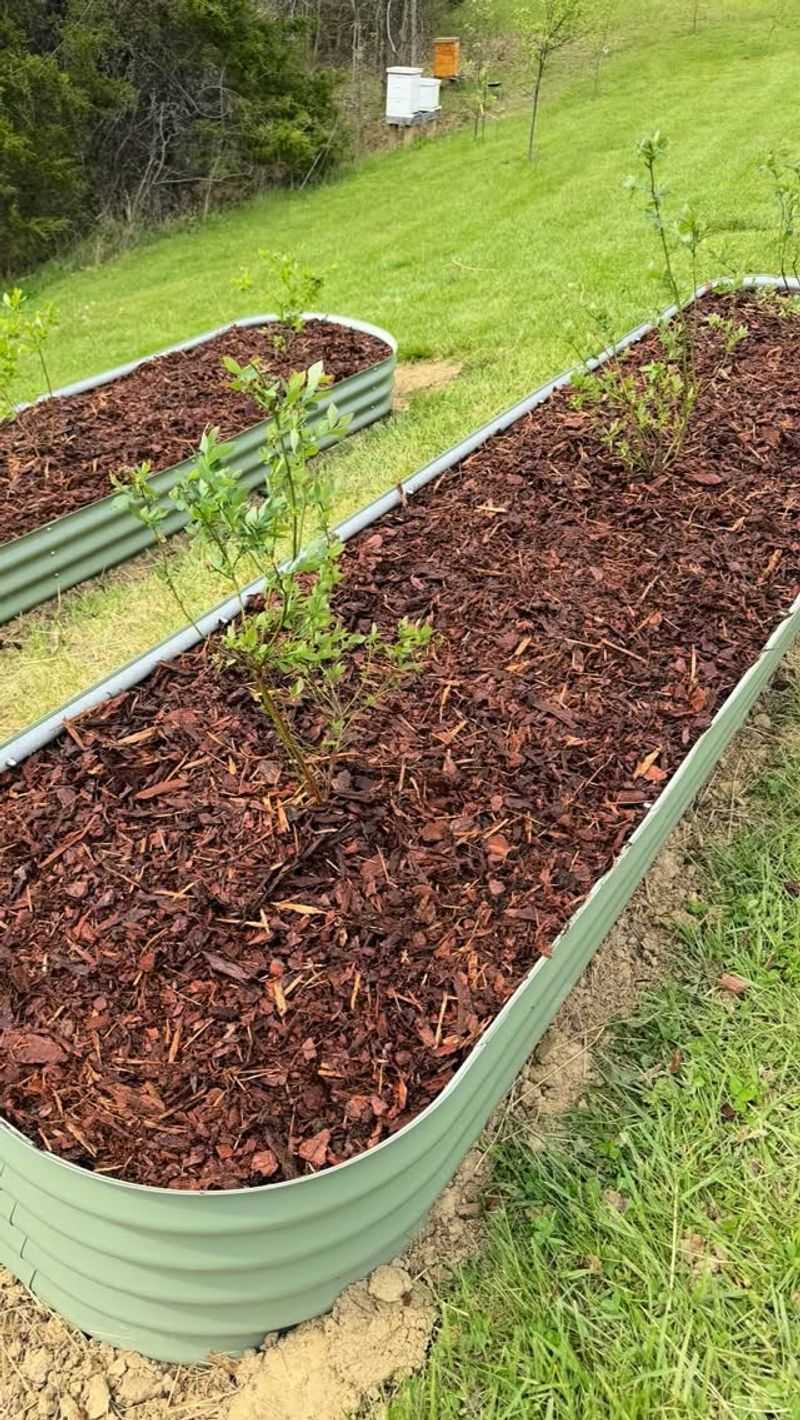
Where native soil stays wet, building a raised bed or planting on a low ridge improves drainage enough to make a marginal site workable. The goal is moist soil that drains freely, not wet soil that holds water near the crown.
Consistent moisture matters just as much as drainage, particularly during fruit development and again in late summer when the bush is setting flower buds for next year’s crop. UGA Cooperative Extension’s home garden blueberry guide recommends maintaining even soil moisture through that period, especially in sandy or fast-draining soils.
A two- to four-inch layer of pine straw, wood chips, or pine bark mulch helps hold moisture between rain events and suppresses competing weeds, but mulch alone cannot replace supplemental irrigation when a dry stretch extends beyond a week or two during the growing season.
Plant compatible cultivars to improve pollination
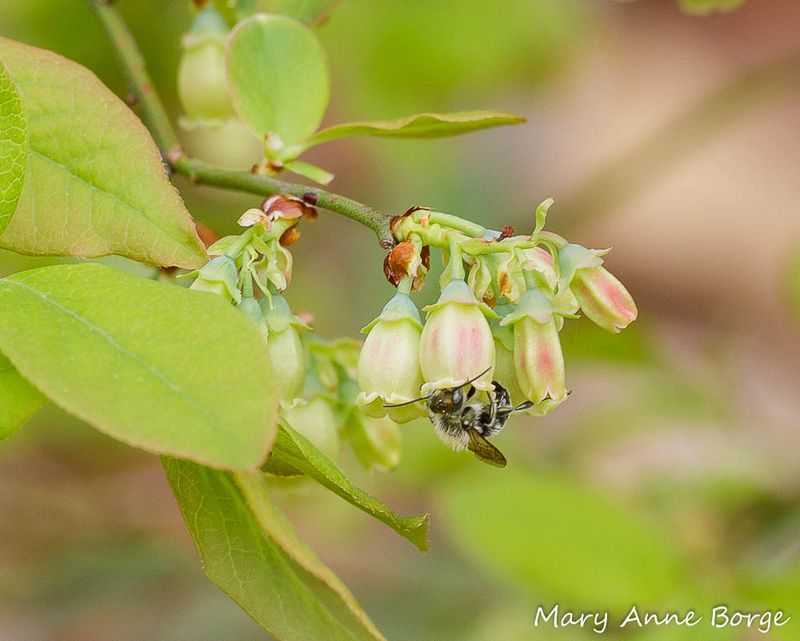
Seeing a blueberry bush covered in flowers every spring and still harvesting almost nothing is one of the clearest signs that pollination is falling short. A single bush, or a pair of cultivars that bloom at different times, can produce plenty of flowers without reliable fruit set, because most blueberry cultivars depend on insect-carried pollen from a compatible partner to set a full crop.
NC State Extension recommends growing at least two different cultivars with overlapping bloom periods. For rabbiteye blueberries especially, the small fruits handbook is specific: the varieties must bloom at the same time.
Pairing one early-blooming cultivar with one late-blooming cultivar can leave a gap with no compatible pollen available during peak flowering. Checking bloom timing before buying plants, rather than simply picking two different cultivars off a shelf, makes a real difference.
Insects do the actual work of moving pollen between flowers. Bumblebees are especially effective because they use a vibrating motion called buzz pollination that shakes loose the pollen blueberry flowers hold tightly inside.
Solitary bees and honey bees also contribute. The problem is that cool, rainy, or very hot weather during bloom can reduce bee activity enough to cut fruit set noticeably, even when compatible plants are present and bloom periods overlap.
NC State notes that pollinator availability during bloom is a real variable that gardeners cannot fully control.
Planting two compatible cultivars improves the odds and generally produces better berry size and more even ripening compared to a single-variety planting. UGA’s guide on blueberry fruit set and development confirms that cross-pollination between compatible cultivars supports larger, earlier-ripening berries.
However, no pairing eliminates the effects of a late freeze, a cold wet bloom week, drought stress, unsuitable soil, or plant age on the final harvest.
Compatible pollination partners raise the ceiling; they do not guarantee a heavy crop in every season.
Let young bushes build roots before carrying fruit
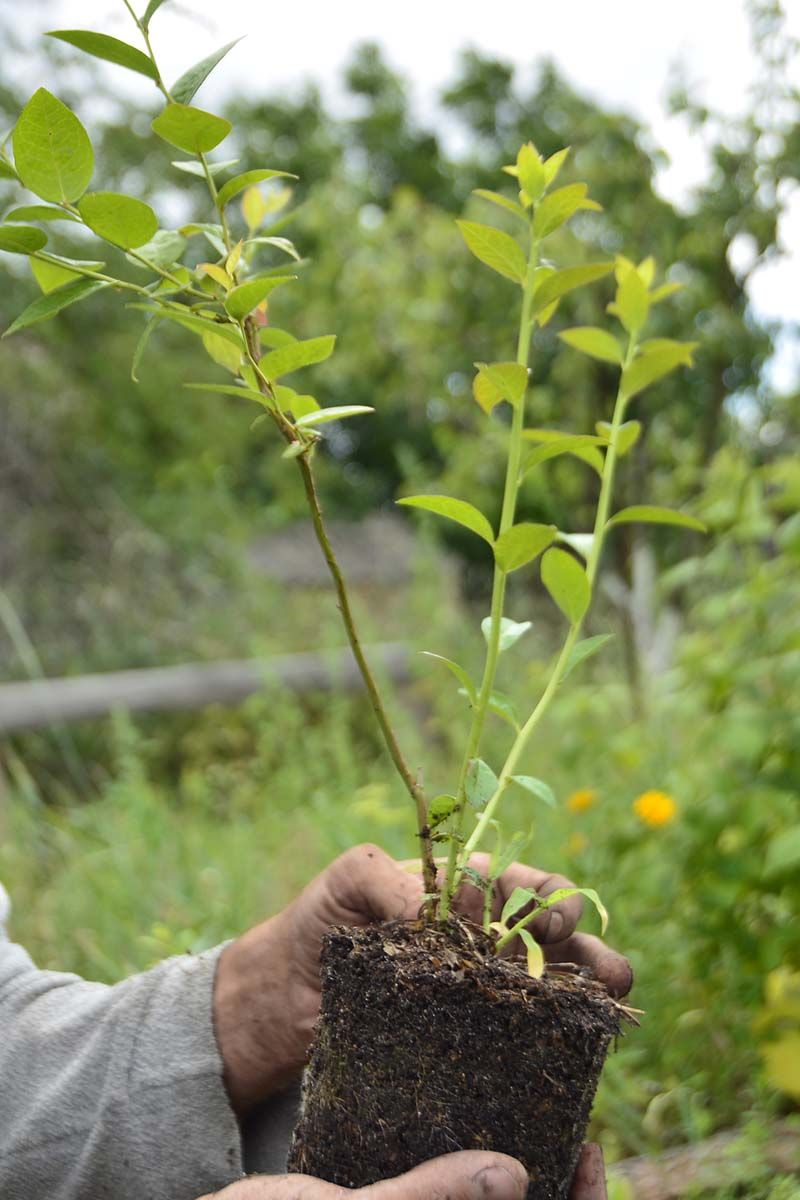
Newly planted blueberry bushes have a tendency to set a few flowers and even some fruit in their first season, and many gardeners take that as a promising sign. The reality is that allowing a young bush to carry fruit too early pulls energy away from root and canopy development, which is exactly what the plant needs most during its first one to two years in the ground.
Extension guidance is consistent on this point: remove flowers and fruit from first-year plants entirely. Letting a bush focus its resources on building a strong root system and establishing its branch structure leads to a healthier, more productive plant over time.
NC State’s home garden blueberry guide supports allowing only a limited second-year crop if the bush is growing vigorously, but young plants should not be pushed into heavy fruiting before they are ready.
Steady moisture and careful fertilization support that establishment process, but both require restraint. Delay any fertilizer application immediately after transplanting, and wait until new growth is actively emerging before feeding at all.
Keep fertilizer spread away from the trunk and crowns to avoid burning the shallow roots. UGA’s home garden blueberry guide is direct about the risk of excess fertilizer: blueberries are salt-sensitive, and too much can damage young plants, produce excessive leafy growth, and actually reduce long-term productivity.
Using soil test results and visible plant vigor to guide fertilizer decisions is a more reliable approach than following a fixed calendar schedule. NC State’s fertilizing guide for trees and shrubs reinforces that more feeding cannot compensate for unsuitable soil chemistry, poor drainage, inadequate light, or drought stress.
Those underlying conditions have to be addressed first, because no fertilizer program produces a productive bush when the growing environment is working against it.
Renew mature canes with careful dormant pruning
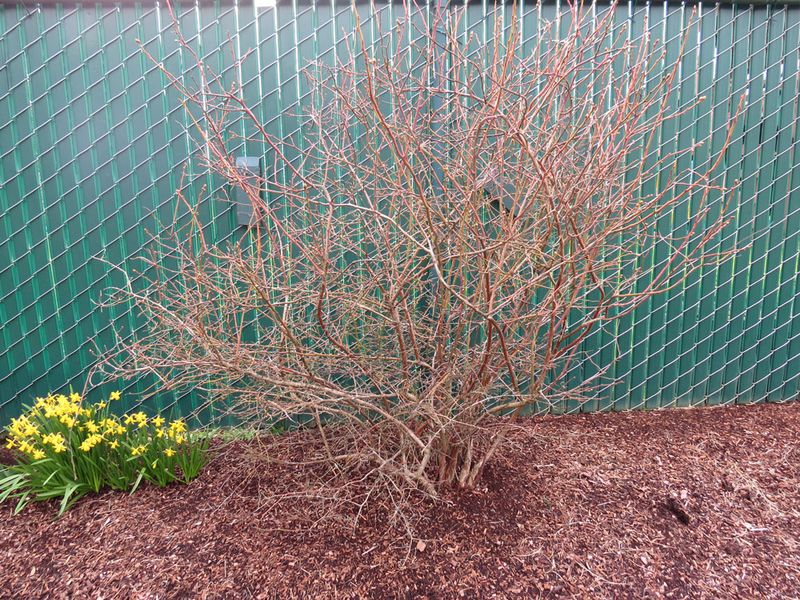
Mature blueberry bushes that have gone several years without pruning tend to become dense, tangled, and crowded with old wood that produces fewer and smaller berries each season. Pruning during dormancy, typically in late winter before new growth begins, is the standard way to address that decline and redirect the plant’s energy toward productive new growth.
The pruning job for a mature bush involves removing weak, diseased, damaged, low-hanging, and crossing canes first. After that, thinning some of the flower buds prevents overcropping, which is the tendency of a heavily loaded bush to produce many small berries at the cost of plant vigor and next year’s bud formation.
NC State’s guide for blueberry production recommends removing at least some flower buds from mature plants, with the proportion depending on the bush’s overall vigor and type.
For mature rabbiteye bushes, a gradual cane-renewal approach works better than infrequent severe cuts. UGA’s home garden blueberry guide recommends removing one to three of the oldest or tallest canes each winter, roughly 20 percent of the canopy, once the bush reaches about four to six feet in height.
Over several years, this gradually replaces aging wood with younger, more productive growth without shocking the plant or sacrificing an entire season’s crop at once.
The tradeoff in any pruning program is worth understanding clearly. Removing flower buds and old fruiting wood improves future productivity but reduces the current season’s harvest.
That is not a flaw in the approach; it is the intended outcome. A bush that is pruned thoughtfully over several years builds stronger replacement canes and carries a more manageable crop load each season.
Pruning recommendations should always be adjusted for the specific blueberry type and the individual plant’s vigor, because a weak or recently planted bush needs a different approach than a well-established, overgrown one.
Inspect flowers and fruit before blaming the plant
Sometimes a blueberry bush has the right cultivar, the right soil pH, adequate drainage and light, and a compatible pollination partner, yet still delivers a disappointing harvest. Before concluding the plant is simply unproductive, it is worth separating two different problems: fruit that never formed, and fruit that formed but never reached the gardener.
Spring freezes are a common cause of the first problem. A bush can carry healthy flower buds through winter, bloom on schedule, and then lose most of its fruit set to a single night below freezing after bloom opens.
Southern highbush cultivars are at particular risk in parts of the Southeast because they tend to bloom earlier than rabbiteye types, putting open flowers in the path of late-season cold snaps. NC State’s small fruits handbook identifies spring freeze damage as a real production limiter, especially in years with erratic late-winter warming followed by a cold return.
Cool, wet, or very hot weather during bloom can also reduce pollinator activity enough to cut fruit set even when compatible cultivars are present. If flowers appear healthy but few berries develop, checking bloom-period weather records can help explain a poor year without pointing to a structural problem with the planting.
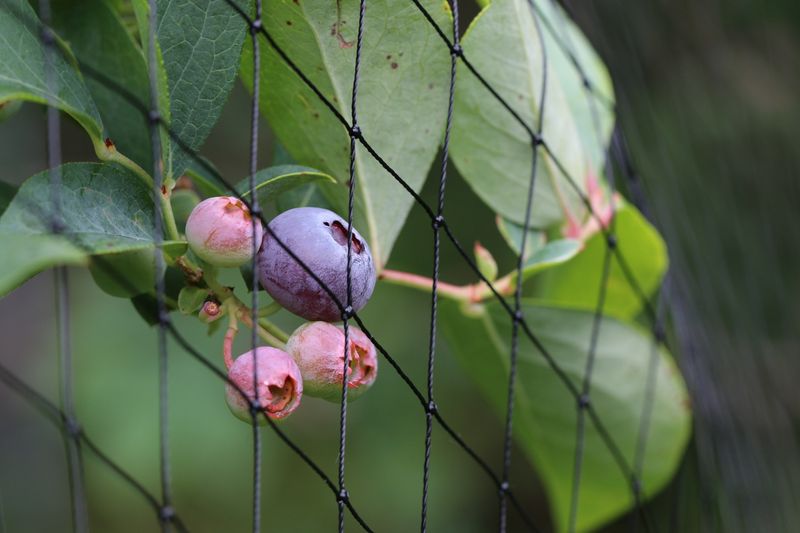
When flowers set fruit but few berries make it to harvest, birds are often the explanation. A bush that looks unproductive may actually be feeding a flock of robins or mockingbirds before the gardener gets there.
Netting is a practical solution when the bush is otherwise healthy, though no single net design works for every backyard setup. UC Agriculture and Natural Resources notes that bird pressure can account for a significant portion of apparent harvest loss in home plantings.
Bud mites, leaf diseases, and fruit diseases can also reduce yield, and NC State’s bud mite resource and leaf disease guide are the right starting points for identifying those problems. Diagnosis should always come before treatment.
Applying pesticides, fungicides, oils, or neem products without identifying the specific pest or disease first is not a reliable fix, and NC State cautions that oil-based sprays can damage blueberry foliage in some situations.
Follow the diagnosis in sequence and judge results over time
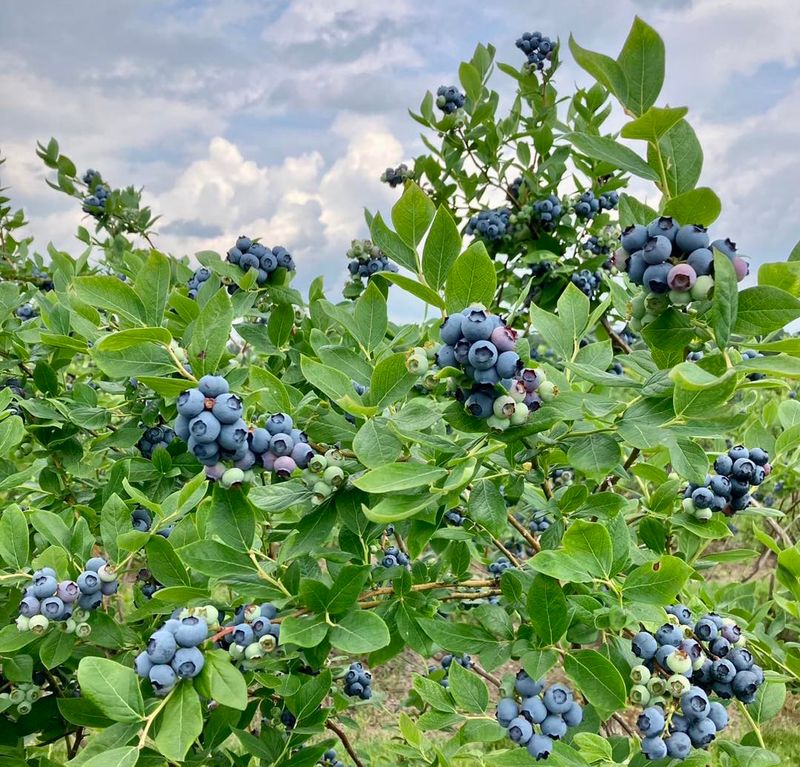
Working through the diagnosis in order matters as much as knowing the individual fixes. Identify the blueberry type and confirm it suits the NC region and elevation first.
Then get a soil test, correct pH and drainage based on the results, and verify that the planting gets adequate sunlight and consistent moisture. Add a compatible pollination partner if only one cultivar is present, protect young plants from cropping too early, and prune mature canes during dormancy each late winter.
Only after those conditions are in place does it make sense to investigate weather events, bird pressure, or pest and disease damage as the remaining explanation for a poor harvest.
NC State’s blueberry guide and the small fruits handbook both support evaluating results across more than one season. Sulfur needs months to lower pH.
New plantings need a full season or two to establish. Pruning changes play out over several years of cane renewal.
Expecting a transformed harvest the same season any one fix is applied sets an unrealistic standard.
UGA’s guide reinforces that a correctly matched and well-managed bush has a genuinely better chance of producing consistently, but no combination of practices guarantees a heavy harvest in every season. Weather, pollinators, and timing will always introduce some variation.
The goal is a planting that is set up to succeed when conditions cooperate.