
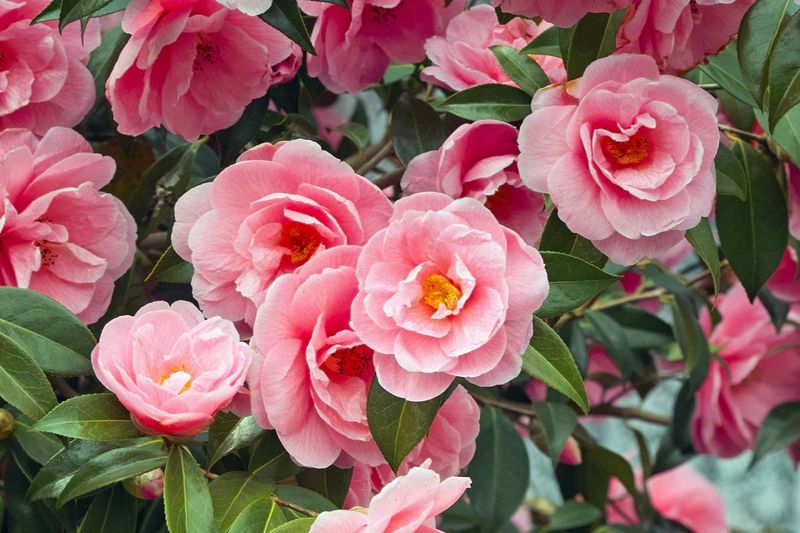
Camellias are one of the few shrubs that bring real color to a North Carolina yard when almost everything else has gone quiet for the season. The idea that you can get them blooming nonstop through cold snaps is appealing, but it needs a closer look before you head to the nursery.
A longer, more reliable camellia display is absolutely within reach, and the gardeners who pull it off are doing a handful of specific things right, starting with which plants they choose and where they put them.
Build a longer display instead of chasing nonstop bloom
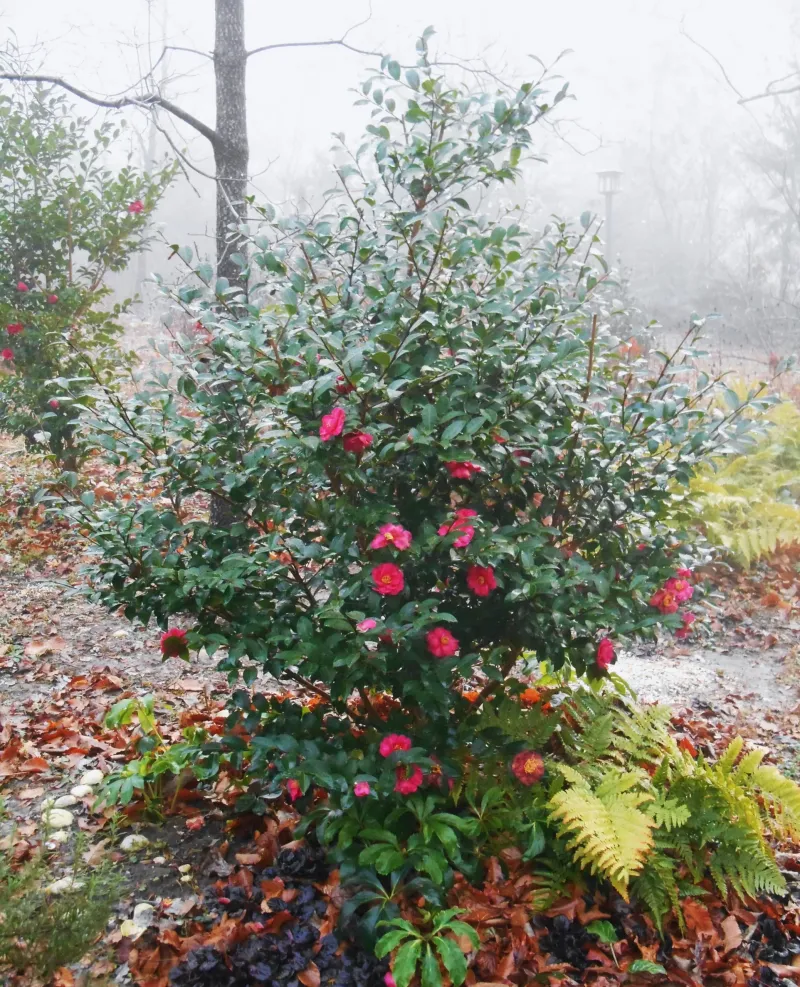
Camellias cannot bloom continuously through every cold snap, and no single product or trick will change that. What gardeners can do is build a succession of color that runs from fall well into spring by combining plants with different bloom windows and giving each one the care it actually needs.
That is a meaningful payoff, even if it is not the same as one shrub flowering without pause from October through March.
The broad sequence works like this: NC State Extension describes Camellia sasanqua as a late-fall and early-winter bloomer, with individual plants typically flowering for four to six weeks and individual flowers lasting only a few days. C. japonica generally takes over from winter into early spring, carrying larger flowers that extend the season past what sasanqua can cover on its own.
Cold-hardy hybrids can fill gaps at sites where winter exposure makes traditional selections unreliable.
According to N.C. Cooperative Extension, thoughtful variety selection can create a succession of camellia color from September through May.
That is an impressive window, but it requires more than one plant and more than one species. A hard freeze can still brown open flowers and injure developing buds regardless of how carefully you have planned, so the honest goal here is an extended display with reduced cold-related losses, not a guaranteed unbroken show.
Sound care, correct placement, and appropriate cultivar choices are what make the difference. NC State Homegrown reminds gardeners that even well-established plants can lose a season’s flowers to an unusual cold event.
Plan for a long season, protect what you can, and accept that some cold damage is part of growing camellias in North Carolina.
Match bloom timing and hardiness to your North Carolina site
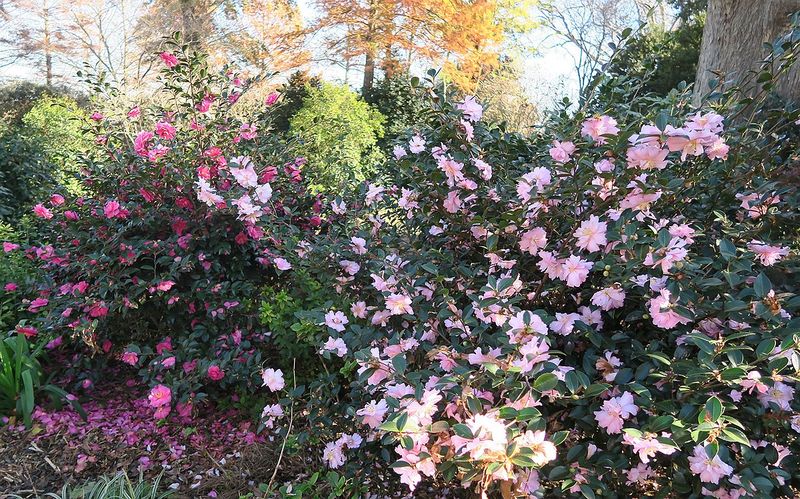
Cultivar selection is the first practical decision, and it matters more than almost anything else you will do for your camellias. Choosing by flower color alone is how gardeners end up with a shrub that blooms at the wrong time, struggles through winter, or drops every bud during a cold snap that a better-matched plant would have shrugged off.
C. sasanqua is the go-to choice for late-fall and early-winter color, and it handles more sun than most people expect from a camellia. It is also somewhat more resistant to Phytophthora root rot than C. japonica, which matters in wetter sites.
C. japonica generally produces larger flowers from late winter into early spring, with bloom timing shifting by weeks depending on the specific cultivar and how exposed the site is.
For Piedmont and mountain gardens where winter temperatures can swing hard, cold-hardy hybrids offer more consistent results than assuming any traditional japonica will perform. The JC Raulston Arboretum at NC State identifies several improved-hardiness selections worth considering: ‘Winter’s Rose,’ ‘Snow Flurry,’ ‘Polar Ice,’ ‘Frost Prince,’ and ‘Frost Princess.’ These were selected specifically for better performance in colder or more exposed conditions, though no cultivar label guarantees that every open flower will survive a hard freeze.
NC State Extension highlights ‘Yuletide’ for December color and ‘Crimson Candles’ for February and March flowers, with ‘Crimson Candles’ rated hardy in USDA Zones 7-9 and able to tolerate night temperatures in the 20s. Pairing an early sasanqua with a mid-season japonica and one of the cold-hardy hybrids gives you the best shot at color across multiple months.
The American Camellia Society notes that plant hardiness and flower-bud hardiness are separate things, so even a zone-appropriate shrub can lose its blooms during an unusually severe cold event.
Choose shelter that reduces winter stress
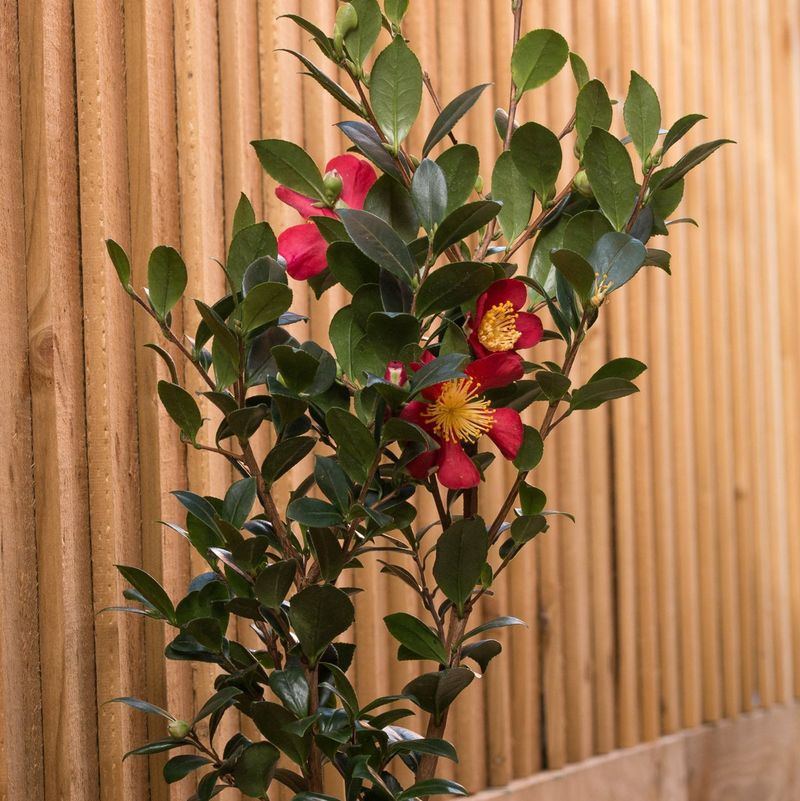
Placement is one of those decisions that cannot be undone without a lot of effort, so getting it right before you plant saves years of frustration. Camellias that struggle with winter wind, harsh morning sun on cold foliage, or exposure to frost pockets lose more buds and flowers than those in a thoughtfully chosen spot, even when the soil and watering are identical.
NC State recommends partial shade or filtered light for camellias, with specific attention to avoiding early-morning winter sun and hot afternoon exposure. Cold foliage hit by direct morning sun can desiccate and scorch because the plant cannot replace moisture fast enough from frozen or near-frozen soil.
A north- or east-facing wall, the sheltered side of a fence, or the canopy edge of a larger tree can provide the kind of broken light that suits camellias well without plunging them into dense shade.
Sasanquas tolerate more sun than japonicas, but that sun tolerance does not extend to drying winter wind or severe cold without some protection. Both species benefit from a site that buffers the worst of winter exposure.
Low spots in the yard where cold air pools overnight are worth avoiding, particularly for new plantings or for cultivars at the edge of their hardiness range.
The JC Raulston Arboretum notes that a sudden severe cold snap following a warm fall can injure even plants that are normally reliable in the Piedmont. The American Camellia Society echoes this, pointing out that exposed sites compound the risk of flower and bud loss during temperature swings.
Shade does not guarantee bloom survival, but a sheltered spot consistently reduces the severity of cold damage compared to an open, wind-swept location.
Maintain moisture and drainage from planting through bud development
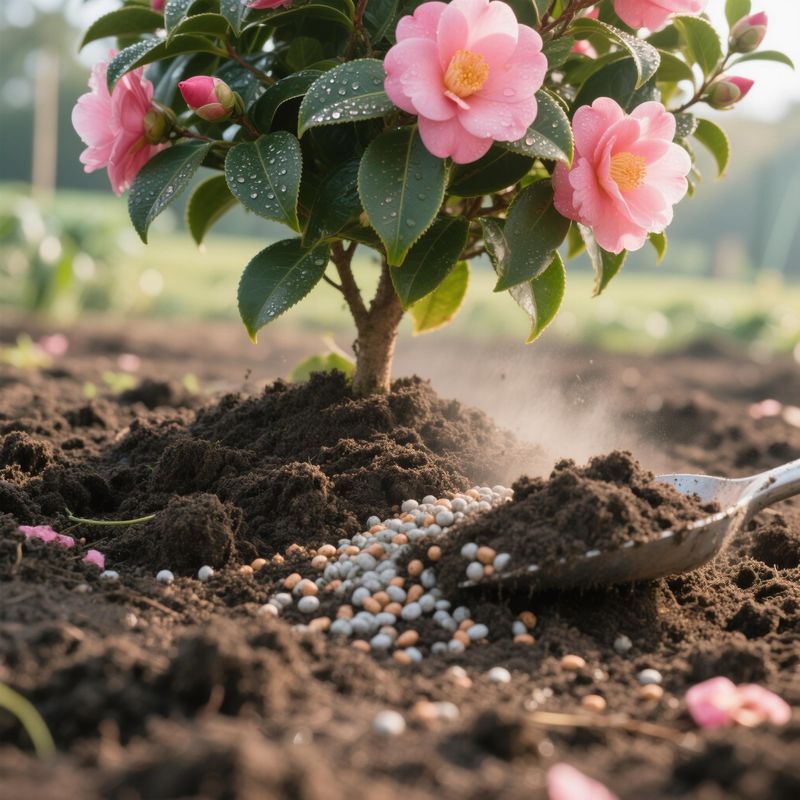
Soil conditions and watering habits shape whether a camellia develops a full set of flower buds or drops them before they ever open. Getting this right is not complicated, but it does require attention at a few key moments in the growing season rather than a set-it-and-forget-it approach.
NC State identifies moist, well-drained, organically rich, slightly acidic soil as the preferred growing medium, with a pH range of approximately 5.5 to 6.5 for Japanese camellia. Planting too deeply is one of the most common establishment mistakes; NC State recommends digging the hole three to four times wider than the root ball rather than deeper, so roots can spread laterally into improved soil without sitting in a water-collecting pit.
Mulch does two jobs worth paying attention to: it stabilizes soil moisture between rain events and moderates soil temperature through winter. NC State advises replacing mulch regularly and keeping it pulled back from direct contact with the trunk to avoid rot.
University of Minnesota Extension supports mulch as a practical insulating layer for roots and soil during cold periods, a principle that applies to North Carolina winters as well.
August and September are the months that catch gardeners off guard. NC State reports that drought during this period can inhibit flowering the following season because the plant is setting buds while summer heat is still intense.
Underwatering is not the only risk, though. Overwatering and poor drainage can contribute to bud drop and root disease just as readily.
Steady, even moisture through late summer and fall supports bud development; it cannot force one plant to bloom continuously, but it removes one of the most common reasons a well-chosen camellia underperforms.
Prune when flowering ends, not before the next display
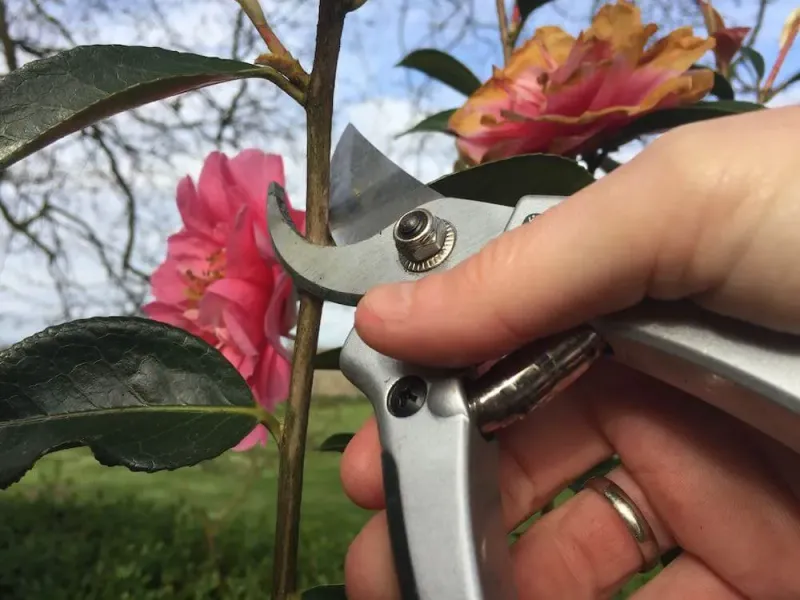
Pruning at the wrong time is one of the fastest ways to lose an entire season of camellia flowers, and it happens more often than it should because the timing is counterintuitive. Camellias bloom on old growth, meaning the flower buds for next season are already forming on this year’s stems.
Cut those stems at the wrong moment and you remove the buds along with them.
N.C. Cooperative Extension is direct about the timing rule: prune immediately after the plant finishes flowering.
For a sasanqua that wraps up in December or January, that window may fall in late winter. For a japonica that carries flowers into March or April, pruning in late spring or early summer makes more sense.
NC State confirms that late pruning can remove the following season’s flower buds, so the species and cultivar in your yard should determine when you pick up the shears, not a blanket calendar rule.
Keep the pruning itself purposeful. Remove dead, damaged, weak, or badly positioned growth, and shape only when there is a clear reason to do so.
Heavy pruning for the sake of size control is best done gradually over a few seasons rather than all at once.
Fertilizer decisions follow a similar logic. Base them on a soil test and the plant’s actual growth needs rather than a fixed schedule.
UGA Extension recommends avoiding heavy nitrogen applications as plants approach dormancy because nitrogen encourages tender new growth that is more vulnerable to cold injury. Light feeding in spring after flowering, guided by what the soil test shows, is a safer approach than pushing growth late in the season.
Protect vulnerable buds and flowers during exceptional cold
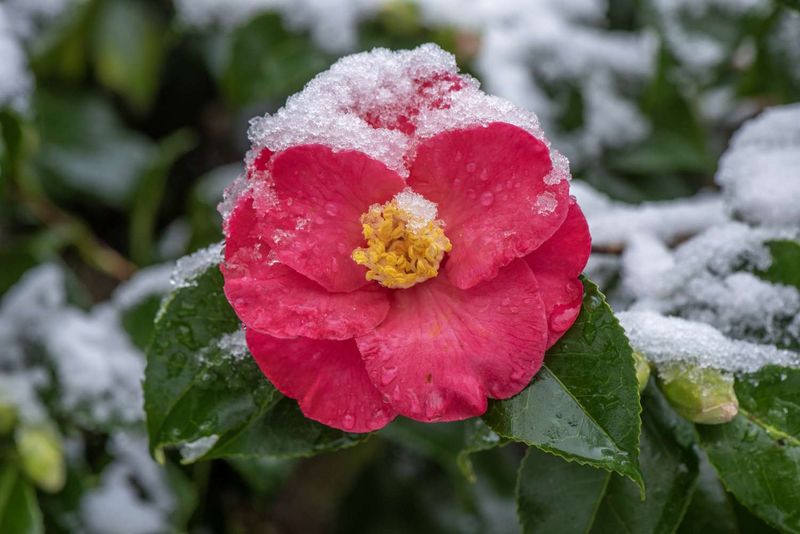
Established camellias in suitable North Carolina locations can handle a normal winter without much intervention. New plantings, exposed shrubs, open flowers, and developing buds are a different story, particularly when a cold snap arrives earlier than expected or drops temperatures further than the forecast suggested.
Before a predicted freeze, check the soil around the plant. UGA Extension recommends watering if the soil is dry because moist soil retains more heat than dry soil overnight.
Do not saturate a site with poor drainage; waterlogged roots are already stressed, and adding more water before a freeze compounds the problem rather than helping.
NC State Homegrown describes frost cloth, old blankets, or supported cardboard as the practical tools for protecting small plants or individual branches in bloom. The cover should reach the ground and be secured there so it traps the heat radiating up from the soil rather than just sitting on top of the foliage.
Prop the material away from branches so it does not crush them or hold ice directly against buds.
UGA’s Clarke County extension newsletter warns that plastic sheeting can heat up rapidly in sunlight and must be removed or vented as soon as temperatures rise. Cloth or frost fabric is a safer default for routine cold protection because it breathes and does not trap dangerous heat during the day.
Wake County Cooperative Extension reinforces that new plantings and exposed shrubs need this kind of attention during unusual cold events more than well-established plants in sheltered spots.
Covering reduces risk, but it does not guarantee that every flower or bud survives. The American Camellia Society notes that flower stage, cultivar, wind speed, freeze duration, and whether the cold arrives with radiational calm or driving wind all influence the outcome.
A cover that saves most of the buds on a calm night may not be enough when temperatures drop hard and wind strips heat away faster than the fabric can hold it.
Check for petal blight before blaming the weather
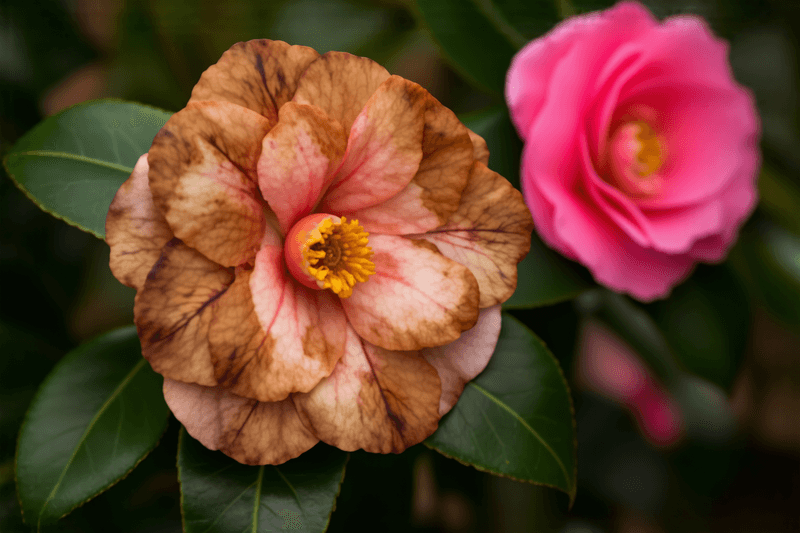
Browning flowers and early petal drop during the blooming season are not always caused by cold. Camellia petal blight is a fungal disease that produces nearly identical symptoms, and treating it requires a different response than covering the plant before a freeze.
Confusing the two leads to frustration and the wrong remedies.
Petal blight typically causes flowers to brown from the center outward, often with a distinctive netted or veined pattern in the discolored tissue. Cold damage, by contrast, tends to produce more uniform browning or translucent, water-soaked patches, and it usually follows a documented temperature drop.
Natural flower drop at the end of a bloom cycle looks different again: petals loosen and fall cleanly rather than browning while still attached. NC State Extension notes petal blight as a concern for sasanqua, and it can affect japonicas as well.
UGA’s Cherokee County master gardener newsletter identifies sanitation as the primary management tool for petal blight. Removing fallen infected flowers and plant debris from the ground breaks the cycle by eliminating the source material that produces new spores.
Leaving spent flowers on the soil gives the fungus exactly what it needs to persist and spread.
UGA Extension also recommends avoiding routine overhead watering that keeps foliage and flowers wet for extended periods, since wet conditions favor fungal spread. Remove diseased material promptly rather than letting it accumulate, and dispose of it away from the planting bed.
Correct diagnosis before changing the care routine saves time and keeps you from overlooking a disease problem that will return season after season if the source is not addressed.
Use a realistic formula for a longer camellia season
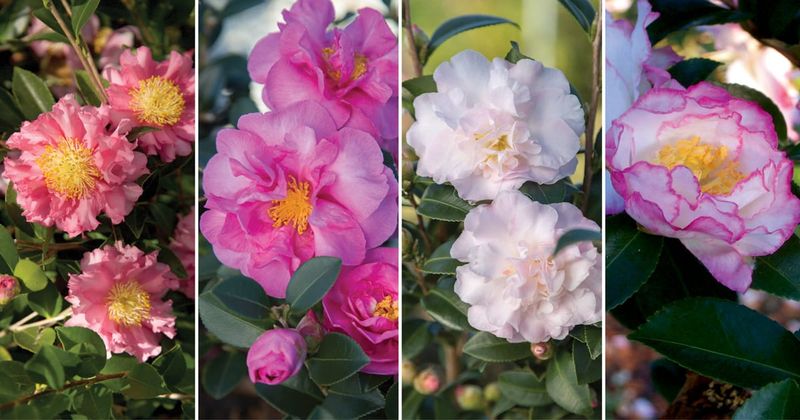
Putting together a longer camellia season in North Carolina comes down to a sequence of straightforward decisions rather than any single technique. Select cultivars with staggered bloom windows, pairing a sasanqua for fall and early winter with a japonica for late winter and spring, and add a cold-hardy hybrid if your site is in the Piedmont or mountains where temperatures swing hard.
N.C. Cooperative Extension confirms that cultivar variety is what creates extended seasonal color, not a treatment applied to a single plant.
Place each shrub where it gets filtered light, some wind protection, and avoidance of low frost pockets. Keep the soil evenly moist and well-drained, especially through August and September when buds are forming.
NC State’s guidance on C. japonica is clear that drought during bud set reduces the following season’s flowering, so late-summer watering is not optional. Prune each plant immediately after it finishes blooming, avoid heavy nitrogen late in the season, and cover vulnerable plants or open flowers with frost cloth before a hard freeze, removing any plastic promptly when temperatures rise.
UGA Extension’s freeze preparation guidance reinforces that these steps together reduce risk rather than eliminate it.
This combination can extend color across several months and reduce cold-related losses, but it cannot guarantee that one camellia blooms through every cold snap or that every bud and open flower survives a hard freeze. Camellias grown this way reward patience with a season that most shrubs simply cannot match.