
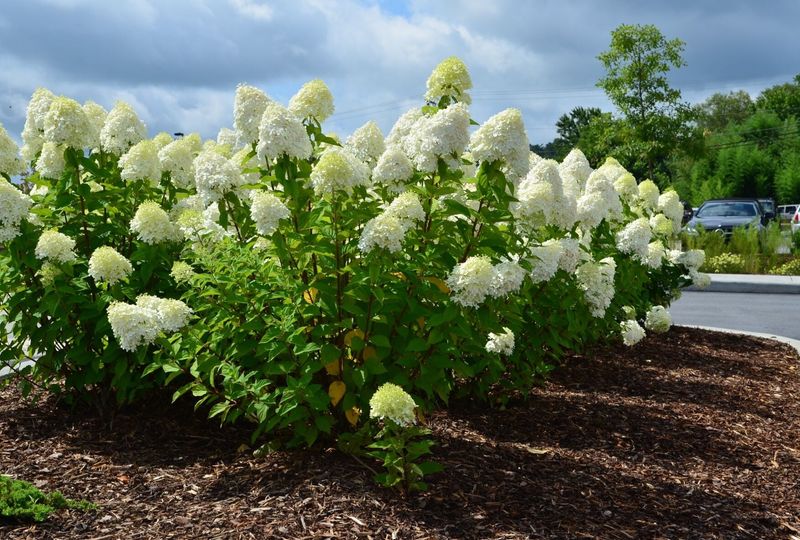
Few shrubs stop traffic in a North Carolina yard quite like a panicle hydrangea loaded with cone-shaped blooms in late summer. Getting that kind of display takes more than planting and hoping, though the steps are straightforward once you know which plant you have and what it actually needs.
Cultivar choice, site conditions, dormant-season pruning, and steady moisture management all play a role, and getting those details right can meaningfully improve the odds of a strong seasonal show.
Start With the Hydrangea That Can Deliver the Display
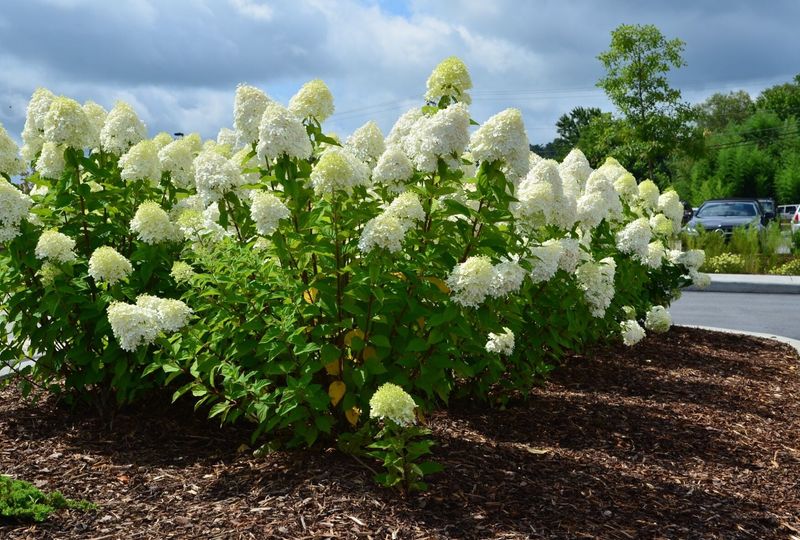
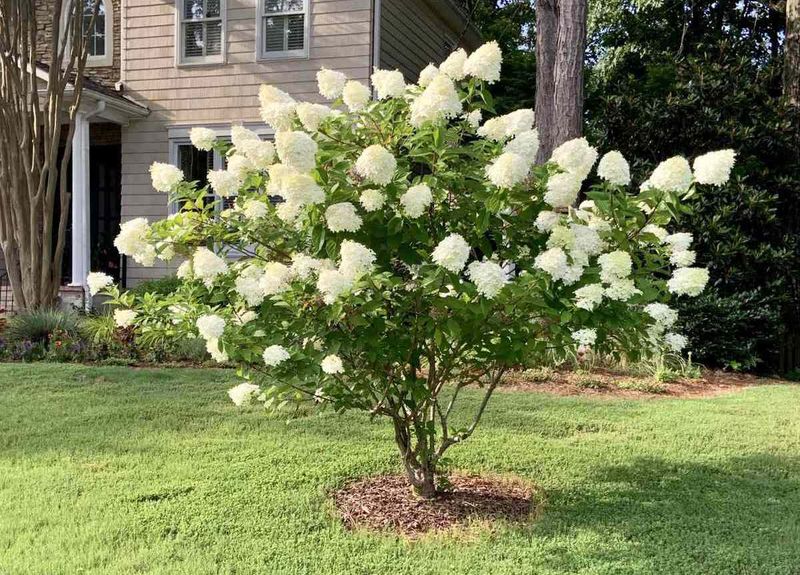
Before any pruning schedule or fertilizer plan matters, the right plant has to be in the ground. The hydrangea covered here is Hydrangea paniculata, commonly called panicle hydrangea or peegee hydrangea, and it is recognizable by its distinctly conical or pyramidal flower clusters rather than the rounded mophead or flat lacecap blooms associated with bigleaf types.
That difference in flower shape is also a difference in flowering biology, which is why pruning advice for one type should never be applied to the other without checking first.
According to the NC State Extension Gardener Plant Toolbox, mature panicle hydrangeas typically reach 8 to 15 feet in height, though some selections can grow larger. That size range matters enormously for a residential bed.
A standard ‘Limelight’ or ‘Pee Gee’ planted close to a front walk or foundation can quickly overwhelm the space. Compact cultivars such as ‘Little Lime’ top out at a fraction of that height and suit smaller beds without constant cutting back to keep them manageable.
Common cultivars available in North Carolina nurseries include ‘Limelight,’ ‘Phantom,’ ‘Pinky Winky,’ ‘Quick Fire,’ ‘Tardiva,’ and ‘Vanilla Strawberry,’ each with its own mature size, flower form, and color transition pattern. Cultivar timing also varies in ways worth knowing before purchase.
Research from the Arnold Arboretum documents that ‘Praecox’ can flower three to six weeks earlier than typical H. paniculata selections, which shifts the display window noticeably compared to mid- or late-season cultivars.
Panicle hydrangeas are listed as suitable for the Coastal Plain, Piedmont, and Mountains of North Carolina, but that statewide adaptability does not mean every site performs equally. Coastal heat and humidity, Piedmont drought and afternoon sun exposure, and mountain cold snaps each create conditions that affect how a particular cultivar behaves in a given season.
Matching the cultivar to the site, rather than choosing by photo alone, gives the shrub its best starting position before any other care decision is made.
Choose a Site That Balances Light and Summer Protection
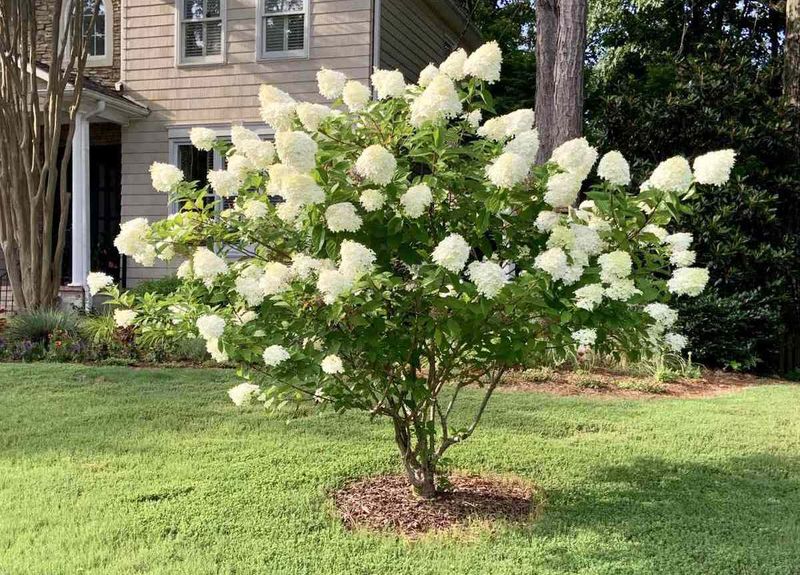
Placement is the one decision that cannot be corrected later without digging the plant up and starting over, so it deserves careful thought before the shovel goes in the ground. Panicle hydrangeas are among the more sun-tolerant hydrangeas available, but tolerating sun is not the same as thriving in the hottest, most exposed corner of the yard.
The NC State Extension Gardener Plant Toolbox description of H. paniculata identifies morning sun, afternoon shade, moist soil, and good drainage as preferred conditions, and that combination is a useful target for most North Carolina sites.
A south- or west-facing wall that reflects heat from brick or pavement creates conditions that push well beyond what the plant prefers, even if total daily light hours look adequate on paper. Afternoon protection does not require deep shade from a large tree canopy.
A nearby structure, a fence line, or the natural shadow cast by taller plantings can reduce peak heat exposure enough to ease water stress during the hottest weeks of summer.
Excessive shade creates the opposite problem. A plant tucked under a dense canopy may produce fewer flowers or weaker growth because it cannot capture enough light to fuel strong new stems.
The practical target is a site with bright conditions for most of the morning and reliable protection or at least reduced intensity through the hottest afternoon hours.
The Missouri Botanical Garden’s H. paniculata profile reinforces this balance, noting that while the species handles more sun than many hydrangeas, moisture availability and afternoon exposure remain important site factors. Soil drainage ties directly into this picture.
Roots sitting in poorly drained soil cannot take up water efficiently even when irrigation is adequate, and that stress shows up as wilting, reduced flowering, and long-term decline. Good drainage, combined with adequate moisture and thoughtful light management, gives the site itself the best chance of supporting a strong display.
Prune During Dormancy to Control Shape and Flower Size
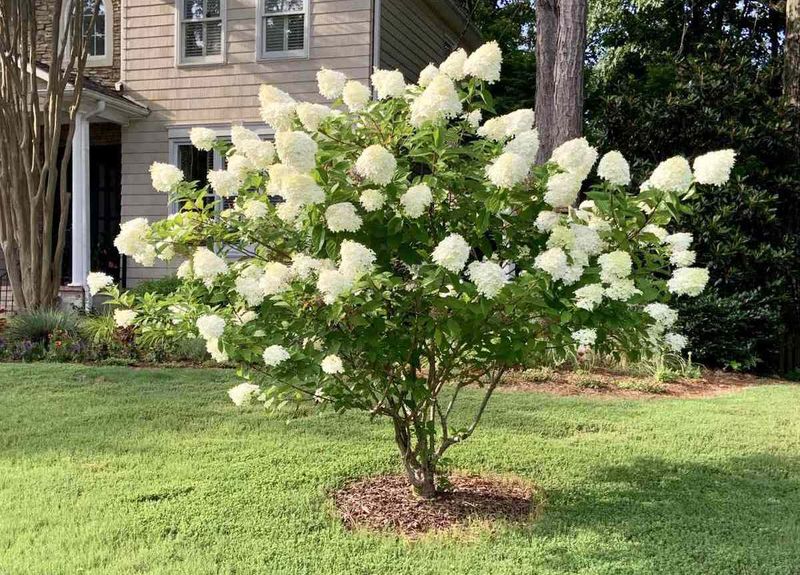
Pruning panicle hydrangeas at the wrong time of year is one of the most common reasons a healthy-looking shrub produces a disappointing summer display. The key biological fact to hold onto is that Hydrangea paniculata blooms on new wood, meaning the current season’s growth carries the flower buds.
That is fundamentally different from bigleaf hydrangeas, which commonly flower on old wood and lose their buds when pruned at the wrong time. Applying bigleaf pruning rules to a panicle hydrangea is a reliable way to cut off the coming season’s flowers before they ever form.
The correct window for panicle hydrangea pruning is late winter to early spring, while the plant is still dormant and before vigorous new growth begins. University of Minnesota Extension guidance on pruning hydrangeas for best bloom confirms this dormant-season timing as the appropriate window for hydrangeas that flower on current-season wood.
In practical terms, this often falls somewhere in February or March across much of North Carolina, but elevation, local weather patterns, and the timing of new growth all shift the ideal date. Mountain gardeners in Buncombe County or higher elevations may face late cold snaps after early warmth, which calls for watching the plant rather than following a fixed calendar date.
A selective approach works better than uniform shearing. Start by removing dead, damaged, weak, crossing, or poorly positioned stems entirely.
Then shorten selected healthy stems, cutting just above a strong outward-facing bud. Missouri Botanical Garden pruning guidance notes that thinning and heading back can produce larger flower heads and a more controlled plant shape, while heavier reduction may result in fewer flowering stems overall.
That tradeoff is worth understanding clearly. Harder pruning does not guarantee more flowers.
It may produce fewer but potentially larger heads on a plant with a more open structure. Lighter pruning generally preserves more stems and produces a greater number of smaller heads distributed across the shrub.
Neither approach is universally better; the right choice depends on the cultivar’s natural vigor, the plant’s age, and the look you are after. What NC Cooperative Extension’s pruning pitfalls guidance makes clear is that late-summer or early-fall pruning should be avoided entirely, because it can remove developing shoots or stimulate tender growth that becomes vulnerable to cold injury, particularly in western North Carolina.
Manage Moisture From Establishment Through Dry Spells
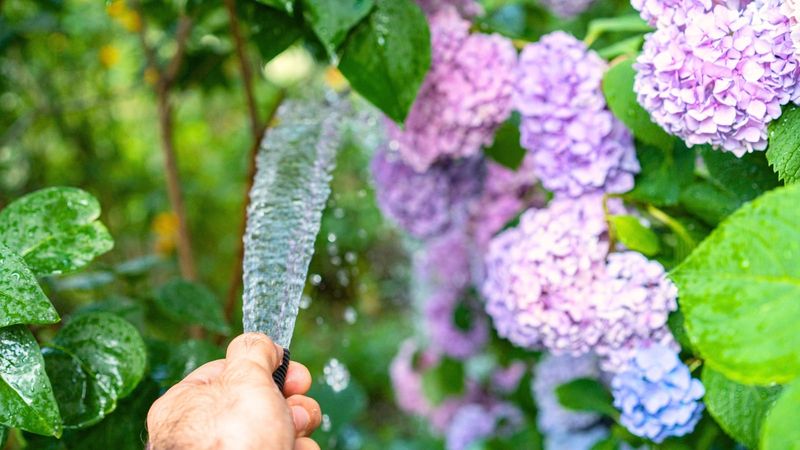
Water management is where many panicle hydrangeas quietly struggle, especially during the first two years after planting when roots have not yet spread far enough to buffer against dry stretches. Newly planted shrubs need thorough, regular watering while they establish, with frequency adjusted based on rainfall, soil texture, and temperature rather than a fixed schedule.
Sandy Coastal Plain soils drain quickly and may need more frequent attention than the heavier clay soils common across much of the Piedmont.
Once a shrub is established, the goal shifts to supplemental irrigation during extended dry periods rather than routine watering on a set calendar. The NC State Extension Gardener Handbook chapter on woody ornamentals recommends watering slowly at the soil surface or using drip or soaker irrigation when practical, and discourages routinely wetting foliage because keeping leaves dry can reduce some disease problems.
Heat, wind, drainage quality, and local sun exposure all affect how quickly the soil around an established shrub dries out between rain events, so there is no single irrigation interval that fits every North Carolina yard.
Mulch does a significant amount of work in this part of the care routine. A 2- to 3-inch layer of organic mulch over the root zone conserves soil moisture, moderates temperature extremes, and reduces competition from weeds.
The NC State panicle hydrangea profile specifically recommends mulching, noting the plant’s shallow roots and its benefit from root-zone protection. One detail that trips up even experienced gardeners is mulch placement: NC State’s general woody-ornamental guidance calls for keeping mulch at least 6 inches away from trunks or crowns, because material piled against stems can trap moisture and create conditions for rot and pest problems.
Spread the mulch in a wide, even layer that covers the root zone rather than mounding it against the base of the plant.
Use Fertilizer Only When the Plant or Soil Calls for It
Fertilizer is often the first thing gardeners reach for when a shrub looks less than impressive, but for panicle hydrangeas in North Carolina, it is usually one of the last levers worth pulling. A healthy shrub in reasonably good soil that is growing at a satisfactory rate may not need supplemental fertilizer at all.
NC State Extension’s guide to fertilizing trees and shrubs recommends using soil testing and plant performance as the basis for any fertilization decision, rather than applying fertilizer on a routine schedule regardless of what the plant or soil actually needs.
When fertilizer is warranted, product labels and soil test results should guide the rate and timing. Applying fertilizer to dry or drought-stressed plants is one of the more damaging mistakes a gardener can make, because concentrated nutrients near stressed roots can cause injury rather than improvement.
NC State guidance calls for applying fertilizer to moist soil, watering it in afterward, and keeping dry granular products off foliage and stems where they can cause burn.
Excess nitrogen deserves a specific caution. Heavy nitrogen applications can push a panicle hydrangea into producing abundant leafy growth at the expense of flowering, and the resulting soft, fast-growing stems can be weak and prone to flopping.
NC State’s container plant guidance notes this dynamic with nitrogen and flowering, and the same principle applies to in-ground shrubs. More fertilizer does not translate directly to more flowers.
One persistent myth worth correcting here involves flower color. Acidic soil amendments and fertilizers are sometimes marketed as a way to shift hydrangea color toward blue, but that response is primarily a characteristic of certain bigleaf hydrangeas, not panicle hydrangeas.
UGA Extension’s hydrangea identification resource explains that panicle hydrangea flower color depends primarily on cultivar genetics and flower age, making soil acidification an ineffective color-control strategy for this species.
Expect a Gradual Late-Summer Color Progression
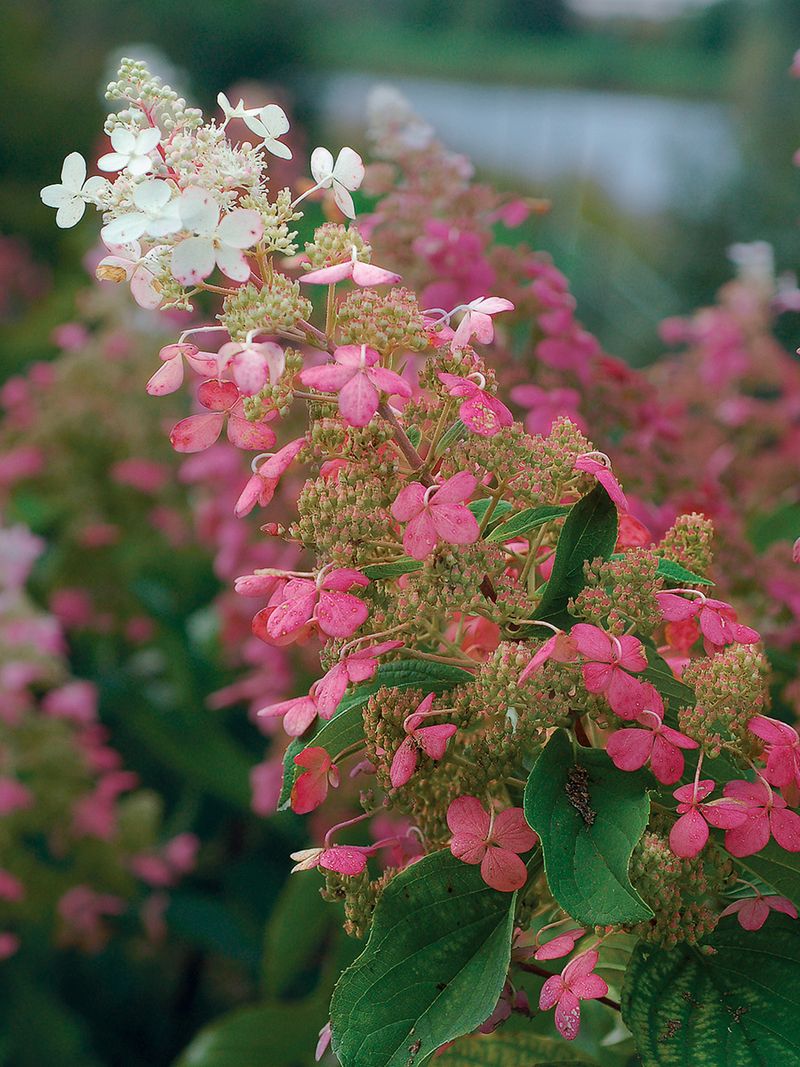
One of the more rewarding things about panicle hydrangeas is that the display does not arrive all at once and then disappear. Panicles typically open creamy white or greenish-white and gradually shift toward pink, rose, and eventually brown or tan as the season moves into fall.
The pace of that transition depends on the cultivar, the amount of direct sun the plant receives, temperatures, and the specific conditions of a given season. A shrub can look genuinely attractive when individual panicles are at different color stages simultaneously, the newer blooms still pale and the older ones deepening into pink, because the variation gives the plant a layered quality rather than a flat, monochrome appearance.
According to the NC State panicle hydrangea profile, the species blooms in summer and fall, but cultivar and regional conditions affect when the display begins and how long it lasts. Late summer is an approximate window, not a fixed biological deadline.
A mountain garden in western North Carolina may see different timing than a Piedmont or Coastal Plain yard, and a cooler or wetter summer can shift the peak noticeably compared to a hot, dry one.
Removing spent flower heads can tidy the plant and the cut panicles work well in dried arrangements, but deadheading should not be counted on to produce a reliable second flush of flowers. For standard panicle hydrangeas, that is not a predictable outcome.
The Missouri Botanical Garden’s H. paniculata profile supports leaving dried flower heads on the plant through winter as a structural element in the garden, which also protects the stem tips slightly during cold weather.
The quality and timing of the color show connect directly back to the earlier decisions: cultivar choice, pruning severity, light exposure, and moisture during the growing season all shape what the plant has available to put into its flowers by late summer. No single step creates the display on its own.
Repeat the Care Sequence, Not a Guaranteed Outcome
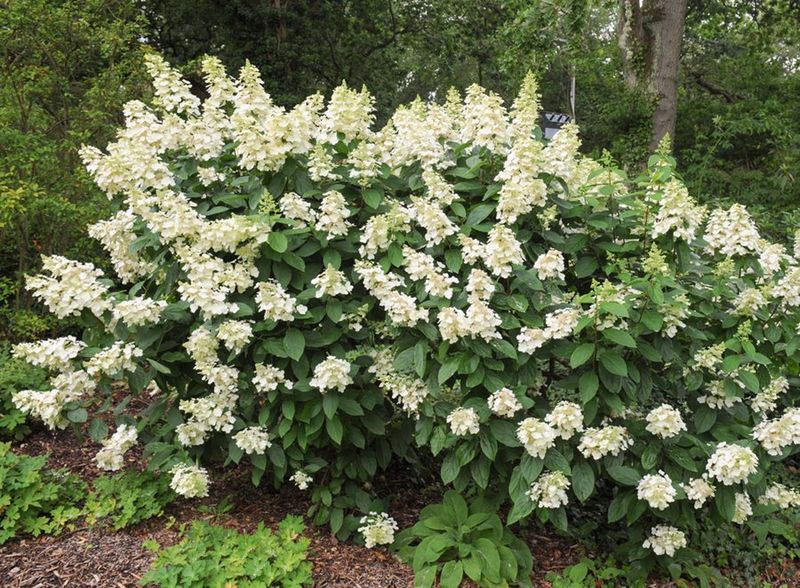
Putting the steps in order makes the routine easier to follow from one season to the next. Start by confirming that the shrub is Hydrangea paniculata and that the cultivar suits the available space and the desired bloom timing.
Site the plant where it receives bright morning light with some afternoon protection, in well-drained soil with room for roots to spread. During the dormant window in late winter to early spring, prune selectively by removing dead, damaged, and weak stems and shortening selected healthy ones, keeping the current-season flowering habit in mind so the pruning cut does not remove the coming season’s potential.
Apply a 2- to 3-inch mulch layer over the root zone, keeping it clear of the crown, and water newly planted shrubs thoroughly until established. During extended dry periods, irrigate according to what the NC State woody-ornamental guidelines describe: slowly at the soil surface, adjusted for soil type, heat, and exposure.
Fertilize only when a soil test or visible plant performance suggests a genuine nutrient need, and follow label rates on moist soil.
Followed consistently, this sequence can improve the likelihood of a strong late-summer display. What it cannot do is override the influence of cultivar genetics, regional weather, soil conditions, and seasonal variability across the Coastal Plain, Piedmont, and mountains of North Carolina.
The value of repeating the routine each year is not a guaranteed outcome but a shrub that gets steadily better conditions to work with, which is about as much as any gardener can honestly offer a plant.