
Knockout roses are the workhorses of North Carolina yards, blooming from spring through fall with almost no fuss. But if you want those flowers to keep coming right up until that first cold snap in October or November, a few smart habits make all the difference.
The good news is that none of these tricks take much time or money, and most of them help your yard support pollinators and other native wildlife too. Here is exactly what savvy NC gardeners do to squeeze every last bloom out of the season.
1. Deadhead Lightly Through Late Summer
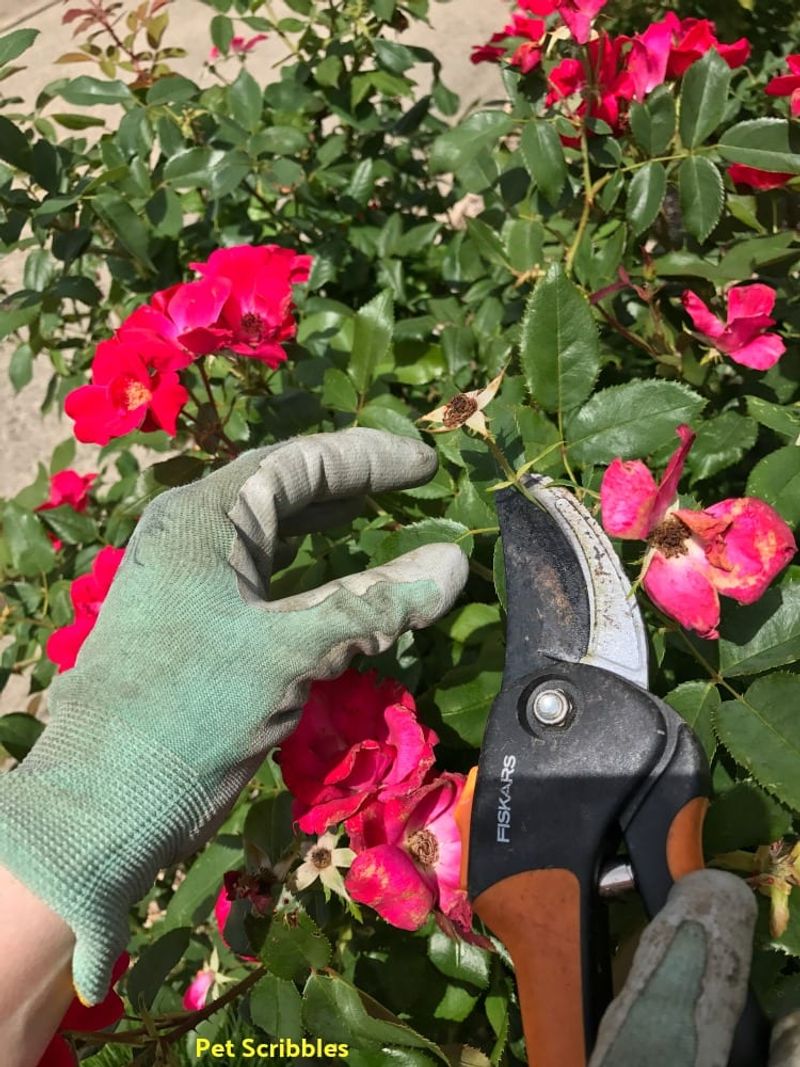
Snipping off faded flowers is the single easiest way to trick a Knockout rose into making more blooms instead of setting seed. While Knockouts are technically self-cleaning, a light trim in July and August still pushes fresh flushes faster.
The key word here is light. Reach for the cluster of spent blooms and cut just above the first set of healthy leaves, taking off no more than the top few inches.
NC gardeners in the Piedmont often do this with a cup of coffee in hand on a Saturday morning. It takes ten minutes and rewards you with a whole new round of color within a couple of weeks.
2. Stop Heavy Pruning by Late August
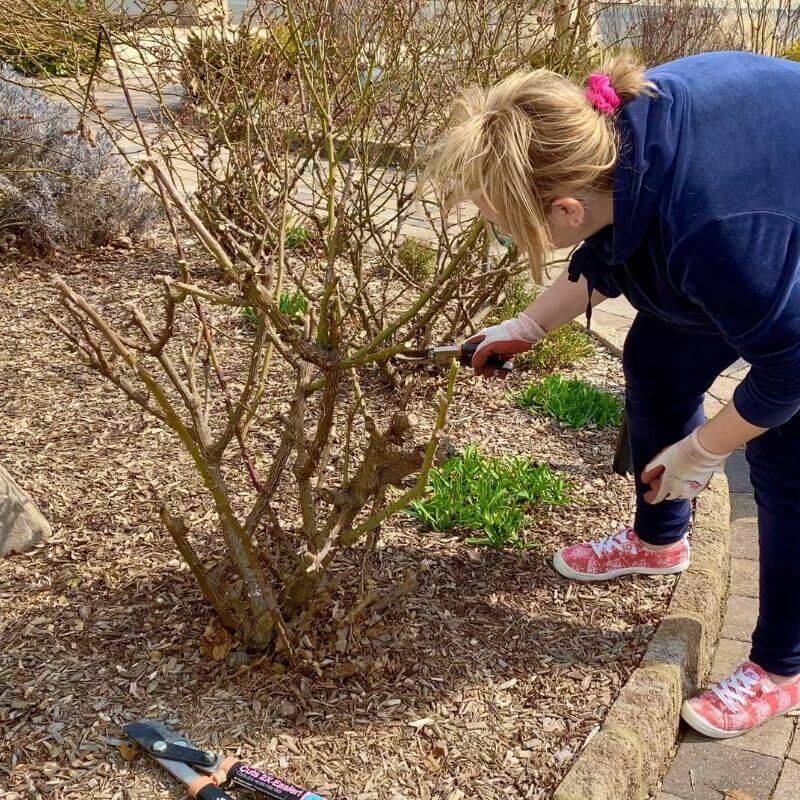
Here is a mistake that quietly costs people their fall flowers: hard pruning too late in the season. Cutting a Knockout back hard forces tender new growth that a surprise frost will scorch overnight.
Across most of North Carolina, the smart move is to finish any big shaping cuts by the end of August. After that, keep it to gentle deadheading only.
Letting the plant coast into cooler weather means it puts its energy into the blooms already forming rather than sprouting fragile shoots. Your roses stay full, tidy, and covered in color right up to the frost line.
3. Feed with a Fall-Friendly Fertilizer
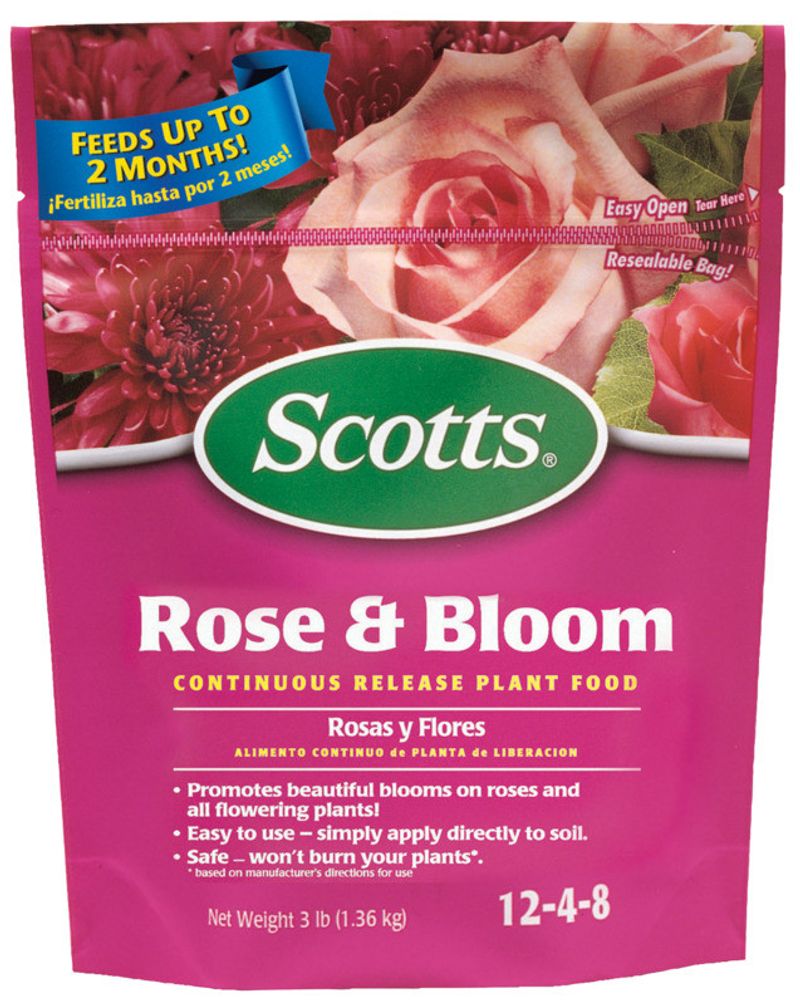
Roses are hungry plants, and a well-timed feeding in early fall can keep the blooms coming when neighboring bushes start to fade. The trick is choosing the right formula so you feed flowers, not floppy new leaves.
Many NC gardeners switch to a fertilizer lower in nitrogen and higher in phosphorus and potassium around Labor Day. That combination supports blooming and helps the plant harden off before winter.
Skip fertilizing after early October, though. A late nitrogen boost can trigger soft growth that gets nipped by the first frost, undoing all your good work.
4. Keep the Water Consistent During Dry Spells
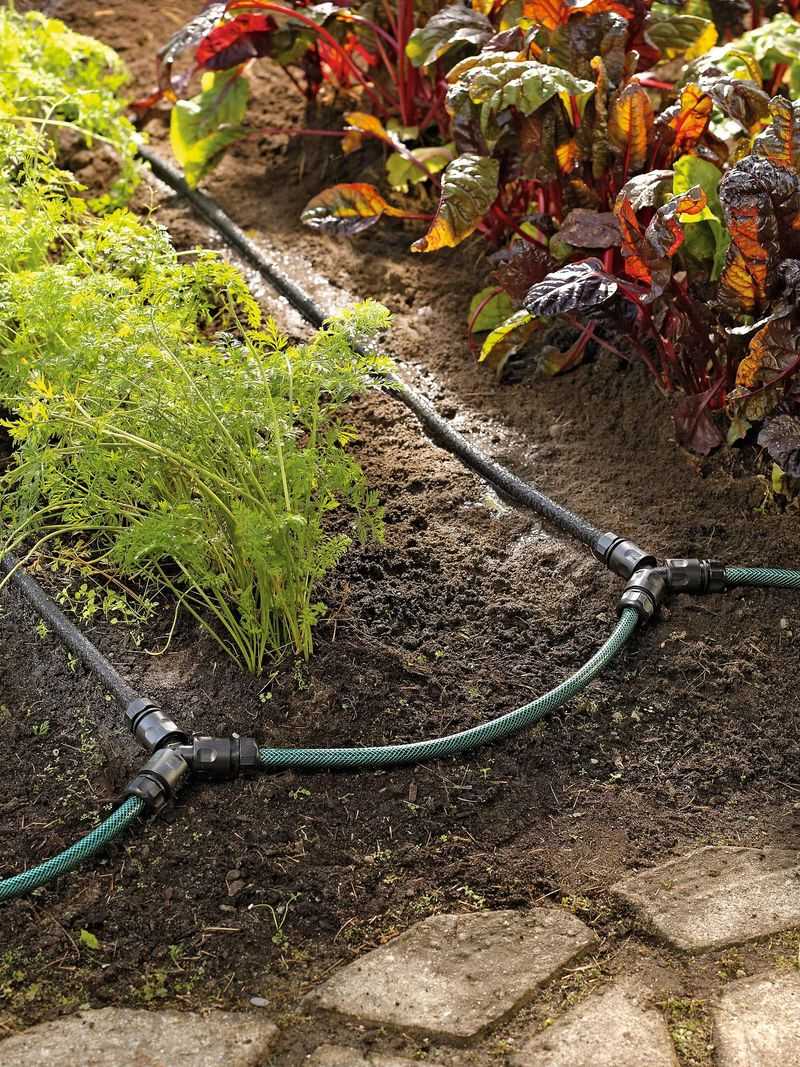
September and October can turn surprisingly dry across the Carolina Piedmont and coastal plain, and thirsty roses simply stop blooming. Steady moisture keeps the flower factory running.
Aim for about an inch of water a week, delivered deeply at the base rather than sprayed over the leaves. Soaker hoses are a favorite here because they keep foliage dry and cut down on fungal trouble.
Morning watering gives the plant a full day to drink up. Consistent moisture through the warm fall stretch is often the difference between a bush that quits early and one that flowers to the finish.
5. Refresh the Mulch Layer
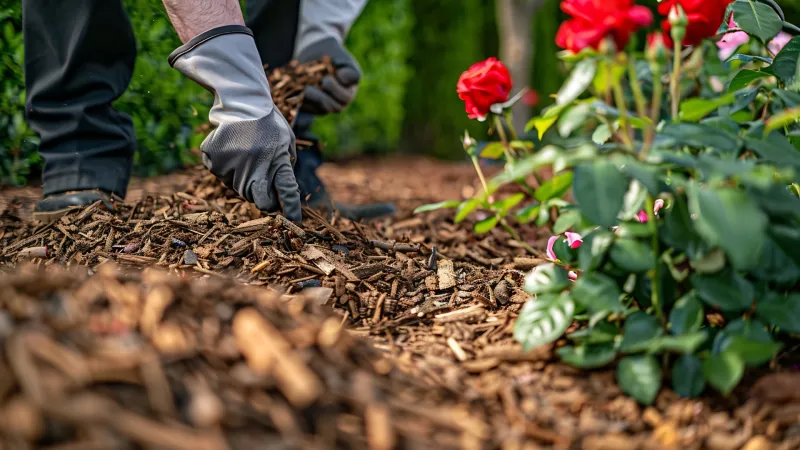
A tired, thin mulch layer lets the soil swing wildly between hot afternoons and cool nights, and roses hate that stress. Topping it off in early fall steadies everything underground.
Two to three inches of shredded bark or leaf mulch holds moisture, blocks weeds, and keeps the roots comfortable as temperatures start to bounce around.
Leave a little breathing room around the base of each cane so you do not trap moisture against the stem. Freshened mulch also gives the whole bed a crisp, cared-for look that boosts curb appeal heading into fall.
6. Watch for Black Spot and Act Early
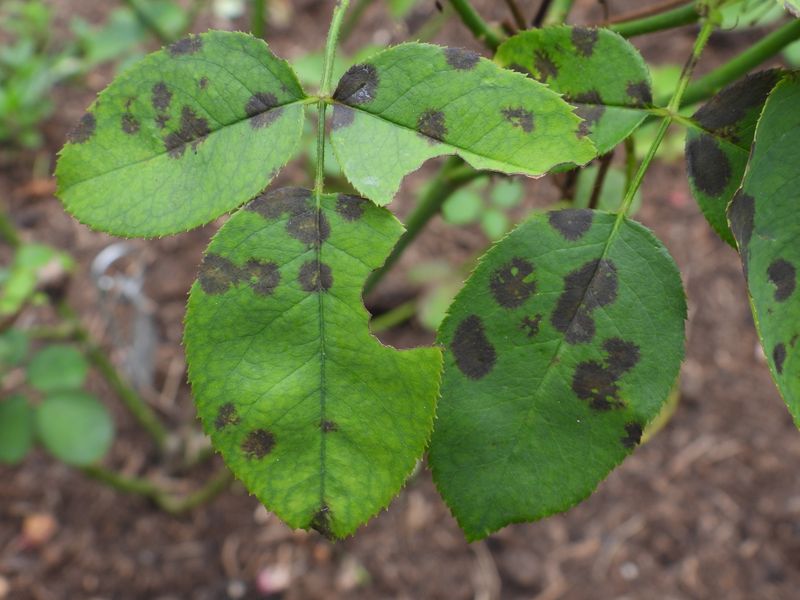
North Carolina humidity is basically a spa day for black spot, the fungus that yellows leaves and drops them fast. A defoliated rose cannot bloom, so catching it early protects your fall show.
Walk your bushes weekly and pluck off any leaves with those telltale dark blotches. Bag them and toss them rather than composting, since spores linger.
Good airflow and dry foliage do most of the prevention work. If pressure gets heavy, a gentle fungicide labeled for roses can help slow the spread, but many gardeners find that raking up fallen leaves and watering at the base keeps it manageable.
7. Invite Natural Pest Helpers into the Bed
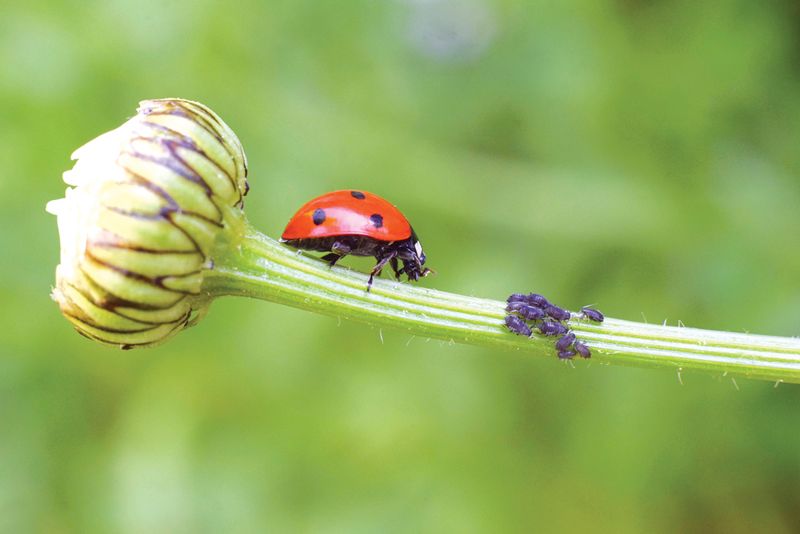
Aphids love to cluster on tender rose buds, and reaching for a heavy spray can knock out the good bugs along with the bad. NC gardeners who lean on nature keep their blooms cleaner with less effort.
Ladybugs, lacewings, and tiny parasitic wasps can reduce aphid numbers naturally when you skip broad pesticides. Planting native flowers nearby gives these allies a reason to stick around.
Bluebirds and other songbirds pitch in too, snacking on soft-bodied pests as they patrol the yard. Supporting these helpers protects your roses while doing right by North Carolina’s native wildlife.
8. Plant Pollinator Companions Nearby
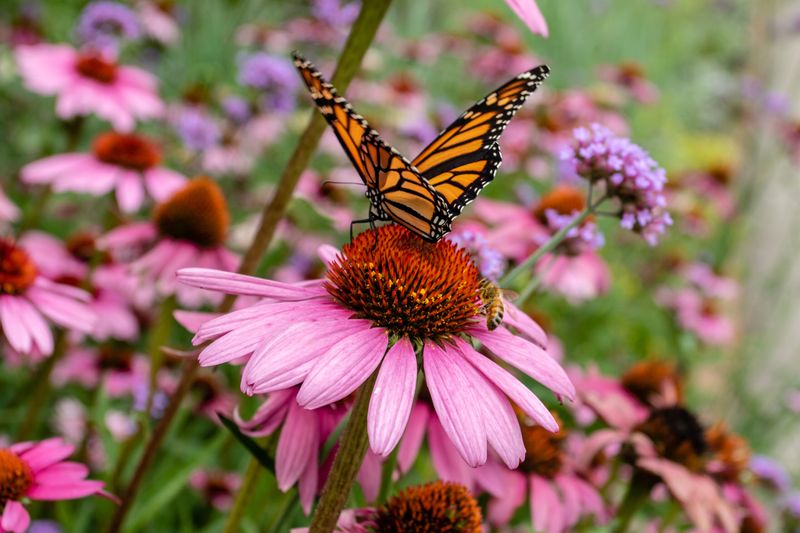
Roses look their best with company, and pairing them with the right neighbors keeps the whole bed buzzing into fall. Native companions stretch the bloom season and pull in pollinators that keep the garden lively.
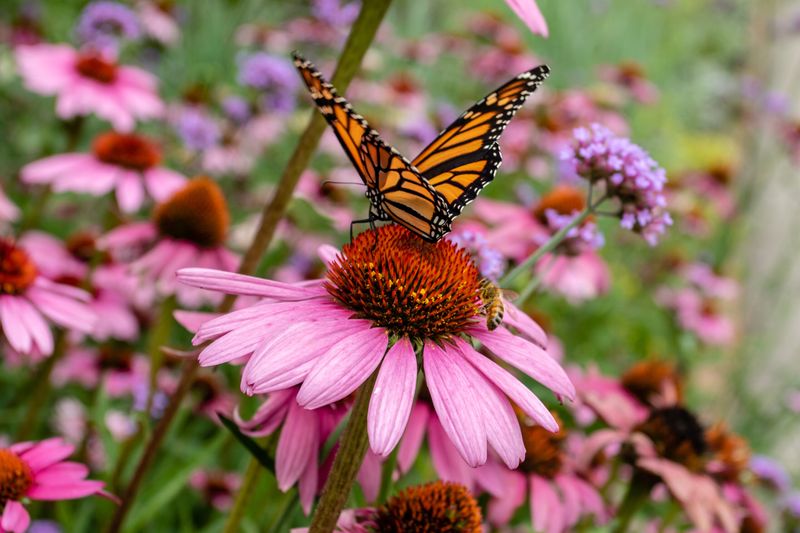
Try tucking in NC-friendly choices like coneflower, salvia, or aromatic aster around the base of your Knockouts. Monarchs and native bees will thank you as they fuel up for the season ahead.
The bonus is visual: layered heights and mixed colors make a single rose bush look like a full, intentional planting. It is an easy way to boost both beauty and habitat in one weekend.
9. Give Roses Full Sun and Room to Breathe
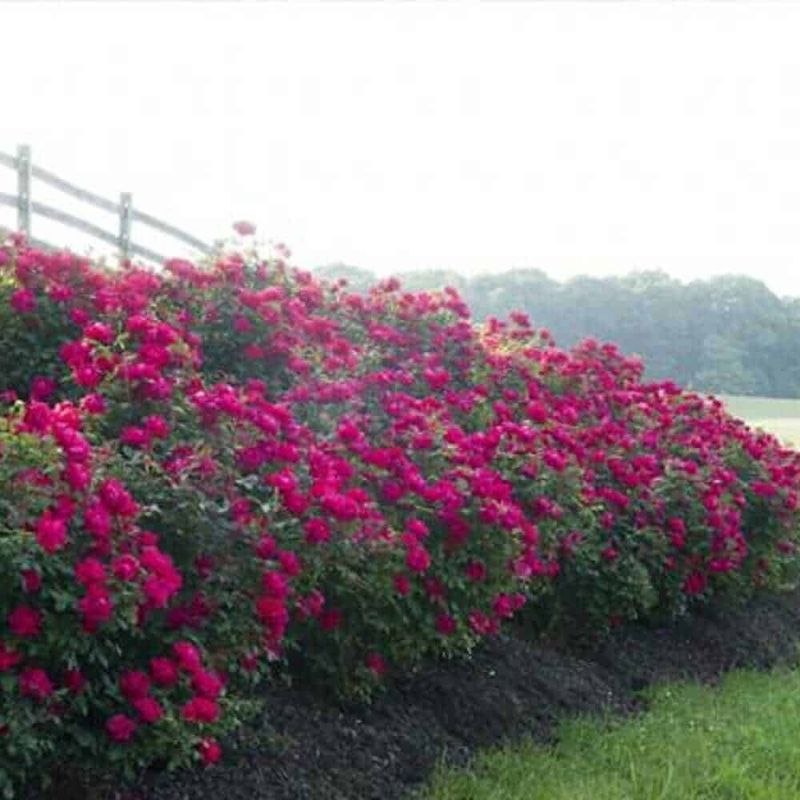
A Knockout crammed against the house or shaded by an overgrown shrub will always bloom less, no matter how well you feed it. Sun and airflow are non-negotiable for a long fall season.
These roses want at least six hours of direct sun a day, and even more helps in the cooler months when light gets weaker. Thinning out crowding branches from nearby plants opens things up.
Space and sunshine also cut down on the damp, still conditions that fungus loves. If a bush has always underperformed, moving it to a brighter, breezier spot is often the fix.
10. Know Your Local First-Frost Date
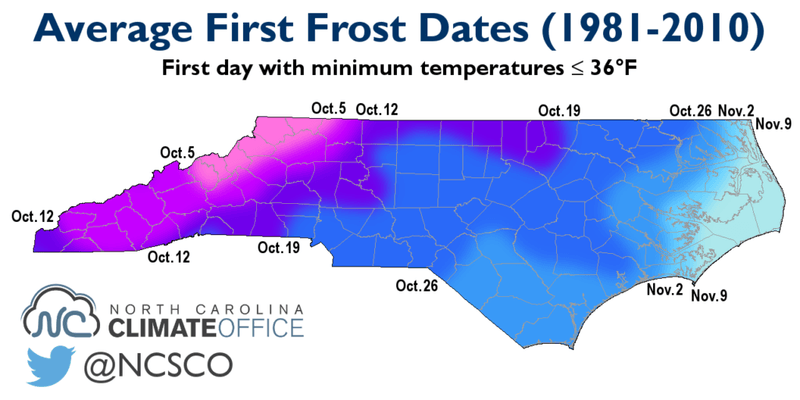
Timing every fall task around your region’s frost date is the secret that ties all the others together. North Carolina spreads across mountains, Piedmont, and coast, so that date can vary by weeks.
Mountain gardeners near Asheville might see frost in early to mid October, while coastal folks near Wilmington often coast into November. Knowing your window tells you when to stop feeding, ease off pruning, and enjoy the last flush.
A quick check of a local frost-date chart or your county extension office keeps you from guessing. When you garden with that date in mind, your Knockouts reward you with color right up until the cold finally arrives.