
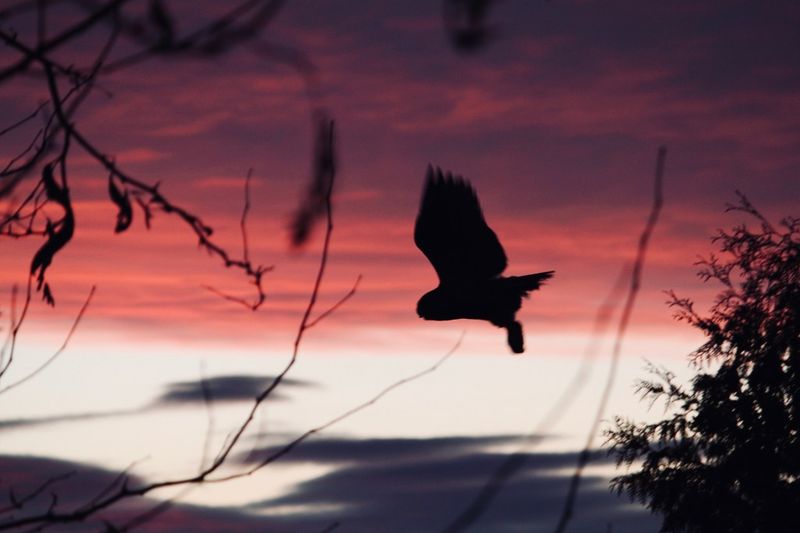
Owls do not show up just because a yard has one big tree. They need safe places to perch, quiet cover, and open ground where they can spot rats moving after sunset.
In Texas, the right plants can help shape that kind of hunting space while still holding up in heat, hard soil, and long dry spells. If you want a yard that works with nature instead of against it, start with these smart planting choices.
1. Live Oak
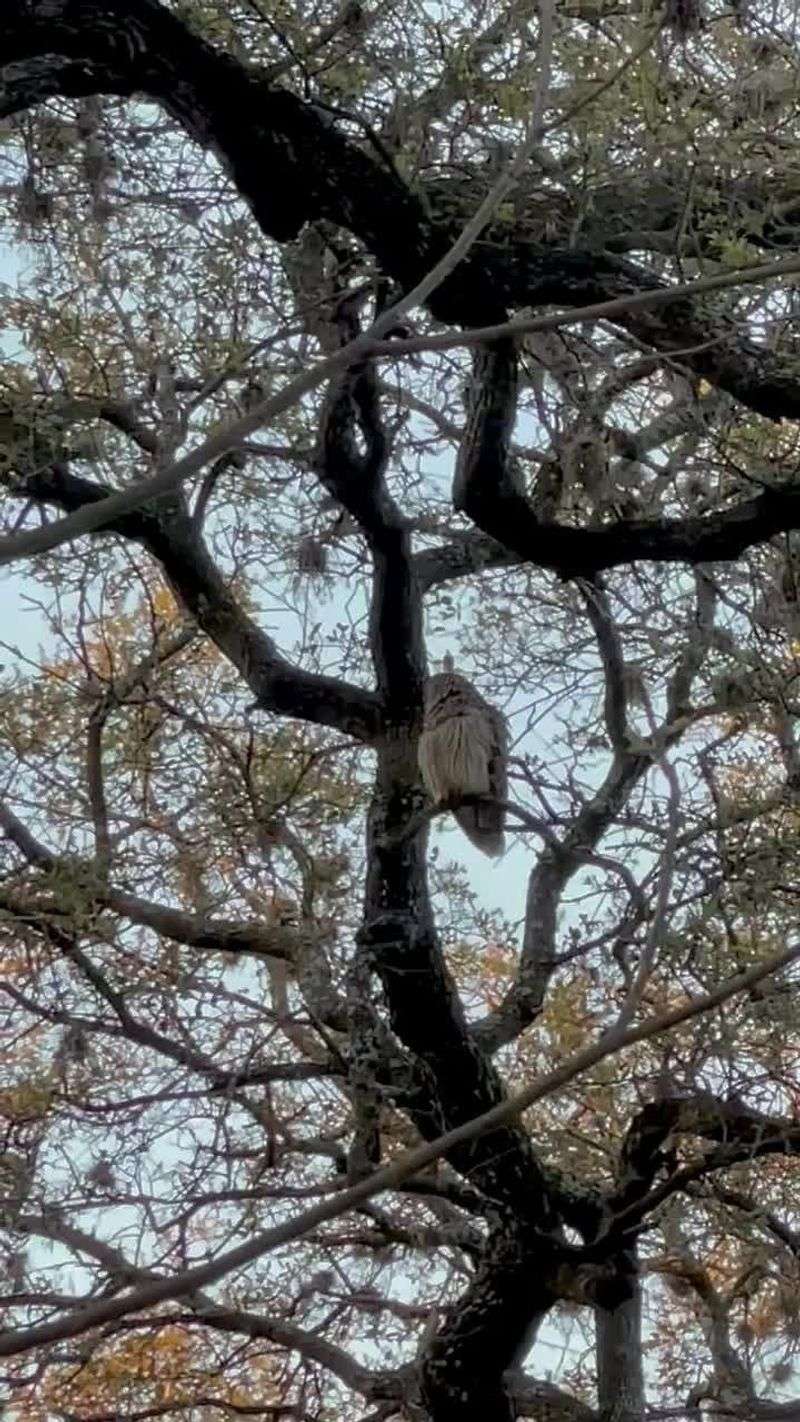
Nothing says “owl perch” quite like a live oak with broad limbs and a sturdy shape. In many Texas yards, it becomes the backbone of the whole nighttime food web because it offers height, shelter, and a commanding view over open ground where rats may travel.
Live oaks are especially useful because their heavy horizontal branches give larger owls and smaller owls alike a practical place to pause, scan, and launch. A tree that holds its canopy well through the year can also make a yard feel safer and more settled for wildlife, especially in neighborhoods with porch lights, fences, and nearby traffic.
Placement matters as much as species. Set a live oak where it can eventually overlook a patch of lawn, gravel, or low planting rather than a thicket packed tight to the trunk, since owls hunt best when they can see movement below.
For Texas homeowners, the other big payoff is durability. Live oaks handle heat, adapt to many local soils once established, and give your yard the kind of scale that turns a planted space into a real habitat, not just a decorative border.
2. Cedar Elm
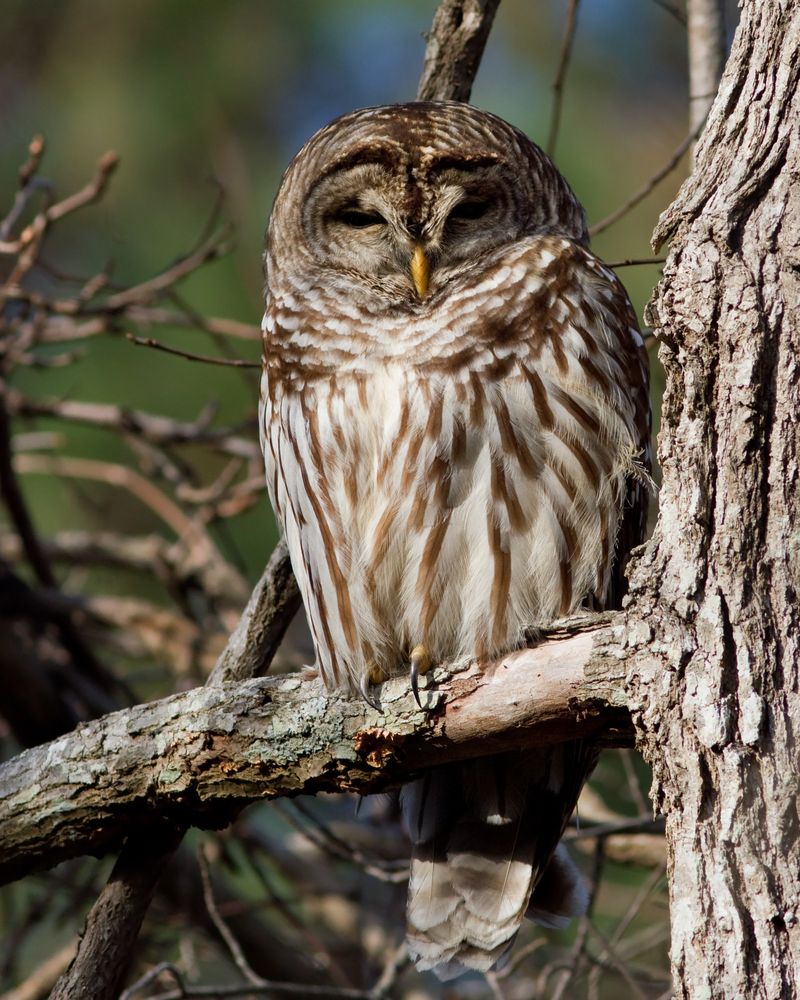
Some trees earn their spot by being flashy. Cedar elm earns it by being useful, tough, and surprisingly good at fitting into real Texas neighborhoods where space is tighter and water can be limited.
Its branching habit creates a clean, elevated framework that can work well for owl perching without swallowing the whole yard in dense shade. That matters if your goal is nighttime hunting, because owls often do better when they can watch a partly open area from above rather than stare into a wall of thick foliage.
Cedar elm also suits the rhythm of Texas weather. It handles heat, copes with difficult urban conditions better than many trees, and has a native look that does not feel forced or over-designed.
Try using it along the back half of the yard or near a side boundary where it can mature into a lookout point while leaving a visible hunting lane through the center. In a smaller property, that balance is gold.
You get vertical structure for birds of prey, but you still keep enough open ground for them to notice quick movement after dark.
3. Honey Mesquite
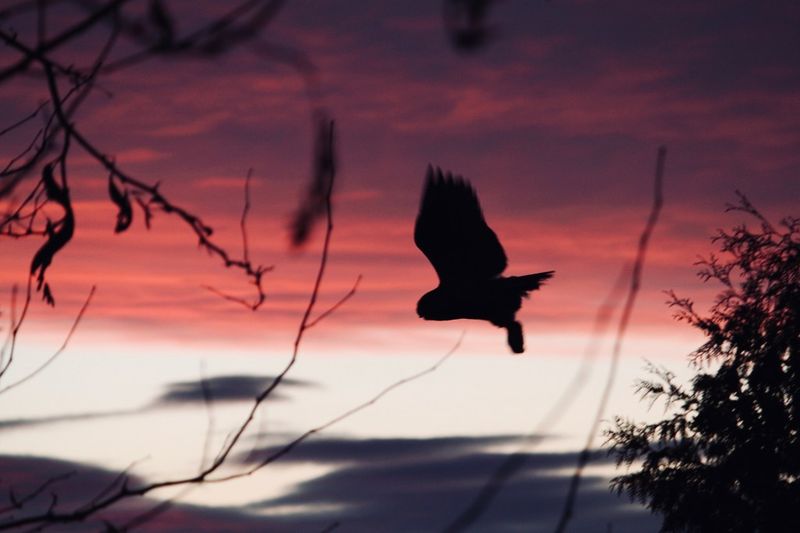
Out in hotter, drier parts of Texas, honey mesquite can bring a different kind of owl-friendly value. Its lighter canopy often casts broken shade instead of deep darkness, which helps keep the ground below more visible in the evening.
That small detail can make a yard more huntable. Rats and mice often use edges, bare spots, and low cover as travel routes, and an owl perched in mesquite has a better chance of catching movement if the understory is not buried under thick, tangled growth.
Mesquite also fits homeowners who want a landscape that looks honest in triple-digit weather. It belongs in Texas, tolerates drought once established, and can be part of a lower-water yard that still supports wildlife rather than stripping it out.
Use honey mesquite where you want height without creating a heavy, shady pocket near the house. Paired with low native grasses or sparse groundcover, it can help create the classic hunting setup: elevated perch above, visible runway below.
That is a smarter goal than planting for beauty alone if your real aim is to make nighttime rodent traffic much riskier.
4. Texas Sage
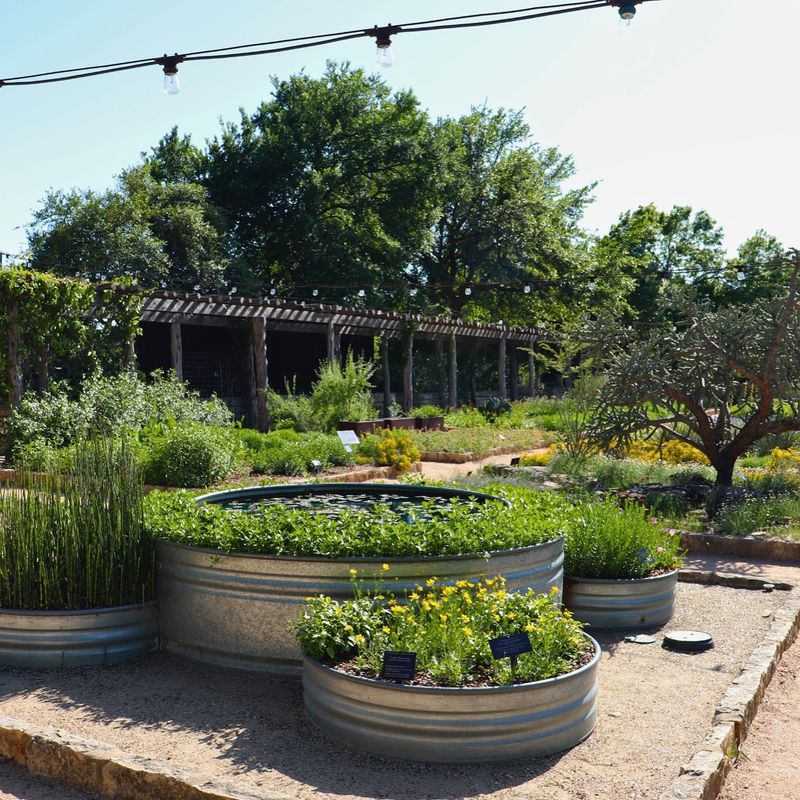
Here is where the plan gets more layered. Big trees give owls a place to sit, but shrubs like Texas sage help shape the routes small animals use across the yard.
Texas sage is valuable because it creates low to medium cover without turning the whole space into a hidden maze if you plant it with breathing room. Rats tend to favor protected edges, and a scattered shrub pattern can guide movement into more visible lanes rather than letting them disappear inside one giant overgrown mass.
From a homeowner’s view, Texas sage is a winner in hard heat. The silver foliage looks good for months, the blooms are a bonus after humidity or rain, and the plant usually asks for far less fuss than thirstier landscape shrubs.
Keep it trimmed loosely and avoid packing every shrub together. The best setup for nighttime predators is not dense screening from fence to patio, but a broken pattern of cover, gaps, and open ground.
Texas sage helps you build that middle layer so your yard feels planted and attractive while still giving owls a fair shot at spotting rat movement after sundown.
5. Little Bluestem
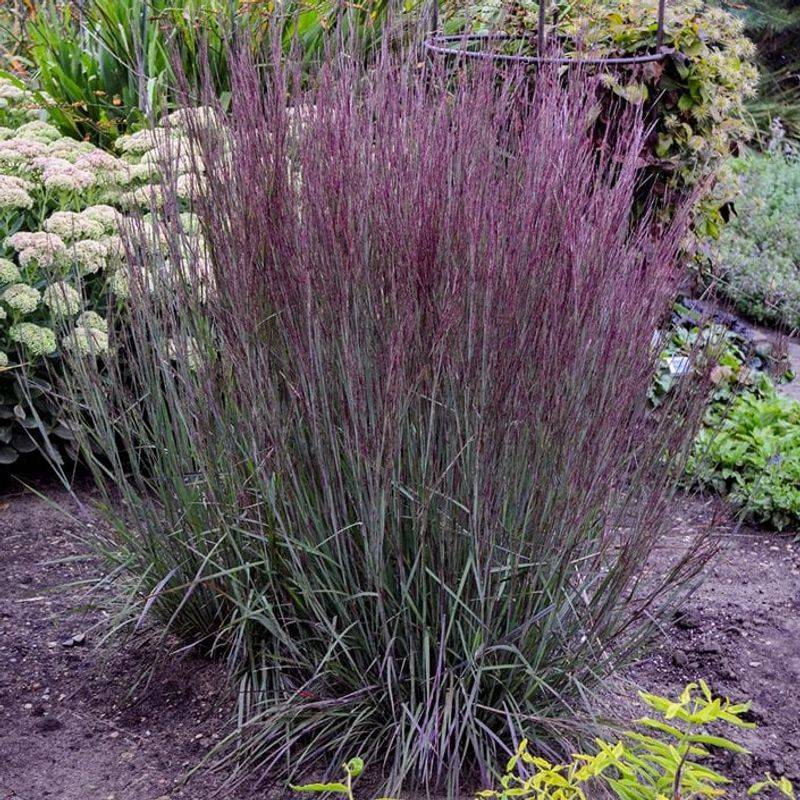
Not every useful plant for owl hunting has to be tall. Little bluestem earns its place by organizing the ground layer in a way that looks natural in Texas and still leaves room for predators to work.
Unlike a solid blanket of weedy cover, little bluestem grows in clumps. That clumping habit is helpful because it creates texture and shelter near the soil surface without sealing off the entire area from view, especially if you space plants thoughtfully and keep some open patches nearby.
There is also a design advantage here. Many Texas yards feel either too bare or too busy, and little bluestem solves both problems by adding movement, seasonal color, and native character without becoming a wall.
In summer and fall, it gives the yard a soft, prairie-like look that still belongs in a residential setting.
Place it at the edges of open hunting zones rather than in the center of them. Think of it as framing the stage, not covering it.
When owls can perch above and scan across low, broken vegetation, they are more likely to notice the quick darting paths that rats use once the sun goes down.
6. Agarita
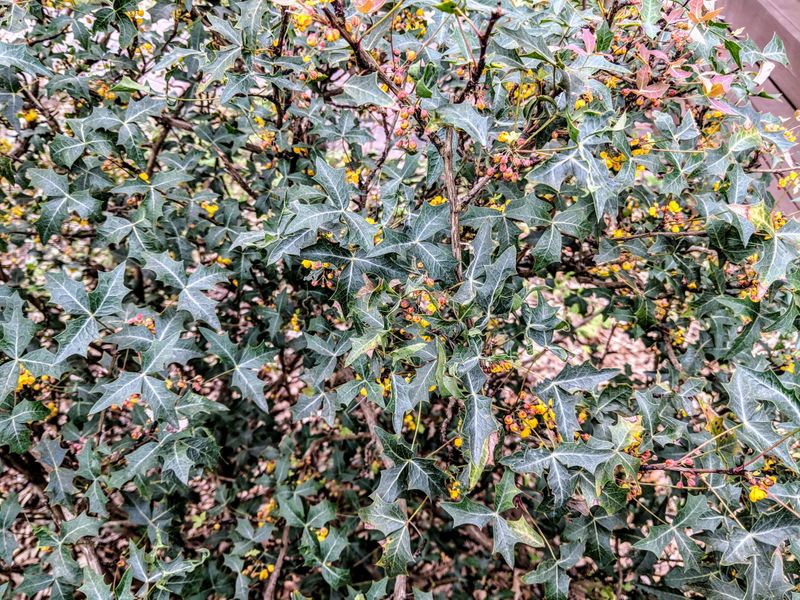
Every Texas yard needs a few plants that play defense, and agarita is one of them. Its spiny, dense form can help block some of the snug hiding spots rats love near fence bases, utility corners, and neglected edges.
That does not mean it magically removes rodents. What it can do is change how they move through the landscape by making certain routes less comfortable while still fitting a native planting plan.
Agarita is especially useful along boundaries, where yards often turn into easy rodent highways after dark. Instead of creating a soft, tangled edge with thirsty ornamentals, you can use agarita as a firmer structural plant that holds up to drought and heat and does not look out of place in Texas limestone country.
Because it stays fairly dense, it is best used in moderation and with spacing, not as an unbroken hedge around the whole yard. Give owls open viewing corridors between planted groups.
Used that way, agarita becomes a smart barrier plant: tough, regionally appropriate, and part of a layout that nudges rat traffic away from deep cover and into riskier, more visible zones.
7. Prickly Pear
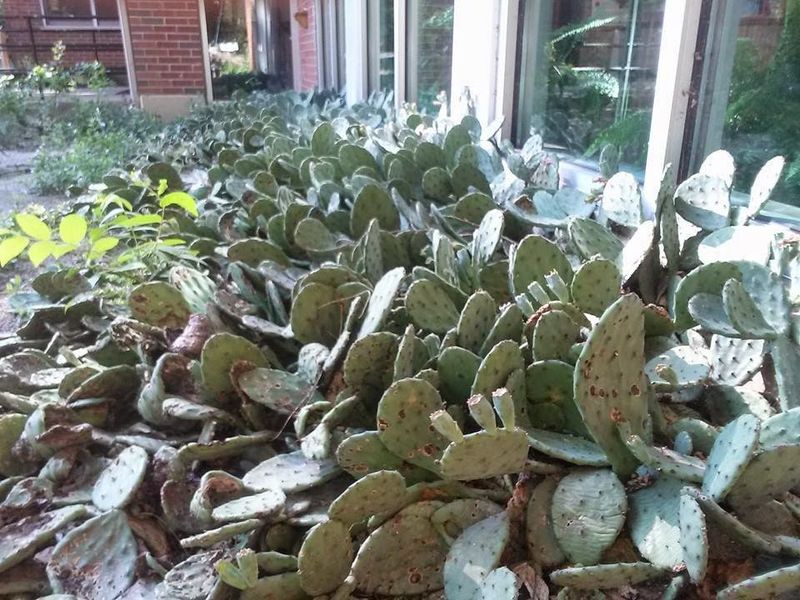
Prickly pear brings a bit of attitude to the yard, and that is exactly why it belongs on this list. In the right spot, it can discourage easy rodent shortcuts near foundations, fence gaps, and out-of-the-way corners where nighttime activity often goes unseen.
For owl-friendly design, the value is not in height but in placement. A patch of prickly pear can help define the edges of a hunting area, keeping some zones less inviting for hidden movement while leaving neighboring open ground available for owls to watch from above.
Texas gardeners also get the bonus of extreme climate fit. Prickly pear handles blazing sun, fits water-wise landscapes, and gives the yard a bold regional identity that feels far more rooted in place than generic bedding plants ever could.
Keep the arrangement intentional. One or two grouped plantings near problem edges usually work better than scattering cactus everywhere, especially if children or pets use the yard.
When paired with a perch tree and a few low, spaced native plants, prickly pear helps create a cleaner nighttime map of movement. That can make your yard less comfortable for rats and more readable for the owls already hunting your neighborhood.