
November is when California gardens quietly get a head start. The first rains soften the soil, the air cools down, and new plants can grow strong roots without fighting summer heat.
If you plant now, winter rain does much of the watering for you, and your yard can look full and lively by spring. Here are ten smart picks that settle in fast, save water, and give bees, birds, and butterflies something to cheer about.
1. California Poppy
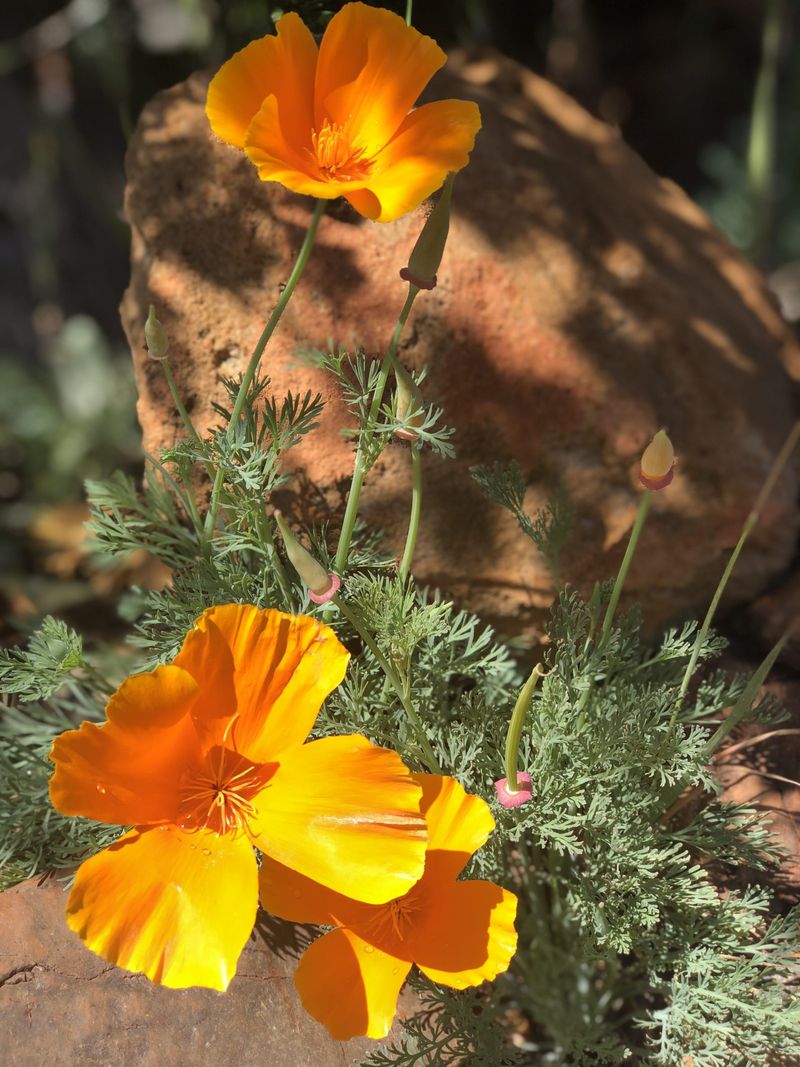
Scatter a handful of seed in November, and by March you may have a sheet of orange glowing across your yard. California poppies are the state flower for a reason, and they love the cool, wet months.
Sow seeds directly onto bare, loosened soil in full sun. Press them in lightly and let the rain handle the rest.
Skip the fertilizer, since rich soil tends to give you leaves instead of flowers.
Native bees visit the cups for pollen, and the plants often reseed on their own. Once summer heat arrives, they fade and go dormant, so pair them with a perennial that holds the space later.
2. Cleveland Sage
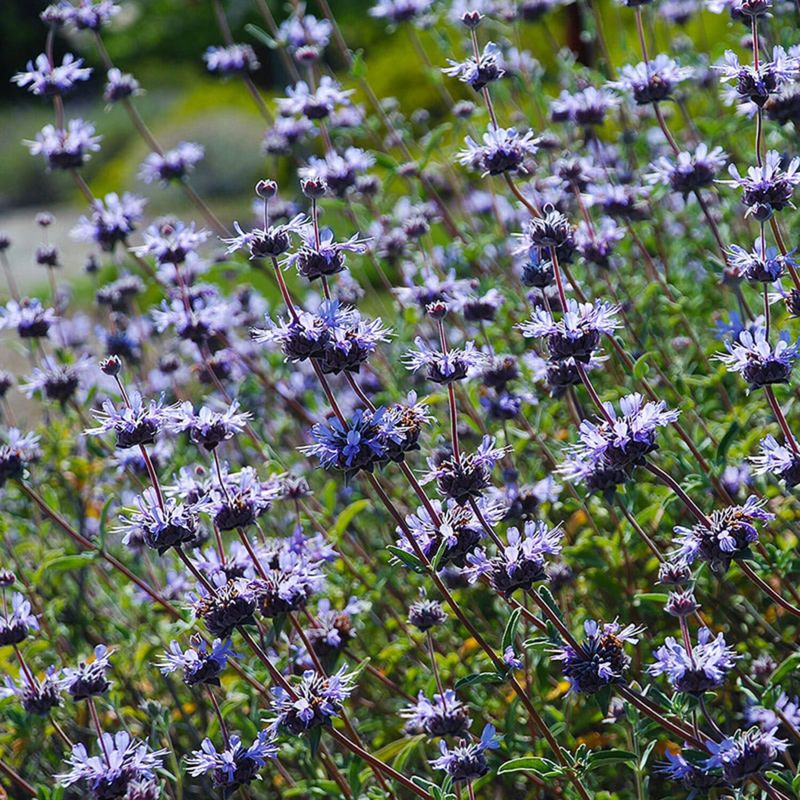
Brush past a Cleveland sage on a warm day and the whole path smells like the chaparral after rain. Few shrubs pack this much fragrance into a plant that asks for so little water once established.
November planting lets the roots spread deep before summer drought tests them. Give it full sun, fast-draining soil, and deep but rare watering during its first year.
After that, many gardeners water it only a few times each summer.
Hummingbirds and native bees work the purple blooms from late spring into summer. It grows roughly four to five feet wide, so give it room, and it can fill a bare corner within a season or two.
3. Douglas Iris
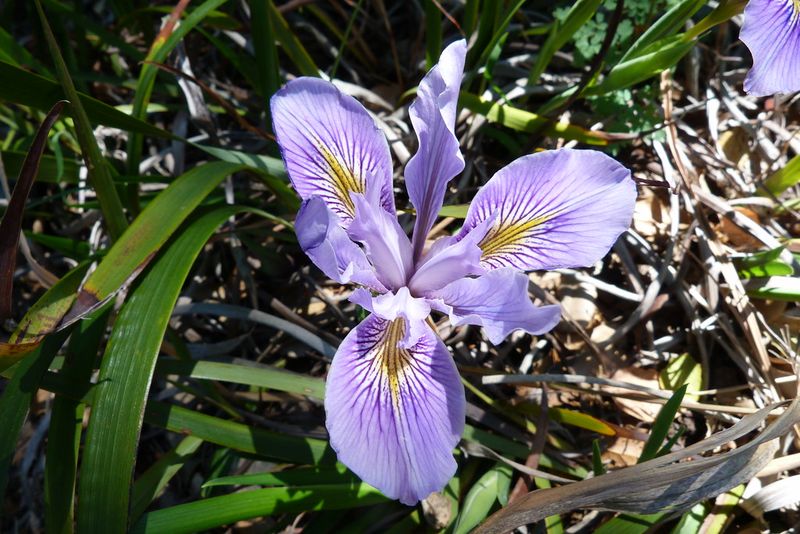
Shady spots under oaks or along a north fence often sit bare and dusty. Douglas iris changes that, forming neat grassy clumps that bloom in shades of lavender, cream, and deep purple in spring.
Native to coastal California, it handles dry shade better than most flowering plants. Plant it now so it can root in while the soil stays moist.
Avoid heavy summer watering, which can cause rot.
Clumps widen steadily, and by spring your planting may look twice as full. It is a tidy choice for edging a path or tucking under trees where lawn struggles.
4. Narrowleaf Milkweed
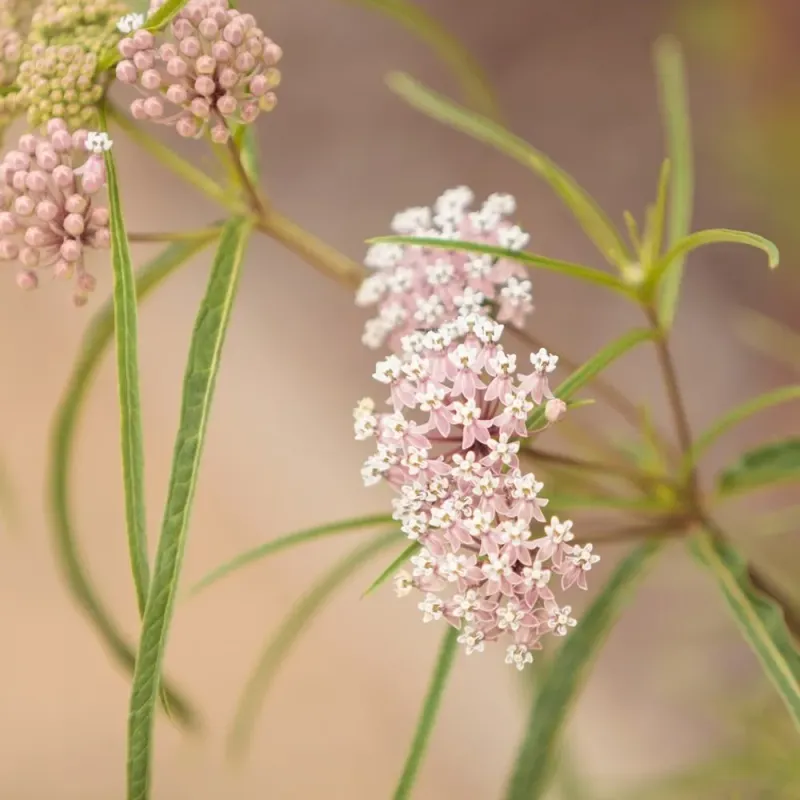
Western monarch numbers have dropped sharply over the years, and many well-meaning gardeners plant the wrong milkweed. Tropical milkweed stays green all winter in mild areas and may spread a parasite that harms monarchs.
Narrowleaf milkweed is a California native and the better pick for most yards. It dies back in winter, which is normal and can help break the disease cycle.
Planting root starts or seed in fall gives them time to establish before spring.
Put it in full sun where you can watch the caterpillars munch. If you already grow tropical milkweed, consider cutting it back in fall or swapping it out.
5. Deer Grass
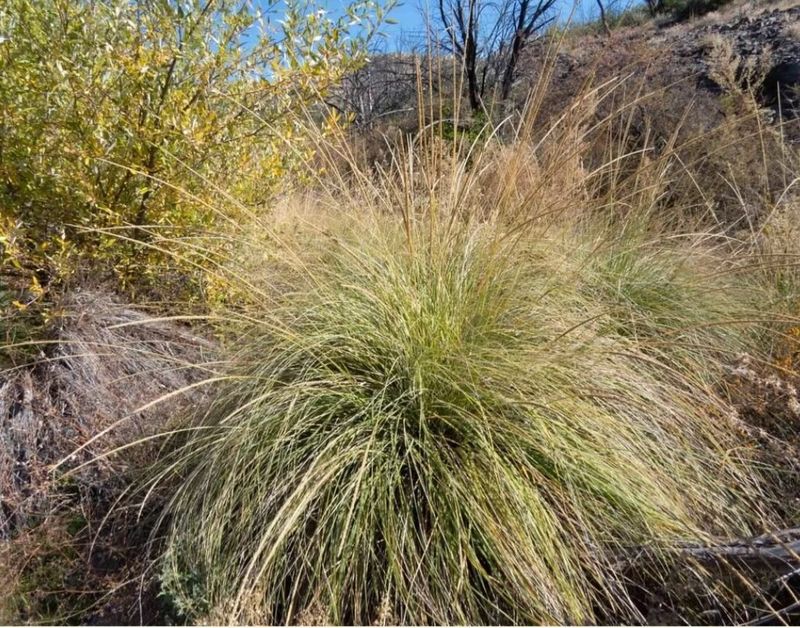
Want a big, soft fountain shape that looks like it took years to grow? Deer grass can reach three to four feet tall and wide in just a season or two.
It handles clay, sand, heat, and drought, which makes it a solid lawn-replacement filler. Planting in November lets winter rain do the early watering.
Space clumps a few feet apart and mulch between them.
Birds shelter in the leaves, and the arching flower spikes catch the light beautifully. Give it a trim every few years if it starts to look shaggy.
6. Ceanothus
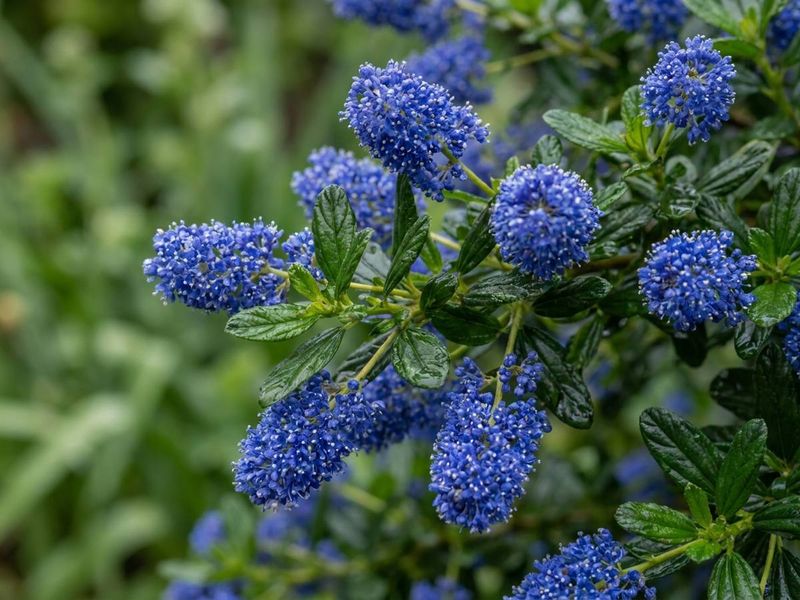
Spring in a ceanothus yard sounds like a buzzing radio. Clouds of blue flowers cover the shrub, and bees pour in from every direction.
Often called California lilac, ceanothus grows quickly, which is exactly what you want for a fill-in plan. Fall is the ideal time to plant because summer watering can shorten its life.
Choose a variety sized for your space, from ground covers to small trees.
Keep it in full sun with good drainage and stop regular watering once it settles in. In fire-prone hillside areas, check local defensible-space guidance before placing shrubs close to the house.
7. Sweet Peas
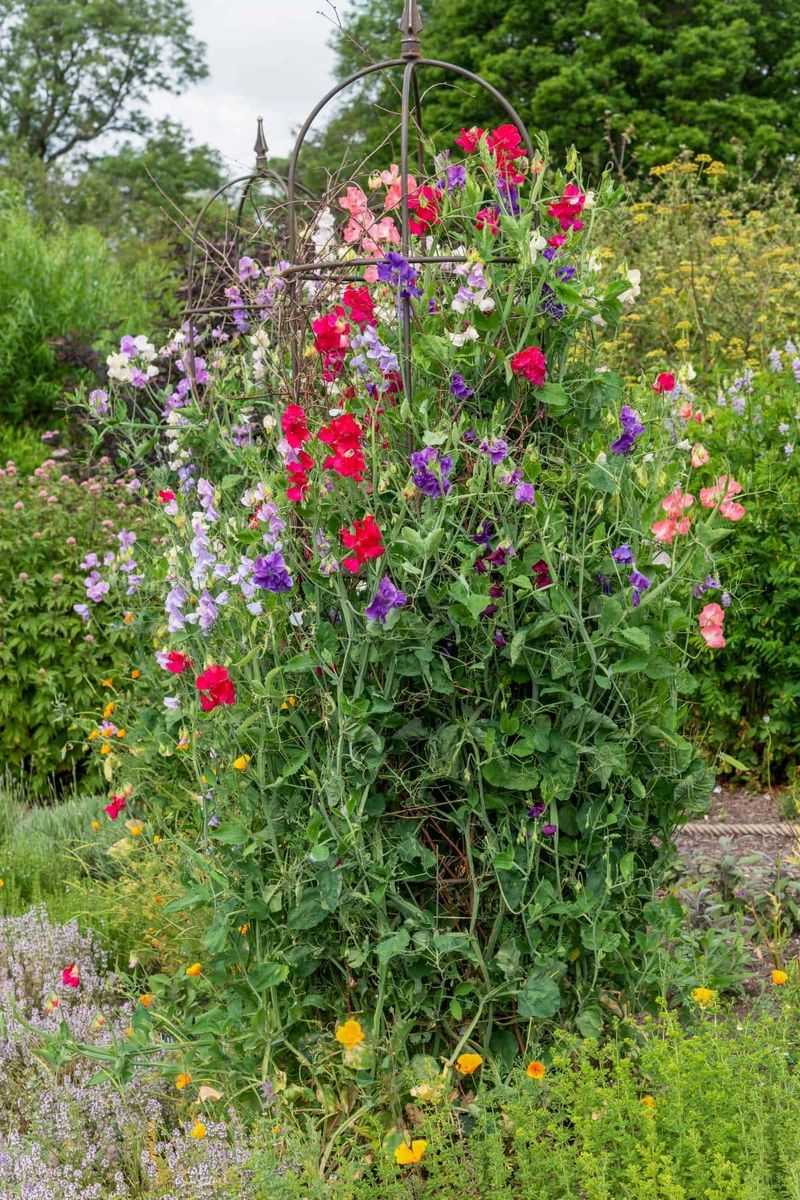
Grandma’s garden fence probably had a tangle of sweet peas, and there is a good reason. These old-fashioned vines love California’s cool winters and bloom with pure perfume by spring.
Soak the seeds overnight, then sow them along a fence or trellis in full sun. They climb fast once roots settle.
Pick flowers often and the vine keeps producing.
Sweet peas are not native and they fade in summer heat, so think of them as a seasonal treat. Keep seeds away from kids and pets, since they are not edible.
8. Yarrow
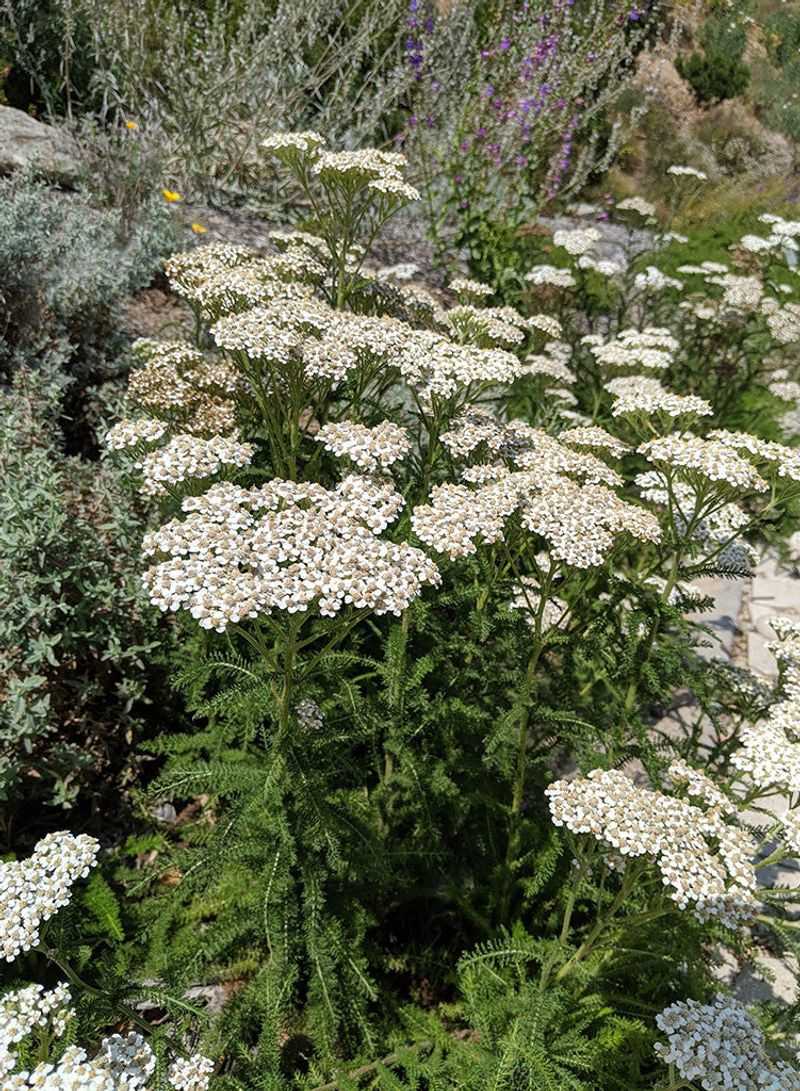
Here is a lawn alternative you can actually walk on. Common yarrow forms a ferny green mat that tolerates light foot traffic and needs far less water than turf.
Plant plugs about a foot apart in November, and they may knit together by spring. Mow occasionally for a lawn look, or let it bloom with flat white clusters for pollinators.
Native forms of yarrow grow across much of California. Small beneficial wasps and hoverflies visit the flowers, and those insects can help keep aphids in check.
9. Garlic
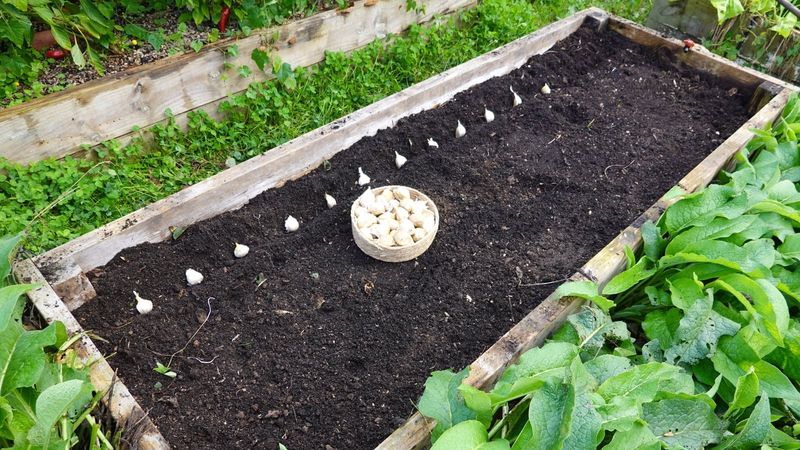
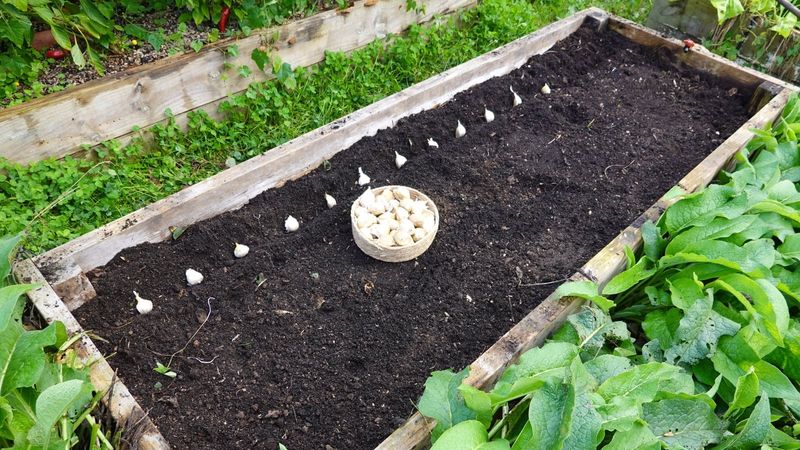
Few crops are as easy as garlic. Push a clove into the soil now, walk away for months, and dig up full bulbs in early summer.
Choose softneck types for warmer inland and Southern California areas. Plant cloves pointy side up, about two inches deep, in a sunny raised bed.
A layer of straw mulch helps hold winter moisture.
Green shoots poke up within weeks, so your bed looks lively all winter. Water only when rains stall, and stop watering as the leaves begin to brown.
10. Coyote Brush
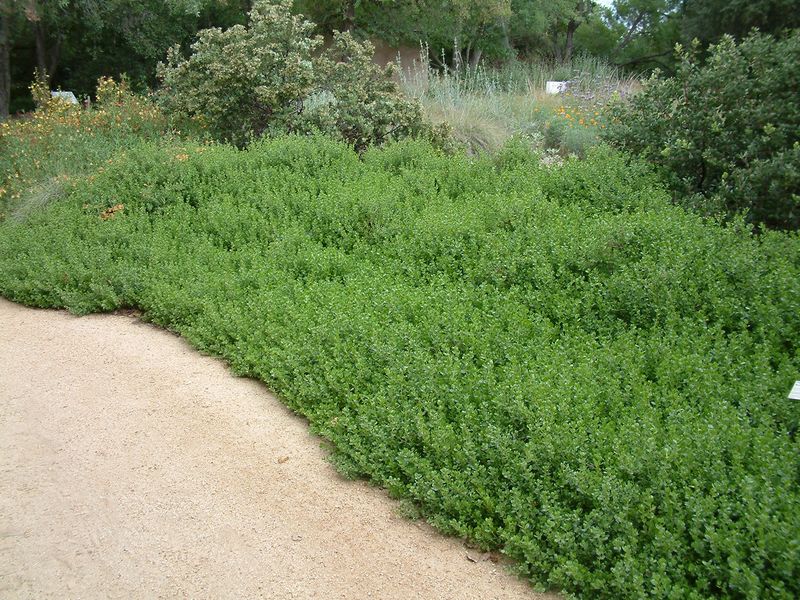
Bare slopes erode fast in winter storms, and weeds move in right after. Coyote brush is a tough native answer, especially the low spreading forms like Pigeon Point.
One plant can spread six feet or more, covering ground quickly with bright evergreen leaves. Roots planted in fall can grip the soil before heavy rains.
Once established, it usually needs little summer water.
Late-season flowers feed insects when little else blooms. Low, well-maintained groundcovers may also fit better into defensible-space plans than tall dry shrubs, though local rules vary.