
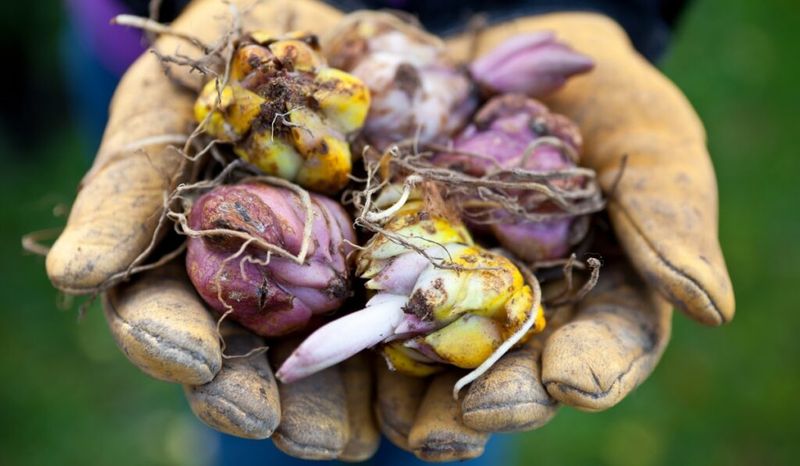
September in California is a sweet spot that a lot of homeowners miss. The brutal summer heat starts to fade, but the soil is still warm enough for roots to settle in before winter rains arrive.
That combo makes fall one of the best times to plant here, not spring like most people assume. Pick the right plants now, water them wisely, and you will have a yard that looks alive while using far less water than you would think.
1. California Poppy
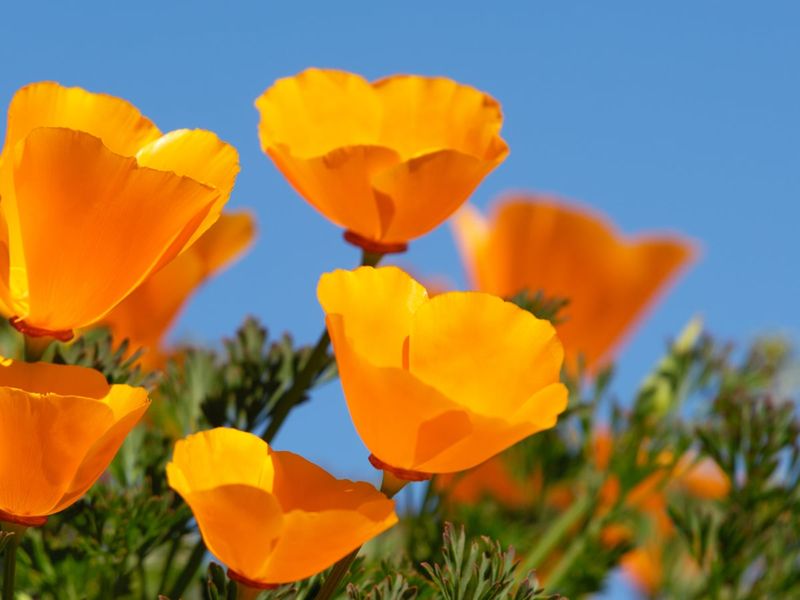
Nothing says California quite like a drift of glowing orange poppies, and September is the moment to scatter their seeds. As the state flower, Eschscholzia californica is built for our exact conditions: warm soil now, gentle winter rains later, and long dry summers it shrugs off completely.
Sow seeds directly where you want them, since poppies hate being transplanted. A light raking into the soil and a gentle watering is all it takes.
By late winter and early spring, you will have carpets of color that pollinators adore.
Native bees especially depend on poppies, so planting them is a small act of stewardship that pays off with buzzing life in your beds. Once established, they reseed themselves year after year with zero fuss and almost no supplemental water.
2. Garlic
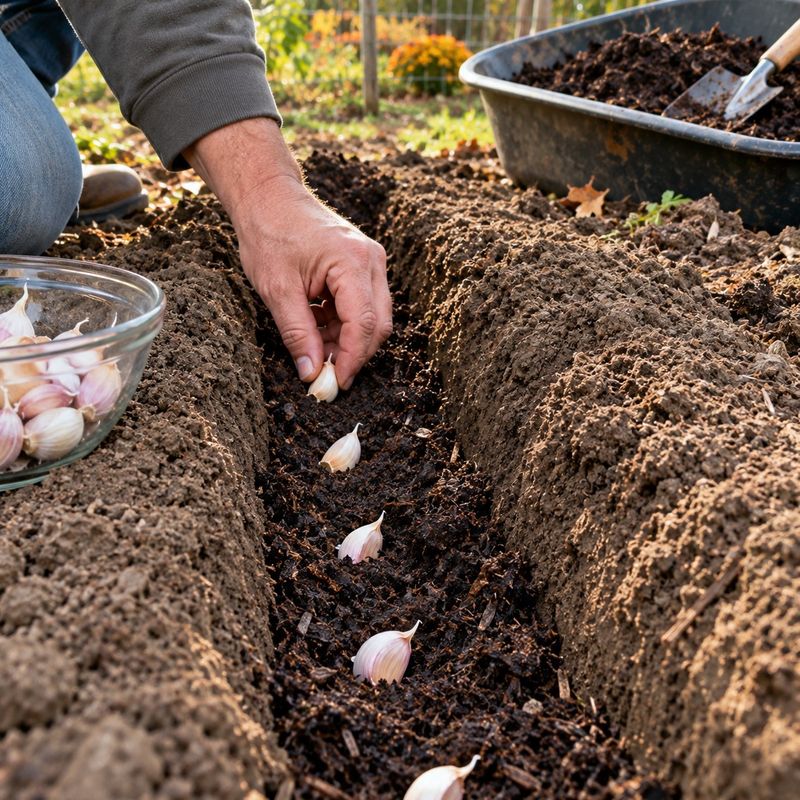
Here is a crop that rewards patience like nothing else in the fall garden. Garlic planted in September and October spends the cool months building strong roots, then bulbs up beautifully by early summer.
Break a head into individual cloves and tuck each one about two inches deep, pointy side up, spacing them a few inches apart. California’s mild winters mean you can skip the heavy mulch that colder regions rely on, though a light layer helps hold moisture during dry spells.
Softneck varieties tend to do best in our warmer zones and store for ages once cured. There is something deeply satisfying about pulling homegrown garlic you planted nearly nine months earlier, and it asks almost nothing of you in between.
3. Cool-Season Lettuce and Greens
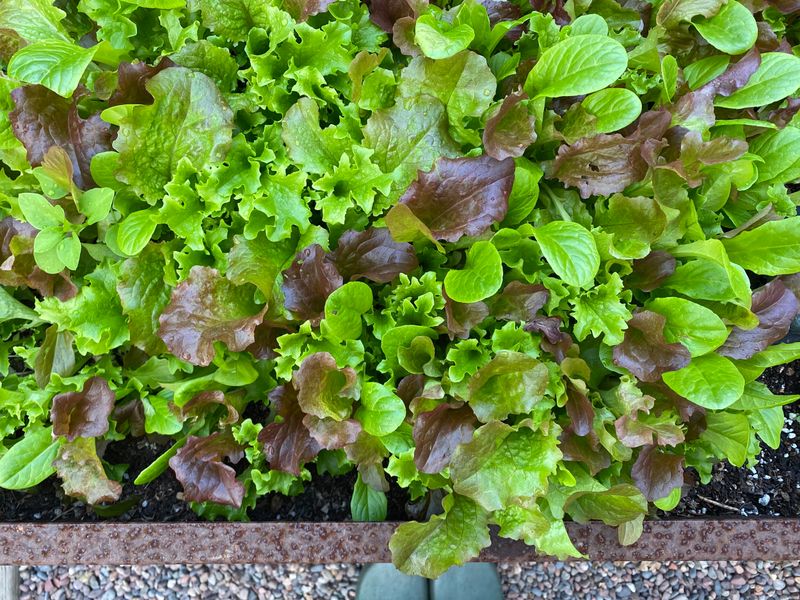
Summer heat makes lettuce bolt and turn bitter, which is exactly why fall is its happy season. With September’s cooling temperatures, greens like leaf lettuce, spinach, kale, and Swiss chard finally get the mild weather they crave.
You can sow seeds directly or pop in transplants for a faster harvest. Loose-leaf types let you snip outer leaves and keep the plant producing for weeks, which stretches every bit of water you give them.
Because these grow shallow roots, a raised bed or container works wonderfully and gives you control over the soil. Tuck them where they get morning sun and a little afternoon shade in warmer inland valleys, and you will be harvesting salads well into winter across most of California.
4. Cleveland Sage
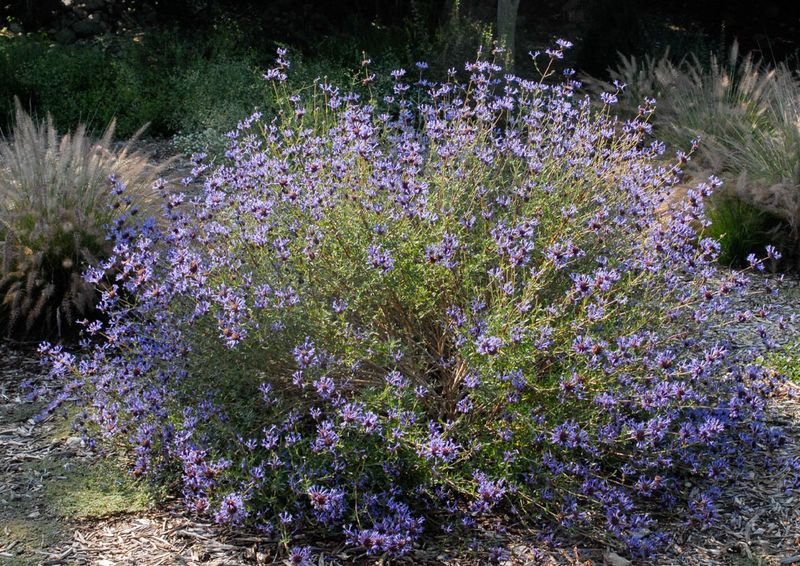
Brush past a Cleveland sage on a warm afternoon and the air fills with a sharp, herbal fragrance you will not forget. Salvia clevelandii is a California native shrub that thrives on neglect once it settles in, making it a dream for water-wise yards.
Fall planting gives its roots time to establish before the summer drought returns, so it enters its first hot season already tough. The whorls of blue-purple flowers become absolute magnets for native bees, hummingbirds, and butterflies.
For fire-prone hillside homeowners, keep in mind that sages carry oils, so place them thoughtfully within your defensible-space plan rather than crowded against the house. Give it full sun, sharp drainage, and then mostly leave it alone.
5. Sweet Peas
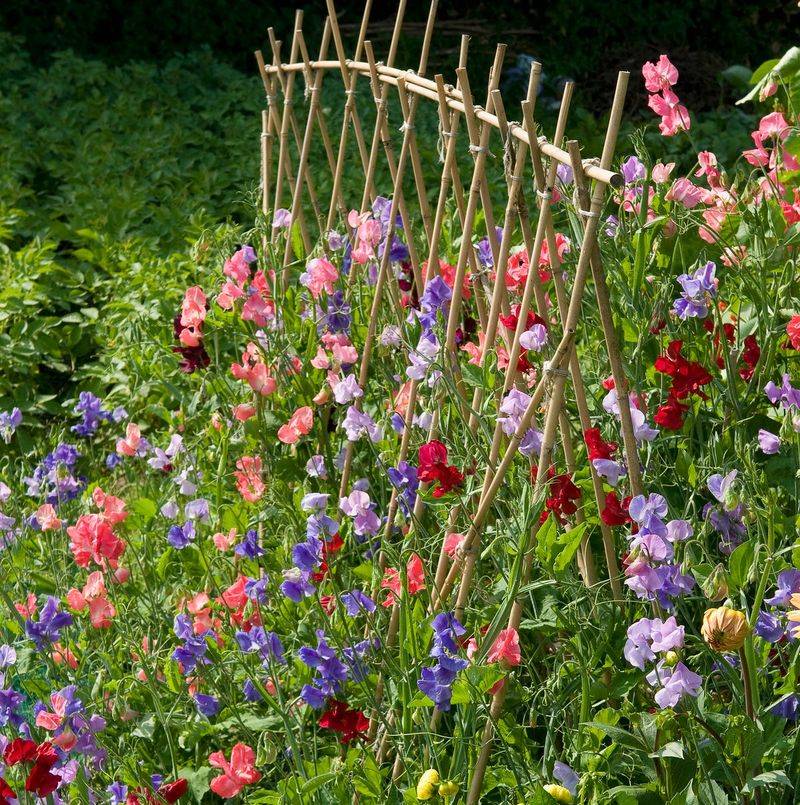
Old-fashioned charm meets a powerhouse fragrance with sweet peas, and California gardeners have a secret advantage: we can plant them in fall. Sow seeds now near a trellis or fence, and the vines will quietly grow through the cool months.
Come spring, you get an explosion of ruffled blooms in pinks, purples, and creams that fill a room when you bring them inside. Soaking the seeds overnight before planting helps them sprout faster.
They appreciate a bit of support to climb and consistent moisture while young, but our winter rains often handle much of that work for you. Cut flowers frequently and the plants will keep producing, rewarding you for every bouquet you steal.
6. Broccoli and Cauliflower
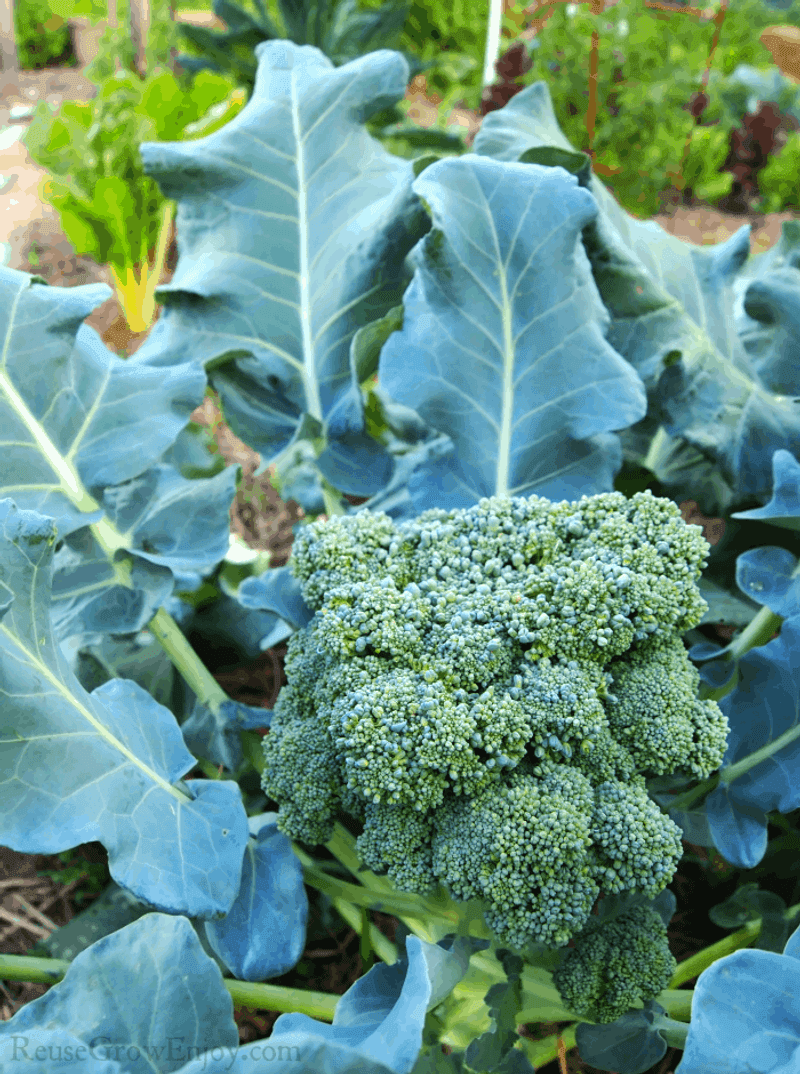
These cool-weather cousins turn sulky and flavorless in heat, so September planting sets them up for success. Broccoli and cauliflower transplants dropped in now will size up steadily as the days shorten and temperatures drop.
Give them rich, well-draining soil and steady moisture, since inconsistent watering can cause small or bitter heads. Spacing matters too, so leave roughly eighteen inches between plants to let each one develop fully.
Watch for cabbage worms, which love these crops, and pick them off by hand or use a row cover instead of reaching for harsh sprays that harm pollinators. Harvest broccoli side shoots after the main head, and you will keep eating from a single plant for weeks.
7. California Fuchsia
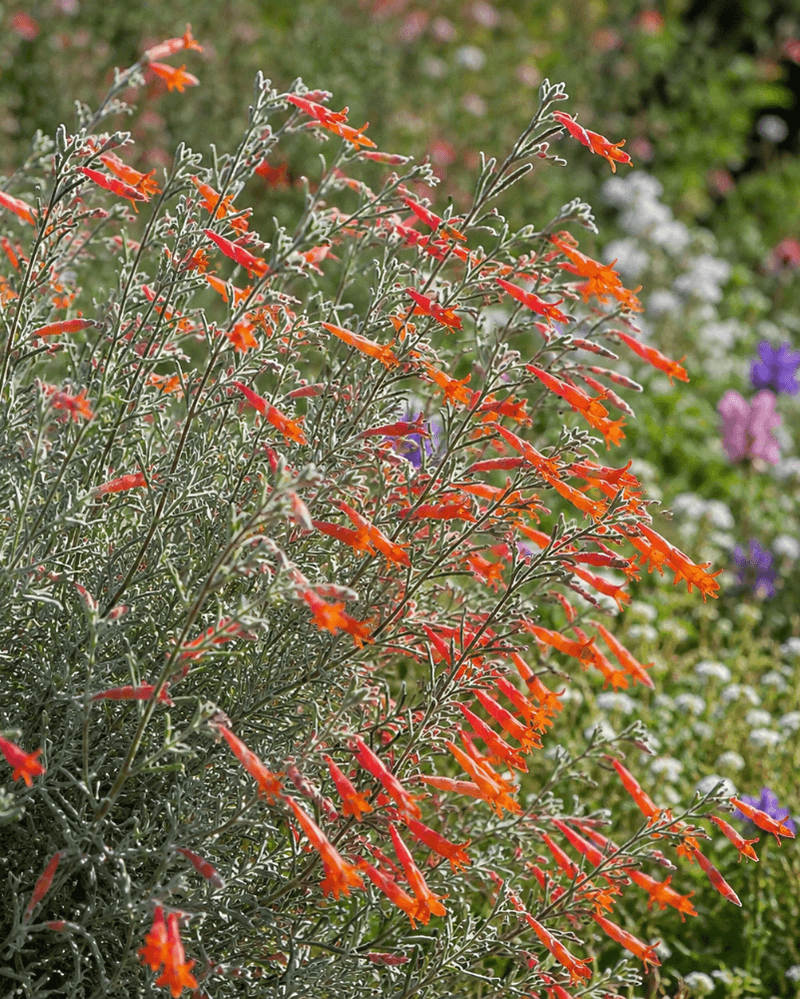
Just when most flowers are winding down, California fuchsia lights up with fiery red-orange trumpets that hummingbirds cannot resist. Epilobium canum is a tough native perennial that blooms into fall, filling a gap when your other plants have quit for the year.
Planting it now lets the roots grip the soil before winter, so it comes back stronger each season with barely any water. It spreads gently to cover slopes and dry corners where little else wants to grow.
If you have worried that a water-wise yard means a boring one, this plant proves otherwise, and it feeds migrating hummingbirds right when they need fuel. Cut it back hard in late winter and it rebounds thick and full.
8. Manzanita
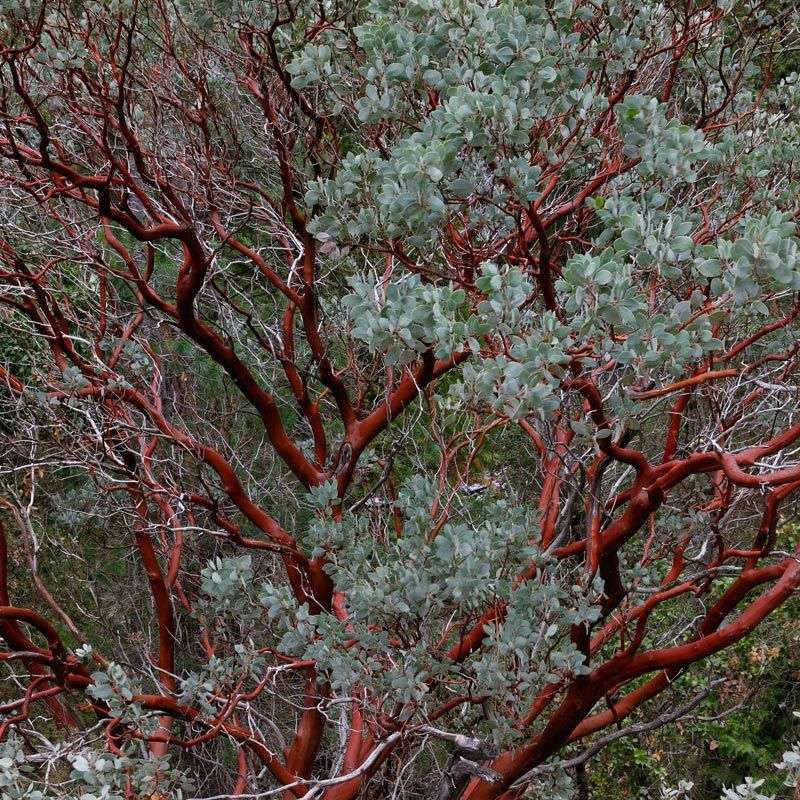
Smooth, cinnamon-red bark and a sculptural shape make manzanita one of the most striking plants you can add to a California yard. Beyond its good looks, this evergreen native is a backbone plant for water-wise landscapes and a lifeline for wildlife.
Fall planting is ideal because manzanitas are famously fussy about establishment, and the cool, moist months help their roots take hold without rot. Choose a low-growing groundcover type or an upright shrub form depending on your space.
Its little urn-shaped winter flowers feed early native bees and hummingbirds when almost nothing else is blooming. Plant it in a spot with excellent drainage, resist the urge to overwater, and this slow starter will become a decades-long anchor of your garden.