
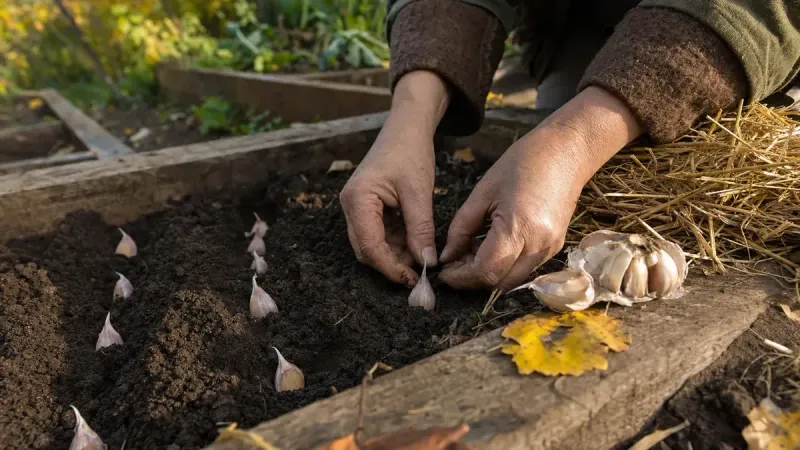
Garlic goes into the ground when most of the garden is winding down, and that is part of its charm. Plant cloves this fall, and by late spring you could be pulling up bulbs you grew yourself.
North Carolina is a big state, so the best dates shift from the Sandhills to the Piedmont. Here is how to plant at the right time for your area and what to expect when harvest nears.
October is a suitable window, not a statewide start date
October is a sound month to plant garlic in North Carolina, but it is not the only good one, and it is not a single start date for the whole state. A central North Carolina planting calendar from NC State Extension runs from September 15 through November 30, as noted in NC State’s Lee County garlic guidance.
That gives Piedmont gardeners a wide stretch of fall to work with.
Broader NC State guidance is a bit narrower. The NC State Plant Toolbox lists late October through November as the usual timing and allows planting into December in southern areas.
So a gardener near the coast or in the Sandhills may plant later than someone farther north, and a mountain gardener should lean on local advice from the county Extension office.
The reason for planting in fall is simple. Cloves settle in and grow roots before winter, then put on leaf and bulb growth as spring warms up.
That head start is the benefit, though it does not mean an October date alone will produce big bulbs.
Harvest usually lands somewhere between May and June. Think of that as a rough estimate, not a deadline.
Weather, variety, and your own soil can move the date earlier or later, and later sections cover how to read the plants themselves.
For now, pick a planting date inside your local window, mark it on the calendar, and use the next steps to get the details right.
Choose clean cloves and a variety suited to your region
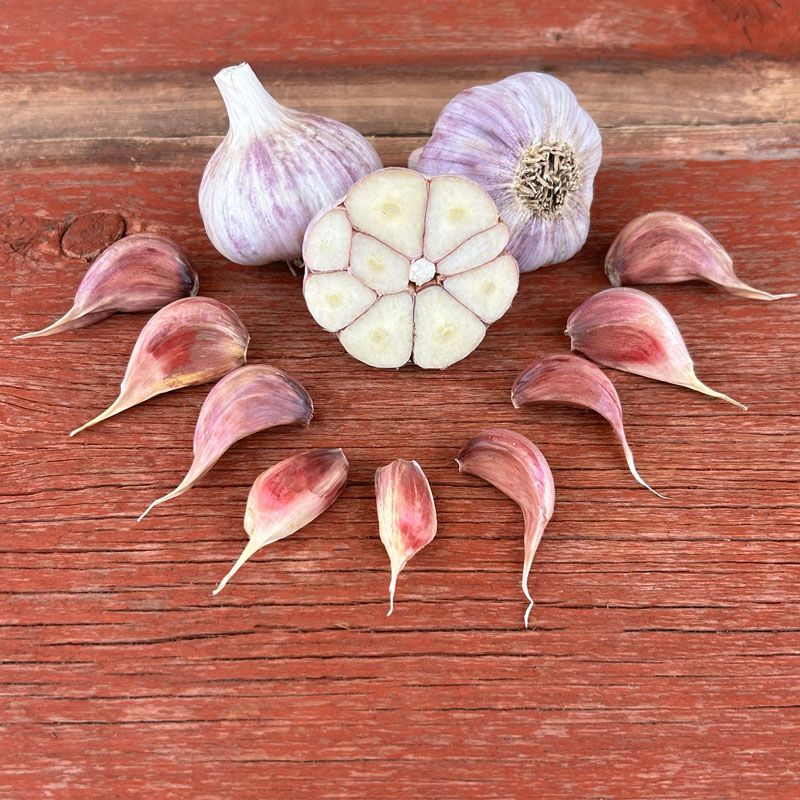
Before you touch the soil, decide where your cloves will come from. Reputable seed garlic with a known history is the safest choice, because some diseases travel inside cloves without showing any symptoms.
University of Maryland Extension cautions that grocery-store garlic may carry disease you cannot see.
The big worry is white rot. According to Maryland’s white rot fact sheet, it can spread through infected cloves and stay in soil for decades.
That is a long time to lose a bed to onions and garlic.
That does not mean every grocery bulb is infected. Some North Carolina Extension writers describe planting store-bought cloves as possible.
The catch is that you rarely know where that garlic was grown, so clean, known-origin stock lowers your risk.
Variety matters too, and the answer changes by region. NC State’s Hoke County article says softneck garlic is better suited to the Sandhills climate, while hardneck success depends on the specific variety.
Hardnecks can work in the South as well. NC State’s Lee County article names Chesnok Red and German Extra Hardy as hardneck varieties that have succeeded.
Neither type is the best for every part of the state, so ask your county Extension office what local gardeners are growing.
Prepare a sunny bed that drains freely
Garlic asks for little, but it does want sun. Pick a spot that gets full sun for most of the day, and avoid the shady corner near the fence where water lingers after rain.
The soil should be loose, fertile, and well drained, which is what the NC State Plant Toolbox recommends. Loose soil lets roots spread through the winter, and good drainage keeps cloves from sitting in water.
Wet feet are the main thing to avoid. NC State’s Hoke County guidance notes that garlic dislikes persistently wet soil.
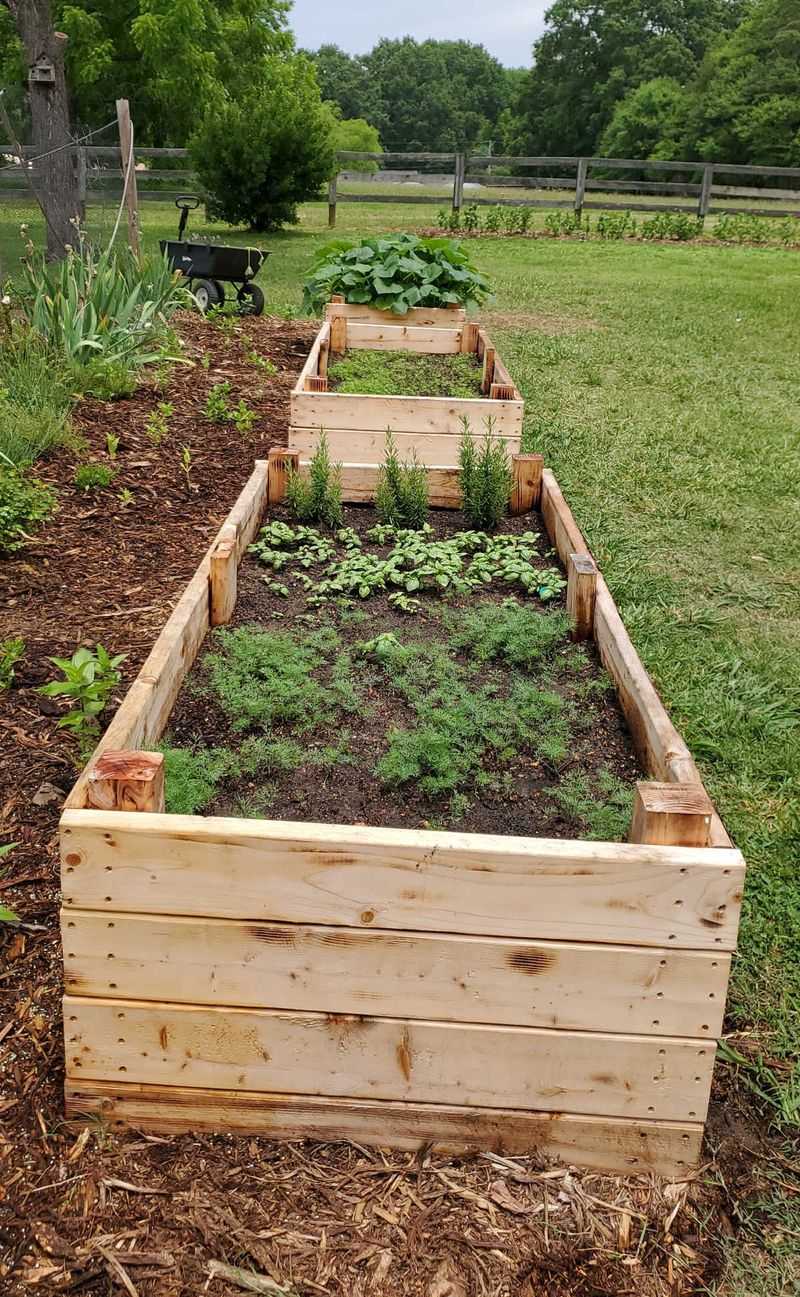
If your yard has heavy clay or a spot where puddles hang around, a raised bed is a practical way to get water moving away from the cloves.
Here is a simple test. After a good rain, check the bed the next day.
If the ground is soggy or shiny with standing water, choose another spot or build the bed up.
Before planting, work the top several inches of soil with a garden fork and pull out weeds, rocks, and old roots. If you wonder whether to add fertilizer or amendments, a soil test through the NC Department of Agriculture can tell you what your soil actually needs, rather than guessing.
Plant individual cloves pointy end up
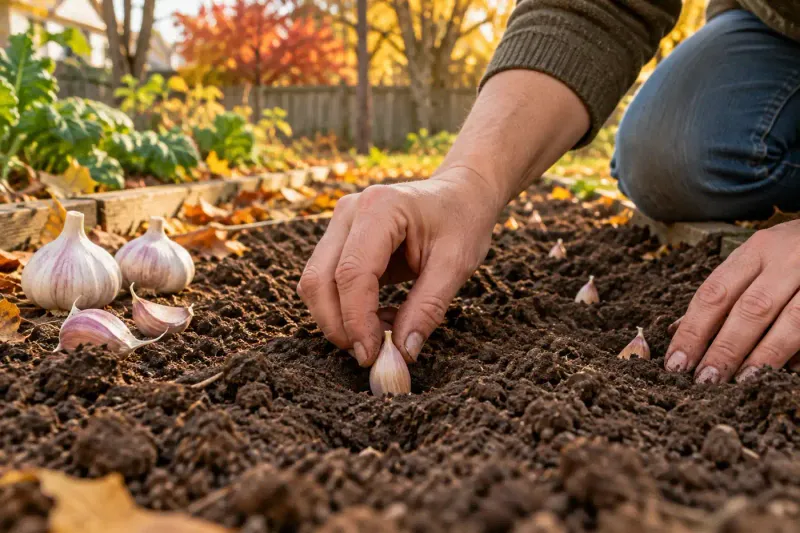
Planting day goes quickly. Break the bulbs apart into individual cloves, keeping the papery skin on each one, and save the biggest cloves for planting since they tend to give the best start.
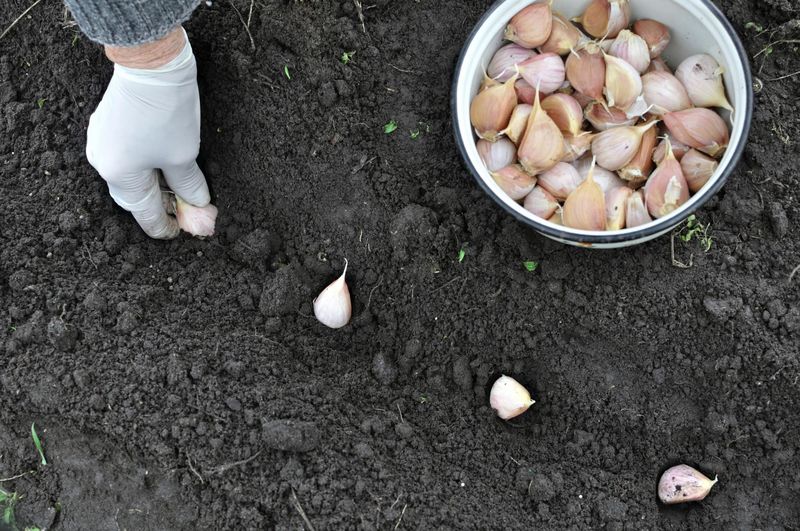
Set each clove pointy end up, with the flat root end facing down. Cloves planted upside down can still grow, but they waste energy turning the shoot around.
Sources give ranges for depth and spacing rather than one magic number. The NC State Plant Toolbox suggests 2 to 3 inches deep and 6 to 8 inches apart.
A recent NC State Sandhills article allows 1 to 3 inches deep and 4 to 8 inches apart.
In a small backyard bed, many gardeners aim for the middle of those ranges. Deeper planting can help in colder spots, while wider spacing gives each plant more room.
Spacing helps plants avoid crowding, but it does not promise large bulbs. Firm the soil gently over each clove and water the bed once so the soil settles around them.
Rows about a foot apart leave room for weeding in spring.
Support spring growth without promising bigger bulbs
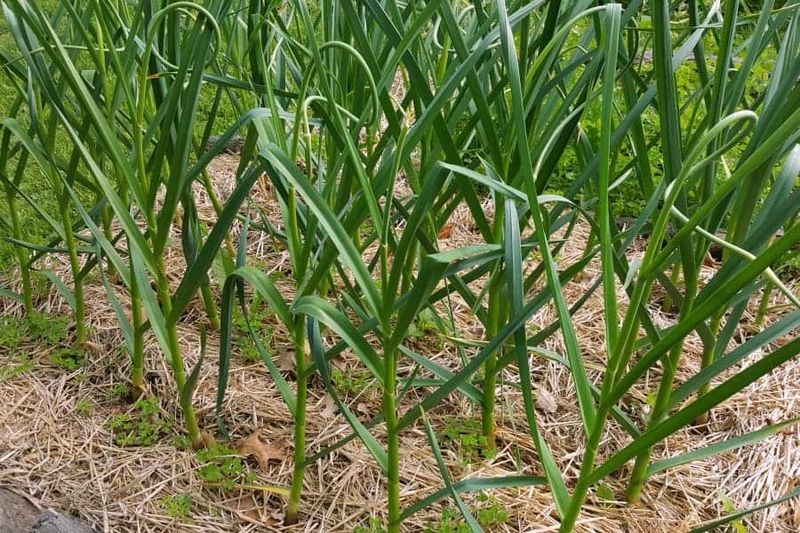
Once green shoots show up, your job gets lighter. Weeds are the biggest rival for young garlic, since the plants are slim and do not shade the soil much.
A layer of mulch such as straw or shredded leaves can help suppress weeds. That is the supported benefit, so think of mulch as a weeding helper rather than a trick for bigger bulbs.
Keep it loose so water drains through.
Hardneck garlic sends up a curling flower stem called a scape in late spring. The NC State Plant Toolbox says removing it increases bulb size, so snipping scapes is an option if you want the plant to put more growth into the bulb.
Better yet, scapes are edible. Chop them into scrambled eggs, blend them into pesto, or grill them whole for a mild garlic flavor weeks before the bulbs are ready.
Watering matters when spring turns dry, and the Hoke County article reminds gardeners that garlic does not like soggy soil, so water only when the top of the bed has dried out. For fertilizer questions, rely on your soil test results instead of a set ratio.
Let the leaves—not the calendar—signal harvest
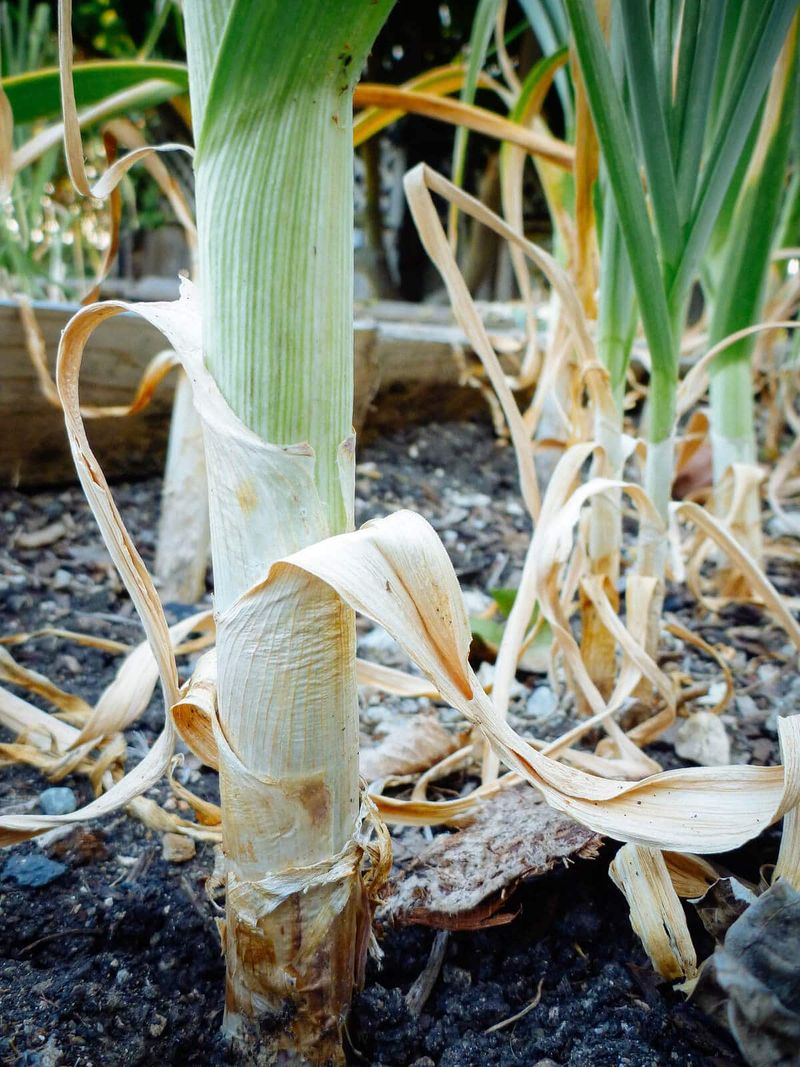
The calendar gives a ballpark, and the plants give the real answer. NC State places harvest in May to June, with the Sandhills guidance pointing to around June.
Warm springs, variety, and planting date can all shift that window.
Start watching the leaves in late spring. NC State guidance points to the lower leaves yellowing, or about half the leaves turning brown, as the signal to harvest.
Dig one test bulb if you are unsure. A bulb that is well wrapped in papery skin and has plump cloves is ready, while one that looks small and thin may need another week.
When it is time, do not yank the plants by their tops, because stems can snap and leave the bulb stuck in the ground. Loosen the soil beside each row with a garden fork, then lift the bulbs gently and brush off clumps of dirt without scrubbing.
If you plan to store your garlic, cure it first. The NC State Plant Toolbox supports drying bulbs in a dry, shaded, well-ventilated place such as a garage or covered porch.
Hang them in small bunches or spread them on a screen until the tops and skins are papery.
Set realistic expectations for bulb size
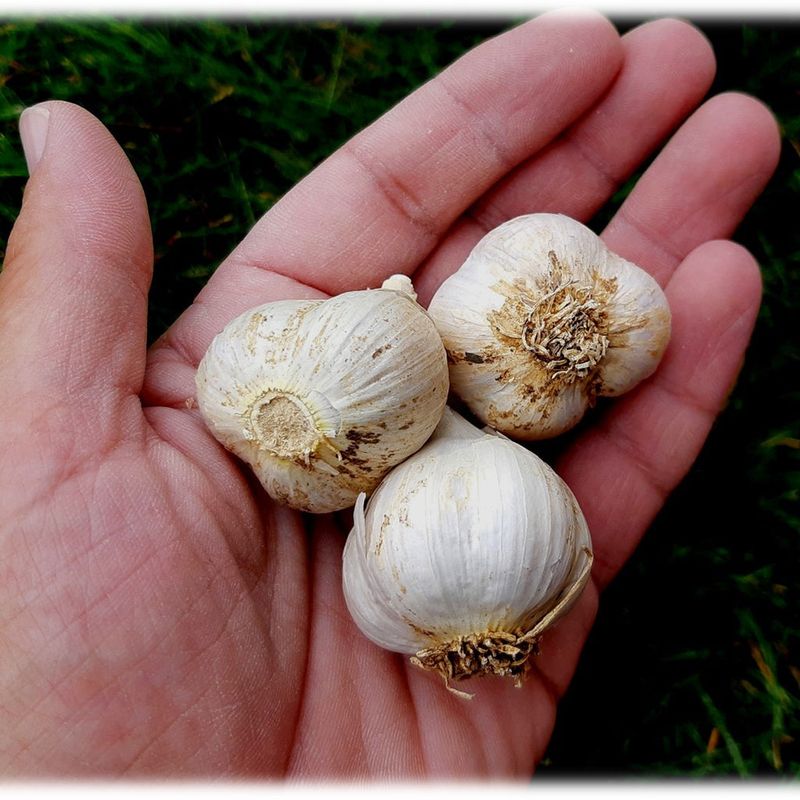
Every gardener pictures a basket of big, plump bulbs. Planting at a good time gives garlic a suitable season to grow, but it cannot ensure that result.
Several things shape size. University of Maryland Extension notes that large cloves produce larger bulbs and that spring plantings produce smaller bulbs.
Spacing and growing conditions also play a part.
Variety is another factor. Some types naturally make larger bulbs than others, and NC State’s Plant Toolbox ties results to variety and growing conditions, so a variety that thrives in a neighbor’s garden may act differently in yours.
A few small bulbs in your first year is normal, not a failure. Keep notes on planting date, variety, spacing, and harvest date, then compare them next fall.
Next season, plant your largest cloves from your own best bulbs, as long as they are healthy.
Fall garlic rewards patience and attention more than precision. Plant within your local window, and let the leaves tell you when to dig.